2027 How to Become a Licensed Pharmacist in Ohio

Co-Founder and Chief Data Scientist
If you want to practice pharmacy in Ohio, the main decision is not simply choosing a pharmacy school. You need to understand the full licensure path: the Pharm.D. degree, supervised internship hours, national and state law exams, background check, fees, renewal rules, and the kinds of roles available after licensure. Missing one requirement can delay your start date, increase costs, or create problems when applying for jobs.
This 2026 guide is designed for students, career changers, pharmacy technicians considering advancement, and Pharm.D. graduates preparing for Ohio licensure. It explains how to become a licensed pharmacist in Ohio, how long the process can take, what it may cost, whether online pharmacy education can fit into the path, and how to evaluate the career outlook before committing to pharmacy school. In 2024, Ohio was among the states with the highest number of pharmacist job postings, with 699 open positions, which makes understanding the state pathway especially important for future applicants.
Quick Answer: How Do You Become a Licensed Pharmacist in Ohio?
To become a licensed pharmacist in Ohio, you must generally be at least 18 years old, demonstrate good moral character, earn a Doctor of Pharmacy degree from an accredited pharmacy program, complete at least 1,500 approved internship hours, pass the NAPLEX and MPJE with a score of at least 75 on each exam, complete a criminal background check with fingerprinting, and submit the required application and fees through the state licensing process.
| Requirement | What it means for applicants |
| Minimum age and character standard | You must be at least 18 years old and meet Ohio’s good moral character expectations. |
| Pharmacy education | You need a pharmacy degree from an accredited institution; foreign pharmacy graduates may face additional requirements. |
| Internship experience | Ohio requires a minimum of 1,500 hours in an approved internship. |
| Licensing exams | You must pass the NAPLEX and MPJE, earning at least 75 on each exam. |
| Background check | A criminal background check, including fingerprinting, is required before licensure. |
| Fees | You should budget for application, examination, licensing, renewal, and possible reinstatement fees. |
Key Things You Should Know About Becoming a Licensed Pharmacist in Ohio
- Ohio licensure is a multi-step process that combines education, supervised practice, testing, background review, and state application procedures.
- A Pharm.D. from an accredited pharmacy program is the standard academic credential for pharmacist licensure.
- The 1,500-hour internship requirement is not a formality; it is where candidates build practical judgment in real pharmacy settings.
- The NAPLEX tests pharmacy practice knowledge, while the MPJE focuses on pharmacy law and state-specific rules.
- Online coursework may help with flexibility, but licensing itself cannot be completed entirely online because exams, rotations, documentation, and background checks still apply.
- Before enrolling, compare total cost, accreditation, rotation support, exam pass outcomes, residency options, and whether the program fits your timeline.
- What is a licensed pharmacist?
- How long does it take to become a licensed pharmacist in Ohio?
- How do I get a pharmacy degree in Ohio?
- What are the requirements to become a licensed pharmacist in Ohio?
- How much does it cost to become a licensed pharmacist in Ohio?
- Can I get my pharmacist’s license online in Ohio?
- What is the job description of a licensed pharmacist in Ohio?
- What are the alternative careers for pharmacists in Ohio?
- Are there other career paths related to healthcare that I can pursue in Ohio?
- Can pursuing dual healthcare roles benefit my career?
- Is pharmacy school a good idea for aspiring pharmacists in Ohio?
- What pitfalls should I avoid when seeking pharmacist licensure in Ohio?
- Is there a noticeable difference in career earnings between pharmacy technicians and pharmacists in Ohio?
- How can pharmacists expand their healthcare expertise in Ohio?
- What professional development opportunities can enhance my career as a licensed pharmacist in Ohio?
- Which professional organizations can support my career as a licensed pharmacist in Ohio?
- How can cross-disciplinary education enhance my pharmacy practice in Ohio?
- How do Ohio pharmacy and other healthcare licensure requirements differ?
- What advanced training options can enhance my pharmacy career in Ohio?
- What do I do if my pharmacist’s license expires in Ohio?
- How much do licensed pharmacists in Ohio make?
- What is the job outlook for licensed pharmacists in Ohio?
- What is a licensed pharmacist’s career path in Ohio?
What is a licensed pharmacist?
A licensed pharmacist is a healthcare professional authorized to dispense medications, evaluate prescriptions, counsel patients, help prevent harmful drug interactions, and support safe medication use. In Ohio, pharmacists work in community pharmacies, hospitals, clinics, long-term care settings, specialty pharmacies, research environments, managed care organizations, and public health roles.
The standard route begins with a Doctor of Pharmacy degree from an accredited program. Students who need more scheduling flexibility may compare hybrid or distance-supported options, including a Doctor of Pharmacy program offered online or in hybrid format, but they should verify accreditation and in-person clinical requirements before applying.
After completing the degree, Ohio applicants must pass two core exams:
- North American Pharmacist Licensure Exam (NAPLEX): This exam measures whether a candidate can apply pharmacy knowledge safely in patient care and medication-use decisions.
- Multistate Pharmacy Jurisprudence Exam (MPJE): This exam focuses on pharmacy law, including rules that affect practice in Ohio.
Ohio also requires supervised internship experience. These hours give future pharmacists direct exposure to prescription review, patient counseling, medication safety procedures, pharmacy operations, and collaboration with other healthcare professionals.
Once licensed, pharmacists commonly handle responsibilities such as:
- Dispensing prescriptions accurately and safely.
- Explaining medication use, side effects, storage, and adherence strategies to patients.
- Reviewing medication therapy to identify interactions, duplications, or dosing concerns.
- Communicating with prescribers, nurses, and other healthcare team members.
- Following state and federal laws that govern controlled substances, privacy, documentation, and pharmacy practice.
- Participating in public health services such as immunization programs and screenings when authorized.
The role continues to shift toward more direct patient care. Pharmacists are increasingly expected to understand medication therapy management, chronic disease support, immunization services, informatics tools, and patient education technologies. That makes licensure only the starting point; long-term success depends on continued learning and adaptability.
How long does it take to become a licensed pharmacist in Ohio?
The typical path to pharmacist licensure in Ohio takes about six to eight years, depending on how long a student spends completing pre-pharmacy coursework, whether they enter an accelerated pathway, how quickly they finish the Pharm.D., and how promptly they complete exams and licensing paperwork.
| Stage | Typical time commitment | Decision point for students |
| Pre-pharmacy coursework | Often two to four years before the Pharm.D. | Confirm prerequisites early so you do not take unnecessary courses or miss required sciences. |
| Pharm.D. program | Usually four years | Compare accreditation, clinical placements, exam preparation, residency outcomes, and total cost. |
| Licensing exam preparation | Can take several months after graduation | Build a study schedule for both the NAPLEX and MPJE instead of treating the law exam as an afterthought. |
| Background check and application processing | Typically adds a few weeks | Prepare documents early and monitor the eLicense process closely. |
Students researching the broader pharmacist education and career timeline should pay close attention to prerequisites. Some applicants lose time not because the Pharm.D. is unclear, but because they apply before completing chemistry, biology, mathematics, or other required courses.
Technology may make parts of the process more convenient, especially exam preparation, virtual advising, online prerequisite coursework, and simulation-based learning. However, pharmacy remains a hands-on profession, so clinical rotations, supervised experience, and state licensing requirements still require careful planning.
The chart below lists the schools with the highest MPJE pass rate, as reported by the NABP in 2024.
How do I get a pharmacy degree in Ohio?
To earn a pharmacy degree in Ohio, you generally need to complete required undergraduate or pre-pharmacy coursework, apply to an accredited Pharm.D. program, finish the professional curriculum, and complete experiential training. One well-known option is The Ohio State University College of Pharmacy, which offers a curriculum focused on patient-centered practice and access to a large medical center and multiple health science colleges.
The basic process looks like this:
- Complete pre-pharmacy prerequisites: Most programs expect coursework in biology, chemistry, mathematics, and related sciences. Requirements vary by school, so students should review each program’s prerequisite list before choosing classes.
- Apply to Pharm.D. programs: Competitive applications commonly include transcripts, recommendation letters, a personal statement, and evidence that the applicant understands the demands of pharmacy practice.
- Evaluate program outcomes: The Ohio State program reported a 93% pass rate for first-time test takers on the NAPLEX in 2023, which is one example of the kind of outcome data applicants should review.
- Complete the Pharm.D. curriculum: The professional program generally takes four years and combines classroom study, laboratory work, simulations, and practical experiences.
- Plan for employment or postgraduate training: Graduates may move directly into pharmacy roles or apply for residency training. Recent statistics show that 50% of the Class of 2024 chose residency, while 34% entered pharmacy employment directly.
Students still comparing academic routes should review different degree options for becoming a pharmacist before committing to one program. The right choice depends on prerequisites, admission competitiveness, location, clinical placement support, cost, and the student’s preferred practice setting.
| What to compare | Why it matters |
| Accreditation | Licensure depends on completing an acceptable pharmacy education pathway. |
| Prerequisite policy | Different schools may require different science, math, and general education courses. |
| Experiential placements | Strong rotation access can expose students to hospital, community, ambulatory, and specialty settings. |
| Exam preparation | NAPLEX and MPJE readiness affects how quickly graduates can become licensed. |
| Residency support | Students interested in clinical or specialty roles should examine advising and match preparation. |
| Total cost | Tuition is only one part of the investment; fees, living costs, exam costs, and lost wages can matter. |
What are the requirements to become a licensed pharmacist in Ohio?
Ohio pharmacist licensure is overseen by the State of Ohio Board of Pharmacy. The Board sets and administers requirements intended to protect patients, maintain professional standards, and ensure that licensees are prepared for safe practice.
Core requirements include:
- Age and character: Candidates must be at least 18 years old and meet good moral character standards.
- Pharmacy degree: Applicants must complete a pharmacy degree from an accredited institution; foreign pharmacy graduates may need to satisfy additional criteria.
- Internship hours: Ohio requires at least 1,500 hours in an approved internship.
- NAPLEX: Candidates must pass the North American Pharmacist Licensure Exam with a score of at least 75.
- MPJE: Candidates must pass the Multistate Pharmacy Jurisprudence Exam with a score of at least 75.
- Background check: Fingerprinting and a criminal background check are required before licensure.
- Application and fees: Applicants must submit the proper materials and pay applicable fees through the state process.
Licensure does not end professional obligations. Pharmacists must renew their licenses and complete continuing education as required by the state. Continuing education helps pharmacists keep pace with new medications, safety standards, technology, law changes, and practice models such as telepharmacy and personalized medicine.
For some students, a pharmacy technician role can be a lower-cost way to explore the field before committing to a Pharm.D. If that is your situation, compare pharmacist licensure with online pharmacy technician training options and make sure you understand the difference in scope, responsibility, and education level.
How much does it cost to become a licensed pharmacist in Ohio?
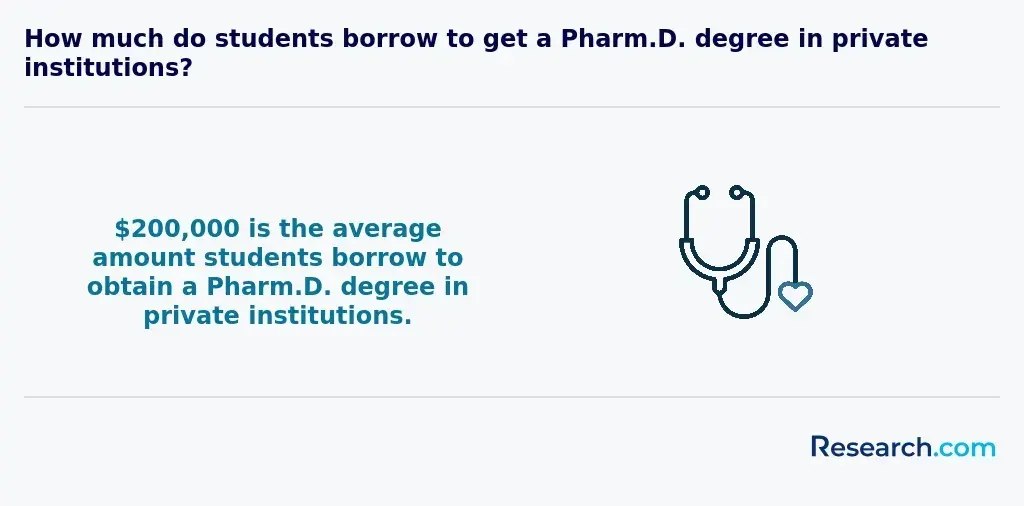
The largest expense is pharmacy education. Initial education costs for aspiring pharmacists can range from $20,000 to $50,000 annually. Beyond tuition, applicants should budget for state application fees, exam fees, intern license fees, renewals, and possible reinstatement costs.
| Cost item | Amount stated | Planning note |
| Annual education cost | $20,000 to $50,000 annually | Compare total program cost, not only the advertised tuition rate. |
| Initial application fee by examination | $110 | This begins the licensure process but does not include required exam costs. |
| NAPLEX and MPJE | Fees are set by the National Association of Boards of Pharmacy and can change | Check current NABP pricing before scheduling exams. |
| License through reciprocity | $337.50 | This higher fee reflects additional administrative review. |
| Standard renewal | $250 | Budget for renewal before the deadline to avoid unnecessary problems. |
| Inactive license under three years | $287.50 | Reactivation costs more than a standard renewal. |
| License lapsed over three years | $337.50 | A longer lapse can increase cost and complexity. |
| Duplicate wall certificate | $22.50 | This is optional unless you need a replacement certificate. |
| Initial pharmacy intern license | $30 | Interns should include this in their early professional budget. |
| Pharmacy intern renewal | $30 | Renewal may apply while completing educational requirements. |
Payments must be made electronically through eLicense Ohio, and a non-refundable transaction fee may apply. Students who need income while studying may look at shorter healthcare certification paths, but they should avoid assuming that a quick credential substitutes for the Pharm.D. required for pharmacist licensure.
To reduce avoidable costs, ask schools about scholarships, transfer credit policies, prerequisite planning, rotation travel requirements, exam preparation resources, and whether part-time work is realistic during demanding portions of the program.
Can I get my pharmacist’s license online in Ohio?
You cannot complete every part of Ohio pharmacist licensure online. You may be able to complete some coursework through online or hybrid pharmacy education options, but licensure still requires an accredited education pathway, supervised experiential training, exams, a background check, documentation, and state approval.
Online or hybrid pharmacy education can be useful for students who need flexibility, but only if the program meets licensure expectations. Before enrolling, confirm:
- Accreditation: The program should be accredited by the Accreditation Council for Pharmacy Education (ACPE) or otherwise meet the education standard required for licensure.
- Experiential training access: Ask how the school arranges internships, rotations, and clinical placements for students in Ohio.
- State eligibility: Verify that the program’s structure supports Ohio licensure requirements, including the 1,500-hour internship expectation.
- Exam preparation: Review how the program supports NAPLEX and MPJE readiness.
- In-person obligations: Clarify whether labs, assessments, orientations, or clinical rotations require travel.
Institutions such as Ohio State University and the University of Cincinnati have offered models that combine online coursework with in-person training. That format can help students balance school, work, and family responsibilities, but applicants should still treat accreditation and clinical placement support as non-negotiable.
-
: "
One Ohio pharmacist described the online portion of his education as valuable because it allowed him to study pharmacology and pharmacy law while working part-time. He emphasized, however, that the license itself still required practical training, exams, and state approval before he could practice.
"
What is the job description of a licensed pharmacist in Ohio?
Licensed pharmacists in Ohio are medication experts whose work combines clinical judgment, patient communication, regulatory compliance, and operational accuracy. The exact duties depend on the setting, but most pharmacist jobs include a mix of dispensing, counseling, monitoring, documentation, and collaboration.
| Responsibility | What it involves | Where it is common |
| Medication dispensing | Verifying prescriptions, checking doses, preparing medications, and ensuring patients receive the correct therapy. | Community pharmacies, hospitals, specialty pharmacies |
| Patient counseling | Explaining how to take medications, what side effects to watch for, and when to contact a clinician. | Retail, ambulatory care, clinics, hospitals |
| Therapy review | Monitoring drug interactions, duplications, allergies, adherence issues, and treatment effectiveness. | Hospitals, clinics, managed care, long-term care |
| Compounding | Preparing customized medications when standard products do not meet a patient’s needs. | Compounding pharmacies, hospitals, specialty settings |
| Inventory and safety management | Maintaining drug supply, storage standards, expiration controls, and medication safety procedures. | All pharmacy practice settings |
| Legal and ethical compliance | Following state and federal laws, protecting patient privacy, and documenting pharmacy services. | All licensed pharmacy roles |
| Community health services | Supporting immunization programs, screenings, medication adherence efforts, and patient education. | Community pharmacies, public health settings, clinics |
Employers increasingly expect pharmacists to be comfortable with electronic health records, clinical decision-support tools, automated dispensing systems, telehealth workflows, and data-driven medication management. These tools do not remove the need for pharmacist judgment; they make accuracy, documentation, and communication even more important.
What are the alternative careers for pharmacists in Ohio?
A Pharm.D. and pharmacist license can lead to more than community or hospital pharmacy. Pharmacists who want to move away from traditional dispensing may use their clinical and medication expertise in industry, technology, policy, education, research, or interdisciplinary care.
- Pharmaceutical industry: Pharmacists may work in regulatory affairs, drug development, medical information, pharmacovigilance, or medical science liaison roles.
- Healthcare technology: Digital health companies may need pharmacists to advise on medication databases, adherence tools, clinical decision support, and patient safety features.
- Public health and policy: Pharmacists can contribute to medication safety initiatives, access programs, education campaigns, and government or nonprofit health projects.
- Mental health-adjacent practice: Pharmacists who often support patients taking psychiatric medications may explore behavioral health training. Those considering a formal counseling path can review how to become a mental health counselor in Ohio.
- Education and training: Experienced pharmacists may teach future healthcare professionals, lead continuing education, or develop training programs for pharmacy teams.
The best alternative path depends on whether you want more patient contact, less patient contact, stronger research involvement, business leadership, policy influence, or technology-focused work.
Are there other career paths related to healthcare that I can pursue in Ohio?
Yes. If you are interested in healthcare but unsure that pharmacy school is the right investment, compare pharmacy with other Ohio healthcare careers before enrolling. Mental health, nursing, public health, healthcare administration, medical billing and coding, dietetics, and allied health roles all support patient care, but they differ sharply in education length, licensing rules, daily work, and cost.
For example, students drawn to counseling and behavioral health may want to explore how to become a licensed counselor in Ohio. That pathway serves a different patient need than pharmacy and follows different training and licensure standards.
| If you want... | Consider... | Why it may fit |
| Medication-focused patient care | Pharmacy | You want deep expertise in drugs, dosing, safety, and medication therapy. |
| Talk therapy and behavioral support | Counseling or therapy | You prefer direct mental health treatment and longer patient conversations. |
| Broad bedside clinical care | Nursing | You want hands-on care across many clinical situations. |
| Administrative healthcare work | Healthcare operations or billing | You want to support healthcare delivery without becoming a prescriber or pharmacist. |
| Nutrition-centered care | Dietetics | You want to focus on food, nutrition, chronic disease support, and patient education. |
Can pursuing dual healthcare roles benefit my career?
Dual healthcare training can help some pharmacists, but it should be pursued with a clear purpose. Extra credentials take time and money, and they may not automatically increase income or expand legal scope of practice. The strongest reason to pursue cross-training is when it supports a defined career goal, such as integrated behavioral health, substance use treatment, ambulatory care, managed care, education, or leadership.
Pharmacists interested in family systems, behavioral health, or patient communication may find it useful to review how to become a marriage and family therapist in Ohio. This does not replace pharmacy training, but it can help clarify whether a second licensed profession aligns with your long-term goals.
Is pharmacy school a good idea for aspiring pharmacists in Ohio?
Pharmacy school can be worth it for Ohio students who understand the cost, timeline, licensing requirements, job market, and daily responsibilities before enrolling. It is a poor fit for students who want a quick healthcare credential, dislike science-heavy coursework, are uncomfortable with legal accountability, or have not compared pharmacy with other clinical paths.
Use the following decision test before applying:
- You may be a strong fit if: You enjoy chemistry, biology, patient education, detail-heavy work, and medication safety.
- You should pause if: You are choosing pharmacy mainly because it sounds stable but have not shadowed pharmacists or reviewed tuition.
- You should compare alternatives if: You want prescribing authority, extensive bedside care, psychotherapy, or a shorter path into healthcare.
- You should examine ROI carefully if: You plan to borrow heavily or attend a high-cost program.
For a broader cost-benefit discussion, review whether pharmacy school is worth it and apply that framework to Ohio tuition, your likely borrowing, and your preferred career setting.
What pitfalls should I avoid when seeking pharmacist licensure in Ohio?
Many licensure delays are preventable. The biggest mistakes usually involve poor planning, incomplete documentation, weak exam preparation, or assumptions about online education and state eligibility.
| Common mistake | Why it creates problems | Better approach |
| Choosing a program without checking accreditation | Licensure depends on completing an acceptable pharmacy education pathway. | Verify accreditation before applying, not after admission. |
| Underestimating the MPJE | Pharmacy law is state-specific and can delay licensure if you are unprepared. | Create a separate MPJE study plan and use current materials. |
| Poor tracking of intern hours | Missing or unclear documentation can slow your application. | Keep organized records of all supervised experience. |
| Focusing only on tuition | Fees, living expenses, rotations, exam costs, and travel can affect total cost. | Build a full budget before enrolling. |
| Assuming online coursework means online licensure | Ohio still requires exams, internship experience, background checks, and state approval. | Ask programs exactly how they support Ohio licensure. |
| Ignoring regulatory updates | Licensing and renewal rules can affect both new graduates and practicing pharmacists. | Monitor official Board information and professional association updates. |
| Adding extra credentials without a plan | Additional training may not pay off if it does not match your career direction. | Choose cross-disciplinary learning only when it supports a defined role. |
Pharmacists interested in substance use treatment or behavioral health collaboration may also explore how to become a substance abuse counselor in Ohio, especially if their work involves medication-assisted treatment support or community health initiatives.
Is there a noticeable difference in career earnings between pharmacy technicians and pharmacists in Ohio?
Yes. Licensed pharmacists generally earn more than pharmacy technicians because the role requires a Pharm.D., licensure, advanced clinical knowledge, legal responsibility, and authority over medication dispensing and patient counseling. Pharmacy technicians play an important support role, but their training and scope differ from pharmacist practice.
That does not mean everyone should automatically choose pharmacy school. A pharmacy technician role may be a practical starting point for students who want exposure to pharmacy work before committing to years of professional education. To compare technician compensation by setting, review this guide to pharmacy technician pay in hospital and retail environments.
How can pharmacists expand their healthcare expertise in Ohio?
Pharmacists can broaden their impact through residency training, board certifications, continuing education, informatics skills, public health experience, and stronger collaboration with other clinicians. The best development path depends on the setting: a hospital pharmacist may prioritize clinical specialization, while a community pharmacist may focus on immunization services, medication therapy management, patient counseling, or chronic disease programs.
Some pharmacists also study adjacent professions to better understand care teams. For example, reviewing how to become a registered nurse in Ohio can help pharmacists appreciate nursing scope, clinical workflows, and interdisciplinary communication, even if they do not intend to change professions.
What professional development opportunities can enhance my career as a licensed pharmacist in Ohio?
Professional development should be chosen strategically. The strongest options are those that improve patient care, qualify you for a desired setting, or prepare you for leadership. Common areas include pharmacotherapy, ambulatory care, oncology, pediatrics, geriatrics, infectious disease, informatics, regulatory compliance, managed care, teaching, and medication safety.
Pharmacists who want a stronger understanding of healthcare operations may also study documentation, reimbursement, and coding workflows. For that perspective, review medical billing and coding career preparation in Ohio. This can be particularly useful for pharmacists moving into administration, managed care, population health, or clinic-based services.
Which professional organizations can support my career as a licensed pharmacist in Ohio?
Professional associations can help pharmacists stay current, meet peers, access continuing education, track regulatory updates, and learn about career opportunities. Ohio pharmacists commonly look to the Ohio Pharmacists Association (OPA) for state-specific engagement and the American Pharmacists Association (APhA) for national practice resources.
Membership is most valuable when you actively use it. Attend events, ask about mentoring, participate in continuing education, follow policy updates, and connect with pharmacists working in the settings you want to enter. Pharmacists interested in advanced interdisciplinary care may also compare their role with other clinicians by reviewing how to become a nurse practitioner in Ohio.
How can cross-disciplinary education enhance my pharmacy practice in Ohio?
Cross-disciplinary education can improve how pharmacists communicate with care teams, counsel patients, and understand treatment decisions beyond medication dispensing. It is especially useful in ambulatory care, hospital practice, chronic disease management, behavioral health, geriatrics, and public health.
For example, learning how nursing programs structure clinical training can help pharmacists better understand bedside workflows and patient care coordination. Students interested in that comparison can review top nursing schools in Ohio. The goal is not to blur professional boundaries; it is to become a stronger collaborator.
How do Ohio pharmacy and other healthcare licensure requirements differ?
Ohio pharmacy licensure is built around a Pharm.D., supervised internship hours, pharmacy-specific exams, and Board approval. Other healthcare professions use different academic structures, clinical hour expectations, examinations, scopes of practice, and renewal rules.
| Licensure area | Primary focus | How it differs from pharmacy |
| Pharmacy | Medication use, dispensing, safety, and therapy management | Requires pharmacy-specific education, NAPLEX, MPJE, and internship experience. |
| Nursing | Direct patient care, assessment, care coordination, and clinical support | Uses nursing education, nursing examinations, and a different scope of practice. |
| Counseling and therapy | Mental health assessment, treatment planning, and counseling services | Requires behavioral health education, supervised counseling experience, and separate licensure standards. |
| Dietetics | Nutrition assessment, food-related treatment plans, and dietary counseling | Focuses on nutrition science and dietetic practice rather than medication management. |
For a closer look at another regulated healthcare profession, review Ohio nursing licensure requirements. Comparing pathways can help you decide whether pharmacy is the best match or whether another healthcare license better fits your goals.
What advanced training options can enhance my pharmacy career in Ohio?
Advanced training can help pharmacists move into specialized or higher-responsibility roles. Common options include postgraduate residencies, fellowships, board certification, specialty continuing education, leadership training, research experience, and informatics education.
Consider advanced training if you want to work in areas such as specialty care, medication therapy management, hospital practice, oncology, pediatrics, infectious disease, ambulatory care, academia, pharmaceutical research, or managed care. Pharmacists interested in integrating medication knowledge with nutrition-related care may also explore how to become a registered dietician in Ohio to understand how dietetics complements pharmacy in chronic disease support.
What do I do if my pharmacist’s license expires in Ohio?
If your Ohio pharmacist license expires, do not continue practicing until your status is resolved. Practicing without an active license can expose you to fines, disciplinary action, employment consequences, and patient safety concerns.
The renewal or reinstatement process generally involves:
- Reviewing Ohio State Board of Pharmacy instructions: Start with the official Board process because requirements can depend on your license status.
- Using the eLicense Ohio portal: Ohio license management is handled online through the state system.
- Answering eligibility questions: Your responses help determine the correct renewal or reinstatement path.
- Submitting required documentation: You may need evidence such as continuing education records or other materials.
- Paying the applicable fee: Check your information carefully before payment because fees are non-refundable.
One Ohio pharmacist described discovering an expired license while preparing for a new job. She logged into eLicense Ohio, answered the eligibility questions, gathered continuing education documentation, submitted the application, paid the renewal fee, and received confirmation within a few days. Her main lesson was simple: track renewal deadlines before an employer, audit, or job change forces the issue.
The chart below lists the states with the highest number of job openings for pharmacists, as reported by the Pharmacy Workforce Center in 2024.
How much do licensed pharmacists in Ohio make?
Licensed pharmacists in Ohio earn an average annual salary of approximately $124,850, or about $60.03 per hour. This is below the national average of around $134,790, but actual pay can vary by employer, region, specialization, work schedule, and experience.
| Factor | How it can affect earnings |
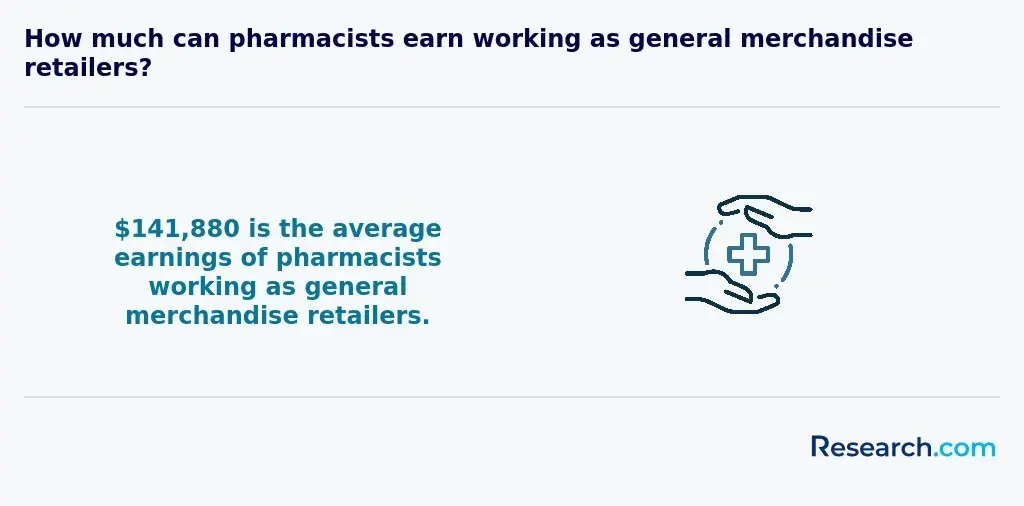
| Practice setting | Pharmacists in general medical and surgical hospitals average around $144,270 annually, compared with about $126,990 in retail settings. |
| Location | Urban areas such as Columbus and Cleveland may offer stronger compensation because of demand and cost-of-living pressures. |
| Experience | More years of practice can lead to higher pay, especially when combined with leadership or specialization. |
| Specialization | Areas such as oncology or pediatrics may create access to more advanced roles. |
| Certifications | Credentials such as Board Certification in Pharmacotherapy may support advancement into specialized positions. |
| Leadership responsibilities | Management roles in pharmacies or healthcare facilities can raise compensation but often add staffing, compliance, and budget duties. |
Salary should not be the only measure of value. Students should weigh pay against debt, work schedule, job stress, preferred setting, residency plans, and long-term advancement options.
What is the job outlook for licensed pharmacists in Ohio?
The pharmacist job outlook in Ohio is shaped by healthcare demand, retirements, practice expansion, employer needs, and the changing role of pharmacists in patient care. In 2024, Ohio had 699 open pharmacist positions, placing it among the states with the highest number of job postings for pharmacists.
The job market for pharmacists in Ohio is projected to grow by 5% from 2023 to 2033, matching the national average for all professions. Across the US, this growth is expected to create about 14,200 job openings annually, mainly from retirements and career changes.
Several forces support demand:
- Older patient populations: More patients managing multiple medications increases the need for medication review and counseling.
- Healthcare system growth: Hospitals, outpatient clinics, long-term care, retail pharmacies, and specialty services all rely on pharmacists.
- Expanded pharmacy services: Pharmacists are increasingly involved in immunizations, chronic disease support, medication therapy management, and care-team collaboration.
- Technology adoption: Automation and AI-supported tools can change workflows, but they also increase the need for pharmacists who can interpret data, resolve clinical issues, and ensure safety.
Applicants should be realistic: demand can differ by city, setting, schedule, and specialization. Flexibility about work environment and willingness to pursue postgraduate training can improve opportunities.
What is a licensed pharmacist’s career path in Ohio?
Ohio pharmacists can build careers in patient-facing care, clinical specialization, leadership, research, technology, industry, or education. The right path depends on whether you prefer direct patient counseling, hospital-based teamwork, data and systems work, management, or scientific research.
| Career path | Typical work | Who it may fit |
| Community pharmacist | Dispenses medications, counsels patients, supports immunizations, and manages day-to-day pharmacy services. | Pharmacists who enjoy frequent patient interaction and accessible community care. |
| Hospital pharmacist | Works with physicians and nurses on inpatient medication therapy, dosing, safety, and preparation. | Pharmacists who prefer team-based clinical care and acute-care settings. |
| Clinical pharmacist | Manages medication therapy, supports chronic disease care, and adjusts recommendations in collaboration with providers. | Pharmacists seeking deeper patient-care involvement and specialization. |
| Pharmaceutical researcher | Supports drug development, clinical trials, research design, safety evaluation, or medical information. | Pharmacists interested in science, innovation, and industry roles. |
| Pharmacy manager or administrator | Oversees staff, budgets, compliance, workflow, quality standards, and operations. | Pharmacists with leadership ability and interest in business or systems management. |
Early-career pharmacists should use rotations, internships, mentors, and residency exploration to test different environments before locking into one path. Your first job matters, but it does not have to define your entire career.
What Ohio Pharmacists Say About the Licensure Journey
-
: "
“The Ohio licensure process required more planning than I expected. The coursework was demanding, but the hands-on experiences helped me understand what safe pharmacy practice really looks like. Having faculty and classmates going through the same process made the exams feel more manageable.” — Laura
"
-
: "
“Preparing for both the NAPLEX and MPJE forced me to connect the science of medications with the legal and ethical responsibilities of the profession. It was challenging, but it made me more confident when I began working with patients.” — Marcus
"
-
: "
“What stood out during my path to licensure was the collaboration. Pharmacy school, rotations, and early practice all showed me how closely pharmacists work with patients and other healthcare professionals.” — Olivia
"
Related Articles for Nearby States
- 2027 How to Become a Licensed Pharmacist in Indiana
- 2027 How to Become a Licensed Pharmacist in Kentucky
- 2027 How to Become a Licensed Pharmacist in West Virginia
- 2027 How to Become a Licensed Pharmacist in Pennsylvania
- 2027 How to Become a Licensed Pharmacist in Michigan
- 2027 How to Become a Licensed Pharmacist in Illinois
- 2027 How to Become a Licensed Pharmacist in Virginia
- 2027 How to Become a Licensed Pharmacist in Tennessee
- 2027 How to Become a Licensed Pharmacist in North Carolina
- 2027 How to Become a Licensed Pharmacist in Missouri
References:
- Bureau of Labor Statistics (BLS). (2024a). 29-1051 Pharmacists. Occupational Employment and Wages, May 2023. Bureau of Labor Statistics pharmacist wage data.
- Bureau of Labor Statistics (BLS). (2024b). Pharmacists. Occupational Outlook Handbook. Bureau of Labor Statistics pharmacist outlook.
- Bureau of Labor Statistics (BLS). (2024c). Ohio. May 2023 State Occupational Employment and Wage Estimates. Bureau of Labor Statistics Ohio wage estimates.
- National Association of Boards of Pharmacy (NABP). (2024). Multistate Pharmacy Jurisprudence Examination Passing Rates for 2021-2023 Graduates. NABP MPJE pass rates.
- Ohio Board of Pharmacy. (2016). eLicense Guide: Renewing or Reinstating a License. Ohio Board of Pharmacy eLicense guide.
- Pharmacy Workforce Center. (2024). Pharmacy Demand Report (PDR). Pharmacy Workforce Center demand report.
- The Ohio State University. (n.d.). Doctor of Pharmacy. Education. The Ohio State University Doctor of Pharmacy information.
- University of Illinois Chicago. (n.d.). Licensing. Career. University of Illinois Chicago pharmacy licensing overview.
Key Insights
- Ohio pharmacist licensure requires more than a Pharm.D.; applicants must also complete at least 1,500 internship hours, pass the NAPLEX and MPJE with at least 75 on each, complete a background check, and pay the required fees.
- The full pathway usually takes six to eight years, mainly because students often complete two to four years of prerequisites before the four-year Pharm.D.
- Online or hybrid pharmacy education can improve flexibility, but Ohio licensure cannot be finished entirely online because experiential training, exams, documentation, and Board approval are still required.
- Pharmacy school can be a strong investment for students committed to medication-focused patient care, but applicants should compare total cost, accreditation, exam outcomes, residency support, and career goals before enrolling.
- Ohio pharmacists earn an average annual salary of approximately $124,850, with setting, experience, specialization, and leadership responsibilities influencing pay.
- The Ohio pharmacist job market is projected to grow by 5% from 2023 to 2033, and 2024 data showed 699 open pharmacist positions in the state.
- The most avoidable licensure problems are choosing a program without confirming accreditation, underpreparing for the MPJE, failing to document intern hours, and missing renewal deadlines.
Other Things You Should Know About Becoming a Licensed Pharmacist in Ohio
To become a licensed pharmacist in Ohio in 2027, you must complete a Doctor of Pharmacy (Pharm.D.) program from an accredited college, pass the NAPLEX and MPJE exams, and complete all required internship hours stipulated by the Ohio State Board of Pharmacy.
To become a licensed pharmacist in Ohio in 2027, you must first complete a Doctor of Pharmacy (Pharm.D.) degree from an accredited program. Following this, you must pass the North American Pharmacist Licensure Examination (NAPLEX) and the Multistate Pharmacy Jurisprudence Examination (MPJE) specific to Ohio. Additionally, a set number of internship hours under supervision is required.
In 2027, aspiring pharmacists in Ohio must complete a Doctor of Pharmacy (Pharm.D.) program, which includes clinical rotations for hands-on experience. Additionally, passing the North American Pharmacist Licensure Examination (NAPLEX) and the Multi-State Pharmacy Jurisprudence Examination (MPJE) is required.