2027 Digital Photography Salary Trends Report: Are Wages Keeping Up With Tuition and Inflation?

Co-Founder and Chief Data Scientist
A prospective digital photography student weighs the rising cost of tuition against the potential salary after graduation. With college expenses steadily climbing and inflation eroding purchasing power, it becomes increasingly complex to determine if earning a digital photography degree offers a sound financial return. Simply comparing starting salaries without accounting for education costs and economic conditions can provide a misleading picture of value. Making an informed decision demands a deeper look at how wages, tuition, and inflation interact over time.
Salary growth in digital photography does not always keep pace with the escalating price of a degree or the broader inflation rate. This disparity makes evaluating long-term earning potential critical rather than focusing on immediate income alone. Understanding the balance of these factors informs realistic expectations about return on investment and affordability. This article examines digital photography salary trends alongside tuition increases and inflation to shed light on the true financial outlook and influencing factors behind this evolving tradeoff.
Key Things to Know About Digital Photography Salary Trends
- Entry-level digital photography salaries have stagnated near $40,000 as tuition and inflation outpace wage growth, reducing net financial returns and lengthening break-even timelines for graduates.
- Long-term earning potential hinges heavily on niche specialization and portfolio diversification, with premium rates emerging in commercial and multimedia fields, highlighting the need for strategic skill development.
- A 2024 Bureau of Labor report links advanced technical proficiency to a 15% salary premium, stressing continuous education's role in offsetting rising educational costs and market volatility.
- Key Things to Know About Digital Photography Salary Trends Key Things to Know About Digital Photography Salary Trends
- What Is the Current Salary Outlook for Digital Photography Graduates? Salary Outlook
- Are Digital Photography Salaries Keeping Up With Inflation? Inflation Impact
- How Do Tuition Costs Compare With Digital Photography Salary Growth? Tuition vs Salary
- Does a Digital Photography Degree Deliver a Positive Return on Investment? Degree ROI
- Which Industries Offer the Highest Salaries for Digital Photography Graduates? Which Industries Offer the Highest Salaries for Digital Photography Graduates?
- Which States and Cities Offer the Highest Pay for Digital Photography Professionals? Which States and Cities Offer the Highest Pay for Digital Photography Professionals?
- How Do Digital Photography Salaries Grow Throughout a Career? Career Growth
- How Do Digital Photography Salaries Compare With Similar Degrees? Salary Comparison
- How Is Employer Demand Affecting Digital Photography Salary Trends? Employer Demand
- How Can Students Maximize Their Lifetime Earnings With a Digital Photography Degree? Maximizing Earnings
What Is the Current Salary Outlook for Digital Photography Graduates?
Median wages for digital photography graduates currently hover around $43,000 annually, while the top 10% can earn upwards of $76,000 according to the U.S. Bureau of Labor Statistics 2024 data. However, these figures mask significant variability depending on the career path chosen. For instance, one graduate who enters commercial or corporate photography and hones skills in digital editing and branding may see steady salary growth that surpasses entry-level expectations, whereas another focusing on independent freelance work might face fluctuating income and limited benefits. This example underscores how the digital photography graduate salary trends are influenced as much by specialization and market positioning as by the degree itself.
Emerging demands in sectors like wedding photography and social media content creation offer niches with relatively stable job prospects, but rising tuition and inflation have outpaced entry-level pay growth, challenging new graduates' financial returns. The average tuition for photography programs has increased by nearly 15% since 2019 while starting salaries have crept up less than 5%, as reflected in reports from the National Association of Colleges and Employers. Such dynamics suggest that long-term career progression and ongoing skill diversification critically shape overall earnings, rather than just initial salary figures at graduation. Prospective students seeking the easiest online masters or advanced study options should factor these economic and industry trends into their decision-making process.
Are Digital Photography Salaries Keeping Up With Inflation?
Photographers have seen nominal wage growth of about 3.5% from 2022 to 2024, according to the U.S. Bureau of Labor Statistics, yet inflation measured by the Consumer Price Index rose roughly 6.7% in the same period. This discrepancy means that, despite higher salaries in dollar terms, the real earning power of those wages has diminished. For example, a recent graduate who earned $40,000 in 2022 might find that their 2024 salary increase to around $41,400 does not stretch as far in daily living expenses like rent, equipment, and software subscriptions, all of which can rise with inflation. This scenario highlights a common challenge: salary growth that does not keep pace with inflation results in decreased purchasing power over time.
Factors influencing whether digital photography salary growth keeps up with inflation include geographic location, type of employment, and the mix of freelance versus salaried work. Urban areas with higher costs of living often exacerbate this wage-inflation gap, squeezing budgets even further. Additionally, competition in creative fields places downward pressure on rates, particularly for freelancers who must also absorb fluctuating expenses. Because tuition inflation averages around 4% annually, those weighing a degree's value must consider not only the wage growth relative to inflation but also how rising education costs affect long-term financial viability. Students seeking an affordable library science degree online may find parallel lessons in balancing education costs with career earnings.
How Do Tuition Costs Compare With Digital Photography Salary Growth?
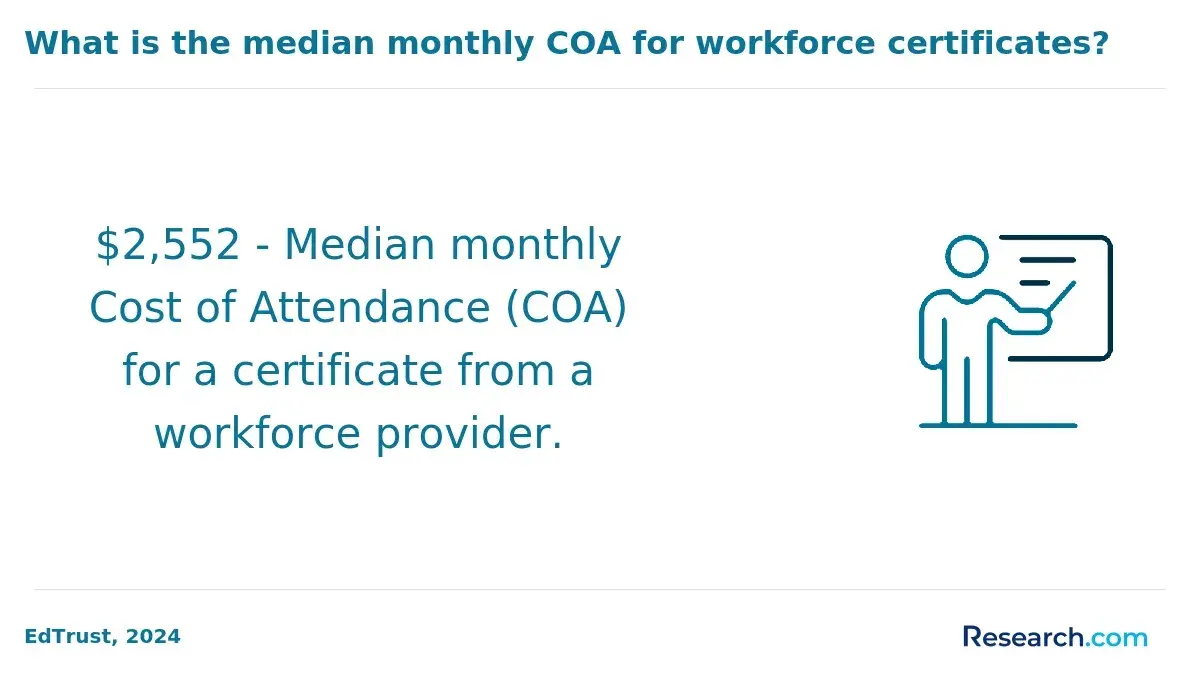
Evaluating the financial viability of a digital photography degree requires comparing the rapid increase in tuition with the more modest salary growth seen by graduates. According to data from the National Center for Education Statistics and the Bureau of Labor Statistics in 2024, average yearly tuition for art and design programs now exceeds $11,000 at public four-year institutions and can surpass $30,000 at private schools. Meanwhile, median starting salaries for digital photography graduates typically range from $35,000 to $45,000, with mid-career earnings rising to about $50,000 to $60,000. This gap widens further when inflation, which has averaged 4 to 5 percent in recent years, reduces the real value of salary increases, indicating that tuition costs are growing faster than early earning potential and creating a challenging return on investment for many students.
Comparing these figures offers a clearer picture than examining tuition or salaries alone, as it highlights how financial pressures from education debt and living expenses weigh against future income. For example, a student attending a private art school might accumulate over $120,000 in tuition debt over four years, but with median mid-career salaries hovering just above $50,000, the burden of loan repayment can become overwhelming. Individual outcomes vary widely depending on factors such as employment type-full-time salaried positions versus freelance work commonly found in digital photography-and geographic cost of living. This disparity emphasizes the importance of weighing both enrollment costs and realistic salary expectations when deciding whether the degree supports one's long-term financial goals.
A recent graduate who completed a digital photography degree at a private university shared how these dynamics affected her choices. She remembered hesitating before enrolling, concerned about the high tuition relative to what entry-level jobs in her area paid. After graduation, she relied partly on freelance gigs to supplement her modest salaried income, often feeling uncertain about financial stability. Still, she described a sense of relief when her earnings gradually increased after several years and she managed to refinance her student loans, though she acknowledged that the initial years were a balancing act between passion for her craft and practical financial concerns.
Does a Digital Photography Degree Deliver a Positive Return on Investment?
Return on investment (ROI) for a digital photography degree hinges on weighing the total cost of education against the career opportunities, earning trajectory, and skill development it enables over time. Rather than focusing solely on starting salaries, ROI includes how graduates build their portfolios, leverage freelance work, and expand into complementary fields such as digital marketing or multimedia. For example, a graduate who incurs $40,000 in tuition but remains in low entry-level wages around $40,000 annually may struggle to see a swift financial payoff. However, if this individual specializes in commercial photography and networks effectively, their income potential can grow beyond the national median, improving the long-term ROI despite initial modest earnings.
Data from the National Center for Education Statistics and the Bureau of Labor Statistics in 2024 reveal that median salaries for digital photography professionals mostly range between $38,000 and $45,000, which tends to trail behind inflation and rising higher education costs. This stagnation means that increases in tuition may outpace wage growth, potentially eroding the financial value of the degree if career advancement is limited. Stronger ROI is often found among graduates who complement their technical expertise with business acumen or niche market skills that differentiate them in a crowded labor market. Ultimately, the decision to pursue a digital photography degree should consider these variables, recognizing that financial returns vary widely based on location, specialization, and an individual's ability to adapt within evolving creative industries.
Which Industries Offer the Highest Salaries for Digital Photography Graduates?
Recent analyses of the highest paying industries for digital photography graduates reveal that sectors deeply reliant on impactful visual storytelling and specialized technical skills reward talent substantially. Salaries tend to exceed the national median where demand aligns with sophisticated creative output, brand strategy, and multimedia production. Understanding where the top salary sectors for digital photography professionals in the US lie enables students and recent graduates to strategically target roles offering meaningful wage growth. Here are key industries consistently leading in compensation.
- Advertising and Public Relations: This industry values photographers who can craft compelling commercial imagery that drives consumer engagement across digital platforms. Roles often include campaign photography, brand visuals, and social media assets, with senior positions reaching six-figure salaries. High demand for distinctive visual content makes this sector uniquely lucrative.
- Motion Picture and Video Production: Cinematography and video shoots require advanced photographic expertise, often supported by skills in lighting, editing, and storytelling. Photographers here tend to earn salaries above average, particularly in hubs like Los Angeles and New York City, where production volume and budgets remain high.
- Fashion and Editorial Photography: Fashion photographers working with leading brands and magazines command premium pay, supported by extensive portfolios and industry connections. Mastery in creative direction and trend adaptability often underpins compensation in this visually intense sector.
- Fine Arts and Gallery Photography: Specialized fine arts photographers earn competitive incomes through commissioned projects, exhibitions, and art sales. Reputation and artistry strongly influence earnings, alongside business acumen in client relations and promotion.
- Real Estate and Architectural Photography: Increasing demand for high-quality imagery in real estate marketing offers well-paid opportunities. Photographers with technical proficiency in HDR and drone imaging maximize income potential by catering to commercial property investors and agencies.
- Corporate and Industrial Imaging: Corporations employ photographers for internal communications, product photography, and event coverage. This steady sector offers competitive wages for professionals adept at combining technical skill with corporate branding insight.
- Stock Photography and Content Licensing: Though more variable, successful photographers in stock image markets who build extensive, high-quality libraries generate ongoing revenue. This requires entrepreneurial skill and consistent market research to align with trends.
According to the U.S. Bureau of Labor Statistics and recent industry reports from 2024, advertising, motion picture, and specialized design sectors dominate as top salary sectors for digital photography professionals in the US. For prospective students, balancing the cost of education against these income trajectories is essential. Evaluating programs carefully, including options among the best MFT programs, can complement a strategy focused on entering industries with the strongest wage growth potential.
Which States and Cities Offer the Highest Pay for Digital Photography Professionals?
Geographic location plays a critical role in determining the earning potential for digital photography professionals, particularly when weighing the high costs associated with education and living expenses. According to 2024 data from the U.S. Bureau of Labor Statistics and industry salary reports, certain states and metro areas offer substantially better wages due to concentrated creative industries, media hubs, and marketing demand. However, stronger pay often coincides with higher housing costs, necessitating a careful assessment of net financial benefits versus expenses.
Consider a recent graduate choosing between relocating to Los Angeles or staying in a smaller Midwestern city. While the salary in Los Angeles may be nearly $30,000 higher annually, the cost of living and housing could consume that advantage, potentially offsetting initial earnings gains for several years. This reality highlights the importance of a localized economic view rather than relying simply on headline salary figures. Below are key regions offering the highest digital photography wages and the factors influencing their markets.
- California (San Francisco and Los Angeles): These tech and entertainment centers demand specialized digital photography skills for advertising, film, and digital media, leading to average annual wages surpassing $70,000. Students must weigh the premium salaries against very high living and housing costs in these metropolitan areas.
- New York City: With its convergence of fashion, media, and advertising industries, NYC offers salaries around $68,000 or higher. Strong competition for talent supports well-paying roles but comes with expensive urban living, pressuring graduates to secure consistent work quickly.
- Massachusetts (Boston): The Boston metro combines robust marketing sectors and education institutions that value advanced imaging capabilities, keeping salaries in the high $60,000 range. The region's rich cultural scene supports creative work, though housing costs remain significant.
- Washington, D.C. Metro Area: A steady demand from government, nonprofit, and media organizations fosters salaries near $60,000. The cost of living here is high but less volatile than California or NYC, presenting a balanced opportunity for graduates.
- Texas (Austin and Dallas): Growing tech and creative industries boost wages to the low $60,000s, while the cost of living is comparatively moderate. This makes Texas an attractive alternative for those seeking emerging markets with room for salary growth without extreme expenses.
- Illinois (Chicago): Chicago combines advertising, publishing, and corporate media needs with average digital photography salaries in the mid-$50,000s. The cost of living is lower than the major coastal hubs, offering a practical tradeoff between pay and affordability.
- North Carolina (Raleigh-Durham): Emerging as a creative and tech corridor, this area offers wages closer to $50,000, with relatively affordable living costs. Graduates here might face slower salary growth but benefit from reduced financial pressure early in their careers.
How Do Digital Photography Salaries Grow Throughout a Career?
Salary progression in digital photography generally reflects increased expertise and specialized skills accumulated over time, though the pace of growth varies considerably. Entry-level photographers often start with annual earnings between $30,000 and $40,000, according to 2024 data from the U.S. Bureau of Labor Statistics, gradually moving into median ranges of $45,000 to $55,000 within their first five years. Between five and ten years, professionals who develop niches such as fashion or technical photography typically see their salaries climb further, often reaching $55,000 to $70,000. Those who expand their professional network and reputation tend to benefit most, while others may face slower growth if they do not diversify their skill set or adapt to new technologies.
Beyond ten years, top earners, including those who transition into roles like teaching, leadership, or advanced technical specialization, can expect salaries exceeding $70,000, with some surpassing $90,000 depending on market demand and freelance success. Real-world career trajectories illustrate this variance: two graduates with comparable degrees may diverge sharply in earnings if one pursues commercial photography and builds industry connections, while the other remains in more generalized or entry-level assignments. Key influencers of sustained salary growth include professional development, adaptation to evolving digital tools, and strategic positioning within high-value sectors. However, even as salaries increase, the challenge remains that wage growth often trails behind inflation and rising education costs, which can impact overall financial return on investment.
One digital photography graduate recalls facing a pivotal decision after five years in the field: whether to focus on honing drone photography expertise or continue general freelance assignments. Initially hesitant due to the upfront costs of new equipment, the choice to specialize led to a noticeable boost in client demand and compensation by year seven. This gradual shift illustrates how targeted skill acquisition and responsiveness to market trends can sharply influence salary trajectories, underscoring that career development choices often weigh as heavily as formal education in shaping long-term earnings.
How Do Digital Photography Salaries Compare With Similar Degrees?
Graduates holding digital photography degrees often face modest salary outcomes when compared to peers in related creative and technical disciplines. Current data from the U.S. Bureau of Labor Statistics shows that the median annual wage for photographers is about $45,000, which typically falls below earnings for graduates from associated fields. For prospective and current students evaluating the value of a digital photography degree, it's important to consider how wages stack up against degrees with overlapping skills, especially in light of rising tuition and inflation. Below is a comparison of salary outcomes for digital photography alongside similar degrees:
- Graphic Design: Graduates typically earn between $50,000 and $60,000 annually, benefiting from a broader array of industries such as advertising, marketing, and product design. These fields often provide more stable income growth due to higher demand and diverse application of design skills.
- Film and Video Production: Median salaries here usually exceed those in digital photography, driven by strong demand in entertainment and media industries. Careers such as video editors and producers command higher wages due to technical complexity and frequent project-based contracts.
- Computer Science: While not a direct creative counterpart, computer science degrees offer significantly better pay trajectories. Graduates benefit from digital skill overlap but enter technical roles that are more in demand, leading to higher starting salaries and wage growth.
- Multimedia Arts: Earnings tend to be higher compared to digital photography due to a blend of technical and artistic skills applicable in emerging digital content fields. This versatility often results in stronger job prospects and better compensation.
For those weighing these options, assessing salary trends alongside tuition costs is critical. To explore how salary outcomes relate to education investment, reviewing the master's in child and adolescent psychology salary may provide useful context on the importance of aligning degree choice with economic realities.
How Is Employer Demand Affecting Digital Photography Salary Trends?
Employer demand directly influences digital photography salary trends by shaping the level of competition among job seekers and the hiring activity within the industry. According to the U.S. Bureau of Labor Statistics 2024 projections, employment for photographers is expected to grow only about 2% from 2022 to 2032, which is slower than the average for all occupations. This minimal growth suggests limited hiring opportunities, causing employers to face a surplus of qualified candidates and reducing the pressure to raise wages. For example, a recent graduate entering the job market in a saturated urban area may find substantial competition for media and commercial photography roles, which keeps starting salaries relatively stagnant despite rising living costs.
Major factors shaping employer demand include technological advancements, niche specialties, and economic conditions affecting organizational budgets. Areas such as drone imaging and specialized commercial projects are experiencing some increase in demand, which can translate into faster wage growth for professionals with these skills. However, overall salary trends are also moderated by factors like experience and economic fluctuations, meaning strong employer demand alone does not guarantee higher pay. Prospective students should weigh these dynamics carefully, especially since tuition for arts and technology programs has risen steadily, outpacing wage gains reported by PayScale and the BLS, further complicating the investment calculus of a digital photography degree.
Those considering or pursuing this field might explore strategies such as specialization or combining their expertise with other disciplines to improve employment prospects and salary potential. Additionally, it is wise to compare educational costs and returns with other fields; for instance, some marketing graduate programs offer better earnings relative to their tuition. Understanding how employer demand impact on digital photography salaries ties into broader workforce trends can help prospective and current students make informed decisions about their career paths.
How Can Students Maximize Their Lifetime Earnings With a Digital Photography Degree?
Maximizing lifetime earnings with a digital photography degree requires more than technical skill mastery; it demands strategic specialization and market awareness. Recent 2024 data from the U.S. Bureau of Labor Statistics highlights that photographers who align with high-demand niches often achieve superior financial outcomes. For example, a graduate focusing on commercial and advertising photography in a major metropolitan area is likely to out-earn peers in less concentrated markets. Students should deliberately build complementary skills and professional networks while adapting to evolving industry trends. Below are key strategies to improve long-term financial prospects in this field.
- Specialize in High-Demand Niches: Commercial photography, advertising, and digital content creation attract higher salaries. Developing expertise here differentiates students and targets sectors with consistent client budgets and growth.
- Master Advanced Tools: Proficiency in industry-standard photo editing, video production, and multimedia storytelling increases employability and access to higher-paying roles by enabling end-to-end content creation.
- Choose Geographic Advantage: Graduating in or relocating to metropolitan areas with strong media, marketing, or entertainment industries usually correlates with better compensation due to demand intensity and professional networks.
- Continuous Learning: Engaging in certifications and workshops on AR, VR, and emerging technologies extends relevance and opens pathways to innovative, higher-paying assignments.
- Build a Recognized Portfolio: Collaborating with reputable brands or agencies enhances credibility and supports long-term career growth through expanded opportunities and client trust.
- Diversify Skill Sets: Adding graphic design, social media management, or e-commerce photography complements core abilities and broadens job prospects and income avenues.
- Entrepreneurial Ventures: Freelance work combined with solid business acumen and a loyal client base can significantly boost income but requires effective client management and marketing strategies.
References
- Your Photographer Salary: How Much Do Photographers Make? https://www.smartalbums.com/blog/photographer-salary/
- Digital Photography Market Size, Share Trends, Growth, Industry Analysis 2034 https://www.zionmarketresearch.com/report/digital-photography-market
- Digital Photography at CWI: Let's Get Started https://cwi.edu/academics/career-technical-education/digital-photography
- Is Photography a Good Career in 2026? Scope, Jobs & Salary Guide https://www.hamstech.com/hamstech-blog/is-photography-good-career-in-2026
- Should you Study Photography at College or are There Better Options Now? https://digital-photography-school.com/should-you-study-photography-at-college-or-are-there-better-options-now/
- How to Become a Photographer: A Career Path with Many Doors | Sessions College https://www.sessions.edu/notes-on-design/how-to-become-a-photographer-a-career-path-with-many-doors/
- Photographers: Salary, career path, job outlook, education and more - RaiseMe https://www.raise.me/careers/media-and-communication/photographers/
- Becoming a Digital Photographer: Salary Info & Job Description https://learningpath.org/articles/Digital_Photographer_Career_Summary.html
- Chapter 7 • Pricing Digital Photography https://pressbooks.library.torontomu.ca/digitalphotographyforgcm/chapter/chapter-7-%E2%80%A2-pricing-digital-photography-art/
- How Much Does it Cost to Learn Photography? https://blog.nobledesktop.com/learn/photography/photography-cost-to-learn
Other Things You Should Know About Digital Photography
Not all digital photography programs offer the same level of practical training, which heavily influences salary prospects. Graduates from programs with strong industry connections, up-to-date equipment, and mentorship opportunities tend to command higher starting wages because employers expect them to require less on-the-job training. When choosing a program, prioritizing those with hands-on portfolios and internship partnerships can better position graduates to negotiate salaries closer to industry standards.
While technical proficiency is foundational, employers increasingly value professionals who can handle client relations, licensing, and marketing alongside artistry. Digital photography graduates who invest time in business, contract negotiation, and digital marketing skills often find more lucrative freelance or entrepreneurial opportunities. Therefore, balancing skill development with business knowledge is a practical way to enhance earning potential beyond entry-level wages.
Engaging in freelance photography or part-time work while studying can offset tuition debts and build a professional network, but it may also divert time from academic or skill-building activities crucial for higher wages. Students must weigh the immediate financial relief against potential long-term benefits of intensive training. Prioritizing structured learning during the program with strategic freelancing as supplemental can lead to better-prepared graduates who secure competitive salaries post-graduation.
Advanced certifications can specialize skills and sometimes lead to niche roles with higher pay, but they also mean additional time and tuition costs that delay income generation. For many, gaining real-world experience and building a diverse portfolio right after a bachelor's degree offers faster returns, especially if employers value practical output over credentials. Graduates should evaluate their career goals and local market demands carefully, prioritizing certifications if they align with targeted roles where such credentials are rewarded with measurably higher salaries.