2027 Remote Work Report for Digital Photography Graduates: Flexible Roles, Pay, and Hiring Trends

Co-Founder and Chief Data Scientist
Digital Photography graduates face a fragmented remote job market where roles vary widely, from content creation to technical editing. Many new graduates struggle to gauge realistic pay rates, as freelance gigs often overshadow stable positions. Remote hiring trends reveal that 37% of creative roles in the US remain unfilled due to mismatched skills and expectations, a critical insight for those entering this field.
This report explores flexible remote roles, typical earnings, and evolving employer demands, offering a clear framework to help graduates make informed decisions about pursuing remote careers in Digital Photography.
Key Points About Working Remotely for Digital Photography Graduates
- Remote digital photography roles average around $45,000 annually, but pay varies significantly by specialization and client type, requiring graduates to target niches that align with market demand to maximize earning potential.
- Typical remote tasks include photo editing, digital retouching, content creation, and virtual consultations, emphasizing skills beyond traditional shoots and necessitating proficiency with remote collaboration tools.
- Graduates should build strong online portfolios and understand that remote hiring often involves fluctuating timelines, demanding persistence and adaptability to secure roles in a competitive, project-based landscape.
- Key Points About Working Remotely for Digital Photography Graduates Key Points About Working Remotely for Digital Photography Graduates
- Are there remote work opportunities in the Digital Photography industry? Remote Opportunities
- Which Digital Photography niches offer remote roles? Which Digital Photography niches offer remote roles?
- What entry-level Digital Photography roles allow remote work? Entry-Level Roles
- What is the average salary of Digital Photography graduates who are working remotely? Average Salary
- Do remote Digital Photography jobs pay the same as on-site roles? Pay Comparison
- What benefits do remote Digital Photography employees receive? What benefits do remote Digital Photography employees receive?
- Where can Digital Photography graduates look for remote jobs? Where to Find Jobs
- What do Digital Photography employers look for in candidates? What do Digital Photography employers look for in candidates?
- How can Digital Photography graduates prepare for remote roles? Preparing for Remote Roles
- How can Digital Photography graduates if remote roles are a good fit for them? How can Digital Photography graduates if remote roles are a good fit for them?
Are there remote work opportunities in the Digital Photography industry?
Remote work in the Digital Photography sector remains limited but strategically growing. Only about 15% of entry-level roles for recent graduates are fully remote, with 40% offering hybrid arrangements. This cautious adoption reflects employers' need for hands-on training, direct collaboration, and studio access early in careers, where equipment and real-time client interaction are essential.
Remote flexibility varies widely depending on regional labor laws and company practices. For example, some agencies in metropolitan areas opt for hybrid models that allow off-site editing and remote project management, while requiring in-person attendance for shoots. This blend suits workflows demanding both technical skill development and real-time creative input.
Technologies like cloud-based photo editing and collaboration platforms enable some asynchronous tasks. Yet, a 2024 study found that 32% of creative agencies prefer hybrid models, underscoring that fully remote roles remain rare initially. Recent graduates should approach remote job offers cautiously, weighing practical access to industry-standard equipment and mentorship availability.
Long-term flexibility often grows with experience and demonstrated reliability. Early career professionals benefit from balancing remote work where possible with on-site presence to hone skills, build networks, and navigate client dynamics critical to sustained employment in Digital Photography.
Which Digital Photography niches offer remote roles?
Remote work opportunities in Digital Photography depend heavily on the niche's capacity to separate production from client interaction or on-site presence. Flexibility favors roles centered on digital workflows and asynchronous deliverables rather than those requiring physical shoots or real-time collaboration. For example, a photographer specializing in product photography might conduct initial shoots on location but complete all editing and catalog management remotely. Understanding these work patterns is crucial to navigating flexible employment successfully in this field.
Below is a detailed look at several remote-friendly Digital Photography niches and how they align with flexible job roles.
- Stock Photography: This niche involves producing images for licensing through online platforms. It requires minimal client interaction and allows photographers to submit work independently, making it ideal for fully remote schedules.
- Image Post-Processing and Retouching: Agencies and studios often outsource these tasks to freelancers who work remotely. The job revolves around software skills, enabling flexible, deadline-driven workflows without the need for physical presence.
- Product Photography: While shooting may happen on-site, much of the work, such as editing and catalog management, can be done remotely. This hybrid approach balances hands-on sessions with digital tasks suited for off-site completion.
- Conceptual and Fine Art Photography: Artists produce and market independent projects online, controlling their schedules and creative direction. This autonomy supports remote work but requires self-discipline and continuous client or audience engagement.
- Social Media Content Creation: Photographers create brand visuals on a contractual basis, often collaborating virtually. Frequent remote interactions and flexible deadlines characterize this fast-growing niche.
- Virtual Event Photography: This emerging niche merges occasional on-site coverage with extensive remote post-production, reflecting shifting employer preferences for flexible talent pools with 17.8% growth in remote job postings in related photo editing roles.
- Real Estate Photography: Remote specialists focus on image enhancement and virtual staging after initial shoots, enabling a hybrid employment model optimized for digital workflows and client feedback loops.
These Digital Photography remote job opportunities demand skill diversification and ongoing learning, especially regarding software proficiency and client communication. Graduates considering flexible remote roles must balance creative control with commercial expectations. Those seeking to deepen technical or academic expertise may explore PhD programs online to enhance their qualifications and adapt to evolving industry standards.
What entry-level Digital Photography roles allow remote work?
Entry-level Digital Photography remote job opportunities are mainly concentrated in roles focused on digital content creation, editing, and asset management rather than traditional studio-based photography. These positions leverage software proficiency and project collaboration, making them well-suited for remote or hybrid work formats.
Below is a breakdown of common flexible remote roles for Digital Photography graduates and their key hiring considerations.
- Remote Photo Editor: Requires strong skills in Adobe Photoshop and Lightroom, with a focus on enhancing image quality and ensuring consistency across marketing campaigns. This role involves detailed post-processing tasks that can be done independently, supporting its suitability for remote execution.
- Social Media Content Creator: Demands creativity and familiarity with digital marketing platforms. Entry-level applicants must manage visual content tailored for social channels, often coordinating remotely with marketing teams to maintain brand coherence.
- Digital Asset Manager: Involves organizing and maintaining digital libraries using DAM systems. Candidates need technical knowledge of file formats and cloud storage tools. The role's reliance on digital systems makes physical presence unnecessary.
- E-commerce Product Photographer (Hybrid): Combines on-site photoshoots with remote image editing. Applicants must demonstrate organizational skills and proficiency in digital workflows, balancing hands-on shooting with flexible editing schedules.
- Visual Content Coordinator: Supports marketing by assembling photo materials and liaising across departments. This position requires project tracking and communication skills, easily managed through virtual collaboration tools like Slack or Asana.
- Junior Retoucher: Focuses on fine-tuning images for various platforms, requiring meticulous attention to detail and knowledge of color correction. The entire workflow can be managed remotely, allowing flexibility in scheduling.
Employers today increasingly prefer candidates with Adobe Creative Cloud certification and experience navigating cloud-based asset systems. There has been a 27.8% increase in remote or hybrid entry-level Digital Photography listings recently, reflecting expanding digital marketing needs but emphasizing editing and coordination roles over traditional photography. Graduates who want flexible remote roles should develop technical skills aligned with these trends and consider how interdisciplinary knowledge, such as that gained from a criminal justice degree, might augment their career options when digital media intersects with other sectors.
What is the average salary of Digital Photography graduates who are working remotely?
The average remote salary for Digital Photography graduates typically ranges from $37,000 to $43,000 annually at entry-level. Median starting salaries hover near $40,500, indicating modest earnings compared to some creative fields. For example, photo editors working remotely often face contract-based roles that limit initial pay growth despite flexible conditions.
Salary variations depend heavily on additional technical requirements or certifications. Employers increasingly seek candidates skilled in digital marketing and post-production software, driving higher starting pay for those with combined expertise. Remote roles focusing solely on photography techniques typically earn less, demonstrating the premium placed on versatile skill sets.
In comparison, the typical pay scale for remote Digital Photography jobs is about 5-10% lower than entry-level positions in graphic design or videography. A 2024 industry report noted that 62% of graduates choosing hybrid work models see an average $2,300 salary boost over fully remote workers, reflecting the value of in-person collaboration and resource access.
Graduates analyzing flexible remote jobs should consider these earnings nuances alongside evolving employer expectations. Exploring pathways like an MBA AACSB online may help bridge gaps in business skills that impact pay and long-term success in remote Digital Photography careers.
Do remote Digital Photography jobs pay the same as on-site roles?
Remote Digital Photography jobs generally pay 5% to 12% less than comparable on-site roles. This salary gap reflects how employers adjust wages based on geographic factors rather than offering a uniform national rate, impacting remote workers outside high-cost urban areas where salaries are higher.
Compensation packages vary widely depending on localized pay bands and employer policies. For example, a photographer working remotely from a lower-cost region may receive reduced base pay but might gain modest stipends for home-office equipment or savings on commuting costs that partially balance the difference.
A workforce study found that 42% of companies still maintain separate pay scales for remote and on-site creative positions. This persistent pay disparity highlights the importance of evaluating salary offers carefully, especially when flexibility may come with a tangible financial trade-off.
Graduates should consider these pay structures alongside long-term career growth and lifestyle preferences. Accepting a lower remote salary can make sense in some cases but requires weighing immediate income against the value of flexibility and potential employer commitment to pay equity.
What benefits do remote Digital Photography employees receive?
Remote Digital Photography roles often provide benefit packages designed to sustain creative productivity and individual work-life balance in decentralized settings. These benefits recognize the practical demands of editing, client communication, and flexible timing rather than traditional in-office perks. For example, a remote photo editor managing fluctuating workloads requires dependable home office support and ongoing skill upgrades to meet project standards.
Below are key benefits commonly offered that help maintain engagement and professional growth for remote employees.
- Home Office Stipends: Employers typically allocate monthly stipends between $50 and $150 to cover essential equipment or software subscriptions. This support directly addresses the need for high-quality editing tools and reliable technology setups crucial to remote Digital Photography work.
- Flexible Scheduling: Recognizing varied creative cycles and client deadlines, companies often allow adjustable hours. This flexibility helps employees optimize productivity during peak inspiration times and manage personal commitments effectively.
- Healthcare and Retirement Plans: Standard in many companies but variable by size and role, these benefits offer necessary financial security and health coverage, which remain fundamental despite the remote context.
- Educational Reimbursement: Online certification programs and workshops reimbursement foster continual skill advancement. Since 63% of remote creative professionals report higher job satisfaction with such perks, this investment supports retention and evolving industry standards.
A remote Digital Photography professional shared that switching to a fully remote position initially caused concern about missing face-to-face mentorship. Yet, the monthly stipend for software and hardware upgrades eased worries about maintaining technical quality.
Coupled with flexible hours, this allowance enabled balancing client shoots and editing without sacrificing work-life harmony. The continuous learning benefits also offered reassurance their skills would remain competitive, something especially reassuring amid rapid landscape changes. This combination of perks, while not replacing in-person interaction, created a viable remote work environment aligned with creative and professional demands.
Where can Digital Photography graduates look for remote jobs?
Locating remote opportunities for Digital Photography graduates requires balancing broad exposure with focused platforms that emphasize creative skills. For example, a recent graduate might find that applying to generic job boards yields many listings but little role specificity, leading to wasted effort and lower response rates.
Meanwhile, targeting niche sites can demand building a strong portfolio and personal brand but often results in more relevant roles and direct access to hiring managers. Given that 42.7% of entry-level remote creative jobs now originate from specialized digital platforms (according to a 2024 recruitment analysis), graduates should prioritize sites that integrate portfolio showcasing with job matching.
Below are core resources where graduates can efficiently pursue legitimate remote jobs in the field.
- Indeed and Glassdoor: These generalist job boards provide extensive listings including remote photography roles. Their large user base increases competition but they aggregate many employer postings in one place. They rely on keyword and location filtering, which can work well for volume but may return less tailored results.
- Behance and Adobe Talent: Focused on creatives, these platforms connect portfolios directly to freelance and remote opportunities, using community ratings and project showcases to match talent. This visibility-driven approach helps photographers demonstrate skills beyond a resume, attracting clients and recruiters valuing proven creativity.
- Upwork and Fiverr: These freelance marketplaces enable flexible, project-based remote work where photographers can build experience through client reviews and repeat business. Their bidding system demands competitiveness but provides immediate access to short-term contracts and repeat clients worldwide.
- LinkedIn and Facebook Groups: Professional communities on these platforms expose graduates to unadvertised roles and referrals through networking. Participation and active engagement often lead to higher success rates as recruiters increasingly rely on social proof and recommendations.
What do Digital Photography employers look for in candidates?
Remote Digital Photography employers prioritize candidates who combine technical fluency with creative agility to meet diverse client demands. Candidates must demonstrate mastery of industry-standard editing software and strong portfolio evidence showcasing versatility in lighting, composition, and post-production. For example, a remote photographer working on a multi-location campaign must ensure color grading consistency to maintain brand cohesion without real-time feedback.
Employers evaluate skills through practical assessments and seek attributes that support long-term remote collaboration and reliability. Essential qualifications can be grouped as follows:
- Technical Software Proficiency: Expertise in tools like Adobe Photoshop and Lightroom is assessed through certification and test projects. This competency ensures candidates can manage complex edits independently, a necessity in distributed workflows without onsite support.
- Portfolio Versatility: Employers look for diverse examples spanning lighting setups and post-production techniques to gauge adaptability. A well-curated portfolio reflects a candidate's ability to handle various client requirements remotely and unpredictably.
- Digital Asset Management: Knowledge of organizing and maintaining large photo libraries is critical. Employers verify proficiency with asset management systems, as efficient file handling reduces turnaround time and facilitates collaboration across locations.
- Communication and Project Management: Strong skills in interpreting project briefs and remote communication tools are required. Candidates are evaluated on their ability to self-direct, meet deadlines, and engage via cloud-based platforms, which underpin smooth remote workflows.
- Certifications and Demonstrable Skills: A 71.4% majority of remote-first digital creative roles prioritize verified certifications and portfolios over formal degrees. This trend reflects a shift toward practical competence, highlighting the value of demonstrating skills through programs including accelerated options like an online masters in human services that emphasize flexible, competency-based learning.
How can Digital Photography graduates prepare for remote roles?
Digital Photography graduates preparing for remote roles must extend their skill set beyond basic technical knowledge to address employer demands for effective off-site collaboration and versatile content creation. Success in remote environments hinges on a combination of advanced software proficiency, specialized certifications, reliable hardware, and a compelling digital portfolio. For instance, a graduate joining a distributed creative agency might need to expertly edit multimedia content while coordinating seamlessly via project management tools.
Below are essential strategies for remote job preparation in Digital Photography.
- Master Advanced Editing Software: Develop proficiency in tools like Adobe Lightroom and Photoshop, which are fundamental for high-quality image production. Integrating collaborative platforms such as Trello or Slack into workflows enhances communication and project tracking, mirroring real-world remote team environments.
- Obtain Specialized Certifications: Engage in targeted online courses or bootcamps focusing on digital asset management, cloud-based workflows, or multimedia production. This preparation widens skill applicability to include video editing and virtual reality content, increasing competitiveness in hybrid or fully remote roles.
- Invest in Professional Hardware: Secure color-calibrated monitors, noise-cancelling microphones, and high-speed internet to simulate studio conditions remotely. These tools ensure output quality and smooth client interactions, which are critical for maintaining professionalism from home.
- Build and Curate a Digital Portfolio: Create online portfolios showcasing diverse projects like photo essays on social issues or multimedia storytelling collaborations. Graduates completing remote-readiness training and maintaining interactive portfolios have a 23.7% higher hireability rate, underscoring the value of demonstrating both creative and digital communication skills.
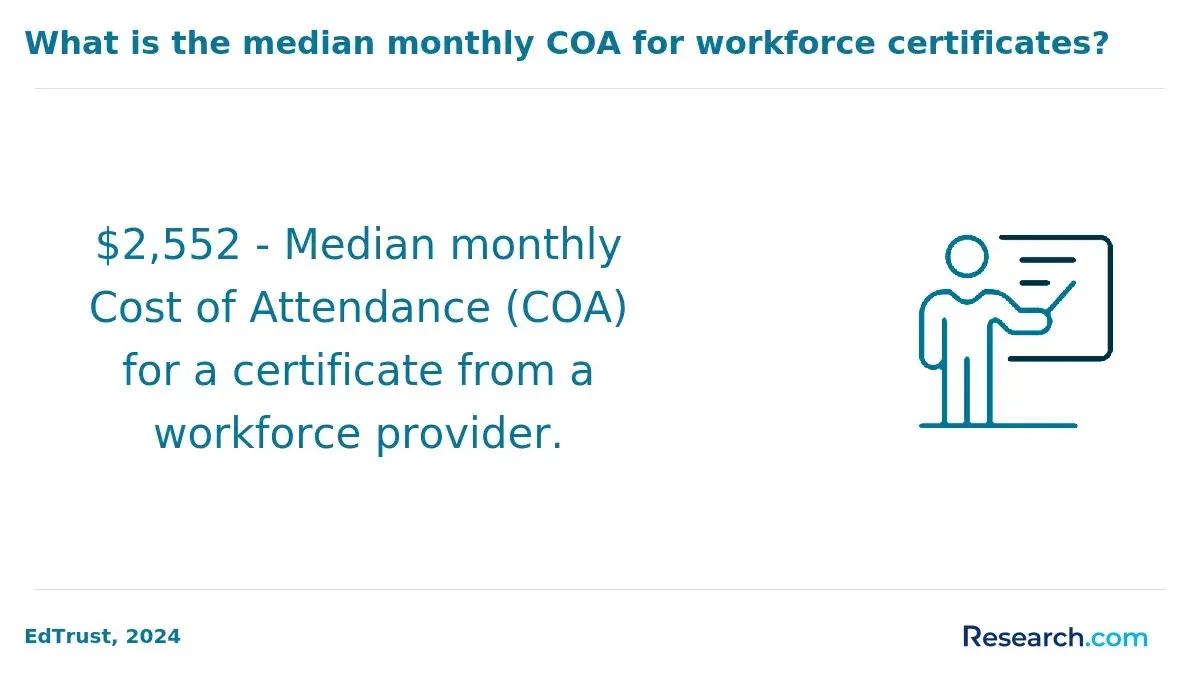
Balancing these technical and practical preparations aligns graduates with employer expectations evident in current hiring trends. Digital Photography graduates should carefully assess the cost-benefit of additional training against increased opportunities and earnings in flexible roles. For those seeking structured, effective programs, exploring 6 month certificate programs that pay well may provide targeted skills rapidly applicable in remote workflows. Ultimately, adopting this multifaceted approach improves readiness for remote roles demanding robust technical capabilities alongside proactive digital engagement.
How can Digital Photography graduates if remote roles are a good fit for them?
Digital Photography graduates determine if remote roles suit their career by critically weighing autonomy against the unique demands of virtual creative work. For example, a graduate juggling multiple client projects from a home studio must assess their ability to maintain focus and meet deadlines independently. These professionals must also consider the practicalities of remote collaboration and equipment needs. Below are key criteria to evaluate before committing to a remote digital photography role.
- Self-discipline and Time Management: Remote photographers rely heavily on personal accountability without direct supervision. Graduates should honestly evaluate their capacity to structure workdays, manage deadlines, and avoid distractions. Consistent productivity in isolation directly influences client trust and project success.
- Access to Professional Equipment and Software: Quality image capture and editing demand reliable, up-to-date technology. Candidates need to budget for and secure high-resolution cameras, calibrated monitors, and editing suites at home since studio resources may be unavailable remotely. This investment impacts output quality and competitiveness.
- Digital Communication Skills: Remote workflows depend almost entirely on virtual communication with clients and teams via email, video calls, and project management tools. Graduates uncomfortable with reduced face-to-face interactions or who struggle to articulate creative ideas online risk misalignment and project delays.
- Work-life Balance Flexibility: Though flexible hours can be advantageous, graduates must handle irregular schedules and time zone differences without sacrificing personal boundaries. A 2024 study showing that 42.7% of remote digital photographers experience burnout highlights the importance of creating firm routines and separating workspace from personal life.
- Proactive Portfolio Building and Networking: Without in-person events or referrals, remote photographers must aggressively market themselves online. Graduates should assess their comfort with self-promotion and digital networking platforms to build client pipelines, a crucial factor for consistent income.
- Technical Handling of Remote Workflows: Managing file transfers, ensuring color accuracy, and troubleshooting without on-site support requires technical competence. Graduates must realistically appraise their problem-solving skills in less controlled environments to prevent workflow disruptions.
- Tolerance for Limited Immediate Feedback: Remote photographers lose instant peer critiques and spontaneous collaboration, often slowing creative iterations. Graduates should consider whether they can maintain motivation and quality independently despite this reduced peer engagement.
One Digital Photography graduate reflected on deciding if remote work fit her style: "Initially, I hesitated because I thrive on in-person critiques and hands-on studio setups. But after testing a few remote projects, I realized I needed strict schedules and a dedicated workspace. Investing in my own lighting and color calibration tools at home made a big difference. The hardest part was learning how to communicate vision completely through emails and video calls, which took time. Now I feel more confident balancing client demands stable income remotely, knowing where I have to push myself and when I need breaks to avoid burnout."
References
- Free Photography Resources & Tutorials for Beginners https://blog.nobledesktop.com/learn/photography/photography-free-resources-and-tutorials
- Entering a Photo Competition? Consider This Advice https://www.smallscenes.com/gallery/blog-photo-competition-advice/
- 10 Best Online Resources for Learning Photography in 2025 https://ve.digital/best-online-resources-for-learning-photography/
- 5 Benefits to Attending Photography School | All Art Schools https://www.allartschools.com/photography/photography-school-benefits/
- Digital Photography School https://digital-photography-school.com/
- Photography and Digital Imaging https://www.ncad.ie/continuing-education/photography-and-digital-imaging-certificate-pdi/
- 8 Practices for Building Student Engagement in Digital Learning Modalities - Every Learner Everywhere® https://www.everylearnereverywhere.org/blog/8-practices-for-building-student-engagement-in-digital-learning-modalities/
- 10 Best Online Photography Degree Programs 2026 https://www.collegevaluesonline.com/rankings/online-photography-degree/
- Learn Photography: Resources, Career Advice & Programs https://www.sessions.edu/digital-photography/
- The-Digital-Picture | Camera & Lens Reviews, Image Quality Tests & Comparisons https://www.the-digital-picture.com/
Other Things You Should Know About Digital Photography
Remote roles in Digital Photography often come with fluctuating workloads, which can hinder steady skill advancement compared to structured on-site environments. Graduates should consider how sporadic projects may limit exposure to diverse techniques or timely feedback, essential for mastering complex photography and editing skills. Prioritizing roles with consistent assignments, even if fewer, can lead to more reliable professional growth over time.
Remote work reduces opportunities for spontaneous interaction that often spurs creative inspiration and industry connections in Digital Photography. Graduates should weigh the tradeoff between flexibility and the slower pace of network building remotely. Actively pursuing virtual communities and scheduled meetups is necessary, but those seeking rapid career momentum might find occasional on-site or hybrid roles more advantageous.
Success in remote Digital Photography roles often requires high self-discipline, strong time management, and comfort with limited supervision. Graduates who thrive under independent work and can manage distractions will adjust more smoothly, while those who rely on external structure may struggle with motivation and meeting deadlines. Assessing personal work style before committing to remote roles can improve job satisfaction and output quality.
Employers often expect remote Digital Photography graduates to have reliable, high-end equipment and a distraction-free workspace to meet project quality and turnaround standards. Graduates should prioritize investing in proper tools and dedicated work areas, as deficiencies can directly affect hiring prospects and performance reviews. Those unable to create adequate remote setups might consider roles with partial on-site requirements to bridge this gap.