2027 Digital Photography Student Debt Report: Borrowing, Monthly Payments, and Repayment Risk

Co-Founder and Chief Data Scientist
Programs in digital photography often balance technical skill-building with creative portfolio development, influencing how students approach borrowing and repayment strategies. Equipment costs and specialized software contribute to varying debt levels, while shorter program lengths compared to other arts degrees can affect loan amounts and timing of repayments.
The field's irregular freelance labor market and fluctuating demand create inconsistent income streams, complicating monthly payment reliability. According to the National Center for Education Statistics (2024), students in visual arts disciplines show a median debt rate slightly below national averages, reflecting tailored borrowing patterns. The prevalence of both traditional and non-traditional students signals evolving workforce dynamics and educational accessibility in digital photography.
Key Things to Know About Digital Photography Student Debt
- Average monthly repayments for digital photography student debt often extend beyond typical freelance income cycles, requiring careful cash flow management that can delay reinvestment in equipment or portfolio development.
- Employers in creative industries increasingly prioritize portfolio quality and internships over formal credentials, making the debt-to-skill tradeoff critical for students considering how much to borrow.
- A 2024 study found that 35% of digital photography graduates face repayment challenges within five years, highlighting the importance of aligning program length and debt load with realistic postgraduation earning timelines.
- Key Things to Know About Digital Photography Student Debt Key Things to Know About Digital Photography Student Debt
- How Much Student Loan Debt Do Digital Photography Graduates Typically Have at Graduation? Average Studen Loan Debt
- What Factors Have the Biggest Impact on Digital Photography Student Loan Debt? Student Debt Key Factors
- What Is the Average Monthly Student Loan Payment for Digital Photography Graduates? Average Monthly Payment
- How Do Repayment Rates Compare Between Public and Private Institutions? Public vs. Private Institution Repayment Rates
- Do Online Digital Photography Graduates Have Different Repayment Outcomes Than Campus-Based Students? Online vs. On-Campus Student Loan Repayment
- Which Industries Provide the Best Financial Return Relative to Borrowing Costs? Which Industries Provide the Best Financial Return Relative to Borrowing Costs?
- Does Student Debt Affect Which Jobs Digital Photography Graduates Accept? Does Student Debt Affect Which Jobs Digital Photography Graduates Accept?
- What Factors Increase Student Loan Repayment Risk for Digital Photography Graduates? Loan Repayment Risk Factors
- How Can Digital Photography Students Reduce Student Loan Debt While Earning Their Degree? Tips to Reduce Student Debt
- How Should Prospective Students Evaluate Borrowing Risk Before Enrolling? Evaluating Student Debt Risk
How Much Student Loan Debt Do Digital Photography Graduates Typically Have at Graduation?
Recent data from 2024 indicates that the average student loan debt for digital photography graduates typically falls between $20,000 and $40,000 at the time of degree completion. This range reflects variations tied to institutional category and program specifics, with private and for-profit colleges usually generating higher borrowing amounts compared to public institutions. The total debt also correlates with factors such as program length and geographic location, which influence tuition rates and living expenses. Understanding these financial burdens in the context of digital photography is critical because initial earnings in creative arts often moderate debt repayment capacity, thereby extending repayment timelines.
Significant variation in typical borrowing amounts for digital photography degree students stems from several key factors. Public institutions often offer lower tuition for in-state students, reducing overall debt loads, while out-of-state enrollments and private school attendance tend to drive higher borrowing due to elevated fees and fewer institutional grants. Additionally, full-time students usually accumulate debt faster than part-time enrollees, though the latter may face prolonged repayment periods. Scholarship availability and access to federal aid also play vital roles, as supplemented financial support can markedly ease borrowing needs. Prospective students often benefit from exploring alternative pathways, such as certificate programs or part-time study, which can mitigate tuition costs and associated debt.
These debt patterns create important considerations for repayment stress and financial planning after graduation. High borrowing amounts relative to entry-level photography salaries can heighten vulnerability to repayment difficulties, making income-driven repayment options essential for many. The interplay between debt size and variable industry earnings often requires graduates to balance financial obligations with career development strategies, including freelance work or internships. Decision-making around borrowing should therefore be informed by a realistic assessment of both educational costs and the variable income trajectories typical in creative fields, supported by resources like the easiest online masters guide to identify financially viable study options.
What Factors Have the Biggest Impact on Digital Photography Student Loan Debt?
Student loan debt levels for digital photography students cannot be attributed to a single factor; rather, they emerge from a complex interplay of institutional pricing models, financial aid accessibility, enrollment decisions, and individual living expenses. The structure of these programs, combined with deeper socioeconomic circumstances, governs how much debt students ultimately accumulate. Understanding these dynamics reveals why borrowing varies widely among students and highlights the broader systemic forces at work in shaping debt outcomes.
- Institution Type and Program Length: Attending a four-year institution for a bachelor's degree tends to produce significantly higher debt, as these programs have longer durations and higher tuition rates compared to two-year or certificate programs. In 2024 NCES data, bachelor's degree recipients in creative arts fields, including digital photography, averaged about $33,000 in student loan debt versus roughly $9,000 for certificate holders. The extended enrollment increases exposure to annual cost escalations and intensifies borrowing needs, especially when combined with limited financial aid.
- Financial Aid Availability and Student Socioeconomic Background: Access to grants and scholarships effectively reduces loan reliance, yet students from lower-income backgrounds often face restricted aid opportunities, compelling heavier borrowing. This factor intertwines with program quality and institutional aid policies-students eligible for less aid typically accumulate more debt and face greater repayment challenges, skewing overall borrowing patterns within digital photography programs.
- Program Delivery Mode and Associated Living Expenses: On-campus programs increase debt not only through tuition but via supplementary costs like housing, transportation, and materials. Online or hybrid digital photography programs may lower direct educational expenses but still require careful assessment of fee structures and technology costs. Living expenses and location thus become crucial modifiers, directly influencing total loan amounts based on whether students must maintain independent housing or commute.
- Enrollment Patterns and Student Financial Behavior: Full-time enrollment commonly accelerates debt accumulation due to concentrated tuition payments and full living costs, while part-time students may extend their repayment horizons but potentially reduce per-term borrowing. Students' borrowing decisions also reflect their information access and risk tolerance; insufficient guidance on debt impacts or optimistic earnings assumptions often lead to higher loans, complicating post-graduation repayment especially when entry-level digital photography positions offer starting salaries typically between $30,000 and $40,000 as per Bureau of Labor Statistics reports.
- Career Support and Job Placement Outcomes: Programs with demonstrated career placement success and stronger employer connections tend to justify higher borrowing levels since graduates face improved earning prospects and loan repayment capacity. Conversely, unclear or weak job pathways increase financial risks, pushing students toward more conservative borrowing or exposing them to challenging repayment scenarios. Understanding how expected career earnings interact with debt commitments is critical when navigating borrowing decisions in digital photography education.
Students evaluating digital photography programs should weigh these factors carefully, recognizing that debt accumulation is shaped by more than just tuition prices. The choices they make regarding institution type, program format, and financial aid engagement directly impact borrowing levels and repayment feasibility. For those exploring alternative degree paths, reviewing related options such as a criminal justice bachelor degree can sometimes provide insight into cost-earning tradeoffs across disciplines.
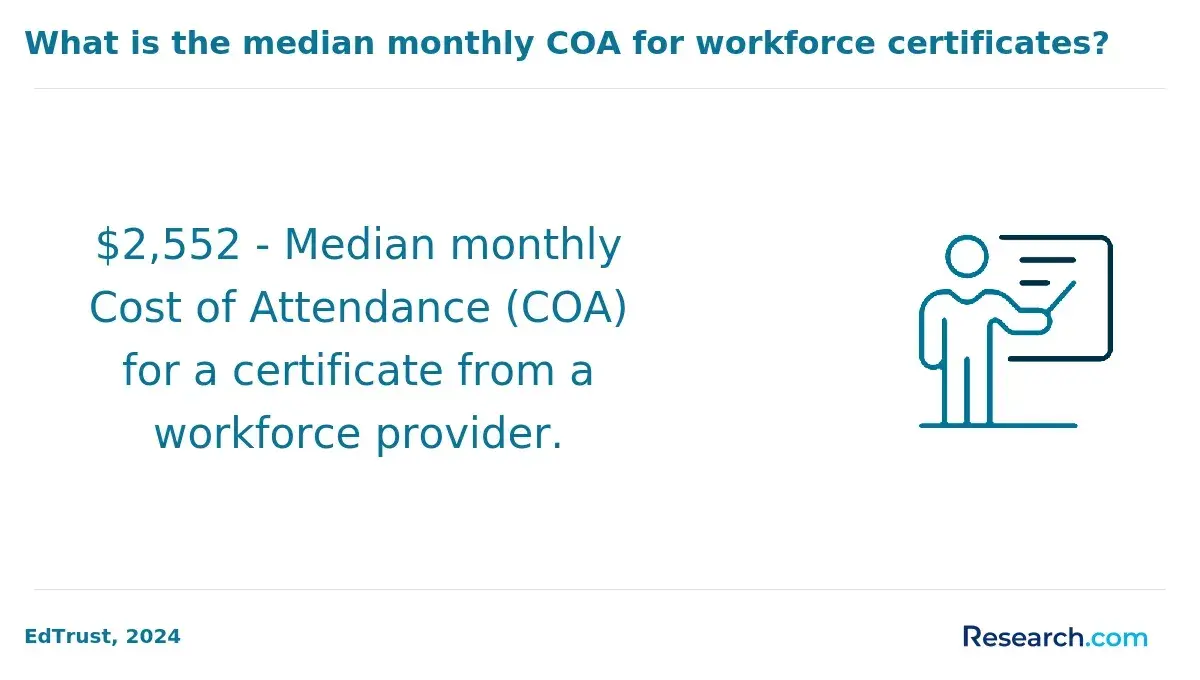
What Is the Average Monthly Student Loan Payment for Digital Photography Graduates?
Recent data from the U.S. Department of Education and Federal Reserve analyses place the typical monthly student loan payments for digital photography graduates between $150 and $275. This range primarily reflects borrowers with associate or bachelor's degrees who took on moderate debt, generally between $25,000 and $30,000, coupled with conventional repayment schedules like the standard 10-year plan. Payments nearer the lower end often correspond to smaller balances or shorter program lengths, while those closer to $275 usually align with longer degree pathways and slightly larger debt loads. These figures represent averages and can fluctuate significantly based on several intertwined factors beyond just loan size.
Variations in monthly payments derive chiefly from the total amount borrowed, chosen repayment plans, interest rates, and borrower income. Income-driven repayment options can reduce monthly obligations substantially, sometimes below $100, but extend repayment periods and increase total interest paid over time. Graduates with bachelor's degrees tend to incur higher balances and thus larger payments than those with associate degrees.
Furthermore, entry-level salaries in digital photography typically lag behind many fields, intensifying the impact of loan repayments relative to income, especially for those in freelance or part-time roles common within the discipline. As such, monthly repayments are shaped by a complex interplay between debt management strategies and real-world earnings, not merely aggregate loan totals.
One digital photography graduate recalled a hesitant admissions process complicated by rolling deadlines and incomplete financial aid information. She delayed applying multiple times, balancing hopes for scholarships against looming application cutoffs, before finally securing a spot late in the cycle. This postponement added stress regarding tuition funding and likely influenced her borrowing decisions and subsequent monthly payment amounts. Her experience highlights how timing and financial preparedness during enrollment can materially affect debt levels and repayment realities after graduation.
How Do Repayment Rates Compare Between Public and Private Institutions?
Graduates from public universities with digital photography degrees demonstrate higher student loan repayment rates within three years compared to those from private institutions, with recent data from the U.S. Department of Education's College Scorecard showing about 55% of public institution borrowers reducing their balances versus roughly 43% from private schools.
This disparity reflects more than institutional type alone; factors including average debt levels, initial earnings, and repayment capacity shape these outcomes. Public university attendees tend to hold smaller loan balances partly due to lower tuition costs, enabling more manageable monthly payments and a higher likelihood of timely balance reduction shortly after entering repayment.
The influence of tuition pricing and borrowing loads is significant in driving repayment performance. Private institutions, particularly for-profit colleges within the digital photography sector, often charge higher tuition, leading to larger loans and extended repayment periods. Coupled with varying employment prospects and typically less regional network support compared to public counterparts, private graduates face greater challenges balancing debt obligations alongside entry-level income trajectories.
The economic backgrounds of students enrolling at private institutions also often differ, impacting their financial resilience and utilization of repayment support mechanisms. Consequently, these variables collectively lower repayment rates and increase delinquency risk in private school cohorts.
These repayment dynamics carry broader implications for financial stability and long-term career sustainability in digital photography fields. Graduates struggling with higher debt burdens and slower repayment may experience prolonged financial stress, limiting their ability to invest in professional development or asset building. Additionally, repayment outcomes increasingly inform both institutional accountability frameworks and student decision-making, underscoring the critical link between program cost structures, graduate earnings, and debt management success. Understanding these nuanced relationships helps clarify why repayment rates diverge and what prospective students should weigh regarding the value proposition of different institutional types.
Do Online Digital Photography Graduates Have Different Repayment Outcomes Than Campus-Based Students?
Recent data from the U.S. Department of Education's 2024 cohort default rates and post-completion reports reveal that repayment rates among digital photography graduates vary notably between public and private institutions. Graduates from public universities tend to exhibit higher repayment rates, reflecting median differences of about 12% to 15% when compared to private university alumni, particularly when factoring in mode of study.
These disparities emerge not only from institutional sector differences but also intersect with whether students completed programs online or on campus-a critical factor given the distinct economic backgrounds and employment realities faced by online learners. Such context frames the broader variability in repayment behaviors beyond surface-level institutional categorization.
The divergence in repayment outcomes is strongly influenced by tuition structures, borrowing amounts, and subsequent graduate earnings. Private institutions often command higher tuition, leading to greater average debt burdens for their digital photography graduates, which in turn amplify monthly repayment demands and extend the timeline for becoming debt-free. Public universities, with lower tuition costs and potentially more accessible financial aid, enable more manageable debt-to-income ratios, despite similar post-graduate earnings profiles.
Additionally, employer preference for hands-on experience and networking fosters stronger career entry pathways for campus-based students, enhancing job stability and income levels essential to loan repayment. These structural components combine to shape repayment stress patterns and long-term financial mobility for borrowers across sectors.
Understanding these nuanced repayment challenges is crucial for prospective and current students evaluating campus versus online digital photography student debt outcomes. Incorporating realistic expectations about borrowing levels and repayment obligations supports informed decision-making aligned with longer-term career goals. For those interested in broader affordability and program cost contexts, examining options such as the best online data science masters offers insight into how financial investment intersects with career relevance across applied creative and technical fields.
Which Industries Provide the Best Financial Return Relative to Borrowing Costs?
Financial return for digital photography graduates varies widely across industries due to differing salary progression, demand, and the amount of student debt typically incurred. Effective ROI depends less on initial pay and more on how earnings evolve relative to borrowing costs, influencing the manageable pace of student loan repayment. Understanding these dynamics helps graduates identify sectors where their skill sets translate to sustainable income that offsets debt burdens.
- Technology and Digital Marketing: These sectors often command higher starting salaries, generally between $50,000 and $60,000, reflecting the premium on visual content creation combined with technical skills. Faster career advancement and the growing integration of multimedia expertise in tech roles improve long-term earning potential, making loan repayment more feasible despite borrowing levels near $25,000 to $30,000.
- Advertising and Media Production: While closely aligned with core digital photography skills, these fields typically offer moderate starting pay around $35,000 to $45,000. Salary growth tends to be slower, and repayment stress is tighter, requiring careful budgeting against monthly loan obligations often ranging from $250 to $350.
- Film and Video Production: Demand remains steady but competition is intense, with variable income common early in careers. Earnings may increase over time, but inconsistent cash flow can heighten repayment risk, emphasizing the need for financial planning when carrying typical program debt.
- Freelance and Fine Art Photography: Despite strong alignment with personal passion, freelance work generally involves fluctuating income with limited stability. This volatility amplifies repayment challenges and increases long-term debt risk, making it a less financially secure path relative to borrowing costs.
- E-Commerce and Visual Content Roles in Retail: Increasing reliance on imagery for online sales drives hiring, often with salaries exceeding average digital photography fields. Career progression in these roles can be quicker, helping offset initial debt by expanding income opportunities.
Does Student Debt Affect Which Jobs Digital Photography Graduates Accept?
Student debt levels heavily influence the initial job decisions of digital photography graduates, particularly by shaping their salary requirements and repayment strategies. With averages near $28,000 reported by the U.S. Department of Education in 2024 for creative arts graduates, many face immediate pressure to secure positions offering stable, above-entry wages rather than internship or experimental roles that might better develop relevant skills.
The necessity to meet monthly loan payments leads many to prioritize commercial photography gigs, marketing roles, or corporate media jobs where income predictability eases debt servicing. This dynamic often discourages acceptance of lower-paying but creatively enriching opportunities, effectively narrowing early-career options to those with quicker financial returns instead of longer-term artistic cultivation.
Broader labor market behavior also reveals differences between graduates burdened by high debt and those with minimal or no debt, with the former group showing less geographic and occupational mobility due to financial risk aversion. Industry segmentation reflects this divide, as heavily indebted graduates disproportionately cluster in sectors with steadier paychecks, while lower-debt peers can afford to explore freelance or nonprofit avenues offering less immediate compensation but greater creative freedom.
Over time, student loan obligations reduce flexibility for entrepreneurial pursuits such as opening private studios, since the financial imperative for consistent cash flow outweighs the delayed gains of such ventures. Employer expectations for proven, stable work experience further compound this by favoring candidates who deprioritize short-term creative risks in favor of maintaining income consistency early in their careers.
One digital photography graduate described navigating job offers while managing student loan stress, noting the complications of rolling admissions for a master's program. The candidate hesitated between accepting a corporate media position with reliable pay and waiting for potential freelance projects aligning more closely with personal artistic goals. With looming loan repayments, the urgency to secure steady income ultimately led to accepting the salaried role, illustrating how repayment demands and application timing can constrain decision-making and career trajectory among indebted graduates.
What Factors Increase Student Loan Repayment Risk for Digital Photography Graduates?
Student loan repayment risk for digital photography graduates arises from multiple intertwined financial, academic, and labor market factors rather than a single issue. This risk reflects both the accumulation of debt and the stability of post-graduation earnings. For many graduates, navigating repayment involves balancing irregular income streams against typically higher borrowing amounts, compounded by market conditions that influence employment opportunities. Understanding these dynamics is critical for assessing repayment vulnerability among this group.
- Income Instability and Freelance Reliance: Digital photography careers frequently depend on freelance, contract, or part-time work rather than stable salaried positions. This generates unpredictable cash flow, making consistent monthly loan payments challenging and increasing the risk of delinquency or extended repayment periods.
- Industry Saturation and Wage Pressure: High competition and market saturation limit access to well-paying roles, particularly at entry level, where wages often fall below national averages. Lower income relative to borrowed amounts heightens financial strain and repayment risk.
- Elevated Debt Levels at Graduation: According to the National Center for Education Statistics (2024), graduates with creative arts degrees, including digital photography, typically carry about 20% more debt than average. This larger debt burden intensifies the pressure to generate sufficient income soon after graduation.
- Variability in Program Quality and Geographic Labor Markets: Differences in institutional resources, program reputation, and local job demand affect graduates' employability and salary potential. Those from under-resourced schools or rural regions often face greater repayment challenges due to fewer lucrative job opportunities.
These interrelated factors collectively increase financial risk and demonstrate how student loan repayment challenges are more acute for digital photography graduates exposed to volatile earnings and high debt loads. Prospective students should weigh these risks carefully against expected employment outcomes and consider how program choices influence long-term financial stability. For those exploring alternative pathways or additional credentials, options such as speech pathology bridge programs may provide different income and employment prospects to mitigate overall student loan repayment risk.
How Can Digital Photography Students Reduce Student Loan Debt While Earning Their Degree?
Reducing student loan debt while earning a digital photography degree requires proactive financial planning and strategic decision-making throughout the academic journey. Minimizing borrowing hinges on a combination of financial awareness, academic efficiency, and maximizing available institutional resources. Intentional enrollment choices paired with effective use of aid and work opportunities can significantly lower cumulative indebtedness.
- Choose In-State Public Institutions: Attending a public college in-state usually offers substantially lower tuition costs than private or out-of-state options, directly reducing loan dependency. The National Center for Education Statistics 2024 update shows in-state tuition averages nearly 40% less, making this an essential consideration in managing overall program expenses.
- Leverage Federal Grants And Scholarships: Prioritizing grants and scholarships-especially those targeted at art and photography disciplines-lowers the need to borrow since these funds don't require repayment. Students should systematically apply for available awards and coordinate with financial aid offices to optimize non-loan funding before turning to loans.
- Engage In Relevant Work-Study Or Freelance Opportunities: Participating in work-study programs or internships related to digital photography provides income that offsets living costs and reduces loan amounts. According to the 2024 Student Financial Wellness Survey, 65% of students who worked internships or freelanced lowered loans by at least 20%, demonstrating the practical value of combining education with paid experience.
- Accelerated And Hybrid Course Enrollment: Choosing accelerated or hybrid course formats can compress program length, decreasing total tuition and housing costs over time. While this may intensify workload stress, the tradeoff often translates into less cumulative borrowing and faster entry into the workforce.
- Diligent Budgeting And Borrowing Limits: Careful financial planning to limit borrowing to actual costs after aid and income prevents unnecessary debt accumulation. Students who actively monitor budgets and borrow only what is essential reduce long-term repayment burdens and financial risk.
- Tap Industry-Specific Scholarships And Community Awards: Many digital photography associations and community organizations offer scholarships for emerging talent, which can meaningfully offset costs. Identifying and applying for these awards early enhances affordability and decreases loan reliance.
These strategies underscore actionable, experience-driven approaches to managing financial obligations in digital photography programs. Aside from searching for the easiest bachelor's degree program to get for their budget, students must integrate academic planning, institutional resources, and field-relevant work to minimize borrowing while supporting employability.
How Should Prospective Students Evaluate Borrowing Risk Before Enrolling?
Evaluating borrowing risk before enrolling in a digital photography degree is critical for understanding the long-term financial impact of education debt. This assessment involves weighing the total anticipated loan amount against realistic post-graduation earnings. Given that median monthly loan payments for bachelor's graduates in visual and performing arts average around $200, with 25% facing repayment challenges within five years according to the 2024 College Scorecard, a comprehensive evaluation can prevent untenable financial obligations.
- Projected Earnings Versus Debt Load: Analyze starting salaries in digital photography compared to expected monthly loan payments to determine if income can sustain debt repayment without compromising living expenses.
- Graduation and Employment Outcomes: Review program graduation rates and job placement statistics to estimate the likelihood of timely completion and employment in relevant fields that generate sufficient income.
- Total Cost of Attendance: Consider tuition, fees, equipment, and ancillary costs to calculate the full borrowing amount needed, avoiding hidden expenses that increase debt.
- Alternative Funding Sources: Identify scholarships, grants, or part-time work options that reduce reliance on loans and lower overall borrowing risk.
- Repayment Scenario Modeling: Use realistic income projections and repayment calculators to anticipate monthly obligations during periods of fluctuating freelance or contract work common in creative industries.
- Program Transparency and Institutional Support: Evaluate whether the institution provides clear financial counseling and transparent cost disclosures to assist informed borrowing decisions.
- Economic and Industry Trends: Assess the competitive nature of creative employment markets and the likelihood of underemployment, which can affect timely loan repayment and financial stability.
References
- Average Student Loan Payment [2026]: Cost per Month https://educationdata.org/average-student-loan-payment
- College student's debt-themed graduation photos go viral https://abc7chicago.com/post/college-students-debt-themed-graduation-photos-go-viral/1311447/
- 8 things you should know about your student loan https://www.gov.uk/government/news/8-things-you-should-know-about-your-student-loan--2
- 5 things to consider before taking out a student loan https://theconversation.com/5-things-to-consider-before-taking-out-a-student-loan-121724
- Getty Images https://www.gettyimages.com/photos/graduate-debt
- How Student Loan Debt Impacts Your College ROI https://www.lendkey.com/blog/student-loans/how-student-loan-debt-impacts-your-college-roi/
- Data-Driven Exploration of Factors Affecting Federal Student Loan Repayment https://arxiv.org/abs/1805.01586
- Budgeting After College: Tips for Post-Grads With Student Debt https://www.navyfederal.org/makingcents/college-planning/post-graduation-repayment/budgeting-after-college--tips-for-post-grads-with-student-debt.html
- The Impact of Student Debt on the Low-Wage Workforce https://workrisenetwork.org/working-knowledge/impact-student-debt-low-wage-workforce
- Research: How Student Debt Affects Career Choices https://www.crctr224.de/newsroom/press-releases/research-how-student-debt-affects-career-choices
Other Things You Should Know About Digital Photography
Because digital photography programs emphasize portfolio development alongside technical skills, graduates often invest substantial unpaid time building a competitive body of work. This can delay full-time employment or lead students to accept lower-paid gigs initially, increasing short-term repayment strain. Borrowers should anticipate variability in cash flow early on and consider income-driven repayment plans if portfolio-building commitments reduce earning potential during their first years post-graduation.
Higher borrowing for programs with strong industry connections or reputable faculty may improve job prospects, but this advantage does not guarantee better salaries sufficient to offset additional debt. Students should critically evaluate whether the premium cost substantially enhances real-world employability or just prestige. Prioritizing programs with direct employer ties that facilitate freelance or salaried work early on is often more impactful than investing heavily in name recognition alone.
Part-time enrollment typically extends the time to degree completion, which can delay full-time income but may reduce immediate borrowing needs by spreading tuition over more terms. However, longer debt accumulation periods risk higher overall interest costs and can complicate repayment if income growth is slow. Students should weigh if their work commitments justify part-time study while having a clear plan to manage longer repayment horizons without escalating total debt.
Some specializations, such as commercial photography or photographic editing for media firms, tend to have more stable earning potentials compared to highly entrepreneurial or fine arts-centered tracks. Graduates aiming for niches with consistent employer demand may find it easier to secure jobs that support steady repayment. Choosing a specialization aligned with market needs can mitigate repayment risk, but students must balance passion against practical income prospects to avoid excessive financial stress.