2027 Top Industries Hiring Digital Photography Graduates: Demand, Pay, and Growth Trends

Co-Founder and Chief Data Scientist
A prospective digital photography student faces a critical decision when choosing a career path: which industries are most likely to hire graduates and offer sustainable growth? Understanding where digital photography skills are in demand helps clarify employment prospects beyond entry-level opportunities. With diverse sectors utilizing digital photography expertise, careful analysis of hiring trends reveals which fields offer stability and advancement potential.
Examining salary variations across industries further informs these decisions, as remuneration often reflects differing market demands and employer expectations. Identifying sectors with the fastest job growth signals areas with emerging opportunities that can reward adaptability and mastery of new technologies. This article explores the industries that employ the largest number of digital photography graduates, highlights where salaries peak, discusses growth trends, and considers evolving employer requirements. It also offers guidance on aligning skills with the most promising career paths in digital photography.
Key Things to Know About the Top Industries Hiring Digital Photography Graduates
- Entertainment and advertising industries employ over 45% of digital photography graduates, reflecting these sectors' ongoing demand for visually compelling content to engage diverse audiences.
- Healthcare and scientific research fields offer the highest median salaries and fastest career growth, driven by specialized imaging needs unmet by general photography skills.
- Employer demand is shifting towards graduates proficient in AI-enhanced imaging tools, signaling a need for evolving technical expertise to remain competitive amid automation trends.
- Key Things to Know About the Top Industries Hiring Digital Photography Graduates Key Things to Know About the Top Industries Hiring Digital Photography Graduates
- Which Industries Hire the Most Digital Photography Graduates? Top Industries
- Which Industries Offer the Highest Salaries for Digital Photography Graduates? Highest Salaries
- Which Industries Have the Fastest Growth for Digital Photography Careers? Growth Trends
- Which Employers Commonly Recruit Digital Photography Graduates? Top Employers
- Which Skills Are Most In Demand Across Digital Photography Industries? In-Demand Skills
- How Do Career Paths Differ Across Industries for Digital Photography Graduates? Career Paths
- How Do Industry Trends Affect Future Opportunities for Digital Photography Graduates? Industry Trends
- How Can Students Prepare for High-Demand Digital Photography Industries? Career Preparation
- How Do Different Digital Photography Degree Programs Prepare Students for Industry Careers? How Do Different Digital Photography Degree Programs Prepare Students for Industry Careers?
- Which Industry Is the Best Fit for Your Digital Photography Career Goals? Which Industry Is the Best Fit for Your Digital Photography Career Goals?
Which Industries Hire the Most Digital Photography Graduates?
Graduates holding a degree in digital photography find significant opportunities across multiple sectors, but demand is highly concentrated in industries driven by media production and visual marketing. Recent labor data from the U.S. Bureau of Labor Statistics and 2024 industry research indicate that motion picture and video production leads in absorbing digital photography talent, thanks to ongoing content expansion for streaming platforms and traditional media. Job demand, however, varies regionally and with employer focus-from creative concept work to technical imaging roles.
Below are key industries known for consistently recruiting digital photography graduates, illustrating where employment concentration and practical job functions intersect.
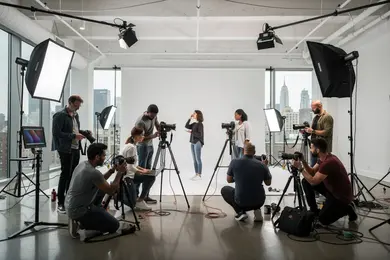
- Motion Picture and Video Production:This industry hires the largest share of digital photography graduates, providing roles that range from set photography to post-production imaging. The ongoing boom in streaming services drives steady demand for skilled photographers who can deliver high-quality visuals under tight schedules and evolving technology standards, making it an attractive field for those seeking dynamic, project-based work.
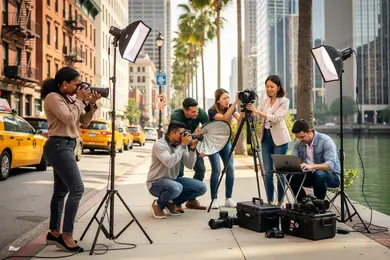
- Advertising and Public Relations: Employers in this sector use digital photography extensively to create compelling content for social media campaigns, websites, and traditional advertisements. Graduates often work as content creators or visual campaign strategists, merging technical skills with marketing insight. Growing digital marketing budgets keep job demand stable, though competition can be intense in major metropolitan areas.
- Professional, Scientific, and Technical Services: This broad category includes freelance photographers, corporate photography units, and specialized studios serving real estate, fashion, and product photography markets. These roles appeal to graduates who value client interaction and portfolio diversification. Market presence often depends on reputation and networking, highlighting the importance of business acumen alongside technical expertise.
- Educational Institutions and Museums: While smaller in volume, these organizations offer roles involving digital archiving, documentation, and media production for educational purposes. Salaries may be lower than in commercial sectors, but these positions provide greater job stability and opportunities to collaborate on interdisciplinary projects, attracting graduates interested in academic or cultural fields.
In 2024, over 40% of digital photography-related employment was found within these four industries, reflecting the concentration of job demand by industry more broadly. For those exploring career options, experiences such as working on a film set or managing content for advertising campaigns illustrate the diversified skill sets required across sectors. Digital photography graduates aiming to maximize employment prospects should consider aligning their technical competencies and creative focus with these proven hiring hubs. For additional insights into educational pathways, including masters degrees relevant to creative professionals, reviewing current accredited program offerings can complement industry knowledge.
Which Industries Offer the Highest Salaries for Digital Photography Graduates?
Salary differences among industries for digital photography graduates arise from the varying complexity of work, specialized skills required, and the commercial value assigned to photographic output. Sectors with substantial budgets and high stakes tend to compensate more generously, reflecting the need for precision, creativity, and technical expertise. Conversely, industries with less predictable revenue streams or more freelance-oriented roles usually offer lower and more fluctuating incomes. Understanding where these salary peaks occur enables graduates to strategically target roles that align with both their financial goals and skill sets.
Below are the industries that generally provide the highest earning potential for digital photography graduates.
- Advertising and Public Relations: This sector leads in compensation due to its critical reliance on high-impact visual content to drive brand recognition and consumer engagement. Digital photography graduates often work as commercial photographers or visual content strategists, commanding average wages exceeding $75,000. Earnings depend on portfolio strength, client networks, and the ability to produce versatile content for multi-platform campaigns.
- Scientific Research and Medical Imaging: Photography in these fields demands specialized knowledge of imaging technologies and strict adherence to regulatory standards, making it both highly technical and niche. Salaries can reach upwards of $70,000, reflecting the value of contributions to clinical trials and scientific publications. Roles typically involve collaboration with researchers, requiring precision and ethical considerations that influence pay scales.
- Film and Video Production: Graduates entering cinematography or post-production photography benefit from integrated skill sets that blend artistic vision with technological proficiency. Average salaries approach $65,000, boosted by the growing demand for high-quality digital visuals in multimedia environments. Success and salary growth rely on technical adaptability and networking within creative production teams.
Choosing an industry also involves weighing tradeoffs between income stability and creative independence. For instance, freelancing in fine arts offers greater artistic freedom but generally yields lower average earnings compared to corporate or research roles. Prospective students can also explore adjacent technical fields; for example, those interested in expanding their career prospects might consider exploring whether can you get an engineering degree online, as some technical skills complement photography in specialized industries. Such cross-disciplinary expertise may unlock further salary advantages in emerging markets.
Which Industries Have the Fastest Growth for Digital Photography Careers?
Industry growth shapes the long-term viability and compensation potential for digital photography professionals. Selecting a career sector with expanding demand can safeguard against volatility common in creative fields, while also impacting the diversity and scope of work available. Understanding which industries are evolving rapidly illuminates where digital photography graduates might find the most dynamic opportunities and economic stability. It's critical to weigh growth projections against regional market differences and technological shifts that shape employer needs.
Below are key industries forecasted to offer strong employment prospects for digital photography graduates.
- Advertising and Marketing: Fueled by the proliferation of digital campaigns and influencer-driven content, this sector demands versatile photographers adept at creating visually engaging assets across social media, websites, and traditional outlets. Growth estimates range from 7% to 9% over the next decade as companies allocate more budget to online brand presence and personalized marketing strategies, favoring those with cross-platform skills.
- E-commerce Platforms: With online retail sales climbing steadily, e-commerce businesses increasingly rely on striking product imagery to enhance customer experience and lower returns. Opportunities focus on fashion, electronics, and consumer goods photography, reflecting broader digital transformation trends in retail that are reshaping how products are showcased and marketed.
- Film and Television Production: Expansion of streaming services and independent content creators has broadened demand beyond traditional photography to include digital imaging for virtual environments and special effects. Projected growth of 6% to 8% reflects the entertainment sector's investment in immersive storytelling technologies requiring advanced photographic expertise.
- Virtual and Augmented Reality: Though still emerging, immersive media sectors offer promising niches for digital photographers willing to adapt skills for VR and AR content creation. Early adopters benefit from a growing integration of these technologies in advertising, training simulations, and entertainment, presenting a specialized career pathway.
One graduate recalled hesitating before accepting a role at a mid-sized e-commerce startup focused on direct-to-consumer fashion products. Initially uncertain about the sector's long-term stability compared to film or advertising, the steady increase in online sales and the company's investment in high-quality photography reassured them. Over two years, they witnessed firsthand how compelling product imagery directly correlated with reduced customer returns and boosted engagement metrics, confirming the evolving demand within e-commerce for skilled digital photography professionals. This experience underscored the value of remaining flexible and responsive to industry trends beyond initial preferences.
Which Employers Commonly Recruit Digital Photography Graduates?
Recognizing which employers frequently recruit digital photography graduates enables students and career changers to tailor their education, internships, and job searches toward sectors with sustained hiring activity. This strategic alignment can improve employment outcomes by focusing on industries where demand aligns with graduates' skills.
However, hiring patterns differ significantly depending on specialization within digital photography, geographic location, and prevailing economic and industry trends. For example, a student targeting commercial product photography in urban centers may find different employer concentrations than one interested in documentary or archival work.
The following outlines typical employers who consistently seek digital photography professionals:
- Advertising and Media Firms: Companies in advertising agencies, publishing houses, and media outlets often require photographers to produce creative visual content for marketing campaigns, editorial projects, and digital platforms. These roles typically emphasize adaptability, technical proficiency in digital imaging, and the ability to collaborate with creative teams. According to 2024 data from the U.S. Bureau of Labor Statistics, these sectors remain among the top employers of photography graduates.
- Entertainment Industry Companies: Film studios, television production companies, and event management organizations hire photographers for still photography on sets, promotional material, and live event coverage. Positions here demand both artistic vision and the technical ability to work under variable, fast-paced conditions. These employers value graduates who can seamlessly blend into creative production environments.
- Non-Profit and Educational Institutions: Museums, galleries, and academic entities recruit digital photographers for documentation, exhibition curation, and research projects. These roles often require careful archival work, attention to historical context, and collaboration with scholars or curators. Government cultural agencies also fall into this category, employing graduates for public records and communications, emphasizing consistency and precision.
- Freelance and Contract Work: Many graduates choose independent contracting or freelancing, serving diverse clients such as wedding parties, small businesses, or commercial clients requiring product and portrait photography. While income variability and self-promotion challenges exist, this path offers significant flexibility and the potential to build a diverse portfolio responsive to market needs.
Which Skills Are Most In Demand Across Digital Photography Industries?
Skills in demand tend to remain stable across various industries because they balance foundational technical expertise with adaptable professional capabilities. In digital photography, this balance allows graduates to navigate shifting market needs, from e-commerce product shoots to immersive media projects, maintaining relevance as technology evolves. Employers prioritize competencies that not only enhance image quality but also streamline workflow and foster collaborative, client-facing relationships. For example, a photographer working in advertising must combine equipment mastery with project management to meet tight deadlines and creative briefs effectively.
Below are key competencies valued consistently across digital photography employers.
- Advanced Camera Operation: Mastery of professional camera systems is fundamental for producing high-quality images across commercial, fashion, and event photography. Hands-on practice during a digital photography program and internships enhances this skill, ensuring readiness for industries requiring precise technical control and consistent output.
- Post-Production Proficiency: Expertise in editing software such as Adobe Photoshop, Lightroom, and Capture One remains highly sought after. These tools are essential for refining images and adapting styles to diverse client needs, giving candidates versatility in both agency and freelance settings.
- Digital Asset Management: Organizing, cataloging, and securely handling large volumes of digital content is critical as industries increasingly rely on quick access to media assets. Developing familiarity with management software during training supports efficiency in workflows spanning advertising to media production.
- Emerging Technology Familiarity: Knowledge of drone photography and 360-degree imaging technologies positions photographers at the forefront of immersive media trends. These skills, often gained through specialized coursework or workshops, enhance opportunities in virtual reality and experiential marketing sectors.
- Communication and Collaboration: Strong interpersonal skills are necessary for working with clients and creative teams, particularly in fast-paced environments like advertising agencies. Building these skills through group projects and client engagements during education prepares graduates to negotiate creative direction and meet client expectations.
- Project Management: The ability to plan, coordinate, and execute shoots efficiently is vital across industries. Students develop this competence by managing timelines and resources in real-world assignments, which supports career adaptability whether in staff roles or freelancing.
- Marketing Acumen: Understanding branding and social media marketing enhances a photographer's ability to promote work and engage audiences effectively. This skill is increasingly important as many photographers take on client relationship management or entrepreneurial roles within the digital economy.
According to data from the U.S. Bureau of Labor Statistics, proficiency in advanced camera operation combined with digital marketing skills ranks among the top competencies in over 70% of digital photography-related job listings as of 2024. Students exploring career pathways can enhance their prospects by integrating these technical and transferable skills.
Those interested in broadening their professional scope may also consider complementary fields, such as real estate photography, where cross-disciplinary education like an online real estate bachelor's degree offers additional opportunities. Overall, these skills most in demand for digital photography careers reflect a blend of creative, technical, and business competencies, equipping graduates for diverse employment landscapes.
How Do Career Paths Differ Across Industries for Digital Photography Graduates?
Choosing an industry to enter after earning a degree in digital photography shapes career trajectories as profoundly as the education itself. Different sectors value unique skill sets, project scopes, and growth models, meaning what advances a photographer in one field may not in another. For example, while arts and media emphasize creative portfolio building, marketing and technology sectors prioritize strategic impact and digital fluency. The practical implications of these distinctions affect daily responsibilities, promotion speed, and long-term job security.
Below are key factors illustrating how career paths diverge for digital photography graduates across industries.
- Advancement Structure: Arts and media roles often rely on freelance contracts and portfolio reputation, which can slow steady promotion and income growth. In contrast, corporate and marketing fields offer defined ladders with clearer criteria for moving into managerial positions, supported by organizational frameworks.
- Salary Trajectories: Entry-level salaries in creative arts tend to be modest, with gradual wage increases linked to reputation. Marketing and e-commerce jobs typically start with 15-20% higher pay and faster growth potential, reflecting higher demand for data-driven visual content and brand alignment.
- Skill Emphasis: Arts sectors prioritize artistic vision and conceptual storytelling, while marketing and tech industries reward technical versatility, including skills in AI tools, analytics, and cross-disciplinary media. Graduates should assess whether their strengths align with specialized creative work or integrated digital strategies.
- Job Stability: Contract-based assignments dominate arts and entertainment, posing potential income volatility. Conversely, roles within marketing departments or tech firms tend to be salaried and benefit from organizational support, offering more predictable employment.
- Industry Growth Areas: Emerging sectors like virtual reality content and product photography blend photography with coding and 3D imaging. These niches are expanding rapidly in technology-driven environments, favoring graduates who combine traditional photography with STEM competencies.
- Networking and Portfolio: Success in arts requires active networking and a strong, continually updated portfolio to win projects, which can be time-intensive but creatively fulfilling. Marketing roles place greater emphasis on integrated team collaboration and measurable results, shaping different daily work patterns.
- Long-Term Focus: Arts professionals might value creative satisfaction over financial gain, often accepting slower progression. Marketing and tech professionals typically pursue upward mobility with structured career paths that align with business objectives and performance metrics.
Data from the U.S. Bureau of Labor Statistics (2024) highlights stronger occupational mobility and wage growth in marketing and e-commerce sectors for digital photography-related roles compared to arts and media, reinforcing these practical distinctions in career development.
How Do Industry Trends Affect Future Opportunities for Digital Photography Graduates?
Shifts in industry dynamics heavily influence the career landscape for digital photography graduates, determining where demand concentrates and which skill sets remain valuable. Over time, evolving technologies and market priorities can alter job availability, salary trajectories, and sector stability, making it essential for emerging professionals to identify which trends carry the most weight. Recent labor data from the U.S. Bureau of Labor Statistics coupled with 2024 analyses by the Creative Sector Insights group highlight key directions shaping this field's future.
Below are several pivotal trends affecting job prospects and earning potential for digital photography graduates.
- Digital Content Expansion: As marketing and media increasingly pivot toward digital platforms, there's growing need for photographers adept at creating engaging content tailored for social media, advertising, and e-commerce. This sector is growing roughly 6% annually, surpassing many traditional photography fields, signaling continued robust employer demand for graduates well-versed in both technical execution and creative storytelling.
- Tech Integration and AI Tools: Augmented reality, virtual reality, and AI-driven image enhancement are transforming how visual content is produced and deployed. Photographers who acquire these complementary technical skills can access emerging niches such as virtual staging or automated editing, which broaden career paths and often come with salary premiums. Adaptability here is a critical workforce asset.
- Entertainment and Fashion Evolution: Streaming platforms and influencer marketing have redefined these industries, prioritizing digital fluency alongside artistic vision. Wage growth and job openings in these sectors reflect a premium placed on professionals who understand digital distribution channels and the nuances of content designed for diverse online audiences.
- Eco-Conscious Market Demand: Rising consumer interest in sustainability fuels demand for photographers specializing in environmental and outdoor lifestyle imagery. Graduates combining commercial savvy with eco-aware values may find unique opportunities in brands emphasizing social responsibility, offering distinctive career trajectories.
A recent graduate shared how awareness of these trends influenced their early career decisions. Initially tempted by traditional studio work, they hesitated when job prospects appeared limited. Choosing instead to develop skills in AI-enhanced editing and social media content creation, they secured a role with a marketing agency focusing on eco-friendly brands. The decision required embracing unfamiliar technologies and workflows but ultimately opened doors to steady employment and projects aligned with personal values, highlighting how trend responsiveness can shape outcomes beyond straightforward technical ability.
How Can Students Prepare for High-Demand Digital Photography Industries?
Students seeking to excel in high-demand digital photography industries must go beyond technical skill acquisition and develop a strategic blend of hands-on experience, specialized knowledge, and industry awareness. According to the U.S. Bureau of Labor Statistics and educational research institutions, employers increasingly value candidates proficient in advanced software and those with demonstrable practical experience.
For instance, graduates who combine technical expertise with a polished portfolio and internship experience show a marked advantage in job placement. Recent data indicate that students engaging in internships or collaborative projects improve their employability by over 30%, highlighting the critical role of real-world exposure.
The following strategies provide focused guidance to navigate career preparation effectively.
- Technical Proficiency: Mastering industry-standard tools like Adobe Creative Suite and familiarity with emerging AI-driven editing technologies is essential. Students can integrate software training into coursework and personal projects, ensuring readiness for demands in commercial, film, or e-commerce sectors.
- Portfolio Development: Building a diverse portfolio that showcases creative range and technical ability helps employers assess practical skills. Regularly updating this portfolio with both academic and freelance work demonstrates continuous growth.
- Internships and Networking: Securing internships or participating in collaborative projects with studios or media outlets offers invaluable industry insights and client interaction experience. This approach significantly enhances networking opportunities and soft skills critical for career longevity.
- Specialization Focus: Developing expertise in high-growth niches such as drone imaging or post-production editing aligns with market demand and increases salary potential. Students should seek specialized workshops or certifications to deepen expertise.
- Continuous Learning: Engaging in workshops, competitions, and online courses fosters adaptability to evolving visual trends and technologies. This commitment signals to employers a proactive professional mindset.
- Online Presence: Establishing a professional website and active social media portfolio enhances visibility. This not only attracts potential clients but also builds a personal brand indispensable in creative industries.
- Strategic School Selection: Choosing programs with strong connections to industry or aligned with best library schools can facilitate access to resources and employment pipelines. Careful program selection complements hands-on strategies in career preparation.
How Do Different Digital Photography Degree Programs Prepare Students for Industry Careers?
Digital photography degree programs vary significantly in how they prepare students for industry careers, driven by differences in curriculum focus, practical experience opportunities, and career support. Some programs prioritize technical proficiency with industry-standard tools, while others emphasize creative development or business skills like marketing.
Graduates face diverse fields-from fashion photography to corporate digital content-making it essential to consider how a program aligns with a student's intended path. According to the 2024 National Center for Education Statistics report, hands-on experience with software like Adobe Creative Suite and advanced camera technologies strongly correlates with increased job readiness across industries.
Below are key factors prospective students should compare when evaluating digital photography degree curriculum for career preparation.
- Technical Skills Emphasis: Programs differ widely in the extent to which they teach camera operation, post-production software, and new imaging technologies. A strong technical foundation is critical not only for commercial photography but also for emerging fields like augmented reality content creation.
- Practical Experience Opportunities: Exposure to internships or cooperative education placements offers invaluable real-world project management and client interaction skills. These experiences are particularly important for sectors such as advertising and media production, where professional networking often determines career progression.
- Multidisciplinary Curriculum: Programs that integrate courses in digital marketing, graphic design, or storytelling prepare students for roles in e-commerce and corporate communications, meeting employer demand for versatile professionals capable of producing compelling digital content across platforms.
- Portfolio Development and Career Services: Dedicated support for portfolio building and career planning helps graduates stand out in competitive fields like fine arts photography and commercial imaging, where an impressive portfolio is often more influential than formal credentials.
- Industry-Relevant Software Training: Mastery of standard software such as Adobe Creative Suite is a common differentiator among programs. Students should assess how up-to-date and industry-aligned the software training is to ensure relevance to job requirements.
- Program Accreditation and Reputation: Graduates from accredited programs with strong ties to professional networks tend to have better employment outcomes. Prospective students might explore resources like ALA accredited schools for examples of rigorous program standards and career support frameworks.
- Career Path Alignment: No single program equally prepares students for every industry. Prospective students should evaluate how well a program's focus, faculty expertise, and alumni outcomes align with their targeted employment sector, recognizing that additional practical experience might be necessary to complement academic preparation.
Which Industry Is the Best Fit for Your Digital Photography Career Goals?
The best industry fit for a digital photography graduate depends heavily on individual priorities such as preferred work environment, specialization interests, income goals, lifestyle considerations, and the desire to create a specific type of impact. For example, one graduate may prioritize stability and high salaries by targeting corporate marketing teams within tech companies, benefiting from PayScale's 2024 data showing these roles earn 15-20% more than freelance positions. Another graduate with a passion for creative storytelling might choose expanding industries like digital content creation or multimedia production, where integrating video and interactive media enhances creative scope despite potentially less predictable earnings.
To make an informed choice, students should investigate employer expectations, long-term growth projections, key skills in demand, and internships available in various sectors, while reflecting on their own strengths and interests. U.S. Bureau of Labor Statistics projections highlight steady expansion in advertising, media, and e-commerce, underlining the importance of aligning personal goals with industry trajectories. Ultimately, the strongest career decisions arise from matching one's unique aspirations and preparation to the opportunities within multiple viable industries, rather than simply chasing the highest salary or fastest growth.
References
- Photography as a Career: How to Become a Professional Photographer 2026 https://www.globalphotographytips.com/photography-career-become-professional-photographer-2026/
- Photography jobs https://photography.thecreativeloft.com/
- 2026 Best Online Photography Degrees [Bachelor's Guide] https://www.mydegreeguide.com/online-photography-degree/
- Student Artist Facilitator at Photoworks Festival 2026 https://fastforward.photography/opportunities-category/job/
- How to become a professional photographer on a budget: Expert tips from working pros (Part 1) https://www.digitalcameraworld.com/photography/commercial-photography/how-to-become-a-professional-photographer-on-a-budget-expert-tips-from-working-pros-part-1
- Digital Photographer Career Guide - Sessions College https://www.sessions.edu/career-center/photographer/
- 12 Types of Photography Careers for Your Passion https://www.tafecourses.com.au/resources/photography-career-types/
- Best Online Photography Degrees https://www.onlineu.com/degrees/photography
- Photography Industry Statistics 2026 - Discovercameras https://discovercameras.com/photography-industry-statistics/
- Career in Photography: Skills, Course & Career Opportunities | Hamstech https://www.hamstech.com/hamstech-blog/career-in-photography/
Other Things You Should Know About Digital Photography
Freelance opportunities are abundant but often come with irregular income streams, especially in industries like fashion or events where demand fluctuates with seasons and trends. Graduates who prioritize steady paychecks may need to target industries such as corporate media or educational content creation, where project timelines and budgets are more predictable. Balancing freelance work with salaried positions can mitigate risks, but this requires strong time management and client relationship skills beyond technical photography.
While specialization in areas like photojournalism or product photography can command higher rates in niche markets, many industries value versatility due to evolving demands and compressed budgets. Graduates aiming for long-term employment might benefit from developing a broad skill set, including video and digital editing capabilities, to adapt to shifting employer expectations. However, those targeting highly competitive or artistic fields should weigh the tradeoff between deep mastery and broader applicability carefully.
Industries such as advertising and entertainment often involve high-pressure environments with tight deadlines and limited creative autonomy, prioritizing brand guidelines and client demands. Conversely, academic or nonprofit sectors may offer greater creative freedom but often with lower budgets and less frequent assignments. Graduates should assess their tolerance for stress and desire for artistic control when choosing sectors, as these factors directly affect job satisfaction and work-life balance.
Industries with rapid growth, like digital marketing, offer exciting opportunities but may also be subject to volatility from technological shifts and platform changes. More established sectors such as print media have slower growth but offer steadier employment and clearer career ladders. Graduates should consider their risk tolerance and willingness to engage in continuous learning when choosing between industries, favoring stability if they prefer steady progression or growth-driven fields if they seek dynamic, high-reward environments.