2027 How to Become a Nutritionist in Iowa

Co-Founder and Chief Data Scientist
Choosing a nutrition career in Iowa requires more than comparing degree programs. You need to know whether the state regulates your role, when a dietitian license is required, how much education you need, what supervised experience matters, and whether the expected pay justifies the time and cost. Iowa can be a practical place to build a nutrition career, especially for professionals interested in clinical care, community health, wellness coaching, food service, rural health, or interdisciplinary healthcare teams.
This guide explains how to become a nutritionist in Iowa, how the role differs from a licensed dietitian, what education and certification paths are available, how long the process can take, and what salary and job outlook data suggest. It is designed for students comparing nutrition programs, career changers exploring health-related work, and current wellness professionals deciding whether to pursue advanced credentials.
Quick Answer: How Do You Become a Nutritionist in Iowa?
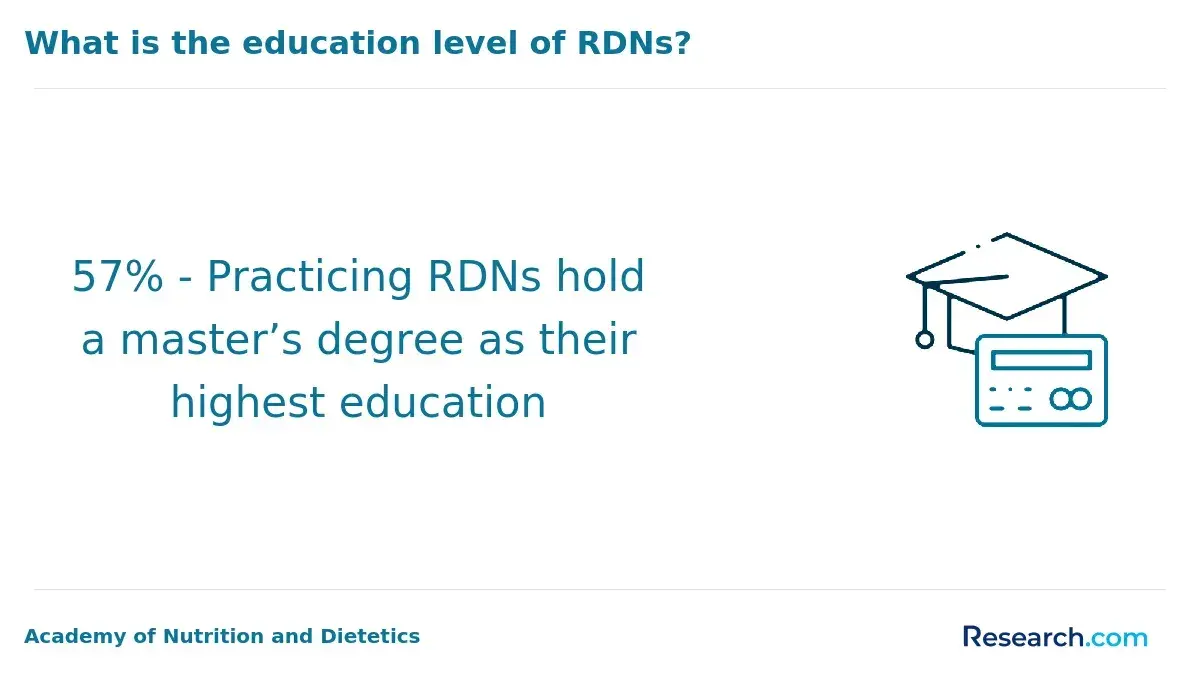
Iowa does not require a specific state license to use the title nutritionist. However, professionals who want to practice as dietitians must meet Iowa Board of Dietetics requirements, which include appropriate education, supervised practice, and credentialing. A bachelor’s degree can support entry into many nutrition-related roles, while the Registered Dietitian Nutritionist pathway requires more formal preparation. Since 2024, candidates pursuing the RDN credential must hold a master’s degree to qualify for the credentialing exam.
Nutritionists in Iowa earn an average annual salary of $69,239, or about $33.29 per hour. State and federal reports project 11% growth for dietitians and nutritionists in Iowa through 2032, with 60 annual openings over the decade. Actual opportunities depend on education level, credentials, specialization, location, and whether the role involves clinical dietetics, community nutrition, wellness, food service, or private practice.
Key Things You Should Know About Becoming a Nutritionist in Iowa
- Iowa does not license nutritionists as a separate profession, but dietitians must be licensed through the Iowa Board of Dietetics.
- To qualify as a licensed dietitian, candidates generally need a dietetics-related degree, an accredited supervised practice experience, and a passing score on the Commission on Dietetic Registration exam.
- Nutrition professionals who want additional credibility may pursue credentials such as the Certified Nutrition Specialist, which requires a master’s degree in nutrition or a related field and passing the CNS exam.
- The Iowa Department of Public Health regulates dietetics practice, while non-dietitian nutrition professionals should be careful not to represent themselves as licensed dietitians unless they meet state requirements.
- Many professional credentials require ongoing education, and some organizations require 75 hours of professional development every five years.
- What education do you need to become a nutritionist in Iowa?
- Does Iowa require nutritionists to be licensed?
- How long does the nutrition career path take in Iowa?
- Which nutrition certifications are available in Iowa?
- What hands-on experience should Iowa nutritionists get?
- How much does nutrition training cost in Iowa?
- What salary and job outlook can Iowa nutritionists expect?
- How can interdisciplinary collaboration improve nutrition practice in Iowa?
- How can Iowa nutritionists use technology and innovation?
- What advancement options are available for nutritionists in Iowa?
- What nursing program standards are useful for nutrition professionals?
- How can an online master’s in nutrition support an Iowa career?
- What nutrition specializations are available in Iowa?
- Can forensic science perspectives strengthen nutrition practice?
- What challenges do nutritionists face in Iowa?
- What legal responsibilities apply to nutritionists in Iowa?
- What continuing education options are available in Iowa?
- How can nutritionists move into registered dietitian roles?
- Can nurse practitioner training complement a nutrition career?
- Should Iowa nutritionists understand billing and coding?
- Can pharmacist collaboration improve nutrition care?
- Are dual-degree nursing and nutrition pathways worth considering?
What education do you need to become a nutritionist in Iowa?
The right education depends on the work you want to do. General nutrition education, wellness coaching, and community health roles may not require the same preparation as clinical dietetics. If your goal is to provide medical nutrition therapy as a dietitian, you should plan around accredited dietetics education and Iowa licensure expectations from the beginning.
| Education option | Best fit | Important considerations |
| Bachelor’s degree | Students seeking foundational nutrition, food science, dietetics, health promotion, or wellness roles | A bachelor’s degree from an accredited institution is commonly expected for many nutrition-related jobs. |
| ACEND-accredited dietetics program | Students planning to become Registered Dietitian Nutritionists | Programs accredited by the Accreditation Council for Education in Nutrition and Dietetics help prepare students for supervised practice and credentialing steps. |
| Master’s degree | Future RDNs, clinical nutrition professionals, specialists, and leadership candidates | Since 2024, aspiring Registered Dietitian Nutritionists must hold a master’s degree to qualify for the credentialing exam. |
| Continuing education | Working professionals maintaining credentials or expanding expertise | Continuing education is not the same as initial licensure, but it is important for keeping up with nutrition science, ethics, and practice standards. |
Iowa students can find nutrition and dietetics pathways at institutions such as Iowa State University, the University of Iowa, and the University of Northern Iowa. Iowa State University’s Didactic Program in Dietetics is one example of a pathway designed to prepare students for advanced dietetics training. The University of Iowa offers a Master of Clinical Nutrition program aligned with the newer graduate-degree expectation for RDN candidates.
If you are comparing flexible degree options, review Research.com’s guide to online nutritional science degrees to understand how online study may fit your schedule, transfer-credit needs, and career goals.
Does Iowa require nutritionists to be licensed?
Iowa does not have a separate license requirement for people who call themselves nutritionists. The regulated role is dietitian. That distinction matters because some activities, titles, and clinical responsibilities may fall under dietetics regulations rather than general wellness or nutrition education.
If you want the strongest clinical credential and the broadest healthcare opportunities, the Registered Dietitian Nutritionist route is typically the more recognized path. It signals that you have completed formal education, supervised practice, and a national examination process. It may also be important for jobs in hospitals, long-term care, outpatient clinics, public health agencies, and organizations that require credentialed dietetics professionals.
Non-licensed nutrition professionals should understand their scope carefully. They may provide general nutrition education, wellness support, meal-planning guidance, or health promotion services, depending on the setting. They should avoid presenting themselves as licensed dietitians or providing services that Iowa law reserves for licensed dietetics professionals.
| Role | Iowa license required? | Typical preparation | When this path makes sense |
| Nutritionist | No separate nutritionist license | Nutrition, health science, wellness, or related education; optional certification | Good fit for wellness education, community programs, coaching, food systems, or non-clinical roles. |
| Licensed dietitian | Yes, for dietetics practice | Dietetics education, supervised practice, and national credentialing steps | Best for clinical care, medical nutrition therapy, healthcare employment, and regulated dietetics roles. |
| Certified Nutrition Specialist | Certification, not the same as Iowa dietitian licensure | Master’s degree in nutrition or a related field, supervised practice, and CNS exam | Useful for advanced nutrition practice, integrative health, and specialist credibility. |
Joining professional groups such as the Iowa Academy of Nutrition and Dietetics can help you monitor practice updates, meet mentors, and identify continuing education. Even when licensure is not required for your exact role, professional networking can help you avoid compliance mistakes and understand employer expectations.
How long does the nutrition career path take in Iowa?
The timeline depends on whether you want a quick entry into wellness work, a bachelor’s-level nutrition role, or a licensed dietitian career. The more clinical authority and credential recognition you want, the longer the preparation usually takes.
| Pathway | Typical time commitment | Potential outcome |
| Associate’s degree | About two years | May support entry-level food, wellness, or support roles, though many employers prefer more education. |
| Bachelor’s degree | Generally four years | Often the baseline for many nutritionist positions and a foundation for graduate or dietetics training. |
| Master’s degree | About two additional years | Can support advanced practice, specialization, leadership, and RDN exam eligibility requirements. |
| Doctoral degree | Another three to five years after a master’s degree | Most relevant for research, academia, advanced policy work, or high-level scientific roles. |
| Certificate program | Six months to a year | May add targeted knowledge, but should not be confused with state dietitian licensure. |
| NDTR credential preparation | About a year after completing a Didactic Program in Dietetics | Can lead to the Nutrition and Dietetics Technician, Registered credential after passing the exam. |
If you are interested in non-clinical, whole-person wellness work, you may also want to compare traditional nutrition pathways with holistic nutrition career options. Be sure to check what each credential allows you to do before investing time or money.
Which nutrition certifications are available in Iowa?
Certification is not always required for a general nutritionist role in Iowa, but it can affect credibility, employer trust, insurance-related processes, and access to clinical or specialized positions. The two most important credential pathways to understand are the Registered Dietitian Nutritionist and Certified Nutrition Specialist routes.
| Credential | Education requirement | Experience or exam requirement | Best for |
| Registered Dietitian Nutritionist | Bachelor’s degree in nutrition or a related field, with the current master’s degree requirement for exam eligibility | Accredited supervised practice and national RDN exam | Clinical dietetics, hospitals, outpatient care, long-term care, and regulated nutrition practice. |
| Certified Nutrition Specialist | Master’s or doctoral degree in nutrition or a related field | 1,000 hours of supervised practice and passing the CNS exam | Advanced nutrition counseling, clinical nutrition, integrative care, and specialized practice. |
| Nutrition and Dietetics Technician, Registered | Completion of an appropriate dietetics education pathway | Exam preparation and successful completion of the NDTR exam | Support roles in dietetics, food service, community programs, and supervised nutrition care. |
The best credential is the one that matches your intended scope of practice. If you want to work in a hospital, provide medical nutrition therapy, or compete for clinical roles, the RDN route is usually the clearest option. If you are aiming for advanced nutrition consulting or integrative health, the CNS may be worth comparing. If you want to enter the field sooner, the NDTR pathway may provide a shorter bridge into dietetics-related work.
-
: "
Decision tip: before enrolling in a program, ask whether it prepares you for the credential you actually need. A nutrition certificate may strengthen your knowledge, but it may not qualify you for dietitian licensure or clinical dietetics roles in Iowa.
"
What hands-on experience should Iowa nutritionists get?
Practical experience is where classroom nutrition becomes usable professional judgment. Iowa nutrition professionals can build experience in healthcare, schools, community programs, food service, research, and private-sector wellness. The strongest experience choices are the ones aligned with the setting where you want to work after graduation.
- Clinical settings: Hospitals, outpatient clinics, and long-term care facilities help students and early-career professionals learn how nutrition decisions connect with diagnoses, medications, lab values, and care plans. University of Iowa Hospitals and Clinics is one Iowa healthcare environment where nutrition-related experience may be relevant.
- Community nutrition: Public health projects, local health departments, and Iowa Department of Public Health initiatives can expose you to food insecurity, chronic disease prevention, nutrition education, and rural health barriers.
- Food service management: Schools, hospitals, restaurants, and institutional food operations teach menu planning, food safety, budgeting, procurement, and dietary accommodation.
- Research: University-based research at institutions such as the University of Iowa or Iowa State University can strengthen skills in data interpretation, literature review, study design, and evidence-based practice.
- Private-sector projects: Work with employers, wellness companies, farms, food businesses, or community organizations can help you understand how nutrition advice is delivered outside traditional healthcare settings.
| If your goal is... | Prioritize experience in... | Why it matters |
| Clinical dietetics | Hospitals, outpatient clinics, long-term care | Employers need evidence-based nutrition judgment in medically complex cases. |
| Public health nutrition | Community programs and local health initiatives | You learn how culture, income, geography, and food access shape nutrition behavior. |
| Sports nutrition | Athletic departments, fitness centers, performance programs | You gain exposure to fueling, recovery, hydration, and performance-focused counseling. |
| Private practice | Counseling, business operations, billing processes, client education | Success depends on both nutrition expertise and sustainable practice management. |
How much does nutrition training cost in Iowa?
The cost of becoming a nutritionist in Iowa varies by school type, residency status, degree level, delivery format, and whether you pursue a credential that requires supervised practice. Tuition is only one part of the total cost, so compare the full budget before choosing a program.
| Cost category | Estimated amount stated for Iowa pathways | What to check before enrolling |
| Annual tuition | Typically between $8,000 and $30,000 annually | Confirm whether the rate is in-state, out-of-state, online, graduate, or private-college tuition. |
| University of Iowa in-state example | Around $10,000 | Ask whether program fees, lab fees, and supervised practice costs are included. |
| Private college tuition | Upwards of $30,000 each year | Compare net cost after aid, not only the advertised tuition. |
| Iowa State University graduate tuition estimate | Between $11,544 and $12,292 per year | Check whether the estimate changes by credit load or program format. |
| Registration fees | $50 to $200 | Look for recurring fees each term or year. |
| Books and supplies | $1,000 to $2,000 per year, with textbooks alone costing approximately $250 | Ask whether digital materials, lab supplies, or software are required. |
| Licensure application | About $100 through the Iowa Department of Public Health | Relevant for those pursuing professional dietetics practice. |
To reduce cost, compare transfer-credit policies, assistantships, employer tuition support, public versus private tuition, online versus campus expenses, and whether the program directly supports your target credential. A lower-cost program can become expensive if it does not meet your licensure or certification goal.
What salary and job outlook can Iowa nutritionists expect?
Iowa’s labor market outlook for dietitians and nutritionists is positive based on the reported projection. State and federal reports project 11% growth through 2032, which is faster than the average for all occupations. The projection also points to 60 annual openings for the profession over the decade.
Nutritionists in Iowa earn an average annual wage of approximately $69,239. Pay may differ based on whether the role is clinical, community-based, corporate, academic, food service, or private practice. Credentials, graduate education, specialization, years of experience, employer type, and location can all influence compensation.
| Factor | How it can affect Iowa career outcomes |
| Aging population | Older adults often need nutrition support related to chronic disease, medication use, digestive concerns, and long-term care. |
| Health and wellness interest | More individuals and employers seek guidance on prevention, weight management, performance, and general wellness. |
| Public health programs | Nutrition education and outreach create opportunities in community health, food access, and prevention initiatives. |
| Rural and underserved communities | Nutrition professionals may be needed where access to specialized healthcare and fresh food is limited. |
| Credential level | Licensed dietitians and advanced-certified professionals may qualify for roles that are not open to general nutritionists. |
The salary figure should be treated as a planning benchmark, not a guarantee. When evaluating a job offer, compare salary with benefits, supervision, credential support, workload, continuing education funding, and advancement potential.
How can interdisciplinary collaboration improve nutrition practice in Iowa?
Nutrition care often works best when it is connected to the rest of a patient’s health plan. In Iowa, nutritionists and dietitians may collaborate with physicians, nurses, pharmacists, behavioral health professionals, physical therapists, social workers, and public health teams. This is especially useful when clients have chronic conditions, limited food access, medication concerns, recovery needs, or behavioral barriers that affect eating patterns.
Learning how other professionals are trained can also make collaboration smoother. For example, understanding how nurses are prepared in Iowa can help nutrition professionals communicate more effectively in clinical and community care settings.
How can Iowa nutritionists use technology and innovation?
Digital health tools are changing how nutrition services are delivered. Telehealth, meal-tracking apps, remote coaching, electronic health records, and data dashboards can help nutritionists stay connected with clients between visits. These tools may be especially valuable in rural areas where travel time can limit access to in-person nutrition services.
Technology should strengthen, not replace, professional judgment. Nutritionists still need to interpret information carefully, protect client privacy, use evidence-based recommendations, and recognize when a client needs referral to a licensed dietitian, physician, or behavioral health professional. Nutrition work can also overlap with behavioral health concerns, so professionals may benefit from understanding related fields such as substance abuse counseling in Iowa.
What advancement options are available for nutritionists in Iowa?
Advancement in nutrition usually comes from a combination of stronger credentials, deeper specialization, leadership experience, and the ability to work across healthcare and community systems. An online bachelor’s degree in nutritional science may help students build an academic foundation before moving into graduate study or credential-focused training.
| Advancement path | What the role may involve | Who should consider it |
| Clinical dietitian | Developing nutrition care plans for patients in hospitals, clinics, or long-term care | Professionals willing to meet dietetics education, supervised practice, exam, and licensure requirements. |
| Specialist | Focusing on areas such as pediatric nutrition, sports dietetics, diabetes education, or renal nutrition | Nutrition professionals who want a clearer niche and stronger referral base. |
| Public health nutritionist | Designing education, prevention, and food access programs | Those interested in community-level impact, rural health, and policy-informed work. |
| Private practice owner | Providing counseling, packages, workshops, or consulting services | Professionals comfortable with marketing, compliance, scheduling, pricing, and client management. |
| Corporate wellness professional | Building employee wellness, prevention, and nutrition education programs | Nutritionists interested in workplace health and population-level programming. |
| Educator or researcher | Teaching, conducting studies, writing curricula, or supporting policy work | Those who pursue advanced degrees and enjoy academic or research environments. |
Major healthcare systems, including University of Iowa Health Care, may offer nutrition-related roles in clinical dietetics, food service management, education, and patient support. Advancement is strongest when your education, credential, and experience clearly match the employer’s required scope of practice.
What nursing program standards are useful for nutrition professionals?
Nutrition professionals who work near clinical teams can learn from nursing’s structured approach to safety, ethics, documentation, and patient-centered care. Reviewing Iowa nursing license and program requirements can help nutritionists understand how regulated healthcare professions manage accountability, competency, and interdisciplinary communication.
How can an online master’s in nutrition support an Iowa career?
An advanced nutrition degree can help Iowa professionals move beyond general wellness roles into leadership, research-informed practice, specialty work, or preparation for credentialing pathways. An online master’s in nutrition may be especially useful for working adults who need flexibility while developing stronger clinical, research, and program-planning skills.
Before choosing an online graduate program, confirm whether it supports your intended outcome. Ask whether the curriculum is aligned with RDN preparation, CNS preparation, public health work, research, or general nutrition leadership. Online format alone is not enough; the program must match the credential or career result you want.
What nutrition specializations are available in Iowa?
Specialization can help nutrition professionals stand out and serve specific populations more effectively. In Iowa, useful focus areas include clinical nutrition, sports nutrition, pediatric nutrition, public health nutrition, food service, chronic disease prevention, and community wellness.
| Specialization | What it focuses on | Iowa career relevance |
| Clinical nutrition | Nutrition care for medical conditions such as diabetes and heart disease | Iowa’s aging population can increase demand for nutrition support in healthcare settings. |
| Sports nutrition | Fueling, hydration, recovery, and performance | Collegiate sports programs and fitness communities can create opportunities for qualified professionals. |
| Pediatric nutrition | Nutrition needs of infants, children, and adolescents | Schools, clinics, and community programs may need support for child nutrition and family education. |
| Public health nutrition | Community education, food access, prevention, and policy | Useful for professionals addressing food insecurity and nutrition education across Iowa communities. |
Iowa State University’s Dietetics program is one academic route that can help students prepare for focused work in areas such as clinical nutrition or public health. When choosing a specialization, look at employer demand, credential requirements, supervised practice opportunities, and whether the niche has a clear client or patient population.
Can forensic science perspectives strengthen nutrition practice?
Forensic science may seem far removed from nutrition, but the investigative mindset can be useful in food safety, quality control, documentation, and evidence review. Nutrition professionals who learn how other scientific fields analyze data and trace causes may become more careful evaluators of claims, contamination risks, and dietary patterns. Research.com’s guide to forensic scientist education requirements in Iowa offers one example of how evidence-focused training can sharpen analytical thinking.
What challenges do nutritionists face in Iowa?
Iowa nutrition professionals may face practical barriers that go beyond education and credentials. Rural access, public misunderstanding of nutrition roles, food insecurity, changing regulations, and reimbursement limitations can all shape day-to-day work.
| Challenge | Why it matters | Better approach |
| Limited food access | Some communities have fewer affordable fresh-food options, making ideal meal plans unrealistic. | Teach budget-conscious strategies using available foods, including canned and frozen options when appropriate. |
| Confusion between nutritionist and dietitian | Clients may not understand which professionals are licensed or clinically credentialed. | Explain your credentials, scope, and referral process clearly. |
| Rural service gaps | Clients may have transportation, broadband, or provider-access barriers. | Use telehealth where appropriate and partner with local clinics, schools, and community organizations. |
| Regulatory complexity | Nutritionists can unintentionally step into regulated dietetics practice. | Review Iowa Board of Dietetics guidance and seek supervision or legal clarification when needed. |
| Behavior change difficulty | Nutrition advice only works when clients can act on it consistently. | Use realistic goals, motivational interviewing, follow-up, and referrals when behavioral health support is needed. |
According to the USDA, approximately 12% of Iowans live in areas classified as food deserts. That reality means nutrition professionals may need to adapt recommendations to transportation, budget, storage, culture, and household cooking resources. Those interested in patient-centered care may also want to review nutrition nurse responsibilities, where adaptability is central to supporting patients in clinical settings.
What legal responsibilities apply to nutritionists in Iowa?
The most important legal distinction in Iowa is that dietitians are licensed, while nutritionists do not have a separate state license category. If you want to practice as a dietitian or provide services that fall under dietetics regulations, you must meet the applicable education, supervised practice, examination, and licensure requirements.
Iowa law defines dietetics practice through the Iowa Administrative Code and the Iowa Board of Dietetics. Dietitians must follow standards related to assessment, planning, documentation, ethics, and professional conduct. Nutritionists who are not licensed dietitians should avoid protected titles, misleading advertising, or clinical claims outside their training.
Local rules and employer policies may also affect practice. A wellness center, school, hospital, corporate employer, or private clinic may set its own credential expectations even when Iowa law does not require a general nutritionist license. If you are comparing broader health careers, reviewing exercise science degree career options can help you understand adjacent roles in wellness, fitness, and prevention.
What continuing education options are available in Iowa?
Continuing education helps nutrition professionals stay current with nutrition science, ethics, counseling methods, medical guidelines, food safety, public health priorities, and technology. It is also required for many credentials. Some organizations require 75 hours of professional development every five years, so professionals should track courses, webinars, conferences, and approved activities carefully.
Iowa nutrition professionals can use local conferences, accredited webinars, professional association events, university-based programs, and graduate coursework to maintain and expand competence. Those seeking deeper clinical or leadership training may compare options such as an online master’s in dietetics.
How can nutritionists move into registered dietitian roles?
Nutritionists who want broader clinical authority, stronger healthcare recognition, and access to regulated dietetics positions should consider the RDN pathway. This transition generally requires appropriate dietetics education, supervised practice, a national examination, and Iowa licensure for dietetics practice. For a detailed step-by-step explanation, review Research.com’s guide to the requirements to become a registered dietitian in Iowa.
Can nurse practitioner training complement a nutrition career?
Some nutrition professionals may eventually want a broader clinical scope that includes diagnosis, prescribing authority, and advanced patient management. Nurse practitioner training is a separate, regulated healthcare pathway, not a shortcut within nutrition. However, for professionals committed to advanced clinical care, understanding how to become a nurse practitioner in Iowa can clarify whether a nursing route aligns with long-term goals.
Should Iowa nutritionists understand billing and coding?
Nutrition professionals who work in clinics, private practice, or healthcare organizations may benefit from a basic understanding of documentation, coding, billing workflows, and reimbursement language. This knowledge can improve communication with administrative teams and help practitioners understand why credentialing, diagnosis codes, visit documentation, and payer rules matter.
Billing knowledge does not replace clinical credentials, but it can make a practice more sustainable. Professionals who want a deeper administrative skillset can explore how to become a medical biller and coder in Iowa.
Can pharmacist collaboration improve nutrition care?
Pharmacists can help nutrition professionals identify medication-nutrient interactions, supplement risks, adherence concerns, and diet-related issues that affect medication effectiveness. Collaboration is especially useful for older adults, people with chronic diseases, and clients taking multiple medications.
Nutritionists do not need to become pharmacists to collaborate well, but understanding the profession’s training and regulatory structure can improve teamwork. Research.com’s overview of pharmacist licensure requirements in Iowa can provide useful context for interdisciplinary care.
Are dual-degree nursing and nutrition pathways worth considering?
A dual-degree or cross-disciplinary pathway can make sense for professionals who want to combine nutrition expertise with broader clinical responsibilities. It is not necessary for most nutrition careers, and it can add significant time, cost, and licensure complexity. The decision should be based on your intended scope of practice, not on the assumption that more credentials are always better.
Consider a dual pathway if you want to work in advanced clinical care, chronic disease management, integrated primary care, or leadership roles that require both nutrition knowledge and nursing authority. If that direction fits your goals, comparing the best accredited NP programs in Iowa can help you understand the nursing side of the decision.
Common mistakes to avoid when planning a nutrition career in Iowa
| Mistake | Why it causes problems | What to do instead |
| Assuming nutritionist and dietitian mean the same thing | Iowa regulates dietitians, not a separate nutritionist license. | Decide early whether you need dietitian licensure for your target role. |
| Choosing a program without checking accreditation | A non-aligned program may not prepare you for RDN or supervised practice requirements. | Verify whether the program is appropriate for your credential goal before enrolling. |
| Looking only at tuition | Fees, books, supplies, commuting, graduate study, exams, and licensure can change the true cost. | Build a full cost estimate and compare net price after aid. |
| Assuming online study automatically meets credential requirements | Some online programs are academic only and may not include required supervised practice preparation. | Ask the school directly how the program connects to licensure or certification. |
| Ignoring scope of practice | Providing services beyond your credential can create legal and ethical risk. | Use clear titles, honest marketing, and referrals to licensed providers when appropriate. |
| Expecting salary outcomes to be guaranteed | Pay varies by employer, location, credential, specialization, and experience. | Use salary data as a benchmark and research actual job postings in your target area. |
Questions to ask before choosing an Iowa nutrition program
- Does this program prepare students for general nutrition work, RDN credentialing, CNS preparation, or another specific outcome?
- Is the program accredited or otherwise recognized for the credential I want?
- How does the school help students secure supervised practice, internships, fieldwork, or clinical experience?
- What is the total estimated cost, including tuition, fees, books, supplies, travel, exams, and licensure expenses?
- Can I transfer previous credits, complete coursework online, or study part time?
- What career services, employer partnerships, advising, and alumni connections are available in Iowa?
- Will the degree qualify me for jobs in hospitals, public health, private practice, corporate wellness, or food service?
- What are the program’s expectations for continuing education and professional development after graduation?
Key Insights
- Iowa does not require a separate nutritionist license, but dietitians are regulated through the Iowa Board of Dietetics.
- The RDN pathway is the strongest option for clinical dietetics roles and requires formal education, supervised practice, exam completion, and Iowa licensure.
- Since 2024, aspiring Registered Dietitian Nutritionists must hold a master’s degree to qualify for the credentialing exam.
- Nutritionists in Iowa earn an average annual salary of $69,239, and projected growth for dietitians and nutritionists is 11% through 2032, with 60 annual openings over the decade.
- Costs can vary widely, with annual tuition typically between $8,000 and $30,000, before books, fees, supplies, and licensure expenses.
- The best path depends on your target role: wellness education, public health, food service, private practice, clinical dietetics, or advanced specialization.
- Before enrolling, confirm accreditation, supervised practice options, credential alignment, total cost, and whether the program supports the work you legally want to do in Iowa.
Related Articles for Nearby States
- 2027 How to Become a Nutritionist in Minnesota
- 2027 How to Become a Nutritionist in Wisconsin
- 2027 How to Become a Nutritionist in Illinois
- 2027 How to Become a Nutritionist in Nebraska
- 2027 How to Become a Nutritionist in South Dakota
- 2027 How to Become a Nutritionist in Missouri
- 2027 How to Become a Nutritionist in Kansas
- 2027 How to Become a Nutritionist in Indiana
- 2027 How to Become a Nutritionist in North Dakota
- 2027 How to Become a Nutritionist in Michigan
References:
- Advising Center, University of Iowa. (n.d.). Pre-dietetics guide, 2025-2026. https://advisingcenter.uiowa.edu/pre-health/pre-dietetics/guide
- Iowa State University Department of Food Science and Human Nutrition. (n.d.). Careers and Internships. https://fshn.hs.iastate.edu/student-services/careers-and-internships
- University of Iowa Health Care. (n.d.). How to become a registered dietitian nutritionist (RDN). https://uihealthcare.org/education/master-clinical-nutrition-program/how-become-registered-dietitian-nutritionist-rdn
- ONET OnLine. (2025). Iowa Employment Trends 29-1031.00 - Dietitians and Nutritionists. Retrieved February 2026, from https://www.onetonline.org/link/localtrends/29-1031.00?st=IA
- Iowa Workforce Development. (2025). Data Visualization: Occupational Projections. Labor Market Information Division. Retrieved February 2026, from https://workforce.iowa.gov/labor-market-information/occupations/occupational-projections/data
- National Center for Health Workforce Analysis. (2025, December). State of the U.S. Health Care Workforce, 2025. https://bhw.hrsa.gov/sites/default/files/bureau-health-workforce/data-research/State-of-US-Health-Care-Workforce-2025.pdf
- Academy of Nutrition and Dietetics. (2024). Compensation & Benefits Survey of the Dietetics Profession 2024 (biennial). https://www.cdrnet.org/vault/2459/web//Compensation%20Benefits%20Survey%20of%20the%20Dietetics%20Profession%202024-TOC_Exec%20Sum.pdf
Other Things You Should Know about Becoming a Nutritionist in Iowa
In Iowa, becoming a nutritionist in 2027 generally requires a bachelor's degree in nutrition or a related field, followed by obtaining the Certified Nutrition Specialist (CNS) credential. Additionally, you may need to complete specific supervised practice hours and pass an examination.
In Iowa, there is no specific licensing requirement to practice as a nutritionist, unlike dietitians who must be licensed. However, it is advisable to have a solid educational background in nutrition or a related field to enhance credibility and effectiveness. Many employers prefer candidates with a degree in nutrition or dietetics, and certification from a recognized organization can further bolster your qualifications.
A great city to consider for practicing as a nutritionist is Des Moines, which has a growing health and wellness industry. Networking with local health professionals and joining organizations like the Iowa Academy of Nutrition and Dietetics can provide valuable resources and connections.
To become a licensed nutritionist in Iowa in 2027, earn a bachelor's degree in nutrition or a related field, complete a supervised practice, pass the Commission on Dietetic Registration (CDR) exam, and apply for licensure through the Iowa Board of Dietetics.