
2027 Shortest Online Homeland Security Degree Master's Programs That Pay Well: Cost, Time to Completion, and Salary Outlook

Co-Founder and Chief Data Scientist
Choosing a fast online homeland security master’s program is a timing, cost, and career-return decision. The right program can help experienced professionals move toward leadership, emergency management, intelligence, cybersecurity, and risk roles without stepping away from work for a traditional two-year graduate degree.
Accelerated online homeland security master’s degrees are designed for students who can handle a compressed pace. According to recent industry data, accelerated online homeland security master's degrees can reduce completion time by up to 40% compared to traditional programs. That shorter timeline may lower opportunity costs and help graduates compete for advancement sooner, but speed should not be the only factor. Students also need to compare accreditation, credit load, tuition structure, course intensity, faculty expertise, transfer policies, and whether the curriculum fits their target role.
This guide explains what the shortest online homeland security master’s programs usually look like, how many credits they require, what they cost, which specializations are common, what fees to watch for, and what job and salary outcomes graduates may pursue.
Key Benefits of the Shortest Online Homeland Security Degree Master's Programs That Pay Well
- Accelerated programs often allow completion in 12-18 months, enabling faster entry or advancement in security roles compared to traditional two-year degrees.
- Cost efficiency arises from fewer semesters and online delivery, reducing tuition and ancillary expenses by up to 30% compared to on-campus options.
- Graduates typically see a median salary increase of 15%-20%, with industry demand projected to grow 5% through 2032, enhancing long-term career prospects.
What Are the Shortest Online Homeland Security Master's Programs Available Today?
The shortest online homeland security master’s programs are typically accelerated graduate degrees that can be completed in about 12 to 18 months. They are most practical for students who already have professional experience, strong time-management skills, and a clear career goal. These programs compress the academic calendar through shorter terms, heavier course loads, year-round enrollment, or competency-based progression.
Most fast-track options fall into three broad formats:
- Standard accelerated programs: These programs are often structured for completion in 12 to 15 months. Students usually take shorter courses, enroll continuously, or carry a heavier graduate workload than they would in a traditional two-year format.
- Executive master’s programs: These programs generally last about 15 to 18 months and are built for midcareer or experienced professionals. Coursework often emphasizes applied leadership, policy, crisis response, and organizational decision-making rather than entry-level concepts.
- Competency-based programs: These allow students to advance by proving mastery of required skills and knowledge. Students with substantial homeland security, military, law enforcement, emergency management, or cybersecurity experience may be able to move faster, depending on program rules.
The main advantage of the shortest online homeland security master’s programs is efficiency. Students may be able to finish sooner, pay for fewer enrollment terms, and apply the credential to promotion or job-search opportunities earlier. The trade-off is workload. A 12-month program can be demanding, especially for students working full time or managing family responsibilities.
Before enrolling, students should confirm that the program is properly accredited, fully online if needed, realistic for their weekly schedule, and aligned with the roles they want after graduation. Those comparing accelerated graduate options in adjacent public-service fields may also find it useful to review flexible degree models such as online MSW programs.
How Many Credits Are Required for the Shortest Online Homeland Security Master's Programs?
The shortest online homeland security master’s programs usually require 30 to 36 graduate credits. Programs closer to 30 credits tend to be easier to complete within 12 to 18 months, while 36-credit programs may require a heavier course load, year-round study, or a longer completion window.
Credit requirements matter because they affect both cost and pace. A lower-credit program can reduce tuition exposure, but students should still look carefully at what is included. A shorter program should not skip essential homeland security competencies such as risk assessment, emergency planning, intelligence analysis, cybersecurity awareness, legal and ethical issues, and interagency coordination.
- Total credit range: Most programs fall between 30 and 36 credits. Accelerated options often use the lower end of this range to help students finish faster while still meeting graduate-level expectations.
- Core requirements: Required courses usually make up most of the degree. Common subjects include risk management, counterterrorism, emergency planning, public safety policy, critical infrastructure, and security leadership.
- Electives and specializations: Electives allow students to focus on areas such as cybersecurity, intelligence, emergency management, or infrastructure protection. More electives can improve customization, but they may also affect sequencing and time to graduation.
- Capstone or thesis structure: Many programs end with a capstone, applied project, research paper, or thesis. Accelerated programs often integrate this work into the final term so students can complete the degree without adding extra semesters.
- Course scheduling: Frequent start dates, eight-week or ten-week terms, and asynchronous online delivery can make a 12- to 18-month timeline more realistic for working adults.
Students should ask whether transfer credits, prior graduate coursework, or professional training can reduce the required credit load. They should also confirm whether all required courses are offered frequently enough to support accelerated completion. Missing a required course in a fixed sequence can delay graduation even in a nominally fast program.
For professionals considering credentials alongside or before a master’s degree, researching what certificates can I get online can help identify shorter options that may support career growth or strengthen a graduate application.
Are There Specializations Available in the Shortest Online Homeland Security Master's Programs?
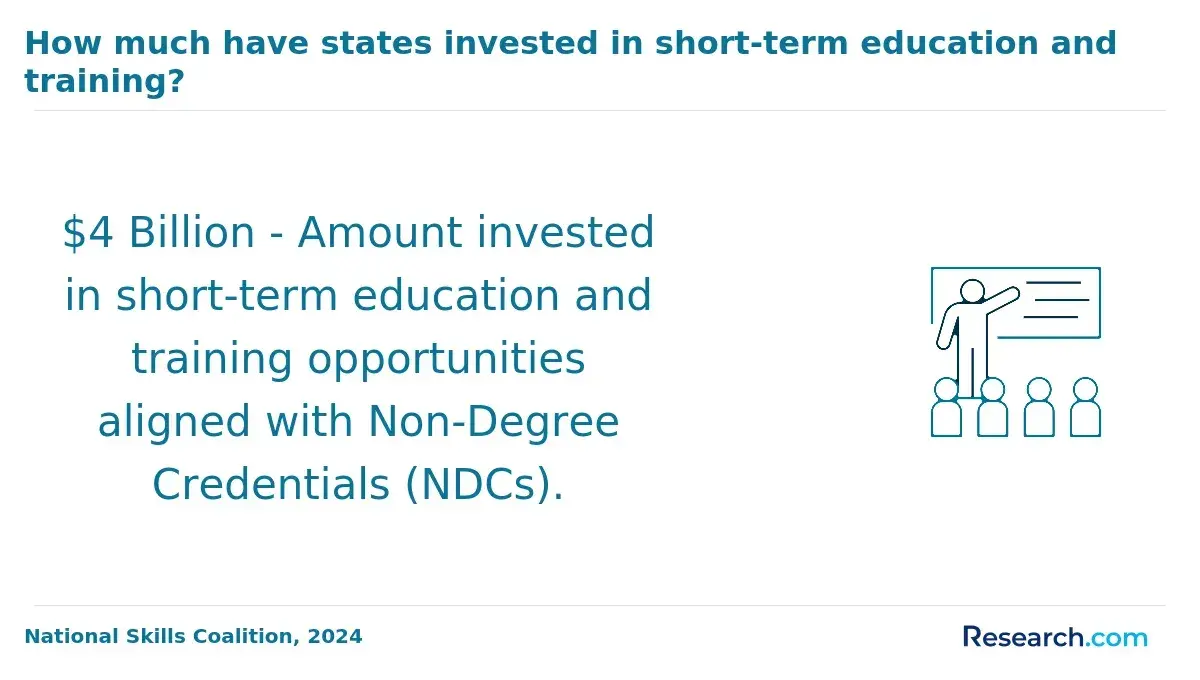
Yes, some of the shortest online homeland security master’s programs offer specializations, but the selection may be narrower than in longer programs. Accelerated timelines of 12 to 18 months leave less room for extensive elective pathways, so students should prioritize concentrations that directly match their career goals. Approximately 65% of online master's degrees incorporate at least one concentration, which means specialization is common but not guaranteed.
Common concentration areas include:
- Emergency Management: Focuses on disaster preparedness, response coordination, recovery planning, and continuity of operations. This path is useful for students targeting public agencies, healthcare systems, utilities, universities, and large organizations with emergency planning responsibilities.
- Cybersecurity: Emphasizes the protection of digital systems, networks, data, and critical technology infrastructure. This option is especially relevant for students who want to connect homeland security policy with cyber risk and incident response.
- Counterterrorism: Covers threat assessment, intelligence use, prevention strategy, and security operations. Students considering roles in analysis, law enforcement, defense, or public safety may benefit from this focus.
- Critical Infrastructure Protection: Examines how to secure essential systems such as energy, water, transportation, communications, and public facilities. This track often blends policy, risk management, and operational planning.
A specialization can make a fast program more valuable when it builds marketable expertise rather than simply adding a label to the transcript. Students should review the actual course list, not just the concentration title. For example, a cybersecurity specialization may be policy-focused in one program and technically oriented in another.
When asked about the availability and impact of specializations in these accelerated programs, one graduate said the pace felt intense but the focused course sequence helped make the workload purposeful: "The compressed timeline meant I had to stay disciplined, but the specialization provided targeted expertise that made the accelerated route worth it."
He also noted that balancing applied assignments with a full-time job was challenging. However, he found that using workplace scenarios in class projects made the material easier to apply immediately and helped him build confidence in his chosen focus area.
What Is the Typical Curriculum Structure of the Shortest Homeland Security Master's Programs?
The shortest homeland security master’s programs usually use a compressed, carefully sequenced curriculum. Instead of spreading courses across two academic years, they organize graduate study into shorter terms and require steady enrollment. Students often take two to three courses per term across three to four terms annually, with the full program averaging around 36 credit hours.
A typical accelerated curriculum includes the following components:
- Core courses: These provide the foundation for graduate-level homeland security work. Common topics include risk management, counterterrorism, emergency preparedness, cybersecurity, intelligence, public safety policy, and intergovernmental coordination.
- Electives: Electives help students align the degree with a specific career path. Options may include border security, intelligence analysis, critical infrastructure protection, disaster recovery, public health preparedness, or cyber policy.
- Capstone or project: A final applied project usually requires students to analyze a real or simulated security problem, develop a response plan, or evaluate policy and operational options. In accelerated programs, the capstone is often scheduled in the final term.
- Term sequencing: Programs may divide six to nine courses across three to four condensed terms, with each term lasting about eight to ten weeks. This structure supports faster completion but requires consistent weekly study time.
Students should evaluate curriculum structure before choosing the fastest option. A strong program will clearly show when each course is offered, how prerequisites work, and whether students can pause if work or family demands increase. The best accelerated structure is not simply the shortest; it is the shortest schedule a student can complete successfully without compromising learning, grades, or professional responsibilities.
What Is the Average Tuition Cost for the Shortest Online Homeland Security Master's Programs?
Accelerated online homeland security master’s programs typically cost between $15,000 and $35,000 total. On average, fast-track online graduate degrees cost about $27,000 overall. Some accelerated programs may charge more per term because students complete more coursework in a shorter period, but the total cost can still be competitive if the program requires fewer credits or fewer enrollment terms.
Students should compare total program cost rather than focusing only on tuition per credit. A lower per-credit rate may not be cheaper if the program requires more credits, adds mandatory fees, or takes longer to complete.
- Average total tuition: This is the estimated full tuition needed to complete the degree. It is usually calculated from the number of required credits and the tuition rate. Programs with fewer required credits may reduce the total price even if individual courses are not inexpensive.
- Tuition per term: Accelerated programs can create higher short-term bills because students take more credits at once or enroll continuously. This matters for cash-flow planning, employer reimbursement timing, and loan disbursement schedules.
- Additional program fees: Technology fees, application fees, online learning fees, course materials, software, and graduation charges can change the true cost of attendance.
Compared to longer programs exceeding $40,000, faster options may provide a more cost-effective path for professionals seeking advancement. However, the lowest-cost program is not automatically the best choice. Students should weigh tuition against accreditation, completion timeline, faculty quality, career services, curriculum relevance, and flexibility.
When evaluating return on investment, it can help to compare homeland security graduate costs with broader education and career pathways, including fields associated with the highest paying majors.
Do the Shortest Online Homeland Security Master's Programs Charge Out-of-State Tuition?
Some do, but many online graduate programs now charge a single tuition rate regardless of state residency. A 2023 study by the National Center for Education Statistics found that about 65% of public institutions apply a uniform tuition rate for their online graduate offerings. This can make accelerated online homeland security programs more predictable for students who live outside the university’s home state.
Residency policy is still important to verify. Public universities may follow different rules depending on state funding, program type, online delivery model, and whether the student is enrolled through a special online campus or the main university.
- Tuition parity: Many online programs use one tuition rate for all online graduate students. This simplifies billing and can remove the traditional out-of-state surcharge.
- Residency exceptions: Some public universities still charge higher tuition to nonresidents. Others may offer a separate online rate that differs from both in-state and out-of-state campus tuition.
- Program-specific fees: Technology fees, administrative fees, course materials, or online learning charges may apply regardless of where a student lives.
- Additional costs: Students should budget for textbooks, software, certification test fees, and any optional or required campus visits, residencies, or in-person sessions.
One professional who completed an accelerated online homeland security master’s degree said she initially worried about out-of-state pricing, but the program’s uniform tuition policy made budgeting easier. "Knowing the cost wouldn't change whether I lived in California or New York made enrolling easier," she said.
She also noted that specialized software licenses added to the bill, but those fees were disclosed before enrollment. For working professionals, that transparency can be just as important as the tuition rate itself.
What Additional Fees Are Associated With the Shortest Online Homeland Security Master's Programs?
Tuition is only one part of the cost of an accelerated online homeland security master’s degree. Students may also pay required fees that support online platforms, admissions processing, exam monitoring, course materials, and graduation services. These charges can add up, especially in programs with short terms and multiple course enrollments per term.
Common additional fees include:
- Technology fee: This fee supports learning management systems, digital tools, software access, and online student services. It may be charged per course, per term, or per credit.
- Application fee: A one-time, usually non-refundable fee paid when applying. Some schools waive it during promotional periods or for military-affiliated students, but students should confirm policies directly.
- Course materials: Textbooks, digital access codes, case-study materials, and specialized software may not be included in tuition. Homeland security courses may also require current policy documents, simulations, or analysis tools.
- Proctoring fee: Some online exams require remote monitoring. Proctoring fees vary by provider and may apply more often in accelerated programs because courses move quickly.
- Graduation fee: Schools may charge for diploma processing, degree conferral, or commencement participation.
Before enrolling, students should request a full cost-of-attendance estimate that includes tuition, mandatory fees, books, software, and any travel requirements. They should also ask whether fees are refundable if they drop a course, whether employer reimbursement covers fees, and whether financial aid can be applied to non-tuition expenses.
Students comparing total costs across online graduate programs may find it useful to review other fields as well, such as a masters in marriage and family therapy online, to see how tuition and fees differ by discipline and program structure.
What Financial Aid Options Are Available for the Shortest Online Homeland Security Master's Programs?
Financial aid can make a fast online homeland security master’s program more manageable, especially because accelerated formats may require students to pay for more credits in a shorter period. Nearly 60% of online graduate students benefit from some form of financial assistance, which may include loans, scholarships, grants, employer support, or institutional aid.
Students should start with the school’s financial aid office and confirm that the program is eligible for federal aid. They should also compare aid timing with the program calendar, because accelerated terms may not always align neatly with traditional semester-based disbursement schedules.
- Federal loans: Eligible graduate students may use federal loans to help cover tuition and approved education expenses. These loans can offer fixed interest rates and repayment options, but students should borrow carefully and compare debt to realistic career outcomes.
- Scholarships and grants: These awards do not require repayment. They may be based on merit, financial need, military service, public safety experience, academic background, or professional goals.
- Employer tuition assistance: Many homeland security students already work in government, military, law enforcement, emergency management, cybersecurity, transportation, or corporate security. Employer tuition reimbursement can reduce out-of-pocket costs, but students should understand grade requirements, annual limits, repayment obligations, and continued-employment rules.
- Institutional aid: Some universities offer scholarships, grants, tuition discounts, or partnership rates for online or accelerated graduate students. These awards may have separate deadlines from admission.
The best financial aid strategy combines multiple sources when available. Students should compare the net price after aid, not just the advertised tuition. They should also consider the pace of the program: graduating faster can reduce time away from advancement opportunities, but taking on too much debt for a credential without a clear career plan can weaken the return on investment.
What Job Opportunities Open Up with an Online Homeland Security Master's Degree?
An online homeland security master’s degree can support advancement into leadership, analysis, planning, cybersecurity, emergency management, and risk-focused roles. According to the U.S. Bureau of Labor Statistics, employment in security-related fields, including homeland security, is projected to grow 15% from 2021 to 2031, indicating demand for professionals with advanced security and preparedness skills.
Common career paths for graduates include:
- Emergency Management Director: Develops emergency plans, coordinates disaster response, works with agencies and community partners, and helps organizations prepare for natural, technological, and human-caused threats.
- Intelligence Analyst: Reviews and interprets information to identify security risks, criminal activity, terrorism-related threats, or emerging patterns that affect public safety and national security.
- Cybersecurity Specialist: Helps protect networks, systems, and sensitive data from cyber attacks. This role is especially relevant for students whose homeland security program includes cyber risk, incident response, or infrastructure protection coursework.
- Border Security Officer: Supports operations related to border control, ports of entry, immigration compliance, trade security, and transportation safety.
- Security Consultant: Advises public or private organizations on risk management, security policy, threat mitigation, emergency planning, and protective operations.
Graduates may work in federal, state, and local government; defense; transportation; emergency management; cybersecurity; consulting; corporate security; healthcare; utilities; and critical infrastructure organizations. Job eligibility can depend on experience, security clearance requirements, physical standards, agency rules, citizenship requirements, and specialized certifications.
Students seeking high-paying jobs with a homeland security master’s degree should choose a program that connects coursework to the specific role they want. For example, a student targeting cybersecurity or intelligence work may benefit from data analysis skills. Some candidates explore programs such as the cheapest masters in data science to compare how analytics-focused graduate training may complement security expertise.
What Is the Salary Outlook for Graduates of the Shortest Online Homeland Security Master's Programs?
The salary outlook for graduates of accelerated online homeland security master’s programs depends heavily on role, employer, experience, location, and specialized skills. The median annual salary for homeland security professionals is around $78,000, and a graduate degree may help some professionals qualify for leadership, policy, analytical, or technical roles with stronger earning potential.
A short program does not automatically produce a higher salary. The degree is most valuable when it builds skills that employers need and when the student already has relevant experience or a clear plan to enter a specific field. Salary outcomes are shaped by several factors:
- Experience level: Professionals with prior military, law enforcement, emergency management, cybersecurity, intelligence, or public administration experience may be better positioned to use the degree for advancement.
- Industry sector: Pay can vary across federal agencies, state and local government, private security firms, consulting companies, defense contractors, transportation organizations, and emergency management offices.
- Geographic location: Urban areas and regions with major government, transportation, defense, or critical infrastructure operations may offer more opportunities and stronger compensation than smaller markets.
- Certifications and specializations: Additional credentials or focused training in cybersecurity, intelligence, emergency management, risk analysis, or counterterrorism can strengthen a candidate’s profile.
- Job role: Management, policy, consulting, intelligence, and advanced technical positions often pay more than entry-level operations roles.
Students should evaluate salary potential by looking at the job titles they actually want, not by relying only on broad homeland security averages. The strongest return typically comes from choosing an accredited, career-aligned program that can be completed quickly without sacrificing performance or professional credibility.
What Graduates Say About the Shortest Online Homeland Security Degree Master's Programs That Pay Well
- Denise: "Completing my online Homeland Security master's degree in less than two years was a game-changer. The relatively low cost compared to traditional programs allowed me to invest more in certifications, and finishing quickly meant I entered the workforce sooner with a higher salary than I expected. I'm grateful for how this balance of cost and duration accelerated my career growth."
- Eilis: "The decision to pursue a shorter online master's in Homeland Security was strategic; the reduced duration significantly lowered my overall tuition fees, which was crucial for managing my finances. Reflecting back, the intensive curriculum perfectly prepared me for advanced roles, and I've seen a steady rise in my salary since graduating. Cost-effective and time-efficient definitely lived up to my expectations."
- Landon: "Choosing the shortest online Homeland Security master's program allowed me to limit tuition costs and quickly re-enter the job market with enhanced skills. This rapid turnaround was essential for my career advancement, giving me a competitive salary within months of graduation. I appreciate how the program's design efficiently balanced affordability and professional impact."
Other Things You Should Know About Homeland Security Degrees
Many federal-facing homeland security programs require an active background investigation or eligibility for a security clearance, especially for coursework tied to critical infrastructure, intelligence, or emergency management. Applicants may need fingerprints, identity verification, and a review for prior criminal issues before internship or field placement approval.
Graduates entering senior federal agency roles, cybersecurity management, or emergency management leadership positions often command higher salaries. Specialized roles that combine Homeland Security expertise with technical skills tend to have the most favorable salary outlooks.
In 2027, the shortest online Homeland Security master's programs typically take 12 to 18 months to complete. These accelerated programs are designed for students who aim to balance their education with professional or personal responsibilities, allowing for a swift transition into the workforce or career advancement.
References
- 2025 Most Affordable Homeland Security Degrees Online https://www.onlineu.com/most-affordable-colleges/homeland-security-degrees
- Homeland Security Specialization | UAGC https://www.uagc.edu/online-degrees/specializations/homeland-security
- Master of Science in Homeland Security Studies https://www.shsu.edu/academics/majors-programs/homeland-security-studies-ms.php
- Online Master of Science in IT: Homeland Security Management https://www.umgc.edu/online-degrees/masters/it-homeland-security-management
- Homeland Security Studies Fifth Year Program (M.S.) | Endicott College https://www.endicott.edu/academics/schools/social-sciences-communication-humanities/graduate-programs/homeland-security-studies-fifth-year-program
- Online MA in Homeland Security - Pace University Online https://online.pace.edu/graduate-programs/ma-homeland-security/
- 25 Best Online Master's in Homeland Security for 2021 - https://www.bestmastersprograms.org https://www.bestmastersprograms.org/best-online-homeland-security-masters/
- Master of Science inEmergency Management and Homeland Security Online or On Campus https://www.albany.edu/cehc/programs/ms-emergency-management-homeland-security
- Security Specialist https://ice.usajobs.gov/job/857000200
- Master of Science (M.S.) in Homeland Security https://www.tesu.edu/degrees-programs/masters/ms-homeland-security.php


