2027 Accredited Online Sociology Bachelor's Degree Programs: How to Verify Quality

Co-Founder and Chief Data Scientist
Choosing an accredited online sociology bachelor's degree program can be daunting-prospective students often face unclear accreditation claims and varying program standards. Recent data shows that nearly 30% of students enrolled in online social science programs experienced confusion over program legitimacy, leading to wasted time and resources. This issue is critical as employers increasingly scrutinize educational credentials from online institutions. Understanding how to verify genuine accreditation ensures that students invest in programs recognized for academic rigor and career value. This article will clarify key verification steps and criteria to help readers confidently select quality accredited online sociology bachelor's degree programs.
Key Benefits of Knowing How to Verify the Quality of Accredited Online Sociology Bachelor's Degree Programs
- Verifying accreditation helps students avoid diploma mills that offer worthless degrees, protecting time and money invested in pursuing a credible online sociology bachelor's program.
- Checking for recognized credentials ensures credits transfer smoothly and employers accept degrees, crucial for career advancement and further education opportunities.
- A thorough quality check prevents enrollment in poor-value or fraudulent programs-over 30% of online sociology degrees face skepticism-guaranteeing a regionally accredited degree with respected academic rigor.
What Accreditation Bodies Are Authorized to Certify Online Sociology Bachelor's Degree Programs in the United States?
Accreditation evaluates the quality and integrity of colleges and universities and is essential for online sociology bachelor's degree programs. There are two main types: institutional accreditation, assessing the entire institution, and programmatic accreditation, which focuses on specific academic disciplines or departments within a school.
- Regional Accreditation: Recognized widely in the United States, regional accreditors ensure that schools meet rigorous academic standards important for credit transfer and employer recognition. The six major regional accreditors recognized by the U.S. Department of Education include the Higher Learning Commission (HLC), Southern Association of Colleges and Schools Commission on Colleges (SACSCOC), New England Commission of Higher Education (NECHE), WASC Senior College and University Commission (WSCUC), Middle States Commission on Higher Education (MSCHE), and Northwest Commission on Colleges and Universities (NWCCU). Each oversees universities offering online sociology degree programs in different geographic regions.
- Importance of Institutional Accreditation: Regional accreditation confirms an institution's overall educational quality and stability. For students seeking online sociology degree programs in the United States, choosing a regionally accredited school affects eligibility for federal financial aid, credit transfer, and acceptance of the degree by employers and graduate programs.
- Programmatic Accreditation: While fewer sociology bachelor's programs have field-specific accreditation, some may receive endorsements from specialized social sciences organizations. This type of accreditation signals that the curriculum meets standards valued by employers and licensing boards.
- Verifying Accreditation: The authoritative source for confirming accreditation status is the U.S. Department of Education's Database of Accredited Postsecondary Institutions and Programs (DAPIP). Using this tool helps students avoid diploma mills and unrecognized schools. Additionally, students exploring affordable paths into social sciences might consider BCBA online masters programs as a complement to their academic goals.
How Can Prospective Students Verify Whether an Online Sociology Bachelor's Program Holds Valid, Current Accreditation?
Prospective students seeking a reliable online sociology bachelor's degree can verify valid accreditation by following several key steps based on trusted sources. Start with the U.S. Department of Education's Database of Accredited Postsecondary Institutions and Programs (DAPIP) and the Council for Higher Education Accreditation (CHEA) database.
These databases list recognized accrediting agencies and the schools they oversee, which is essential for avoiding diploma mills and poorly recognized credentials.
- Begin with Authoritative Databases: Use the DAPIP and CHEA databases to identify the accreditor associated with the program or institution. Confirm that the agency is officially recognized by the U.S. Department of Education or CHEA-this ensures the accreditation is legitimate and meaningful.
- Cross-Reference Accreditation Claims: Visit the accrediting agency's official site to find their current roster of accredited institutions. Verify that the online sociology program or its parent university is listed with active accreditation status.
- Check Accreditation Details: Examine effective dates to confirm accreditation is current. Determine if the accreditation covers the entire institution or is limited to specific programs. Check for any sanctions or warnings that could affect program quality.
- Watch for Red Flags: Be wary of schools claiming accreditation from agencies not listed by DAPIP or CHEA. Fake or unrecognized accrediting bodies often use misleading names and do not meet required quality standards, which can jeopardize credit transferability and employer recognition.
- Contact Accrediting Agencies Directly: If you find conflicting information between a school's statements and external data, contact the accreditor to confirm accreditation status. Requesting a verification letter or documents can provide additional assurance.
These verification steps are critical for individuals seeking an affordable and reputable path into sociology, especially working adults or first-generation college students. Checking accreditation carefully helps protect against unrecognized programs so degrees hold value in the job market and meet licensure requirements.
For those also exploring cost considerations, investigating online engineering degree cost comparisons can provide perspective on finding affordable options in related STEM fields.
What Is the Difference Between Regional and National Accreditation for Online Sociology Bachelor's Programs, and Which Matters More?
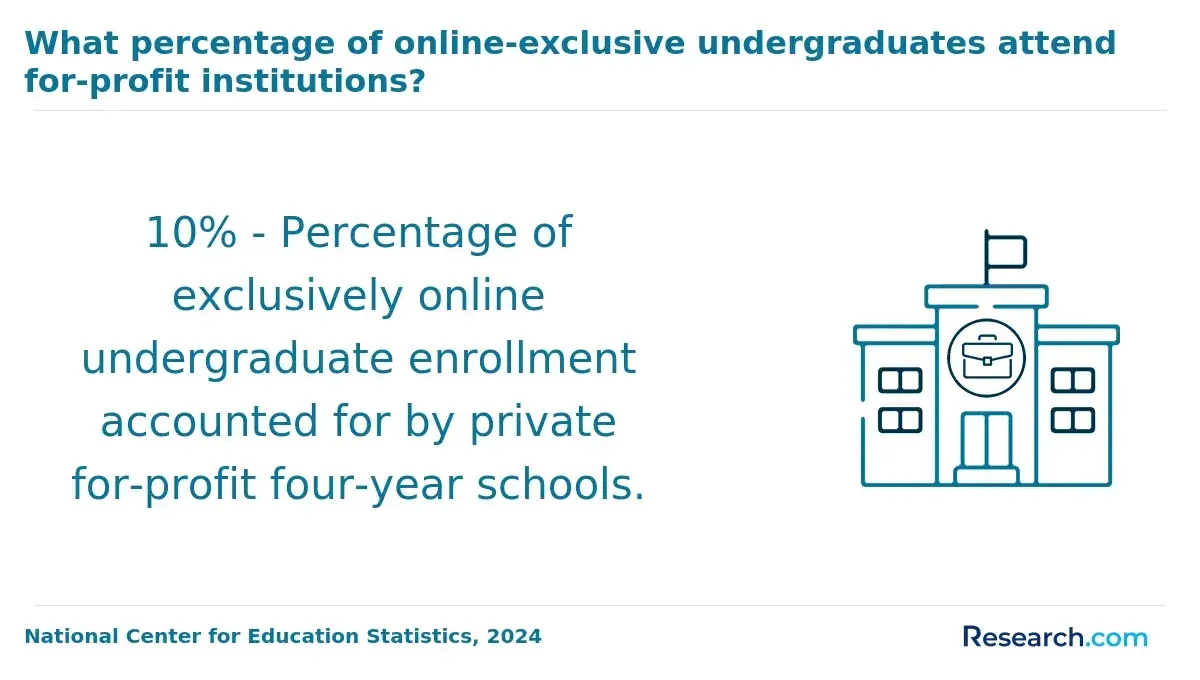
Historically, regional accreditation applied to nonprofit universities and colleges focused on academics, while national accreditation was common among for-profit and vocational schools. Though the U.S. Department of Education no longer officially uses these categories, the practical differences remain significant for students pursuing an online sociology bachelor's degree.
- Credit Transferability: Regionally accredited programs usually facilitate easier transfer of credits to other accredited four-year institutions. This benefit supports students who may want to continue their education or change schools without losing progress.
- Employer Recognition: Degrees from regionally accredited schools tend to hold more weight with employers, especially in research, social services, or policy roles, because these programs adhere to stricter academic standards.
- Graduate School Eligibility: Many graduate sociology programs require applicants to have earned a bachelor's degree from a regionally accredited institution, limiting opportunities for those with only national accreditation.
- Institution Types: National accreditation is often held by for-profit, career-focused colleges that provide quicker career training, whereas regionally accredited programs are typically offered by established public or private nonprofit universities with comprehensive curricula.
- Practical Impact: Although both accreditation types certify a baseline of quality, a regionally accredited sociology degree generally provides broader academic and employment options, helping graduates avoid complications with credit recognition and job prospects.
Are There Programmatic Accreditation Standards Specific to Online Sociology Bachelor's Degrees That Students Should Look For?
This baseline accreditation ensures institutions meet broad academic standards, making credits more transferable and degrees recognized by employers. However, it does not specifically assess the sociology curriculum or faculty qualifications, which can be critical factors for program quality.
- Programmatic Accreditation: Although no standalone programmatic accreditation exists exclusively for online sociology bachelor's degrees, related organizations such as the American Sociological Association (ASA) provide program reviews and endorsements that indicate adherence to disciplinary standards. Seeking programs with ASA recognition signals a strong curriculum aligned with professional expectations.
- Faculty Credentials: Programs meeting ASA-linked criteria prioritize instructors who actively engage in sociological research and maintain professional involvement. This focus enhances student learning by ensuring faculty bring up-to-date expertise and rigorous methodologies to their teaching.
- Student Outcomes: Accreditation and program reviews often consider graduate success through job placement in social services, continuation to postgraduate study, and licensure where applicable. Online sociology degree accreditation standards that reflect these outcomes can guide students toward programs with proven results.
- Licensure and Certification: For those pursuing licensing in social work or counseling, attending programs with relevant programmatic accreditation can be mandatory. While sociology bachelor's degrees rarely require this for licensure, they commonly serve as prerequisites for graduate programs that do.
- Career Advancement: Graduates from accredited or ASA-endorsed programs often enjoy enhanced professional credibility and networking opportunities. Employers tend to prefer candidates from recognized programs, which can improve career prospects and advancement.
- Employer and Board Recognition: Licensing boards and employers may not always demand sociology-specific accreditation but value reputable institutional credentials and demonstrated program quality. Students enrolling in unaccredited programs may face skepticism about their preparation and professional readiness.
- Consult Professional Associations: Prospective students should reach out to ASA and related sociology organizations to identify which programmatic credentials are most respected within their target fields. This approach helps clarify the importance of programmatic accreditation for specific career paths and licensure requirements.
For those interested in efficient study options, comparing accredited sociology degrees to specialized paths like an MBA in 6 months might provide valuable insight into accelerated learning models and program quality standards.
How Do Online Sociology Bachelor's Programs Demonstrate Curriculum Quality and Academic Rigor Comparable to On-Campus Peers?
Accrediting bodies analyze curriculum content and learning goals to ensure they meet academic benchmarks similar to in-person programs. This evaluation includes faculty qualifications and the suitability of teaching methods to maintain educational standards and relevance.
- Learning Outcomes: Programs must provide evidence that students master essential sociological theories and skills through assessments designed specifically for online delivery. These tools confirm that competencies match those required in traditional settings.
- Faculty Expertise: Instructors are expected to hold advanced degrees in sociology or related disciplines, backed by professional experience in research or teaching. Public access to faculty bios enables students to verify instructors' credentials and academic engagement.
- Instructional Design: Effective programs employ structured syllabi, engaging multimedia, and interactive forums to replicate the quality of classroom learning. Accrediting agencies scrutinize these elements to guarantee academic rigor and student involvement.
- Third-Party Metrics: Independent sources like IPEDS provide data on student-to-faculty ratios and graduation rates-key indicators of personalized support and overall program success.
- Independent Assessment: Prospective students can review course catalogs, detailed syllabi, and faculty profiles published online to gauge the depth and seriousness of the curriculum.
- Community Insight: Requesting sample syllabi or connecting with current students and alumni offers firsthand perspectives on workload, instructional support, and how coursework applies in practice.
What Faculty Credentials and Qualifications Should an Accredited Online Sociology Bachelor's Program Require?
Accredited institutions offering online sociology bachelor's degrees typically require faculty teaching advanced courses to hold terminal degrees-usually a PhD or a terminal master's-in sociology or closely related fields. This ensures that instruction meets rigorous academic expectations aligned with regional accrediting standards.
Beyond degrees, faculty engagement in current research, published works, and active participation in sociology-related organizations adds significant value to the learning experience. Prospective students can assess faculty qualifications by reviewing detailed bios on program websites, exploring professional LinkedIn profiles, and examining recent publications or portfolios that reflect ongoing scholarship.
The balance between full-time and adjunct faculty is an important factor when choosing an online sociology program. A higher proportion of full-time professors often means greater student support, consistent mentorship, and reliable course availability.
While adjunct instructors can offer specialized knowledge, overreliance on part-time faculty may reduce opportunities for personalized guidance and consistent academic engagement.
- Terminal Degree Requirement: Faculty teaching upper-level courses should have PhDs or terminal master's degrees in sociology or related disciplines to uphold solid academic standards.
- Professional Engagement: Look for instructors active in research, publications, or professional societies, as this indicates a strong connection to the field and current knowledge.
- Full-Time Faculty Ratio: Programs with more full-time professors generally provide better mentorship, consistent course offerings, and greater student support in online settings.
- Adjunct Faculty Limitations: Adjuncts contribute specialized expertise but may lack availability, potentially impacting student interaction and continuity.
- Direct Program Inquiry: Asking admissions about the share of full-time faculty teaching sociology courses helps gauge faculty accessibility and program quality.
It is advisable to contact the admissions office directly to inquire about what percentage of sociology courses are taught by full-time credentialed faculty. This transparency indicates a program's dedication to maintaining quality and ensures students have access to experienced professors throughout their studies.
How Are Student Learning Outcomes Measured and Reported in Accredited Online Sociology Bachelor's Programs?
Student learning outcomes (SLOs) define the specific knowledge, skills, and abilities that students must demonstrate upon completing an accredited online sociology bachelor's program. Accrediting bodies require programs to clearly define, assess, and publicly report these outcomes to uphold academic quality and accountability. This ensures programs deliver meaningful education-not just credentials.
Online sociology programs commonly use several assessment methods to measure SLOs. Capstone projects challenge students to integrate research and theory, standardized exams evaluate core competencies, internship evaluations provide practical skill feedback from supervisors, and licensure pass rates indicate professional readiness when relevant.
These combined methods offer solid evidence that graduates meet both academic and professional standards.
- Clear Outcome Definition: Sociology programs must have measurable learning outcomes aligned with professional competencies to maintain accreditation and program relevance.
- Multiple Assessment Methods: Capstones, exams, internships, and licensure data combine to comprehensively evaluate student readiness for employment or further study.
- Transparency Of Data: Institutions publish outcome data in accreditation reports, official websites, and federal databases, enabling independent verification of program performance.
- Benchmark Indicators: Graduation rates above 50%, positive internship success, and aligned assessments indicate a strong online sociology degree pathway.
- Accreditor Oversight: Regional and programmatic accreditors enforce outcome assessment standards to protect students from low-value or unrecognized credentials.
Prospective students should review institutional websites, accreditation self-study documents, and data from the Integrated Postsecondary Education Data System (IPEDS) to evaluate a program's quality. IPEDS graduation and retention rates offer transparent benchmarks to compare outcomes across schools.
High-performing programs typically report graduation rates above 50%, positive internship or employer feedback, and consistent, aligned assessment practices. In contrast, low graduation rates, scarce publicly available data, or unclear assessment processes can signal weaker program quality.
What Role Does the U.S. Department of Education Play in Overseeing the Accreditation of Online Sociology Bachelor's Programs?
The U.S. Department of Education plays a vital role in recognizing accrediting agencies that oversee online sociology bachelor's degree programs. While it does not directly accredit schools, its recognition ensures these agencies meet federal standards, making programs eligible for Title IV federal financial aid.
This eligibility is critical for many students who rely on grants and loans to finance their education. Understanding the U.S. Department of Education accreditation standards for online sociology degrees helps students identify programs qualified for federal funding and academic credibility.
The National Advisory Committee on Institutional Quality and Integrity (NACIQI) is the federal advisory body responsible for reviewing these accrediting agencies. NACIQI evaluates whether accreditors maintain rigorous standards that protect institutional quality. If an accrediting agency fails to uphold these standards, the Department can withdraw recognition, causing institutions under that agency to lose federal aid eligibility-often leading to significant financial and operational consequences for affected schools.
Recent policy updates have sharpened focus on distance education quality requirements. These changes mandate that online programs match the academic rigor, faculty qualifications, and student support found in traditional campus programs.
Such federal oversight establishes a baseline to protect students from diploma mills and poorly designed offerings but does not guarantee overall program excellence.
- Federal Recognition: The Department of Education formally recognizes accrediting agencies that ensure institutional quality, granting schools access to federal financial aid essential for many students pursuing online sociology degrees.
- NACIQI Role: This advisory committee reviews accreditors on a regular basis, recommending whether the Department should continue or withdraw recognition based on compliance with federal quality standards.
- Title IV Eligibility: Accreditation status directly determines eligibility for federal grants and loans, making it a crucial factor for prospective online sociology students financing their education.
- Impact of Loss of Recognition: Accrediting agencies losing recognition cause impacted schools to forfeit federal aid, which may force program improvements or closures to maintain quality and financial viability.
- Distance Education Policies: Updated regulations require online programs to match traditional standards in curriculum, faculty qualifications, and student services, ensuring comparable academic quality across delivery modes.
- Baseline Quality Assurance: Federal oversight protects students from fraudulent and low-value programs but should be combined with additional research on program reputation, credit transferability, and outcomes.
Students should also recognize the differences between regional and national accreditors in reputation and credit transferability. These distinctions, along with programmatic standards specific to sociology, influence employer recognition and potential licensure.
To explore affordable graduate paths in related fields, students may consider options like a 1 year online master's in human resources.
How Can Students Use the College Scorecard and IPEDS to Evaluate the Quality of Affordable Online Sociology Bachelor's Programs?
The U.S. Department of Education's College Scorecard and IPEDS Data Center are essential tools for those exploring affordable online sociology bachelor's degree programs. These federal resources provide key data points such as completion rates, average student debt, median earnings, and loan repayment rates that help evaluate program quality beyond institutional marketing.
When using the College Scorecard, students should filter results by field of study to isolate outcomes specific to sociology graduates instead of general institution-wide data. This approach offers a clearer understanding of graduation rates and post-graduation salaries tailored to sociology majors, reflecting a more accurate return on investment.
For evaluating academic quality with IPEDS data, focus on metrics including retention rates, which track student persistence beyond the first year, graduation rates within 150% of the typical program length, and Pell Grant recipient outcomes that assess support for low-income students.
These indicators collectively signal program effectiveness and institutional commitment to student success. By comparing multiple schools side by side across these federal databases, prospective students can make well-informed choices, reducing the risk of enrolling in diploma mills or poorly accredited programs.
- Field-Specific Data: College Scorecard lets students filter results by sociology majors, giving accurate data on graduation and earnings specific to this field.
- Key IPEDS Metrics: Retention rate, 150% graduation rate, and Pell Grant outcomes provide strong indicators of student success and institutional support.
- Loan and Earnings Info: Tracking average student debt and median post-grad salary helps evaluate return on investment for affordable programs.
- Side-by-Side Comparison: Using both databases lets students assess multiple programs closely, ensuring informed decisions based on quality and value.
- Transparent Federal Tools: Both resources are freely accessible and draw from reliable, federally collected data trusted for academic research and consumer protection.
Integrating these insights with knowledge of accreditation ensures students pursue degrees recognized by employers and eligible for licensure. Additionally, understanding earnings outcomes can guide long-term career planning-similar to how professionals evaluate an artificial intelligence degree salary to forecast potential income.
What Are the Warning Signs That an Online Sociology Bachelor's Program May Be a Diploma Mill or Lack Legitimate Accreditation?
A diploma mill is an organization that offers degrees with little or no academic effort, often using fake or unaccredited credentials to mislead students. These entities commonly claim accreditation from agencies not recognized by the Council for Higher Education Accreditation (CHEA) or the U.S. Department of Education's Database of Accredited Postsecondary Institutions and Programs (DAPIP).
Such false accreditation deceives students pursuing online sociology bachelor's degrees, leaving them with credentials that lack value in the job market and further education.
Many diploma mills promise instant or guaranteed degrees without requiring coursework or exams-an immediate red flag. Others rely on aggressive, high-pressure recruitment tactics encouraging swift enrollment.
- Instant or Guaranteed Degrees: Degrees issued without academic work lack credibility and signify diploma mill practices.
- Unrecognized Accreditation: Only accreditation from CHEA- or Department of Education-recognized agencies ensures genuine academic quality.
- High-Pressure Recruitment: Pushy enrollment tactics suggest program desperation and possible illegitimacy.
- Credit Transfer and Recognition Issues: Degrees from unaccredited schools often won't transfer credits or meet the standards of employers, graduate programs, or licensing boards.
To protect themselves, students should verify any accrediting agency's legitimacy by consulting CHEA's database or the Department of Education's DAPIP before making financial commitments. According to recent data from the National Center for Education Statistics, complaints about diploma mills have risen by over 15%, underscoring the importance of careful accreditation checks.
How Does Accreditation Status Affect Credit Transferability for Students in Online Sociology Bachelor's Programs?
Regionally accredited institutions generally accept transfer credits from other regionally accredited schools because they share common quality standards and academic rigor. In contrast, credits earned from nationally accredited or unaccredited Sociology programs are often not recognized by regionally accredited universities.
This difference can severely limit a student's ability to transfer coursework, especially when moving from a community college to a four-year online Sociology degree program.
Most community colleges hold regional accreditation, making them a practical starting point. However, students must ensure their intended four-year program has compatible regional accreditation; otherwise, previously earned credits might be denied, forcing retakes that increase time and costs.
Tools like the State Authorization Reciprocity Agreement (SARA) help verify if programs operate legally and meet quality standards in a student's state. Articulation agreement databases also assist in confirming formal transfer policies between institutions, providing transparency in academic pathways.
- Regional Accreditation Benefits: Regionally accredited schools share consistent academic standards, fostering smoother acceptance of transfer credits.
- Community College Foundations: Starting at a regionally accredited community college supports credit transfer-but only if the next institution holds compatible accreditation.
- Verification Resources: SARA and articulation agreement databases provide essential information on credit transfer pathways and institutional approval.
- Risks of Non-Accreditation: Credits from nationally accredited or unaccredited programs are frequently rejected, leading to lost time and increased costs for students.
- Transfer Credit Challenges: Nearly 40% of students report credit denial moving between accreditation types, emphasizing the need for careful planning.
A recent study found nearly 40% of transfer students lose credits when moving from nationally to regionally accredited schools, highlighting the importance of early accreditation verification. Completing even a single semester at an unaccredited institution can create significant obstacles and extra expenses.
What Graduates Say About How to Verify the Quality of Accredited Online Sociology Bachelor's Degree Programs
- Apollo: "I chose this accreditation-verified online sociology bachelor's degree program because I wanted assurance that my education met national standards-knowing the program had the proper credentials gave me confidence from day one. The tuition was very reasonable compared to similar programs, which made the financial commitment much easier to manage alongside my job. Since graduating, I have seen significant career growth and greater respect from employers who value the credibility of my degree."
- Aldo: "Reflecting on my journey, the most important factor was selecting a sociology program with clear accreditation to ensure my time and money were well invested. The cost was competitive, especially when considering the quality of instruction and resources available online. This degree has opened doors in my field that would have been difficult to access otherwise-I'm now actively engaged in professional projects that align perfectly with my career goals."
- Micah: "From a professional standpoint, I prioritized an online sociology bachelor's degree program with verified accreditation to safeguard my career credentials. The total expense was affordable, with flexible payment options that fit my situation perfectly. Completing this program has strengthened my research skills and expanded my network, which has directly enhanced my job prospects and professional development opportunities."
Other Things You Should Know About Sociology Degrees
The primary organizations responsible for accrediting online sociology bachelor's degree programs in the U.S. include the Council for Higher Education Accreditation (CHEA), the U.S. Department of Education, and regional accrediting bodies like the Middle States Commission on Higher Education.
Prospective students can verify accreditation by checking the program's status on the U.S. Department of Education's Database of Accredited Postsecondary Institutions and Programs. They should also consult the program's official website and contact accreditation bodies directly if necessary, to confirm current accreditation status.
Accredited online sociology bachelor's programs are typically re-evaluated every five to ten years depending on the accrediting agency's policies. During re-evaluation, programs must demonstrate continued compliance with academic standards and institutional improvements. If accreditation is revoked, students may lose access to financial aid, face difficulties transferring credits, and find their degrees less respected by employers or graduate programs.
References
- Undergraduate learning outcomes - Sociology - University of Victoria https://www.uvic.ca/socialsciences/sociology/programs/undergraduate-learning-outcomes/index.php
- Department of Education https://www.nsu.edu/accreditation/us-department-of-education
- 7 Warning Signs an Online Degree is a Scam | Council for Higher Education Accreditation https://www.chea.org/7-warning-signs-online-degree-scam
- The Role of Accreditation in Online Education - ISBSS https://isbss-edu.org/the-role-of-accreditation-in-online-education/
- Regional Accreditation vs National: Understanding Key Differences and Benefits - The Scholarship System https://thescholarshipsystem.com/blog-for-students-families/regional-accreditation-vs-national-understanding-key-differences-and-benefits/
- Top 20 Online Schools for Bachelor of Sociology Degree Programs https://www.onlineschoolscenter.com/top-20-online-bachelor-sociology-degree-programs/
- National vs. Regional Accreditation: Why Does it Matter? https://www.tesu.edu/about/blog/2016/national-vs-regional-accreditation-why-does-it-matter.php
- Are Online Degrees Taken Seriously? | UT San Antonio Online https://online.utsa.edu/blog-content/are-online-degrees-taken-seriously/
- Why it Matters https://ps.sckans.edu/news/view/109/
- Client Challenge https://www.scribd.com/document/142505260/Accreditation-and-Online-Degrees