2027 Return on Investment of an Online Sociology Bachelor's Degree: Salary vs Cost

Co-Founder and Chief Data Scientist
Many working professionals wonder if pursuing an online sociology bachelor's degree justifies the financial and time investment-especially when balancing existing job and family commitments. The average sociology graduate in the U.S. earns approximately $56,000 annually, which prompts questions about how quickly the degree cost pays off.
Rising tuition and student debt heighten concerns about return on investment-can an online sociology degree truly elevate career prospects and earning potential? This article explores salary trends, degree costs, and employment outcomes to provide a clear assessment of the value and financial viability of earning an online sociology bachelor's degree.
Key Things to Know About the Return on Investment of an Online Sociology Bachelor's Degree
- Online sociology bachelor's degrees typically cost between $15,000 and $40,000 in tuition-significantly less than traditional programs-making them accessible for budget-conscious students.
- Graduates earn median salaries around $60,000 annually, with potential growth in social research, human services, and policy analysis roles.
- Beyond salary, these degrees enhance career advancement, job security, and professional development, supporting long-term employment stability in diverse fields.
What is the true cost of earning an online sociology bachelor's degree from enrollment to graduation?
Costs associated with earning an online sociology bachelor's degree extend beyond published tuition fees, encompassing several direct and indirect expenses. Prospective students should consider the full cost breakdown of an online sociology bachelor's degree to make informed financial decisions.
- Tuition Fees: Published tuition rates generally range from $15,000 to $40,000 for the entire program. However, net price calculators and data from IPEDS indicate many learners pay 20 to 50 percent less after financial aid, scholarships, and grants are factored in, substantially lowering out-of-pocket expenses.
- Technology and Course Fees: Mandatory technology fees typically fall between $200 and $1,000 annually. Additional charges for course materials or lab fees may add $500 to $1,500 to the total program cost.
- Textbooks and Materials: Despite the growing use of digital and open educational resources, students usually spend from $1,000 to $2,500 on textbooks and supplementary materials throughout their studies.
- Proctoring and Exam Fees: Online courses often require proctored exams, costing $30 to $60 each. These fees can accumulate, adding several hundred dollars over the duration of the degree.
When evaluating tuition and fees for online sociology degree programs, combining these expenses results in a total estimated cost between $18,000 and $45,000 after accounting for financial aid. This realistic range provides a useful baseline for measuring the return on investment, especially for first-generation college students, working professionals, or career changers budgeting carefully. For those seeking an online college that accepts FAFSA, researching these elements closely helps ensure alignment with financial and career goals.
How does the starting salary for sociology bachelor's degree graduates compare to the total cost of the degree?
Graduates with a sociology bachelor's degree often enter careers as social workers, human service assistants, or market researchers. According to the Bureau of Labor Statistics (BLS), the median annual starting salary for these roles ranges from $35,000 to $45,000. Meanwhile, the total cost of an online sociology bachelor's degree varies widely.
The average tuition investment can be as low as $15,000 with financial aid or exceed $40,000 without significant assistance. When comparing these figures, it becomes clear how many months of starting salary are needed to offset the degree's cost, providing a practical frame for evaluating return on investment.
In the best-case scenario-$15,000 total degree cost paired with a $45,000 starting salary-graduates can recoup their education expenses in about 4 months of full-time earnings. Conversely, a worst-case situation involving $40,000 in expenses and a $35,000 starting salary may require nearly 14 months to break even.
These calculations highlight the financial variability influenced by tuition and salary differences, key considerations when researching the total cost of an online sociology bachelor's degree.
Starting salary is only one part of the picture. Projected annual wage growth of 2% to 4% in related fields can significantly enhance the degree's long-term value. Non-financial benefits such as job security, professional development, and career advancement opportunities also contribute to the overall return on investment.
For those evaluating educational options, it helps to also explore similar data from other fields like the best online executive MBA programs.
- Starting Salary Range: Entry-level salaries for sociology bachelor's degree graduates typically fall between $35,000 and $45,000 across common career paths.
- Degree Cost Variability: The total tuition for online sociology degrees varies widely-from about $15,000 with aid to more than $40,000 without-directly affecting the payback period.
- Payback Period: Best-case scenarios show costs recouped in 4 months, while worst-case may take up to 14 months, underscoring the impact of tuition and starting salary.
- Long-Term Salary Growth: Wage increases of 2% to 4% annually improve ROI over time, making the degree more valuable beyond initial salaries.
- Additional Benefits: Career advancement, job security, and professional networking bolster the degree's overall value beyond just financial returns.
What is the average return on investment (ROI) for an online sociology bachelor's degree over a 10-year career?
Return on investment (ROI) in higher education is calculated by subtracting the total cost of a degree from the cumulative additional earnings earned over 10 years compared to someone with just a high school diploma or an associate degree in the same discipline. Research from the Georgetown University Center on Education and the Workforce and PayScale's College ROI Report highlights that individuals with a sociology bachelor's degree experience a substantial financial advantage over a decade.
According to the Bureau of Labor Statistics, the median annual salary for sociologists is roughly $88,000. Assuming a steady 3% yearly raise, cumulative earnings over 10 years reach nearly $950,000. In contrast, a high school graduate earning about $40,000 annually accumulates approximately $550,000 over the same period.
Factoring in an average degree cost of $40,000 for an online sociology program, the net financial gain is around $360,000 after 10 years. This figure compares favorably with PayScale's national average ROI of $300,000 for all bachelor's degrees.
- Clear ROI Definition: ROI quantifies the net benefit by subtracting total education expenses from additional earnings garnered over 10 years, benchmarked against those without a bachelor's degree in the same field.
- Median Salary Benchmark: Sociology graduates earn about $88,000 annually, significantly higher than the $40,000 average for high school diploma holders, indicating strong wage growth potential.
- Cost Consideration: Online sociology bachelor's programs typically cost around $40,000, a critical variable in assessing realistic financial returns.
- Comparative Advantage: The $360,000 net gain outpaces the average ROI for bachelor's degrees nationwide, suggesting competitive economic value for this degree.
A professional who enrolled in an online sociology bachelor's program after thoroughly calculating the expected ROI shared that balancing work, study, and family commitments was challenging yet manageable. He explained, "I weighed the upfront cost carefully, knowing I had limited resources, so I took extra time comparing programs and financial aid options."
Despite initial doubts about online learning, he found the flexibility essential for maintaining employment. Reflecting on his decision, he noted, "Seeing how the degree boosted my eligibility for promotions and higher pay made every effort worthwhile." This pragmatic approach highlights how a carefully analyzed ROI can support meaningful career advancement.
How do online sociology program tuition rates compare across public, private, and for-profit institutions?
In-state public universities often offer the most affordable online sociology degree costs by institution type, with tuition typically between $7,000 and $12,000 annually. Some states provide a flat-rate tuition for all online students, regardless of residency, ranging from $10,000 to $15,000 per year. These programs usually feature transparent fees and enjoy strong reputations, which may lead to higher graduation rates and better employer recognition.
Tuition comparison for public private for-profit sociology programs shows private nonprofit institutions charging significantly more, generally $20,000 to $35,000 per year. While pricier, these programs often focus on comprehensive student support, networking, and academic rigor. This can translate into favorable graduation rates and improved employment prospects, although the upfront cost demands weighing expected post-graduation earnings carefully.
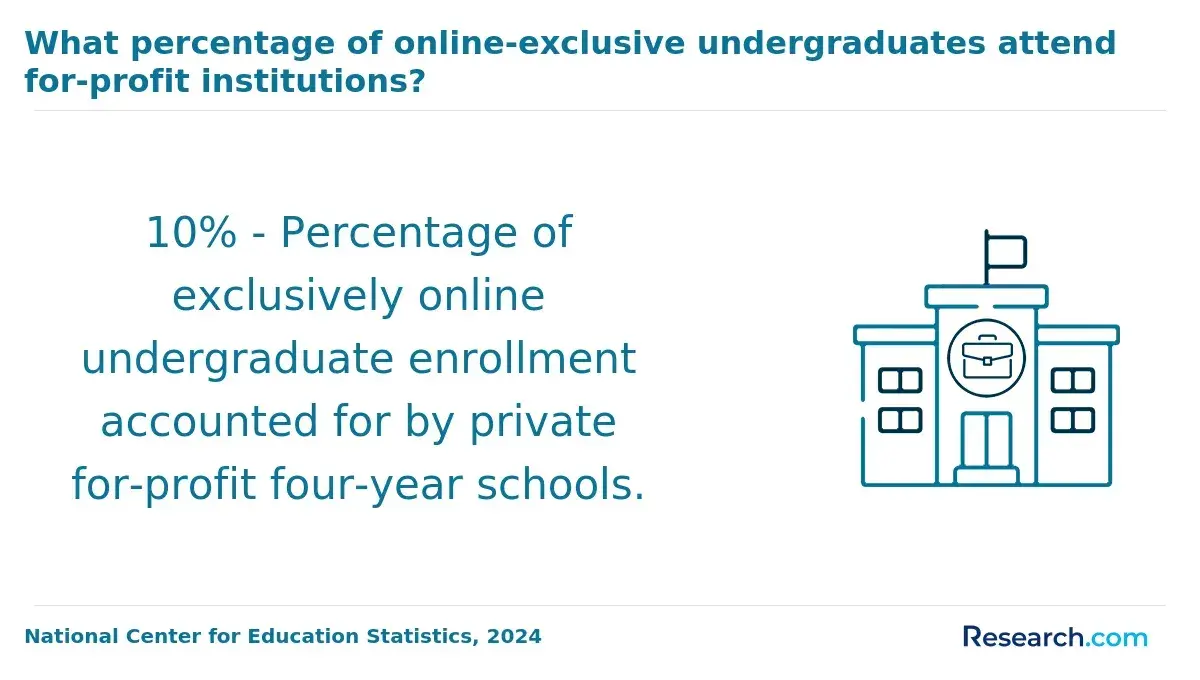
For-profit schools commonly advertise some of the lowest tuition rates, sometimes from $5,000 to $8,000 annually. Despite the appeal of lower fees, these institutions tend to have lower graduation rates and higher student loan default rates. Employer skepticism about for-profit degrees may hinder career advancement, reducing long-term return on investment despite initial savings.
Students should consider that the lowest tuition does not automatically guarantee the best ROI if program quality, completion, and job placement suffer. Balancing cost with academic and career support helps align investments with professional goals. For those seeking further guidance on data-driven program comparisons, exploring options like the data science master online can offer insights into affordable, high-value online education paths.
What long-term salary growth can sociology bachelor's degree holders expect over a 20- to 30-year career?
Here is the projected long-term salary trajectory over a 20- to 30-year career:
Early Career Growth: Starting salaries for those with a sociology bachelor's degree typically range between $35,000 and $45,000 during the first five years. This period is marked by steady but moderate raises as graduates enter entry-level roles such as research assistants or case managers, building foundational skills and experience.
Mid-Career Acceleration: Between five and fifteen years in, salary increases become more noticeable. Professionals often move into positions like program coordinators or social science analysts, gaining supervisory duties. Median salaries at around ten years can reach $55,000 to $65,000, reflecting this sustained progression.
Late Career Growth: After fifteen years, salary growth may level off for some but can surge significantly for those who advance into senior management, research director, or specialized policy analysis roles. Data from the BLS and American Community Survey indicate annual earnings exceeding $75,000 for experienced individuals in these advanced positions.
Cumulative Earnings Premium: Over a two to three-decade career, those with a sociology bachelor's degree earn substantially more than peers without degrees working in similar social services or support roles. Estimates show a lifetime earnings advantage ranging from $300,000 to $600,000, supported by compounding raises and promotions.
Career Advancement Milestones: Achieving professional certifications, pursuing graduate education, and cultivating strong networks often coincide with salary boosts, accelerating growth beyond average trends.
One professional who built her career after completing an online sociology bachelor's program shared that balancing work, family, and coursework was demanding but ultimately rewarding. She recalls feeling both challenged and motivated while managing deadlines and applying what she learned directly to her job. Her experience illustrates how the degree opened doors to leadership roles and increased earnings, validating the effort invested over time.
How does the ROI of an online sociology bachelor's degree compare to an associate degree or a professional certificate?
The financial commitment for an online sociology bachelor's degree is generally higher than that of associate degrees or professional certificates. Tuition for bachelor's programs often ranges from $15,000 to $30,000, while associate degrees usually cost between $10,000 and $15,000. Certificates present the most affordable route at $1,000 to $5,000, making them attractive for those with limited funds or urgent career transitions.
- Salary Potential: According to Bureau of Labor Statistics data, individuals with a bachelor's degree in sociology tend to earn about 20% to 30% more annually than those holding an associate degree-averaging around $60,000 compared to $45,000. Salary earnings for certificate holders typically start lower, but specialized certificates can lead to fast wage growth if tied to high-demand skills.
- Quick Returns: For those prioritizing rapid job market entry, certificates provide the fastest payoff due to low costs and targeted training. Associate degrees strike a balance-offering broader employment options within two years and higher wages than most certificates.
- Long-Term Gains: A sociology bachelor's degree usually delivers the highest lifetime returns. Graduates benefit from expanded job opportunities, promotions, and overall greater earning potential that offsets the initial investment. Enhanced job security and leadership prospects are additional advantages for degree holders.
- Choosing Wisely:
- Students who are first-generation college attendees or changing careers with limited resources may find certificates or associate degrees more practical for immediate income.
- Those targeting research roles or management positions often gain the most by completing a bachelor's degree despite the longer duration.
- Working professionals aiming for advancement can leverage online bachelor's programs to continue earning while enhancing qualifications.
- Broader Benefits: Beyond finances, the bachelor's degree promotes critical thinking, research capabilities, and a well-rounded grasp of sociological theory, all of which contribute to ongoing professional growth and job satisfaction.
Which online sociology specializations or concentrations yield the highest earning potential after graduation?
Specializing within an online sociology bachelor's degree can significantly enhance earning potential and career trajectory. According to Bureau of Labor Statistics (BLS) data, graduates focusing on applied sociology areas often earn between 10% and 30% more than generalists entering broad social science roles. Here are some high-paying specialization options with associated median salaries and additional investment considerations:
- Criminal Justice and Criminology: Careers in law enforcement, corrections, and security management fall under this track. Median salaries typically range from $50,000 to $65,000. Some positions require certifications or ongoing training, such as law enforcement credentials, increasing the total time and cost of your education.
- Health and Medical Sociology: This specialization supports roles in healthcare policy, community health, or hospital administration, with median earnings between $55,000 and $70,000. Additional certification in health education or public health may be needed but can accelerate promotions and improve job stability.
- Industrial and Organizational Sociology: Focused on workplace dynamics, this path leads to jobs in human resources, organizational development, and management consulting. Median salaries often range from $60,000 to $75,000. Certifications like SHRM credentials boost marketability though they require extra investment of time and money.
- Social Data Analytics: Combining sociology with data skills opens doors to market research and public policy analysis roles. Median pay commonly exceeds $65,000. Advanced software knowledge or data analytics certifications may be necessary, adding to upfront costs but improving long-term ROI.
Choosing the right specialization depends on your prior experience and professional goals. Be mindful that certification or licensure requirements can increase total investment costs but may result in higher salaries and better job security, optimizing your total return on investment for your online sociology degree.
How do employer tuition reimbursement and financial aid reduce the net cost of an online sociology bachelor's degree?
Employer tuition reimbursement programs significantly reduce the out-of-pocket cost of earning an online sociology bachelor's degree. According to the Society for Human Resource Management (SHRM), about 56% of U.S. employers offer tuition assistance as a benefit, typically allowing employees to recover up to $5,250 annually tax-free under IRS Section 127.
This tax-advantaged provision helps working adults afford continuing education by lessening financial burdens. Most employer plans cover tuition, required fees, and course materials, though employees often must meet performance criteria or commit to staying with their employer for a specified time after completing their degree.
In addition to employer tuition reimbursement programs, federal financial aid plays a vital role in lowering the actual cost of an online sociology bachelor's degree. Grants such as the Pell Grant, subsidized loans, and various scholarships awarded by colleges or third-party organizations can reduce the need for private borrowing substantially.
Combining these financial aid options for online sociology bachelor's students with employer benefits can cut the net tuition to a fraction of the published sticker price, making higher education accessible even on a tight budget.
For example, a student paying $12,000 annually for an online sociology program might receive $5,250 through employer tuition reimbursement, $3,500 from federal grants, and an additional $1,000 in scholarships. This brings the effective yearly cost down to approximately $2,250, making the four-year total around $9,000 instead of $48,000.
Such savings enable working professionals and career changers to invest in their futures without overwhelming debt. Students considering programs may also explore options like the AACSB accredited online MBA to compare different financial and professional benefits.
- Employer Tuition Reimbursement: Over half of American employers offer tuition assistance that can cover up to $5,250 annually tax-free, dramatically lowering education costs for working students.
- Federal Financial Aid: Grants, subsidized loans, and scholarships reduce the financial burden of tuition and fees, often decreasing net costs by thousands of dollars each year.
- Combined Savings Effect: Using both employer benefits and federal aid, students can pay just a fraction of the sticker price, making an online sociology degree accessible to budget-conscious learners.
- Retention Incentives: Employers often require a commitment period after tuition reimbursement, encouraging students to complete their degree and apply new skills in the workplace.
What hidden costs should students factor into the total investment of an online sociology bachelor's degree?
When budgeting for an online sociology bachelor's degree, students often overlook several unexpected expenses that add significant cost beyond tuition. Many schools impose mandatory technology fees-typically $50 to $150 per semester-to maintain online learning platforms and digital tools.
Proctoring services required for online exams usually cost an additional $30 to $70 per test, which can accumulate over multiple courses. These additional fees are common sources of unexpected expenses in online sociology degree programs and can affect overall affordability.
Graduation fees also contribute to the total cost, including application and ceremony charges that can exceed $100. Certain specialized courses may require software licenses, especially for research or statistics, costing between $40 and $100 each.
Finally, students might choose to join professional organizations relevant to sociology, which cost around $50 to $120 annually and offer valuable networking and career development benefits. All these additional fees increase the total cost of sociology bachelor's degree programs beyond the posted tuition.
According to College Board data and institutional disclosures, these hidden costs often total $500 to $1,000 per academic year, which extends the break-even timeline for the degree's return on investment. This means students might take longer to recoup their educational investment through increased salaries.
Prospective students should always request a detailed cost-of-attendance breakdown-including all fees and required materials-not just tuition, to plan finances carefully. Budget-conscious learners may also explore shorter, cost-effective options such as 3-month certificate programs that pay well as alternative pathways.
- Technology Fees: Many programs charge fees for maintaining online platforms and digital tools, typically $50 to $150 each semester, increasing the total cost beyond tuition.
- Proctoring Costs: Online exams often require paid proctoring services, adding $30 to $70 per test, which can accumulate throughout the degree.
- Graduation Fees: Application and ceremony fees usually cost around $100 or more, a cost frequently forgotten until the final term.
- Software Licenses: Specialized courses demand extra software, costing $40 to $100 per license, often necessary for research components in sociology.
- Professional Memberships: Joining relevant sociology associations costs $50 to $120 yearly but offers career benefits that should be weighed against the added expense.
How does the accreditation status of an online sociology program affect graduate salary and employability?
Regional accreditation confirms that an institution meets broad quality standards and is widely recognized across the U.S. In contrast, programmatic accreditation targets specific academic disciplines, providing an extra layer of quality assurance within fields like sociology. While both types matter, regional accreditation holds more weight with employers and graduate schools when it comes to evaluating credentials, influencing salary offers and job opportunities.
Data from the National Association of Colleges and Employers (NACE) reveal that hiring managers favor candidates with degrees from regionally accredited programs, viewing them as better prepared and more dependable. Degrees from non-accredited or solely nationally accredited schools often raise doubts about educational quality, limiting access to professional licensure exams and restricting entry into government and healthcare positions.
Additionally, many graduate schools require applicants to hold degrees from regionally accredited institutions, making accreditation crucial for career advancement and higher earning potential. Prospective students should verify any program's accreditation status through the U.S. Department of Education's accreditation database or the Council for Higher Education Accreditation (CHEA) before committing.
- Regional Versus Programmatic Accreditation: Regional accreditation ensures comprehensive institutional quality, while programmatic accreditation focuses on specific disciplines. Employers usually prioritize degrees from regionally accredited schools for their rigorous standards.
- Employer Preferences: Surveys show employers prefer graduates from regionally accredited institutions, associating these degrees with stronger skills and greater reliability, which translates into better salary negotiations.
- Licensure and Job Restrictions: Graduates from non-accredited programs may be barred from licensure exams and many government or healthcare jobs requiring formal credential verification, limiting career growth.
- Graduate School Admission: Many postgraduate programs require degrees from accredited institutions, making accreditation essential for further education and increased earning potential.
- Verification Resources: Prospective students should consult official accreditation databases maintained by federal and accreditation bodies to confirm program legitimacy before enrollment.
What entry-level job titles and salary ranges are available to graduates of online sociology bachelor's programs?
Graduates with an online sociology bachelor's degree commonly begin their careers in roles across diverse sectors, each with varied entry-level salary ranges. These positions offer distinct financial prospects that influence how quickly graduates recover their educational costs.
- Social and Human Service Assistant: Median starting pay ranges from $30,000 to $40,000, typically higher within healthcare and government sectors.
- Market Research Analyst: Entry-level salaries generally fall between $45,000 and $55,000, especially in technology and finance where data expertise adds value.
- Community Outreach Coordinator: Starting salaries average $32,000 to $42,000, with nonprofit and public health organizations providing varied opportunities.
- Case Manager: Median pay ranges from $35,000 to $45,000, with certifications and healthcare settings often pushing salaries upward.
- Human Resources Assistant: Typical entry salaries run from $33,000 to $43,000, with the technology and finance industries offering the upper end.
- Research Assistant: Salaries begin around $30,000 to $40,000, frequently in education and government sectors, improved by internship experience.
- Probation Officer Assistant: Median earnings range from $35,000 to $45,000, primarily within government agencies featuring career stability.
- Social Science Analyst: Starting pay may reach $40,000 to $50,000, especially in government and private research firms.
Adding internships, specialized concentrations like criminology or public health, and credentials such as project management or data analytics certifications can significantly boost initial salaries. These enhancements open doors to higher-paying fields, accelerating financial returns and career progression for graduates from online sociology programs.
What Graduates Say About the Return on Investment of Their Online Sociology Bachelor's Degree
- Apollo: "Choosing an online sociology bachelor's degree was a strategic decision after comparing the cost and potential return on investment. The flexibility allowed me to work while studying, which minimized financial strain and maximized value. Beyond the monetary aspect, it opened doors to career advancement in social services that I hadn't anticipated."
- Aldo: "Reflecting on my online sociology degree, I realize the non-financial returns have been equally rewarding-improved critical thinking and job security within my organization stand out. The program's practical relevance to my career helped me develop skills that employers truly value, making this investment well worth it. These opportunities have made the journey much more fulfilling."
- Micah: "Pursuing an online sociology bachelor's degree significantly impacted my professional trajectory by expanding my network and credibility in the field. The convenience of online learning allowed me to continue working while gaining new expertise, ultimately boosting my earning potential. The combination of flexibility, career growth, and increased job stability affirmed the degree's high return on investment."
Other Things You Should Know About Sociology Degrees
On average, graduates with an online sociology bachelor's degree can expect to recoup their tuition costs within five to seven years after entering the workforce. This timeline depends on factors like the initial salary, career progression, and the total cost of the degree program. Graduates who enter higher-paying roles or public sector jobs with advancement potential tend to recover costs faster.
Salary outcomes vary significantly by geographic region and industry sector. Graduates working in metropolitan areas generally earn more due to higher living costs and demand for social research skills. Additionally, sociology majors employed in government, healthcare, or social services sectors often see different salary ranges-with government roles typically offering higher starting salaries compared to nonprofit or community-based organizations.
Employer surveys and labor market data consistently show that sociology graduates bring valuable skills such as critical thinking, data analysis, and cultural understanding. These competencies are in demand for roles in research, public policy, and human services. Although some employers prefer advanced degrees, a bachelor's in sociology remains a respected credential that opens doors to diverse career paths.
References
- Public Vs Private Colleges - Which is better? | Turito https://www.turito.com/blog/one-on-one-online-tutoring/public-vs-private-universities-which-is-better
- Online college courses are popular, why do they still cost so much? https://hechingerreport.org/as-online-higher-education-hits-a-milestone-why-does-it-still-cost-so-much/
- Average Cost of Online College [2025]: Yearly Tuition + Fees https://educationdata.org/average-cost-of-online-college
- Employer Tuition Assestance Boosts Student Success, Provides Revenue to Community Colleges http://perspectives.acct.org/stories/employer-tuition-assistance
- Bachelor’s Degrees Offering the Highest and Lowest Return on Investment Revealed https://www.investopedia.com/bachelors-degrees-offering-the-highest-and-lowest-return-on-investment-revealed-11929932
- College is worth the money for most graduates, new Fed research finds—here's the median return on investment https://www.cnbc.com/2025/04/18/median-return-on-investment-for-a-college-degree.html
- ROI on degrees, certificates https://www.ccdaily.com/2024/10/roi-on-degrees-certificates/
- What is the Average Salary of Someone with a Degree in Sociology? https://www.bestsociologyprograms.com/faq/average-salary-degree-sociology/