2027 Regional vs National Accreditation for Online Sociology Bachelor's Degrees

Co-Founder and Chief Data Scientist
A working parent considers enrolling in an online sociology bachelor's program but hesitates over accreditation concerns. They wonder if credits from a nationally accredited school will transfer smoothly to a graduate program or if employers will view this credential with the same respect as one from a regionally accredited institution. This dilemma weighs heavily, especially given the need for flexibility and affordability in online education.
About 43% of sociology degree holders pursue further study or positions requiring advanced qualifications, making accreditation a critical factor for academic and professional advancement. This article explores how regional and national accreditation affect transferability, recognition, and career prospects in online sociology degrees.
Key Benefits of Regional vs National Accreditation for Online Sociology Bachelor's Degrees
- Regional accreditation offers greater recognition and credibility among employers, with 95% of graduate programs preferring degrees from regionally accredited institutions.
- Credits from regionally accredited Sociology programs typically transfer more easily between colleges, supporting academic continuity and graduate school eligibility.
- National accreditation suits career-focused students, while regional accreditation better supports academic research paths and diverse educational goals.
What Is the Difference Between Regional and National Accreditation for an Online Sociology Bachelor's Degree?
Regional and national accreditation represent two distinct types of institutional recognition in U.S. higher education, each granted by different agencies with varying scopes and standards. Regional accreditation is awarded by agencies focused on specific geographic areas, emphasizing rigorous academic standards, comprehensive institutional quality, and continuous improvement.
In contrast, national accreditation typically centers on career-oriented or vocational schools, covering a broader range of institutions but often with less stringent criteria. Roughly 80% of U.S. higher education institutions hold regional accreditation, especially among schools offering an online sociology bachelor's degree, which highlights its dominance in the academic landscape and its importance in evaluating school credentials.
In terms of practical impact, regional accreditation generally leads to broader acceptance of degrees and smoother transferability of credits between institutions. Students pursuing an online sociology bachelor's degree from regionally accredited schools often benefit from better recognition by employers and graduate programs, making advancement easier.
Conversely, nationally accredited institutions may provide valid degrees but can face challenges affecting credit transfers and external recognition outside specialized fields. Prospective students should carefully consider how regional versus national accreditation influences future academic and career prospects and explore additional options like online certificate programs that pay well as complementary pathways.
Which Agencies Provide Regional Accreditation for Online Sociology Bachelor's Degrees?
Regional accreditation in the United States is granted by a select group of recognized accrediting bodies that assess colleges and universities based on academic quality and institutional standards. About 70% of U.S. higher education institutions hold regional accreditation, which is crucial for ensuring credit transferability and acceptance by graduate programs.
Students looking for an online sociology bachelor's degree should pay close attention to these regional accrediting agencies for online sociology bachelor's degrees, as they guarantee program legitimacy and quality.
- Middle States Commission on Higher Education (MSCHE): This agency covers institutions in Delaware, the District of Columbia, Maryland, New Jersey, New York, Pennsylvania, and Puerto Rico. It evaluates academic rigor and institutional effectiveness for schools in this region.
- New England Commission of Higher Education (NECHE): Accrediting colleges in Connecticut, Maine, Massachusetts, New Hampshire, Rhode Island, and Vermont, NECHE ensures these institutions meet strict standards that support student success.
- Higher Learning Commission (HLC): Responsible for schools in 19 Midwestern and Great Plains states such as Illinois, Indiana, Iowa, Michigan, and Ohio, HLC promotes continuous improvement and accountability in its member institutions.
- Southern Association of Colleges and Schools Commission on Colleges (SACSCOC): SACSCOC accredits universities in 11 southern states including Alabama, Florida, Georgia, and Texas, focusing on quality assurance and institutional integrity.
- Western Association of Schools and Colleges Senior College and University Commission (WSCUC): This commission accredits institutions in California, Hawaii, and the Pacific territories, ensuring regional academic standards are met.
- Northwest Commission on Colleges and Universities (NWCCU): Serving schools in Alaska, Idaho, Montana, Nevada, Oregon, Utah, and Washington, NWCCU evaluates institutional quality and effectiveness in the Northwest.
Choosing a program accredited by one of these regional accrediting bodies recognized for sociology programs often facilitates smoother credit transfers and stronger recognition by employers and graduate schools nationwide. For students interested in related fields, researching a reputable librarian degree online can provide additional academic and career opportunities.
What Are the Main National Accrediting Bodies for Online Sociology Bachelor's Degree Programs?
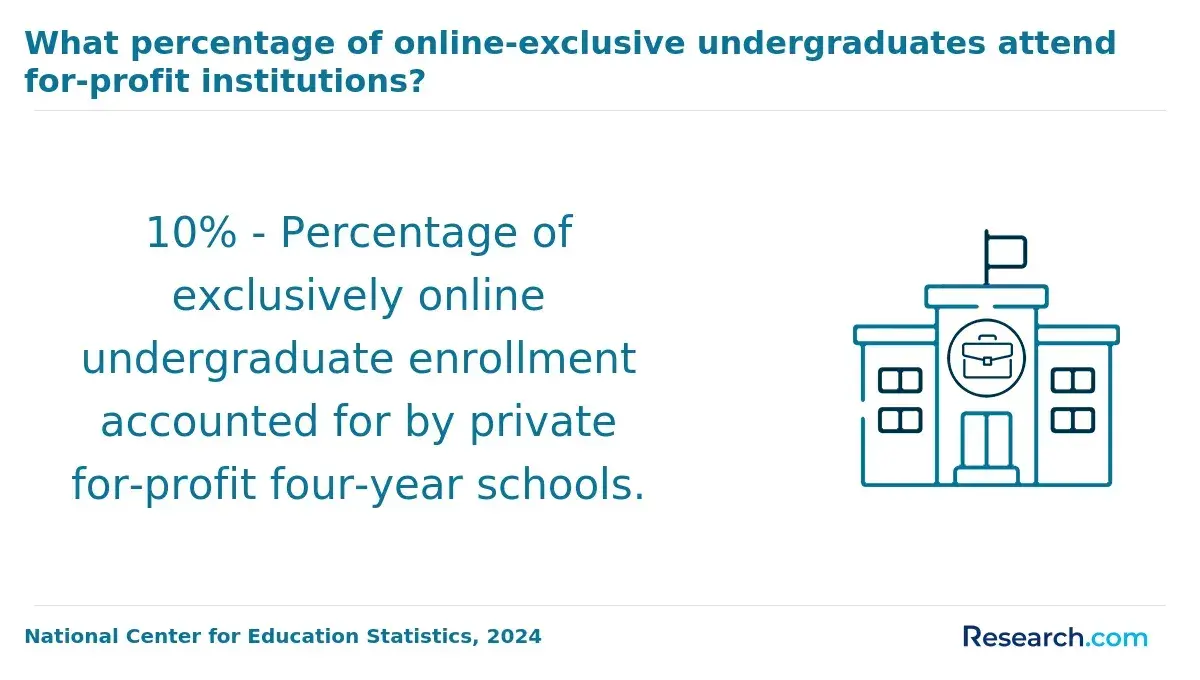
National accreditation for online sociology bachelor's degree programs is typically awarded by agencies that oversee career-focused, technical, or specialized institutions throughout the United States. These national accreditors represent about 10% of higher education institutions, primarily private career schools and technical colleges.
Below are the primary national bodies responsible for accrediting such programs.
- Accrediting Commission of Career Schools and Colleges (ACCSC): ACCSC accredits postsecondary institutions that emphasize career, technical, and vocational education, including online sociology programs linked to practical employment skills.
- Distance Education Accrediting Commission (DEAC): DEAC specializes in accrediting providers of distance learning, focusing on quality standards for online and correspondence education, and accredits many for-profit and career-oriented online sociology degrees.
- Accrediting Bureau of Health Education Schools (ABHES): Although ABHES mainly focuses on health education, it also accredits select postsecondary programs that blend social sciences with health disciplines, sometimes including online offerings.
- Council on Occupational Education (COE): COE accredits primarily occupational and technical colleges, occasionally covering programs that integrate social science topics with career preparation, though it is less common for standalone sociology degrees.
National accreditation ensures programs meet specific standards aimed at career readiness within technical or online learning environments, which may affect credit transfer and recognition differently compared to other accreditation types.
How Do Admission Requirements Vary by Accreditation Type for an Online Sociology Bachelor's Degree?
Admission standards for regionally accredited online sociology bachelor's programs tend to be more rigorous, emphasizing academic credentials and formal documentation. Applicants often must provide a high school diploma or equivalent, official transcripts, and sometimes meet a minimum GPA threshold commonly around 2.5 to 3.0. Alongside these basics, many require standardized test scores like the SAT or ACT, personal statements, and letters of recommendation.
These programs generally feature more selective admissions processes, with acceptance rates usually lower than nationally accredited schools. Data from the U.S. Department of Education indicate that roughly 60% of students admitted to regionally accredited online bachelor's degrees meet academic benchmarks that support institutional rigor.
In contrast, nationally accredited online sociology programs typically adopt more inclusive admission policies aimed at widening access. They often accept GED holders and applicants with alternative educational backgrounds, frequently waiving requirements like standardized tests and recommendation letters.
This flexibility supports nontraditional students or those re-entering education later in life, resulting in streamlined application procedures and rolling admissions. These policies reflect an emphasis on accessibility over selectivity, which makes enrollment simpler but aligns with different institutional goals compared to regional accreditation.
How Does Online Sociology Bachelor's Degree Tuition Differ by Accreditation Type?
Tuition costs for online sociology bachelor's degree programs vary based on accreditation type, institutional setup, and curriculum design. Typically, regionally accredited institutions charge 10% to 20% more than nationally accredited ones for comparable degrees. These differences reflect variations in pricing models, fees, and overall program structure.
- Pricing Models: Regionally accredited programs usually employ a per-credit hour tuition that includes technology and administrative fees, making the cost structure more transparent. Nationally accredited schools sometimes separate fees or offer flat-rate pricing, often using accelerated or competency-based formats to lower expenses.
- Cost Ranges: Tuition at regionally accredited colleges often spans from $15,000 to over $40,000 for the full degree, depending on factors like prestige and location. Nationally accredited options may start as low as $10,000, appealing to budget-conscious students.
- Included Fees: Regional programs generally bundle fees into tuition, whereas national programs might itemize them, which can affect the total cost. Prospective students should assess all charges beyond the baseline tuition to understand the actual financial commitment.
- Value Considerations: Regionally accredited programs usually provide extensive support services and resources, potentially justifying higher rates. Those seeking a more affordable path may explore nationally accredited degrees but should weigh how accreditation impacts credit transfer and graduate opportunities.
- Tuition Research: For students comparing costs, reviewing options like the cheapest online master's degree in criminal justice can offer insight into affordability trends across fields.
Can I Get Financial Aid for Both Types of Accredited Online Sociology Bachelor's Degrees?
Financial aid availability depends largely on an institution's accreditation type and its eligibility to participate in federal and state funding programs. Approximately 85% of undergraduate students receive some form of financial assistance, making aid a crucial factor in higher education affordability.
Differences between regional and national accreditation can influence the variety and accessibility of financial aid for students pursuing online sociology bachelor's degrees.
- Federal Grants: Students enrolled in regionally accredited schools typically have full access to federal grants such as the Pell Grant. Although some nationally accredited institutions also participate in these programs, fewer do, which can limit grant opportunities for their students.
- Federal Loans: Federal student loans through FAFSA are available at most regionally accredited colleges and many nationally accredited ones as well. However, certain nationally accredited schools may face federal certification restrictions that affect loan eligibility for their students.
- State Aid: State-funded scholarships and grants often prioritize students attending regionally accredited institutions, leading to more dependable state aid options compared to nationally accredited schools, which may have less access to these resources.
- Institutional Aid: Both accreditation types may offer scholarships and grants funded by the institution itself, though regionally accredited schools generally possess larger endowments and can provide more competitive aid packages to their students.
- Private Scholarships: Private scholarships are broadly accessible regardless of accreditation. However, attending a regionally accredited college might enhance a student's chances due to the institution's stronger recognition and reputation.
Can I Transfer Credits From a Nationally Accredited to a Regionally Accredited Online Sociology Bachelor's Degree?
Transferring credits from a nationally accredited to a regionally accredited online sociology bachelor's degree program can be complex and depends heavily on the receiving institution's transfer policies. Factors such as course equivalency, credit hours, grades earned, and the type of accreditation itself play key roles in transferability decisions.
Regionally accredited schools often scrutinize credits from nationally accredited programs more closely and may limit acceptance to general education or elective credits rather than core sociology courses. This cautious approach stems from a desire to maintain academic standards and ensure that transferred coursework aligns well with their curriculum. Overall, successful credit transfer typically requires detailed documentation and institutional evaluation on a case-by-case basis.
Does Accreditation Type Affect Job Opportunities After an Online Sociology Bachelor's Degree?
Accreditation type can shape how employers view online sociology bachelor's degrees, influencing job prospects depending on industry standards and hiring practices. Research indicates that about 85% of employers prefer candidates with degrees from regionally accredited institutions, associating such credentials with academic rigor and reliability.
The difference between national vs regional accreditation job prospects sociology is thus an important consideration.
- Employer Preference: Many employers prioritize applicants holding degrees from regionally accredited schools, as these institutions are perceived to deliver stronger academic foundations. This preference can affect how seriously candidates are considered during the hiring process.
- Industry Standards: Specific roles, particularly in research, social services, or graduate programs, often require or favor regionally accredited degrees due to their established reputation and broader acceptance within the profession.
- Hiring Filters: Automated applicant tracking systems sometimes use accreditation as a screening criterion, potentially disadvantaging graduates from nationally accredited or for-profit schools.
- Flexible Recognition: Fields closely tied to applied sociology or community outreach may be more lenient toward national accreditation if the program's curriculum aligns with job duties, and professional experience can also offset accreditation concerns.
Prospective students should evaluate how regional accreditation impact on sociology degree employment fits with their career goals. For those exploring alternative graduate pathways or interdisciplinary careers, programs like an online MBA no GMAT low cost may also be relevant options to consider.
Will Accreditation Affect Eligibility for Advanced Degrees After an Online Sociology Bachelor's Degree?
Accreditation type significantly influences graduate school eligibility and admissions decisions for students who complete an online sociology bachelor's degree. Regionally accredited programs tend to be preferred by advanced degree programs, affecting the ease of transition to master's or doctoral studies.
According to the Council for Higher Education Accreditation, over 90% of graduate programs nationwide accept degrees from regionally accredited institutions.
- Admissions Recognition: Regional accreditation is widely respected as a mark of academic quality, so graduate programs often recognize it more readily for admission into advanced degrees. National accreditation may require additional institutional scrutiny, making admissions less straightforward.
- Institutional Policies: Many graduate schools explicitly require applicants to hold degrees from regionally accredited institutions, which impacts sociology advanced degree eligibility. Degrees from nationally accredited schools might limit options or require extra documentation.
- Credit Evaluation: Coursework credits from nationally accredited programs frequently undergo more rigorous review and may not fully transfer, which can delay progress in master's or doctoral programs. Regional accreditation generally allows smoother credit acceptance.
- Variability: Acceptance policies differ widely among graduate schools, so researching specific schools is essential before enrolling in an online sociology bachelor's degree program to ensure alignment with future academic goals.
Students should carefully consider accreditation when choosing a program, as this decision affects not only graduate school admissions but also credit transfer and academic recognition. For those exploring options, reviewing related fields can also be helpful; for example, individuals interested in interdisciplinary studies might look into reputable online graphic design degree programs to complement their sociology background.
How Do I Choose Between Regional vs National Accreditation for an Online Sociology Bachelor's Degree?
When deciding between regional and national accreditation for an online sociology bachelor's degree, students should weigh factors such as how widely the institution is recognized, their academic ambitions, and the flexibility of the program. Regional accreditation tends to be viewed as more reputable and is generally accepted by other colleges, employers, and graduate schools.
National accreditation, while legitimate, is often linked to career-focused institutions and may pose challenges for credit transfer. Students aiming for graduate studies or credit portability usually benefit from choosing regionally accredited schools. According to a 2022 survey by the National Center for Education Statistics, nearly 60% of students value accreditation status as a critical aspect when selecting an online program.
To make an informed choice, students should verify the accreditation status of prospective schools by consulting the U.S. Department of Education or Council for Higher Education Accreditation listings. It is important to examine the institution's policies on transferring credits, especially for those considering further education beyond the bachelor's degree.
Reflecting on long-term goals, such as graduate study or professional certifications requiring regional accreditation, also guides the decision. Prioritizing these steps ensures students select a program aligned with both their academic and career objectives.
What Graduates Say About Regional vs National Accreditation for Online Sociology Bachelor's Degrees
- Allyson: "Choosing a regionally accredited online sociology bachelor's program was crucial for me because I wanted assurance that my degree would be respected by employers nationwide. The flexibility allowed me to work full time while studying, though I had to stay disciplined without the traditional campus environment. Ultimately, earning a degree with solid regional accreditation opened doors to a rewarding career in social research that I wouldn't have accessed otherwise."
- Danica: "I was drawn to a nationally accredited online sociology bachelor's program because of its affordability and streamlined admissions process. While some employers seemed less familiar with national accreditation, I found the curriculum thoroughly prepared me for real-world challenges in community outreach. Reflecting back, the practical skills I gained definitely outweighed any initial concerns about the program's accreditation type."
- Micah: "My decision to pursue a regionally accredited sociology bachelor's degree online was deeply strategic - I wanted a credential that aligned with graduate school requirements and professional standards. Navigating the rigor of an online format was demanding, but the academic support was excellent. Today, I credit this degree for advancing my career in policy analysis and appreciate how the regional accreditation validated my educational journey in a highly competitive field."
Other Things You Should Know About Sociology Degrees
In 2027, credits from regionally accredited programs typically do not transfer easily to nationally accredited schools. Regionally accredited institutions are known for higher academic standards, while nationally accredited schools focus on career-specific fields. This difference often leads to challenges in transferring credits between these accrediting bodies.
National accreditation does not necessarily mean lower academic standards, but it often focuses on vocational, career-oriented programs rather than broad academic curricula. For sociology degrees, regionally accredited programs tend to offer more rigorous theoretical and research training. This difference can affect how employers and graduate schools perceive the degree's academic quality.
Many graduate sociology programs prefer applicants with a bachelor's degree from a regionally accredited institution due to the perceived comprehensiveness of their training. While some graduate schools accept degrees from nationally accredited programs, others may require additional qualifications or coursework. It is important to check with prospective graduate programs about their accreditation preferences.
References
- National vs. Regional Accreditation: Why Does it Matter? https://www.tesu.edu/about/blog/2016/national-vs-regional-accreditation-why-does-it-matter.php
- Accelerated Sociology Degree Online [2025 Guide] https://www.mydegreeguide.com/accelerated-degrees/accelerated-sociology-degree-online/
- 2025 Most Affordable Online Sociology Degrees https://www.onlineu.com/most-affordable-colleges/sociology-degrees
- Sociology Transfer Major https://catalog.nicc.edu/preview_program.php
- Online Sociology Bachelor's Degree https://gps.averett.edu/b-s-sociology/
- Bachelor of Arts in Sociology | 4-week Online Classes | NU https://www.nu.edu/degrees/social-sciences/programs/bachelor-arts-sociology/
- Regional Accreditation vs National: Understanding Key Differences and Benefits - The Scholarship System https://thescholarshipsystem.com/blog-for-students-families/regional-accreditation-vs-national-understanding-key-differences-and-benefits/
- Regional vs National Accreditation: What This Means for You https://www.uopeople.edu/blog/regional-vs-national-accreditation-whats-the-difference/
- UNE Accreditation: Regional vs. National https://online.une.edu/blog/regional-vs-national-accreditation-which-is-better/
- Accredited Online Sociology Degree Programs https://www.accreditedonlinecolleges.org/sociology/