2027 Is Unity Environmental University's Online BS in Sustainable Business Management - Renewal Energy Worth It? Salary, Outcomes, and ROI

Co-Founder and Chief Data Scientist
Choosing an online BS in Sustainable Business Management - Renewal Energy program demands careful navigation amid rapidly expanding options. With the U. S. Bureau of Labor Statistics projecting renewable energy jobs to grow significantly faster than average, the timing for entering this field is critical.
Prospective students must assess whether Unity Environmental University's curriculum aligns with evolving industry standards and employer needs, while also ensuring the program's flexibility suits their personal learning styles and schedules.
Balancing foundational business knowledge with specialized renewable energy skills is vital for long-term career mobility. This article analyzes program structure, outcomes, and relevance to help students determine if this degree fits their goals.
Key Points About Unity Environmental University's Online BS in Sustainable Business Management - Renewal Energy Program
- Unity Environmental University's acceptance rate of 82% shows moderate selectivity, making the online BS in Sustainable Business Management - Renewable Energy accessible but requiring candidates to meet basic criteria.
- The total tuition cost of $23,960 combined with a 1.51x earnings to debt ratio suggests manageable financial investment relative to median alumni salary of $37,852 in renewable energy roles.
- Experienced faculty and alumni career advancement indicate strong employer recognition, reinforcing workforce alignment with sustainable business demands in the green energy sector.
What makes Unity Environmental University's online BS in Sustainable Business Management - Renewal Energy program stand out?
The value of enrolling in Unity Environmental University's online BS in Sustainable Business Management - Renewable Energy lies in its targeted specialization that aligns with emerging workforce demands within the renewable energy sector.
For working professionals balancing employment and education, the program's flexible online delivery accommodates schedules without sacrificing rigor, a crucial advantage compared to traditional on-campus degrees that often require fixed attendance.
Unlike broader sustainable business degrees, this program integrates renewable energy market dynamics, technologies, and regulatory frameworks directly into its curriculum, enabling graduates to navigate niche roles employers increasingly seek.
This specialization can yield better alignment with job functions in energy firms or policy organizations, though students should weigh the moderate 57% graduation rate carefully against their personal capacity for sustained remote study and full engagement.
With 6,359 students supported by 550 staff, including 169 full-time faculty, the university offers a substantial yet accessible learning environment that balances personalized instruction and digital resources. Those aiming for roles that pragmatically combine environmental stewardship with business acumen in the renewable energy domain will find this program's focused approach particularly relevant compared to more generic sustainable business credentials.
Is it difficult to get admitted to Unity Environmental University's online BS in Sustainable Business Management - Renewal Energy program?
Securing admission to a BS in Sustainable Business Management - Renewable Energy program typically involves navigating a competitive landscape, as many institutions prioritize applicants with strong academic records and standardized test scores.
These programs demand candidates equipped to engage with complex sustainability, business, and energy topics, creating an implicit barrier through selective admissions. Consequently, prospective students often face stringent requirements that can delay or complicate entry into the field.
Unity Environmental University's approach deviates notably from this norm. With an acceptance rate of 82%, it offers a comparatively accessible entry point, admitting 7,252 out of 8,865 applicants annually. The university's policy to waive SAT and ACT requirements lowers traditional hurdles, favoring a broader pool of candidates.
While this inclusivity can appeal to those lacking typical standardized test credentials, it also suggests that prospective students should weigh the tradeoff between ease of admission and the need for self-motivation in a demanding, specialized curriculum.
For students balancing work or personal constraints, the less competitive admission process enables timely application without extended preparation for standardized tests, which can otherwise delay enrollment. However, those seeking highly selective programs might question the signaling impact of a high acceptance rate compared to more competitive counterparts.
One graduate recalled delaying her application several months due to job commitments and uncertainty about submitting test scores, only to discover that these were unnecessary. This realization eased her stress and allowed her to apply confidently, appreciating the university's flexible admissions amid a busy schedule. Yet, she noted the importance of evaluating whether the program's focus and rigor aligned with her career goals beyond the straightforward entry.
How does the curriculum of Unity Environmental University's online BS in Sustainable Business Management - Renewal Energy program stay aligned with current industry trends?
The online BS in Sustainable Business Management - Renewable Energy curriculum at Unity Environmental University offers a focused response to employer demand for professionals adept in balancing sustainability goals with operational realities.
This alignment is critical, as graduates must navigate both the innovative and regulatory landscapes of renewable energy projects. For instance, a project manager in wind energy development needs expertise not only in environmental compliance but also in managing cross-functional teams and budgets.
Below are key factors that enable the program to stay current with industry needs:
- Industry-Relevant Curriculum: The program prioritizes courses on sustainable business strategies, energy policy, and project management tailored to renewable energy, ensuring coverage of essential regulatory and market-driven topics that reflect real-world business challenges.
- Technological Integration: Practical training in solar, wind, and bioenergy technologies addresses employer preference for graduates familiar with diversified energy portfolios, providing foundational knowledge that supports operational and technical roles in the sector.
- Data and Economic Focus: Emphasizing data analytics and energy economics equips students with analytical tools needed to optimize efficiency and cost-effectiveness in renewable projects, a vital competency amid competitive and budget-sensitive markets.
While the curriculum emphasizes leadership and sustainability competencies needed for industry roles, students seeking a fully technical engineering path may find the balance leans more toward business management than deep technical specialization. Prospective learners should weigh how well the program's focus on sustainable business management matches their career aims.
For those exploring flexible, affordable options, checking other online colleges might also provide comparative program structures and outcomes.
How much does Unity Environmental University's online BS in Sustainable Business Management - Renewal Energy program cost?
The tuition cost for the online BS in Sustainable Business Management - Renewable Energy program at Unity Environmental University stands at a base of $12,640 annually, excluding supplies and living expenses. The overall annual cost, including tuition, fees, books, room, and board, reaches approximately $23,960.
Students should anticipate additional expenses around $800 each year for books and supplies. The lack of transparent information on extra technology fees or flat-rate tuition for online learners means prospective enrollees must seek clarity directly from the university to avoid unexpected financial burdens.
Financial aid availability significantly shapes the net cost for most students. With 86% of undergraduates receiving aid averaging $3,528, this support can mitigate the program's financial barriers substantially.
However, the absence of detailed disclosures about program-specific grants or corporate tuition reimbursement partnerships requires that applicants proactively explore these opportunities through institutional channels or employer benefits to optimize affordability when pursuing a sustainable business management degree online.
Compared with similar online programs nationally, tuition and fees at Unity Environmental University are competitive within this niche field. Many programs focusing on renewable energy management command higher fees, and the reported federal scorecard estimate for in-state students living on campus at $20,915 suggests this program aligns with, or slightly exceeds, typical benchmarks.
Students weighing their investment must consider both the comprehensive cost structure and the financial aid landscape available to ensure the program fits their personal and professional financial strategies.
Given the evolving workforce demands in sustainability sectors, students should also evaluate alternative cost-saving options such as easy certifications to get online that can complement or substitute aspects of formal education. This approach might improve employability with lower upfront costs, balancing practical career objectives against the thoroughness of a formal BS in Sustainable Business Management - Renewable Energy from Unity Environmental University.
What are the admission requirements for Unity Environmental University's online BS in Sustainable Business Management - Renewal Energy program?
Admission to Unity Environmental University's online BS in Sustainable Business Management - Renewable Energy program requires careful consideration, as it reflects the institution's selective nature despite not mandating standardized test scores.
Prospective students should weigh the tradeoff between flexibility in testing and the need to demonstrate academic readiness through other means, which can influence preparedness and eventual workforce success. Understanding these requirements upfront helps candidates align their application strategy with expectations.
Below are key admission criteria to keep in mind:
- Educational Background: Applicants must have completed high school or possess a GED certificate, with submission of a secondary school GPA and full academic records essential for evaluation of foundational knowledge.
- Language Proficiency: Non-native English speakers need to provide TOEFL scores to verify adequate English language skills, a crucial factor for academic success and effective communication in professional contexts.
- Standardized Tests: While SAT and ACT scores or similar assessments like Wonderlic or WISC-III are suggested to support the application, they are not compulsory, reflecting the program's balance between access and academic standards.
- Transfer Credits: The university recognizes various credit transfers, including ACE recommendations, CLEP, DSST/Dantes testing, AP credits, and life experience, allowing flexibility for students with prior learning to progress efficiently.
- Technology Requirements: Admission does not require owning a computer, nor does the university offer computer leasing or purchase options, an operational detail affecting applicants who might lack ready technology access.
What is the ROI of attending Unity Environmental University's online BS in Sustainable Business Management - Renewal Energy program?
The return on investment for attending Unity Environmental University's online BS in Sustainable Business Management - Renewable Energy hinges significantly on a graduate's capacity to manage debt relative to career earnings in a specialized sector. With an annual cost of attendance around $23,960, slightly above comparable in-state public institutions, prospective students face a noticeable upfront financial commitment.
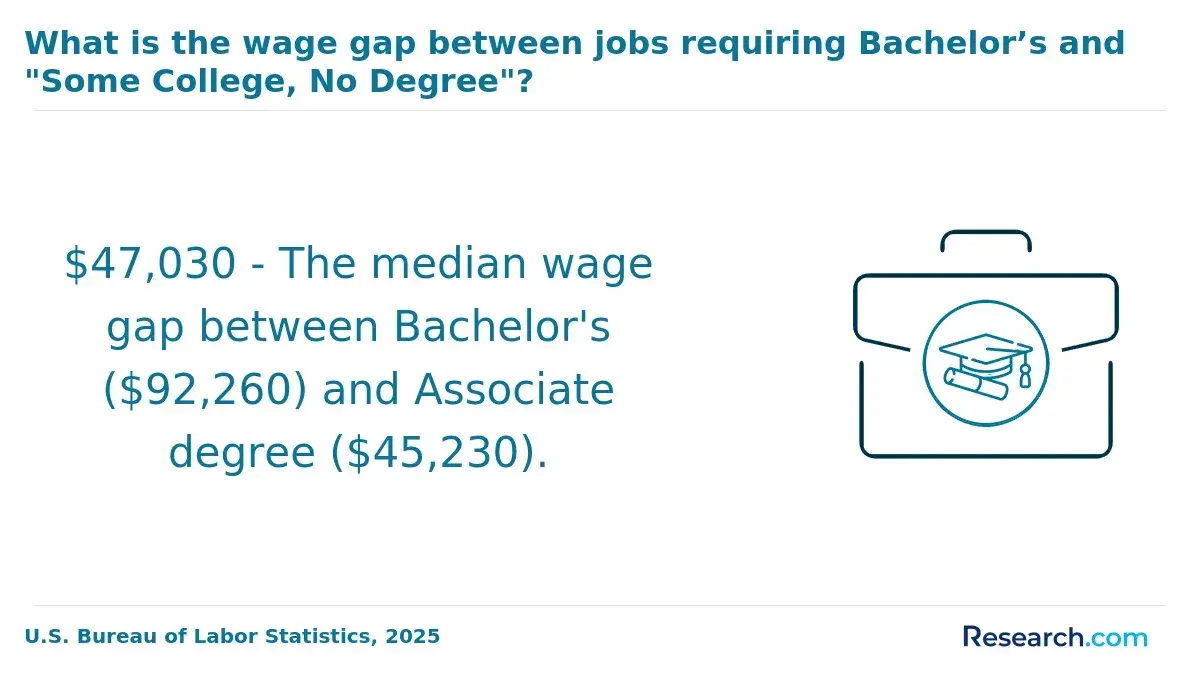
Graduates start with a median salary near $37,852, which remains relatively stable a decade post-graduation, reflecting limited acceleration in earnings common in this field after an initial period.
This program's ROI is nuanced by several factors: those able to secure scholarships or grants effectively reduce debt burdens, which improve long-term financial outcomes. Conversely, the field's salary plateau after early career years means that total lifetime earnings growth may lag behind more rapidly expanding industries, influencing affordability and debt repayment plans.
Employment typically aligns with renewable energy firms, environmental consultancies, or governmental sustainability roles, which often demand sector-specific expertise but may not offer top-tier compensation initially.
Students weighing the program should consider that the reported graduate debt median is $25,000, producing an earnings-to-debt ratio of about 1.51x. This ratio suggests graduates earn roughly one and a half times their debt annually, a borderline figure when compared to national averages for debt burden sustainability.
Therefore, this degree's value depends on early employment placement, disciplined debt management, and realistic salary growth expectations within the renewable energy management labor market landscape.
Is there a high student satisfaction for Unity Environmental University's online BS in Sustainable Business Management - Renewal Energy program?
Student satisfaction with Unity Environmental University's online BS in Sustainable Business Management - Renewable Energy program reflects a balance of practical benefits and inherent challenges that influence long-term engagement. Flexibility is a decisive factor for many students juggling work and personal commitments, as it allows sustained progress without sacrificing external responsibilities.
However, this flexibility often comes at the cost of less frequent direct faculty interaction, which can test students' self-discipline and motivation—qualities employers in sustainability fields increasingly expect.
The university's investment in student organizations and online mentoring provides vital support mechanisms for remote learners, fostering community connections and academic assistance that mitigate some challenges of online education. This structured social and academic framework contributes positively to student experience despite the moderate overall graduation rate that signals areas needing improvement.
The program's content aligns well with evolving sustainable business demands, enhancing its relevance even if the online format requires students to navigate periodic isolation and self-directed learning hurdles.
A graduate shared that while starting the program during a period of job uncertainty, the flexibility allowed balancing coursework with family needs without sacrificing academic rigor. They noted occasional frustration due to delayed faculty feedback but found peer-led study groups and mentoring invaluable.
Reflecting on the duration, they said, "It wasn't always easy to stay motivated when working remotely, but having a structured network and relevant coursework kept me invested. The program prepared me to enter the renewable energy field with practical knowledge, which made the effort worthwhile."
How does Unity Environmental University help online BS in Sustainable Business Management - Renewal Energy graduates secure employment?
Employers in renewable energy increasingly weigh a candidate's alma mater and practical industry connections when hiring, making institutional support a critical factor in post-graduation employment outcomes. Approximately 68% of hiring managers in this sector indicate that the reputation and networks offered by their educational institution influence their decisions.
For students enrolled in Unity Environmental University's online BS in Sustainable Business Management - Renewable Energy, these factors translate into measurable advantages. Data also shows mentorship programs enhance job placement success by about 15% compared to peers without such access.
Below are key mechanisms through which the university supports career placement efforts, providing practical benefits aligning with workforce demands.
- Virtual Career Fairs: The university organizes targeted online events connecting students directly with employers in sustainable sectors, enabling opportunities to engage with recruiters actively seeking candidates equipped with specialized renewable energy knowledge.
- Resume Workshops: Tailored sessions help students construct and refine applications that highlight industry-specific skills, improving the chances of passing through applicant tracking systems used by sustainability-driven organizations.
- Alumni Network: With more than 2,500 members worldwide, the active alumni body facilitates mentorship and informational interviews, offering students insights and internship possibilities often critical for early career entry in competitive green business roles.
Such targeted online employment support for Unity Environmental University sustainable business management graduates reflects a deliberate effort to bridge academic credentials with employer expectations, potentially smoothing transition challenges faced by new entrants in renewable energy fields. For those seeking comparable options, exploring the cheapest masters online can clarify alternative pathways beyond undergraduate degrees.
What are the career outcomes for recent graduates of Unity Environmental University's online BS in Sustainable Business Management - Renewal Energy?
Career outcomes are a critical factor for anyone weighing the value of Unity Environmental University's online BS in Sustainable Business Management - Renewable Energy program, especially since early roles often dictate an individual's pathway in the sustainability sector.
Graduates typically enter positions where they must balance advancing environmental goals with practical business strategy, a dynamic reflecting broader workforce demands in renewable energy fields. Understanding these roles helps reveal the tradeoffs between starting salaries and long-term professional growth potential within sustainable business management.
Here are some representative jobs recent graduates pursue:
- Renewable Energy Project Coordinator: This role involves overseeing renewable energy initiatives, coordinating between stakeholders, managing timelines, and ensuring project goals align with sustainability targets. Starting salaries can be modest but grow as experience and project scope increase.
- Sustainability Analyst: Graduates in this position analyze sustainability data to advise companies on reducing environmental impact, requiring skills in data interpretation and policy compliance. Initial earnings often reflect entry-level analyst roles in environmental consulting.
- Energy Efficiency Consultant: Professionals provide recommendations on energy use optimization across industries, combining technical knowledge with business insights. Compensation varies widely depending on client base and region but generally starts lower within entry-level positions.
- Environmental Compliance Specialist: This job focuses on ensuring companies meet environmental laws and regulations, a critical role that demands attention to detail and regulatory expertise. Pay can reflect the specialized knowledge but may begin at a modest level.
Salary data from related fields such as Natural Resources Management and Policy suggest average starting wages sometimes fall below broader business or engineering averages, reinforcing the program's positioning at the intersection of environmental stewardship and business management. Prospective students should consider how entry-level salary realities align with their financial needs while factoring in the potential for advancement through accumulating specialized experience.
For those looking at alternative programs or institutions, a comparison with other online colleges with free applications can be a useful step in assessing the best fit between cost, career outcomes, and long-term goals.
How do I know if Unity Environmental University's online BS in Sustainable Business Management - Renewal Energy program is the right fit for my goals?
Determining whether Unity Environmental University's online BS in Sustainable Business Management - Renewable Energy aligns with your career ambitions involves more than the appeal of the degree alone.
The program's worth hinges on how well it fits your specific academic and professional goals, especially given the evolving demands of sustainability-focused roles. For instance, if you aim to transition into renewable energy project management, the program's curriculum and practical exposure must directly equip you for that.
Several factors shape this alignment; consider these essential points before deciding.
- Curriculum Relevance: Review courses to ensure they offer practical knowledge and skills tailored to your intended job function within sustainability or renewable energy. Programs that lack specialized classes may require supplementary training to meet employer expectations.
- Program Flexibility: Since the program is online, assess whether its delivery format accommodates your learning preferences and schedule demands, especially if balancing work or family commitments. Interaction opportunities like group projects or live sessions can significantly impact the depth of learning.
- Industry Recognition: Understand how employers in the sustainability and renewable energy fields perceive degrees from Unity Environmental University. This perception influences your marketability and can affect job prospects and salary potential in a competitive labor market.
- Support Services Availability: Investigate the access to career counseling, internships, or alumni networks that assist in professional development and job placement, all critical for converting education into tangible employment outcomes.
- Cost Versus Outcome: Weigh tuition and related expenses against expected salary gains and job stability. Prospective students should compare this investment against alternatives, such as shorter credentials like 6 month certificate programs, which might yield quicker entry or advancement in certain sustainability roles.
Evaluating the program with these criteria ensures alignment with your unique path and mitigates the risk of misaligned expectations in a field where practical applicability drives value.
What Graduates Say About Unity Environmental University's Online BS in Sustainable Business Management - Renewal Energy Program
- Jackson: "Studying the BS in Sustainable Business Management - Renewal Energy program at Unity Environmental University was a rigorous experience that gave me a solid foundation in both business and technical aspects. What really helped was the flexibility to balance remote learning with internships, which employers really value here. Though I found that many companies weigh practical project experience and certifications more heavily than just having the degree, completing this program definitely opened doors to entry-level positions and remote consulting gigs I wouldn't have accessed otherwise."
- Cesar: "From a career standpoint, Unity Environmental University's BS in Sustainable Business Management - Renewal Energy program was instrumental in helping me pivot from traditional energy roles into renewable sectors. The coursework was challenging and taught me how to develop strategic sustainability plans, but I quickly realized salary caps exist unless you pursue additional licensure or specialized certifications. In my job search, having a portfolio of applied projects and real-world internship experiences proved more effective than degrees alone when competing for higher-level positions."
- Andre: "My experience at Unity Environmental University was a mix of theory and practical scenarios, giving me a realistic view of the sustainable business landscape. The BS in Sustainable Business Management - Renewal Energy program helped me get into a firm that values green business models, but advancement often depends on networking and on-the-job rather than just academic credentials. I appreciate how this degree allowed me to enter the workforce faster, especially with opportunities for remote work, even if some career paths require further certifications for leadership roles."
Other Things You Should Know About Degrees
The program is designed for flexibility, allowing working professionals to complete coursework online. Students can expect a manageable workload with asynchronous courses that can fit varying schedules, although time management skills are essential to balance professional and academic responsibilities effectively.
While the program includes case studies and project-based assignments, opportunities for direct, hands-on renewable energy experience are limited due to its fully online format. Prospective students need to consider whether they can supplement their learning with local internships or practical work outside the curriculum, as employers in this field often value real-world application alongside academic credentials. If gaining immediate field experience through the program itself is a priority, candidates might need to look elsewhere or plan for additional external engagements.
Employers increasingly recognize interdisciplinary sustainability degrees, but the BS in Sustainable Business Management - Renewal Energy from Unity Environmental University is less established than degrees from long-standing research universities. Graduates may need to proactively demonstrate how their coursework matches employer needs, especially in competitive markets. Networking and leveraging any career support offered by the university can improve prospects, but students should weigh whether this specific credential aligns with their targeted employers' preferences or if an accredited, research-intensive program might carry more weight.
This program offers a strategic foundation but is not explicitly tailored for fast-track career acceleration compared to more technical or specialized master's degrees. Students seeking quick advancement into senior roles might find the pace and breadth of the undergraduate coursework limiting and should consider supplementing with certifications or graduate studies. Nonetheless, for those entering the field or pivoting careers with an emphasis on sustainable business practices, it provides a solid starting point-so prioritization depends heavily on current career stage and long-term objectives.
References
- Sustainable Business Management https://unity.edu/distance-education/degrees/sustainable-business-management/
- Special Executive Programme In Renewable Energy And Sustainability Management | Metropolitan School of Business & Management UK https://msbm.org.uk/banska-bystrica/programme/special-executive-programme-in-renewable-energy-and-sustainability-management
- Unity Environmental University Reviews https://www.onlineu.com/online-reviews/unity-college