2027 Accredited Online Reading & Literacy Degree Programs With No GRE or GMAT Requirements

Co-Founder and Chief Data Scientist
Choosing an online reading and literacy degree is no longer just about convenience; it is about preparing for urgent classroom needs without unnecessary admissions barriers. The 2024 NAEP Reading results showed that 40% of fourth graders performed below NAEP Basic in reading, reinforcing demand for educators trained in literacy intervention.
This guide is for teachers, career changers, and graduate applicants comparing accredited online programs that do not require the GRE or GMAT. You will learn how to evaluate admissions, cost, accreditation, licensure fit, and career value before applying.
Key Things You Should Know
- Most online reading and literacy degree programs that waive testing are graduate education programs, and the GMAT is rarely relevant because it is designed for business school admissions rather than teacher preparation.
- No-GRE does not mean low-standard: schools often weigh GPA, teaching credentials, essays, recommendations, and classroom experience more heavily when test scores are absent.
- Cost still matters: NCES data published in 2024 reported average graduate tuition and required fees of $12,596 at public institutions and $29,931 at private nonprofit institutions for 2022-23, before books, technology fees, and living costs.
Which Accredited Online Reading & Literacy Degree Programs Do Not Require the GRE or GMAT?
Accredited online reading and literacy programs without GRE or GMAT requirements are most often Master of Education, Master of Science in Education, Master of Arts in Teaching, or specialist-level programs focused on reading instruction, literacy assessment, intervention, dyslexia support, curriculum, and literacy leadership. Some programs also prepare licensed teachers for reading specialist, literacy coach, or endorsement pathways, but state rules vary.
The table below shows examples of accredited U.S. online reading and literacy programs where standardized test scores are commonly not required or are not listed as a standard admissions requirement. Because admissions policies can change by term, use this as a starting point and verify the current catalog before applying.
| Institution | Online reading or literacy degree focus | GRE or GMAT status to verify | Accreditation context | Best fit |
| American College of Education | M.Ed. in Literacy | No GRE or GMAT is typically required for admission | Institutionally accredited; education accreditation and state authorization should be checked by state | Working educators seeking a flexible literacy-focused graduate degree |
| Arkansas State University | MSE in Reading | GRE is commonly not required for eligible applicants | Institutionally accredited; educator-preparation approvals vary by program and state | Licensed teachers seeking reading specialist preparation |
| University of West Florida | M.Ed. in Reading Education | GRE is commonly not required for many education graduate applicants | Institutionally accredited; state reading endorsement alignment should be confirmed | Teachers seeking structured reading education coursework |
| Eastern Washington University | M.Ed. with literacy or reading-related options | GRE is often not part of standard online education admissions | Institutionally accredited; verify endorsement and licensure details | Educators who want an online education degree with literacy emphasis |
| Emporia State University | Reading specialist or curriculum and instruction literacy pathway | GRE may be waived or not required depending on program route | Institutionally accredited; teacher licensure rules are state-specific | Teachers comparing affordability and public-university options |
| University of Texas at Arlington | Literacy studies or curriculum-focused graduate education options | GRE is commonly not required for many education programs, but applicants should verify by program | Institutionally accredited; state educator-preparation rules should be checked | Texas and out-of-state educators seeking online public-university study |
A practical distinction matters: test-free means the program does not use GRE or GMAT scores at all, while test-optional means scores are not required but may be submitted. If your GPA is strong and your teaching experience is relevant, applying without scores often makes sense. If your undergraduate record is uneven and you have a high GRE score already, a test-optional program may let you strengthen the academic side of your application.
Why Have Accredited Online Reading & Literacy Degree Programs Eliminated GRE and GMAT Requirements?
Reading and literacy programs have moved away from standardized test requirements because the GRE and GMAT often add time and cost without directly measuring the skills most relevant to literacy instruction. Programs generally care more about whether applicants can analyze student reading data, understand evidence-based instruction, write clearly, complete graduate coursework, and apply learning in schools or community literacy settings.
The trend also reflects broader changes in graduate education. Many universities have redesigned admissions around a more holistic review, especially for working professionals who have already demonstrated classroom performance. The GRE General Test fee in the U.S. is $220, so removing the requirement can reduce application costs before the student even pays transcript, application, or enrollment fees.
There is also a subject-fit issue. The GMAT is built for graduate management education, so it is usually irrelevant to literacy, curriculum, special education, and teacher leadership programs. When a reading and literacy program says "no GRE or GMAT," it usually means the school is signaling that business-school-style testing is not part of its admissions model.
Another factor is access. Many applicants for literacy graduate degrees are full-time teachers, paraprofessionals, reading interventionists, or parents returning to school. Eliminating a test requirement can make the application process more realistic for adults who cannot spend months preparing for an exam while working in schools.
What Admissions Criteria Matter Most Without GRE or GMAT Scores?
When GRE or GMAT scores are removed, the rest of the application matters more, not less. Admissions committees often look for evidence that you can succeed in graduate-level education coursework and apply literacy research responsibly in real learning environments.
Most applicants should expect schools to review several core materials together rather than relying on one metric. These criteria help programs judge readiness, professional fit, and alignment with licensure or endorsement outcomes.
- Undergraduate GPA: Many programs set a minimum GPA, often with conditional admission options for applicants below the preferred threshold.
- Teaching license or classroom experience: Reading specialist and endorsement-focused programs may require a current teaching credential, while broader literacy programs may accept non-licensed applicants.
- Personal statement: A strong essay should explain your literacy goals, the learners you want to serve, and why online graduate study fits your situation.
- Recommendations: Supervisors, principals, literacy coaches, or faculty members can speak to your readiness better than generic references.
- Résumé or professional history: Experience with tutoring, intervention groups, English learners, special education, curriculum, or assessment can strengthen your file.
- Prerequisite coursework: Some programs expect prior education coursework, child development, language acquisition, or teaching foundations.
Applicants interested in language development, communication disorders, or literacy-related intervention may also compare reading programs with online SLP master's programs, especially if they are deciding between classroom literacy support and clinical communication-focused practice.
If test scores are optional, submit them only when they add new strength to your file. For example, scores may help if your GPA is older, lower, or from a different academic field. If your scores are average and the rest of your application is strong, leaving them out is often reasonable.
Are No-GRE or No-GMAT Online Reading & Literacy Degree Programs Easier to Get Into?
No-GRE and no-GMAT programs are not automatically easier to enter. They are usually easier to apply to because they remove a testing step, but admissions standards can still be selective. A reputable program may deny applicants who lack the required license, GPA, prerequisite background, writing ability, or professional fit.
The key difference is where the evaluation happens. In a test-required program, the GRE can serve as one screening tool. In a no-test program, admissions staff may spend more attention on transcripts, essays, recommendations, and teaching history. That can help experienced educators, but it can also expose weak applications that are vague or poorly documented.
The comparison below shows how admissions pathways differ and when each option may make sense.
| Admissions model | How it works | Best for | Potential drawback |
| Test-required | GRE or another exam is mandatory before review | Applicants with strong standardized test performance | More time, cost, and preparation before applying |
| Test-optional | Applicants may submit scores but do not have to | Applicants who want flexibility or have useful scores already | Unclear whether scores help unless the school explains its review process |
| Test-waiver | Scores are required only for some applicants, often based on GPA or experience | Applicants with strong academic or professional records | Waiver rules can be narrow or require extra documentation |
| Test-free | Scores are not used in the admissions process | Working educators with strong non-test evidence | Greater weight falls on writing, GPA, recommendations, and experience |
For many applicants, the best strategy is to treat no-GRE admission as a chance to build a stronger professional application, not as a shortcut. A focused statement of purpose, detailed résumé, and relevant recommendation letters can make a bigger difference than a rushed test score.
Does Skipping the GRE or GMAT Affect Academic Quality or Accreditation?
Skipping the GRE or GMAT does not determine academic quality, and it does not determine accreditation. Accreditation evaluates the institution or program against educational standards, while admissions testing is simply one policy choice. A no-GRE program can be rigorous, accredited, and professionally useful if it has strong faculty, coherent curriculum, student support, and transparent outcomes.
For reading and literacy degrees, the most important accreditation question is whether the school is institutionally accredited by an accreditor recognized by the U.S. Department of Education or the Council for Higher Education Accreditation.
For educator-preparation programs, also check whether the program aligns with state licensure, endorsement, or reading specialist requirements. Some education programs may hold specialized accreditation or state approval, but the exact importance depends on your career goal.
Before enrolling, verify quality through multiple signals. This short checklist can help separate legitimate online graduate programs from programs that are merely convenient.
- Confirm institutional accreditation on the school's official accreditation page and through recognized accreditation databases.
- Ask whether the program leads to a reading endorsement, reading specialist license, or only a non-licensure graduate degree.
- Review required field experiences, practicum expectations, or school-based assignments if you need licensure credit.
- Check whether online students receive advising, library access, writing support, technology help, and career services.
- Request current tuition, fee, and completion-time estimates in writing before committing.
The absence of a standardized test should never be your main quality filter. A better question is whether the program's curriculum, accreditation, clinical expectations, and state authorization match the job you want after graduation.
Readers at the earliest stage of higher education planning may encounter resources on Barbados Community College or associate-level options, but reading specialist and literacy leadership roles typically require at least a bachelor's degree and often a graduate credential.
Which Students Benefit Most From Online Reading & Literacy Degree Programs Without GRE or GMAT Requirements?
No-GRE online reading and literacy programs are especially helpful for applicants whose professional experience is more relevant than standardized testing. They can also reduce friction for working adults who need a practical path into graduate study while continuing to teach or support learners.
These programs tend to fit several types of students particularly well. The common thread is that each applicant can show readiness through experience, goals, and academic preparation rather than a test score.
- Licensed teachers seeking advancement: Teachers who want to become reading specialists, literacy coaches, intervention coordinators, or curriculum leaders may benefit from programs that value classroom experience.
- Educators in high-need reading environments: Applicants working with struggling readers, English learners, or students with dyslexia-related needs can connect their daily practice to graduate literacy coursework.
- Adult learners returning to school: Applicants who have been out of college for several years may prefer programs that assess recent professional growth instead of test-taking speed.
- Applicants with strong writing and recommendations: A clear statement of purpose and detailed supervisor letters can show readiness in ways a GRE score may not.
- Career changers with education-adjacent experience: Tutors, paraprofessionals, library staff, nonprofit literacy workers, and family support professionals may find broader literacy programs more accessible than licensure-only routes.
Students who are still exploring helping professions may also compare literacy degrees with a human services degree online, since both pathways can involve working with families, schools, and community-based support systems.
However, a no-GRE literacy degree may not be the right fit for everyone. If your goal is initial teacher licensure, a master's in reading may not replace a state-approved teacher preparation program. If you want clinical diagnosis of speech-language disorders, reading education is not the same as speech-language pathology. If you want school administration, an educational leadership degree may align better with principal or district-level roles.
How Do Tuition and Financial Aid Compare for No-GRE Online Reading & Literacy Degree Programs?
No-GRE programs are not automatically cheaper than test-required programs. The immediate savings usually come from avoiding exam fees, prep materials, and retake costs. The larger financial decision is total program cost: tuition per credit, number of credits, mandatory fees, books, technology charges, travel for any campus or practicum requirement, and time away from paid work.
Federal student loan costs also matter. For graduate students, the 2024-25 federal Direct Unsubsidized Loan interest rate was 8.08%, which means borrowing more than necessary can substantially increase repayment costs over time. Applicants should compare net price and employer support before assuming that a faster admissions process is the best financial choice.
The table below summarizes major cost factors that can differ across accredited online reading and literacy programs. It is useful because the lowest per-credit tuition is not always the lowest total cost.
| Cost factor | Why it matters | What to ask the school |
| Tuition per credit | Programs with similar names may require different credit totals | What is the total tuition for the full degree at my residency status? |
| Mandatory fees | Online, technology, graduation, and course fees can raise the real price | Are fees included in the published tuition estimate? |
| Transfer or prior graduate credit | Accepted credits can reduce both cost and completion time | How many credits can transfer, and from what type of institution? |
| Licensure or endorsement costs | Some pathways require exams, applications, or background checks | What additional state fees should I expect after graduation? |
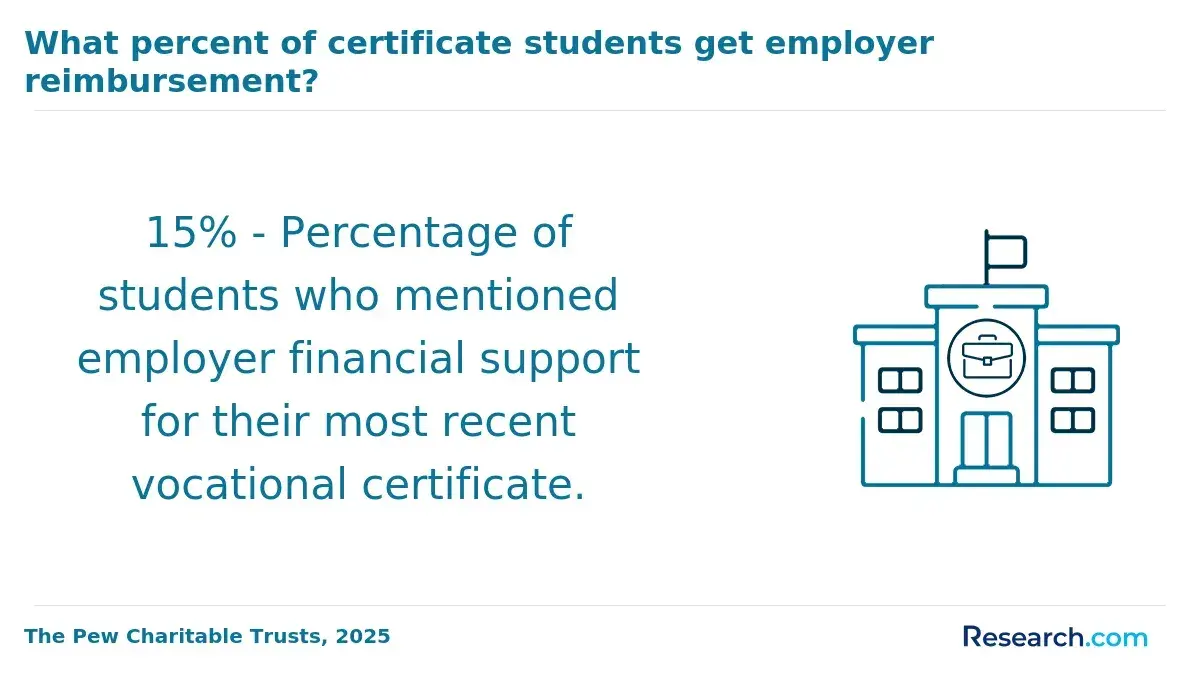
| Employer tuition assistance | School districts sometimes reimburse graduate coursework tied to teaching roles | Can the program provide documentation for district reimbursement? |
| Financial aid eligibility | Degree programs usually qualify more easily than stand-alone non-degree certificates | Is this specific program eligible for federal financial aid? |
Cost-conscious students should compare graduate tuition the same way they would compare affordable online colleges: by total price, accreditation, completion time, support services, and whether the credential fits the intended career outcome.
To make a realistic budget, request a full cost sheet from each school and calculate the amount you would need to borrow after grants, scholarships, district reimbursement, and out-of-pocket payments. If two programs have similar academic quality, the one that reduces debt while meeting state requirements may offer better long-term value.
What Career Outcomes Can Graduates Expect From No-GRE Online Reading & Literacy Degree Programs?
Employers generally care more about the degree, license alignment, experience, and demonstrated literacy expertise than whether the applicant submitted GRE or GMAT scores. The test policy is usually invisible on a transcript. What matters is whether the graduate can support reading development, interpret assessments, design interventions, coach teachers, and communicate with families and school teams.
Common career paths vary by state rules and prior credentials. A licensed teacher may use the degree for reading specialist, literacy coach, interventionist, curriculum coordinator, or teacher leader roles. A non-licensed graduate may use literacy expertise in tutoring organizations, education nonprofits, publishing, instructional design, adult education, or community literacy work, though school-based specialist roles may still require teacher certification.
The BLS May 2024 wage data reported a median annual wage of $74,720 for instructional coordinators. This does not represent every literacy graduate, but it provides a useful benchmark for curriculum and instructional leadership roles that may value advanced literacy training.
Graduate outcomes are strongest when the program matches the role. For example, a teacher seeking a reading specialist endorsement should prioritize state-approved pathways.
A teacher who wants district curriculum work should look for coursework in assessment, coaching, data use, and curriculum design. Someone comparing broader leadership and management routes may find it useful to contrast education degrees with options such as an online MBA under 30k, especially if the goal is operations or administration outside K-12 instruction.
Important skills developed in strong reading and literacy programs often include diagnostic reading assessment, phonological and phonemic awareness instruction, phonics, fluency, vocabulary, comprehension, writing instruction, language development, culturally responsive literacy practices, data-driven intervention planning, and coaching. These skills are increasingly important as schools respond to reading achievement gaps and state-level emphasis on evidence-based reading instruction.
What Common Application Mistakes Reduce Admission Chances to No-GRE Online Reading & Literacy Degree Programs?
Applicants sometimes underestimate no-GRE programs because the application looks simpler. In reality, removing the test can make every other component more important. Small mistakes can weaken an otherwise qualified application.
The following mistakes are common among applicants to online reading and literacy programs. Avoiding them can improve both admission chances and program fit.
- Choosing a program only because it has no GRE: Admissions convenience does not guarantee licensure alignment, affordability, or strong student support.
- Ignoring state requirements: Reading specialist, literacy endorsement, and teacher certification rules vary widely, so verify requirements with your state education agency or district.
- Submitting a generic personal statement: A strong essay should connect your experience with specific literacy goals, not simply say you enjoy teaching.
- Using weak recommendation letters: Choose recommenders who can describe your instructional skills, professionalism, and readiness for graduate work.
- Failing to explain a low GPA: If your academic record has gaps, use the application to show growth, recent coursework, or relevant professional success.
- Overlooking fieldwork requirements: Some online programs still require school-based assignments, practicum hours, or access to student data.
- Assuming test-optional means test-blind: If a program accepts optional scores, ask whether strong scores can help with admission or scholarships.
- Not checking total cost: A program with easy admission can still be a poor fit if tuition and fees create unnecessary debt.
A stronger approach is to build a short application plan before applying. Confirm eligibility, request unofficial transcript reviews when available, ask about licensure outcomes, tailor your statement, and give recommenders enough time to write detailed letters. This preparation often matters more than trying to compensate with a last-minute standardized test.
How Should Students Compare Accredited Online Reading & Literacy Degree Programs Without GRE or GMAT Requirements?
The best no-GRE online reading and literacy program is not necessarily the fastest or the least expensive. It is the program that matches your current credentials, state requirements, budget, schedule, and career goal. Start by defining the outcome you want, then compare programs against that outcome.
Use the following step-by-step process to compare programs before applying. It turns a broad search into a practical decision you can defend financially and professionally.
- Identify your goal first: reading specialist endorsement, literacy coach role, classroom advancement, curriculum work, doctoral preparation, or non-licensure literacy expertise.
- Check whether you need a current teaching license before admission or before completing the program.
- Verify institutional accreditation and, when relevant, state educator-preparation approval.
- Compare total cost, not just per-credit tuition, including fees, books, practicum costs, and possible licensure exams.
- Review curriculum for evidence-based reading instruction, assessment, intervention, language development, and literacy leadership.
- Ask whether online courses are asynchronous, synchronous, accelerated, or cohort-based so you know how the schedule fits your work life.
- Confirm fieldwork expectations, especially if you do not currently work in a school setting.
- Ask how many transfer credits are accepted and whether prior graduate coursework can shorten completion time.
- Compare support services, including advising, writing help, library access, faculty availability, and career guidance.
- Request recent information on completion time, licensure exam support, and graduate employment pathways if the school tracks them.
Students comparing multiple online pathways should use the same discipline they would use for other career-focused degrees. For example, applicants researching master's programs often compare accreditation, clinical requirements, state eligibility, and total cost; reading and literacy applicants should be just as careful about licensure alignment and field experience.
If a school cannot clearly explain whether the program leads to the credential you need, treat that as a red flag. A no-GRE policy is helpful only when the degree itself is credible, affordable, and aligned with your intended career outcome.
Other Things You Should Know About Reading & Literacy
Many online master's programs take about one to two years, depending on credit load, transfer credits, cohort structure, and whether the student studies part time while teaching.
Coursework is often fully online, but some programs require school-based assignments, tutoring hours, practicum experiences, or access to student assessment data. Always confirm fieldwork expectations before enrolling.
No. A reading endorsement is a state-recognized credential added to a teaching license, while a master's degree is an academic credential. Some programs include endorsement preparation, but not all do.
Usually not in the same way initial teacher licensure programs do. However, endorsement or specialist pathways may require supervised field experiences, practicum projects, or documented work with readers.
References
- Reading Specialist https://www.regis.edu/academics/majors-and-programs/graduate/education-reading-med
- Reading & Literacy Instruction (MSEd or EdS) Master's Degree Online https://www.baypath.edu/academics/graduate-programs/reading-literacy-instruction-msed-eds/
- How to Become a Reading Specialist - Graduate Programs for Educators https://www.graduateprogram.org/blog/how-to-become-a-reading-specialist/
- MBA Programs Offering GMAT/GRE Test Waivers https://www.mbamission.com/blog/mba-programs-offering-gmat-gre-test-waivers/
- Exploring No-GMAT Online MBA Programs https://www.aiuniv.edu/degrees/business/articles/exploring-no-gmat-online-mba-degree-programs
- 2025's Best Online Master’s Programs: No GRE Required https://www.onlinemastersdegrees.org/best-programs/no-gre/
- Online Master’s Programs No GMAT Required (GMAT Waivers) https://www.onlineeducation.com/faqs/online-masters-degrees-no-gmat-required