2027 Gender & Sexuality Studies Affordability by State: Where Students Pay the Most and Least

Co-Founder and Chief Data Scientist
Choosing between a public university in-state with a $10,000 annual tuition and an out-of-state private college charging upwards of $40,000 can define a Gender & Sexuality Studies student's financial future. Even when advertised tuition appears affordable, living costs in high-demand urban areas can double overall expense. Recent 2024 data shows that state-level subsidies and policies cause average tuition disparities exceeding 150% for comparable programs, disproportionately affecting out-of-state and lower-income learners.
This inflation in cost undermines enrollment equity and can pressure students toward larger loans or delayed degree completion. This article explores where gender & sexuality studies programs rank in affordability by state, helping students pinpoint the most financially viable options nationwide.
Key Things to Know About Gender & Sexuality Studies Affordability by State
- States with lower tuition often have higher living costs, complicating affordability; this tradeoff requires students to assess whether reduced tuition offsets expenses like housing, food, and transportation in evaluating true program cost.
- Employer demand for graduates with gender & sexuality studies degrees varies regionally, so choosing affordable out-of-state programs may necessitate later relocation or networking in different labor markets, impacting career trajectory and job access.
- Recent 2024 data show increasing reliance on scholarships over state funding, meaning timing of enrollment and availability of targeted financial aid significantly influence net costs, affecting when and where budget-conscious students can best afford these degrees.
- Key Things to Know About Gender & Sexuality Studies Affordability by State Key Things to Know About Gender & Sexuality Studies Affordability by State
- Which States Have the Most Affordable Gender & Sexuality Studies Degree Programs? Most Affordable State Programs
- Which States Have the Highest Gender & Sexuality Studies Degree Costs? Highest State Tuition Costs
- How Much Does a Gender & Sexuality Studies Degree Cost by State? Degree Costs by State
- Why Does Gender & Sexuality Studies Affordability Vary So Much Between States? State Affordability Variations
- How Do In-State and Out-of-State Tuition Rates Affect Gender & Sexuality Studies Affordability? In-State vs. Out-of-State Rates
- How Does the Cost of Living Impact Overall Gender & Sexuality Studies Affordability by State? Living Costs and Affordability
- Which States Offer the Best Value for a Gender & Sexuality Studies Degree? Best Value State Degrees
- What Financial Aid and Scholarship Opportunities Can Reduce Gender & Sexuality Studies Costs? What Financial Aid and Scholarship Opportunities Can Reduce Gender & Sexuality Studies Costs?
- Are Online Gender & Sexuality Studies Degree Programs More Affordable Than On-Campus Options? Are Online Gender & Sexuality Studies Degree Programs More Affordable Than On-Campus Options?
- Is a Gender & Sexuality Studies Degree Worth the Cost Based on Career Outcomes and ROI? Degree ROI and Outcomes
Which States Have the Most Affordable Gender & Sexuality Studies Degree Programs?
States that consistently offer more affordable gender & sexuality studies degree programs tend to balance lower tuition rates with strategic public funding and residency policies that favor in-state students. This dynamic means that a student relocating to such a state might save thousands of dollars annually compared to paying out-of-state tuition elsewhere, a critical factor for budget-conscious learners who must weigh the cost of education against potential debt. For example, Wyoming's public universities maintain tuition well below the national average due to strong state subsidies, but students must also consider regional cost-of-living differences and whether their long-term plans align with remaining in or near that state to maximize affordability benefits. The interplay between institutional pricing and residency rules often drives enrollment decisions, meaning a program's sticker price alone rarely tells the full story of a degree's economic feasibility.
Affordability also varies based on how states structure financial aid and related supports, which crucially impacts students from underserved backgrounds pursuing gender & sexuality studies fields. States such as New Mexico offer significant grants reducing net costs for eligible students by up to 30%, enhancing accessibility beyond mere tuition figures. Additionally, lower local expenses for housing and transportation, as seen in South Dakota, further decrease overall educational investment, making these areas attractive despite fewer metropolitan-level opportunities. For those balancing work and study, the availability of expanded online programs can help lower ancillary costs by eliminating relocation and commuting, an important consideration given the growing interest in flexible options like an online PhD in relevant disciplines.
Which States Have the Highest Gender & Sexuality Studies Degree Costs?
States with the highest gender & sexuality studies degree costs often reflect more than tuition price tags; they embody complex interactions between local living expenses, state funding policies, and institutional makeup. For example, the elevated costs seen in places like Massachusetts and New York stem from substantial non-tuition expenses driven by expensive urban housing and transportation, combined with relatively modest public subsidies that shift greater financial burdens onto students. Additionally, these states frequently have a higher proportion of private universities or out-of-state enrollment, which typically results in steeper sticker prices and fewer accessible scholarships. Prospective students must weigh these factors alongside the practical implications of residency rules, where non-resident fees can dramatically increase costs, thereby affecting decisions about whether to relocate, attend remotely, or pursue programs in more affordable states.
Employers hiring graduates with gender & sexuality studies backgrounds generally focus on core competencies rather than the prestige of a high-cost program; thus, the return on investment in states with steep overall expenses hinges on effective financial planning and post-degree outcomes rather than name recognition. The National Center for Education Statistics 2024 data underscores that average in-state tuition plus fees at public four-year institutions in these high-cost states often exceed $12,000 annually, with total attendance costs regularly surpassing $30,000. For budget-sensitive learners, this highlights significant trade-offs-higher expenses may limit access or increase debt without necessarily improving employment prospects, prompting some students to prioritize affordability and financial aid options over geographic prestige or campus experience.
One recent gender & sexuality studies student grappled with these challenges while comparing tuition costs between their home state and a well-regarded program several states away. Initially attracted to the latter's academic reputation, they hesitated due to the hefty out-of-state tuition and anticipated living costs. After exploring online alternatives and in-state grants, they chose a local university where the total price was markedly lower. Although unsure if the reduced expense might affect long-term networking opportunities, the student felt cautiously confident that minimizing debt aligned better with practical goals, illustrating the kind of nuanced financial decisions faced by learners navigating the uneven landscape of program affordability.
How Much Does a Gender & Sexuality Studies Degree Cost by State?
Tuition disparities for gender & Sexuality Studies degrees highlight important strategic considerations, particularly when comparing in-state versus out-of-state enrollment. For instance, a student in Texas might face an $11,500 annual in-state tuition but could see that cost more than double when classified as out-of-state, increasing financial strain significantly. Such gaps underscore how residency status and public university funding policies directly influence degree affordability, shaping whether students can realistically access programs without accruing unsustainable debt or relocating.
Beyond tuition, geographic cost-of-living differences markedly affect total expenses, with states like California and New York imposing higher housing and daily costs that compound financial planning challenges. Private institutions generally set a steeper sticker price-often over $40,000 per year-but may offer financial aid packages that partially mitigate these costs, though access to aid varies widely and depends on state and institutional priorities. The availability of state-sponsored scholarships or grants targeting underrepresented groups further shifts net costs, making some states more viable for students balancing limited resources with educational ambitions.
Choosing where to pursue a gender & Sexuality Studies degree thus requires weighing not only sticker prices but also broader economic and policy contexts. According to 2024 data from the National Center for Education Statistics, the average in-state total cost at public four-year colleges ranges roughly between $18,000 and $35,000 annually, reflecting these complex dynamics. These variations compel prospective students to consider residency qualifications, online program alternatives, and long-term debt implications to align educational pathways with both career goals and financial realities in a fluctuating higher education landscape.
Why Does Gender & Sexuality Studies Affordability Vary So Much Between States?
State funding disparities fundamentally shape the regional differences in gender & sexuality studies tuition costs, as institutions in states with higher public appropriations can offer significantly lower in-state tuition rates. For instance, a student in a Midwestern state with robust university subsidies may pay substantially less than a peer on the West Coast, where reduced state support shifts more operational expenses onto tuition. These funding decisions not only impact sticker prices but also influence institutional capacity to maintain specialized faculty and program quality, affecting access and educational depth. According to 2024 NCES data, states prioritizing higher education funding show a clear trend of more affordable tuition for resident students pursuing gender & sexuality studies programs.
Beyond direct tuition, local economic factors like cost-of-living substantially affect the overall affordability equation, often tilting student decisions toward regions with lower housing and daily expenses. States with high living costs drive total educational expenses upward, sometimes making online or out-of-state options financially preferable. Enrollment patterns also feed into pricing: states where demand for gender & sexuality studies is increasing may see tuition inflation to support program expansion. These multifaceted dynamics force students to weigh residency-based tuition policies, financial aid availability, and logistical considerations when planning degree pathways. Budget-conscious learners often find comparing regional factors alongside program quality critical, occasionally leveraging choices like online study or transfers to manage costs and maximize long-term career relevance, particularly when seeking specialized academic training beyond what cheap online accounting degree pathways offer.
How Do In-State and Out-of-State Tuition Rates Affect Gender & Sexuality Studies Affordability?
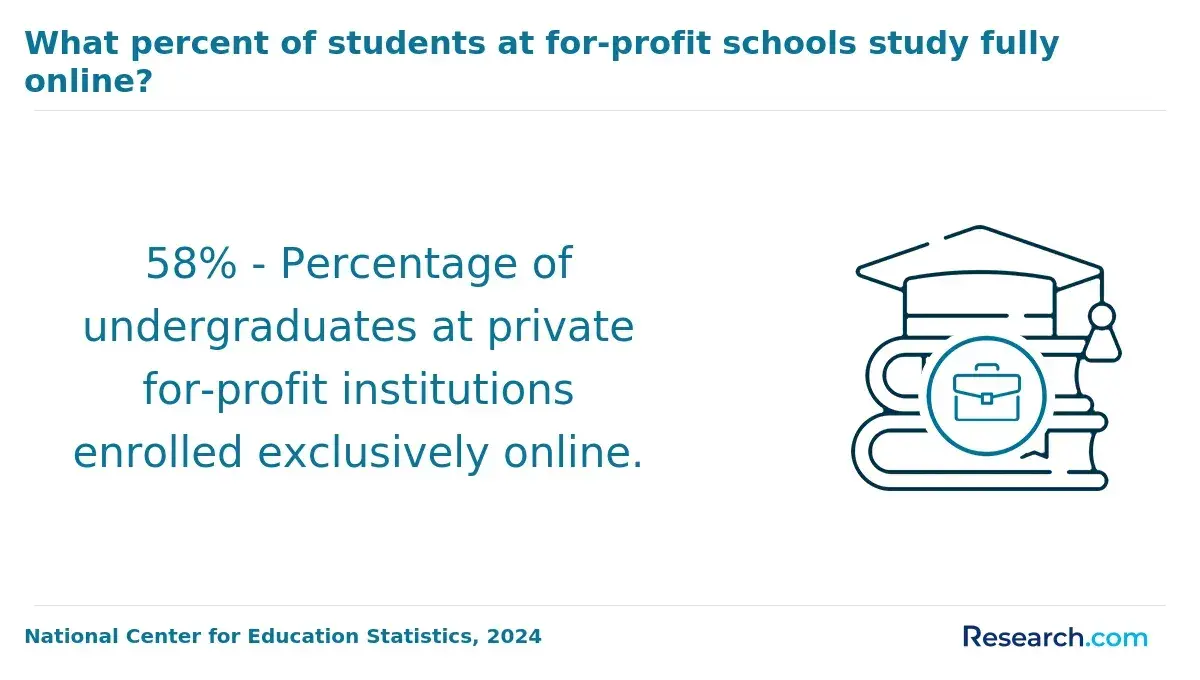
Residency status substantially shapes the financial calculus for students pursuing gender & sexuality studies, often dictating whether a degree is realistically attainable within a given budget. Public four-year colleges average about $11,500 annually for in-state tuition but can charge more than double that for out-of-state enrollees, according to 2024 data from the National Center for Education Statistics. This disparity compels students weighing cross-state attendance to factor in not only direct tuition costs but also the potential loss of state-specific financial aid and the logistical complexity of establishing residency for in-state rates. While some regional agreements offer reduced tuition for students in neighboring states or specific academic markets, these are limited and not universally available, making program access uneven across geographies. Online programs present a more consistent cost structure but may differ in perceived value or access to campus-based resources and networking opportunities important for career development.
Private institutions often sidestep residency-based pricing, setting uniform tuition that can compress cost differences but at generally higher price points, diminishing one common economic advantage for local students. Consequently, students and families must carefully evaluate long-term cost implications including housing, fees, and financial aid restrictions often tethered to residency. For many, this means balancing the narrower program availability in in-state schools against the premium paid for out-of-state enrollments or seeking online alternatives with flat tuition. The cumulative effect of these factors can influence not only immediate affordability but also a student's choice of institution and state, with ripple effects on professional networking and geographic mobility post-graduation.
One student relocating across state lines recounted hesitating to commit to an out-of-state public university despite strong academic offerings in gender & sexuality studies. Initially unaware that their tuition would nearly triple compared to their home state, they grappled with weighing this cost against the program's unique specialization and internship opportunities unavailable locally. The financial strain of the higher tuition, combined with limited eligibility for in-state grants or scholarships, caused significant stress and last-minute reconsideration. Ultimately, this student adjusted plans to pursue an online degree with uniform tuition rates, reflecting a pragmatic compromise driven by residency-based cost realities rather than educational preference alone.
How Does the Cost of Living Impact Overall Gender & Sexuality Studies Affordability by State?
Variations in housing, transportation, food, and healthcare costs significantly shape the economic reality of earning a gender & sexuality studies degree across states, beyond just tuition fees. For instance, students in California or New York face monthly housing expenses often two to three times higher than peers in states like Mississippi or Arkansas, forcing difficult tradeoffs around living near campus, commuting, or opting for remote learning. These differences directly impact budgeting strategies, financial aid requirements, and the cumulative debt load students might incur, as well as influence decisions on whether to enroll full-time or part-time based on living cost constraints.
Considering regional living expenses and gender & sexuality studies tuition costs reveals how transportation options and healthcare premiums further complicate affordability. In areas lacking robust public transit, owning and maintaining a vehicle can add substantial recurring costs, while coastal and northeastern states typically impose higher grocery and insurance prices, increasing overall financial strain. Recognizing these disparities is critical for students aiming to balance educational goals with practical financial planning, potentially prompting them to explore options like commuter arrangements or online alternatives where feasible.
Budget-conscious students comparing programs can better navigate their options by factoring in cost-of-living effects on gender & sexuality studies affordability by state and by leveraging resources such as cheap project management degree online programs as models for managing expenses while maintaining progress. Such informed choices help align academic pursuits with career prospects and personal circumstances, reducing the risk of financial overextension during their degree journey.
Which States Offer the Best Value for a Gender & Sexuality Studies Degree?
Evaluating value in gender & sexuality studies degrees requires balancing tuition affordability with realistic outcomes tied to state-specific policies and economic conditions. For example, California's public universities leverage significant funding and in-state financial aid, which, despite higher living costs, improves net affordability and supports completion rates near 70%. This contrasts with Texas, where lower tuition and living expenses reduce debt burdens, but a roughly 60% graduation rate coupled with reliance on community college transfer pathways may extend time to degree and affect timely labor market entry.
States with metropolitan job markets like New York often justify higher tuition through stronger employment prospects and median salaries about 10% above the national average for graduates, a crucial consideration for those weighing upfront debt against long-term earnings. Meanwhile, moderate tuition and higher completion rates in states such as Oregon and Washington can be offset by steeper living costs, underscoring the importance of comprehensive budget planning. The cheapest tuition option rarely equates to best value without factoring in financial aid availability, residency qualifications, and how local economies absorb degree holders within social advocacy, education, or public service sectors.
Prospective students must therefore assess how residency policies, completion outcomes, and regional labor demand interact with their financial constraints and career ambitions. Decisions about relocating or studying online must consider that lower sticker prices can accompany weaker support structures or limited job networks, potentially diminishing return on investment. Recent data from the National Center for Education Statistics and the U.S. Department of Education highlight these complex tradeoffs, reinforcing that nuanced state-by-state analysis is essential for making informed choices within gender & sexuality studies education pathways.
What Financial Aid and Scholarship Opportunities Can Reduce Gender & Sexuality Studies Costs?
Access to federal aid, state grants, and institutional scholarships critically shapes the actual cost of pursuing a gender & sexuality studies degree, especially when comparing states with widely varying tuition rates. Approximately 85% of undergraduates receive some form of financial aid according to the National Center for Education Statistics 2024 report, underscoring how essential these resources are in offsetting sticker price. However, students must navigate eligibility requirements, renewal conditions, and residency rules that differ substantially across aid types, meaning a high level of planning is required to optimize affordability. For example, a low-income student in a state with limited need-based aid but strong tuition reciprocity agreements might find attending a neighboring state's public institution more financially viable despite out-of-state status.
Institutional scholarships and merit-based awards often factor academic achievements or social engagement, which can advantage motivated applicants but create barriers for others, while employer tuition benefits add complexity through employment continuation clauses. Students weighing enrollment should consider how aid stacking policies limit the total assistance they receive and whether timing of applications aligns with their academic plans. This interplay between funding sources and geographic factors reveals that affordability for gender & sexuality studies is not simply a matter of list price but hinges on strategic application of diverse aid, state policies, and institutional priorities to mitigate long-term debt burdens and facilitate sustained enrollment.
Are Online Gender & Sexuality Studies Degree Programs More Affordable Than On-Campus Options?
Online gender & sexuality studies degree affordability in the United States varies significantly by state and student circumstances, complicating simple cost comparisons between online and on-campus programs. While national data suggest average tuition and fees for online undergraduates may be about 15% lower than in-person equivalents, these savings often diminish once additional expenses and residency policies are considered. For example, out-of-state online learners frequently face higher tuition rates that offset housing and commuting savings typical of online study. Technology fees, internet costs, and specific proctored exam requirements add further complexity to understanding the true financial burden of these programs.
Cost comparison of online versus on-campus gender & sexuality studies programs by state underscores how institutional and state policies impact net price, with some public universities offering in-state tuition to online students and others not. Financial aid distributions also differ, as merit scholarships and need-based grants can be less accessible to fully online enrollees, narrowing cost advantages. For working adults balancing employment and family responsibilities, online options may still present greater affordability when factoring in opportunity costs like lost wages from commuting and rigid schedules. Prospective students are encouraged to consult sources such as the cheapest online colleges listings to identify programs combining accessible pricing with quality and practical career outcomes.
Is a Gender & Sexuality Studies Degree Worth the Cost Based on Career Outcomes and ROI?
Evaluating the return on investment for gender and sexuality studies graduates requires close attention to tuition affordability and job market realities, which differ widely by state. Students in higher-cost states face sharper tradeoffs between debt accumulation and employment opportunities, especially given median early-career earnings around $45,000, as reported by the Georgetown Center on Education and the Workforce (2024). Those pursuing this degree must also consider completion rates, which vary from 55% to 70%, and how financial aid or institutional support affects their total cost of attendance. For budget-conscious learners, comparing these factors alongside program quality and career alignment is crucial to avoid overextending financially without clear professional gains.
Career outcomes for gender and sexuality studies degree holders often involve roles in education, nonprofit leadership, and social services, sectors that typically offer stable employment but modest salary growth. Geographic factors matter; states like California and New York, with thriving nonprofit scenes, provide stronger demand and employment rates in related fields. Students should therefore assess ROI beyond tuition alone, weighing opportunity costs, potential debt burden, and the likelihood of graduate school to enhance career flexibility.
For families balancing cost with outcomes, exploring a budget-friendly online general studies degree may offer a practical pathway without sacrificing educational depth or future opportunities.
References
- The College Affordability Gap: Insights and Impact on Families https://encoura.org/resources/wake-up-call/the-college-affordability-gap-insights-and-impact-on-families
- Sexuality & Gender Studies Programs - Center for Positive Sexuality https://positivesexuality.org/resources/sexuality-gender-studies-programs/
- Diversity Scholarship: Definition, Purpose, Tuition, and Key Differences https://www.unicaf.org/diversity-scholarship/
- College Affordability Still Out of Reach for Students with Lowest Incomes, Students of Color https://www.ihep.org/college-affordability-still-out-of-reach-for-students-with-lowest-incomes-students-of-color/
- Is College Worth it? | Return on Investment Analysis of College Degree https://educationdata.org/college-degree-roi
- The Effects of Rising Student Costs in Higher Education - Ithaka S+R https://sr.ithaka.org/publications/the-effects-of-rising-student-costs-in-higher-education/
- How Online Degrees Are Reshaping Competition in Higher Education - ProMarket https://www.promarket.org/2026/02/09/how-online-degrees-are-reshaping-competition-in-higher-education/
- Discrimination and Barriers to Well-Being: The State of the LGBTQI+ Community in 2022 - Center for American Progress https://www.americanprogress.org/article/discrimination-and-barriers-to-well-being-the-state-of-the-lgbtqi-community-in-2022/
- Gender aspects of the rising cost of living and the impact of the energy crisis • 75inQ https://75inq.com/services/library/gender-aspects-of-the-rising-cost-of-living-and-the-impact-of-the-energy-crisis/
- Why you should major in women's and gender studies https://www.kaplanpathways.com/blog/why-you-should-major-in-womens-and-gender-studies/
Other Things You Should Know About Gender & Sexuality Studies
State funding differences can lead to significant disparities in the depth and breadth of gender & sexuality studies curricula. In states with limited higher education budgets, programs may face reduced course offerings, fewer faculty with specialized expertise, and limited extracurricular opportunities like research or internships. This directly affects the richness of the learning experience and may require students to seek supplemental resources or transfers, which increases total cost of attendance despite lower tuition.
Even if tuition is cheaper in one state, students need to evaluate local employer demand for gender & sexuality studies-related skills. States with progressive policies and active nonprofit or cultural sectors often provide better experiential learning and networking opportunities. Choosing affordability in isolation risks graduating in markets with fewer relevant job placements or slower career growth, nullifying initial cost savings.
Some lower-cost programs emphasize broader interdisciplinary study with lighter specialization, which reduces tuition but may dilute subject mastery important to employers. Conversely, pricier states may offer intensive, research-driven tracks that demand greater workload but enhance qualifications. Students should weigh how much academic rigor versus affordability aligns with their career goals, understanding that cheaper options might mean fewer rigorous skill-building opportunities.
Programs with long-standing reputations typically provide stronger alumni networks, greater faculty expertise, and more comprehensive resources-all factors that boost employability post-graduation. While these benefits often come with higher costs, investing in a well-established program can yield higher earnings potential and job stability. Budget-conscious students should consider this tradeoff carefully, as initial affordability may not translate into long-term professional advantage.