2027 Gender & Sexuality Studies Degree Oversupply or Undersupply? Student Volume vs Employer Demand

Co-Founder and Chief Data Scientist
Choosing to pursue a degree in Gender & Sexuality Studies raises critical questions about workforce integration. In 2024, U. S. data shows that while enrollment in Gender & Sexuality Studies programs increased by 12%, relevant job openings remained stagnant or grew marginally in most regions. This imbalance creates heightened competition among graduates and increases the risk of underemployment or career shifts unrelated to the field. Employers often seek specialized interdisciplinary skills that many new graduates lack, complicating placement. Regional disparities further skew opportunities, with urban centers offering more positions than rural areas. This article assesses student volume against employer demand, job growth, regional factors, and skill gaps to clarify whether pursuing this degree supports sustainable careers or rising market saturation.
Key Things to Know About Gender & Sexuality Studies Graduate Supply and Employer Demand
- Graduate numbers in gender & sexuality studies grew 12% from 2020 to 2023, outpacing related social sciences; this amplifies entry-level competition, requiring graduates to differentiate via internships or interdisciplinary skills.
- Only 23% of employers seeking candidates with gender & sexuality studies backgrounds prioritize direct degree relevance, reflecting skill mismatches that compel programs to enhance applied research and advocacy training.
- Regional employer demand concentrates in urban centers with nonprofit and educational sectors, limiting rural opportunities; prospective students face geographic tradeoffs between program access and local job markets.
- Key Things to Know About Gender & Sexuality Studies Graduate Supply and Employer Demand Key Things to Know About Gender & Sexuality Studies Graduate Supply and Employer Demand
- Is There an Oversupply or Undersupply of Gender & Sexuality Studies Graduates? Graduate Oversupply or Shortage
- How is Gender & Sexuality Studies Degree Enrollment Changing? Degree Enrollment Trends
- How Many Gender & Sexuality Studies Graduates Enter the Workforce Each Year? Annual Graduate Workforce Entry
- Does Job Growth Support the Rising Supply of Gender & Sexuality Studies Graduates? Job Growth Versus Supply
- How Competitive is the Entry-Level Market for Gender & Sexuality Studies Graduates? Entry-Level Market Competition
- Which Industries Have the Greatest Demand for Gender & Sexuality Studies Graduates? Top Hiring Industries
- Where are Gender & Sexuality Studies Graduates Most in Demand? Top Geographic Demand
- Which Gender & Sexuality Studies Specializations and Degree Levels Face the Strongest Demand? Which Gender & Sexuality Studies Specializations and Degree Levels Face the Strongest Demand?
- Are Employer Skill Gaps Affecting Demand for Gender & Sexuality Studies Graduates? Are Employer Skill Gaps Affecting Demand for Gender & Sexuality Studies Graduates?
- What is the Future Supply-and-Demand Outlook for Gender & Sexuality Studies Graduates? Future Supply-Demand Outlook
Is There an Oversupply or Undersupply of Gender & Sexuality Studies Graduates?
The current labor market for gender and sexuality studies graduate labor market balance reveals a slight national oversupply of graduates relative to explicit employer demand. Although degree completions in this field have steadily increased, available roles specifically requiring gender and sexuality studies credentials remain comparatively limited, especially when factoring in replacement and entry-level hiring rates. For instance, urban nonprofit hubs such as New York or Washington D.C. show clearer demand signals, whereas many other regions report a saturation of graduates competing for fewer specialized roles, elevating competition and prompting many candidates to seek complementary qualifications or policy-related experience to improve employability.
The discrepancy between employment demand versus gender and sexuality studies enrollment also reflects differing employer expectations and sectoral needs. Jobs in advocacy, social services, and diversity roles often list gender and sexuality studies degrees as preferred but not mandatory, frequently prioritizing candidates with business, human resources, or counseling backgrounds, which creates credential mismatch challenges. Graduates focusing on research or policy analysis may find more direct alignment, but those pursuing corporate diversity initiatives can encounter stronger competition or require hybrid skill sets. These dynamics demonstrate why simple graduate-to-job ratios can misrepresent opportunity-demand varies by specialization and geography, meaning some sectors experience shortages even amid broad oversupply.
Degree candidates must also weigh the long-term labor market tradeoffs, as this field's growth in enrollment does not always translate proportionally into sustainable career prospects without skill diversification. Awareness of labor market conditions and strategic regional targeting is critical, especially when many employers simultaneously seek skills highlighted among the most profitable degrees nationally, underscoring the value of multidisciplinary training. For those evaluating potential outcomes, access to detailed workforce data like that from the National Center for Education Statistics and links to the most profitable degrees can guide more informed decisions about the balance between passion, market demand, and practical employability considerations.
How is Gender & Sexuality Studies Degree Enrollment Changing?
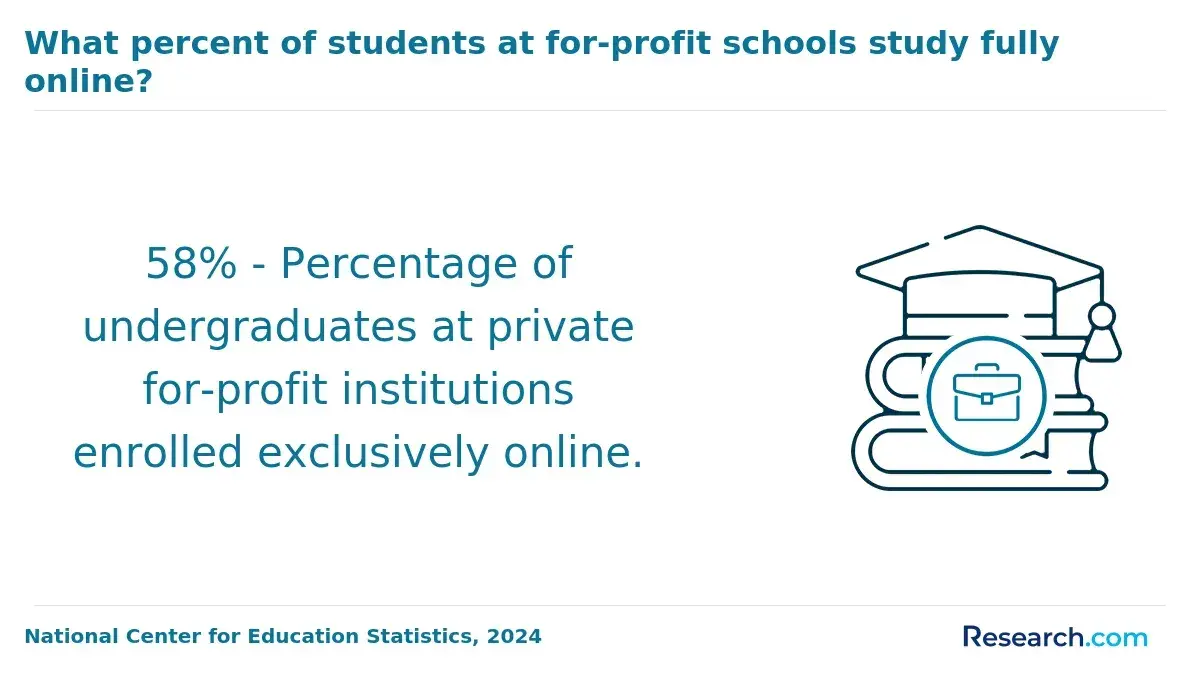
Enrollment in gender & sexuality studies programs has seen modest overall growth recently, but this expansion is uneven and does little to alleviate graduate competition in the field. According to early 2024 data from the National Center for Education Statistics, undergraduate enrollments rose about 5% over the past two years, driven mainly by public institutions and expanded online offerings now comprising around 20% of students. While this digital shift broadens access and diversifies the student body, the limited scale of advanced degree and doctoral programs means deeper specialization remains rare, constraining supply for higher-level roles. Without stronger employer demand growth-concentrated largely in advocacy, education, and policy sectors-more bachelor's-level graduates translate into intensified job market competition rather than a narrowing gap between supply and demand.
These patterns demonstrate the limitations of using national enrollment figures alone to gauge workforce readiness or opportunity. Regional labor market conditions vary widely, and many graduates may find that the increased volume of peers outpaces openings in traditional career paths tied to gender & sexuality studies. Demographic shifts, including modest rises in male and students of color enrollment, add diversity but do not fundamentally alter supply-demand mismatches. Decision-makers and students must weigh the tradeoffs of a cautious but steady pipeline growth against the reality of constrained job growth, emphasizing practical skill development and career flexibility rather than assuming enrollment increases indicate robust labor market absorption.
One current student noted that their program's online sections recently expanded significantly, bringing in larger and more varied cohorts than seen a few years ago. While this growth was encouraging on paper, it also created a feeling of uncertainty among peers about job prospects after graduation. The student observed, "It's great to see more interest and diversity, but many of us worry that graduation numbers are rising faster than the actual career opportunities. We want to believe this means better chances, but the competition feels sharper every year." This mix of optimism and hesitation reflects the complex realities behind enrollment trends in gender & sexuality studies today.
How Many Gender & Sexuality Studies Graduates Enter the Workforce Each Year?
The number of gender & sexuality studies graduates released into the workforce each year, estimated at roughly 1,200 to 1,500 according to the National Center for Education Statistics and Integrated Postsecondary Education Data System, does not by itself clarify labor market balance. This volume must be understood in the context of graduates' diverse career pathways, many of whom pursue roles outside strictly defined gender & sexuality studies fields, such as education, social advocacy, or communications, making direct competition for highly specialized positions less straightforward. Employer demand for workers with explicit expertise in these areas remains limited and regionally variable, often concentrated in nonprofit or policy-oriented organizations, which further fragments hiring opportunities and complicates oversupply or undersupply assessments.
Workforce data suggest that only about 30 to 40 percent of graduates actively seek employment that closely aligns with their degree specialization, with the remainder often transitioning into broader or unrelated occupations. This dispersion of career trajectories means annual graduate figures do not translate neatly into consistent job openings or replacement needs. Misinterpreting raw completion numbers as market saturation risks undervaluing graduates' transferable skills and neglecting the strategic choice many face between immediate employment in competitive niche roles versus pursuing advanced qualifications for academic or policy careers. Realistic workforce planning, therefore, requires integrating granular employment outcomes, skill demand dynamics, and regional hiring patterns rather than relying solely on degree conferral statistics.
Does Job Growth Support the Rising Supply of Gender & Sexuality Studies Graduates?
Job growth in fields closely tied to gender and sexuality studies does not fully absorb the rising graduate numbers, despite moderate occupational expansion in social services, education, and advocacy. While sectors linked to diversity and inclusion see 3-5% annual growth, this pace lags behind a reported 20% surge in undergraduate completions between 2019 and 2023, creating a disconnect between supply and available entry-level positions. Graduates often face competition from related disciplines like sociology and psychology, where overlapping roles in human rights and community outreach increase candidate pools and raise the bar for differentiated skills and practical experience.
For many students, holding a gender and sexuality studies degree means navigating a challenging labor market where an advanced degree or additional qualifications can be critical, particularly for academic or specialized advocacy roles. Geographic factors also influence demand, with urban areas and states implementing progressive policies showing relatively higher openings, but these opportunities are unevenly distributed. Understanding this dynamic is essential to avoid underemployment risk and to strategically pursue interdisciplinary skill sets, a consideration echoed in broader discussions about employment demand for gender and sexuality studies graduates.
Prospective learners weighing educational investments may find value in programs that emphasize versatile competencies, including research and policy analysis, or consider pathways like online MLIS programs for complementary skills oftentimes favored by employers. Awareness of the nuanced balance between graduate volume and job market reality helps clarify that gender and sexuality studies job growth trends, while positive, do not universally guarantee alignment with new workforce entrants.
How Competitive is the Entry-Level Market for Gender & Sexuality Studies Graduates?
The entry-level job market for gender & sexuality studies graduates illustrates a complex balance between graduate supply and employer demand. Competition is fueled not solely by an excess of degree holders but also by constrained job creation and specific employer expectations that often exceed academic credentials alone. Hiring trends show nuanced patterns influenced by sector-specific needs, geographic concentration, and the increasing preference for candidates with tangible skills beyond coursework. According to 2024 data from the U.S. Bureau of Labor Statistics and Indeed Hiring Lab, explicit job postings targeting this degree remain limited relative to the annual graduate output, underscoring the importance of strategic career planning. Key factors shaping this competitive landscape include:
- Applicant Volume:Graduates often face a large pool of similarly qualified candidates, intensifying competition. Reviewing local and national graduate output helps gauge market saturation and informs decisions about where to focus job applications.
- Experience Requirements:Employers typically seek candidates with practical internships, certifications, or community engagement experience, which are scarce among new graduates. Prioritizing demonstrated applied skills can significantly improve hiring prospects.
- Industry Demand:While demand exists in equity, diversity, and social justice sectors, these roles are niche. Graduates should assess industry growth data and consider crossover fields like public policy or social services for broader opportunities.
- Geographic Concentration:Job availability varies widely by region, favoring urban areas and organizations with clear diversity initiatives. Candidates in less-populated regions may encounter fewer openings and should weigh relocation options.
- Specialization Depth:Broad gender & sexuality studies generalists typically compete with interdisciplinary peers; targeted expertise in areas like policy analysis or community advocacy enhances desirability.
- Remote Work Competition:The rise of remote roles increases applicant pools nationally, amplifying competition but also expanding access. Understanding which employers offer remote work can help refine searches.
- Skill Demonstration:Proving cultural competency, communication abilities, and research skills through portfolios or relevant projects often differentiates candidates beyond degree credentials alone.
One recent graduate described applying to numerous nonprofit and governmental roles focused on diversity initiatives within a major metropolitan area. Despite relevant academic background, they frequently encountered job descriptions requiring multiple years of experience or specific certifications, leading to several rejections after interviews. Recognizing the intense competition in urban centers, they shifted focus toward smaller organizations in adjacent regions and pursued supplemental training in data analysis linked to social justice research. This strategy slightly eased job placement pressures but underscored the persistent challenge of matching graduate supply with limited specialized entry-level roles. The experience reflects the broader practical tension between academic preparation and employer expectations in this field's early workforce integration.
Which Industries Have the Greatest Demand for Gender & Sexuality Studies Graduates?
Demand for graduates with degrees in gender & sexuality studies is concentrated in sectors where social awareness, advocacy, and policy implementation are central. This narrowing of hiring fields results from the specialized nature of the expertise, which aligns closely with organizations advocating for equity and inclusion rather than broader commercial or technical industries. For example, a graduate weighing job prospects might find greater vacancy volumes but intense competition in nonprofit roles versus fewer but more specialized openings in government agencies, where advanced credentials may be necessary.
Here are the top industries hiring gender & sexuality studies graduates:
- Nonprofit Sector: Dominated by civil rights, LGBTQ+ advocacy, and diversity initiatives, this industry offers many entry-level roles in outreach and program support. Employers prioritize cultural competency and lived experience, though competition is high due to modest salary growth and funding variability.
- Government Agencies: Positions often focus on equity compliance, policy research, and public outreach. Stability and benefits are advantages, but competition favors those with public administration experience or additional qualifications beyond a bachelor's degree.
- Education and Academia: Jobs in teaching, research, and program coordination exist but face constraints from tenure-track scarcity and funding limits. Advanced degrees are critical for career progression, especially in higher education.
- Healthcare and Social Services: Emerging demand exists for roles like patient advocacy and mental health counseling, generally requiring interdisciplinary skills or credentials outside gender & sexuality studies alone. Graduates benefit from understanding social determinants of health but must often pursue further training.
- Community Support Services: These organizations hire for outreach and direct service roles prioritizing experiential knowledge of identity and systemic inequities. Flexibility and adaptability are key for employment here amidst variable funding.
- Policy Research Institutions: Focus on social justice and human rights issues, blending gender & sexuality expertise with data analysis and legislative knowledge. Positions typically require advanced specialization and strong research credentials.
Regional demand for gender & sexuality studies careers varies significantly, with urban centers and states with progressive policy environments showing stronger hiring activity. Graduates should also consider augmenting their academic background with relevant internships, technical skills, or interdisciplinary training to remain competitive. For instance, exploring pathways such as a sports management degree may provide additional marketable skills complementary to social advocacy roles.
Where are Gender & Sexuality Studies Graduates Most in Demand?
National employment trends for gender & sexuality studies graduates mask significant regional disparities driven by local industry clusters, social infrastructure, and labor market capacity. For instance, metropolitan hubs with dense nonprofit networks, government agencies, and educational institutions-such as those in the Northeast and West Coast-show relatively higher demand, but this often coincides with fierce applicant competition and elevated living costs. Graduates prioritizing proximity to these cities must weigh the benefits of opportunity concentration against the potential financial strain and saturated job pipelines, which can limit entry-level prospects despite high posting volumes.
Conversely, many smaller urban or rural areas exhibit far fewer openings, reflecting limited institutional presence and less robust social services ecosystems, thereby constraining local hire potential for specialized skill sets in gender & sexuality studies. Employers in leading markets increasingly seek interdisciplinary candidates who combine core knowledge with data analytics, counseling credentials, or policy experience, raising the bar beyond the degree alone. Remote work options partially mitigate geographical constraints, but role-specific demands-such as direct engagement in community advocacy or education-tend to favor regions with established support structures, reducing the practical reach of remote opportunities for many graduates.
Prospective students and professionals must therefore look beyond sheer job counts and consider factors like regional employer expectations, cost of living, and sector specialization when evaluating where to pursue roles in gender & sexuality studies. Data from recent 2024 labor market analyses reinforce that success correlates strongly with strategic location choices aligned to personal qualifications and willingness to develop complementary expertise. Graduates relocating to metropolitan centers with integrated social service and education systems often find better alignment of demand and skills, whereas those remaining in dispersed or less specialized markets face slower career progression and fewer openings.
Which Gender & Sexuality Studies Specializations and Degree Levels Face the Strongest Demand?
Demand for gender & sexuality studies expertise is not uniform across all specializations or degree levels. Employer needs concentrate primarily on candidates who combine field-specific knowledge with applied skills that directly address pressing social and organizational challenges. For example, a graduate holding a master's degree with public administration credentials may be favored over a bachelor's degree holder with a generalist background when applying for program coordinator roles in nonprofit or government sectors. Current labor market data from Lightcast and LinkedIn Workforce Insights confirm these patterns, revealing higher volumes of postings for professionals equipped to manage diversity, equity, and inclusion (DEI) initiatives and gender-based violence prevention. The U.S. Bureau of Labor Statistics notes that candidates with advanced degrees show stronger hiring prospects in research, policy analysis, and outreach roles.
Key specializations and credential combinations demonstrating the strongest employer demand include:
- DEI Program Management: Organizations seek experts who can design and implement DEI strategies, often requiring a master's degree plus demonstrated experience or certifications in inclusion programming. Positions are common in higher education and large nonprofit institutions.
- Gender-Based Violence Prevention: Employers in government and social services favor candidates with practical training and advanced study, including licensure in social work or counseling, to fill roles focused on intervention and advocacy.
- Intersectional Social Policy Analysis: Candidates with graduate degrees and skills synthesizing intersectionality with public policy analysis are increasingly recruited for research analyst roles in think tanks and policy offices.
- Mental Health Advocacy and Support: The growing integration of mental health awareness in DEI efforts drives demand for specialists with combined gender studies and social work credentials capable of community outreach and program delivery.
- Nonprofit Program Coordination: Master's-level graduates with internships or practica aligned to gender & sexuality studies are preferred for managing community engagement projects in nonprofit agencies.
- Higher Education Administration: Individuals holding advanced degrees and research experience can secure competitive roles as diversity officers or academic program directors focused on gender equity.
In practice, this means that graduates specialized in strategic application of theory, paired with professional credentials or field experience, navigate a labor market with more defined openings than those holding broad, bachelor-level credentials. However, absolute openings remain limited relative to graduate supply, necessitating careful planning and targeted skill development.
Are Employer Skill Gaps Affecting Demand for Gender & Sexuality Studies Graduates?
The apparent skill gaps affecting employer demand for gender & sexuality studies graduates do not reflect a true shortage of these candidates but rather a misalignment between their academic training and the specific technical competencies employers increasingly require. Hiring managers often seek candidates who combine content expertise with applied experience in data analysis, project management, or legal frameworks, especially within DEI strategy and policy roles. For instance, a firm looking to fill a DEI analyst position may leave vacancies unfilled despite a surplus of graduates if they prioritize digital proficiency and familiarity with compliance regulations that many gender & sexuality studies programs do not emphasize. This mismatch obscures the real labor-market dynamics, creating perceptions of oversupply when, in fact, demand exists for more interdisciplinary profiles.
Employer demand and competency mismatch in gender & sexuality studies graduates is further complicated by the competitive intensity in niche labor markets where graduate volumes remain relatively high. The graduation of numerous students into moderately specialized fields intensifies competition, forcing many to vie for roles outside direct gender and sexuality studies categories and rely heavily on transferable soft skills. However, employers often weigh measurable business outcomes and communication effectiveness alongside social awareness, raising the bar on candidate preparedness. Prospective students and current degree holders may improve their employment prospects by integrating skill development through internships or targeted certifications, closely aligning their profiles with evolving workforce needs rather than solely focusing on academic content mastery.
Addressing these gaps requires deliberate curricular integration and continuous upskilling to meet the nuanced expectations of today's employers. Similar to students weighing programs such as a graphic design degree online, those pursuing gender & sexuality studies must assess how effectively their education balances theoretical insights with practical skill acquisition. Without this balance, graduates risk limiting their marketability in an environment that favors hybrid, multidisciplinary professionals equipped with both research fluency and applied business or technological skills.
What is the Future Supply-and-Demand Outlook for Gender & Sexuality Studies Graduates?
Targeted job searches consistently outperform high-volume, unfocused applications for gender & sexuality studies graduates because employers seek precise skill sets aligned with their needs. For instance, a graduate focusing their job search on entry-level roles such as community social service specialist or nonprofit program coordinator in urban regions with vibrant advocacy networks will likely find more opportunities than one dispersing generic applications across unrelated sectors. This strategic alignment improves resume resonance by matching employer language and allows the graduate to showcase relevant skills like cultural competency or qualitative research through specific projects, which increases interview conversion rates. Poor job-search decisions, such as neglecting geographic demand trends or applying indiscriminately, often result in prolonged underemployment or need for additional credentials.
Understanding supply and demand trends in gender & sexuality studies careers underscores the importance of refining target industries and locales. Many roles clustered in education, nonprofit organizations, and public policy require supplementary qualifications or demonstrated experience in counseling or administration. Graduates who invest effort into market research, timely applications, and tailored networking can better identify positions where their background meets stated job criteria. Research from the U.S. Bureau of Labor Statistics and the National Center for Education Statistics supports this approach, highlighting modest regional variations in demand that necessitate relocation flexibility for some candidates. The growing number of graduates intensifies competition, making selective application a critical factor for successful employment outcomes.
Graduates should also consider skill diversification as a practical complement to their degree focus. For example, combining studies with credentials in counseling or public administration can open doors beyond conventional gender & sexuality studies roles. For students weighing interdisciplinary options, examining career pathways similar to those for a geologist degree online-where niche expertise pairs with geographic demand-may provide a useful analog. Ultimately, deliberate career planning that factors in employer preferences, regional job market variations, and skill applicability offers the best chance to navigate the nuanced future job market for gender & sexuality studies graduates.
References:
- Our Graduates' Successes: What the Data Tells Us About the Value of Women's and Gender Studies Degrees https://msmagazine.com/2025/07/20/college-degrees-womens-gender-sexuality-ethnic-africana-indigenous-disability-studies-graduates/
- Current and Future Status of Women’s Studies in Higher Education https://etcjournal.com/2026/02/02/current-and-future-status-of-womens-studies-in-higher-education/
- Gender Studies Programs: Providing Healthy Perspective and a Path to an Empowered Career - UNCF https://uncf.org/the-latest/a-major-in-gender-studies-provides-healthy-perspective-and-a-path-to-an-empowered-career
- Gender and Sexuality Studies Careers | NWU https://www.nebrwesleyan.edu/academics/majors-and-minors/gender-and-sexuality-studies/gender-and-sexuality-studies-careers
- What You Can Do With a WGS Major https://wgs.tcnj.edu/for-students/careers-and-graduate-school/what-you-can-do-with-a-wgs-major/
- Women’s and Gender Studies Under Attack - Women’s Media Center https://womensmediacenter.com/news-features/womens-and-gender-studies-under-attack
- Careers in gender studies - University of Victoria https://www.uvic.ca/humanities/gender/future/careers/index.php
Other Things You Should Know About Gender & Sexuality Studies
The broad, interdisciplinary framework of gender & sexuality studies offers critical thinking and social analysis skills but can create challenges when aligning with specific job requirements. Employers often seek candidates with practical experience or domain-specific knowledge, so students should prioritize integrating internships, applied research, or complementary coursework in fields like social work, public policy, or education. Doing so enhances employability by demonstrating tangible skills alongside theoretical understanding.
Gender & sexuality studies programs typically demand substantial reading, critical writing, and engagement with complex social issues, which can be intellectually rigorous but may not directly translate into technical job skills. Students must weigh whether the academic intensity aligns with their career goals, especially since some employers prioritize quantifiable skills or certifications. Those aiming for advocacy or education roles might find the workload valuable, while others should consider pairing the degree with vocational training to improve job-market alignment.
Given variable employer demand and competition, graduates must actively develop professional networks and soft skills beyond classroom learning to increase job market success. Opportunities such as mentorship programs, fieldwork, and involvement in advocacy organizations provide critical exposure to potential employers and practical contexts. Prioritizing these experiences often distinguishes candidates able to pivot beyond academic credentials to roles emphasizing communication, program management, or diversity training.
Accreditation often signals program quality and can influence employer perceptions, but gender & sexuality studies' inherently interdisciplinary nature sometimes leads students to choose broader or less traditional programs. For those seeking flexible careers across education, nonprofit, or policy sectors, interdisciplinary programs with options for cross-departmental courses may provide wider opportunities. However, prioritizing programs with clearly structured tracks and recognized credentials is advisable if graduates want clearer pathways into specialized roles with competitive hiring processes.