2027 Gender & Sexuality Studies Degree Popularity by Gender, Region, and Degree Level

Co-Founder and Chief Data Scientist
A student considering a gender & sexuality studies degree may find unexpected disparities in how enrollment differs by gender and region. For example, recent 2024 data reveals women earn nearly 80% of all bachelor's degrees in this field, a dominance that influences classroom culture, networking opportunities, and employer expectations. Yet, some states show rising male enrollment, shifting local labor market signals and educational access. These patterns complicate assessments of program quality and relevance, as degree popularity may reflect regional socio-political climates or institutional priorities rather than uniform workforce demand. Understanding these nuances is vital for anticipating career pathways and peer environments.
This article will analyze gender & sexuality studies degree popularity through the lenses of gender representation, regional variation, and degree level to support more strategic educational and career decisions.
Key Things to Know About Gender & Sexuality Studies Degree Popularity by Gender, Region, and Degree Level
- Women represent over 75% of gender & sexuality studies degree recipients as of 2024, revealing entrenched gender-skewed academic choices that may limit male perspectives in workplace diversity initiatives.
- Enrollment is highest in urban Northeastern U.S. institutions, reflecting regional sociopolitical climates that foster inclusive curricula but create barriers for rural students due to limited campus access and costs.
- Bachelor's degrees dominate the field, comprising 80% of completions, suggesting quicker labor market entry but potential employer preference tradeoffs where advanced analytical and policy skills tied to graduate degrees are required.
- Key Things to Know About Gender & Sexuality Studies Degree Popularity by Gender, Region, and Degree Level Key Things to Know About Gender & Sexuality Studies Degree Popularity by Gender, Region, and Degree Level
- How Does Job Market Demand Influence Gender & Sexuality Studies Degree Popularity? Market Demand and Degree Popularity
- How Does Online Gender & Sexuality Studies Degree Enrollment Compare to Traditional Campus Programs? Online vs. Campus Enrollment
- What Degree Level Is Most Common Among Gender & Sexuality Studies Students? Most Common Degree Levels
- How Do Enrollment Trends Differ Between Associate, Bachelor's, Master's, and Doctoral Gender & Sexuality Studies Degrees? Enrollment Trends by Degree Level
- How Popular Is the Gender & Sexuality Studies Degree Compared to Other College Majors? Degree Popularity vs. Other Majors
- Why Is the Gender & Sexuality Studies Degree More Popular in Certain States and Regions? Regional Popularity Drivers
- What Demographic Groups Are Driving Growth in Gender & Sexuality Studies Degree Programs? Growth by Demographic Groups
- What Is the Future Outlook for Gender & Sexuality Studies Degree Enrollment by Gender, Region, and Degree Level? What Is the Future Outlook for Gender & Sexuality Studies Degree Enrollment by Gender, Region, and Degree Level?
- How Have Gender & Sexuality Studies Degree Enrollment Trends Changed Over the Past Decade? How Have Gender & Sexuality Studies Degree Enrollment Trends Changed Over the Past Decade?
- Where Is the Gender & Sexuality Studies Degree Most Popular Across the United States? Geographic Popularity Analysis
How Does Job Market Demand Influence Gender & Sexuality Studies Degree Popularity?
Job market demand influences the popularity of gender & sexuality studies degrees primarily through its impact on graduate employability and regional economic conditions, but this relationship is far from direct. For example, areas with strong labor market needs for social workers and counselors-roles often held by gender & sexuality studies graduates-experience higher enrollment, particularly where employers emphasize credentials and practical experience alongside academic qualifications. In regions such as the West and East Coasts, where diversity, equity, and inclusion initiatives are more deeply integrated into public and nonprofit sectors, program popularity rises as students respond to localized workforce shortages and specialized career pathways. However, these patterns also produce gendered enrollment effects, with programs often attracting more women who pursue advanced degrees aligned with mental health and social services, reflecting both market realities and disciplinary advocacy cultures tied to social justice careers.
Labor market signals shape enrollment trends across degree levels differently; bachelor's programs tend to draw individuals motivated by broad social justice engagement, while master's and doctoral programs respond more to specific occupational demands like policy analysis, clinical licensure, or academic research roles. This segmentation highlights a key tradeoff for prospective students who must weigh their desired degree level against evolving employer expectations that increasingly require interdisciplinary skills and professional certifications beyond the traditional degree framework. Such dynamics contribute to fluctuations in program popularity unrelated to direct hiring volume but tied to complex workforce readiness criteria. Those evaluating educational pathways should also consider how nontraditional options, including fast online degrees, might complement or compete with gender & sexuality studies credentials in meeting both labor market demand and long-term career adaptability.
How Does Online Gender & Sexuality Studies Degree Enrollment Compare to Traditional Campus Programs?
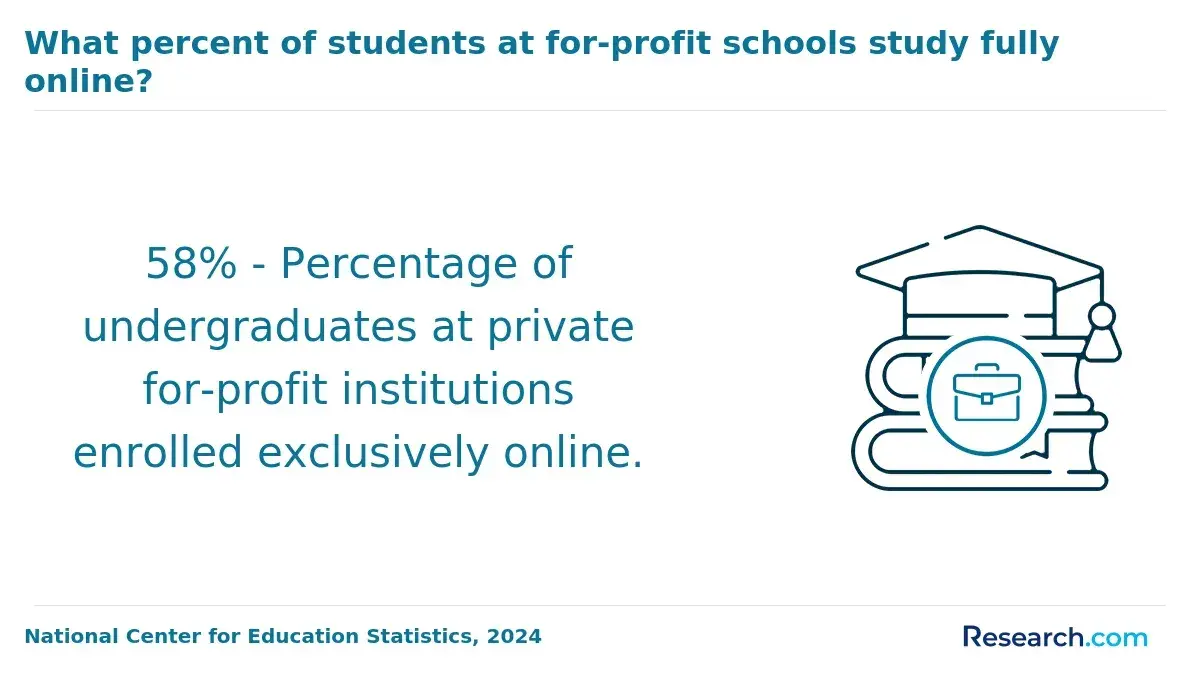
The rise in online gender & sexuality studies programs reflects a shift toward accommodating non-traditional students, particularly those balancing work and family responsibilities. Enrollment growth in online formats has surged by 35% over the past five years, significantly outpacing the 12% rise in campus-based programs, according to the National Center for Education Statistics. This divergence highlights how geographic and scheduling flexibility reshape who pursues these degrees, with online programs drawing a more mature, diverse, and often more regionally dispersed student body than campus offerings. However, students must weigh these accessibility gains against potential drawbacks like fewer opportunities for immersive social engagement and hands-on learning experiences traditionally found on campus.
The demographic contrast also extends to educational pathways: younger, recent high school graduates predominantly populate campus programs, while older adult learners form a larger share of online enrollees. This split influences retention and completion trends, as some evidence suggests slightly lower graduation rates for online gender & sexuality studies students, likely tied to the challenges of self-directed learning and reduced campus support. Employers in sectors valuing practical experience may perceive degree delivery modality differently, underscoring the need for students to align their program choice with specific career goals and learning preferences. Increasingly, hybrid models attempt to blend online accessibility with on-campus engagement, but prospective students must still critically assess how each format meets their personal and professional needs.
One graduate from a rural area faced limited local options for gender & sexuality studies and chose an online program despite initial doubts about the quality and peer interaction. While appreciating the flexibility to manage work and family alongside studies, the graduate noted occasional feelings of isolation and a desire for more direct mentoring, challenges less typical in campus environments. This experience underscores the complex decision matrix facing students: balancing convenience and access against support and community, which continues to shape the evolving landscape of gender & sexuality studies education.
What Degree Level Is Most Common Among Gender & Sexuality Studies Students?
Bachelor's degrees dominate gender & sexuality studies completion rates, accounting for roughly 70% of graduates according to 2024 data from the National Center for Education Statistics and IPEDS. This concentration reflects both institutional capacity and labor market alignment, as the bachelor's level often serves as the primary credential meeting entry requirements in sectors like education, advocacy, and nonprofit work. The balance between accessible program availability-with expanding online options-and employer demand for practical interdisciplinary skills underpins this trend, making the bachelor's degree the most pragmatic option for those entering the field.
Associate degrees remain uncommon, partly due to limited specialized curricula at community colleges and the field's emphasis on comprehensive theoretical and critical approaches better suited to four-year programs. Graduate degrees attract a smaller, more focused cohort; master's programs cater to those seeking analytical rigor or research roles, while doctoral studies represent a niche reserved for academic careers and high-level scholarship, comprising less than 5% of completions in 2024. This bottleneck signals both admission competitiveness and the narrow employment pathways requiring such advanced credentials, necessitating deliberate long-term planning from students weighing academic investment against professional aspirations.
How Do Enrollment Trends Differ Between Associate, Bachelor's, Master's, and Doctoral Gender & Sexuality Studies Degrees?
Enrollment patterns in gender & sexuality studies across associate, bachelor's, master's, and doctoral levels reveal how educational aims shape student choices and workforce outcomes. Associate degree programs remain limited in scale and regional reach, typically serving individuals seeking foundational skills or career pivots rather than direct pathways into specialized roles. Conversely, the bachelor's degree dominates enrollment, accounting for roughly 75% of completions in 2023 according to National Center for Education Statistics data, reflecting broad access and appeal-especially among female-identifying students concentrated in urban and coastal areas. This level remains the primary gateway for most entering the field, balancing theoretical grounding with greater employment flexibility.
Master's programs, while smaller in absolute numbers, have experienced accelerated growth at nearly 6% annually per the 2024 Council of Graduate Schools report, signifying increased demand for advanced research expertise and niche roles in policy, nonprofit leadership, and social justice sectors. Doctoral enrollment remains selective and minimal, representing under 2% of completions, with candidates often pursuing academic or research-intensive careers. These enrollment disparities across degree levels emphasize practical tradeoffs: broader bachelor's offerings support workforce entry, whereas graduate degrees offer specialization but with more constrained job markets and institutional availability. Prospective students navigating gender & sexuality studies enrollment trends by degree level must consider these factors when selecting programs that align with their career ambitions and regional access.
For those weighing affordability alongside these variables, researching options like a lowest cost online bachelor's degree can influence both educational planning and long-term outcomes in gender & sexuality studies fields.
How Popular Is the Gender & Sexuality Studies Degree Compared to Other College Majors?
The relatively low number of gender & sexuality studies degrees awarded-fewer than 5,000 bachelor's in 2023 according to the National Center for Education Statistics-signals a specialized academic niche rather than widespread popularity. Compared to majors like business or psychology, which see enrollments in the tens of thousands, this field remains small but steadily growing, particularly along the West Coast and Northeast where institutional offerings and social activism foster demand. This uneven regional popularity impacts program availability and peer networks, limiting cross-regional mobility and specialization options, while also reflecting broader societal patterns of inclusion and identity politics influencing academic choices.
At advanced degree levels, the discipline's constrained scale persists, with fewer master's and doctoral degrees awarded than in adjacent social sciences. Still, those pursuing graduate study often intersect with interdisciplinary fields, boosting employability in academia, advocacy, or policy sectors that value cultural competency and critical reasoning. However, the less defined vocational pathways relative to STEM or professional majors mean students must weigh the breadth of skills against a job market that prioritizes clear credentials and practical training, making enrollment trends relevant not just for program vitality but long-term career strategy.
One gender & sexuality studies graduate recalled entering college intrigued but uncertain about the field's smaller size and visibility compared to traditional majors at their Midwestern university. Classroom discussions and advising conversations highlighted a growing but selective cohort, prompting reflections on how the degree's focused community shaped both academic support and career prospects. The student noted that while smaller enrollment felt isolating initially, it fostered deeper engagement with peers and faculty invested in social justice topics uncommon elsewhere, a dynamic that both challenged and validated their decision to pursue this specialized academic path.
Why Is the Gender & Sexuality Studies Degree More Popular in Certain States and Regions?
Regional variations in gender and sexuality studies popularity by state reflect complex interactions between local educational infrastructure, workforce demands, and sociopolitical climate rather than simple student preference. For instance, states like California and Massachusetts benefit from a concentration of universities offering interdisciplinary programs that align closely with growing nonprofit, social services, and government sectors valuing policy-oriented skills. This creates stronger employment pipelines, enhancing perceived degree value and attracting students who prioritize practical outcomes and professional networks. In contrast, states with less institutional presence or economies focused on traditional industries may see limited enrollment, affecting students' access to specialized coursework and peer or professional communities relevant to their fields of interest.
Demographics also shape these trends, with younger, urbanized populations driving regional trends in gender and sexuality studies degrees that coincide with progressive public policies supporting LGBTQ+ rights. Such policy environments tend to raise awareness and motivation among students while subtly signaling local employer openness to experts with these qualifications. However, proximity alone is insufficient without program availability and flexible access options; states expanding online and hybrid degree delivery have measurably increased enrollment, broadening participation beyond traditional hubs. Prospective students evaluating where to study should also consider how these factors influence both academic experience and postgraduation employment prospects, which vary widely by location.
Given these realities, those exploring educational pathways may find practical merit in researching not only institutional offerings but also workforce alignment and policy climates in their regions. For students balancing time constraints, emerging options such as accelerated MFT programs online exemplify how flexible modalities can widen access across geographies. Awareness of such dynamics enables informed decisions that balance personal, educational, and professional factors in the broader landscape of gender and sexuality studies program popularity by state.
What Demographic Groups Are Driving Growth in Gender & Sexuality Studies Degree Programs?
The increasing enrollment in gender & sexuality studies programs reflects broader workforce and educational shifts that prioritize cultural literacy, critical analysis, and inclusive approaches. Women make up the majority of these students-around 70% as of 2024 according to the National Center for Education Statistics-highlighting the continued alignment of these fields with social justice and identity-focused career trajectories. However, growth among first-generation Hispanic and Asian American undergraduates signals expanding diversity that reshapes classroom dynamics and diversifies peer networks, responding to both demographic changes and targeted institutional outreach.
Regionally, enrollment surges concentrate in coastal urban areas and progressive states like California and New York, where institutional resources and social movements provide fertile ground for program expansion. In contrast, traditionally conservative regions show slower but steady growth facilitated by online and hybrid formats, which broaden accessibility for nontraditional learners balancing work or family. This geographic divide underscores practical tradeoffs prospective students face when evaluating program availability and support structures in relation to their personal circumstances and career aspirations.
At the degree level, bachelor's programs dominate in sheer numbers, yet master's and graduate certificate offerings are growing faster, driven largely by mid-career adults seeking specialized skills in advocacy, education, or diversity management. This trend reflects evolving employer demands for advanced cultural competency and interdisciplinary understanding, though students should weigh the potential return on investment carefully given the variable recognition of graduate credentials in different sectors. Ultimately, the shifting demographics and delivery modes of gender & sexuality studies influence program development, peer engagement, and the practical applicability of these degrees in a complex, changing labor market.
What Is the Future Outlook for Gender & Sexuality Studies Degree Enrollment by Gender, Region, and Degree Level?
Gender & Sexuality Studies degree enrollment is poised to reflect ongoing demographic shifts and regional disparities that significantly shape academic and workforce landscapes. Female students are projected to remain the largest demographic, but increased representation from non-binary and transgender individuals indicates a diversification that programs must accommodate to stay relevant. According to recent data from the National Center for Education Statistics, female enrollment continues to dominate, yet the rise of students with diverse gender identities will influence curriculum development and demand for more inclusive academic resources.
Regionally, enrollment patterns heavily favor urban and coastal states such as California and New York, where cultural acceptance and institutional support for gender and sexuality studies are more prevalent. This geographic concentration creates a tradeoff whereby students in conservative or rural areas face limited access to comprehensive programs, even as online education platforms begin to mitigate some of these barriers. Bachelor's programs still attract the largest student population, but growing graduate enrollment-particularly at the master's level-is tied to interdisciplinary research opportunities and expanding demand for expertise in diversity, equity, and inclusion roles across industries. Prospective students and graduates should consider how these degree levels align with practical employment trajectories and sector-specific requirements, as many professional roles increasingly value advanced study combined with applied experience.
How Have Gender & Sexuality Studies Degree Enrollment Trends Changed Over the Past Decade?
Changes in gender and sexuality studies degree enrollment over the past decade reflect shifting social priorities and educational market demands rather than mere fluctuations in student interest. Female students continue to dominate enrollment, typically exceeding 75%, but modest increases in male participation indicate widening appeal and potentially evolving perceptions of these programs' relevance across gender lines. Regional enrollment disparities persist, with institutions in the Northeast and West showing stronger engagement; this uneven distribution often results from cultural contexts and the degree of institutional support available, impacting the accessibility and visibility of gender and sexuality studies degree enrollment trends in the United States.
At the graduate level, slower but steady growth in master's degrees signals deepened scholarly focus, though these numbers remain small relative to undergraduates. This divergence may be tied to constrained career pathways that explicitly value advanced gender and sexuality studies credentials, which in turn affects program development and resource allocation. The increasing integration of interdisciplinary curricula and the rise of online options have expanded access, including for students at low GPA colleges, yet prospective students must weigh these expansions against the practical realities of competitive labor markets. Employers frequently prioritize candidates with complementary skills such as policy analysis or counseling, underscoring the importance of pairing gender and sexuality studies degrees with hands-on experience or additional qualifications.
These enrollment dynamics underline the need for educational decision-making that balances scholarly inquiry with workforce relevance and reflect broader societal shifts in addressing identity and equity. For current and prospective students, understanding these trends is crucial to aligning academic pursuits with realistic career outcomes and regional opportunities, providing context beyond simple enrollment figures and fostering a nuanced approach to the evolving profile of gender and sexuality studies education.
Where Is the Gender & Sexuality Studies Degree Most Popular Across the United States?
The popularity of gender & sexuality studies degrees is concentrated in certain U.S. states and urban centers due to the interplay of institutional availability, local sociopolitical climates, and employment landscapes that value social advocacy and policy expertise. Coastal regions, particularly the West Coast and Northeast, benefit from a high density of comprehensive liberal arts colleges and universities offering specialized programs, which sustain consistent enrollment. These concentrations create vibrant academic and professional networks, enhancing opportunities for students in metropolitan hubs like San Francisco, Boston, and New York City, where cultural diversity and organizational demand align with program offerings. Such geographic clustering influences perceptions of degree value and career pathways, with metropolitan areas providing stronger pipelines into education, nonprofit leadership, and public policy sectors.
In contrast, Midwestern and Southern states generally report lower engagement with gender & sexuality studies, reflecting both fewer specialized academic programs and regional workforce demands. This uneven distribution partly traces to differing cultural attitudes toward gender and identity topics and less institutional emphasis on interdisciplinary gender studies curricula. For prospective students, considering regional enrollment trends in Gender & Sexuality studies programs across the U.S. is critical, as these affect access to resources, peer networks, and practical post-graduate employment options. Additionally, those seeking flexible or alternative learning modes might explore spanish programs online for veterans as a model for how targeted online offerings can expand access beyond traditional geographic limitations.
References:
- Gender studies - Wikipedia https://en.wikipedia.org/wiki/Gender_studies
- Gender and Sexuality Studies https://www.sarahlawrence.edu/undergraduate/cross-disciplinary-paths/gender-and-sexuality-studies/
- Degrees of difference: Male college enrollment and completion https://aibm.org/research/male-college-enrollment-and-completion/
- What Can I Do With a Women's, Gender, and Sexuality Studies Minor? https://www.moravian.edu/WGSS/why
- Current and Future Status of Women’s Studies in Higher Education https://etcjournal.com/2026/02/02/current-and-future-status-of-womens-studies-in-higher-education/
- The Deepening Gender Divide in Credentials, 2000–2020: Continuity, Change, and Implications https://www.rsfjournal.org/content/11/1/154
- Higher Education Enrollment Trends by Gender, 1970 to 2025 https://educationalpolicy.org/hello-world/
- Our Graduates' Successes: What the Data Tells Us About the Value of Women's and Gender Studies Degrees https://msmagazine.com/2025/07/20/college-degrees-womens-gender-sexuality-ethnic-africana-indigenous-disability-studies-graduates/
- UW students turning away from gender and ethnic studies degrees - Badger Institute https://www.badgerinstitute.org/uw-students-turning-away-from-gender-and-ethnic-studies-degrees/
- Master of Arts in Gender Studies https://www.ceu.edu/academics/degrees/ma-gender-studies
Other Things You Should Know About Gender & Sexuality Studies
Data consistently shows that female students enroll in gender & sexuality studies programs at much higher rates than their male counterparts, which can influence classroom dynamics and networking opportunities. Prospective male students should be aware that they may experience different peer interactions and perspectives within the program, which could affect both academic engagement and access to mentorship. Evaluating your comfort and the diversity of viewpoints in your learning environment is important when considering the fit of these programs by gender makeup.
Regions with higher concentrations of gender & sexuality studies programs often offer a broader range of specialized courses and interdisciplinary collaborations, improving educational depth and experiential learning opportunities. Conversely, programs in regions with lower popularity may have limited course options and fewer faculty experts, impacting the comprehensiveness of the curriculum and possibly restricting research or internship placements. For students prioritizing specialization or research opportunities, selecting programs in regions with established program densities can result in a richer academic experience.
Bachelor's level programs tend to focus on foundational theories and broad social analysis, which can prepare students for entry-level roles in advocacy, education, or social services. Graduate degree programs, however, often emphasize research methods, critical analysis, and leadership skills that are valued in policy development, academic careers, and higher-level nonprofit or governmental roles. Students looking to maximize career flexibility and qualify for specialized positions should consider advancing to graduate studies, as the depth and rigor at this level are typically aligned with employer expectations for expertise and independent project management.
Choosing to enter the workforce immediately after a bachelor's degree may suit students prioritizing early career entry and gaining practical experience, as the undergraduate credential provides foundational knowledge sufficient for many entry-level roles. However, the relatively specialized nature of gender & sexuality studies means that many employers look for advanced expertise when seeking candidates for leadership or research positions, which often require a master's or doctoral degree. Students who can manage a demanding graduate workload and are targeting policy influence, academia, or organizational leadership should prioritize completing an advanced degree despite the added time and effort involved.