2027 Gender & Sexuality Studies ROI by Institution Type: Public vs Private vs Nonprofit Online Programs

Co-Founder and Chief Data Scientist
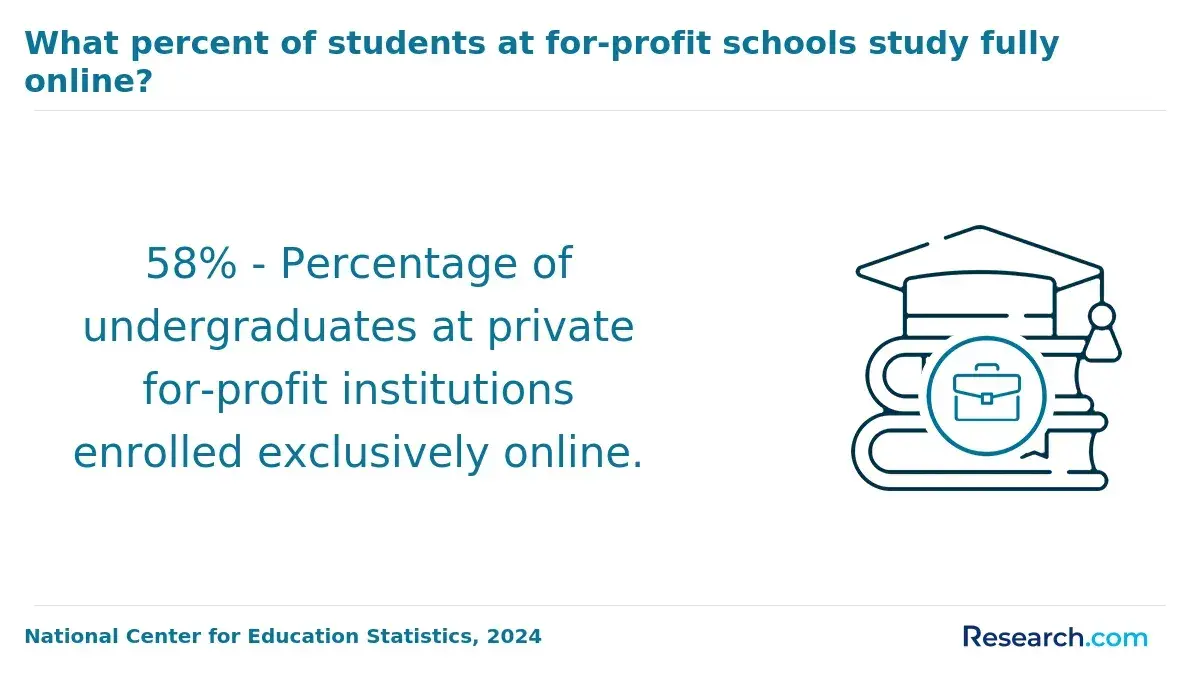
A prospective student compares three online gender & sexuality studies programs: a public university with low tuition but a 58% six-year graduation rate; a private nonprofit with higher costs but stronger institutional support; and a lesser-known nonprofit advertising career services yet unclear long-term outcomes.
A 2024 study from the National Center for Education Statistics found students in online programs at public institutions tend to accumulate 20% less debt than private counterparts but may face slower graduation paths. Such data highlights critical tradeoffs between cost, completion speed, and career value, especially for adult learners balancing work and finances. This article examines how public, private, and nonprofit online programs differ in gender & sexuality studies ROI to guide informed decisions.
Key Things to Know About Gender & Sexuality Studies ROI by Institution Type
- Public institutions generally offer lower tuition, reducing upfront costs but often have longer average completion times, which can delay workforce reentry and affect total debt accumulation.
- Private programs may yield stronger reputational benefits and networking, enhancing employability in specialized academic or advocacy roles, but at a higher price point affecting net ROI.
- Nonprofit online offerings often balance cost and flexibility, serving working adults well; however, varied accreditation and learner support quality can influence credential recognition and career advancement.
- Key Things to Know About Gender & Sexuality Studies ROI by Institution Type Key Things to Know About Gender & Sexuality Studies ROI by Institution Type
- What Does ROI Mean for a Gender & Sexuality Studies Program and How Is It Measured? Understanding Gender & Sexuality Studies Program ROI
- How Do Public, Private, and Nonprofit Online Gender & Sexuality Studies Programs Differ in Overall Value? Value by Institution Type
- How Do Tuition Costs Affect the ROI of a Gender & Sexuality Studies Program Across Institution Types? Tuition Costs and ROI
- How Do Graduation Rates Influence Gender & Sexuality Studies Program ROI? Graduation Rates Impact ROI
- What Role Do Career Outcomes Play in the ROI of a Gender & Sexuality Studies Degree? Career Outcomes and ROI
- How Does Student Debt Impact the Long-Term ROI of a Gender & Sexuality Studies Program? Debt vs. Long-Term ROI
- How Do Flexibility and Adult Learner Support Affect Gender & Sexuality Studies Program Value? Flexibility and Program Value
- How Do Accreditation and Institutional Reputation Influence Gender & Sexuality Studies ROI? How Do Accreditation and Institutional Reputation Influence Gender & Sexuality Studies ROI?
- How Does Time-to-Degree Affect the ROI of Public, Private, and Nonprofit Gender & Sexuality Studies Programs? How Does Time-to-Degree Affect the ROI of Public, Private, and Nonprofit Gender & Sexuality Studies Programs?
- How Can You Choose the Best Gender & Sexuality Studies Program Based on Your ROI Goals? Choosing Programs by ROI
What Does ROI Mean for a Gender & Sexuality Studies Program and How Is It Measured?
ROI for a gender & sexuality studies program must be assessed through a detailed comparison of total educational expenses, including tuition, fees, and opportunity costs, against tangible outcomes like graduation rates and post-degree employment potential. For example, adult learners balancing work and study might prioritize programs with accelerated timelines or flexible formats that minimize income disruption, even if tuition is higher. Public online institutions often present lower upfront costs, but nonprofit and private options may provide enhanced learner support and internship structures that improve completion rates and career readiness, factors critical to measuring financial return on gender and sexuality studies degrees.
When evaluating ROI, prospective students should consider how different institutional types affect time-to-degree and debt burden. According to a 2024 report from the National Center for Education Statistics, public online programs generally show lower tuition and debt levels but can exhibit a wider range in graduation outcomes. This variation emphasizes that lower cost does not automatically translate into better long-term value if support and program quality are lacking. Individual circumstances, such as career change goals or transfer credits, heavily influence what counts as a meaningful return, underscoring that ROI calculations must integrate these practical tradeoffs rather than rely solely on price comparison.
Decisions about gender & sexuality studies programs hinge on weighing these nuanced factors alongside personalized career objectives and financial realities. Learners who prioritize strong institutional reputation, practical experiences, or faculty expertise may find programs linked to structured internships or community engagement offer superior employability prospects, despite higher initial expenses. For those seeking specialized credentials, examining related opportunities such as BCBA masters programs can further inform a strategic approach to investment in education within broader social and cultural fields.
How Do Public, Private, and Nonprofit Online Gender & Sexuality Studies Programs Differ in Overall Value?
Public, private, and nonprofit online gender & sexuality studies programs present distinct tradeoffs that extend beyond tuition costs, influencing a student's financial reality and career trajectory. Public institutions usually offer lower tuition and access to state-funded resources and advising, but their six-year graduation rates hover around 45-50%, which can prolong degree completion and increase costs over time.
Private programs often promise smaller classes and stronger niche employer recognition, yet their higher tuition leads to substantially greater student debt-averaging over $35,000 compared to about $20,000 for public graduates-creating a significant financial burden that may not proportionally increase job opportunities. Nonprofit programs tend to combine moderate tuition with flexible transfer options and a socially driven mission, benefiting working adults with unpredictable schedules but sometimes lack broader employer recognition outside specialized sectors.
These differences matter practically; for instance, a working professional weighing a private program's perceived prestige against a public program's affordability must consider how debt levels could delay economic milestones like homeownership or further education. Accreditation and institutional reputation also affect long-term value, as public schools generally hold widely recognized regional accreditation, while some private and nonprofit schools carry specialized credentials that may better suit specific career paths but limit transfer or licensing options. Ultimately, decision-making requires balancing immediate costs, support services, expected time to graduation, and employer acceptance relevant to one's goals and financial situation.
One student, struggling to decide among these options, found the nonprofit programs offered the most practical fit after comparing tuition, financial aid, and support services. While tempted by the private institution's smaller class sizes and perceived prestige, the prospect of incurring high debt and uncertain employer recognition gave pause.
Conversely, public programs' longer average completion time raised concerns about balancing studies with full-time work. The chosen nonprofit offered flexible pacing, acceptable costs, and solid credit transfer policies, aligning with this student's career goals and minimizing financial risk, illustrating how nuanced evaluation shapes educational value beyond sticker price.
How Do Tuition Costs Affect the ROI of a Gender & Sexuality Studies Program Across Institution Types?
Tuition costs materially shape the return on investment for gender & sexuality studies programs, but lower fees do not guarantee better value. Public online programs typically charge between $6,000 and $12,000 annually, reducing initial debt and financial pressure for many students. However, these savings may be offset by variable graduation rates and limited academic support, which can extend time-to-degree and weaken post-graduation earnings potential. For example, a working adult prioritizing timely completion and career-relevant advising might find public options less advantageous if support services fall short, affecting long-term financial outcomes despite cheaper upfront costs.
Private nonprofit institutions often command $20,000 to $30,000 yearly, yet their higher tuition can correspond with more extensive advising, robust curricula, and stronger professional networks. These features can improve graduation rates and career placement efficiency, enhancing lifetime earnings and justifying the additional expense for some learners. Nonprofit programs that blend affordability with tailored financial aid also occupy a strategic middle ground, mitigating debt while providing flexibility valued by career changers and part-time students. According to the National Center for Education Statistics (2024), these distinctions are critical: tuition alone explains only part of ROI, as student debt exposure, program quality, and service availability substantially influence ultimate value.
Prospective students must therefore weigh costs alongside program effectiveness and individual circumstances, recognizing that the lowest tuition might prolong degree completion or weaken job readiness. Choosing a higher-cost private option can pay off if it aligns with specific career objectives and learner needs, but it may burden others with unnecessary debt without commensurate benefits. In this sector, ROI hinges on balancing affordability, academic support, and career outcomes rather than mere price comparison, requiring nuanced assessment of how each institution's offerings match one's priorities and constraints.
How Do Graduation Rates Influence Gender & Sexuality Studies Program ROI?
Graduation rates provide a critical lens for evaluating gender & sexuality studies completion rates and return on investment, yet they must be contextualized by institutional type and student demographics. Public online institutions generally report six-year graduation rates near 60%, contrasting sharply with many private for-profit online programs where rates often fall below 30%, reflecting disparities in academic support and retention strategies. These differences can materially affect ROI since degree completion reduces time-to-degree, lessens accumulated debt, and improves employment prospects. However, many students in these programs juggle part-time enrollment, work, and family responsibilities, which complicate typical completion metrics.
Institutions that invest in advising, tutoring, and flexible course scheduling tend to see graduation rates increase by 10-15%, a contributing factor to stronger program ROI as measured by eventual credential attainment and debt management. Yet, low completion rates in some online programs risk leaving students burdened with debt but without the credential necessary to capitalize on their investment. This dynamic illustrates a tradeoff between access-focused public schools and resource-rich private nonprofits, which must be carefully weighed. For cost-conscious adult learners exploring gender & sexuality studies, comparing academic support and pacing alongside graduation outcomes is crucial to estimating true long-term value. Resources like the cheapest CACREP-accredited programs online can offer insights into affordable pathways aligned with practical career and financial goals.
What Role Do Career Outcomes Play in the ROI of a Gender & Sexuality Studies Degree?
Evaluating career outcomes is essential in gauging the return on investment for gender & sexuality studies degrees, especially when balancing tuition costs and long-term value. Public online programs typically offer lower tuition and measurable affordability, with median 10-year earnings around $46,000 according to the U.S. Department of Education's College Scorecard (2024), but may lack specialized career services that enhance job placement. Nonprofit online programs often provide stronger networking and experiential learning that employers in fields like social services and advocacy value, translating into higher placement rates near 60-75% within a year of graduation. However, prospective students must weigh whether these benefits justify often higher debt and longer time-to-degree in relation to their professional goals and local job market demands.
Employer recognition of interdisciplinary skills-such as cultural competency and critical analysis-can differentiate graduates in competitive hiring pools, yet many roles linked to this field require additional credentials for advancement or increased salary. Public programs appeal to those prioritizing cost-efficiency and foundational skills, while nonprofit offerings may align better with students aiming for mission-driven careers that benefit from targeted support and community engagement. Ultimately, ROI hinges on how well a program's career outcomes integrate with individual strategies for managing debt, accessing career-building networks, and securing relevant employment.
One graduate who completed an online gender & sexuality studies degree from a nonprofit institution recalls uncertainty about whether the credential would translate into tangible career gains. After leveraging the program's internship connections, they transitioned into a community advocacy role with added responsibilities, noting their employer recognized the degree as evidence of critical skills rather than just a cost. Over time, the graduate found the network and interdisciplinary training offered by the program contributed to promotions and broadened their influence, underscoring that ROI in this field often extends beyond initial salary metrics to encompass professional growth and workplace credibility.
How Does Student Debt Impact the Long-Term ROI of a Gender & Sexuality Studies Program?
Higher student debt levels notably impair the long-term return on investment (ROI) for graduates of gender & sexuality studies programs, especially when attended at private online institutions where average borrowing is about 20% greater than at public ones. This additional debt burden often forces graduates to delay crucial financial milestones such as homeownership or retirement savings, reducing financial stability despite degree completion. In contrast, public and nonprofit online programs typically offer lower tuition and greater access to financial aid, which can limit student debt and improve repayment outcomes, yet these benefits do not guarantee stronger ROI without commensurate career and salary growth.
The impact of educational debt on career earnings in gender & sexuality studies is nuanced by workforce realities where graduates frequently enter nonprofit, advocacy, education, or social service sectors with modest median incomes. High debt-to-income ratios common among private program attendees increase risks of loan delinquency or default, imposing additional financial stress that diminishes long-term value. Graduates evaluating financing options should weigh borrowing levels against achievable employment opportunities and institutional support, rather than assuming that cost correlates directly with quality or return. For those considering interdisciplinary or advanced trajectories, exploring adjunct paths like MBA online programs may influence financial planning and career flexibility.
Completion rates also intersect with ROI since nonprofit online programs show slightly higher graduation figures, potentially enabling better debt management and degree leverage. Ultimately, prospective students must assess debt alongside realistic postgraduation earnings, program completion likelihood, and support services to navigate trade-offs inherent in for-profit versus public or nonprofit offerings. This holistic approach is essential to measure how student debt affects long-term ROI of gender & sexuality studies programs over the entire course of a career.
How Do Flexibility and Adult Learner Support Affect Gender & Sexuality Studies Program Value?
Flexibility in scheduling and comprehensive adult learner support critically shape the value and return on investment of online gender & sexuality studies programs, especially for students balancing work and family obligations. Programs emphasizing asynchronous courses and part-time options-common among public institutions-enhance accessibility and promote persistence; data from the National Center for Education Statistics (2024) shows a 15% higher completion rate for students in primarily asynchronous settings. However, these flexible formats may come with larger class sizes and less individualized advising, which can slow academic progress and affect time-to-degree.
Conversely, private and nonprofit programs often invest in personalized academic advising, career counseling, and faculty interaction that improve graduation rates and post-graduation employment prospects, with evidence from the Adult Learner Success Institute (2024) indicating a 20% greater likelihood of completing degrees within six years when proactive support is present.
This tailored approach can accelerate time-to-degree and reduce opportunity costs, yet the higher tuition and resulting debt burden may offset some long-term financial benefits. Transfer-friendly policies and accommodations for working adults, veterans, and caregivers also materially influence whether students can maintain momentum or face setbacks, underscoring the importance of credit articulation and institutional resources in shaping both affordability and educational outcomes.
Ultimately, adult learners must weigh these tradeoffs within their unique circumstances-public programs may provide greater cost-efficiency through technology-enabled flexibility but less personalized guidance, while private and nonprofit options offer intensive support at higher price points. The balance between accessible scheduling and robust services not only affects persistence and completion but also impacts career readiness and financial return well beyond graduation, making it essential to consider program design, student services, and transfer policies alongside sticker price when evaluating the true ROI of gender & sexuality studies online.
How Do Accreditation and Institutional Reputation Influence Gender & Sexuality Studies ROI?
Regional accreditation plays a decisive role in the return on investment for gender & sexuality studies students, particularly by ensuring that credits and degrees are recognized across academic and professional settings. For example, a graduate from a regionally accredited public university is more likely to have their degree accepted by employers and graduate programs, which directly impacts career mobility and salary potential. According to a 2024 Council for Higher Education Accreditation report, students from regionally accredited institutions experience a 35% higher likelihood of finding relevant employment within two years compared to those from unaccredited programs, underscoring how accreditation affects employability beyond mere credential validation.
Institutional reputation complements accreditation but introduces important tradeoffs for cost-conscious learners. Well-established private and nonprofit schools may carry prestigious reputations that can influence employer perceptions by as much as 25%, per a National Association of Colleges and Employers survey. However, this advantage often comes with higher tuition and, consequently, greater debt burdens that can erode long-term ROI if career outcomes do not meet expectations. Conversely, public universities often balance lower costs with solid accreditation and state oversight, supporting stronger financial outcomes without necessarily delivering the brand cachet associated with some nonprofits. Students must weigh these financial factors alongside qualitative elements such as graduation rates, student support services, and program rigor, since limited employer networks or weak transfer credit policies can diminish job-readiness and restrict flexible career pathways.
Ultimately, making informed decisions about gender & sexuality studies programs requires assessing how accreditation status and reputation align with individual career goals, financial constraints, and regional job markets. While accreditation ensures foundational academic quality and degree recognition, reputation's influence on hiring varies by field and employer expectations, making practical experience and robust advising critical components for maximizing ROI. Cost-conscious learners should critically evaluate these factors in tandem rather than relying solely on rankings or institutional prestige to anticipate returns from their educational investment.
How Does Time-to-Degree Affect the ROI of Public, Private, and Nonprofit Gender & Sexuality Studies Programs?
Time-to-degree directly influences the financial and career outcomes for students in public, private, and nonprofit gender & sexuality studies programs, shaping both tuition exposure and opportunity costs. Public institutions often stretch program completion through part-time enrollment options, which can benefit working adults by spreading costs and allowing ongoing employment, but this flexibility risks elongating graduation timelines and delaying workforce earnings. Conversely, private schools tend to emphasize accelerated paths and cohort-based models, achieving higher four-year completion rates that hasten degree attainment and labor market entry; however, the generally higher tuition rates may offset the savings from reduced time-to-degree.
Nonprofit online programs offer a varied approach, blending affordable tuition with flexible pacing that can accommodate transfer credits and prior learning assessments. Students who successfully leverage these features may shorten their completion time, improving return on investment by avoiding excessive debt or opportunity costs. Yet, weak student engagement or inadequate academic support can prolong time-to-degree, eroding financial and professional value. An informed decision therefore hinges on balancing enrollment intensity, transfer policies, and program design elements that realistically fit individual circumstances, especially for adult learners juggling work and family commitments. Comparing average program completion time and ROI across gender & sexuality studies institution types reveals these nuanced tradeoffs in educational and economic outcomes.
Prospective students should also consider broader career implications seen in related fields, as labor market timing affects employability and earnings potential-a factor extensively tracked in areas like online electrical engineering career outcomes. Ultimately, analyzing time-to-degree within the broader context of cost, support infrastructure, and personal obligations enables learners to maximize the long-term value of a gender & sexuality studies credential amid varied institutional models.
How Can You Choose the Best Gender & Sexuality Studies Program Based on Your ROI Goals?
The best return on investment in gender & sexuality studies online programs depends more on individual priorities than simply the institution type. Public programs frequently present lower tuition and total costs, appealing to cost-conscious learners, but they often come with variable graduation rates and less personalized support, which can extend time to degree and increase overall expenses. Private institutions, while typically more expensive and with median graduate debt about 30% higher than public counterparts according to 2024 College Scorecard data, may offer stronger alumni networks and career services that improve employability and salary progression, a factor that matters greatly for students pursuing career advancement in competitive fields.
For adult learners balancing employment and family obligations, flexibility and learner support are critical, areas where many nonprofit online programs find a balance by providing affordable tuition and focused advising within accredited frameworks. These elements can directly affect timely completion and reduce accruing debt, influencing ROI significantly. Students comparing gender & sexuality studies program cost vs career outcomes should also consider how well programs align with their time-to-degree expectations and job market realities. Such practical assessments help avoid relying on tuition sticker price alone when estimating long-term value.
Individuals interested in exploring details about related degree expenses may benefit from reviewing resources like how much is criminal justice degree to contextualize costs across fields. Choosing the best ROI gender & sexuality studies online programs requires weighing tuition, financial aid availability, graduation likelihood, and career services impact to tailor decisions to personal situations rather than defaulting to public, private, or nonprofit categories.
References
- Institutional Accreditation and the Professionalisation of Teaching in the HE Sector | IntechOpen https://www.intechopen.com/chapters/78223
- Making sure you're not a bot! https://www.econstor.eu/bitstream/10419/289753/1/1884813631.pdf
- Is Grad School Worth It? A Comprehensive Return on Investment Analysis - FREOPP https://freopp.org/whitepapers/is-grad-school-worth-it-a-comprehensive-return-on-investment-analysis/
- Sweef Capital Gender ROI https://imm.andeglobal.org/resource/sweef-capital-gender-roi/
- Is your business fair for women? - KINETIK https://kinetik.or.id/how-the-gender-roi-tool-helps-companies-measure-gender-equity/
- Why Women Carry More Student Loan Debt Than Men https://www.lendkey.com/blog/student-loans/why-women-carry-more-student-loan-debt-than-men/
- Why you should major in women's and gender studies https://www.kaplanpathways.com/blog/why-you-should-major-in-womens-and-gender-studies/
- Insights Into Adult Education: A Need for Flexibility and Innovation https://www.wested.org/blog/insights-impact/insights-into-adult-education-a-need-for-flexibility-and-innovation/
- What Is ROI in Education? A Practical Guide for K–12 Leaders https://leveldata.com/what-is-roi-in-education/
- Flexible Programs Assist Adult Learners to Thrive - The EvoLLLution https://evolllution.com/opinions/flexible-programs-assist-adult-learners-to-thrive
Other Things You Should Know About Gender & Sexuality Studies
Yes. Private institutions often have more resources to offer specialized tracks, interdisciplinary electives, and diverse faculty expertise in gender & sexuality studies, which can enhance academic depth. Public programs may provide a broader but less specialized curriculum, focusing more on foundational themes due to larger class sizes and resource constraints. Students prioritizing a tailored academic focus might lean toward private or well-funded nonprofit programs despite potentially higher costs, while those seeking broad exposure at a lower cost might prefer public institutions.
Employer recognition tends to vary by region and industry, with some valuing private institution reputations for networking and perceived prestige, while others focus on the candidate's skills regardless of institution type. However, in gender & sexuality studies, employers in social services and advocacy prioritize practical experience and demonstrated critical thinking over the institution's label. For career changers, public institutions can offer comparable ROI if supplemented by internships or relevant work, making choice of program less about brand and more about tangible preparation and networking opportunities.
Yes. Nonprofit and public online programs often emphasize structured pacing and cohort models that can aid accountability but may extend time to degree. Private online programs might offer more flexible, accelerated options but with increased workload intensity and less direct faculty interaction. Adult learners with work or family commitments often benefit more from the consistent deadlines and peer support of nonprofit or public online offerings, whereas self-motivated students seeking a faster path may accept private programs' faster pace despite a heavier workload.
For most cost-conscious students, public institutions provide a more favorable balance of affordability and career preparation in gender & sexuality studies, yielding reasonable long-term ROI when paired with proactive career planning. Nonprofit programs strike a middle ground by offering specialized resources and support without the premium tuition of some private schools. Private programs, while potentially offering richer networks, generally demand higher investment, so only students confident in leveraging those connections or with specific career goals tied to private-affiliated employers should prioritize these despite the higher cost.