2027 Gender & Sexuality Studies Student Debt Report: Borrowing, Monthly Payments, and Repayment Risk

Co-Founder and Chief Data Scientist
Gender & Sexuality Studies programs often attract students pursuing interdisciplinary academic pathways without direct licensure requirements or standardized professional pipelines. This lack of defined career trajectories can influence borrowing patterns, as many students anticipate graduate study or diverse occupations rather than immediate workforce entry.
Recent data from the National Center for Education Statistics (2024) indicates that median undergraduate debt levels in humanities-adjacent disciplines, including gender & sexuality studies, tend to be moderate but involve extended repayment periods. The field's workforce demands and salary variability complicate repayment risk, as graduates navigate varied sectors with fluctuating income prospects. The predominance of younger enrollees suggests ongoing expansion and evolving professional roles within the discipline.
Key Things to Know About Gender & Sexuality Studies Student Debt
- Debt levels in gender & sexuality studies often exceed national averages, reflecting costly interdisciplinary programs; this intensifies repayment pressure, influencing enrollment decisions where financial risk outweighs perceived economic returns.
- Monthly payment burdens disproportionately affect graduates lacking STEM-aligned skills, limiting sector mobility; employers in education and social services often prioritize interdisciplinary expertise but offer constrained salary growth, complicating debt servicing.
- Extended repayment timelines exacerbate long-term financial instability, particularly given labor market underrepresentation of gender & sexuality studies grads; this delay in economic independence alters typical career progression and wealth accumulation patterns.
- Key Things to Know About Gender & Sexuality Studies Student Debt Key Things to Know About Gender & Sexuality Studies Student Debt
- How Much Student Loan Debt Do Gender & Sexuality Studies Graduates Typically Have at Graduation? Average Studen Loan Debt
- What Factors Have the Biggest Impact on Gender & Sexuality Studies Student Loan Debt? Student Debt Key Factors
- What Is the Average Monthly Student Loan Payment for Gender & Sexuality Studies Graduates? Average Monthly Payment
- How Do Repayment Rates Compare Between Public and Private Institutions? Public vs. Private Institution Repayment Rates
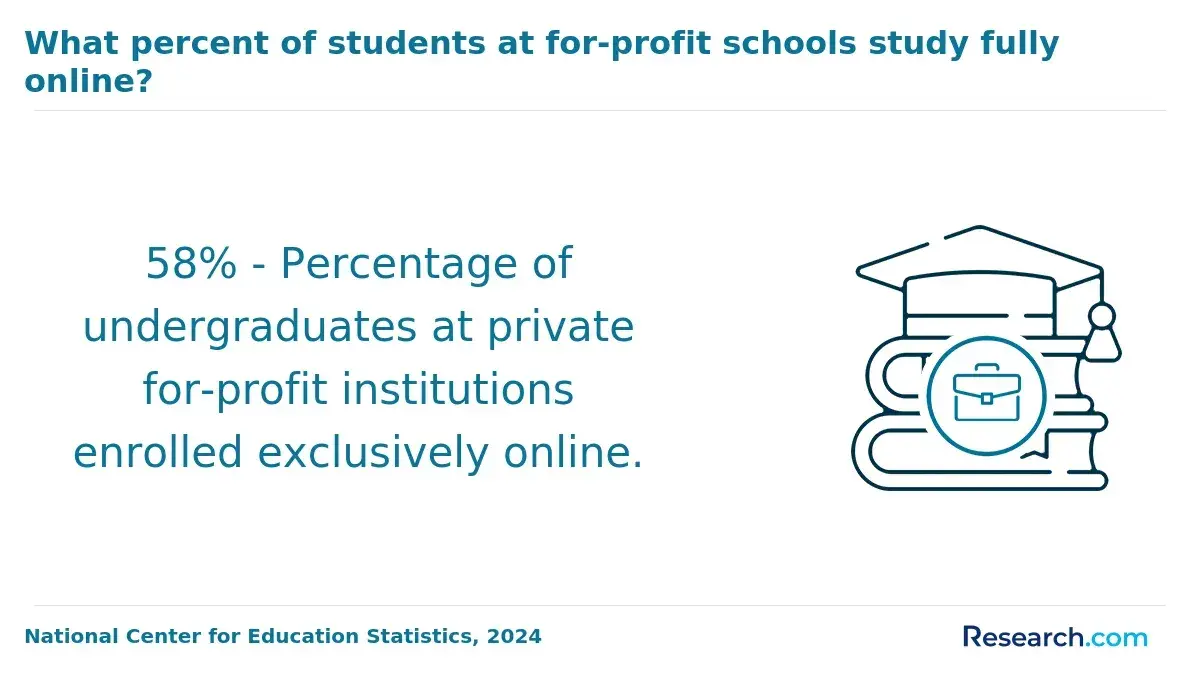
- Do Online Gender & Sexuality Studies Graduates Have Different Repayment Outcomes Than Campus-Based Students? Online vs. On-Campus Student Loan Repayment
- Which Industries Provide the Best Financial Return Relative to Borrowing Costs? Which Industries Provide the Best Financial Return Relative to Borrowing Costs?
- Does Student Debt Affect Which Jobs Gender & Sexuality Studies Graduates Accept? Does Student Debt Affect Which Jobs Gender & Sexuality Studies Graduates Accept?
- What Factors Increase Student Loan Repayment Risk for Gender & Sexuality Studies Graduates? Loan Repayment Risk Factors
- How Can Gender & Sexuality Studies Students Reduce Student Loan Debt While Earning Their Degree? Tips to Reduce Student Debt
- How Should Prospective Students Evaluate Borrowing Risk Before Enrolling? Evaluating Student Debt Risk
How Much Student Loan Debt Do Gender & Sexuality Studies Graduates Typically Have at Graduation?
Recent data from sources like the National Center for Education Statistics indicate that graduates in Gender & Sexuality Studies tend to graduate with student loan debt commonly ranging between $25,000 and $35,000. This average aligns with borrowing patterns found among humanities and social sciences disciplines. The average loan burden varies by institution type and whether students pursue additional graduate education. Understanding the typical student loan borrowing for Gender & Sexuality Studies graduates requires recognizing that costs reflect a combination of tuition, fees, and living expenses, often differing across public and private schools.
Debt variation among these graduates is influenced significantly by institutional factors such as public versus private status and in-state or out-of-state tuition differences. Private institutions generally entail higher sticker prices while public universities often offer lower tuition but with potentially limited scholarships or grants, affecting overall borrowing.
Enrollment intensity, such as part-time versus full-time status, also impacts the total loan balance, as extended program durations can increase cumulative borrowing. Additionally, combined majors or certificate programs lengthen student timelines and financial commitments, contributing to the diversity in debt loads.
These borrowing patterns have practical consequences, notably in repayment stress relative to starting salaries prevalent in education, nonprofit, and advocacy sectors typically pursued by Gender & Sexuality Studies graduates. Income-driven repayment plans can mitigate immediate financial pressure, but the risk remains substantial given average earnings compared to more lucrative fields, as detailed in studies ranking the best degrees to make money. Consequently, informed financial planning and careful evaluation of debt amounts relative to realistic career outcomes are critical for navigating long-term economic stability.
What Factors Have the Biggest Impact on Gender & Sexuality Studies Student Loan Debt?
Student loan debt levels for those studying gender & sexuality studies are shaped by a web of interconnected factors that extend beyond simple tuition costs or personal borrowing choices. Institutional pricing systems, program structure, and financial aid availability play critical roles in defining how much debt a student accumulates. At the same time, individual circumstances such as enrollment patterns and financial literacy deeply influence borrowing behavior and debt outcomes. Understanding these dynamics reveals why borrowing levels can vary widely among gender & sexuality studies students.
- Institution Type and Pricing Models: Students attending private nonprofit institutions typically face higher tuition rates and less subsidized financial aid, which drives larger loan amounts for gender & sexuality studies programs. Public universities, benefiting from state funding, often offer more affordable options and grants, reducing the need for extensive borrowing. This institutional pricing structure interacts closely with student socioeconomic status, as those with fewer personal resources are more vulnerable to accumulating high debt despite availability of some aid.
- Program Duration and Enrollment Patterns: Gender & sexuality studies degrees often encourage interdisciplinary coursework or double majors, extending time to graduation beyond the standard four years. Extended enrollment increases tuition and living expenses, leading students to borrow 25%-30% more on average, according to the Institute for College Access & Success. Part-time enrollment or changes in enrollment intensity can also affect borrowing by altering the pacing and total cost burden.
- Financial Aid Access and Family Support: Disparities in grants, scholarships, and family financial contributions significantly impact borrowing needs. Many gender & sexuality studies students come from lower-income backgrounds and therefore rely more heavily on loans to bridge funding gaps. Limited grant availability in some programs exacerbates this borrowing, especially when combined with higher institution pricing or longer program timelines.
- Student Financial Literacy and Borrowing Behavior: Borrowers often underestimate the long-term repayment implications, particularly when entering fields without high immediate earning potential. This lack of financial awareness contributes to unnecessarily high loan balances. The Federal Reserve Bank notes borrowers from liberal arts backgrounds, including gender & sexuality studies, face a 15% higher chance of loan delinquency compared to peers in fields with stronger income prospects.
- Career Earnings Expectations and Debt Repayment Capacity: Graduates from gender & sexuality studies typically pursue careers in education, social work, and public service sectors with starting salaries 20%-30% below median bachelor's degree earners, as shown in the U.S. Department of Education's Gainful Employment data. This wage gap heightens the risk of prolonged repayment periods and increased loan burden, influencing both initial borrowing decisions and long-term financial stability.
Given these factors, prospective students should carefully evaluate how program format choices influence borrowing levels, as well as explore financial aid options. Considering the inherent financial pressures, some may also compare similar interdisciplinary options or related fields that might offer different loan and repayment profiles, such as the cheapest criminal justice degree online, depending on their career goals and financial capacity.
What Is the Average Monthly Student Loan Payment for Gender & Sexuality Studies Graduates?
Recent 2024 data from the U.S. Department of Education indicates that graduates of gender & sexuality studies programs typically face monthly student loan payments ranging between $200 and $350. This average reflects a moderate borrowing profile, as many students accumulate debt amounts generally between $20,000 and $40,000. The variation in monthly payments arises from how these balances are structured under different repayment frameworks, with standard 10-year plans resulting in relatively predictable installments, while income-driven options tend to lower immediate payments for those in entry-level roles earning roughly $35,000 to $50,000 annually. These figures highlight a balance between typical debt levels and the occupational income realities within fields commonly pursued by gender & sexuality studies alumni, such as education and nonprofit work.
Monthly payment differences are primarily influenced by total debt, the type of repayment plan selected, interest rates, and post-graduation income variability. Graduates with higher borrowing or loans carrying variable interest can see payments increase substantially if repaying under standard plans without income adjustments. Conversely, income-driven repayment plans align monthly obligations more closely with earnings, often reducing financial strain but potentially extending repayment timelines and increasing interest accrual. Employment sectors linked to gender & sexuality studies frequently offer salaries in lower to mid-income brackets, making repayment capacity sensitive to these financial schedules and the availability of loan forgiveness programs. Understanding these dynamics is crucial for realistic budgeting and long-term debt management.
One graduate remembered applying during a rolling admissions cycle and initially hesitating due to uncertain timing around financial aid offers and loan counseling appointments. The delay in receiving clear repayment estimates caused her to pause enrollment decisions, as she wanted a full picture of monthly financial commitments before proceeding. After careful coordination with the financial aid office, she finalized her application, finding that the income-driven repayment options allowed her to balance education costs with ongoing living expenses. This experience underscored how negotiation and timing of admissions and funding processes can directly impact a student's approach to managing anticipated loan payments.
How Do Repayment Rates Compare Between Public and Private Institutions?
Recent data from the U.S. Department of Education's College Scorecard highlights a clear disparity in student loan repayment rates between graduates of public and private institutions in gender & sexuality studies programs. Public university alumni tend to repay their loans more effectively within three years of entering repayment, with roughly 62% reducing their principal balances compared to approximately 54% among private institution graduates. These differences are not merely a function of repayment behavior but reflect broader structural and economic variables shaping borrowing and repayment experiences in these fields.
Key factors influencing this divide include tuition cost disparities, with public institutions generally offering lower price points, resulting in smaller average loan balances at graduation. Graduates from public universities often benefit from more manageable debt-to-income ratios, partly because they face lower monthly payments-estimated to be around 15% less than those of private school counterparts-and report steadier employment in sectors such as education and nonprofits, which may also provide loan forgiveness opportunities.
In contrast, private institution students typically incur heavier debt burdens due to higher tuition fees and may experience elevated delinquency rates linked to less consistent income streams post-graduation. These dynamics suggest that repayment rates are driven not only by financial behavior but also by how institutional pricing and labor market outcomes intersect for gender & sexuality studies graduates.
Do Online Gender & Sexuality Studies Graduates Have Different Repayment Outcomes Than Campus-Based Students?
Graduates from public institutions offering gender & sexuality studies degrees consistently exhibit higher student loan repayment rates than their private counterparts, according to recent analyses from 2024 by leading education research bodies. For example, the National Postsecondary Student Aid Study reveals about 78% of public university graduates show progress on loan repayment two years after leaving school, compared to roughly 65% for graduates from private nonprofit institutions.
This difference in repayment success reflects more than institutional type alone; factors like the overall borrowing levels and employment stability greatly influence these outcomes. When examining online gender and sexuality studies student loan repayment rates specifically, public institution graduates maintain a relatively stable repayment performance, while private institution graduates, particularly online learners, tend to lag behind.
Key drivers behind these repayment disparities include higher tuition costs and correspondingly larger average student debt loads for private institution students. Graduates from private schools often face a steeper debt-to-income ratio due to elevated borrowing combined with earnings that may not proportionally offset the loan burden. Additionally, public universities frequently provide broader financial aid access and tend to enroll more diverse student populations with differing borrowing capacities.
Employment outcomes also contribute substantially; public institution graduates often benefit from stronger career networks and local labor market connections that support steady incomes, which enhance their ability to manage debt. In contrast, narrower employer access and geographic constraints for some private or online students can limit earnings, further complicating timely repayment.
These financial realities affect not only immediate repayment stress but also long-term economic mobility for gender & sexuality studies graduates. Consistently lower repayment performance in private sector cohorts can influence perceptions of program value and prompt calls for greater institutional accountability and financial transparency.
As prospective students weigh their options, understanding the nuanced relationship between institutional characteristics, borrowing levels, employment prospects, and repayment behavior is critical. For those exploring flexible degree options, resources like the best MBA for entrepreneurship offer models of balancing affordability and career relevance that gender & sexuality studies programs can learn from to improve outcomes.
Which Industries Provide the Best Financial Return Relative to Borrowing Costs?
Financial returns for gender & sexuality studies graduates vary widely by industry, shaped not only by starting salaries but also by the interplay of borrowing levels, salary growth potential, and hiring demand. Evaluating return on investment (ROI) requires balancing typical debt burdens-often between $30,000 and $40,000 in federal loans-with sector-specific earnings trajectories and repayment feasibility. Industries that offer steady salary increases or benefit from loan forgiveness programs can substantially reduce repayment strain, making them more effective at offsetting the cost of education beyond headline salaries alone.
- Nonprofit Social Services: This sector offers moderate but stable salaries, generally ranging from $40,000 to $55,000, which align closely with typical debt levels for these graduates. Consistent demand for community engagement roles and relative salary growth improve debt-to-income ratios, supporting manageable loan repayment timelines.
- Government and Public Policy: Public sector employment often pairs steady salary structures with robust loan forgiveness options for service employees. Hiring demand in various local and federal agencies can be competitive but positions here tend to reduce default risk by capping payments at sustainable levels relative to discretionary income.
- Education Administration and Counseling: Mid-level administrative roles and school counseling positions show gradual income increases combined with career progression opportunities. While starting pay may be modest, these roles benefit from established public programs easing education-related debt, stabilizing long-term financial outcomes.
- Healthcare Advocacy and Program Coordination: Growing demand across healthcare systems for specialized advocacy and outreach workers offers improving salary prospects. Though entry pay is often modest, the sector's expansion and emphasis on grant-funded projects can accelerate earnings growth, aiding faster debt amortization.
- Creative Industries (Media and Arts): Despite strong alignment with interest areas, creative fields typically offer lower average salaries-often under $35,000-resulting in a disproportionately heavier debt repayment burden. Irregular hiring and slower income growth amplify financial risk unless supplemented by additional income sources or conservative borrowing.
Does Student Debt Affect Which Jobs Gender & Sexuality Studies Graduates Accept?
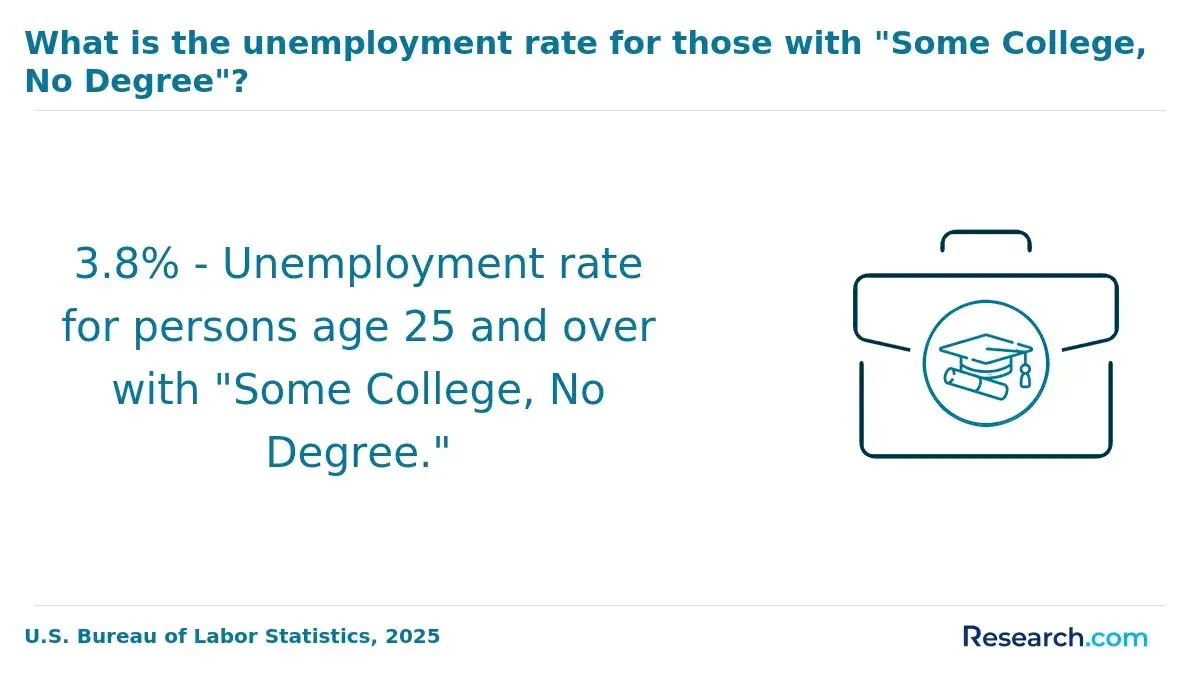
For many gender & sexuality studies graduates, the size of student loan debt plays a critical role in shaping which jobs they consider viable early in their careers. When monthly repayment obligations consume a large portion of expected income, graduates often prioritize positions offering higher immediate salaries, even if those roles diverge from their academic focus or long-term vocational goals.
This dynamic is particularly pronounced given that many entry-level jobs tied directly to gender & sexuality studies, such as advocacy or nonprofit roles, typically offer compensation below the national median for bachelor's degree holders. A 2024 report from the National Center for Education Statistics notes that roughly 65% of social science and humanities graduates carry an average loan balance near $29,000, an amount that frequently restricts flexibility in career choices and necessitates selecting jobs with stable or above-average pay to manage debt effectively.
Differences in debt load among graduates also influence broader employment behavior, including sector preference and geographic mobility. Those with higher debt burdens are more likely to forgo lower-paying positions in mission-driven environments and instead seek roles in corporate diversity or administrative functions that offer comparatively better financial security. Additionally, debt-related financial stress can limit the willingness or ability to relocate for niche opportunities, thereby narrowing the geographic scope of job searches.
Over time, these fiscal constraints may prompt graduates to delay or skip graduate education, which often serves as a gateway to specialized roles in academia or advanced advocacy, resulting in a divergence between initial job acceptance and long-term career aspirations. Data from a 2024 Urban Institute study reveals that student loan repayment significantly correlates with reduced engagement in profession-specific activism and higher rates of career changes within social science fields.
A recent graduate reflected on the admissions process for graduate studies amid ongoing debt concerns. Facing uncertain notification timelines during rolling admissions, they hesitated to fully commit to prospective programs while juggling part-time work and loan payments. The delay in decision-making created a tension between wanting to advance academically and managing financial obligations immediately after their bachelor's degree. Ultimately, choosing to enroll depended heavily on receiving timely clarity from programs, underscoring how student debt pressures can complicate both initial job selection and longer-term educational pathways within gender & sexuality studies.
What Factors Increase Student Loan Repayment Risk for Gender & Sexuality Studies Graduates?
Student loan repayment risk for gender & sexuality studies graduates results from several intertwined factors involving the level of debt incurred and the stability of earnings after graduation. This risk reflects an interaction among borrowing amounts, labor market conditions, and the financial realities faced by these graduates. Rather than a simple debt issue, repayment challenges hinge on both the structure of academic financing and the post-graduate employment landscape, including sector-specific wage patterns and job security.
- Lower Median Starting Salaries: Graduates in gender & sexuality studies typically earn about 20% less than their STEM counterparts, according to a 2024 U.S. Department of Education report. This diminished earning capacity restricts disposable income available for timely loan payments, increasing the risk of missed or delayed repayments.
- Employment Sector Constraints: Many graduates work in nonprofits, education, or advocacy sectors that often provide limited financial growth and fewer student loan repayment benefits. Such sectors tend to offer job stability that is more vulnerable to economic or political shifts, impacting the ability to maintain steady payments.
- Higher Relative Borrowing Levels: To cover tuition and living costs-especially where unpaid internships are common-some students accumulate loans that exceed their initial earning potential. Without proportional salary growth, this borrowing magnifies long-term repayment burdens and financial strain.
- Dependence on Income-Driven Repayment Plans: Due to wage limitations, many graduates rely on income-driven plans that extend repayment terms and increase interest accumulation, resulting in overall higher repayment amounts despite lower monthly obligations.
- Labor Market Volatility: Hiring demand in gender & sexuality studies-related fields can fluctuate with societal and economic changes. This volatility challenges job security and wage progression, which in turn complicates consistent loan repayment and heightens vulnerability to financial hardship.
Factors affecting student loan repayment challenges for gender & sexuality studies graduates include variations in employment outcomes and income levels, as well as borrowing amounts that differ by institution type. Understanding how program format influences repayment capacity is also relevant; for example, pursuing an online associate degree may affect borrowing and repayment dynamics compared to traditional programs.
How Can Gender & Sexuality Studies Students Reduce Student Loan Debt While Earning Their Degree?
Reducing student loan debt while earning a gender & sexuality studies degree requires proactive planning that balances financial awareness, academic efficiency, and strategic use of available institutional resources. Students must engage in careful decision-making around enrollment choices, aid optimization, and employment opportunities embedded in their academic path. Achieving meaningful debt reduction involves not just budgeting but leveraging how and where students study, the types of aid they pursue, and how they incorporate work-related learning into their education.
- Part-Time Enrollment with Employment: Enrolling part-time while maintaining steady employment spreads tuition costs over a longer period and allows students to generate income, which reduces reliance on borrowing. This strategy trades off a prolonged degree timeline for lower aggregate debt, as supported by National Postsecondary Student Aid Study data showing over half of liberal arts students borrow federal loans.
- Targeted Scholarships and Grants: Seeking scholarships specifically earmarked for gender & sexuality studies or related humanities fields directly lowers borrowing by providing non-repayable funds. These awards typically come from institutional or private sources linked to social justice or advocacy and require awareness of specialized application cycles.
- Starting at Community College: Beginning at a community college with lower tuition before transferring to a four-year institution can significantly reduce total loan amounts. This pathway reduces costs upfront and enables students to complete general education requirements more affordably.
- Work-Study and Campus Employment: Engaging in work-study programs or campus jobs connected to social justice, diversity, or advocacy provides income while building relevant skills. This approach mitigates debt by financing living or educational expenses and enhances employability in aligned career sectors.
- Strict Academic Planning: Efficiently planning course loads to avoid excess credits and minimizing time to degree lowers overall tuition expenses. Students should balance full-time and part-time status to optimize affordability without unnecessarily extending their studies.
- Utilizing Income-Driven Repayment Programs: While not a method to reduce borrowing, awareness of income-driven repayment options after graduation informs how debt is managed long-term, helping graduates avoid financial distress in lower-wage nonprofit or teaching career paths common among gender & sexuality studies alumni.
- Leveraging Online and Hybrid Coursework: Incorporating flexible delivery modes such as online or hybrid classes can reduce ancillary costs like commuting and housing, indirectly lowering loan needs. Exploring these options aligns with findings on the easiest bachelor's degree programs that emphasize cost-efficiency through academic flexibility.
How Should Prospective Students Evaluate Borrowing Risk Before Enrolling?
Evaluating borrowing risk before enrolling in a gender & sexuality studies program is critical to understanding the long-term financial impact of student debt relative to career earnings. Prospective students must weigh total anticipated debt against realistic post-graduation income expectations, especially since median earnings in this field are approximately $38,000 five years after graduation, per the U.S. Department of Education's College Scorecard (2024). Careful analysis helps avoid unmanageable repayment burdens and informs whether pursuing this academic path aligns with financial resilience goals.
- Expected Earnings Compared to Debt Load: Project realistic salary outcomes using authoritative data to determine if monthly loan payments will likely exceed 10-15% of net income, a threshold signaling heightened repayment risk.
- Total Cost of Attendance: Assess all expenses-tuition, fees, living costs, and time-to-degree-since these factors directly influence total borrowing and long-term debt accumulation.
- Employment Market Realities: Examine job availability and employer expectations in academia, nonprofit, and advocacy sectors; many roles demand graduate degrees, extending debt exposure and potentially delaying stable income.
- Loan Terms and Repayment Flexibility: Investigate interest rates, repayment plans, and forgiveness programs specific to federal loans, evaluating how these features affect debt management under varying income scenarios.
- Alternative Funding Sources: Identify scholarships, grants, or work-study options to reduce reliance on loans, thus mitigating overall borrowing risk.
- Institutional Reputation and Outcomes Data: Use verified institutional metrics and outcome reports to appraise how well a program facilitates employability and timely graduation in relation to cost.
- Personal Financial Resilience: Consider individual fallback strategies and reserves to buffer against potential income volatility or delayed employment after graduation.
References
- Why Women Carry More Student Loan Debt Than Men https://www.lendkey.com/blog/student-loans/why-women-carry-more-student-loan-debt-than-men/
- Women & Student Debt https://www.aauw.org/issues/education/student-debt/
- Gender and Sexuality Studies https://www.bbk.ac.uk/courses/postgraduate/gender-and-sexuality-studies
- The Impact of Student Debt on the Low-Wage Workforce https://workrisenetwork.org/working-knowledge/impact-student-debt-low-wage-workforce
- Gender Pay Gap Means That Student Debt Most Affects Female Post-Grads https://canadianwomen.org/blog/gender-pay-gap-student-debt/
- Student Loan Debt by Gender [2025]: Men vs Women https://educationdata.org/student-loan-debt-by-gender
- The student debt gender gap: Women burdened more by debt call for systemic changes https://abcnews.com/GMA/Living/student-debt-gender-gap-women-burdened-debt-call/story
- £90,000 Later: What Student Debt Really Does to Women – Women's Budget Group https://www.wbg.org.uk/article/90000-later-what-student-debt-really-does-to-women/
- The student debt gender gap: Women burdened more by debt call for systemic changes https://www.goodmorningamerica.com/living/story/student-debt-gender-gap-women-burdened-debt-call-84823475
- Gender Disparities in Student Loan Debt https://www.savingforcollege.com/article/gender-disparities-in-student-loan-debt
Other Things You Should Know About Gender & Sexuality Studies
Programs with heavy interdisciplinary requirements often extend time to degree completion, increasing overall borrowing and complicating repayment timelines. Students in programs emphasizing research or thesis projects may incur additional costs or delay labor market entry, heightening monthly payment burdens. When choosing programs, prioritizing those with clearer, more streamlined credit paths can reduce debt accumulation and ease repayment pressures.
Employment in social services, education, or advocacy - common fields for gender & sexuality studies grads - often involves modest starting salaries that strain monthly loan payments. Graduates should weigh whether the typical earnings in these sectors justify borrowing levels, as high debt against low income increases repayment risk. Prioritizing practical experience or supplemental certifications aligned with market demands can enhance employability and improve payment capacity.
Programs requiring extensive unpaid internships or fieldwork increase time commitments without immediate financial return, potentially delaying income necessary for loan repayment. While such experience may strengthen resumes, students must balance academic workload with financial realities that affect monthly payment feasibility. Evaluating program demands alongside career benefit likelihood helps mitigate repayment risk by avoiding excessive debt relative to expected earnings.
Graduates should prioritize securing employment in stable sectors with clear career advancement paths or consider public service loan forgiveness options when applicable. Carefully managing loan consolidation or income-driven repayment plans can also reduce default risk. Avoiding excessive borrowing above anticipated income levels is critical-realistic budgeting and early repayment planning are essential to mitigate extended financial strain.