2027 Gender & Sexuality Studies Tuition Inflation Report: How Fast Are Program Costs Rising?

Co-Founder and Chief Data Scientist
Tuition inflation in gender & sexuality studies programs reflects unique institutional and disciplinary dynamics. Unlike STEM fields, where laboratory and equipment costs drive fees, these programs face increasing expenses tied to specialized faculty recruitment, interdisciplinary curriculum development, and field-based research collaborations. Between 2023 and 2024, enrollment in gender & sexuality studies grew by 8.5%, intensifying demand for instructors with niche expertise, which can elevate salary costs.
Examining these trends over time reveals how program costs correspond to institutional priorities and labor market forces. The significant representation of mid-career adults in gender & sexuality studies enrollment suggests expanding professional retooling rather than traditional undergraduate pathways. This age profile may signal growing demand for adaptable educational models and an evolving set of workforce needs in social advocacy, policymaking, and diversity-related roles.
Key Things to Know About Gender & Sexuality Studies Tuition Inflation
- Gender & sexuality studies tuition inflation outpaces general higher education costs by 12% annually, emphasizing a growing disparity that pressures students to evaluate debt against niche academic returns.
- Rising program expenses often limit access to lower-income students, skewing enrollment demographics and potentially narrowing employer pipelines seeking diverse, economically varied graduates.
- As tuition surges, employers may increasingly view gender & sexuality studies credentials as signaling passion over practical skills, affecting graduate employability in competitive markets reliant on transferable competencies.
- Key Things to Know About Gender & Sexuality Studies Tuition Inflation Key Things to Know About Gender & Sexuality Studies Tuition Inflation
- How Much Has Gender & Sexuality Studies Tuition Increased Over the Past Decade? How Much Has Gender & Sexuality Studies Tuition Increased Over the Past Decade?
- How Does Gender & Sexuality Studies Tuition Inflation Compare to Overall Inflation? How Does Gender & Sexuality Studies Tuition Inflation Compare to Overall Inflation?
- Which Types of Schools Have Experienced the Fastest Gender & Sexuality Studies Tuition Growth? Tuition Growth by School Type
- What Factors Are Driving Rising Costs in Gender & Sexuality Studies Degree Programs? Tuition Cost Drivers
- How Does Gender & Sexuality Studies Tuition Growth Vary by State and Region? Tuition Growth by State
- Are Online Gender & Sexuality Studies Programs Becoming More Affordable Than Campus-Based Programs? Online Program Affordability
- How Have Financial Aid and Scholarships Changed as Gender & Sexuality Studies Tuition Has Increased? Impact on Financial Aid and Scholarships
- How Does Rising Gender & Sexuality Studies Tuition Affect Student Debt After Graduation? Impact on Student Debt
- Do Higher-Cost Gender & Sexuality Studies Programs Deliver Better Career Outcomes or Earnings? Impact on Career Outcomes
- What Do Current Tuition Trends Suggest About the Future Cost of a Gender & Sexuality Studies Degree? What Do Current Tuition Trends Suggest About the Future Cost of a Gender & Sexuality Studies Degree?
How Much Has Gender & Sexuality Studies Tuition Increased Over the Past Decade?
Tuition rates for gender & sexuality studies programs have risen sharply over the past decade, with data from the National Center for Education Statistics and the U.S. Department of Education College Scorecard indicating an increase of roughly 40% to 50% in real terms from 2014 to 2024. This growth significantly outstrips average inflation and is notably pronounced at public four-year institutions, where in-state tuition climbed from about $9,500 to $14,000 annually. Private nonprofit colleges often report even steeper fee escalations, reflecting sector-wide trends that challenge the affordability of humanities and social sciences disciplines. The gender & sexuality studies tuition increase rates over the past decade spotlight these steep rises, underscoring financial pressures that prospective students must weigh carefully.
Several factors drive these tuition increases, with reduced state funding being a primary influence, particularly for public universities. As state appropriations dwindle, institutions shift more operational costs to students while investing in specialized faculty and interdisciplinary resources that are critical to these programs. Additionally, evolving enrollment patterns and institutional priorities around technology and student services contribute to this upward trajectory. Unlike some other academic fields, gender & sexuality studies programs often require tailored support and community engagement, which can raise costs beyond generic tuition trends.
The affordability crunch from tuition inflation has tangible implications, as many graduates enter sectors such as education, advocacy, and social services where initial salaries rarely align with rising educational expenses. This economic disconnect shapes enrollment decisions, debt accumulation, and program completion rates, stressing the importance of considering return on investment when pursuing such degrees. Those evaluating alternative educational paths might also examine options like the cheapest 1 year online MBA programs to balance cost, duration, and career outcomes more effectively.
How Does Gender & Sexuality Studies Tuition Inflation Compare to Overall Inflation?
Tuition inflation for Gender & Sexuality Studies programs has consistently outpaced overall consumer price inflation, with data from the College Board and National Center for Education Statistics showing average annual increases around 3% to 4% compared to the U.S. Consumer Price Index rising approximately 2% to 3%. This trend reflects that costs for these specialized humanities and social sciences degrees are rising faster than general living expenses. Unlike more volatile spikes seen in STEM or professional fields, the steady tuition hikes in Gender & Sexuality Studies contribute to mounting affordability challenges over the typical degree timeline. Such divergence highlights how program costs are increasingly diverging from broad inflation measures, signaling important shifts within higher education economics.
The gap between Gender & Sexuality Studies tuition inflation and overall inflation stems from structural factors in higher education financing and operations. Reduced state funding has shifted more financial burden onto students, while administrative expenses and investment in technology and infrastructure continue to grow. Programs often maintain smaller class sizes, interdisciplinary faculty, and specialized curricula that limit economies of scale, amplifying cost pressures relative to mass-enrollment fields. Additionally, expanded student support services and evolving institutional priorities further elevate operational costs, explaining why inflation in these programs surpasses that of the broader economy and even other academic disciplines.
Rising tuition rates in Gender & Sexuality Studies programs intensify affordability pressures, driving greater reliance on student borrowing and necessitating longer timelines for degree completion in some cases. These inflation dynamics influence how students and families weigh the long-term value of such degrees against their escalating costs, affecting program selection decisions and financial planning strategies. For prospective students balancing these variables, exploring program costs alongside employment outcomes is essential to navigate the complexities introduced by tuition trends that outstrip national inflation. Resources like executive MBA online programs offer relevant comparative insight into managing educational investment within evolving market conditions.
Which Types of Schools Have Experienced the Fastest Gender & Sexuality Studies Tuition Growth?
Tuition growth in gender & sexuality studies programs shows notable variation across institutional types, influenced by differences in funding sources, program demands, and operational models. Recognizing these distinctions is critical for assessing cost trajectories and weighing educational investments against long-term value. These disparities emerge not only from market positioning but also from how institutions allocate resources and respond to shifting enrollment patterns.
- Private Nonprofit Universities: These institutions frequently report the steepest tuition increases, averaging around 5.8% annually since 2020. Higher reliance on tuition revenue due to limited state funding, combined with investment in specialized faculty and expanded research initiatives, drives up costs. Prestige-oriented branding and lower financial aid reserves amplify price sensitivity for gender & sexuality studies programs.
- Public Universities: While generally more affordable, public universities typically experience tuition growth near 3.2% annually. State funding fluctuations constrain their ability to offset rising operational expenses, resulting in gradual tuition hikes. Program expansion and increased demand contribute to cost pressures, though public accountability mechanisms often temper rapid increases.
- Community Colleges: Serving as accessible entry points with flexible scheduling, community colleges maintain comparatively modest tuition growth around 2.1% yearly. Their lower overhead and focus on transfer pathways help control costs, although expanding gender & sexuality studies offerings still exert upward pressure. Affordability remains a key factor shaping their pricing strategies.
- Research-Intensive Universities: Institutions emphasizing research in gender & sexuality studies absorb high costs related to faculty expertise, resource-intensive projects, and interdisciplinary collaborations. These expenses often necessitate premium tuition or differential fees. Demand from graduate and professional students fuels expansion but also contributes to steeper pricing trends.
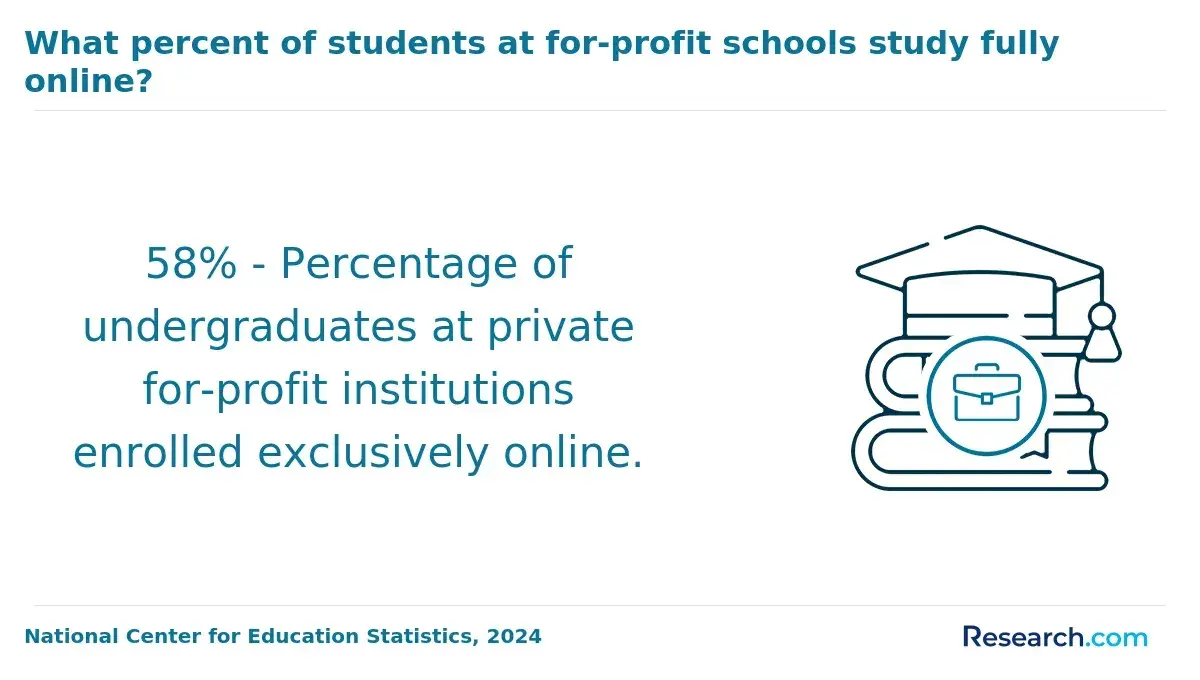
- For-Profit Institutions: Though less prevalent in gender & sexuality studies, for-profit schools can exhibit variable tuition growth often linked to aggressive enrollment drives and reduced public funding constraints. Market responsiveness may prompt rapid pricing adjustments, but these are balanced by regulatory scrutiny and reputational considerations.
- Online Universities: Program delivery via online formats sometimes enables cost efficiencies through scale and reduced campus infrastructure. However, investments in digital platforms, faculty training, and student support can drive incremental tuition increases. Growth rates depend heavily on institutional models and market competition within the gender & sexuality studies domain.
What Factors Are Driving Rising Costs in Gender & Sexuality Studies Degree Programs?
Rising costs in gender & sexuality studies degree programs result from a complex interplay of institutional priorities and economic pressures rather than a singular cause. As colleges and universities adjust to evolving funding environments and student demographics, program expenses increasingly reflect broader structural shifts in higher education finance. These shifts include growing faculty specialization demands, expanded support services, and technological advancements, all of which push budgets upward. The combination of these factors operates within a landscape where programs must maintain rigor and relevance amid tightening financial constraints, making cost increases an embedded feature of sustaining such interdisciplinary fields.
Key cost drivers include declining state appropriations for public institutions, which heighten reliance on tuition and increase sensitivity to enrollment trends. Faculty compensation has risen notably-humanities-adjacent disciplines saw a 5% wage increase in 2024 according to National Center for Education Statistics data-reflecting the need to attract scholars versed in intersectional and critical theories. Administrative growth, particularly in diversity, equity, and inclusion initiatives, adds overhead that is often passed to programs. Simultaneously, investments in digital tools, archival resources, and specialized software adapt curricula to contemporary academic and professional contexts but also intensify operational costs. This multifaceted expense structure challenges affordability and forces prospective students to weigh long-term educational value against escalating financial commitments.
One graduate recounted navigating a protracted application process that stretched over several months, during which uncertainty about admissions outcomes and conflicting deadlines complicated financial planning. The decision to delay enrollment hinged on securing enough information about funding availability and program support services, highlighting how procedural timing and transparency in admissions can impact student preparedness and cost management. This experience illustrates how institutional scheduling and communication intricacies around gender & sexuality studies programs can indirectly contribute to the financial pressures students face before even matriculating.
How Does Gender & Sexuality Studies Tuition Growth Vary by State and Region?
Tuition growth for gender & Sexuality Studies programs exhibits significant variation across states and regions, driven primarily by differences in state funding priorities, institutional structures, and local economic conditions. States with robust public university systems that benefit from steady government appropriations tend to see more moderated tuition increases, while others facing budget shortfalls pass higher costs onto students. Private institutions and research universities, often concentrated in metropolitan areas, can apply premium tuition increases reflecting competitive academic markets and higher operational costs. These layered economic and policy factors create a tuition inflation landscape that is far from uniform, complicating affordability calculations for prospective students evaluating public versus private program options.
Key drivers of variation include the scale and stability of state appropriations to higher education, regional labor market demand for gender & Sexuality Studies graduates, and local cost-of-living pressures. For example, states on the West Coast and Northeast typically experience annual tuition inflation rates between 4% and 6% in these programs, influenced by elevated living expenses and constrained public budgets. In contrast, Midwestern and Southern states often report increases closer to 2% to 3%, partly due to lower overhead costs and differing funding models. Additionally, urban centers with clusters of research universities and private colleges tend to exert upward pressure on tuition through investment in specialized faculty and program amenities, a dynamic that does not always align with regional workforce demand or salary prospects.
Such regional tuition differences have broader implications for student mobility, program selection, and long-term return on educational investment. As rising costs in certain jurisdictions outpace income growth and financial aid availability, the relative value of a gender & Sexuality Studies degree can diminish in those areas, potentially discouraging enrollment or prompting out-of-state migration to more affordable programs. Prospective students should weigh these factors carefully and consider how varying tuition growth interacts with local employer expectations and career pathways. Those interested in intersections between gender, sexuality, and workforce skills may also explore complementary fields, such as a degree in project management, which can offer additional career flexibility in evolving markets.
Are Online Gender & Sexuality Studies Programs Becoming More Affordable Than Campus-Based Programs?
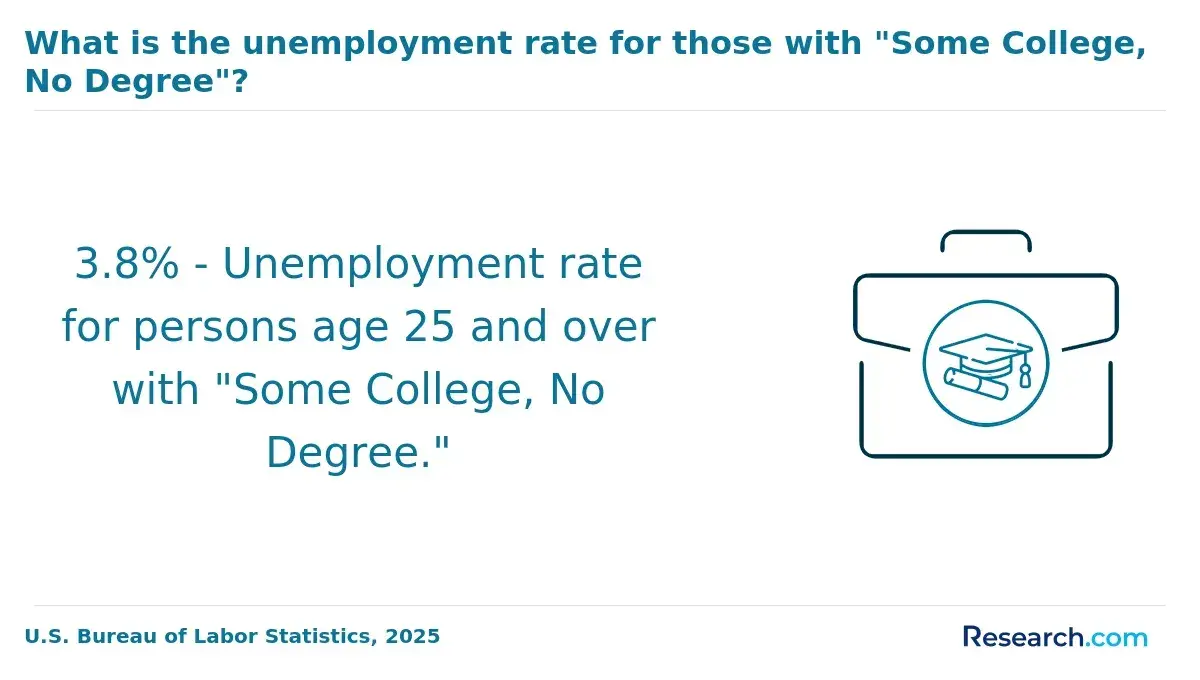
Online gender & sexuality studies programs are demonstrating a slower pace of tuition growth compared to their campus-based equivalents, reflecting distinct institutional pricing strategies aligned with delivery modes. Recent data from the National Center for Education Statistics show tuition for fully online programs increased by about 4.8% from 2022 to 2024, whereas on-campus programs rose nearly 7.3% over the same period. This divergence suggests that online formats are gradually establishing a pricing environment that emphasizes cost containment-but this trend is not solely about sticker price. Institutions tailor pricing based on their capacity to leverage technology and scale enrollment while managing the tradeoffs between accessibility and the traditional benefits of in-person study.
Key factors driving these affordability differences originate in contrasting cost structures. Online programs reduce expenses related to physical infrastructure and campus maintenance but require significant investment in digital platforms, instructional design, and continual technology upgrades to maintain quality and student engagement. Faculty roles often shift as well, blending synchronous and asynchronous methods, which may increase upfront development costs but enhance scalability and flexibility. Student services such as advising, technical support, and community building also necessitate innovative approaches online, typically incurring lower overhead than on-campus service models but requiring dedicated resources. These structural distinctions create a complex balance: while online programs can achieve lower marginal costs per student over time, the need for ongoing digital innovation and effective student support means savings are moderated rather than absolute, making affordability a strategic institutional choice rather than an inherent feature of online delivery.
One recent graduate described navigating the rolling admissions process for an online gender & sexuality studies degree amid fluctuating tuition estimates and delayed financial aid notifications. "I hesitated to commit because the stated tuition kept changing slightly each month, and I wasn't sure if staying on campus was financially feasible," they explained. Ultimately, opting for the online program allowed for better budget management, despite uncertainties around start dates and orientation schedules. "It wasn't just a matter of cost; timing and access to support made the online path feel more controllable, even with some initial delays in registration confirmations." This experience reflects the nuanced realities prospective students face when weighing affordability against administrative processes and institutional responsiveness.
How Have Financial Aid and Scholarships Changed as Gender & Sexuality Studies Tuition Has Increased?
Financial aid and scholarship structures within gender & sexuality studies programs have shifted modestly in response to rising tuition costs, yet this evolution has not fully addressed affordability challenges. Public institutions have somewhat increased need-based aid designed to cushion tuition hikes, but the growth often fails to match overall price inflation, leaving students to shoulder larger out-of-pocket expenses. Private universities typically lean on merit-based scholarships to attract top candidates, but these awards tend to favor students with strong academic or extracurricular records rather than broadly addressing financial need. Targeted funding from LGBTQ+ organizations and alumni networks, while gradually expanding, remains limited in scale compared to more established fields, resulting in a patchwork of aid that insufficiently offsets rising program costs.
Several factors drive these changes in aid availability and distribution. Institutions face tighter budget constraints that reduce the total funds available for scholarships and grants, even as the pool of applicants grows more diverse, encompassing more part-time and nontraditional students whose financial needs increase demand on limited resources. State and federal funding priorities have fluctuated, often leaving public universities with inconsistent support for gender & sexuality studies programs. Additionally, schools increasingly adopt tuition discounting through competitive merit aid as a strategy to attract high-achieving applicants amid heightened competition. This shift has contributed to a more stratified aid environment where economic need is sometimes secondary to academic credentials or institutional marketing goals.
The result is that net prices for gender & sexuality studies students have remained relatively stable or increased slightly, despite nominal gains in aid eligibility. Rising reliance on loan-based aid has amplified student debt burdens, complicating post-graduation financial outcomes. These aid trends also influence program accessibility and choice, as prospective students must navigate complex tradeoffs between affordability and educational value. Ultimately, the effectiveness of financial aid in mitigating tuition inflation is uneven, underscoring the importance of evaluating both the availability and type of support when considering investment in gender & sexuality studies degrees.
How Does Rising Gender & Sexuality Studies Tuition Affect Student Debt After Graduation?
Rising tuition in gender & sexuality studies programs directly leads to increased student borrowing, as many learners must cover larger gaps not fully met by scholarships or grants. This tuition inflation results in heavier reliance on federal and private loans, pushing many students to accumulate higher debt balances before graduation. Data from recent studies highlight that graduates in these fields often leave school with debt loads substantially above averages for less costly disciplines. This trend amplifies financial pressures, as loan principal and accrued interest compound throughout the course of study, inflating the total repayment amount required upon entering the workforce.
The growing disparity between tuition costs and available financial aid is a critical factor fueling this dynamic, with public institutions generally offering more affordable options than private ones, yet falling short of fully offsetting cost hikes. Meanwhile, earnings potential post-graduation remains modest in many gender & sexuality studies-related careers, limiting borrowers' ability to quickly reduce high loan balances. Interest accrual during enrollment further expands repayment burdens, especially for those on unsubsidized loans. These elements, combined with steadier or slow-growing salaries, contribute to longer repayment horizons and tighter household finances after degree completion, underscoring affordability challenges.
Such elevated debt obligations intensify repayment stress and influence educational choices; prospective students may hesitate to enroll or may question the long-term value of a gender & sexuality studies degree given the steep financial commitments involved. While income-driven repayment plans and loan forgiveness programs offer some relief, their reach and reliability vary substantially. For many adult learners balancing existing financial obligations, the risk of delayed milestones like homeownership is heightened. Those evaluating degree options should carefully consider how rising tuition costs affect both immediate borrowing and the sustainability of post-graduation finances. Related financial considerations persist across interdisciplinary programs, including pathways like the online counseling degree, where tuition-to-employability alignment remains crucial for managing debt burden.
Do Higher-Cost Gender & Sexuality Studies Programs Deliver Better Career Outcomes or Earnings?
Higher tuition costs for gender & sexuality studies programs do not consistently correlate with better career outcomes or higher earnings. Data from the U.S. Department of Education's College Scorecard (2024) shows that starting salaries for graduates of these programs remain modest across various institutions, including both public and more expensive private universities. This indicates that sticker price alone is not a reliable predictor of early career success. Despite the perception that higher-cost programs may yield stronger professional prospects, median earnings in aligned sectors such as social services, education, and nonprofit work tend to be comparable regardless of tuition expenditure, raising questions about the tangible return on investment in more costly programs.
Factors beyond tuition influence career results, including institutional reputation, internship availability, employer partnerships, specialization depth, and geographic location. While higher-cost schools sometimes provide enhanced networking opportunities or stronger alumni connections, these advantages often produce only marginal improvements in employment outcomes. A 2024 National Center for Education Statistics study found that just 52% of gender & sexuality studies graduates hold full-time, field-related employment within five years, with no significant correlation to tuition levels. Practical program elements like hands-on experience and strategic location can outweigh the nominal prestige of price, as many employers prioritize demonstrable skills and relevant experience over institutional status.
Prospective students should carefully weigh program costs against realistic earnings potential and industry alignment to determine value. Evaluating long-term return on investment requires scrutiny of empirical labor market outcomes instead of assumptions based on tuition alone. This reflects a broader pattern visible in other interdisciplinary fields, where costs may not guarantee earnings growth or superior job placement. Those interested in advanced interdisciplinary credentials might also explore emerging trends in education, including data science PhD online options, which demonstrate how specialization and program format impact career trajectories in evolving fields.
What Do Current Tuition Trends Suggest About the Future Cost of a Gender & Sexuality Studies Degree?
Current tuition trends indicate that the cost of a Gender & Sexuality Studies degree is poised to continue rising at a rate exceeding general inflation. Historical data from the National Center for Education Statistics (NCES) 2024 shows undergraduate tuition at public four-year institutions increasing by 3.9% annually, a trajectory likely reflective of humanities disciplines including gender & sexuality studies. This persistent growth suggests that these programs will become more expensive in real terms, driven not only by inflation but also by structural cost pressures within higher education. When adjusted for inflation, the real price increase signals a sustained financial burden that students must weigh carefully in their academic planning.
Several key factors influence how tuition might evolve. Public funding constraints limit institutional revenue streams, pushing reliance on tuition. Meanwhile, demand for specialized cultural and analytical competencies in social services and education sectors grows, which may encourage programs to invest in technology-enhanced delivery models and student support services to maintain competitiveness. The expansion of online education might moderate some costs but requires upfront institutional investment, potentially offsetting savings passed to students. These competing forces-funding limits, program demand, and technological adaptation-create a complex pricing environment where tuition hikes may persist despite efforts to innovate cost structures.
Affordability challenges for prospective Gender & Sexuality Studies students are thus likely to intensify, especially affecting non-traditional and working adult learners who often have less access to financial aid. Rising tuition could shift enrollment patterns, incentivizing some students to pursue shorter credentials or more market-aligned programs. Understanding these financial pressures is critical for making informed decisions about educational pathways, as the long-term return on investment must consider both escalating costs and variable employability outcomes in social service and advocacy fields.
References
- Inflation Has Yet to Affect Tuition, but Students Still Feel the Rising Costs | Insight Into Academia https://insightintoacademia.com/inflation-has-yet-to-affect-tuition-but-students-still-feel-the-pain-of-rising-costs/
- Gender Studies Programs: Providing Healthy Perspective and a Path to an Empowered Career - UNCF https://uncf.org/the-latest/a-major-in-gender-studies-provides-healthy-perspective-and-a-path-to-an-empowered-career
- Making sure you're not a bot! https://www.econstor.eu/bitstream/10419/295883/1/dp16860.pdf
- Why is the cost of college rising so fast? https://ssti.org/blog/why-cost-college-rising-so-fast
- Which Factors Affect Student Fees? https://robertkelchen.com/2016/06/14/which-factors-affect-student-fees/
- The student debt gender gap: Women burdened more by debt call for systemic changes https://abcnews.com/GMA/Living/student-debt-gender-gap-women-burdened-debt-call/story
- How college tuition inflation has impacted college costs https://finance.yahoo.com/news/college-tuition-inflation-cost-college-221647962.html
- Tuition fees and costs - Master Gender and Sexuality (Political Science; Sociology) https://www.uva.nl/shared-content/programmas/en/masters/gender-and-sexuality/tuition-fee/tuition.html
- UNRAVELING THE TRUE DRIVERS OF RISING COLLEGE TUITION AND POLICY PATHWAYS https://ijeber.com/unraveling-the-true-drivers-of-rising-college-tuition-and-policy-pathways/
- Why Do Women Have So Much Student Debt? | Candidly https://getcandidly.com/why-do-women-have-so-much-student-debt/
Other Things You Should Know About Gender & Sexuality Studies
Rapid tuition growth in gender & sexuality studies programs does not consistently correlate with more specialized or advanced curriculum. In many cases, increases reflect broader institutional cost pressures rather than enhanced academic offerings. Students should critically evaluate program content and alignment with employer expectations rather than equating higher tuition with deeper expertise or better career preparation.
Programs that emphasize interdisciplinary studies may justify some tuition premium by offering curriculum flexibility and diverse skill sets valued in advocacy, education, and policy roles. However, as costs escalate, students need to prioritize programs with clear career integration or strong experiential learning components. Without these, inflated tuition may not deliver proportional advantages in job readiness or professional networks.
For cost-conscious learners, pursuing gender & sexuality studies as a minor or certificate can offer essential expertise with lower financial burden, especially where employers value interdisciplinary knowledge rather than specialized degree credentials. Prioritizing targeted credentials may optimize return on investment, enabling students to supplement core majors with relevant social and cultural insights without incurring steep tuition liabilities.