2027 Best Accredited Online Game Design Degree Programs: Compare Tuition, Admissions, and Career Outcomes

Co-Founder and Chief Data Scientist
Choosing an online game design degree is really a cost, portfolio, and career-fit decision. The Entertainment Software Association reported that 190.6 million Americans play video games, showing why schools are expanding programs tied to interactive media, programming, art, UX, and storytelling.
This guide is for first-time students, transfer students, and working adults comparing accredited online options. You will learn how tuition, admissions, accreditation, learning format, support, and career outcomes differ so you can avoid weak programs and choose a degree that fits your budget and goals.
Key Things You Should Know
- For accredited online game design bachelor's programs, published tuition commonly ranges from about $330 per credit at lower-cost online institutions to more than $1,000 per credit at private art and design schools before fees, software, hardware, and portfolio expenses.
- Game design is not licensed like nursing or teaching, so institutional accreditation, portfolio quality, curriculum depth, internship access, and employer-facing project work matter more than a single programmatic accreditor.
- The strongest value usually comes from programs that combine reasonable total cost, transfer-credit generosity, portfolio-based coursework, career services, and flexible asynchronous delivery rather than from the lowest tuition alone.
Which Accredited Online Game Design Degree Programs Offer the Best Overall Value?
The best overall value in an accredited online game design degree depends on what you need the degree to do: prepare you for game art, gameplay programming, technical design, UX, interactive media, or graduate study. A low-cost program can be a smart investment if it includes substantial hands-on projects, but a higher-cost art school may be worth considering when it offers stronger critique, portfolio development, and industry-facing faculty.
Use the table below as a decision-support snapshot, not a final ranking. Tuition and program details can change, and students should verify current published rates, fees, transfer policies, and online availability before applying.
| Program type or example | Best fit | Value strengths | Trade-offs to review |
| Lower-cost online university game art or game programming bachelor's program | Working adults, transfer students, budget-conscious students | Often offers flat online tuition, broad transfer acceptance, and flexible pacing | May have less intensive studio critique or fewer specialized game-industry facilities |
| Private art and design school with online game art or interactive design | Students seeking a portfolio-heavy creative environment | Strong visual development, critique, and professional portfolio emphasis | Higher tuition may require careful aid comparison and debt planning |
| Technology-focused online game programming or simulation program | Students interested in engines, tools, scripting, and technical design | Can align well with software, VR, simulation, and technical-production roles | May require stronger math, coding, and independent problem-solving skills |
| Broad digital media or interactive media degree with game electives | Students who want career flexibility beyond games | Can support UX, web, media production, animation, and interactive storytelling pathways | May not go as deep into game systems, level design, or gameplay programming |
For most students, the best value is the program that produces the strongest portfolio at the lowest manageable net cost. Do not assume that the cheapest program is automatically best, but also do not pay premium tuition unless the program offers clear advantages such as advanced studio feedback, internship support, industry software access, or a strong record of student work.
When comparing value, focus on the factors that directly affect completion and employability:
- Total net price after grants, scholarships, employer benefits, and transfer credits
- Portfolio quality shown through student reels, capstone projects, playable prototypes, and faculty critique processes
- Curriculum match with your target path, such as game art, game programming, technical design, level design, or UX
- Access to career services, internship support, alumni networks, and portfolio reviews
- Flexibility for your schedule, especially if you work full time or have family responsibilities
What Accreditation Should Students Look for in an Online Game Design Degree Program?
Accreditation is the quality-control baseline for online game design degrees. In the United States, students should first verify institutional accreditation from an agency recognized by the U.S. Department of Education or the Council for Higher Education Accreditation because this affects federal financial aid eligibility, transfer credit, and graduate-school recognition.
Game design is different from regulated fields. Counseling students, for example, may look for specialized standards such as CACREP, but game design usually does not require a profession-specific accreditor for employment. Instead, students should evaluate whether the curriculum, faculty, technology, and portfolio process match industry expectations.
The table below explains which forms of accreditation and quality signals matter most when reviewing online game design programs. It separates minimum legitimacy checks from optional indicators that may add value.
| Quality signal | What it means | Why it matters |
| Institutional accreditation | The college or university is accredited by a recognized institutional accreditor | Supports federal aid eligibility, credit transfer, and general degree recognition |
| NASAD accreditation or alignment | Relevant mainly for art and design schools or visual arts programs | May indicate structured design review, studio standards, and faculty oversight |
| ABET accreditation | Applies to some computing, engineering, and technology programs, not most game design degrees | Can matter if the degree is closer to computer science, software engineering, or simulation technology |
| State authorization for online students | The school is approved to enroll distance learners in specific states | Important for students studying outside the school's home state |
| Portfolio and capstone requirements | Students complete playable games, art assets, prototypes, reels, or design documentation | Often more relevant to hiring than the name of the course alone |
Before applying, confirm accreditation through official databases rather than relying only on marketing language. A common mistake is assuming that "online" is the risk factor; the real risk is enrolling in a school that lacks recognized institutional accreditation, has weak student outcome transparency, or offers little opportunity to build a portfolio.
How Do Tuition Costs Compare Across Accredited Online Game Design Degree Programs?
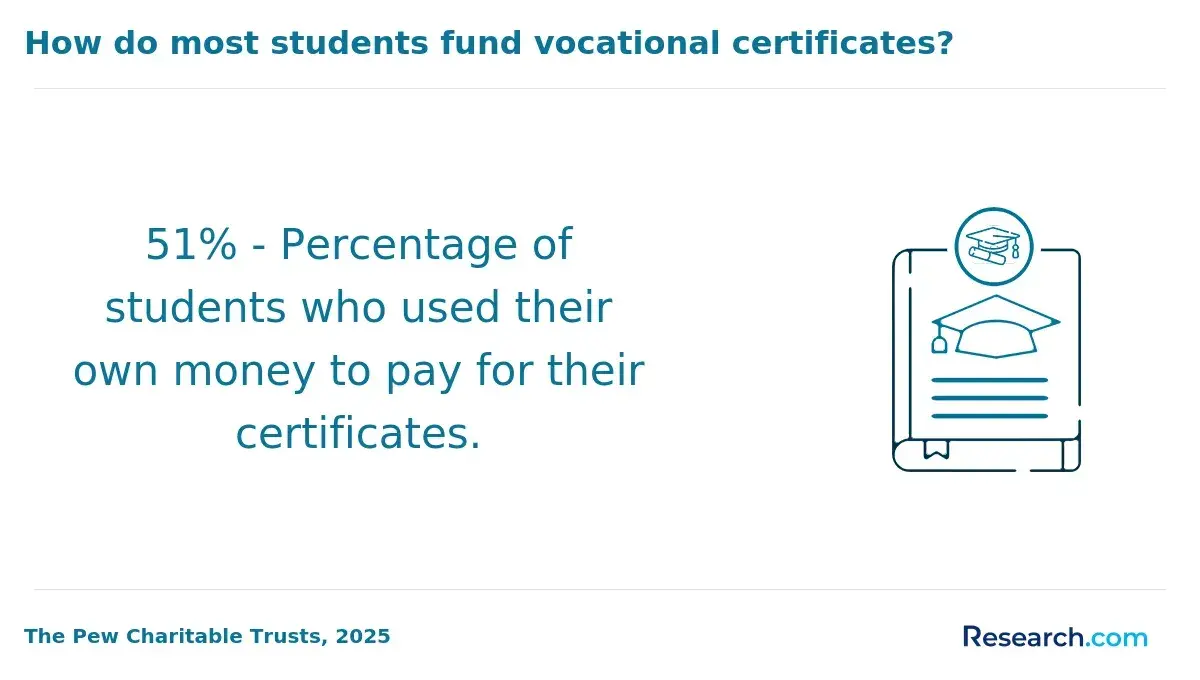
Tuition for accredited online game design programs varies widely because programs may be housed in public universities, private nonprofit universities, private art schools, or technology-focused colleges. The published price is only the starting point; total cost also includes mandatory fees, software subscriptions, drawing tablets, external storage, game engine tools, high-performance computers, and portfolio hosting.
The table below uses representative published online undergraduate tuition ranges from accredited U.S. institutions offering game design, game art, game programming, or closely related interactive media pathways. Treat these figures as planning benchmarks and verify the current catalog before making an enrollment decision.
| Cost category | Typical published tuition pattern | What the student should compare |
| Lower-cost online university | About $330 to $450 per credit | Transfer-credit limits, technology fees, and portfolio depth |
| Mid-priced private or nonprofit online program | About $500 to $700 per credit | Scholarship availability, faculty access, and career services |
| Private art and design school | Often above $800 per credit or priced by academic term | Studio critique, portfolio support, industry networking, and net price after aid |
| Accelerated or cohort-based technology school | May publish program-level tuition rather than per-credit pricing | Refund policy, pacing demands, included equipment, and completion support |
The biggest cost mistake is comparing only the per-credit rate. A $450-per-credit program can become more expensive than expected if it accepts few transfer credits, while a higher published price can become more competitive if the school offers strong institutional grants or accepts a large block of prior coursework.
To compare tuition accurately, calculate total cost in this order:
- Confirm the number of credits required for the degree after transfer evaluation, not just the standard catalog total.
- Multiply remaining credits by the applicable online tuition rate for your residency, military, employer, or full-time status.
- Add mandatory fees, software, hardware, proctoring costs, portfolio expenses, and graduation fees.
- Subtract grants, scholarships, tuition assistance, and employer reimbursement that do not need to be repaid.
- Compare the remaining net price with expected monthly loan payments and your target career path.
Lower tuition usually matters more for students pursuing entry-level roles where portfolios, internships, and networking create the employment advantage. Paying more can make sense when the program offers a demonstrably stronger studio experience, specialized faculty, and career infrastructure that you will actually use.
How Competitive Is Admission to Accredited Online Game Design Degree Programs?
Admissions competitiveness varies by institution. Some accredited online game design programs use broad-access admissions and prioritize completion readiness, while portfolio-centered art schools may review creative work, prior coursework, or a statement of purpose. Selectivity is not automatically a sign of quality, and open admissions does not automatically mean weak academics.
The table below summarizes common admissions patterns so students can identify where they are most likely to be competitive and what they may need to prepare before applying.
| Admissions model | Common requirements | Best fit | Potential red flag |
| Broad-access online bachelor's program | High school diploma or equivalent, transcripts, application form | First-time students and adults returning to college | No clear academic advising or placement support after admission |
| Transfer-friendly online program | College transcripts, minimum GPA threshold, credit evaluation | Students with prior college credits or associate degrees | Unclear limits on studio, major, or residency credits |
| Portfolio-aware art or design program | Creative samples, personal statement, transcripts, sometimes faculty review | Students with visual art, animation, or design experience | Portfolio expectations are vague or disconnected from coursework |
| Technical game programming pathway | Transcripts, math readiness, possible programming prerequisites | Students interested in coding, engines, tools, and simulation | Little support for students without coding experience |
Students should prioritize fit over perceived prestige. A highly selective program may not be the right choice if it requires synchronous studio sessions you cannot attend, while a less selective program may be a strong option if it provides structured feedback, tutoring, and project-based milestones.
Before applying, ask admissions counselors these practical questions:
- How many transfer credits can apply to the major, general education, and electives?
- Is a portfolio required for admission, scholarship review, or placement into advanced courses?
- Are math, drawing, programming, or design prerequisites required before upper-level game courses?
- Can online students access the same career services and faculty review as campus students?
- What happens if a student needs to pause enrollment for work, military service, or family responsibilities?
Which Learning Formats Offer the Greatest Flexibility in Online Game Design Degree Programs?
Flexibility is one of the main reasons students choose online game design degrees, but not all online formats work the same way. Game design programs may include critiques, team projects, engine-based labs, recorded lectures, live workshops, or milestone-based studio courses, so students should examine how learning actually happens week to week.
Students interested in adjacent technical fields should also compare curriculum direction. For example, a masters in AI online may make more sense later for learners who discover they are more interested in machine learning, NPC behavior, simulation, or tools development than in game art or level design.
The table below compares common online learning formats and explains which students tend to benefit from each one.
| Online format | How it works | Best for | Watch out for |
| Asynchronous courses | Students complete lectures, discussions, and assignments on weekly deadlines | Working adults and students in different time zones | Requires strong self-management and consistent progress |
| Synchronous online studios | Students attend live critiques, workshops, or team meetings | Learners who want real-time feedback and peer interaction | May be difficult for students with changing work schedules |
| Hybrid or low-residency model | Most coursework is online with occasional campus or intensive sessions | Students who want some in-person studio experience | Travel costs and scheduling can reduce flexibility |
| Accelerated terms | Courses run in shorter blocks with faster assignment cycles | Motivated students seeking faster completion | Heavy project courses can become demanding when compressed |
| Part-time pathway | Students take fewer courses each term | Full-time workers, caregivers, and students managing costs | Longer completion time may affect motivation and aid planning |
The most flexible program is not always the easiest program. Game design requires repeated practice, critique, revision, and collaboration, so the ideal format gives you enough control over your schedule without removing the structure needed to finish complex projects.
What Student Support Services Improve Success in Online Game Design Degree Programs?
Student support can have a direct effect on whether an online game design student finishes with a usable portfolio. Because the coursework often combines art, design thinking, programming, production management, and technical troubleshooting, strong support should go beyond basic email advising.
Look for services that reduce the most common barriers to completion: unclear project expectations, isolation, software problems, weak time management, and limited career feedback. The most useful supports include:
- Dedicated academic advising that understands creative and technical course sequencing
- Online tutoring for math, programming, writing, and digital tools
- Faculty critique sessions for art assets, prototypes, level designs, and capstone work
- Career coaching focused on portfolios, resumes, internships, reels, and LinkedIn or portfolio-site presentation
- Technical support for game engines, creative software, file storage, and learning platforms
- Access to student teams, game jams, online clubs, or collaborative production experiences
A common red flag is a program that advertises game industry careers but provides little evidence of structured portfolio review. Students should ask whether online learners receive formal feedback at multiple points in the degree or only complete a final capstone near graduation.
Support matters especially for transfer students because prior credits can create sequencing gaps. If you enter with general education completed but lack foundations in drawing, scripting, 3D modeling, or design documentation, a good advisor should help you build a realistic course plan instead of simply placing you into upper-level classes too early.
Which Financial Aid Options Are Available for Accredited Online Game Design Degree Students?
Accredited online game design students may qualify for federal, state, institutional, employer, military, and private aid, but eligibility depends on the school, enrollment status, degree level, and student circumstances. The redesigned FAFSA now uses the Student Aid Index, so applicants should not assume that aid eligibility will match what a sibling or classmate received in a prior year.
Financial aid strategy is similar across many career-focused online degrees, whether a student is comparing game design or the best online construction management degree: the goal is to compare net price, not sticker price. A program with higher tuition may be less expensive after institutional grants, while a lower-cost program may still require loans if aid is limited.
The table below summarizes the main aid options students should evaluate before committing to an online game design program.
| Aid option | How it may help | Key caution |
| Federal Pell Grant | Can reduce out-of-pocket cost for eligible undergraduate students | Eligibility depends on FAFSA results, enrollment intensity, and remaining lifetime eligibility |
| Federal Direct Loans | Can help cover tuition and approved education costs | Borrow only after estimating repayment and comparing expected career paths |
| Institutional scholarships | May be based on need, merit, transfer status, military status, or portfolio quality | Renewal GPA, enrollment load, and portfolio requirements can vary |
| Employer tuition assistance | Can reduce cost for working adults | May require approval before enrollment or continued employment after reimbursement |
| Military and veteran benefits | Can cover tuition, fees, housing, or training costs for eligible students | Benefit use rules differ by program, institution, and student status |
| State grants | May support residents attending eligible institutions | Some states limit aid for out-of-state or fully online enrollment |
Before accepting an offer, compare financial aid letters side by side. Pay attention to how much of the package is grant aid versus loans, whether scholarships renew automatically, and whether the school includes estimated indirect costs that you may not actually need to borrow.
Which Career Outcomes Are Associated With Accredited Online Game Design Degree Programs?
Career outcomes for game design graduates vary because "game design" is an umbrella term. Graduates may pursue roles in game art, animation, level design, gameplay scripting, technical design, production, quality assurance, UX, simulation, serious games, VR, or interactive media. Employers usually look for a degree plus a strong portfolio, collaborative project experience, and proficiency with current tools.
BLS data published for 2024 reports a median annual wage above $99,000 for special effects artists and animators, but this figure includes workers across industries and experience levels, not just new game design graduates. For students, the practical takeaway is that creative technology roles can be financially viable, but early-career outcomes depend heavily on portfolio quality, location, specialization, internships, and the ability to show completed work.
The table below connects common game design degree tracks with likely career directions and portfolio evidence. Use it to choose a program whose assignments align with the work you want to show employers.
| Degree emphasis | Possible roles | Portfolio evidence employers may review |
| Game art or 3D art | Environment artist, character artist, texture artist, technical artist assistant | Modeled assets, materials, lighting studies, character sheets, engine-ready scenes |
| Game programming | Gameplay programmer, tools assistant, junior software developer, simulation developer | Playable prototypes, code samples, engine projects, debugging examples, GitHub work |
| Game design or level design | Level designer, systems designer assistant, quest designer, gameplay designer | Design documents, graybox levels, playtest notes, balancing examples, shipped student projects |
| Interactive media or UX | UX designer, interaction designer, UI designer, digital product designer | User flows, wireframes, usability tests, prototypes, interface case studies |
| Production or project coordination | Associate producer, QA lead pathway, scrum or production assistant | Team project documentation, schedules, bug tracking, sprint boards, postmortems |
Students who want management or people-operations roles in game studios may eventually benefit from business-oriented graduate study rather than another design credential. For example, a masters in human resources can be more relevant for learners targeting recruiting, workforce development, or HR roles in technology and entertainment companies.
The degree is most likely to be worth it for students who actively build a portfolio throughout the program, seek internships or freelance experience, participate in collaborative projects, and remain open to adjacent industries such as simulation, education technology, advertising, UX, and digital media. Students who only want to "play games for a living" should reconsider; the work involves iteration, critique, deadlines, technical constraints, and frequent revisions.
How Do Online and Campus-Based Game Design Degree Programs Compare?
Online and campus-based game design programs can both be effective, but they create different learning experiences. Campus programs may offer physical labs, in-person collaboration, equipment access, and studio culture, while online programs offer scheduling flexibility and access to schools beyond commuting distance.
The same trade-off appears across many online disciplines, including an online master's degree in history: online study can expand access, but students must be honest about their need for structure, discussion, and direct faculty interaction. In game design, that self-assessment is especially important because major projects often require sustained feedback and collaboration.
The table below compares online and campus formats by the factors that usually affect student success and return on investment.
| Factor | Online game design degree | Campus-based game design degree |
| Schedule | Often better for working adults, caregivers, and students outside major metro areas | Often better for students who can attend fixed studio and lab times |
| Collaboration | Depends on virtual teams, discussion boards, cloud tools, and scheduled critiques | Often easier to build peer relationships through labs, clubs, and studio spaces |
| Equipment | Student may need to provide a capable computer, tablet, storage, and software access | School may provide labs, render stations, motion equipment, or specialized tools |
| Cost structure | Can reduce relocation and commuting costs | May add housing, transportation, and campus fees |
| Learning style | Works best for disciplined students who can manage long project deadlines independently | Works best for students who benefit from in-person accountability and spontaneous feedback |
Online study is often the better investment for students who already have a reliable workspace, strong time-management habits, and access to required hardware. Campus study may be worth the additional cost for students who need intensive in-person critique, studio culture, specialized equipment, or local industry networking.
How Should Students Choose the Best Accredited Online Game Design Degree Program?
Choosing the best accredited online game design degree requires balancing cost, academic quality, flexibility, and career fit. The right program should make it realistic for you to graduate, build a competitive portfolio, and avoid taking on debt that does not match your goals.
Use this step-by-step process to narrow your options before applying. It is designed to help you compare programs on evidence rather than marketing claims.
- Define your target role first, such as game artist, gameplay programmer, level designer, UX designer, producer, or interactive media generalist.
- Verify institutional accreditation and state authorization for your location before reviewing tuition or course lists.
- Compare curriculum maps to see whether major courses produce portfolio-ready work every year, not only at the end of the degree.
- Request a transfer-credit estimate before calculating cost if you have prior college coursework, military training, or professional certifications.
- Calculate net price after grants, scholarships, employer benefits, and required technology costs.
- Review student work, capstone examples, faculty backgrounds, and career-service offerings for online students specifically.
- Ask about internship support, game jams, team projects, alumni outcomes, and portfolio review opportunities.
- Choose the program that offers the strongest combination of affordability, completion support, and portfolio relevance for your target role.
Students comparing online degrees in different fields can use similar ROI logic. Whether you are evaluating game design or a masters in human resources, the strongest choice is rarely based on tuition alone; it is based on whether the program's cost, schedule, curriculum, and outcomes align with a specific career plan.
Avoid three common mistakes: choosing a program because it has the word "game" in the title, assuming a degree alone will secure a studio job, and ignoring the cost of tools and hardware. The best decision is one you can explain clearly: why this curriculum, why this price, why this format, and why this path leads to the kind of work you want to produce.
Other Things You Should Know About Game Design
Yes, some people enter game design through portfolios, modding, indie projects, QA testing, bootcamps, or related software and art experience. A degree can still help by adding structure, feedback, credentials, and access to internships, but employers typically want to see completed work.
Common tools may include game engines, 3D modeling software, image-editing programs, version-control platforms, audio tools, and project-management systems. Specific software varies by school, so students should check whether licenses are included in tuition or must be purchased separately.
It can be either, depending on the degree. Game art programs emphasize visual assets and animation, game programming programs emphasize code and engines, and game design programs often focus on systems, levels, mechanics, playtesting, and documentation.
A bachelor's degree typically takes about four years for first-time full-time students, but transfer credits, accelerated terms, part-time enrollment, and course availability can change the timeline. Students with an associate degree or substantial prior credits may finish faster after an official transfer evaluation.
References
- Bachelor of Science inGame Design and Development Online or On Campus https://www.albany.edu/cehc/programs/bs-game-design-and-development
- Online Game Development Courses | Learn from Top Game Devs https://www.cgspectrum.com/courses/game-development
- The Video Game Designer Job Outlook | NEIT https://www.neit.edu/blog/video-game-designer-job-outlook
- Top Colleges for Game Development/Design or Animation https://discussions.unity.com/t/top-colleges-for-game-development-design-or-animation/612982
- Average Cost of Online College [2025]: Yearly Tuition + Fees https://educationdata.org/average-cost-of-online-college
- Top 50 Game Design Schools and Colleges in the U.S. - 2023 Rankings | Animation Career Review https://www.animationcareerreview.com/articles/top-50-game-design-schools-and-colleges-us-2023-rankings
- Admissions : Campus Tuition | Full Sail University https://www.fullsail.edu/admissions/tuition
- Game Development Degree Career Outcomes: Jobs, Salaries & Growth https://hakia.com/degrees/game-development/career-outcomes/
- Game Design Degree | Champlain College, Burlington, Vermont https://www.champlain.edu/academics/undergraduate-academics/degrees-programs/game-design/
- Career Path and Salary for Video Game Designers | ComputerScience.org https://www.computerscience.org/careers/video-game-designer/career-outlook-and-salary/