2027 Best Online Game Design Degree Programs at Nonprofit Universities

Co-Founder and Chief Data Scientist
Choosing an online game design degree means weighing creative training against technical depth, tuition, and portfolio value. This matters because the U.S. Bureau of Labor Statistics projects 17% growth in software developer employment from 2023 to 2033, while game studios increasingly expect candidates to demonstrate practical skills. This guide is for prospective students comparing nonprofit universities. It explains degree levels, costs, accreditation, online formats, aid, career pathways, and the questions that reveal whether a program is a sound investment.
Key Things You Should Know
- Nonprofit status is not a quality guarantee: verify institutional accreditation, review the actual game-design curriculum, and compare required fees, transfer rules, portfolio support, and career services.
- A bachelor's degree is the most common entry point for game-design-related roles; students who want programming-heavy work should prioritize coursework in C++, C#, Unity, Unreal Engine, mathematics, and software development.
- Career potential varies by role: the U.S. Bureau of Labor Statistics reports a $131,450 median annual wage for software developers in May 2024, but game design graduates may pursue many occupations with different pay levels and hiring requirements.
What Makes an Online Game Design Degree Program at a Nonprofit University Different?
An online game design degree combines game-development concepts with digital art, programming, interactive storytelling, user experience, production, and project collaboration. At a nonprofit university, tuition revenue is generally reinvested into the institution's educational mission rather than distributed to owners or shareholders. Public universities are generally nonprofit, and many private universities are nonprofit as well.
That organizational status can matter for governance, aid eligibility, and institutional mission, but it does not establish that one program has stronger faculty, better technology, or better career outcomes. Students should judge the degree itself. A career-focused program may emphasize game engines and a portfolio, while an academic program may devote more time to computing theory, design research, and general education.
The comparison below shows the major choices students encounter. "Online" does not always mean every learning activity can be completed independently from home; project critiques, group work, internships, or optional campus events may still be part of the experience.
| Program type | Typical best fit | Common emphasis | Important trade-off |
| Associate degree | Students seeking a lower-cost start or transfer pathway | Foundational art, coding, and general education | May not provide the depth employers expect for competitive design roles |
| Bachelor's degree | New entrants seeking broad preparation | Design, programming, art, production, and portfolio work | Usually requires about four years before transfer credit |
| Specialized master's degree | Students with a relevant bachelor's degree or professional experience | Advanced design, production, technical art, or interactive media | Can be expensive and may not replace foundational coding or art skills |
| Computer science degree with game electives | Students targeting engineering or technical roles | Algorithms, programming, systems, and game development projects | Less dedicated instruction in art direction or narrative design |
Students interested in AI-driven game systems or technical tools may also compare adjacent credentials, including masters in AI online, but should not assume an AI degree substitutes for a game-design portfolio.
Public nonprofit universities can be especially attractive to in-state students because resident tuition may be lower. Private nonprofit universities may offer smaller cohorts, distinctive creative curricula, or institutional scholarships, but their published tuition can be higher. The best value is the program that delivers the skills, credits, support, and schedule needed for a student's specific target role.
How Can Students Verify Accreditation for an Online Game Design Degree at a Nonprofit University?
Students should verify accreditation before applying, paying particular attention to institutional accreditation. Institutional accreditation is the broad recognition that supports federal financial aid eligibility and is commonly considered by other colleges when evaluating transfer credits. Game design usually does not have one universal programmatic accreditor comparable to those used in regulated professions.
Use this process to confirm a school's claims rather than relying on marketing language.
- Find the university's accreditor and accreditation status on the institution's official accreditation page.
- Confirm the accreditor is recognized by the U.S. Department of Education or the Council for Higher Education Accreditation.
- Review whether the specific online degree is offered directly by the accredited university or through a separate partner.
- Ask the registrar how transfer credits are evaluated and obtain the response in writing when transferability is essential.
- Check whether internships, software licenses, live sessions, or residencies create requirements not obvious from the online-program label.
Institutional accreditation is different from programmatic accreditation. A game design major may instead demonstrate quality through transparent learning outcomes, qualified faculty, current software instruction, a substantial capstone, and evidence that students build work suitable for review. For context, programs in other fields can have profession-specific standards, such as CACREP in counseling; students should not expect that credential to apply to game design.
A red flag is a school that cannot clearly identify its accreditor, degree-awarding institution, credit requirements, or faculty. Another is a program advertised as "accredited" when only a vendor credential, course platform, or unrelated partner holds a credential. Accreditation does not guarantee a job, but it is a baseline safeguard for financial aid, credit mobility, and graduate-school planning.
How Rigorous Are Online Game Design Degree Programs at Nonprofit Universities?
Well-designed online game design degrees can be demanding because game creation is iterative and collaborative. Students commonly analyze player behavior, write design documents, prototype mechanics, create assets, test builds, respond to critique, and present a portfolio. The strongest programs make expectations visible through detailed project rubrics, milestone deadlines, peer feedback, faculty critique, and a capstone project.
Rigorous programs normally cover a balanced set of competencies. Students should compare syllabi and course sequences for the following evidence of depth.
- Game design foundations, systems design, level design, narrative, accessibility, ethics, and player experience.
- Technical production skills such as scripting, game engines, version control, debugging, and collaborative workflows.
- Art or technical-art foundations appropriate to the degree, including 2D or 3D workflows, animation, interface design, or sound integration.
- Production practices such as Agile methods, documentation, scope management, playtesting, and intellectual-property awareness.
- A portfolio or capstone that results in playable, documented work rather than only quizzes or discussion posts.
Online rigor is not measured by the number of recorded lectures. It is measured by whether students receive frequent feedback, complete substantial work, collaborate under realistic constraints, and can explain their individual contributions. A programming-oriented game path should also have enough computer science depth for students aiming at gameplay programming, tools development, or technical design.
Applicants considering a more technical or quantitative alternative can compare curricula with a best online construction management degree only as an example of how project-management-focused degrees differ from interactive-media training; the careers and core skills are not interchangeable.
Be cautious with programs that promise rapid entry into game development without disclosing projects, faculty qualifications, or portfolio expectations. Accelerated terms can work for experienced adult learners, but they compress deadlines and may leave less time for revision, networking, and exploratory work.
How Much Does an Online Game Design Degree Cost at a Nonprofit University?
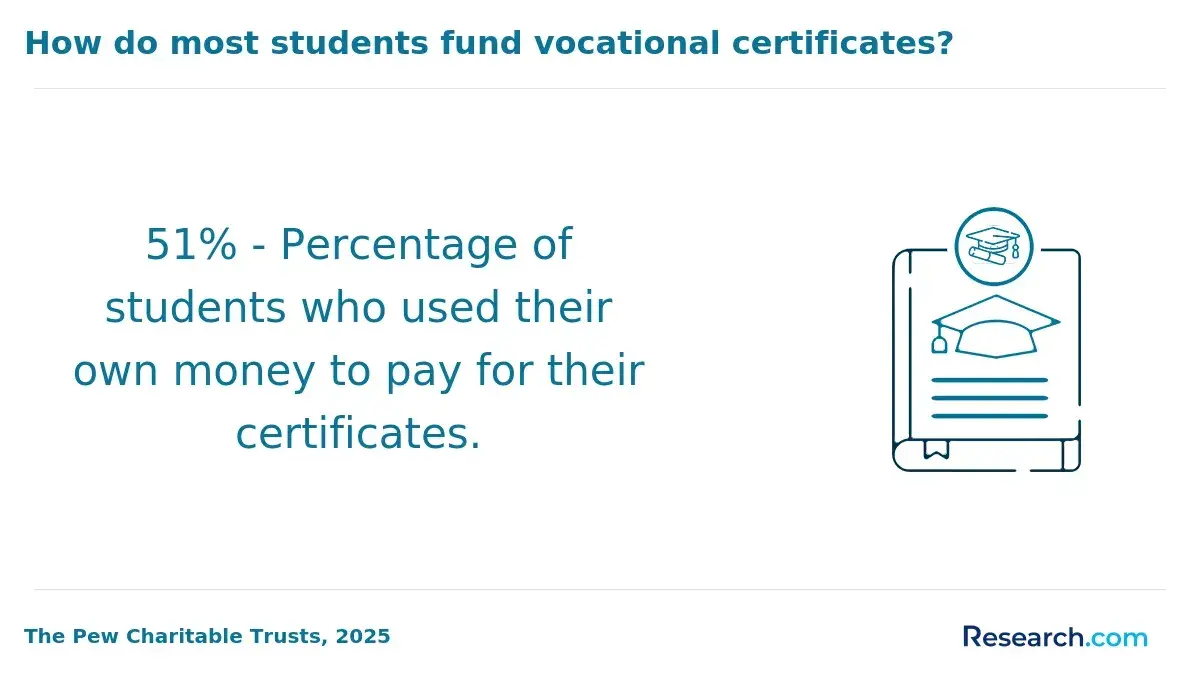
Total cost is more useful than an advertised per-credit price. It includes tuition, mandatory university fees, technology fees, books or digital materials, a computer capable of running development software, storage, and possible travel for optional or required events. Students should request a written estimate based on their transfer evaluation and planned enrollment pace.
For broad context, the College Board reported average published tuition and fees of $11,610 for in-state students at public four-year colleges and $43,350 at private nonprofit four-year colleges in 2024-25. These are national averages across all programs, not game-design price quotes, and they do not reflect grants or a student's individual residency status.
This cost framework helps students compare offers on the same basis rather than comparing a low per-credit number with a seemingly higher flat-rate program.
| Cost item | Why it changes the comparison | What to confirm |
| Tuition rate | May differ by residency, degree level, or online enrollment | Rate per credit, number of required credits, and expected annual increases |
| Required fees | Can apply each term regardless of course load | Technology, graduation, distance-learning, and course-specific fees |
| Transfer credit | Can shorten time to degree and reduce billed credits | Maximum transfer limit, age limits on technical coursework, and portfolio-based credit options |
| Hardware and software | Game engines and creative tools can require a capable computer | Minimum specifications, software licenses, remote-lab access, and student discounts |
| Opportunity cost | Reduced work hours can affect affordability | Part-time availability, course sequencing, and expected weekly workload |
Lower cost is not automatically better value. A less expensive program can cost more in the long run if it has limited transfer acceptance, weak technical instruction, or no portfolio support. Conversely, a higher-priced private nonprofit program should justify its cost with clear curricular advantages, transparent aid, strong student services, and learning experiences that fit the student's goals.
What Financial Aid Is Available for an Online Game Design Degree at a Nonprofit University?
Eligible students at accredited nonprofit universities may use federal aid, including Pell Grants for qualifying undergraduates, Direct Loans, work-study opportunities where available, and federal aid for eligible graduate students. Students should submit the FAFSA early and renew it annually because eligibility, institutional deadlines, and available campus-based funds can vary.
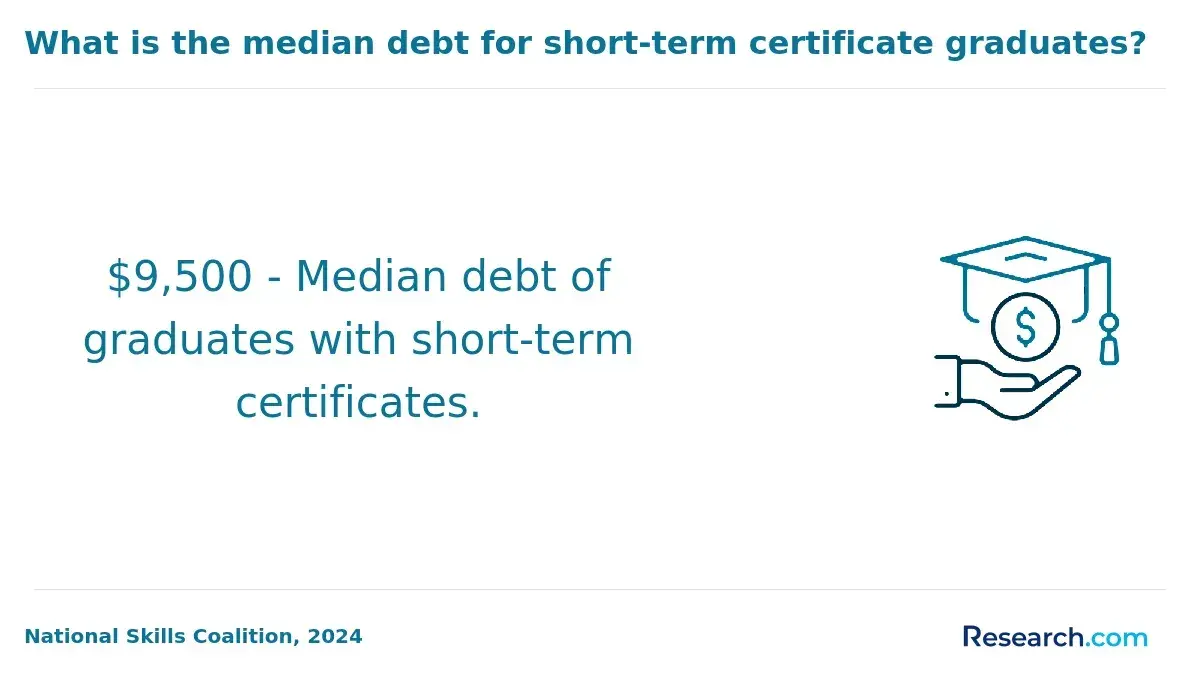
Federal borrowing limits make it important to build a financing plan before enrollment. Dependent undergraduate Direct Loan annual limits generally range from $5,500 in the first year to $7,500 in later undergraduate years, subject to federal rules and individual eligibility. Those limits may not cover tuition and living costs at every institution, so students should avoid treating loans as a complete cost comparison.
Before accepting an aid package, compare the following sources and conditions.
- Federal grants and loans, including whether enrollment below half time changes loan eligibility.
- University merit scholarships, portfolio scholarships, need-based grants, and renewal requirements.
- State grants, especially for residents attending public nonprofit universities.
- Employer tuition assistance and whether it requires continued employment or repayment after departure.
- Veterans education benefits for eligible service members, veterans, and dependents.
- Private scholarships from professional, community, or creative-industry organizations, while reviewing each award's terms carefully.
Net price is the amount remaining after grants and scholarships, not the published tuition amount. Ask the financial aid office to distinguish grants, scholarships, federal loans, private loans, and work-study; only the first two usually reduce the amount a student must repay. Do not borrow based on an assumed salary or guaranteed game-industry position.
Students comparing a different business-oriented graduate path can examine masters in human resources as a separate career option, but aid eligibility should always be evaluated for the specific institution and degree level.
How Flexible Are Online Game Design Degree Programs at Nonprofit Universities?
Online game design programs range from mostly asynchronous to highly scheduled. Asynchronous courses let students access lectures and assignments on their own schedule, usually with weekly deadlines. Synchronous courses require attendance at live meetings, critiques, labs, or team sessions. Many programs use a hybrid model: flexible instruction with scheduled collaboration.
Working adults often benefit from predictable asynchronous courses, while students who want structured feedback may prefer live studio sessions. Neither format is inherently better. The key issue is whether the format supports sustained project work, communication with teammates, and timely faculty feedback.
Ask admissions representatives these questions before assuming a degree is flexible.
- Are any courses scheduled at fixed times, and are sessions recorded for students who cannot attend?
- How often do team projects require real-time meetings across time zones?
- Can students attend part time, and are required courses available every term?
- Are internships, capstones, proctored exams, or residencies required?
- How many hours per week does a typical course require during production-heavy weeks?
- What happens if a student needs a leave of absence or must pause after a term?
Traditional 15-week terms may provide more time for project iteration, while accelerated terms can speed completion but increase weekly workload. Students with substantial transfer credit may finish sooner, but should not sacrifice foundational courses merely to reduce time to graduation. Online study is especially practical for self-directed learners with reliable hardware and internet access; students who need daily in-person studio access or extensive equipment may be better served by a campus-based program.
What Student Support Services Do Nonprofit Universities Provide for Online Game Design Degree Students?
Online students need more than a learning platform. Effective nonprofit universities provide access to academic advising, tutoring, library services, disability accommodations, technical help, career guidance, and faculty office hours at times that work for remote learners. Creative programs should also provide mechanisms for critique, team formation, portfolio review, and professional networking.
Use the table below to distinguish basic online access from support that can materially improve persistence and portfolio development.
| Service | What strong support looks like | Question to ask |
| Academic advising | Advisors understand prerequisite chains and transfer evaluations | Will one advisor help plan my full course sequence? |
| Technical support | Extended-hour help and clear device or software requirements | What support is available during evenings and weekends? |
| Portfolio coaching | Faculty or career staff review work, resumes, and presentation materials | How many portfolio reviews can online students access? |
| Career services | Internship guidance, employer events, interview practice, and alumni connections | Are these services available remotely after graduation? |
| Accessibility services | Documented accommodation process for course materials and assessments | How are accommodations handled in collaborative project courses? |
Request a demonstration of the learning platform and ask to speak with a current online student or program faculty member when possible. A school that describes services clearly, including access hours and eligibility, is easier to evaluate than one that relies on general claims about "student success."
Students should also assess their own support needs. A learner changing careers may prioritize career coaching and networking; a student transferring from community college may need detailed degree planning; and a student with a strong portfolio may value advanced critique and industry-connected capstones most.
Do Online Game Design Degree Programs at Nonprofit Universities Prepare Graduates for In-Demand Careers?
An online game design degree can prepare students for in-demand work when its curriculum aligns with the role they want and they graduate with demonstrable projects. "Game designer" is not a single standardized occupation. Studios and related employers hire gameplay programmers, level designers, technical artists, user-interface designers, quality-assurance testers, producers, narrative designers, educational-game developers, simulation developers, and software developers.
Software development offers one relevant labor-market benchmark because many game development roles use comparable programming skills. The U.S. Bureau of Labor Statistics projects 17% employment growth for software developers from 2023 to 2033. That projection covers the broader U.S. software-development occupation, not game studios alone, so students should use it as evidence of technical-market demand rather than a prediction of game-design hiring.
Career preparation is strongest when students can show role-specific evidence.
- Design applicants should present clear design documentation, playtest findings, prototype iterations, and an explanation of player-experience decisions.
- Programming applicants should show readable code, engine work, debugging ability, version-control practice, and specific contributions to collaborative projects.
- Art and technical-art applicants should show polished assets, pipeline knowledge, optimization awareness, and work that is appropriate for the intended role.
- Production applicants should demonstrate scheduling, scope decisions, communication, risk management, and evidence of completed team projects.
AI tools are affecting content creation, prototyping, testing, and production workflows, but they do not eliminate the need for design judgment, technical verification, intellectual-property awareness, or teamwork. Students should favor programs that teach them to use emerging tools responsibly while building durable fundamentals in design, coding, communication, and iterative problem solving.
A game-design degree can also lead to adjacent interactive-media work outside entertainment. For students whose interests shift toward humanities, research, or education, an online master's degree in history represents a distinct graduate pathway rather than a direct extension of game design.
Can an Online Game Design Degree From a Nonprofit University Prepare Students for Graduate School?
Yes, an accredited online bachelor's degree from a nonprofit university can prepare students for graduate school, provided it includes the prerequisites required by the intended program. Graduate admissions committees commonly consider institutional accreditation, undergraduate transcripts, GPA, prerequisite coursework, recommendations, statement of purpose, and a portfolio or writing sample when relevant.
A game design bachelor's degree is often suitable preparation for master's programs in game design, interactive media, digital media, human-computer interaction, educational technology, animation, or game production. It may be less direct preparation for a computer science master's degree if the undergraduate curriculum lacks discrete mathematics, data structures, algorithms, calculus, or other required technical coursework.
Students considering graduate school should take these steps early, ideally before selecting electives.
- Identify two or three possible graduate fields and read their prerequisite requirements.
- Choose undergraduate electives that close gaps in programming, mathematics, research, art, or writing.
- Keep syllabi and major project documentation in case a graduate program asks for course detail.
- Build relationships with faculty who can evaluate your academic work and collaborative skills.
- Maintain a portfolio that explains your role, process, technical tools, and revisions rather than displaying finished work alone.
A master's degree makes the most sense when it provides a clearly advanced specialization, supports a career pivot, or meets a specific employer preference. A doctoral degree is generally most appropriate for research, university teaching, or advanced research-and-development goals; it is not usually necessary for entry-level game production roles. Confirm requirements directly with each graduate program because admissions policies differ.
How Should Students Compare the Best Online Game Design Degree Programs at Nonprofit Universities?
The best online game design degree is the one that fits a student's target role, financial limits, academic preparation, and availability. A national ranking can be a starting point, but it cannot determine whether a program accepts enough transfer credit, teaches the engine or specialization a student needs, or provides support at workable hours.
Build a short list of three to five accredited nonprofit universities, then compare the same evidence for each. The table below provides a decision framework that gives greater weight to factors that directly affect completion and career preparation.
| Comparison factor | Evidence to collect | Why it matters |
| Accreditation and legitimacy | Accreditor, current status, degree-awarding institution | Supports aid eligibility, transfer planning, and graduate-school options |
| Career alignment | Required courses, software, sample projects, concentrations, capstone | Determines whether training fits design, art, programming, or production goals |
| Total net cost | Written tuition estimate, fees, aid offer, hardware needs, transfer evaluation | Prevents decisions based on incomplete published tuition figures |
| Flexibility | Live-session requirements, term length, part-time path, course rotation | Helps students realistically complete the degree while managing work and family |
| Student outcomes support | Portfolio reviews, internship assistance, career coaching, alumni access | Shows how the program helps students translate coursework into job-search materials |
| Transfer policy | Maximum credits, course equivalencies, prior-learning options | Can substantially change completion time and total cost |
After gathering the evidence, use a consistent final review process.
- Write down the exact role you want to pursue first, plus one realistic adjacent role.
- Eliminate programs that lack institutional accreditation, exceed your borrowing limit, or require schedules you cannot maintain.
- Compare remaining curricula course by course against the skills and portfolio pieces required for your target role.
- Request a transfer evaluation and a personalized net-price estimate before paying an enrollment deposit.
- Speak with admissions, financial aid, and program staff, then document answers about live classes, capstones, software, and career support.
- Select the program with the strongest overall fit, not simply the lowest tuition or most recognizable name.
Common mistakes include assuming every nonprofit is equally student-centered, treating institutional accreditation as proof of a strong game curriculum, ignoring required synchronous sessions, and choosing a degree without reviewing its portfolio requirements. A careful comparison can reduce the risk of paying for credits that do not move you toward your intended career or graduate-school goal.
Other Things You Should Know About Game Design
Many employers focus more on relevant skills, a strong portfolio, collaborative experience, and the ability to explain your contribution to projects than on whether coursework was online. An accredited degree can add structure and credibility, but it does not replace a portfolio.
Requirements vary by program and concentration. Game programming, 3D art, and real-time engine work often need more processing power and graphics capability than general online coursework. Ask for the program's current minimum and recommended specifications before enrolling.
Often, yes, particularly for general education courses. Acceptance of programming, art, and game-specific courses varies by university, course equivalency, grade, and how recently the credit was earned. Obtain an official transfer evaluation before making a final cost decision.
Not necessarily. Drawing is more important for some concept-art, animation, and visual-design paths than for programming, production, systems design, or quality assurance. Choose a curriculum and concentration that match your intended role rather than assuming every game career requires the same artistic skills.
References
- Game Design Degree at University of Advancing Technology https://www.uat.edu/game-design-degree
- students | Activision https://careers.activision.com/early-careers
- Top Colleges for Game Development/Design or Animation https://discussions.unity.com/t/top-colleges-for-game-development-design-or-animation/612982
- Game Development Degrees: What You Need to Know https://www.ivywise.com/ivywise-knowledgebase/gaming-majors/
- Early Careers | Activision Blizzard https://careers.activisionblizzard.com/early-careers
- Top 50 Game Design Schools and Colleges in the U.S. - 2023 Rankings | Animation Career Review https://www.animationcareerreview.com/articles/top-50-game-design-schools-and-colleges-us-2023-rankings
- Game Design School https://www.nyfa.edu/game-design-school/