2027 Best Online Game Design Master's Programs at Nonprofit Universities

Co-Founder and Chief Data Scientist
Choosing an online game design master's program means balancing creative goals with a credential employers will recognize, a schedule you can sustain, and a price you can justify. Nonprofit universities can offer institutionally accredited degrees, experienced faculty, and established student services, but online game-design options vary sharply in delivery and specialization.
The U.S. Bureau of Labor Statistics reports a $133,080 median annual wage for software developers in May 2024, illustrating the value of advanced technical skills while not guaranteeing game-industry pay. This guide compares quality, cost, accreditation, flexibility, and career fit.
Key Things You Should Know
- Prioritize institutional accreditation, a curriculum that matches your target role, and a clear online-delivery plan; nonprofit status is helpful context but does not by itself establish program quality.
- Most game design-related master's degrees require roughly 30 to 45 credits and commonly take 18 to 24 months, although part-time pacing, prerequisites, and project requirements can extend completion time.
- Game-specific salary data is limited, so compare roles rather than marketing claims: the May 2024 U.S. median wage for software developers was $133,080, while creative and production roles may follow very different pay patterns.
Which Nonprofit Universities Offer the Best Online Game Design Master's Programs, and How Were They Selected?
The best online option is the one that supports the role you want after graduation, not simply the school with the most recognizable name. Because fully online master's degrees titled exactly "game design" are relatively uncommon at nonprofit universities, strong alternatives may be offered as interactive design, game development, digital media, computer science, or entertainment technology programs.
The comparison below identifies reputable nonprofit universities with relevant online or substantially online graduate study. Applicants should confirm the current delivery format directly with each university because course availability, synchronous sessions, and residency expectations can change by cohort.
| Nonprofit university | Relevant graduate study | Online-fit consideration | Best fit |
| Savannah College of Art and Design | Interactive design and game development graduate study | Online learning options may include studio-based critique and collaborative production | Artists, designers, and aspiring creative leads |
| Lindenwood University | Game design graduate study | Online availability can suit working learners; verify project and live-session requirements | Students seeking a game-design-centered curriculum |
| DePaul University | Game programming and interactive-media-related graduate study | Format can vary by concentration and course sequence | Developers who want stronger technical depth |
| University of Central Florida | Interactive entertainment and related graduate study | Some offerings may be campus-based or hybrid rather than fully online | Students able to consider limited in-person participation |
Use this as a starting shortlist rather than a rigid ranking. A program was considered more competitive when it is offered by a nonprofit institution, has recognized institutional accreditation, presents graduate-level game or interactive-media coursework, makes faculty and delivery expectations reasonably clear, and provides a plausible route to a portfolio or capstone.
Before applying, compare the same facts for every school: the exact degree title, total required credits, per-credit tuition and mandatory fees, whether classes meet live, faculty game-industry experience, capstone expectations, and graduate career support. A technically focused applicant may also compare curriculum depth with the cost of computer science degree options when deciding whether a broader computing credential would produce better value.
Why Choose a Nonprofit University for an Online Game Design Master's Degree?
A nonprofit university is an institution organized to reinvest revenue into its educational mission rather than distribute profits to owners or shareholders. It may be public or private. This structure can coincide with established academic governance, libraries, alumni networks, and student services, but applicants should still evaluate each program independently.
For many students, a nonprofit online master's can make sense when they need a degree from an institution with a long operating history, access to federal financial aid for eligible students, and a transcript that clearly identifies the awarding university. It can be especially useful for professionals moving from software, visual design, animation, education, or media into interactive experience work.
Nonprofit status should not replace due diligence. Compare the trade-offs below before assuming one institutional type is automatically better:
| Factor | Public nonprofit university | Private nonprofit university | What to verify |
| Tuition approach | May differentiate resident and nonresident pricing | May use a single published tuition rate or offer institutional discounts | Total price after scholarships, fees, and required technology |
| Scheduling | May follow traditional academic terms | May offer multiple starts or cohort schedules | Course sequence and whether electives are available when needed |
| Program emphasis | May connect to research, computing, or public-university resources | May emphasize studio practice or a focused creative discipline | Required tools, faculty expertise, and capstone quality |
| Career value | Depends on program network and portfolio outcomes | Depends on program network and portfolio outcomes | Internship access, alumni activity, and employment reporting methods |
A nonprofit program is not necessarily less expensive, more selective, or more career-focused than another option. Students interested in adjacent people-centered digital work should recognize that an MSW programs online path leads to regulated social-work roles rather than game development; choose the credential that matches the work you intend to do.
What Accreditation Should an Online Game Design Master's Program Have?
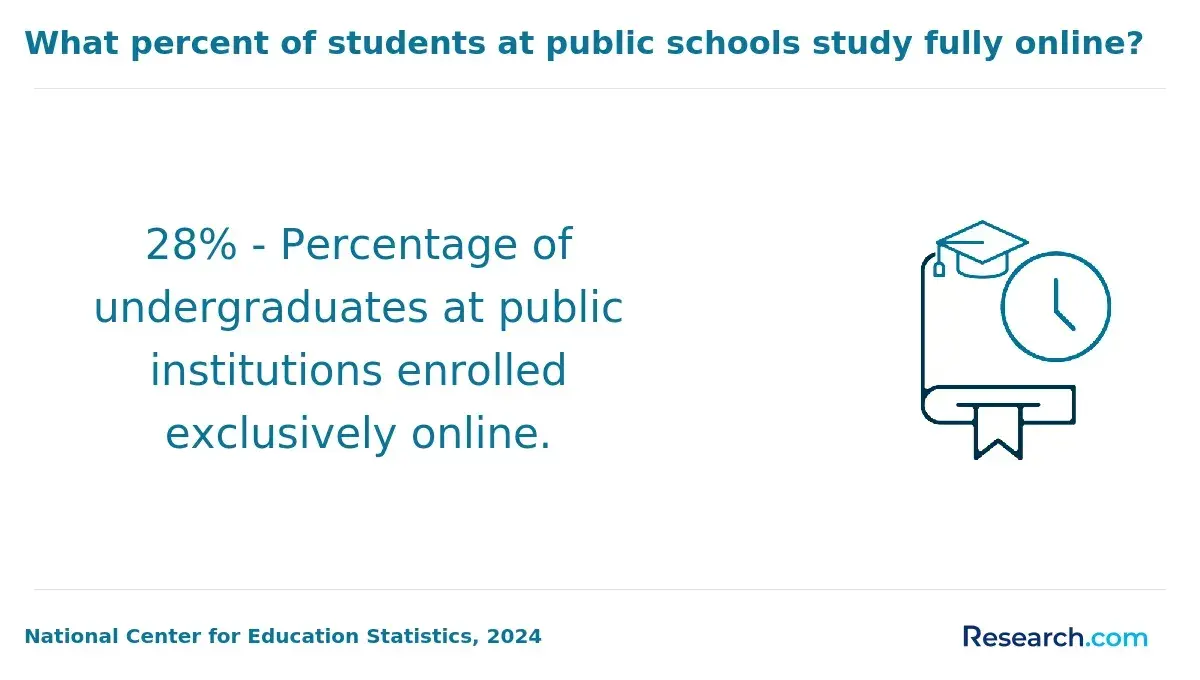
For an online game design master's degree, institutional accreditation is the essential starting point. It means a recognized accrediting agency has reviewed the university's academic and administrative standards. In the United States, students can verify recognition through the U.S. Department of Education or the Council for Higher Education Accreditation databases; an admissions representative should be able to identify the accreditor clearly.
Game design generally does not have one universal programmatic accreditor equivalent to those used in fields such as nursing or engineering. That makes curriculum evidence, faculty credentials, student work, and transparent outcomes especially important. Specialized recognition may be relevant in adjacent disciplines, but it is not a substitute for institutional accreditation.
Use these checks to separate a legitimate online degree from a vague or poorly documented offering:
- Confirm that the university, not only a partner platform or marketing company, awards the degree.
- Identify the institution's accreditor and verify that it is recognized by an appropriate U.S. authority.
- Read the catalog for credit requirements, faculty names, academic policies, and the exact degree title.
- Ask whether online students receive the same transcript designation and academic standards as campus students.
- Confirm state authorization for your place of residence and any required on-campus or studio component before paying a deposit.
A common mistake is treating "licensed," "certified," or "industry approved" as proof of accreditation. Those phrases can describe unrelated approvals. Another is assuming a university's accreditation validates every specialization equally; it validates the institution, while you still need to inspect whether the game curriculum teaches the skills employers expect.
How Much Does an Online Game Design Master's Degree at a Nonprofit University Cost?
Total cost is more useful than a headline tuition rate. Online graduate students may pay tuition by credit, by term, or as a flat program price; they can also face technology, graduation, software, course material, or residency expenses. Since game design relies on production tools and collaborative work, budget for a capable computer, storage, internet access, and any software not covered by the institution.
Rather than rely on an advertised "starting at" figure, request a written estimate for your intended start term. The following cost categories reveal where two similarly priced programs can diverge:
| Cost component | Why it matters | Question to ask |
| Tuition per credit or term | Forms the largest portion of direct educational cost | What is the current rate for all required credits? |
| Mandatory fees | May include online, technology, student service, or graduation charges | Which fees apply to fully online graduate students? |
| Software and hardware | Game engines, creative applications, and devices can add material expense | Which licenses are supplied, and what computer specifications are required? |
| Residency or travel | Hybrid intensives can create airfare, lodging, and meal costs | Are any visits required, recommended, or tied to capstone assessment? |
| Financing cost | Borrowing can raise the amount repaid beyond published tuition | What scholarships, assistantships, employer benefits, and payment plans are available? |
Eligible graduate students commonly use federal Direct Unsubsidized Loans and may consider Grad PLUS Loans after reviewing terms and borrowing needs. Federal loan limits, interest rates, and eligibility rules can change, so review current federal information before accepting aid. Compare grants and scholarships first, then calculate the amount you would need to repay if your post-degree role pays less than anticipated.
Cost should also be weighed against opportunity cost. An accelerated program can shorten time in school but may demand enough weekly production work to reduce paid employment. For a useful comparison of online graduate cost structures outside the creative field, review affordable executive MBA options and notice how credits, fees, pacing, and employer support affect the real price.
What Are the Admission Requirements for Online Game Design Master's Programs?
Admissions standards vary because game design sits across art, design, technology, and storytelling. Some programs seek a portfolio; others emphasize a bachelor's degree, programming preparation, or evidence that the applicant can succeed in graduate project work. A degree in game design is not always required.
Applicants should expect schools to review the following materials, then confirm the exact requirements for their intended concentration and entry term:
- A completed graduate application and official transcripts showing a bachelor's degree from an appropriately accredited institution.
- A statement of purpose connecting your prior experience, creative interests, and career target to the program.
- A résumé that identifies relevant design, art, programming, production, research, or professional experience.
- Letters of recommendation when required, ideally from people able to assess your academic ability or collaborative work.
- A portfolio, writing sample, coding sample, or design project when the program uses one to assess readiness.
- Prerequisite coursework or foundational skills in areas such as programming, visual design, mathematics, or digital media when specified.
Do not submit a portfolio as a gallery of isolated assets if the program evaluates design thinking. Include concise context: your role, the problem, tools used, collaborators, iterations, and what you changed after feedback. For technical programs, a readable code sample or playable prototype can be stronger evidence than a long list of software names.
Applicants from a different field should ask whether bridge courses are available and whether they add credits or time. A school that admits students without prerequisites but offers no support for foundational gaps can create unnecessary risk in the first term.
What Will You Study in an Online Game Design Master's Program?
An online game design master's program develops the ability to create, analyze, and manage interactive experiences at an advanced level. The specific balance differs by degree: a design-oriented program may emphasize player experience and narrative, while a technical program may focus on programming, engines, systems, and interactive software.
Review the required course list—not just a specialization title—to determine whether the curriculum fits your goal. Common subject areas include the following:
- Game mechanics, systems design, balancing, player motivation, and usability testing.
- Interactive storytelling, level design, worldbuilding, and narrative implementation.
- Game engines, prototyping, scripting, programming concepts, and technical pipelines.
- 2D or 3D asset workflows, interaction design, interface design, animation, or audio integration.
- Production planning, agile collaboration, accessibility, ethics, monetization, and live-service considerations.
- Research methods, playtesting, analytics, and a capstone or portfolio project.
Artificial intelligence is changing game-production workflows, from rapid prototyping and asset ideation to testing and content pipelines. A strong master's program should address responsible use, intellectual-property concerns, data privacy, human authorship, and the limits of automated output. It should also teach durable abilities—systems thinking, critique, collaboration, implementation, and player-centered research—that remain valuable as tools change.
Students considering a more analytics-heavy route should compare game-user research and telemetry coursework with online data science programs. The best choice depends on whether you want to build games, study player behavior, or move toward product analytics.
How Flexible Are Online Game Design Master's Programs, and How Long Do They Take?
"Online" does not always mean self-paced. Many master's programs combine asynchronous lectures and discussion boards with scheduled critiques, team meetings, deadlines, presentations, and instructor office hours. Game development is collaborative, so even a fully online degree often requires dependable availability for group production.
The format comparison below helps applicants match a program with work, family, and timezone needs:
| Format | Typical experience | Best for | Watch for |
| Fully asynchronous | Recorded content and weekly deadlines with limited scheduled instruction | Students needing maximum schedule control | Whether team projects still require evening coordination |
| Online synchronous | Live virtual classes, critiques, or studios at set times | Students who value real-time feedback and routine | Time-zone compatibility and attendance policies |
| Hybrid | Mostly online coursework with required campus intensives or residencies | Students who can travel and want some in-person studio access | Travel cost, dates, and whether attendance is mandatory |
| Part-time online | Fewer courses each term and a longer completion timeline | Working professionals and caregivers | Course rotation, financial-aid enrollment rules, and delayed capstone access |
Ask for a sample term calendar before enrolling. It should show live-meeting times, expected weekly workload, collaboration tools, major milestone dates, and the sequence of prerequisite courses. A 30- to 45-credit curriculum often takes 18 to 24 months at a standard pace, but a part-time schedule can be a better value if it protects your employment, health, or portfolio quality.
A frequent error is choosing the fastest advertised completion path without asking whether core courses are offered every term. Accelerated pacing works best for students with relevant prior skills, substantial available time, and a clear ability to manage iterative team projects.
What Student Support, Faculty Access, and Networking Do Online Game Design Master's Programs Offer?
Online learners need more than a learning-management system. In game design, quality support includes access to instructors who can critique work, structured collaboration with peers, technical help, career guidance, and a way to turn projects into a professional portfolio.
Evaluate support by asking for specific examples rather than accepting broad claims about "community." The following indicators are especially meaningful for a project-based online degree:
- Faculty office hours, response-time expectations, and whether core courses are taught by full-time faculty, working professionals, or both.
- Small-group critique, peer-review processes, and tools for remote version control and production coordination.
- Portfolio reviews, mock interviews, résumé support, internship guidance, and access to employer events for online students.
- Academic advising, disability accommodations, library access, tutoring, and technical support that work outside standard business hours.
- Active alumni groups, game jams, student organizations, guest speakers, and opportunities to show finished work.
Ask whether online students can participate in the same career fairs, showcases, and networking events as campus students. Also ask how the school reports outcomes: a useful answer defines the graduating cohort, response rate, job categories, and timeframe instead of offering an unsupported placement percentage.
Networking should be viewed as a process, not an event. Maintain a clean portfolio site, document your role on group projects, request feedback after critiques, and stay in touch with collaborators. Professionals exploring behavior, motivation, or harm-related research in interactive media may find that a forensic psychology major is a separate academic path with different research and career aims.
What Jobs, Salaries, and Career Outcomes Can You Expect From an Online Game Design Master's Degree?
An online game design master's can support several career directions, but it is not a license for a regulated profession and does not guarantee a job in a competitive entertainment market. Hiring managers commonly evaluate demonstrable skills, shipped or playable work, technical depth, communication, and team experience alongside the degree.
Game-specific federal occupational data is limited, so the table uses broader U.S. occupations that overlap with game-development work. Median wages are useful benchmarks, not predictions for a new graduate, a particular studio, or a specific region.
| Potential role direction | Typical responsibilities | Related U.S. occupation benchmark | May 2024 median annual wage |
| Gameplay programmer or tools developer | Build systems, mechanics, tools, and technical prototypes | Software developers | $133,080 |
| Technical artist or interactive visual designer | Connect visual assets with engine and production workflows | Special effects artists and animators | $99,800 |
| Game designer or level designer | Design rules, experiences, levels, progression, and playtests | May align with multiple occupations; no single federal game-designer category | Not directly reported as a distinct occupation |
| Producer or product-focused project lead | Coordinate scope, schedules, teams, risks, and release goals | May align with project management or producer roles across industries | Varies by employer and occupation |
The U.S. Bureau of Labor Statistics projects 17% employment growth for software developers from 2023 to 2033. This supports the broader demand for software skills, but it should not be interpreted as a projection for game studios alone. Game employment can be affected by studio budgets, project cycles, outsourcing, platform changes, and geographic concentration.
For the strongest career outcome, pair the degree with evidence of capability. Build a portfolio that includes a playable project or clear design documentation, identify your contribution to teamwork, practice explaining design decisions, and pursue internships, freelance work, game jams, or open-source collaboration when feasible. A technical master's may be most valuable for applicants who can show code and systems work; an arts-oriented master's may be most valuable for applicants who can show design process and polished interactive projects.
Is an Online Game Design Master's Degree From a Nonprofit University Worth It?
An online game design master's from a nonprofit university can be worth it when it closes a specific skill gap, produces stronger portfolio work, gives you credible feedback and industry connections, and fits your budget without excessive borrowing. It is less compelling when you primarily need entry-level software fundamentals, when the curriculum duplicates skills you already have, or when the program cannot show how online students complete meaningful collaborative work.
Use this decision sequence to test return on investment before applying:
- Name the role you want to pursue, such as designer, gameplay programmer, technical artist, producer, user researcher, or educator.
- Compare that role's required skills with the published curriculum and capstone, identifying what the degree would add beyond self-study or a certificate.
- Calculate total direct cost, likely borrowing, lost work time, travel, hardware, and software expenses.
- Review faculty, student portfolios, alumni activity, and career-support access for online learners.
- Apply only to programs whose format, required meeting times, and project load fit your actual schedule.
Choose an online master's when you have foundational skills and want advanced critique, structure, specialization, and a graduate credential. Consider a lower-cost certificate, a focused boot camp, individual courses, or a self-directed portfolio plan when you need only one tool or skill. Consider an on-campus or hybrid program when in-person studio access, local networking, or intensive team production matters more than geographic flexibility.
The best value is not automatically the lowest tuition or fastest degree. It is the program that provides the most relevant skill development and credible portfolio evidence for a manageable total cost. Before committing, obtain written answers about tuition, required residencies, course rotation, accreditation, state authorization, portfolio ownership, and career services for online students.
Other Things You Should Know About Game Design
Usually, the diploma lists the degree and university rather than the delivery format, but practices vary. Ask the registrar or admissions office whether online and campus students receive the same degree title and transcript notation.
Yes. Applicants and employers often come from computer science, art, animation, graphic design, writing, psychology, media, or unrelated fields. Your preparation should match the target role, and you may need prerequisites or a portfolio to demonstrate readiness.
Possibly. Requirements depend on whether you will use game engines, 3D modeling tools, animation software, or development environments. Request the school's current hardware, operating-system, storage, graphics, and software requirements before enrolling.
It can help if the program supplies the skills, portfolio projects, feedback, and networking needed for your target role. Career changers should choose a program with clear foundation support and should expect to build experience through projects, internships, or collaborative work alongside the degree.
References
- Admissions: Campus Tuition | Full Sail University https://www.fullsail.edu/admissions/tuition
- Game Design & Technology Master's Programme | University of Gothenburg https://www.gu.se/en/study-gothenburg/game-design-technology-masters-programme-n2gdt
- students | Activision https://careers.activision.com/early-careers
- INTERNSHIPS - IndieCade https://www.indiecade.com/internships/
- Game Industry Technical Artist / Visiting Assistant Professor in Game Design https://discussions.unity.com/t/game-industry-technical-artist-visiting-assistant-professor-in-game-design/1730595
- Global Tech and Games Early Talent Programs | Warner Bros. Discovery https://careers.wbd.com/global/en/global-tech-and-games-early-talent-programs
- What Is a Video Game Designer? | Skills and Career Paths https://www.computerscience.org/careers/video-game-designer/