2027 Psychopharmacology ROI by Institution Type: Public vs Private vs Nonprofit Online Programs

Co-Founder and Chief Data Scientist
A prospective student spends hours comparing online psychopharmacology programs that seem identical on paper but present stark differences in cost, graduation rates, and support services. Recent 2024 data from the National Center for Education Statistics reveals public institutions outperform private counterparts in average graduation rates by nearly 10%, highlighting potential completion risks linked to institutional choice.
This disparity signals deeper variations in student debt load and career readiness tied to institution type. As employers increasingly scrutinize program quality and relevance, selecting a program without understanding these nuances can limit professional advancement and financial stability. This article examines psychopharmacology ROI across public, private, and nonprofit online programs to clarify these critical distinctions and guide smarter enrollment decisions.
Key Things to Know About Psychopharmacology ROI by Institution Type
- Public programs typically offer lower tuition, reducing debt risk but often have longer completion times, delaying workforce entry and impacting immediate ROI for working adults balancing jobs and studies.
- Private institutions often hold stronger industry ties and accreditation, enhancing employer recognition and career advancement potential, though higher costs necessitate weighing debt against potential network benefits.
- Nonprofit online options commonly deliver flexible learner support and pacing, important for career changers, yet may vary widely in graduation rates, requiring scrutiny of completion consistency to assess tangible ROI.
- Key Things to Know About Psychopharmacology ROI by Institution Type Key Things to Know About Psychopharmacology ROI by Institution Type
- What Does ROI Mean for a Psychopharmacology Program and How Is It Measured? Understanding Psychopharmacology Program ROI
- How Do Public, Private, and Nonprofit Online Psychopharmacology Programs Differ in Overall Value? Value by Institution Type
- How Do Tuition Costs Affect the ROI of a Psychopharmacology Program Across Institution Types? Tuition Costs and ROI
- How Do Graduation Rates Influence Psychopharmacology Program ROI? Graduation Rates Impact ROI
- What Role Do Career Outcomes Play in the ROI of a Psychopharmacology Degree? Career Outcomes and ROI
- How Does Student Debt Impact the Long-Term ROI of a Psychopharmacology Program? Debt vs. Long-Term ROI
- How Do Flexibility and Adult Learner Support Affect Psychopharmacology Program Value? Flexibility and Program Value
- How Do Accreditation and Institutional Reputation Influence Psychopharmacology ROI? How Do Accreditation and Institutional Reputation Influence Psychopharmacology ROI?
- How Does Time-to-Degree Affect the ROI of Public, Private, and Nonprofit Psychopharmacology Programs? How Does Time-to-Degree Affect the ROI of Public, Private, and Nonprofit Psychopharmacology Programs?
- How Can You Choose the Best Psychopharmacology Program Based on Your ROI Goals? Choosing Programs by ROI
What Does ROI Mean for a Psychopharmacology Program and How Is It Measured?
Evaluating return on investment for a psychopharmacology program requires looking beyond sticker price to how factors like total educational costs, graduation rates, and time-to-degree affect long-term financial and professional outcomes. For example, a public institution with lower tuition might reduce immediate debt but could offer limited specialized coursework or weaker learner support, potentially extending time to completion and delaying entry into higher-paying roles. Conversely, some private online or nonprofit programs, while costlier upfront, may provide targeted clinical and research opportunities that boost job placement in competitive settings, as evidenced by higher placement rates noted in recent education trust analyses. This nuanced tradeoff means cost-conscious learners must weigh debt burden against program rigor and career alignment, rather than assuming the lowest price automatically maximizes ROI.
Measuring ROI in online psychopharmacology education also depends heavily on individual circumstances such as current employment status, geographical location, and specific career goals, which influence opportunity costs and future earnings potential. Students with full-time jobs might prioritize programs with accelerated paths or strong employer reputations that facilitate advancement, balancing shorter time-to-degree against tuition rates.
Additionally, institutional factors like graduation rates and support infrastructure affect not only completion likelihood but also debt accumulation, making these metrics essential for realistic comparisons. Prospective learners should consider robust data from sources like the National Center for Education Statistics and also explore specialized options such as the fastest DNP program online that align with their professional timeline and ROI expectations in psychopharmacology program return on investment metrics.
How Do Public, Private, and Nonprofit Online Psychopharmacology Programs Differ in Overall Value?
Evaluating the overall value of public, private, and nonprofit online psychopharmacology programs requires a nuanced understanding beyond tuition costs. Public institutions often present lower sticker prices, making them appealing for cost-conscious students, but may face limitations in student-to-faculty ratios and resource availability that can affect graduation rates and personalized support. Private programs typically offer more tailored services and stronger employer engagement, which can enhance job readiness yet come with significantly higher financial commitments. Nonprofit programs frequently strike a middle ground, balancing moderate tuition with solid career services and institutional reputation; according to the 2024 Graduate Outcomes Survey, graduates from nonprofit programs tend to carry less debt than their private counterparts while benefiting from comparable employment outcomes.
The decision has practical ramifications for working adults and career changers who must juggle affordability with the quality of instruction and employability. Flexibility in course delivery is common across all institution types, but private and nonprofit providers often integrate career-focused curricula aligned with industry standards, which many employers value. Students facing high debt burdens from private institutions may find that public programs' affordability improves long-term ROI despite potentially less individualized attention or slower graduation pathways. Ultimately, institutional accreditation and graduate employment rates, as highlighted by the 2024 Council for Higher Education Accreditation study, remain critical markers for evaluating program credibility and workforce acceptance.
One student who weighed these factors found herself torn between a low-cost public university offering minimal career advising and a prestigious private program with extensive supports but steep tuition. After considering debt implications and faculty accessibility, she ultimately chose a nonprofit institution that provided a balance of affordable tuition, robust alumni networks, and evidence of strong job placement rates. Her decision was shaped by the realistic need to minimize debt while securing a degree respected by employers in a competitive psychopharmacology job market.
How Do Tuition Costs Affect the ROI of a Psychopharmacology Program Across Institution Types?
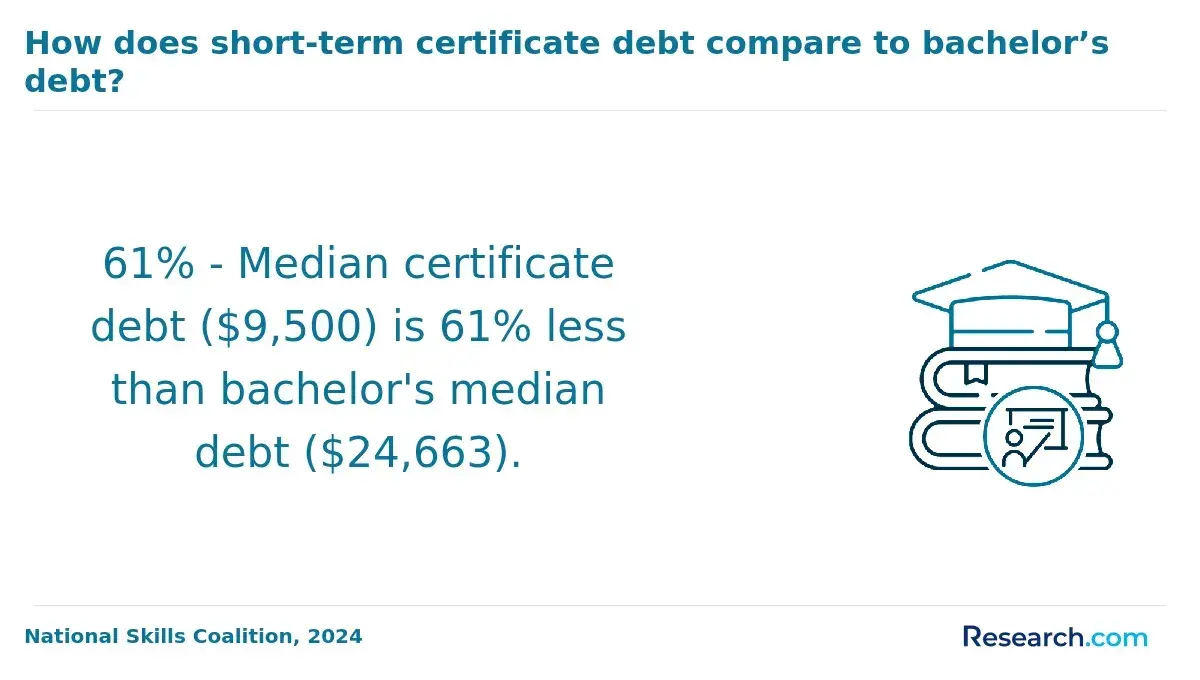
Assessing ROI in psychopharmacology graduate programs requires more than comparing sticker prices across public, private, and nonprofit online institutions. While public programs generally offer lower net tuition due to state subsidies and broader financial aid options, this advantage often translates into significantly less student debt-by as much as $20,000 on average, according to recent research from the Institute for College Access and Success. This debt reduction affects long-term financial stability and accelerates the timeline for positive ROI, especially for students balancing education with existing financial obligations.
However, lower cost does not inherently guarantee better overall value. Many private nonprofit programs invest in robust student services, flexible pacing, and industry networking, factors that contribute to higher employment rates post-graduation-up to 75% within six months, per U.S. Department of Education data-compared to 65% from public counterparts. Prospective students must weigh whether these career advantages justify the higher upfront expense, particularly if a program's specializations align closely with employer demands or offer advanced credentials that command premium salaries. For working professionals or career changers, the decision often hinges on balancing tuition cost against program length and the potential to minimize time to credential, which can offset higher tuition through earlier earnings.
Ultimately, the practical value of a psychopharmacology program depends on evaluating the interplay between tuition, debt exposure, graduation success, and post-degree outcomes. Cost-conscious learners should assess debt-to-earnings ratios and the degree to which program flexibility and support services impact completion and employability. While public institutions often excel in affordability and reducing financial risk, private nonprofit options may provide enhanced pathways that accelerate workforce entry and salary growth, making the choice highly dependent on individual career priorities and financial circumstances.
How Do Graduation Rates Influence Psychopharmacology Program ROI?
Graduation rates influence the return on investment in psychopharmacology programs by affecting how quickly students can complete their degrees and enter the workforce, directly impacting overall educational costs and potential earnings. Public online programs often report graduation rates around 55%, slightly higher than private for-profit institutions, which average near 47%, based on a 2024 National Student Clearinghouse Research Center report. This gap reflects differences in student demographics and institutional support, where nonprofit programs offer more academic flexibility and tailored services to accommodate working adults, though their graduation rates may not always outperform others. For adult learners balancing employment or caregiving, extended time-to-degree can increase tuition costs and delay income gains, complicating straightforward ROI calculations.
When considering psychopharmacology program completion rates and return on investment, it is critical to recognize that graduation rates alone do not fully capture program quality or workforce readiness. Employers emphasize accreditation, relevant curriculum, and applied skills, which sometimes outweigh raw completion percentages. Institutions with lower graduation rates may serve nontraditional students whose extended enrollment reflects life challenges rather than program deficiency.
Decisions must factor in these nuances alongside financial considerations, especially as student debt accrues differently by institution type. Prospective students comparing options should integrate metrics like academic support and career alignment with graduation outcomes to make informed choices about long-term value, including exploring resources on the cheapest online RN to BSN programs for broader cost comparisons.
What Role Do Career Outcomes Play in the ROI of a Psychopharmacology Degree?
Employment outcomes are a critical determinant of the return on investment for psychopharmacology degrees across public, private, and nonprofit online programs, often outweighing initial tuition savings or program prestige. Public institutions typically show a measurable advantage, with graduates experiencing about a 12% higher employment rate within six months, according to a 2024 National Center for Education Statistics report. This edge often stems from stronger affiliations with healthcare networks and practical training opportunities that employers value, directly impacting job placement and career mobility. Conversely, private institutions may offer niche specializations but sometimes struggle with broader employer recognition, which can limit the immediate benefits of the credential despite potentially higher costs and debt burdens.
For working professionals weighing time investment against career gain, nonprofit online programs present a distinct tradeoff by emphasizing skill development and professional networking, which can support longer-term career sustainability and graduate study. Still, the ROI calculus varies with market conditions, geographic factors, and individual career stages; flexible scheduling may trump rapid job placement for part-time learners, while new entrants prioritize immediate employment. Ultimately, assessing ROI in psychopharmacology requires balancing tuition expenses, debt load, program length, and the capacity to gain meaningful industry-relevant experience or certifications that employers recognize and reward over time.
One graduate who pursued an online psychopharmacology program found that the degree's value was not immediately apparent upon finishing. Though initially uncertain about its impact, they noticed over time that their employer increasingly relied on their advanced knowledge to lead internal projects and support clinical decision-making. The professional connections made through the program's networking components also opened doors to certification prep and part-time consulting roles within local healthcare organizations. This gradual career integration highlighted the complex interplay between educational investment and tangible workplace returns beyond immediate salary increases or promotions.
How Does Student Debt Impact the Long-Term ROI of a Psychopharmacology Program?
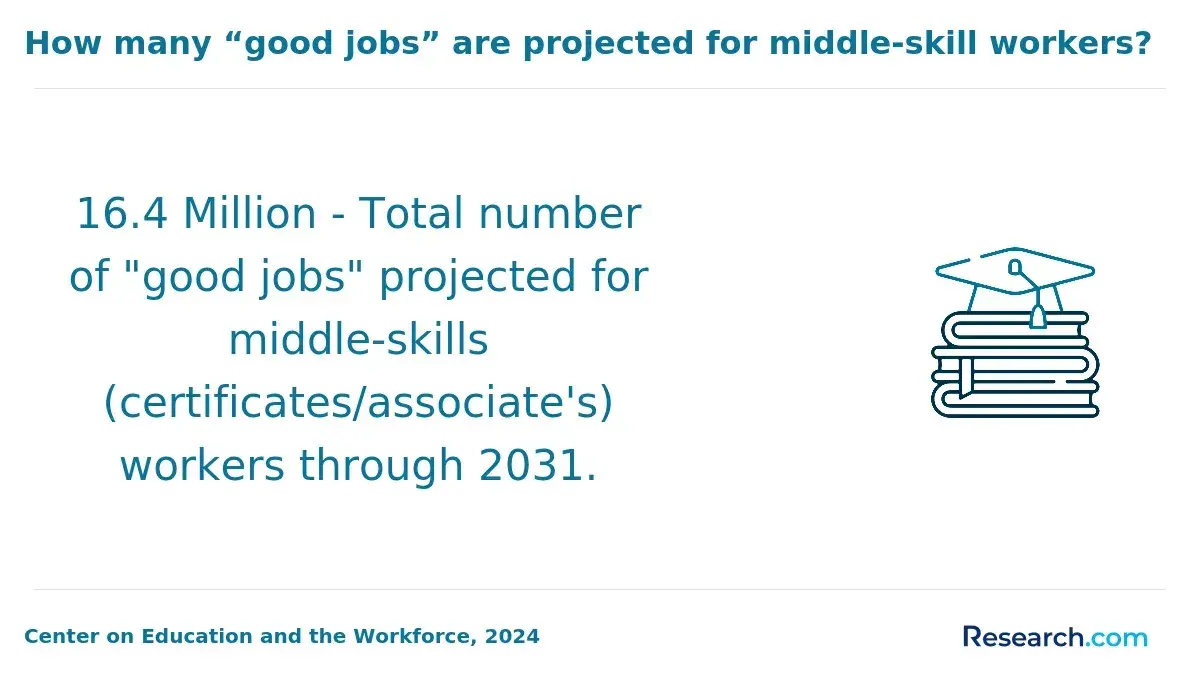
High student debt directly influences the long-term ROI of psychopharmacology programs by shaping graduates' financial flexibility and career decisions. For example, students graduating from private institutions often face average debts near $40,000, which heightens monthly repayment burdens relative to the $25,000 average at public universities. This heavier debt load can constrain psychopharmacology graduates who earn median starting salaries between $60,000 and $80,000, limiting their ability to relocate for better clinical or research roles or invest in further specialization. Consequently, the impact of graduate debt on financial benefits of psychopharmacology degrees must be weighed not only against institutional prestige but also against completion rates and repayment feasibility, both of which tend to favor public programs with typically higher graduation outcomes.
When evaluating psychopharmacology program ROI, adult learners and career changers should consider how borrowing patterns interact with program costs and debt repayment demands. Nonprofit online institutions may offer lower net costs through targeted scholarships, reducing debt-to-completion ratios important for sustaining long-term financial health. Yet, private programs with higher tuition rarely deliver superior salary placement or employment advantages, underscoring that a lower debt burden can translate into stronger practical value. For those comparing options, realistic financial planning informed by factors like institutional completion rates and expected earnings is key; some may also explore adjacent fields such as nursing through programs like the easiest RN to BSN program as alternative or complementary career pathways.
How Do Flexibility and Adult Learner Support Affect Psychopharmacology Program Value?
Programs that effectively balance scheduling flexibility with robust adult learner support tend to yield stronger returns on investment, especially for working professionals managing multiple responsibilities. Institutions offering asynchronous coursework, part-time enrollment, and efficient transfer credit policies can reduce time-to-degree and minimize lost wages, making them more attractive to cost-conscious students. For example, a public online psychopharmacology program with extensive academic advising and career services may help a parent or military-affiliated student navigate licensure pathways more smoothly, boosting persistence and decreasing overall educational costs. However, these advantages often come with tradeoffs; private programs may provide more personalized faculty access and networking opportunities but at significantly higher tuition, which can inflate debt burdens and extend payoff periods.
Employer demand in healthcare and behavioral health sectors increasingly values credentials combined with demonstrable competencies, placing a premium on programs that align academic rigor with practical outcomes. Data from the National Center for Education Statistics (2024) highlights that programs with greater flexibility can raise student retention rates by up to 20%, directly impacting graduation rates vital for career progression. Nonprofit institutions frequently emphasize tailored supports such as veteran accommodations and success coaching, but variable pricing models mean that adult learners must critically assess whether these services justify higher upfront costs. Ultimately, adult students weighing public versus private or nonprofit psychopharmacology programs should carefully consider how support structures influence persistence, opportunity costs, and long-term value rather than rely solely on sticker price or perceived prestige.
How Do Accreditation and Institutional Reputation Influence Psychopharmacology ROI?
Accreditation and institutional reputation significantly influence the return on investment (ROI) of online Psychopharmacology programs by affecting graduate outcomes and employer recognition. Graduates from regionally and programmatically accredited programs have greater eligibility for professional licensure and smoother credit transfer, enabling longer-term career flexibility. For example, a graduate from a public institution with regional accreditation may find it easier to enter state-based healthcare systems where employers prioritize known accreditation standards, whereas graduates from less recognized or solely national accreditations could face hurdles in licensure or acceptance by professional networks, impacting salary growth and job stability.
Employer perceptions tied to institutional reputation often extend beyond brand prestige to tangible quality indicators like graduation rates and faculty credentials. According to a 2024 report from the Council for Higher Education Accreditation, accredited online Psychopharmacology programs see a 25% higher pass rate on relevant licensure exams, directly linking accreditation to employability and earning potential. While private programs tend to have higher tuition, they may offer specialized licensure support and focused career pathways that justify the cost for some students. Conversely, public schools typically provide more affordable tuition but rely on regional reputation and network ties to secure steady ROI in local markets. Nonprofit programs can range widely in cost and reputation, requiring careful student evaluation of graduate outcomes and support services to assess true value relative to debt burden.
How Does Time-to-Degree Affect the ROI of Public, Private, and Nonprofit Psychopharmacology Programs?
The variability in time-to-degree among public, private, and nonprofit online psychopharmacology programs significantly shapes their return on investment. Longer durations, often seen in public institutions due to part-time enrollment and limited accelerated options, increase tuition exposure and elevate opportunity costs by postponing workforce entry. For example, a working adult balancing employment may find that a 5.8-year average completion timeline in public programs delays income growth, whereas private nonprofits with faster, full-time paths averaging 3.5 to 4 years can enable quicker career progression. However, accelerated pathways demand intensive commitment and reduced flexibility, which may not suit all adult learners.
Transfer credit acceptance and flexible pacing further complicate the relationship between psychopharmacology online programs graduation timeline and ROI. Nonprofit institutions often allow more transfer credits, enabling some students to shorten their studies, but flexibility in course load adjustments, while aiding retention, can extend time and increase overall costs. Graduation rates also play a critical role: higher completion rates in private nonprofit programs-near 65%-reduce the risk of lingering debt and noncompletion, compared to roughly 50% at public schools. Prospective students must weigh these factors alongside tuition rates, as public programs offer lower sticker prices but potentially greater debt accumulation over time due to lengthier enrollment.
Decision-makers should consider practical employment outcomes since timely degree completion affects when graduates can realize the financial benefits of advanced qualifications. For those curious about earning potential post-graduation, understanding how much do pharmaceutical sales reps make may inform expectations of income trajectories in related fields. Balancing affordability, program flexibility, and completion speed is essential for maximizing ROI in psychopharmacology programs, especially for transfer students or professionals managing work and family obligations.
How Can You Choose the Best Psychopharmacology Program Based on Your ROI Goals?
The best psychopharmacology online program return on investment depends less on institution type and more on how well a program aligns with a student's financial situation, career goals, and time constraints. Public programs generally have lower tuition, reducing upfront debt, but private and nonprofit schools often provide stronger financial aid or accelerated options that can shorten time to degree. This means a working professional balancing family obligations might find greater ROI in a nonprofit program offering asynchronous learning and robust learner support, whereas those prioritizing lower overall cost might lean toward a public institution despite slightly longer completion times.
Graduation rates and employer expectations also shape ROI. Many employers value accredited programs with strong reputations and practical curriculum, which can favor nonprofit or specialized private programs despite higher tuition and a 30% average increase in debt noted in private program graduates according to the Brookings Institution. Conversely, public schools often have stronger local healthcare ties, boosting internship and job placement opportunities relevant to students targeting regional markets. Evaluating programs on these outcomes alongside flexibility and cost is essential for those seeking the best psychopharmacology online programs for career growth.
Prospective students should weigh debt implications and potential salary uplift carefully, and explore niche pathways like marriage and family therapy masters programs online, which can intersect with psychopharmacology roles. Ultimately, a nuanced approach considering credit transferability, learner support, and career relevance will yield the best personalized ROI rather than defaulting solely to public, private, or nonprofit categorization.
References
- How to measure ROI in healthcare (the right way) | Out-Of-Pocket https://www.outofpocket.health/p/how-to-measure-roi-in-healthcare-the-right-way
- These master's degrees lead to fast-growing, in-demand jobs—but offer low ROI https://www.cnbc.com/2026/04/03/masters-degrees-low-roi.html
- A Definitive Guide to Psychology Graduate Degrees and Trending Career Opportunities https://paloaltou.edu/resources/blog/definitive-guide-psychology-graduate-degrees-and-trending-career-opportunities
- What it is and how to calculate ROI or Return on Investment - Esade https://www.esade.edu/beyond/en/what-is-roi-and-how-to-calculate-return-on-investment/
- Deep Dive: New Research Shows the Profound Impact of Debt on Perceptions of Higher Ed - Protect Borrowers https://protectborrowers.org/resource/deep-dive-new-research-shows-the-profound-impact-of-debt-on-perceptions-of-higher-ed/
- The Long-Term Effects of Student Loans | ACE Blog https://ace.edu/blog/the-long-term-effects-of-student-loans/
- Mortgaging Careers - Society for the Advancement of Psychotherapy https://societyforpsychotherapy.org/mortgaging-careers/
- Raising the Bar: The Impact of Accreditation on Psychology Training | SoMAP - The Society of Modern Applied Psychology https://thesomap.org/raising-the-bar-the-impact-of-accreditation-on-psychology-training/
- Online M.S. Clinical Psychopharmacology - The Chicago School https://www.thechicagoschool.edu/programs/psychology/clinical-psychopharmacology/ms/
- The Positive ROI of Graduate Outcomes Data https://blog.steppingblocks.com/the-positive-roi-of-graduate-outcomes-data
Other Things You Should Know About Psychopharmacology
Employers often weigh graduates' institution types differently, especially in regulated or clinical psychopharmacology fields. Public programs tend to have stronger ties to regional healthcare systems and can foster practical partnerships that enhance applied learning, which employers value. Private programs may emphasize innovative or specialized curricula but sometimes lack broad recognition among traditional employers. When employer networks and local clinical exposure count more, public programs often provide a clearer ROI advantage.
Nonprofit psychopharmacology programs frequently balance theoretical knowledge with applied practice, typically resulting in a moderate workload intensity. While this can extend program duration, it often allows for deeper mastery without overwhelming working professionals. This measured workload translates into better integration of learning with career demands, improving practical skill retention and long-term employability-key ROI factors that may surpass faster, more content-heavy private programs.
Not necessarily. Although public programs offer lower tuition, they can sometimes have larger class sizes and less individualized faculty attention, which could dilute the learning experience. For some students, particularly those seeking niche specialties or more mentorship opportunities, private or nonprofit programs-even at higher costs-may yield better career returns. Prioritizing the alignment between program features and career goals often outweighs tuition savings alone in optimizing ROI.
Networking quality varies significantly: private programs often have diverse, nationwide cohorts, expanding potential professional connections beyond local markets. Public programs generally focus on regional networks, which benefits students aiming for local employment but might limit national reach. Nonprofit programs frequently emphasize community engagement and specialized professional groups. Choosing the institution type that best aligns with your target market and career network can substantially affect ROI through job placement and advancement.