2027 Mental Health Counseling Affordability by State: Where Students Pay the Most and Least

Co-Founder and Chief Data Scientist
For a student weighing a mental health counseling program in California costing over $25,000 annually against an out-of-state option at half the tuition, hidden living expenses and state licensing requirements complicate the choice. A 2024 report from the State Higher Education Finance Board shows average tuition disparities exceeding 40% between states with public institutions, reflecting not only sticker price differences but also funding models that affect program quality and student outcomes.
These variations influence borrowing amounts and long-term financial health. This article examines state-by-state affordability to reveal where students encounter the steepest and most manageable financial barriers when pursuing a mental health counseling degree.
Key Things to Know About Mental Health Counseling Affordability by State
- States with the lowest tuition often have higher living costs or limited financial aid, making "cheap" programs more expensive overall; students must weigh total attendance costs, not just sticker tuition.
- Out-of-state tuition premiums averaging 60% more reveal a significant tradeoff: expanding geographic options risks substantial debt, impacting graduates entering regionally competitive mental health job markets.
- Growing employer preference for accredited programs narrows the benefit from lower-cost, unaccredited online degrees, pressing students to balance immediate affordability with long-term employability.
- Key Things to Know About Mental Health Counseling Affordability by State Key Things to Know About Mental Health Counseling Affordability by State
- Which States Have the Most Affordable Mental Health Counseling Degree Programs? Most Affordable State Programs
- Which States Have the Highest Mental Health Counseling Degree Costs? Highest State Tuition Costs
- How Much Does a Mental Health Counseling Degree Cost by State? Degree Costs by State
- Why Does Mental Health Counseling Affordability Vary So Much Between States? State Affordability Variations
- How Do In-State and Out-of-State Tuition Rates Affect Mental Health Counseling Affordability? In-State vs. Out-of-State Rates
- How Does the Cost of Living Impact Overall Mental Health Counseling Affordability by State? Living Costs and Affordability
- Which States Offer the Best Value for a Mental Health Counseling Degree? Best Value State Degrees
- What Financial Aid and Scholarship Opportunities Can Reduce Mental Health Counseling Costs? What Financial Aid and Scholarship Opportunities Can Reduce Mental Health Counseling Costs?
- Are Online Mental Health Counseling Degree Programs More Affordable Than On-Campus Options? Are Online Mental Health Counseling Degree Programs More Affordable Than On-Campus Options?
- Is a Mental Health Counseling Degree Worth the Cost Based on Career Outcomes and ROI? Degree ROI and Outcomes
Which States Have the Most Affordable Mental Health Counseling Degree Programs?
State-level differences in public funding and tuition policies play a decisive role in shaping which states have the most affordable mental health counseling degree programs. States with robust higher education investments typically offer significantly lower in-state tuition rates for residents, creating a tangible cost advantage that often influences where prospective students choose to enroll.
For instance, a learner comparing an institution in Wyoming, with average annual tuition around $5,400, versus one in a high-cost coastal state facing fees nearer to $10,500, must weigh how these upfront savings interact with other factors like living expenses and program format when planning degree completion. This discrepancy reflects broader fiscal decisions by state legislatures about university financing and access, which directly impact net educational costs and the feasibility of sustained enrollment for budget-conscious students.
Access to financial aid and residency policies further differentiate affordability in mental health counseling degree pathways across states. Many top states for affordable mental health counseling degrees offer targeted aid packages and favor in-state learners through residency rules that reduce sticker shock. However, affordability is not uniform and may vary substantially depending on a student's personal circumstances, such as eligibility for aid or ability to pursue online program options that minimize living costs.
For some, the tradeoff involves balancing lower tuition with living in regions where regional costs of living are comparatively higher, highlighting why students must consider total cost frameworks rather than tuition alone. Those weighing programs nationwide should remain attentive to these variables; this careful analysis complements academic and professional criteria in maximizing the long-term educational value of a mental health counseling degree.
For students unfamiliar with complex admissions landscapes, exploring the easiest RN program to get into may provide useful comparative insight into accessible pathways in related healthcare fields.
Which States Have the Highest Mental Health Counseling Degree Costs?
States with the highest costs for earning a mental health counseling degree often reflect broader economic and policy environments where limited state funding and high living expenses intersect. For instance, despite well-regarded public universities, reductions in state appropriations have pushed tuition hikes that disproportionately impact out-of-state students, sometimes exceeding $40,000 annually, according to 2024 data from the National Center for Education Statistics.
Beyond tuition, metropolitan living costs can double overall student expenses, prompting many to weigh whether the prestige and resources of expensive urban programs justify the heavier financial burden compared to more affordable, possibly less specialized, options elsewhere. Residency restrictions and scarce in-state program availability further complicate choices, frequently forcing students to consider relocation or online alternatives-each carrying its own tradeoffs in cost, access, and clinical training quality.
The prevalence of private institutions with premium pricing in certain states also skews average cost figures, especially where elite universities emphasize intensive clinical and research components that add value but intensify debt loads. Students must critically assess whether the investment aligns with local workforce demands and employer expectations, as some states' higher education landscapes offer fewer accredited programs, limiting affordable in-state alternatives and escalating out-of-state tuition premiums.
These dynamics influence not only upfront costs but also longer-term financial strategies, such as eligibility for state-based aid or the feasibility of working while studying. Prospective candidates therefore face a complex calculus where choice of state and institution affects not just affordability but the practical viability of completing their degree and entering the workforce under reasonable financial pressures.
One student considered enrolling in an out-of-state mental health counseling program after realizing her state had very limited accredited offerings. She was deterred by the steep non-resident tuition and the high cost of moving to an urban center known for its elite private universities, whose programs seemed promising but came with significant price tags.
After comparing in-state online programs with fewer clinical opportunities but much lower costs, she grappled with uncertainty about whether the online option would sufficiently prepare her for licensure and competitive employment. Her decision underscored the tension between upfront affordability and the perceived return on investment, highlighting how nuanced cost differences across states can deeply influence the strategic choices that shape a student's future in mental health counseling.
How Much Does a Mental Health Counseling Degree Cost by State?
Tuition expenses for a Mental Health Counseling degree vary dramatically by state, primarily due to divergent public and private university pricing models and residency rules. For instance, states with robust public university funding like Wyoming and South Dakota often keep in-state tuition below $8,000 annually, offering clear financial advantages for residents compared to out-of-state or private institution fees that can easily exceed $30,000.
These disparities profoundly affect budget planning: a student weighing attendance in California may confront both elevated tuition and substantially higher living costs than someone enrolling in a less expensive state with a lower cost of living, potentially increasing debt burdens and influencing decisions about relocating or pursuing online alternatives.
State policies governing tuition rates and financial aid availability also shape enrollment patterns and degree accessibility. Residency requirements can inflate costs by two to four times for non-residents, forcing prospective students to consider whether paying out-of-state tuition aligns with their career timelines and financial capacity.
Moreover, scholarship programs and institutional priorities vary regionally, impacting practical affordability beyond sticker prices. Students must therefore integrate these factors into their longer-term strategies-balancing immediate expenses with local workforce demand, licensure opportunities, and expected salary outcomes to avoid overextending financially for programs that may not yield proportional employability benefits.
Why Does Mental Health Counseling Affordability Vary So Much Between States?
State funding disparities heavily shape state-by-state mental health counseling tuition differences, with public universities in states like Wyoming and New Mexico benefiting from higher per-student allocations compared to regions such as California or New Hampshire. This differential subsidization translates into substantially lower in-state tuition in better-funded states, directly influencing financial accessibility. Additionally, states with a larger proportion of private institutions tend to face higher tuition rates due to less government support and profit-driven pricing.
Cost of living and regional demand further complicate affordability. Programs in high-expense areas like the Northeast often pass elevated operational costs onto students, while enrollment surges in in-demand states can prompt institutions to raise prices to manage capacity. Limited state aid and workforce-targeted grants also vary widely, meaning that some states actively reduce net costs for students prepared to work locally post-graduation.
Students must weigh these factors-including residency benefits and potential out-of-state or online options-when strategizing their educational investments in mental health counseling amid an evolving labor market and diverse institutional pricing strategies. These nuanced factors influence enrollment patterns and transfer decisions, impacting long-term planning for prospective counselors seeking to balance quality with financial feasibility.
According to data from the National Center for Education Statistics in 2024, those seeking the highest-paying jobs with a biology degree similarly navigate state-level cost trade-offs and aid availability, underscoring the broader relevance of funding dynamics across specialized health-related fields.
How Do In-State and Out-of-State Tuition Rates Affect Mental Health Counseling Affordability?
The disparity between in-state and out-of-state tuition rates significantly shapes the financial feasibility of pursuing a mental health counseling degree, especially when students weigh their options across state lines. For instance, public universities often list out-of-state fees two to three times higher than in-state tuition, which can add tens of thousands of dollars over the course of a program.
This steep premium influences not only initial enrollment decisions but also long-term financial planning, as students must consider residency reclassification policies and whether relocating or enrolling online offers a viable path to manage costs. Regions with tuition reciprocity agreements provide some mitigation, but uneven state partnerships mean many students face stark cost differentials without realistic alternatives to bypass them.
Another factor complicating affordability is the limited scope of state-funded financial aid, which typically favors residents, further amplifying disparities in net expenses between in-state and out-of-state students. In contrast, private programs or some online mental health counseling offerings tend to standardize costs regardless of residency, presenting tradeoffs in terms of program reputation and clinical placement opportunities.
The interplay between tuition pricing, local licensing requirements, and market familiarity thus forms an essential framework for students assessing the practical value of programs beyond simple sticker price comparisons. According to 2024 figures from the National Center for Education Statistics, the average annual in-state tuition at public institutions is around $10,300, while out-of-state students pay roughly $25,100, underscoring the importance of strategic residency and program decisions in controlling education debt.
A recent graduate shared how, after moving to a neighboring state for personal reasons, they were surprised to learn their new institution classified them as out-of-state, doubling their tuition unexpectedly. Attempts to expedite residency reclassification were slowed by bureaucratic delays, forcing them to reassess their enrollment budget mid-program.
This experience highlighted the difficulty of anticipating tuition classifications and the importance of confirming residency policies before committing to mental health counseling studies, especially when cross-state mobility is involved. The financial unpredictability introduced by residency rules became a source of stress during an already demanding program.
How Does the Cost of Living Impact Overall Mental Health Counseling Affordability by State?
Evaluating mental health counseling program affordability by state cost of living reveals that tuition figures alone provide an incomplete picture of financial demands. For example, a student in California might face tuition similar to one in Arkansas but encounter housing costs that exceed the national average by 70% or more, significantly increasing the total expense of education.
This discrepancy influences key decisions such as whether to relocate, pursue hybrid or fully online programs, or maintain local living arrangements, especially given the potential impact on student debt exposure and the need for extended financial aid planning. Transportation and day-to-day living expenses also affect the overall cost of earning a mental health counseling degree.
In states with poor public transit and extensive urban sprawl like Texas, students must account for car ownership and fuel costs, whereas those in places like New York may benefit from dense transit networks but pay higher prices for food, healthcare, and utilities. These variable costs compound, shaping enrollment choices and completion strategies. Students comparing regional options must weigh these factors carefully, including exploring online radiology programs as a reference for flexible alternatives within healthcare education.
Moreover, regional inflation and local wage conditions directly affect disposable income and the ability to save during studies, often forcing prospective counselors to balance work hours with academic requirements. Areas with rapid economic growth may see living expenses outpace financial aid increases, exacerbating the financial strain despite relatively stable tuition. Understanding the impact of regional living expenses on mental health counseling degree costs can guide students and families in making informed, pragmatic decisions about where and how to pursue their education most effectively.
Which States Offer the Best Value for a Mental Health Counseling Degree?
Evaluating states for the best value in mental health counseling degrees requires looking beyond sticker tuition to factors like residency-based tuition policies, completion rates, and local job market strength. For example, North Carolina's public institutions offer some of the lowest in-state tuition rates combined with below-average living costs, which lowers total student debt. However, choosing a state solely for low tuition can backfire if graduates face limited employment opportunities or higher-than-average debt from extended studies.
States such as Texas maintain mid-range tuition but benefit from robust demand for licensed counselors, which helps graduates manage loan repayment through stronger salary prospects. Financial aid availability and institutional support also shape affordability deeply, as seen in states like Florida, where multiple low-cost public options are paired with generous aid and better-than-average degree completion. These elements reduce the risk of sunk costs for students who might otherwise struggle to finish their programs and enter the workforce.
Conversely, some states offer affordable tuition but fewer practical job openings or weaker counseling labor markets, making long-term returns uncertain. Prospective students must weigh the interplay of tuition policies, cost of living, financial aid, and regional workforce needs, especially when considering relocating or pursuing online programs, to achieve the best balance of financial and career outcomes.
What Financial Aid and Scholarship Opportunities Can Reduce Mental Health Counseling Costs?
Cost variability in pursuing a mental health counseling degree often hinges more on access to targeted financial aid than sticker tuition alone. Federal grants such as Pell Grants represent a critical support source, covering substantial tuition portions for students who meet strict income requirements-about 60% of mental health counseling students receiving federal aid depend on this no-repayment funding, according to the U.S. Department of Education's 2024 report.
However, eligibility criteria-enrollment intensity, residency status, and maintaining satisfactory academic progress-can limit these benefits, especially for part-time or out-of-state students who may find fewer grant options and thus face higher net expenses despite similar sticker prices. State-level support mechanisms vary widely, creating stark affordability differences across the country.
States like California and New York leverage tuition reciprocity and generous grants that reward residency, significantly reducing direct costs, while other states with limited aid programs compel students to rely more on loans or institutional scholarships that may have more competitive or restrictive awarding standards. Employer tuition reimbursement has become a more frequent financial bridge for working adults, yet this aid's value depends on job stability and may introduce obligations such as continued employment after graduation, which not every student can accommodate.
Combined, these layered conditions mean students must weigh aid eligibility nuances, institutional policies on scholarship stacking, and long-term funding stability to craft feasible educational financing plans when comparing mental health counseling programs interstate.
Are Online Mental Health Counseling Degree Programs More Affordable Than On-Campus Options?
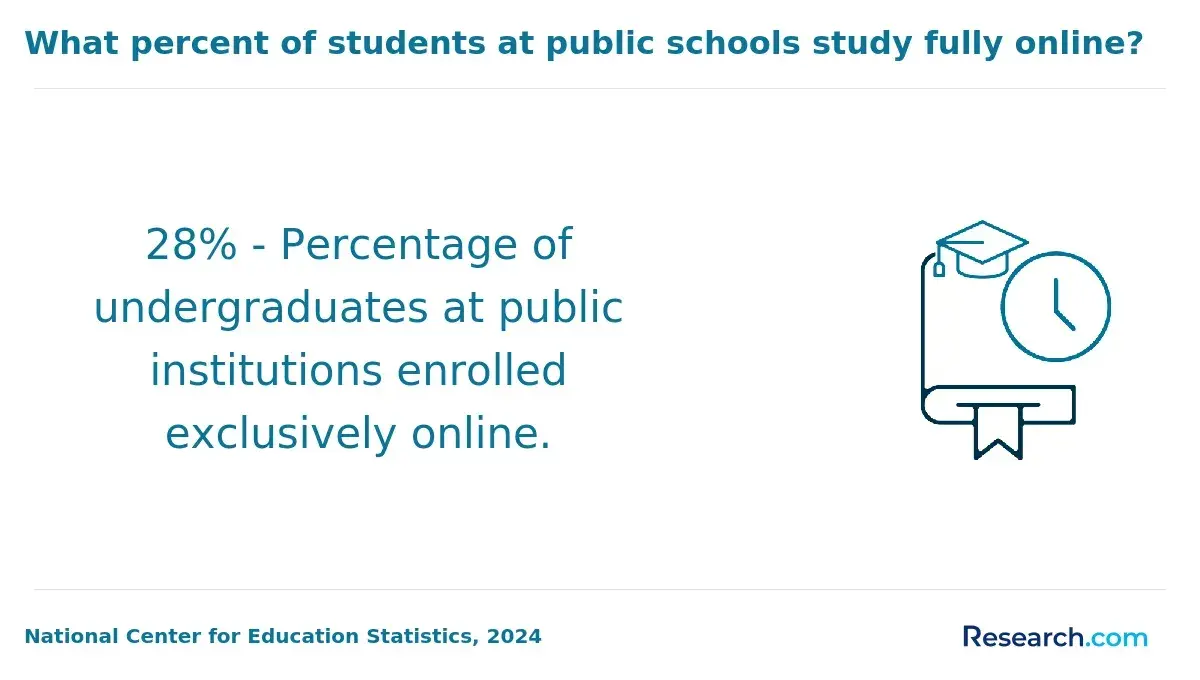
Tuition disparities between online and on-campus mental health counseling degree programs often reflect complex cost structures rather than straightforward savings. Although 2024 data from the National Center for Education Statistics indicate that online tuition may run 15-25% lower than in-person programs, especially at public universities, this advantage can be offset by residency-based tuition policies.
For example, in some states, traditional students benefit from in-state rates, while online learners might pay out-of-state fees, diluting the affordability of online pathways for residents compared to their campus counterparts. Students must weigh these pricing nuances carefully against the broader expense landscape.
Beyond tuition, the affordability of online mental health counseling programs by state depends significantly on additional factors such as housing, transportation costs, and technology requirements. While online students avoid commuting and campus housing expenses, they frequently face higher technology fees and mandatory costs for digital learning platforms. Aid availability further complicates cost comparisons; institutional scholarships tend to favor on-campus enrollees, whereas federal aid remains accessible across modalities.
These tradeoffs can meaningfully shift the overall financial picture depending on a student's enrollment status and state-specific policies governing online education. Practical decision-making must also consider opportunity costs tied to scheduling flexibility offered by many online programs. Preserving employment while studying is often viable online, which offsets tuition savings through income continuity not typically possible with on-campus commitments.
Prospective students assessing online mental health counseling degree cost comparison should also explore specialized resources and credentials relevant to their field, including BCBA programs, ensuring a careful match of program design to career objectives and financial realities.
Is a Mental Health Counseling Degree Worth the Cost Based on Career Outcomes and ROI?
The value of a mental health counseling degree varies significantly depending on geographic and financial factors that shape career outcomes. Employment growth in this field is projected at 16% nationally through 2032, indicating strong demand, but cost disparities across states create distinct affordability challenges. For example, students in states with average tuition near $20,000 face substantially less debt than those paying over $50,000, affecting their financial flexibility and ability to pursue advanced certifications.
Those considering this degree should weigh these regional cost differences alongside local salary benchmarks and licensure success rates to assess realistic returns rather than focusing solely on upfront expenses. Evaluating career outcomes for mental health counseling graduates in the US requires accounting for opportunity costs such as unpaid internships and time spent completing advanced credentials, which many employers now expect. Geographic mobility also influences ROI since relocating to a higher-cost state without commensurate income increases can erode financial gains.
Additionally, program completion rates impact value, as programs with low graduation rates produce higher debt burdens without corresponding employment benefits. Budget-conscious students might explore programs detailed in resources like the best online bachelor's in sociology programs to identify lower-cost or more flexible options aligned with their career goals.
References
- Online Counseling Degree Programs - Most Affordable https://www.edumed.org/online-schools/counseling-degrees/most-affordable/
- Best Online Counseling Degree Programs 2025 https://www.psychology.org/rankings/best-online-counseling-programs/
- Master’s in Mental Health Counseling Degree Guide https://www.counselingdegreeguide.org/degrees/mental-health-counseling/
- 50 Most Affordable Mental Health Counseling School Programs | UniversityHQ https://universityhq.org/best-colleges/rankings/most-affordable-mental-health-counseling-schools/
- Is a Degree in Mental Health Counseling Worth It in New York? Salary Data and Job Market Analysis - Counseling Degrees New York https://counselingnewyork.org/is-a-degree-in-mental-health-counseling-worth-it/
- College Affordability for Counseling Students https://www.counselingschools.com/blog/college-affordability-guide
- Most Affordable Online Master’s in Mental Health Counseling https://www.onlinemastersdegrees.org/most-affordable/counseling-programs/
- US State Sponsored Therapy: A Guide From The Experts https://blog.opencounseling.com/the-united-states-public-mental-health-system/
Other Things You Should Know About Mental Health Counseling
Lower tuition costs can be appealing, but students must consider that licensure requirements vary widely by state. Attending a program in a state with more rigorous or longer supervised experience mandates may extend time to full licensure, increasing total costs and delaying workforce entry. Prioritizing programs aligned with your intended licensure state optimizes affordability by reducing the risk of extra coursework or supervision later. Students planning to practice in a different state should research reciprocity agreements and factor potential additional costs into their decision.
Programs with lower tuition often come from smaller or less-resourced institutions, which might limit high-quality clinical placements or specialty training areas. This can impact practical skill development and networking critical for job placement. While affordability is essential, students should prioritize programs with proven clinical partnerships in mental health agencies or hospitals, even if it means paying moderately higher tuition. Clinical experience depth often influences employability and starting salaries more than marginal tuition differences.
High living costs often correlate with higher tuition and fees, but wage premiums for entry-level counselors don't always offset these expenses. Graduates in expensive states may face slower loan repayment due to elevated debt and personal costs. Conversely, states with more moderate costs might offer similar or better employment opportunities with comparable salaries relative to expenses. Students should assess salary scales, job market saturation, and cost of living jointly rather than assuming that high tuition states guarantee better financial outcomes.
While online programs can reduce costs related to relocation and commuting, not all online degrees provide equal access to supervised clinical experiences crucial for licensure. Students should verify whether online formats include local practicum placements or require them to secure sites independently, which may impact time and expenses. Those balancing work and school might prioritize flexible scheduling offered by hybrid models, but should cautiously evaluate support systems and clinical quality to avoid hidden affordability pitfalls from extended program lengths or delayed licensure.