2027 Fastest Online Music Business Degree Programs You Can Finish in Under 2 Years

Co-Founder and Chief Data Scientist
If you want to work in artist management, music marketing, publishing, licensing, live events, or digital distribution, the key question is not whether a music business degree can be completed online. It is whether you can finish quickly without choosing a weak program that employers will question later.
Many aspiring music professionals face time constraints that delay entry into the industry. According to the National Center for Education Statistics, over 60% of online degree seekers prioritize program length to accelerate career readiness. That pressure is especially relevant in music business, where streaming models, rights management, social media promotion, touring economics, and brand partnerships change quickly.
Fast online music business degree programs are designed for students who want structured business training, industry-specific coursework, and a shorter path to graduation. The best options combine accelerated terms, transfer-friendly policies, relevant curriculum, credible accreditation, and career support. The fastest option is not always the best one, however; students also need to compare workload, cost, technology requirements, and how much prior credit they can apply.
This guide explains how accelerated online music business degrees work, what formats can be completed in under two years, how admissions and transfer credits affect completion time, and what career outcomes graduates may pursue. It is intended to help you choose a program that is fast, practical, and credible.
Key Benefits of Online Music Business Degree Programs You Can Finish in Under 2 Years
- Completing a music business degree online in under 2 years enables faster entry into the workforce, with graduates joining a field expected to grow 8% by 2030 according to BLS data.
- Accelerated online degrees reduce overall education costs by minimizing tuition and living expenses, supporting affordability as 45% of music business students use financial aid.
- Flexible online schedules accommodate working adults, with a 35% rise in online enrollment reflecting demand for adaptable learning in the music industry's evolving landscape.
What Features Make an Online Music Business Program Accelerated?
An accelerated online music business program shortens the path to completion by changing how courses are scheduled, how credits are earned, or how prior learning is applied. A fast program should not simply remove content. It should deliver the same core academic and career preparation in a more concentrated format.
Many students seeking quicker entry into the music industry benefit from fast track online music business degree options that reduce the typical time spent in school. Recent data reflects that such programs improve retention and degree completion rates by up to 20%, which helps explain why more schools are building flexible, compressed online pathways.
Common accelerated online music business program features include:
- Compressed course terms: Instead of a 15-week semester, courses may run 5 to 8 weeks. This lets students focus on fewer subjects at one time while completing more courses across the year.
- Higher credit loads: Some programs allow students to take more credits per term. This can speed completion, but it is only realistic for students with strong time management and a predictable weekly schedule.
- Asynchronous coursework: Many online courses allow students to watch lectures, submit assignments, and participate in discussions within weekly deadlines rather than attending at fixed times.
- Year-round enrollment: Programs with summer sessions or multiple start dates reduce downtime between courses and help students maintain academic momentum.
- Transfer-credit flexibility: Students who already completed general education or business courses may be able to reduce the number of credits they still need to finish.
- Applied assignments: Strong programs use projects such as marketing plans, tour budgets, contract analyses, release strategies, or licensing scenarios so students build portfolio-ready work while studying.
The trade-off is intensity. Accelerated programs can be efficient, but they leave less room for missed deadlines, poor planning, or slow adjustment to online learning. Before enrolling, students should ask how many hours per week each course requires, whether courses are self-paced or instructor-paced, and how often major assignments are due.
For comparison, other fast online programs use similar structures. For example, accelerated doctoral programs in education online also rely on compressed scheduling and focused progression models, showing how acceleration has become a broader design strategy across online education.
What Are the Online Music Business Degree Formats You Can Finish in Under 2 Years?
The format of an online music business degree determines how quickly students can move from admission to graduation. A program advertised as online is not automatically fast. Completion time depends on term length, credit requirements, transfer policies, pacing rules, and whether students can study continuously.
Common formats for accelerated online music business programs under 2 years include:
- Accelerated term-based programs: These programs replace traditional semesters with shorter, more frequent terms. Students may complete several sessions per year, which increases credit-earning opportunities.
- Competency-based education: Students move forward by demonstrating mastery of specific skills or outcomes. Learners with prior experience in business, music production, marketing, or administration may progress faster than students starting from scratch.
- Full-time intensive tracks: These tracks require a heavier course load each term. They can work well for students who can treat school like a major commitment, but they may be difficult for those working full time.
- Year-round enrollment models: Continuous study without long academic breaks helps students finish sooner than programs tied to a traditional fall-spring calendar.
- Degree-completion programs: These are often designed for students who already hold substantial college credit. They can be among the fastest options if transfer credits cover general education and elective requirements.
These formats maximize credit-earning opportunities and help avoid downtime, with some programs reducing degree length by up to half, according to the National Center for Education Statistics.
Students should also pay attention to whether a program is synchronous, asynchronous, or hybrid. A synchronous format may offer more live interaction, while an asynchronous format may be easier to manage around work, internships, gigs, or family responsibilities. The best choice depends on how much structure you need and how much schedule flexibility you require.
It can also help to compare fast online formats across different fields. For instance, CACREP online counseling programs may use different pacing and accreditation expectations, but they show how online programs balance flexibility, rigor, and professional preparation.
What Are the Admission Requirements for Accelerated Online Music Business Degrees?
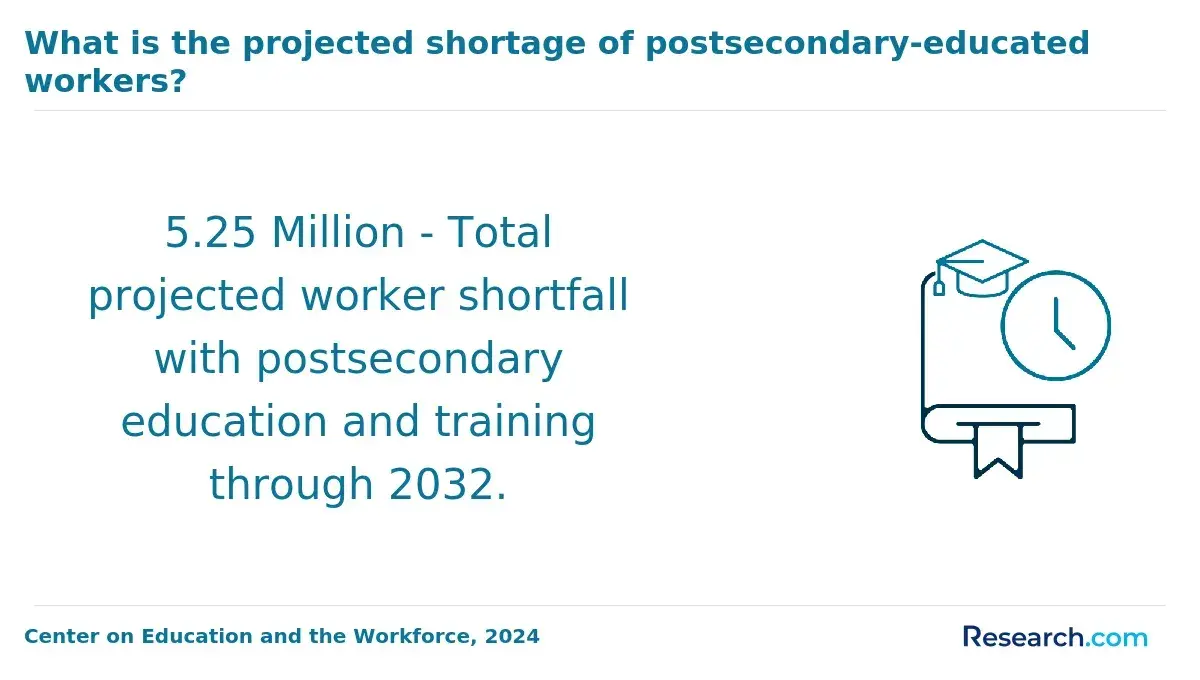
Admission requirements for accelerated online music business degrees are designed to confirm that applicants can handle a compressed academic schedule. Fast-track programs often expect students to be more organized and self-directed than they would need to be in a slower, traditional format.
Typical admission requirements and readiness factors include:
- Minimum GPA: Programs generally expect a minimum undergraduate GPA around 2.5 to 3.0 to show that applicants can manage college-level coursework in a condensed format.
- Prior college coursework: Some accelerated tracks may require foundational coursework in music, business, communications, or a related field. Others admit students from broader academic backgrounds but may require prerequisite courses.
- Official transcripts: Schools usually review transcripts to determine eligibility, transfer credits, prerequisites, and academic standing.
- Work or industry experience: Employment, internships, performance management, event coordination, marketing work, or other entertainment-related experience can strengthen an application by showing practical commitment to the field.
- Placement tests or readiness assessments: Some programs may evaluate writing, math, marketing, or business readiness before approving an accelerated course plan.
- Personal statement or goals statement: Applicants may need to explain why they want to study music business, how the degree fits their career goals, and how they plan to manage the workload.
- Time management capacity: Because the pace is compressed, applicants should realistically assess whether they can meet weekly deadlines, participate in online discussions, and complete project-based assignments without falling behind.
The biggest mistake applicants make is focusing only on admission and not on completion. Getting accepted into a fast track music business program is only the first step. Students should ask admissions staff whether they can review a sample degree plan, estimated weekly workload, transfer-credit evaluation timeline, and course rotation before committing.
Students comparing accelerated graduate or professional pathways may also find it useful to review how an online EMBA structures admissions, workload, and pacing for experienced learners.
How Many Transfer Credits Do Fast Online Music Business Programs Accept?
Transfer credits can be the difference between finishing quickly and spending extra semesters in school. For students who already completed general education, business, communications, marketing, or music-related coursework, transfer policies should be reviewed before enrollment—not after classes begin.
On average, many accelerated online programs accept between half and three-quarters of the total required credits. This can substantially reduce both time to graduation and total tuition, but policies vary by institution and by degree level.
Typical transfer-credit rules include:
- Maximum transferable credits: Most programs allow students to transfer 50% to 75% of the credits needed to graduate, with ceilings often set between 60 and 90 credit hours for bachelor's degrees.
- Accreditation requirements: Transfer credits generally must come from accredited institutions. Credits from unaccredited schools may not be accepted.
- Grade minimums: Many schools require a C or better for transfer courses, especially if the course is being used to satisfy a major or prerequisite requirement.
- Course equivalency review: Credits must usually align with the receiving school’s curriculum. A general business course may transfer easily, while a specialized music business course may require faculty review.
- Residency requirements: Certain specialized courses unique to music business, such as entertainment law or music marketing, typically must be completed through the institution awarding the degree.
- Age of credits: Some schools may limit older credits, especially in fields affected by technology, digital marketing, or current industry practices.
To speed up the process, request official transcripts early, save syllabi from prior courses, and ask for a written transfer evaluation before registering. If the school offers credit for prior learning, military training, professional certifications, or portfolio review, ask how those credits apply to the major—not just to electives.
A professional who completed an accelerated online music business degree in under two years shared this advice:
- : "Navigating credit transfers felt like solving a puzzle. I had to gather transcripts, verify course equivalencies, and communicate extensively with advisors. The administrative process required patience, but ultimately keeping track of requirements and staying organized made all the difference."
The lesson is straightforward: transfer credits can shorten a degree, but only if they are approved, correctly applied, and aligned with graduation requirements.
How Many Classes Do You Take at Once in a Fast Online Music Business Program?
Course load is one of the most important decisions in an accelerated online music business program. Taking too few classes may stretch the timeline beyond two years. Taking too many can lead to missed deadlines, weaker grades, and burnout.
Recent data shows about 30% of students in such programs enroll in three or more courses per term. Whether that is realistic depends on term length, work schedule, family obligations, and the type of courses involved.
Common course-load patterns include:
- One course at a time in very short terms: This format can work well for students who want focus and less multitasking, but the weekly workload can be intense.
- Two courses per 8-week term: Many students use this as a balanced accelerated pace, especially when courses are project-based.
- Three or more courses per term: This may be appropriate for students who are not working full time or who already have strong experience with online learning.
- Continuous enrollment with minimal breaks: This approach shortens total completion time but requires consistent energy across the full year.
Several factors determine how many classes students can reasonably manage:
- Term length: Accelerated programs often use shorter terms, such as 8-week sessions instead of traditional semesters. Short terms can be efficient, but assignments arrive quickly.
- Course sequencing: Programs may require students to complete prerequisites before entering specialized topics like entertainment law, artist management, or music marketing.
- Project intensity: A course requiring a full marketing campaign, business plan, or rights analysis may take more time than a lecture-heavy survey course.
- Workload outside school: Students with full-time jobs, touring schedules, caregiving responsibilities, or internships should be cautious about overloading.
A practical strategy is to begin with a manageable first term, then increase the load after confirming how much time the program actually requires. Accelerated does not have to mean overloaded; it means the degree plan is structured to reduce delays.
Do Employers Respect Accelerated Online Music Business Degrees?
Employers are usually less concerned with whether a degree was accelerated and more concerned with whether it came from a credible institution, taught relevant skills, and produced graduates who can perform. In music business, experience, relationships, communication skills, and a strong portfolio often matter alongside the credential.
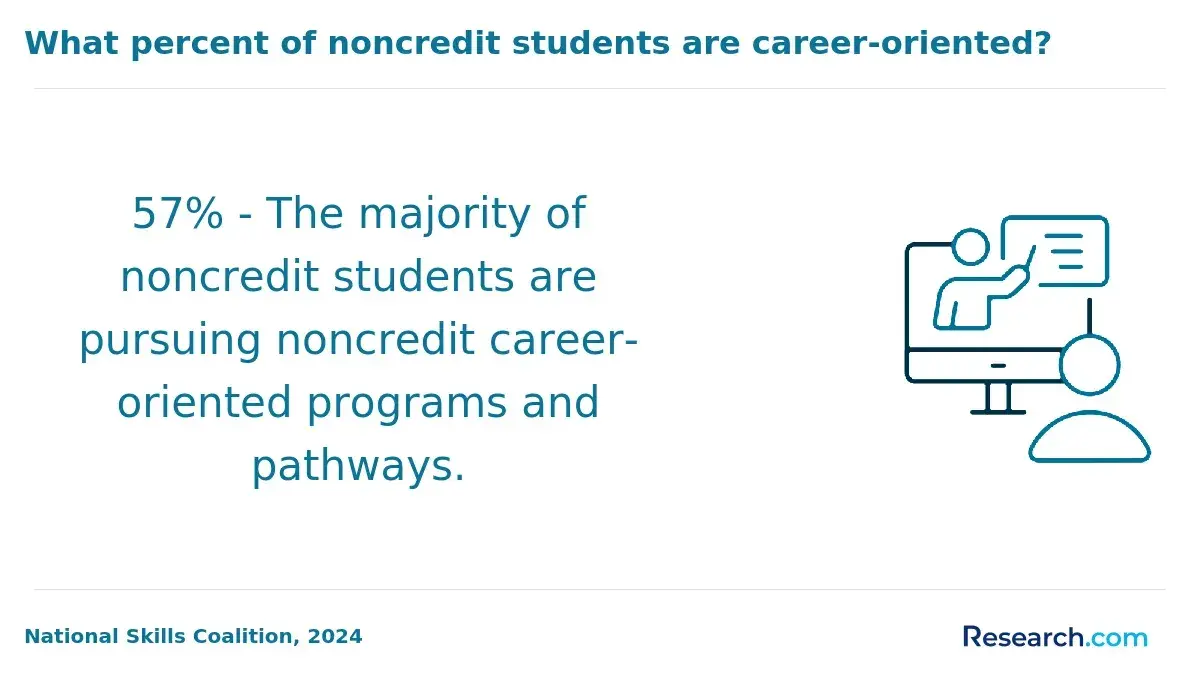
A 2023 survey by the National Association of Colleges and Employers (NACE) found that 72% of employers regard online degrees, including accelerated ones from accredited institutions, as equally credible to traditional degrees.
Employers commonly evaluate accelerated online music business degrees based on:
- Accreditation: A degree from a regionally or nationally accredited institution is more likely to be recognized as legitimate.
- Curriculum relevance: Courses should reflect the current music industry, including digital distribution, music marketing, intellectual property, licensing, analytics, contracts, and revenue models.
- Hands-on work: Internships, capstone projects, campaign plans, contract reviews, artist development projects, or portfolio work can help demonstrate applied skill.
- Program rigor: A fast degree should still require serious reading, writing, analysis, collaboration, and industry-specific assignments.
- Faculty and networking: Instructors with music, entertainment, marketing, or business experience can add practical value, especially when programs connect students to events, guest speakers, alumni, or internship opportunities.
Some employers may still be skeptical of very short or unfamiliar programs. Students can reduce that risk by choosing accredited schools, saving strong work samples, completing internships or freelance projects, and being ready to explain how the accelerated format strengthened their discipline and productivity.
In interviews, do not lead with “I finished fast.” Lead with what you can do: build a release plan, coordinate a campaign, understand basic contracts, analyze rights issues, support artist development, or communicate with promoters, labels, publishers, and digital platforms.
How Much Does a Fast Online Music Business Degree Cost?
A fast online music business degree can reduce overall expenses by shortening the time spent enrolled, but acceleration does not automatically make a program inexpensive. Students still need to compare tuition, fees, credit requirements, transfer policies, and the amount of financial aid they can actually use.
The main cost factors include:
- Per-credit tuition: This is often the largest part of the total price. Public and private schools may charge very different rates, and some accelerated programs may price credits differently because of the compressed schedule.
- Total program credits: Students usually need between 30 and 60 credits completed in a shorter timeframe. The total number of remaining credits after transfer evaluation matters more than the advertised program length.
- Fees: Technology, registration, graduation, transcript, and online learning fees can add to the final cost. Some fees do not decrease simply because the program is shorter.
- Books, software, and equipment: Music business coursework may require productivity tools, audio-related software, subscriptions, or access to industry platforms.
- Transfer-credit savings: Accepted transfer credits can reduce both tuition and time to completion.
- Financial aid and employer support: Scholarships, federal aid, employer tuition assistance, and payment plans may lower out-of-pocket costs.
Students comparing affordability should look at net cost, not only published tuition. A school with higher per-credit tuition may still cost less if it accepts more transfer credits, while a lower-cost program may take longer if few credits apply. Those comparing business-related online options may also find it useful to review resources on the cheapest online business degree when thinking through tuition, credit transfer, and total cost.
When asked about her experience, a graduate of an accelerated online music business degree program said completing the course in under two years considerably lowered her overall education expenses. She explained that the rigorous schedule required discipline but helped eliminate extra semesters of tuition and ancillary fees.
She also used employer sponsorship and secured a small scholarship, which reduced out-of-pocket costs. Her main point was that the condensed program saved money in two ways: it reduced education expenses and allowed her to enter the workforce sooner, limiting the opportunity cost of a longer program.
What Jobs Can You Get With a Fast Online Music Business Degree?
A fast online music business degree can prepare students for entry-level and early-career roles across artist services, live entertainment, marketing, publishing, licensing, and business operations. The degree may help candidates understand the industry faster, but job outcomes still depend on experience, networking, location, portfolio quality, and the ability to show practical skills.
The U.S. Bureau of Labor Statistics projects a 9% growth in arts, design, entertainment, sports, and media occupations from 2022 to 2032, indicating steady demand in related fields.
Common jobs for fast online music business graduates include:
- Music Manager: Supports an artist’s career development, schedules opportunities, communicates with partners, helps coordinate releases, and may negotiate with labels, promoters, or vendors. Median salaries typically range from $50,000 to $90,000 annually depending on experience and location.
- Booking Agent: Secures live performances, appearances, and touring opportunities. This role requires negotiation skills, knowledge of venues and promoters, and the ability to manage dates, budgets, and contracts. Average earnings are between $40,000 and $70,000 per year.
- Marketing Coordinator: Promotes artists, events, campaigns, or music products through social media, email, advertising, partnerships, and content planning. These coordinators often earn between $45,000 and $65,000 annually.
- Licensing Representative: Works with rights, permissions, music usage, and revenue opportunities. This role may involve coordination with publishers, supervisors, brands, production companies, and legal teams.
- Artist Relations Assistant: Helps maintain communication between artists and organizations such as labels, distributors, agencies, or event companies.
- Music Publishing Assistant: Supports catalog administration, royalties, song registrations, and rights documentation.
- Event or Tour Coordinator: Assists with logistics, budgets, vendor communication, travel, scheduling, and day-of-show coordination.
Choosing a fast online music business degree allows graduates to enter these competitive roles sooner, potentially reducing tuition costs and missed work opportunities. However, students should not rely on the degree alone. Internships, freelance projects, campus career services, alumni connections, and portfolio evidence can make a major difference in hiring.
For students focused on affordability without sacrificing career readiness, exploring the most affordable online colleges can offer useful context when comparing cost, flexibility, and online degree options.
What Technology Is Required for Accelerated Online Music Business Programs?
Technology is not a minor detail in an accelerated online music business program. When courses move quickly, slow internet, outdated hardware, or unfamiliar software can cause missed deadlines and poor performance. Students should confirm requirements before the first term begins.
Essential technology for fast-track music business degrees includes:
- Reliable high-speed internet: Internet speeds of at least 25 Mbps are essential for streaming lectures, downloading large audio files, participating in live sessions, and submitting assignments on time.
- A dependable computer: Students need a laptop or desktop that can handle video conferencing, document editing, presentations, browser-based platforms, and basic media tasks.
- Learning management system access: Platforms such as Canvas or Blackboard organize readings, lectures, quizzes, discussion boards, grades, and deadlines. Students should learn the system during orientation, not during the first major assignment.
- Video conferencing tools: Live classes, advising sessions, group projects, office hours, and guest speaker events may require stable access to tools with screen sharing, chat, and recording features.
- Productivity software: Word processing, spreadsheets, presentations, cloud storage, and collaboration tools are commonly used for business plans, budgets, proposals, and campaign assignments.
- Creative and audio-related tools: Some courses may require basic audio editing, media review, content planning, or campaign asset development. Students should check whether software is included or must be purchased separately.
- Secure backup system: Cloud storage or an external drive can prevent lost work, especially during compressed terms where late recovery may not be possible.
Students should also ask whether the program provides technical support during evenings or weekends. Accelerated online learners often study outside standard business hours, and delayed help can affect grades.
For students exploring affordable accredited pathways, many FAFSA approved online colleges offer online programs that may help reduce financial barriers while still requiring students to meet technology expectations.
How Do You Choose the Fastest Online Music Business Degree Program?
The fastest online music business degree is the one you can complete successfully, afford realistically, and use professionally. A program that looks short on paper may take longer if courses are not offered often, transfer credits are limited, or students cannot handle the workload.
Use these factors to compare programs:
- Program length and pacing: Confirm whether the degree can truly be completed in under two years and under what conditions. Ask whether that timeline assumes full-time enrollment, transfer credits, summer study, or no breaks.
- Accreditation status: Verify regional or recognized national accreditation. Accreditation affects credibility, transferability, financial aid eligibility, and employer confidence.
- Transfer-credit policy: Ask how many credits can transfer, what grades are required, whether older credits count, and whether professional experience can be evaluated.
- Curriculum relevance: Look for courses in music marketing, artist management, intellectual property rights, contract law, publishing, licensing, analytics, digital distribution, entrepreneurship, and live entertainment.
- Faculty background: Faculty with industry or business experience can connect theory to real music business problems.
- Career support: Review internship support, alumni access, resume help, portfolio development, employer connections, and career advising.
- Cost and aid: Compare total cost after transfer credits, fees, scholarships, employer assistance, and federal aid. Do not evaluate tuition alone.
- Student support: Accelerated students need fast advising, accessible instructors, tutoring, technology support, and clear course sequencing.
- Workload fit: Ask how many hours per week students typically spend per course and whether the program is manageable for working adults.
Before enrolling, request a personalized degree plan. It should show every remaining course, expected term sequence, total credits, estimated completion date, and cost assumptions. If the school cannot explain how you will finish in under two years, treat the advertised timeline cautiously.
What Graduates Say About Their Fastest Online Music Business Degree Programs
- Alden: "Finding a fast online music business degree program was a game-changer for me. The affordability—around $20,000 on average—made it accessible while allowing me to finish in under two years. Completing it quickly helped me jumpstart my career in artist management much sooner than I expected, and I’ve already seen tangible growth in my client base."
- Bear: "I initially hesitated about an accelerated online degree, but the opportunity to complete my music business education under two years for about $18,000 convinced me. Looking back, that fast pace matched my own drive and didn’t sacrifice quality. This degree opened doors with a major record label, proving that a streamlined program can still lead to serious industry respect."
- Easton: "After researching several options, the cost and duration of fast online music business degrees were appealing factors—typically less than $25,000 and finishing in under 24 months. The professional impact has been undeniable; my career as a music rights specialist advanced rapidly because I could apply new knowledge immediately. I highly recommend this path for those serious about accelerating their industry role."
Other Things You Should Know About Music Business Degrees
Yes, reputable accelerated online music business degree programs are typically accredited by recognized regional or national accrediting bodies.
Accreditation ensures that the program meets established academic standards and that credits earned can often be transferred to other institutions. Prospective students should verify accreditation information through official sources before enrolling.
Admission requirements typically include a high school diploma or equivalent, a minimum GPA, and possibly an entrance exam. Some programs may also require prerequisite courses in music or business-related subjects. Check specific program requirements for further details.
Yes, many accelerated online Music Business programs require internships or practical experience to complement theoretical learning. These requirements vary by institution but often are crucial to meeting credit-hour requirements or enhancing real-world skills, even in condensed degrees.
References
- Music Business Bachelor's https://www.fullsail.edu/degrees/music-business-bachelor-degree-program
- Music Business Online Classes - pointblank music school https://www.pointblankmusicschool.com/courses/online-us/music-business/
- The 7 Best Online Music Schools & How Online Music Degrees Work https://www.careersinmusic.com/online-music-school/
- Online Music Technology Master Programs at Southern Utah University https://online.suu.edu/degrees/arts-communications/master-music-technology/
- Join Our Music Business Program Online | Musicians Institute https://www.mi.edu/music-business/
- Music Degree Fees & Finance | ACM https://www.acm.ac.uk/course-fees/
- Doors Open - Music Industry Jobs | Music Careers and Opportunities https://www.doorsopen.co/
- Online Music Business Course - Dark Horse Institute https://darkhorseinstitute.com/programs/music-business-online/
- Music Industry - Westphal College of Media Arts & Design https://drexel.edu/westphal/academics/undergraduate/MIP/
- Music Business Degree & Music Management at SAE UK https://www.sae.edu/gbr/courses/ba-bsc-hons-music-business/