2027 Music Business Degree Programs for Career Changers

Co-Founder and Chief Data Scientist
Changing careers into the music business is different from applying for a traditional music performance path. You may already have experience in marketing, finance, law, operations, sales, technology, education, or live events, but still need industry-specific knowledge: royalties, licensing, artist management, distribution, contracts, and promotion.
That gap matters. Without formal training in music business, working adults may face slower job placement and lower initial salaries because employers often look for candidates who understand both the creative and commercial sides of the industry. Recent studies show that 45% of adult learners pursuing a music business degree successfully transition to related roles within 12 months of graduation.
This guide explains how music business degree programs serve career changers, what formats and specializations to compare, how admissions typically work, and which career paths may fit your existing experience. It is designed for adults who want a practical, credible route into the music industry without starting over academically or professionally.
Key Things to Know About Music Business Degree Programs for Career Changers
- Many music business degree programs offer flexible scheduling and hybrid or fully online formats, allowing working adults to balance employment with coursework efficiently.
- Accelerated pacing options can reduce time to completion by up to 30%, supporting faster career transitions in the competitive music industry.
- Programs often include career services tailored to working adults, enhancing employer relevance by focusing on current industry trends and practical skill development.
What music business programs accept career changers?
Career changers can find music business programs at several credential levels. The best fit depends on how much college experience you already have, how quickly you need a credential, and whether you want a broad degree or targeted industry training. Adult learners represent nearly 40% of graduate program enrollments nationwide, so many schools now design programs with flexible pacing, professional experience, and nontraditional student needs in mind.
| Program type | Best for | What to check before applying |
| Graduate certificate programs | Professionals who already have a degree and want focused training in areas such as music licensing, artist management, promotion, or publishing. | Confirm whether credits can later transfer into a master's degree and whether the curriculum includes applied projects. |
| Master's degree programs | Career changers who want deeper preparation for management, strategy, entrepreneurship, or leadership roles in music companies. | Review admissions flexibility, part-time options, portfolio expectations, and whether the program supports students without a music undergraduate background. |
| Bachelor's completion programs | Adults with prior college credits who want to finish a degree while moving toward music industry roles. | Ask how many credits transfer, whether prior learning can be evaluated, and how long completion may take based on your transcript. |
| Continuing education courses | Working professionals who need a specific skill quickly, such as royalty administration, digital marketing, live event planning, or music supervision. | Check whether the course carries academic credit, a certificate, or only professional development value. |
A common mistake is choosing the longest or most expensive option by default. If you already have a business, legal, finance, marketing, or technology background, a certificate or specialized course may provide enough industry context to begin networking and applying. If you need a stronger academic credential, broader career services, or access to internships, a full degree may be more useful.
Career changers comparing flexible credentials in other fields may also encounter resources such as BCBA certification online, but music business applicants should prioritize programs with direct music industry coursework, employer connections, and hands-on projects.
What music business specializations are best for career changers?
The strongest specialization is usually the one that builds on what you already know. A career changer with sales experience may move faster in music marketing than in copyright administration. A former paralegal may be better positioned for licensing than artist development. Industry data shows roles in music marketing and digital distribution have surged by over 25% in the last five years, making specialization especially important for adults who want a targeted transition.
- Music Marketing and Promotion: This path fits people with backgrounds in advertising, sales, brand strategy, public relations, content creation, or social media. Coursework often focuses on audience development, release campaigns, artist branding, digital platforms, and fan engagement.
- Music Licensing and Copyright Management: This specialization is a strong match for applicants with legal, administrative, publishing, compliance, or contract experience. It emphasizes copyright, permissions, royalties, synchronization licensing, publishing rights, and rights administration.
- Artist Management: Career changers with project management, operations, negotiation, coaching, or client-service experience may find this path practical. It involves career planning, revenue strategy, contract coordination, touring decisions, and day-to-day business support for artists.
- Music Analytics and Data Strategy: This option suits professionals with analytics, finance, data science, e-commerce, or technology experience. Students learn to interpret streaming data, audience behavior, campaign performance, and revenue trends to support business decisions.
How to choose a specialization
Start with your transferable skills, then compare them with the work you want to do every day. If you enjoy negotiation and documentation, licensing may be a better fit than live promotion. If you prefer fast campaign cycles and audience growth, marketing may be more practical. If you want to work closely with artists and handle unpredictable schedules, artist management may align well.
Some career changers also compare education models in adjacent professional fields, including CACREP accredited programs, to understand accreditation and online learning expectations. For music business, however, the more relevant questions are whether the program teaches current industry tools, includes portfolio-ready work, and connects students with labels, publishers, venues, agencies, or music technology companies.
What are the admission requirements for career changers applying to a music business program?
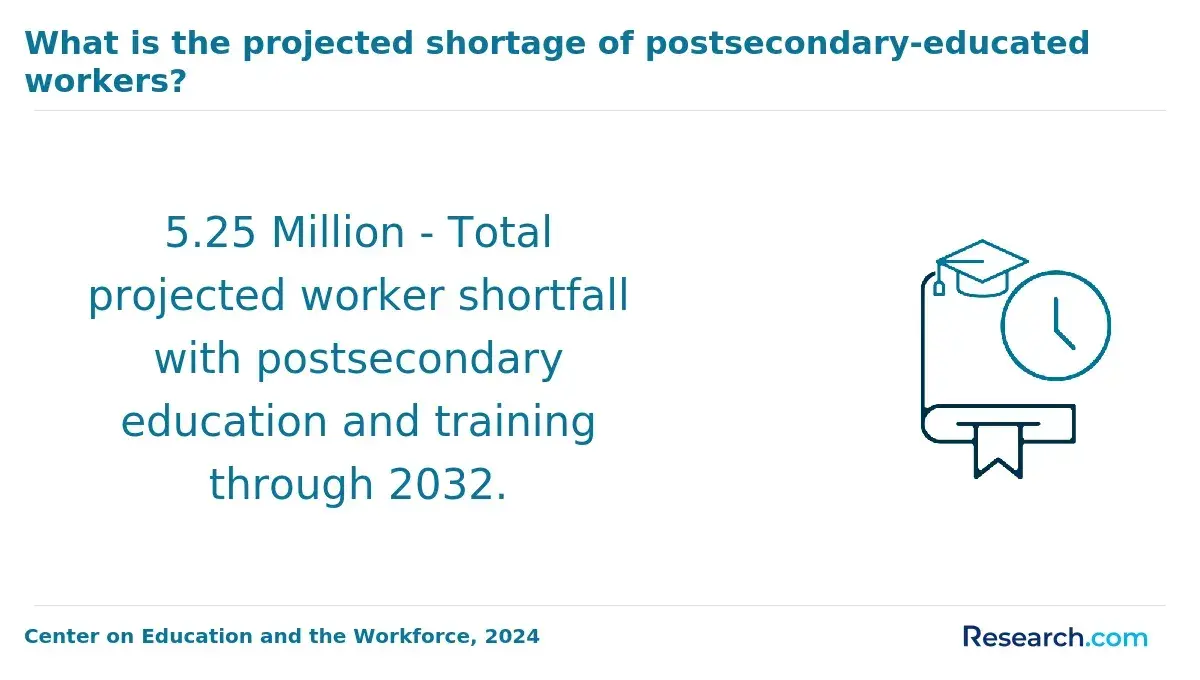
Admission requirements for music business programs vary by school and credential level, but most are designed to determine whether you can succeed academically and explain why the transition makes sense. Approximately 38% of U.S. undergraduate students are adult learners, so many admissions offices are familiar with applicants who have work experience, transfer credits, family responsibilities, or a long gap since their last formal education.
- Academic credentials: Undergraduate programs generally require a high school diploma or equivalent, such as a GED. Graduate programs usually require a completed bachelor's degree, although the major may not always need to be music-related.
- Transcripts: Schools typically ask for official transcripts from prior colleges or universities. For bachelor’s completion programs, transcript evaluation is especially important because it determines how much prior credit may apply.
- Letters of recommendation: Career changers can often use professional references from supervisors, clients, mentors, or colleagues who can speak to leadership, communication, reliability, and industry readiness.
- Personal statement: This essay should explain your career goals, why music business is the right next step, and how your previous experience connects to the program. A vague statement about loving music is usually weaker than a clear plan tied to a specialization.
- Resume: Many programs want a resume that shows transferable experience. Highlight work involving budgets, campaigns, contracts, events, data, operations, sales, talent relations, or entrepreneurship.
- Standardized tests: SAT or ACT scores are increasingly optional, especially for adult learners and transfer applicants. Graduate programs may also offer test-optional pathways depending on the school.
How career changers can strengthen an application
Use your application to show direction, not just interest. If you have managed teams, planned events, handled clients, negotiated contracts, built social media campaigns, analyzed financial data, or run a small business, connect those experiences directly to music industry roles. If the program allows a portfolio, include examples such as marketing plans, event work, writing samples, spreadsheets, media projects, or entrepreneurial projects that demonstrate readiness.
Applicants comparing flexible graduate pathways in other disciplines may review resources such as cheap psychology masters programs to understand how adult-focused admissions can work. Music business applicants should still verify each school’s specific requirements, transfer-credit rules, portfolio policies, and whether prior professional experience is considered.
What is the coursework for a music business degree for career changers?
Music business coursework is designed to connect standard business concepts with the realities of the music industry. For career changers, the value is not only learning new terminology but also understanding how revenue, rights, contracts, marketing, technology, and artist relationships work together.
- Music Industry Fundamentals: Students study record labels, music publishing, distribution channels, management structures, touring, agencies, and the roles that support artists and rights holders.
- Music Law and Contracts: Courses cover copyright, licensing, publishing agreements, recording contracts, management agreements, and negotiation principles. This area is especially important because unclear rights and poorly understood contracts can create long-term financial and legal problems.
- Marketing and Promotion: Students learn how to plan campaigns, define audiences, build artist brands, use digital platforms, and measure promotional results. Career changers from marketing or communications can often translate prior experience quickly here.
- Finance and Accounting: Coursework may address budgeting, royalty calculations, revenue streams, tour finances, accounting basics, and financial planning for music organizations or artists.
- Technology and Production: Students examine how technology affects music creation, distribution, streaming, analytics, and audience engagement. The focus is usually business application rather than becoming a full production engineer.
What applied coursework should include
Career changers should look for assignments that create usable work samples: a release plan, licensing analysis, mock contract review, artist marketing campaign, budget, royalty calculation, or event proposal. These projects can help bridge the gap between previous work experience and music industry expectations.
Flexibility also matters. Many students need part-time enrollment, asynchronous courses, evening classes, or capstone projects that can be completed while working. If you are comparing music business with a broader online degree in business, review whether the music-specific curriculum offers enough industry depth to justify the narrower focus.
A professional who completed an online music business degree said balancing coursework with a full-time job was difficult but manageable because of the program structure: "The flexibility of the program was essential; without it, I don't know if I could have managed both."
He also emphasized the value of applied assignments: "Applying theories in real industry situations gave me confidence to make a career switch. It wasn't just theory; it was hands-on and relevant." For career changers, that practical connection can be the difference between earning credits and building evidence of industry readiness.
What music business program formats are available for career changers?
Program format can determine whether a career changer finishes or stops out. Nearly half of all U.S. college students are adult learners, and many need schedules that work around employment, caregiving, commuting limits, or irregular hours. Music business programs commonly offer several formats.
| Format | Advantages | Trade-offs |
| Online programs | Strong flexibility, no commute, and easier access for students outside major music markets. | Students must be proactive about networking, internships, and faculty engagement. |
| Part-time programs | Lower semester workload and better fit for full-time workers. | Completion may take longer, and some course sequences may only be offered at certain times. |
| Evening or weekend classes | Useful for students who want face-to-face learning without leaving a daytime job. | Campus access, commuting, and fixed class times may still be challenging. |
| Hybrid programs | Combines online convenience with some in-person networking, workshops, or intensive sessions. | Students must plan for required campus visits or scheduled synchronous meetings. |
How to compare formats
Do not choose a format based only on convenience. Ask whether online students receive the same career services, internship support, alumni access, and faculty interaction as on-campus students. If networking is a major reason you are enrolling, confirm how the program creates industry contact through guest speakers, projects, mentorship, showcases, or employer partnerships.
For many career changers, the best format is the one that supports consistent progress without forcing an immediate job loss or major income disruption. A flexible program is valuable only if it still provides rigorous coursework, feedback, and real opportunities to build a music business portfolio.
What skills do career changers gain in a music business program?
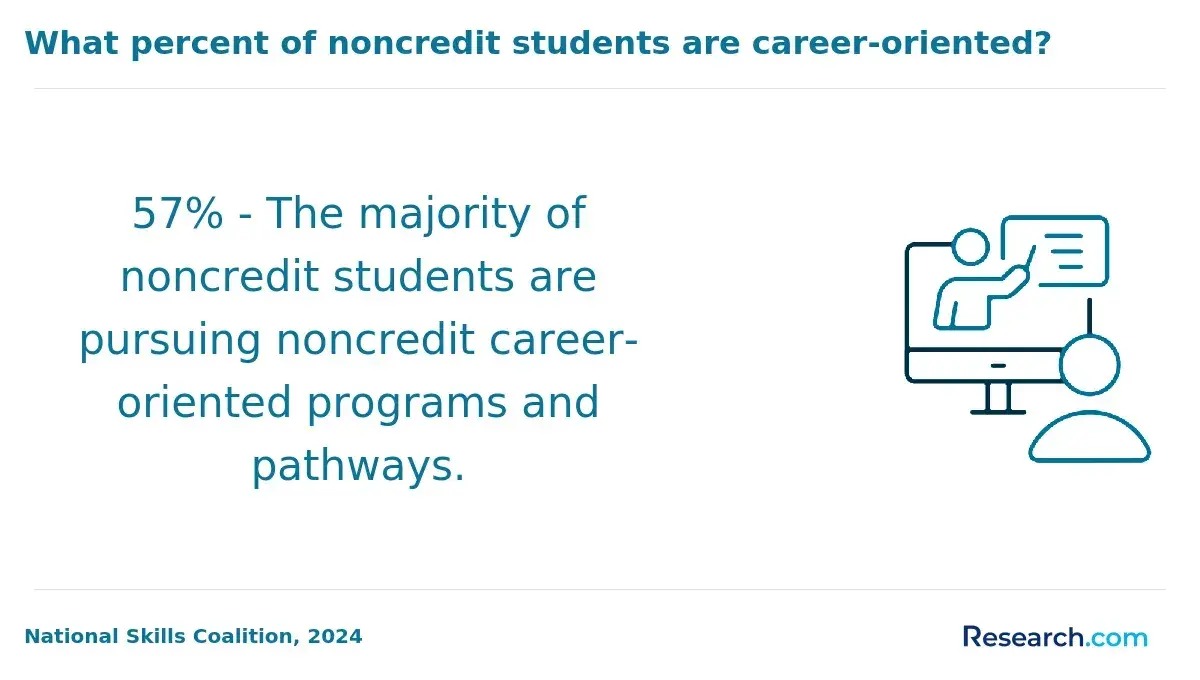
A music business program helps career changers translate general professional ability into industry-specific competence. Research indicates that 87% of workers see continual skill updates as essential for maintaining employability in today's labor market. For adults entering music, the most useful skills are those that combine business judgment with knowledge of rights, revenue, audiences, and artist relationships.
- Industry knowledge: Students learn how labels, publishers, distributors, managers, agents, venues, and digital platforms interact. This helps career changers understand where their prior skills fit.
- Rights, royalties, and contracts: Coursework in copyright, licensing, and royalty structures helps students speak the language of the industry and avoid common legal and financial misunderstandings.
- Marketing and promotion: Students practice planning campaigns, identifying target audiences, developing artist brands, and evaluating promotional performance across digital and traditional channels.
- Event management: Live music coursework builds practical skills in budgeting, scheduling, vendor coordination, promotion, risk planning, and audience experience.
- Digital technology proficiency: Students may work with streaming platforms, analytics tools, social media data, distribution systems, and digital content workflows.
- Networking and negotiation: Career changers learn how to build professional relationships, approach collaborators, communicate value, and negotiate in settings where reputation and trust matter.
Why these skills matter for adult learners
Career changers rarely enter music business with no useful background. A former retail manager may understand customer behavior and team leadership. A finance professional may understand forecasting and budgets. A teacher may bring communication and curriculum-building skills. The degree’s role is to connect those strengths to music-specific problems.
One graduate described the transition as both challenging and confidence-building. She said learning contract details felt daunting at first, but it helped her communicate more effectively with industry professionals. "The networking assignments pushed me out of my comfort zone, and that growth was invaluable," she reflected.
Her experience illustrates an important point: the most valuable programs do more than explain the industry. They require students to apply skills in realistic scenarios, receive feedback, and develop the confidence to enter professional conversations.
How much does a music business degree cost for career changers?
How does a music business curriculum support career transitions?
What careers can career changers pursue in the music business?
Music business graduates can pursue roles across labels, publishers, management companies, venues, agencies, streaming services, production companies, and artist teams. Career changers should evaluate roles by required skill set, work environment, income stability, and how much direct artist interaction they want. Jobs in entertainment and media are projected to expand by 8% through 2032, indicating opportunity for people who can combine industry knowledge with practical business skills.
- Music Manager: Supports artist development, career planning, contract coordination, scheduling, promotion, and business strategy. This role can fit professionals with leadership, client management, negotiation, or entrepreneurship experience.
- Music Licensing Coordinator: Helps manage permissions, copyright documentation, licensing requests, and royalty-related processes. Detail-oriented applicants from legal, administrative, publishing, or compliance backgrounds may be well suited to this path.
- Concert Promoter: Plans and promotes live events, manages budgets, coordinates venues and vendors, and works to attract audiences. Experience in events, marketing, operations, hospitality, or sales can transfer well.
- Music Marketing Specialist: Designs campaigns for artists, labels, releases, tours, or music brands. This role aligns with backgrounds in digital marketing, communications, public relations, social media, content strategy, or advertising.
- Financial Analyst in Music Companies: Applies budgeting, forecasting, reporting, and revenue analysis to music organizations. Applicants with finance, accounting, business analytics, or operations backgrounds may be able to pivot by learning music-specific revenue models.
How to choose a realistic first role
Your first music business role may not be your final goal. A career changer may enter through administration, marketing coordination, rights management, analytics, or event operations before moving into a more specialized position. The key is to choose roles that use your existing strengths while giving you exposure to music industry systems, contacts, and workflows.
When comparing programs, ask what graduates actually do after completion, whether career services support adult learners, and whether internships or projects are available to students who cannot relocate or work unpaid. A degree can improve credibility, but career outcomes also depend on networking, portfolio quality, location, persistence, and how effectively you translate prior experience into music business value.
What is the average salary after earning a music business degree as a career changer?
What Graduates Say About Their Music Business Degrees for Career Changers
- Ali: "Transitioning from corporate finance to the music industry was only possible because my degree provided the specialized legal and royalty training I lacked. The program’s direct connection to label recruiters turned my theoretical knowledge into a practical advantage, leading to a role in A&R. I saved years of 'trial and error' by learning the mechanical licensing system in a structured academic environment."
- Sonya: "I spent a decade in retail management but used a music business degree to pivot into digital distribution and streaming strategy. The primary benefit was the hands-on experience with industry-standard software and data analytics tools that are now essential for modern artist management. Earning this degree gave me the professional credibility to be taken seriously by major industry stakeholders from day one."
- Derek: "After years as a freelance musician, pursuing a music business degree helped me understand the contractual and entrepreneurial side of the industry that I had previously ignored. The curriculum’s focus on copyright law and global marketing strategies allowed me to successfully transition into a stable career in music publishing. Networking with classmates and faculty provided the direct industry pipeline I needed to move from the stage to the front office."
Other Things You Should Know About Music Business Degrees
Yes. Many 2027 Music Business degree programs offer evening, weekend, or hybrid classes so working adults can enroll part time. Some universities also use eight-week terms and asynchronous online coursework, which can reduce conflicts with full-time jobs while still meeting the same credit-hour requirements.
Yes, many degree programs encourage or require internships to provide practical industry experience. Career changers can gain exposure to real-world music business environments, developing professional networks and applying theoretical knowledge. Internship opportunities often exist with record labels, artist management companies, event promoters, and music publishers, which help bridge academic learning and career transition.
Many institutions offer part-time, evening, or online Music Business degree options tailored to working adults. This flexibility allows career changers to balance education with job or family responsibilities. Some programs also offer accelerated tracks or credit for prior learning to help experienced professionals complete the degree more efficiently.
References
- Music Business Bachelor's https://www.fullsail.edu/degrees/music-business-bachelor-degree-program
- How your transferable skills can boost your career in music and beyond https://www.cutcommonmag.com/how-your-transferable-skills-can-boost-your-career-in-music-and-beyond/
- 27 Jobs in the Music Industry other than Recording Artist - Ari's Take https://aristake.com/27-music-industry-jobs/
- Exploring the Different Career Paths in the Music Business | MI https://www.mi.edu/in-the-know/beyond-stage-exploring-different-career-paths-music-business/
- How to Choose the Best Music Business Program https://blog.trevecca.edu/thehill/how-to-choose-the-best-music-business-program
- How To Build A Music Career As A Professional Musician https://tomhess.net/MusicCareer.aspx
- Bachelor of Science in Music, Emphasis in Music Business https://www.leeuniversity.edu/academics/music/music-business/
- What Can I do With a Music Business Degree? https://www.icmp.ac.uk/blog/what-can-i-do-with-a-music-business-degree
- Music Business Administration | Music Business Management | Durham College https://durhamcollege.ca/programs/music-business-administration
- What Can You Do with a Music Degree? https://majoringinmusic.com/what-can-you-do-with-a-music-degree/