2027 How Long Does It Take to Earn an Online Music Business Degree?

Co-Founder and Chief Data Scientist
Choosing an online music business program is partly an academic decision and partly a scheduling decision. The right timeline depends on whether you need a full degree, want a shorter credential, already have transfer credits, or plan to keep working while you study.
Online study can make music business education more accessible because students can complete coursework around jobs, internships, family responsibilities, and creative projects. According to the National Center for Education Statistics, online degree programs have grown steadily, reflecting increased demand for flexible education and career-focused training.
This guide explains how long it can take to earn an online music business credential, what affects completion time, how accelerated options work, and what graduates can expect after finishing. Use it to compare program formats, estimate your own timeline, and avoid choosing a program that looks convenient but does not fit your goals, budget, or weekly availability.
Key Benefits of Online Music Business Degree
- Online music business degrees typically take 2 to 4 years to complete depending on whether you enroll part-time or full-time, offering flexibility for working professionals.
- The self-paced nature of many programs allows students to accelerate their timeline, with some completing their degree in as little as 18 months by transferring credits and maximizing course loads.
- Most programs offer asynchronous classes, enabling students to balance studies with personal commitments while progressing steadily toward graduation within the standard timeframe.
What is the Average Completion Time for Online Music Business Programs?
The average completion time for an online music business program depends mainly on the credential level. A short certificate may take only weeks or months, while a bachelor's degree usually requires several years. The format also matters: accelerated courses, transfer credits, and year-round enrollment can shorten the timeline, while part-time study can extend it.
- Online bachelor's degree: A bachelor's degree generally takes about four years for full-time students. Some online programs use 8-week course formats, offer multiple start dates, or accept transfer credits, which can help students finish sooner. Part-time students should expect a longer timeline, especially if they take one or two courses per term.
- Online master's degree, MBA, or MS: Master's-level music business programs are commonly designed for completion in 12 to 24 months. Full-time students may finish in as little as one year, while part-time learners who are working full time often take closer to two years.
- Online certificate programs: Certificates are the shortest option. Intensive certificates may last 2-4 weeks, while broader programs can take 12-24 weeks. Self-paced certificates may move faster for disciplined students, while cohort-based options follow a fixed schedule.
For most students, the best estimate is not the published program length but the realistic number of courses they can complete each term. A working student who can consistently take one course at a time may need a different plan than a full-time student who can manage a heavier course load.
If your goal is to build targeted skills quickly rather than complete a full degree, certificate options may be worth comparing with other short career-focused credentials, including the best 6 month online course with high salary.
What Factors Can Affect How Long It Takes to Earn an Online Music Business Degree?
The time it takes to earn an online music business degree is not determined by the major alone. It is shaped by enrollment status, transfer policy, course availability, program calendar, and how much time the student can commit each week. Before enrolling, ask the school to calculate your expected graduation date based on your actual credits and planned course load.
- Enrollment status: Full-time students usually finish faster because they take more courses each term. Part-time students may need six years or more to complete a bachelor's degree if they are balancing school with work, family responsibilities, or internships.
- Transfer credits and prior learning: Transfer credits can reduce the number of required courses. Some students who bring in substantial credits may finish in as little as two to three years. Policies vary, so confirm the maximum number of transferable credits and whether music, business, and general education courses are accepted.
- Program structure: Accelerated programs may use condensed terms, year-round classes, or heavier course loads. Some master's-level programs are designed to be completed in 12 to 21 months, but that pace may be demanding for students with full-time jobs.
- Course delivery format: Asynchronous courses allow students to complete work on their own schedule, which can help motivated learners move efficiently. Synchronous courses require scheduled attendance and may be harder to manage across time zones, work shifts, or touring schedules.
- Course sequencing: Some required courses are offered only in certain terms or must be taken in order. Missing one prerequisite can delay graduation, even in an otherwise flexible online program.
- Personal commitments: Music business students often juggle jobs, gigs, internships, freelance work, or creative projects. A realistic schedule is better than an aggressive one that leads to dropped courses.
- Academic focus: Students with clear goals, such as artist management, music marketing, publishing, or live events, can choose electives more efficiently and avoid taking unnecessary courses.
Students comparing degree difficulty, flexibility, and workload may also find it useful to review easiest bachelor degree online options, especially if they are trying to understand how program structure affects completion time.
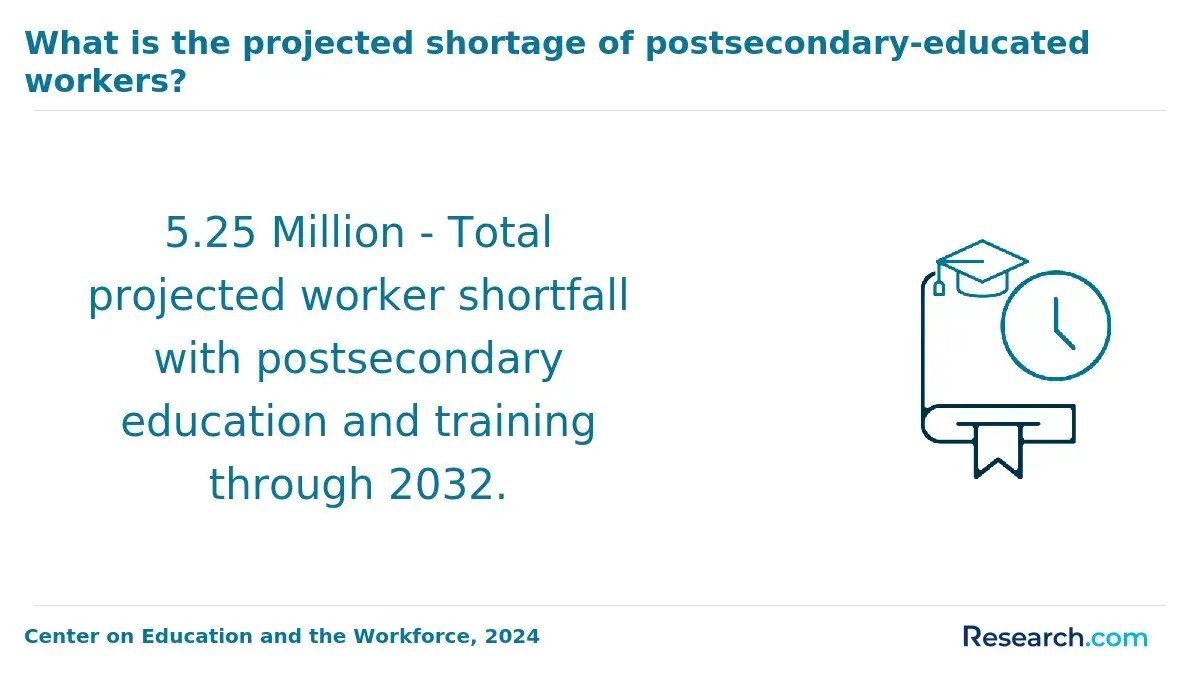
What Are the Different Types of Online Music Business Programs Available?
Online music business programs are available at several levels, from short certificates to graduate degrees. The right choice depends on your current education, career goal, budget, and how quickly you need a credential. A certificate may help with a specific skill gap, while a bachelor's or master's degree may carry more weight for management, strategy, or leadership roles.
- Bachelor's degrees in music business: These four-year programs provide broad preparation in music industry operations, marketing, artist management, copyright, publishing, entrepreneurship, and business leadership. They are often the strongest fit for students seeking a full undergraduate credential for entry-level music business roles.
- Associate degrees in music business: Associate programs generally take about two years and cover foundational topics such as entertainment law, publishing, licensing, tour management, accounting, and industry communication. They can support quicker workforce entry or serve as a transfer pathway into a bachelor's degree.
- Certificates and short courses: Certificates can be completed in weeks or months and usually focus on a narrow skill area, such as music marketing, social media, music publishing, audio production, or digital distribution. They are useful for professionals who already have experience and want focused training without committing to a full degree.
- Master's degrees and MBA programs in music business: Graduate programs are designed for students who already hold a bachelor's degree. They typically emphasize strategy, leadership, finance, analytics, entrepreneurship, and advanced music industry management.
- Specializations and concentrations: Some programs offer tracks in entrepreneurship, music publishing, concert promotion, artist management, music technology, or entertainment business. A concentration can make the degree more relevant if you already know which part of the industry you want to enter.
Students who are comparing music business with broader business pathways may also want to review the best online business degree options, especially if they want stronger general business training alongside music industry electives.
How Many Credit Hours Are Required for an Online Music Business Degree?
Credit requirements vary by credential level. In general, shorter certificates require far fewer credits, while bachelor's degrees require the largest undergraduate commitment. Credit hours also affect cost, financial aid planning, and how many terms you need to finish.
- Associate degree: Usually requires 60 to 65 credit hours. Full-time students often finish within two years, while part-time students may need longer. Transfer credits from community colleges or other institutions may reduce the remaining requirements.
- Bachelor's degree: Typically requires 120 to 128 credit hours. Full-time enrollment usually leads to completion in about four years, while part-time students may take up to six years. Transfer credits can shorten the path if they apply to general education, business, or major requirements.
- Certificate program: Usually involves 18 to 21 credit hours. Certificates may stand alone or supplement a degree and are often completed in one to two years of part-time study, depending on course load and scheduling.
- Master's degree: Requires around 30 to 36 credit hours. Full-time students typically graduate in one to two years, while part-time options extend the timeline. Thesis, capstone, practicum, or portfolio requirements can affect completion time.
- Doctoral degree: Requires 60 or more post-master's credit hours when available. Completion ranges from three to seven years, depending on dissertation progress, research expectations, and enrollment status.
When comparing programs, do not look only at the total credit number. Ask which credits count toward the major, how many electives are available, whether internships carry credit, and whether any courses must be completed in a specific sequence. A 120-credit program with generous transfer policies may be faster than a smaller-looking program with strict residency or prerequisite rules.
A recent graduate of an online music business degree described the credit requirements as a long project that became manageable only after breaking the program into smaller milestones. Heavier terms with exams, projects, and internship work were more difficult, while lighter terms helped maintain progress during busy work periods. That kind of pacing is often what makes online completion realistic for adult learners.
What Courses Are Included in a Standard Online Music Business Curriculum?
A standard online music business curriculum combines music industry knowledge with business, legal, marketing, and management skills. The strongest programs do more than explain how the industry works; they ask students to analyze contracts, plan campaigns, study revenue models, and build professional materials they can use after graduation.
- Music business foundations: Introduces the structure of the music industry, including labels, publishers, managers, agents, promoters, distributors, streaming platforms, and revenue streams.
- Music law and copyright: Covers intellectual property rights, copyright, licensing, contracts, royalties, and negotiation basics. This course is especially important for students interested in publishing, artist management, or rights administration.
- Artist and repertoire, or A&R: Focuses on talent evaluation, artist development, market positioning, and the commercial potential of music projects.
- Music marketing and promotion: Teaches audience development, branding, campaign planning, social media strategy, streaming promotion, and fan engagement.
- Concert and tour management: Covers live event logistics, booking, budgeting, promotion, production coordination, contracts, and risk management.
- Music publishing and licensing: Explores song ownership, royalty administration, synchronization licensing, performance rights, and publishing agreements.
- Music distribution: Examines digital and traditional distribution channels, streaming platforms, release planning, metadata, and global audience access.
- Management and entrepreneurship: Builds leadership, business planning, budgeting, negotiation, and networking skills for students who want to manage artists, launch ventures, or work independently.
- Music supervision: Introduces the process of selecting and licensing music for film, TV, advertising, games, and other visual media.
- Career development and professional skills: Supports resume writing, portfolio development, professional communication, interview preparation, and networking strategies.
Look for applied assignments, not just course titles. A useful curriculum should give students practice creating marketing plans, evaluating contracts, calculating royalties, building pitch materials, or planning releases. These projects can become evidence of skill when applying for internships or entry-level roles.
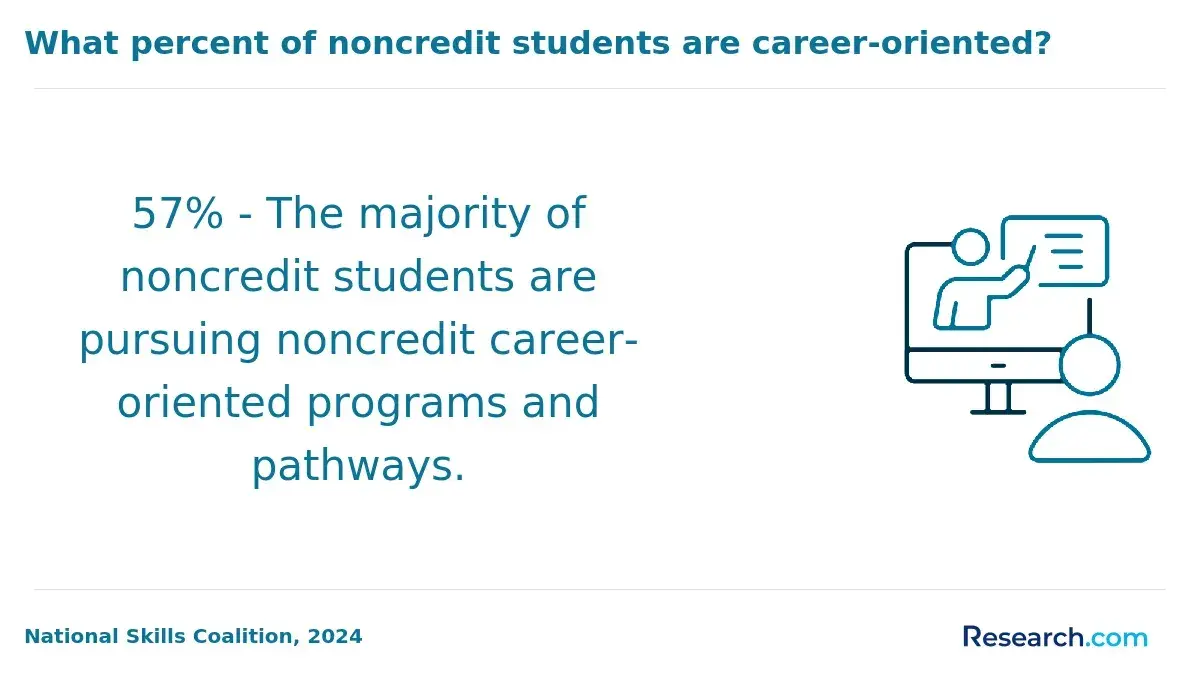
How Often Do Online Music Business Programs Start During the Year?
Many online music business programs offer more than one start date per year, but the exact schedule depends on the institution. Start dates affect how soon you can begin, how quickly you can recover from a missed term, and whether your courses align with financial aid and employer tuition benefits.
- Traditional academic calendar: Some universities begin programs in fall, spring, and summer. This structure works well for students who prefer a predictable calendar and want to coordinate with standard financial aid timelines.
- Rolling admissions: Rolling admissions allow students to apply and receive decisions throughout the year. This can reduce waiting time, although course availability may still depend on term dates.
- Monthly or quarterly starts: Some online programs use more frequent start dates, which can be helpful for working adults who do not want to wait several months to begin.
- Accelerated and short-term courses: Certificate programs and accelerated options may use 4- and 12-week cycles. These formats can help students build skills quickly, but the workload is often more concentrated.
Before choosing a start date, confirm the deadline for admission documents, transcripts, financial aid, placement requirements, and technology setup. Starting quickly is useful only if you are fully prepared to keep up once the first term begins.
How Much Faster Can You Complete an Accelerated Online Music Business Degree?
An accelerated online music business degree can shorten the path by reducing downtime between courses, using condensed terms, and accepting more applicable credits. The exact amount of time saved depends on the program design and the student's prior credits, weekly availability, and ability to handle intensive coursework.
- Shorter course terms: Accelerated programs may use classes that last four to eight weeks instead of a full semester. This allows students to complete more courses across the year, but assignments arrive faster and require consistent attention.
- Year-round enrollment: Programs with continuous or frequent terms reduce the waiting time between classes. Students can maintain momentum instead of pausing until the next fall or spring semester.
- Transfer credits: Prior college credits or an associate degree can reduce the number of remaining courses. This is often one of the most effective ways to shorten a bachelor's degree timeline.
- Competency-based learning: Some programs allow students to progress by demonstrating mastery rather than spending a fixed amount of time in each course. This can benefit students with strong existing knowledge and disciplined study habits.
- Professional experience credit: Relevant work in music, entertainment, business, marketing, or event operations may sometimes apply toward academic credit. Policies vary, so students should request a formal evaluation before enrolling.
Acceleration is not automatically better. A faster program may save time, but it can also leave less room for internships, networking, creative work, or careful portfolio development. Students who are already working in the industry may benefit from speed, while students trying to enter the industry for the first time may need time to build connections and experience.
One graduate of an accelerated online music business degree described the pace as demanding but useful because new courses began soon after old ones ended. The format helped maintain momentum, but it required careful scheduling around a full-time job. For that student, applying real-world industry experience toward credit was one of the biggest reasons the program became manageable.
Does Finishing an Online Music Business Degree Faster Save You Money?
Finishing an online music business degree faster can save money, but only when the accelerated pace does not cause failed courses, withdrawals, or excessive borrowing. The main financial benefit comes from reducing the number of terms in which you pay tuition, fees, and school-related expenses.
- Lower tuition and fee exposure: Many programs charge by credit hour or term. Students who transfer credits, take accelerated courses, or maintain year-round enrollment may reduce the total number of semesters they pay for, depending on the school’s pricing model.
- Reduced living and personal expenses over time: Online students still pay for housing, food, transportation, technology, and other personal costs. A shorter program can reduce the total period in which school competes with those expenses.
- Earlier entry into the workforce: Graduating sooner may allow students to pursue full-time roles, promotions, freelance work, or entrepreneurship earlier. This can reduce the opportunity cost of staying in school longer, especially for students comparing music business with fields related to which majors make the most money.
- Less disruption to employment: Students who can finish faster without leaving work may preserve income and reduce reliance on loans. However, an overly heavy course load can also harm job performance, so the lowest-cost path is usually the one you can complete successfully.
To evaluate savings accurately, compare total program cost, not just annual tuition. Include fees, textbooks, software, transfer-credit limits, repeated courses, and the cost of taking longer than planned. A slower but sustainable pace may be financially smarter than an accelerated schedule that increases the risk of stopping out.
How Soon Can Graduates Start Working After Earning Their Online Music Business Degree?
Graduates can begin applying for music business jobs immediately after completing an online degree. Some secure opportunities within weeks, while others need several months. The difference often comes down to experience, portfolio quality, location, networking, and how early the student began career preparation.
The music industry is relationship-driven and competitive. A degree can help establish knowledge and credibility, but internships, freelance projects, campus career support, alumni contacts, and documented work often determine how quickly a graduate moves into paid roles.
Students who want a faster transition should start building career assets before graduation. Useful steps include completing internships, helping local artists with marketing or booking, creating sample campaign plans, learning rights and royalty basics, attending virtual industry events, and maintaining a professional portfolio.
Online programs often support this transition through experiential learning, instructor feedback, industry speakers, and mentor connections. Students comparing schools should ask about internship access, employer partnerships, career services for online learners, and graduate outcomes. Reviewing a list of fafsa-approved schools can also help students identify programs that may align with financial aid needs.
How Much Do Online Music Business Graduates Earn on Average?
The average salary for online music business degree graduates in the United States typically ranges from around $40,000 to over $100,000 annually, depending on role, experience, location, employer type, and professional network. Music business earnings vary widely because the field includes administrative, creative, technical, entrepreneurial, and executive paths.
- Entry-level roles: Music business assistants, coordinators, and administrative support staff generally earn between $40,000 and $64,000 annually. These positions can be important stepping stones because they help graduates build contacts and understand day-to-day industry operations.
- Specialized positions: Private music instructors, K-12 music teachers, and music arrangers can see broad variation, with hourly rates or annual salaries ranging from $20,000 to upwards of $120 per hour. Pay depends heavily on location, demand, credentials, client base, and skill level.
- Mid-career professionals: Event operations coordinators, artist and label managers, and A&R managers often earn from about $70,000 to $92,000 or more. These roles usually require experience, judgment, industry relationships, and a record of successful projects.
- Leadership roles: Business managers, publicity directors, and marketing directors can earn salaries well over $140,000 annually. These positions typically involve strategic responsibility, team leadership, budget oversight, and strong industry credibility.
- Industry variations: Salaries are often higher in major metropolitan areas and at large labels, agencies, platforms, or entertainment companies. Smaller markets and early-stage companies may offer lower pay but sometimes provide broader responsibilities and faster learning.
When evaluating a degree, compare likely earnings with total cost, time to completion, and the strength of career support. Students considering alternatives outside music business may also want to explore high paying jobs trade school information to understand how different training paths compare.
Here's What Graduates of Online Music Business Programs Have to Say About Their Degree
- : "Completing my online music business degree gave me the flexibility I needed to balance work, family, and school. The program's focus on real-world industry insights and digital marketing prepared me to launch my own indie label confidently. What I loved most was connecting with peers and instructors who truly understood the evolving music landscape. I'm now happily employed at a major streaming service, applying what I learned every day. — Maya"
- : "Reflecting on my journey through an online music business degree, I realize it was more than just academics-it was personal growth. The coursework challenged me to think critically about artist management and intellectual property rights, while community projects allowed me to support local artists and bring new voices to the spotlight. This program didn't just give me knowledge; it gave me purpose and a strong professional network that continues to inspire me. — Patrick"
- : "The transition from a traditional classroom to an online music business curriculum wasn't without challenges, but it forced me to develop excellent time management and self-motivation skills. The virtual internships offered by the program opened doors to agencies I never thought possible, accelerating my career path in entertainment law. This degree has been instrumental in helping me advance professionally while honing my passion for music rights advocacy. — Diane"
Other Things You Should Know About Online Music Business Degree Programs
In 2027, internships in online Music Business degree programs are typically managed through virtual placements, offering students remote projects or collaborations with music companies. Some programs may also facilitate local internship opportunities, allowing students to gain hands-on experience while networking within the industry.
Many online Music Business programs offer part-time study options to accommodate working professionals. Part-time enrollment extends the duration of the degree but provides flexibility for managing work and personal commitments alongside studies.
An online music business degree should be offered by a school accredited by a U.S. regional accreditor, and the music business curriculum may also follow standards from the Accreditation Commission for Programs in Hospitality Administration or similar business-related program reviewers. Accreditation affects credit transfer, federal aid, and employer recognition.
References
- All Music Business Courses, Certificates, and Degree Programs - Berklee Online https://online.berklee.edu/music-business
- Music Business Degree & Music Management at SAE UK https://www.sae.edu/gbr/courses/ba-bsc-hons-music-business/
- Traditional Music Degrees and Online Music Courses https://aaft.com/blog/music/online-music-courses-vs-traditional-music-degrees/
- Online MBA in Music Business Management https://www.bschools.org/concentrations/mba-in-music-business-management
- Music Business | UCLA Extension https://www.uclaextension.edu/entertainment/music/certificate/music-business
- Business and Entertainment Major | Kogod School of Business | American University https://kogod.american.edu/programs-admissions/undergraduate/business-entertainment
- BA (Hons) Music Business Degree - pointblank Music School https://www.pointblankmusicschool.com/courses/london/ba-hons-music-business-degree-3-years/
- Music Business Major (BA/BS) https://www.dbu.edu/undergraduate-programs/ba-bs-music-business/
- Music Business Online – The Los Angeles Film School https://www.lafilm.edu/programs/entertainment-business-online/music-business/