2027 Can You Complete an Online Music Business Degree Program While Working Full-Time?

Co-Founder and Chief Data Scientist
Trying to earn an online music business degree while keeping a full-time job is a scheduling, financial, and career decision—not just an academic one. The degree may help you build skills in artist management, music marketing, licensing, live events, publishing, and entertainment entrepreneurship, but the workload can be hard to sustain if the program does not fit your work hours.
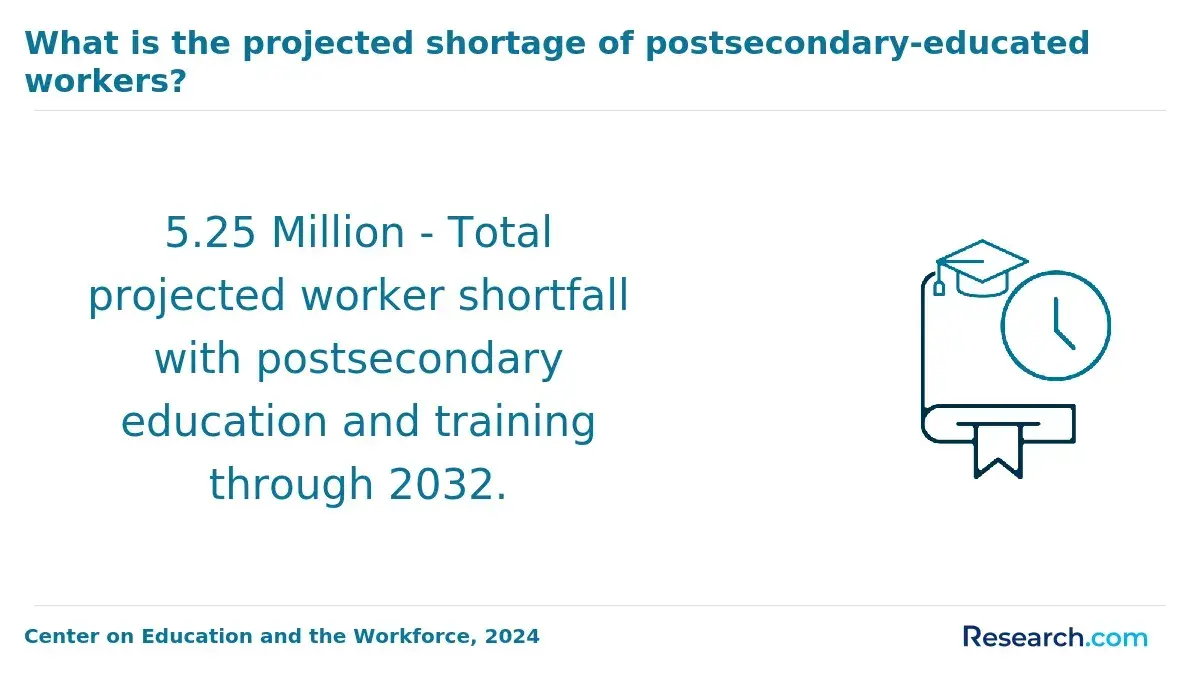
This guide is for working adults who want to know whether an online music business program is realistic alongside employment, family obligations, and industry commitments. In the U.S., nearly 70% of online adult learners juggle both employment and education, so the question is not whether people do it—it is how to choose a format, pace, and support system that make completion possible.
Below, you will find practical guidance on program length, asynchronous versus synchronous formats, time management, internships, technology needs, financial aid, employer support, salary expectations, and what to look for before enrolling.
Key Benefits of Completing an Online Music Business Degree Program While Working Full-Time
- Flexible scheduling lets full-time workers manage coursework around jobs, enabling steady progress without career disruption, essential in fast-paced music business environments.
- Access to recorded lectures and digital resources supports skill building in marketing, contracts, and production, crucial for real-time application in music industry roles.
- Networking opportunities through online forums connect students with professionals worldwide, fostering industry relationships that can advance careers while working full-time.
How Long Does It Take to Complete an Online Music Business Degree While Working Full-Time?
An online music business bachelor’s degree typically takes three to four years, but full-time workers may need more time if they take fewer courses per term. A realistic completion range for working adults is three to six years, depending on course load, transfer credits, program format, and whether internships or capstone projects are required.
The biggest timeline factor is enrollment intensity. A student who can handle a full-time academic load may finish within the standard three to four years. A student working full-time who takes 1-2 courses per term will usually move more slowly but may be less likely to burn out or withdraw.
Factors that can shorten or extend the timeline
- Enrollment status: Full-time enrollment can keep you on a traditional graduation path, while part-time enrollment gives more breathing room but extends time to completion.
- Course format: Accelerated programs, like those offered by Full Sail University, can be completed in as little as 29 months, but the pace can be demanding for students with full-time jobs. Standard or asynchronous formats usually offer more flexibility.
- Transfer credits: Prior college coursework, associate degrees, or approved prior learning can reduce the number of credits you need. Some schools allow transferring up to 75% of degree requirements, potentially reducing the timeline by up to two years.
- Weekly study availability: If your job involves irregular hours, travel, evening events, or weekend work, plan around your least predictable weeks—not your best weeks.
- Program requirements: Capstones, internships, practicum hours, and portfolio projects may require coordination with employers, faculty, or industry partners.
Certificate programs are shorter, often taking 12 to 18 months, but they do not replace a bachelor’s degree. If your goal is promotion, graduate school eligibility, or broader business training, confirm whether a certificate will meet that requirement before choosing it over a degree.
For broader academic planning, you may also compare this path with useful college majors that align with long-term career goals.
Is an Asynchronous or Synchronous Online Music Business Program Easier for Students Working Full-Time?
For most full-time workers, an asynchronous online music business program is easier to manage because it does not require logging in at fixed class times. Students can watch lectures, complete discussions, and submit assignments around work shifts, client meetings, rehearsals, events, or family responsibilities.
That flexibility matters in the music industry, where work may happen at night, on weekends, or on short notice. If your schedule changes often, asynchronous coursework can reduce the risk of missing live sessions or falling behind because of job demands.
When asynchronous learning works best
- You work irregular hours or travel for work.
- You need to study early mornings, late nights, or weekends.
- You are disciplined enough to manage deadlines without weekly live class meetings.
- You prefer reviewing lectures at your own pace.
When synchronous learning may be worth considering
Synchronous programs require live online meetings, but they can offer stronger real-time interaction. This can be useful for negotiation exercises, group marketing projects, legal discussions, pitch practice, and instructor feedback. Students who need external structure may also benefit from scheduled class times.
The trade-off is less flexibility. A synchronous program can become difficult if your employer frequently changes your schedule or if live class times conflict with industry events. Before enrolling, ask whether sessions are recorded, whether attendance is mandatory, and how group work is scheduled.
Students comparing flexible admissions and course formats can also review online schools with open enrollment as part of their search.
What Time Management Strategies Help Online Music Business Students Working Full-Time?
The most effective time management strategy is to treat coursework like a recurring professional commitment. Online programs offer flexibility, but flexibility without structure often leads to missed deadlines, rushed assignments, and unnecessary stress.
Practical strategies that help working students stay on track
- Build a weekly time map: Add fixed work hours, commute time, family obligations, live class sessions, and assignment due dates to one calendar. Then schedule study blocks around real availability, not wishful thinking.
- Use smaller task deadlines: Break large projects into steps such as research, outline, first draft, revisions, and submission. This is especially useful for music marketing plans, artist development projects, and business proposals.
- Protect recurring study blocks: Choose consistent times each week and make them visible to family, coworkers, and roommates. Consistency reduces decision fatigue.
- Use project management tools: Apps such as Trello or Google Calendar can help track readings, discussion posts, group projects, exams, and internship documentation.
- Plan for high-demand work weeks: If your job includes album releases, live events, fiscal deadlines, or touring schedules, complete schoolwork early when possible.
- Limit context switching: Avoid trying to study between constant work interruptions. Short focused sessions are usually more productive than long distracted ones.
One student balancing full-time employment and an online music business degree described the first weeks as “overwhelming” because work stress and school deadlines collided. The turning point came when she began blocking her calendar by hour and dividing assignments into micro-tasks.
She said the system helped her feel “in control rather than crushed.” Communicating her study schedule to family and coworkers also reduced last-minute interruptions. Her conclusion was simple: “The planning wasn’t just about fitting it all in, but creating a mindset where each hour had purpose.”
What Are the Biggest Challenges Full-Time Workers Face in Online Music Business Programs?
The biggest challenges are time pressure, uneven weekly workloads, limited access to in-person networking, and the risk of burnout. These issues are especially common for students already working in music, events, entertainment, marketing, hospitality, or other schedule-heavy fields.
- Time management conflicts: Full-time workers may face late meetings, weekend events, deadline-driven projects, or unpredictable shifts. These can conflict with assignment deadlines, live sessions, or group projects.
- Work-life-study balance: Many adult learners are also caregivers, partners, parents, or household decision-makers. Without protected rest time, the combined load can become unsustainable.
- Group project scheduling: Music business programs often include collaborative assignments. Coordinating across time zones and work schedules can be difficult if the course design is not flexible.
- Networking limitations: Online students may have fewer spontaneous interactions than on-campus students. They need to be more intentional about attending virtual events, contacting faculty, joining professional groups, and building relationships.
- Practical experience requirements: Internships, practicums, portfolios, or capstones may require extra planning, especially if they involve external partners or supervised hours.
- Burnout risk: Students who overload their first term may underestimate the reading, discussion, production, writing, and research expected in an online degree.
A common mistake is choosing the fastest program without considering weekly workload. A better approach is to ask admissions advisers for sample syllabi, expected study hours, internship rules, and policies for missed live sessions before committing.
How Do Online Music Business Programs Handle Internships for Full-Time Workers?
Online music business programs often recognize that many students cannot pause their careers for a traditional daytime internship. To support working adults, programs may offer flexible, remote, part-time, or customized internship options, though policies vary by school.
Internships matter because music business careers rely heavily on applied experience and professional relationships. However, students should confirm requirements early so they do not discover late in the program that an internship conflicts with their job schedule.
Common internship options for working students
- Flexible scheduling: Some placements allow evening or weekend hours, which can fit better with full-time employment and the event-driven nature of the music industry.
- Remote or virtual internships: Students may complete tasks in areas such as marketing, artist management, social media, research, catalog organization, or promotional planning from a distance.
- Part-time internship structures: Instead of completing many hours quickly, students may spread requirements across a semester or summer.
- Customized placement support: Career services may help identify organizations that understand the needs of adult learners and working professionals.
- Credit for approved current work: Some institutions may award academic credit for supervised employment that aligns with music business learning outcomes, if properly documented and approved.
Before enrolling, ask whether you can use your current job for internship credit, whether the internship must be unpaid or paid, who approves the site, how hours are verified, and whether remote placements are accepted.
One working student said flexibility was the difference between finishing and stopping out. “Finding time was tough, especially with live events on weekends, but being able to do a part-time, virtual internship saved me,” he explained. He also noted that earning credit for some current work felt like recognition of experience he already had.
What Technology Do You Need for an Online Music Business Degree While Working Full-Time?
At minimum, students need a reliable computer, stable high-speed internet, access to the school’s learning platform, and the ability to use common collaboration tools. Depending on the curriculum, music business students may also need digital audio workstation software, media storage, and tools for managing creative assets.
Technology matters more for working adults because downtime can quickly create missed deadlines. A weak laptop, unstable connection, or unfamiliar platform can turn limited study hours into troubleshooting sessions.
- Reliable laptop or desktop computer: A modern computer with enough processing capacity is important for video meetings, presentations, file management, and software such as Pro Tools, Ableton Live, and music business management platforms.
- High-speed internet connection: Students need stable access for streaming lectures, uploading large multimedia files, joining video calls, and participating in webinars or group meetings.
- Digital audio workstation software: Some programs require or introduce DAWs such as Avid Pro Tools, Logic Pro, or Ableton Live. Even business-focused students may need basic familiarity with production workflows.
- Cloud storage and collaboration tools: Google Drive, Dropbox, and Microsoft OneDrive can help students move between work and school environments without losing files or version history.
- Learning management system access: Platforms such as Blackboard Learn, Canvas, or similar systems are used for readings, assignments, grades, messages, quizzes, and discussion boards.
- Backup plan: Working students should identify a backup device, alternate internet location, or mobile hotspot before a deadline crisis occurs.
If you are comparing credential timelines beyond the bachelor’s level, you may also want to understand fast online master’s degree options while planning your long-term education path.
Can You Qualify for Financial Aid If You Study Online and Work Full-Time?
Yes, full-time employment does not automatically disqualify students from financial aid. Eligibility depends on the school’s accreditation, the program’s aid eligibility, your enrollment status, FAFSA information, income, academic progress, and the type of aid you are seeking.
The first step is to confirm that the online music business program is offered by an institution eligible for federal student aid. Then complete the FAFSA if you plan to pursue federal grants or loans. Working students should also compare employer tuition assistance, scholarships, institutional aid, and payment plans.
- Federal aid eligibility: Most accredited online music business degree programs accept the FAFSA. Full-time employment does not automatically prevent access to federal grants or loans, although higher income levels may reduce need-based aid.
- Enrollment status: Students usually must be enrolled at least half-time for most federal student loans—commonly 4 or more credits per term for graduate programs and 6 for undergraduate.
- Satisfactory academic progress: Students must maintain academic standards to keep receiving aid. Requirements often include completing at least 67% of credits attempted and sustaining a minimum GPA, such as 2.75 for some graduate studies.
- Employer tuition assistance: Some employers reimburse tuition or provide education benefits when the degree connects to the employee’s role or career path.
- Scholarships and institutional aid: Adult learners may qualify for scholarships designed for working professionals, online students, or music industry students.
- Cost comparison: If affordability is your main concern and you are open to a broader business degree, comparing the cheapest online bachelor's degree business administration options can provide a useful benchmark before committing to a specialized music business program.
Students considering advanced credentials later may also review short online doctoral program options, but financial planning should start with the degree you are enrolling in now.
Do Employers Support Employees Pursuing Online Music Business Degrees in 2027?
Some employers support employees pursuing online music business degrees, but the level of support varies widely. The strongest support usually appears when the degree clearly connects to the employee’s current responsibilities, future role, or the organization’s business needs.
Before enrolling, employees should not assume support will be automatic. A better approach is to prepare a short explanation of how the program will improve performance, expand relevant skills, or support company goals.
- Tuition assistance: Some employers offer partial or full tuition reimbursement, especially when coursework supports the employee’s current job or a planned promotion path.
- Flexible scheduling: Employers may allow adjusted hours, remote work, or limited schedule accommodations during exams, live sessions, or major project deadlines.
- Professional development incentives: Some companies connect degree completion with advancement opportunities, expanded responsibilities, leadership training, or salary review processes.
- Access to industry networks: Employers in music, entertainment, media, events, or marketing may help students connect with internal projects, mentors, partners, or supervised experiential learning.
- Performance concerns: Some employers hesitate if they believe school will interfere with productivity, availability, or work quality. Support may also be denied if the degree is not clearly related to the job.
When asking for support, be specific. Explain your expected course load, schedule needs, tuition deadlines, and how you will protect work performance. If your employer cannot fund a degree, they may still support flexible scheduling, project access, mentoring, or professional references.
Employees who want additional career credentials can also compare certifications that may improve earning potential alongside a degree.
Does Completing an Online Music Business Degree While Working Full-Time Improve Your Salary?
Completing an online music business degree may improve salary prospects, but it does not guarantee a raise. Pay outcomes depend on your role, employer, location, experience, portfolio, network, negotiation skills, and whether the degree qualifies you for higher-level work.
The clearest salary benefit usually appears when students combine the degree with relevant experience. Employers may value candidates who can apply business knowledge directly to artist management, marketing, operations, publishing, licensing, live events, or entertainment entrepreneurship.
Degree level also matters. Bachelor’s and MBA holders often access mid- to senior-level positions with salaries ranging from about $62,000 for entry roles to $130,000 or more for senior managerial jobs. However, those figures should be treated as role-dependent possibilities, not automatic outcomes.
Working full-time while studying can create an advantage because students can apply new skills immediately. A student might use coursework to improve campaign planning, budgeting, contract review, audience analysis, or project management at work. That can strengthen the case for promotion or expanded responsibilities.
Still, salary improvement depends on employer policy and market conditions. Some organizations have formal pay increases tied to degree completion. Others reward demonstrated performance, business results, or readiness for a specific role more than the credential itself.
What Should Full-Time Workers Look for When Choosing an Online Music Business Program?
Full-time workers should choose an online music business program based on fit, flexibility, credibility, cost, and career relevance. The best program is not always the fastest or most recognizable; it is the one you can realistically complete while building useful skills and avoiding unnecessary debt.
- Flexible scheduling: Look for asynchronous courses, recorded sessions, multiple start dates, part-time options, and policies that accommodate working adults.
- Clear workload expectations: Ask how many hours per week students typically spend per course and whether group projects require live meetings.
- Industry-relevant curriculum: Strong programs cover areas such as music marketing, artist management, publishing, contracts, live events, digital strategy, entrepreneurship, and business operations.
- Hands-on learning: Internships, capstones, portfolio projects, simulations, and case studies can help translate coursework into career-ready experience.
- Accreditation and institutional credibility: Confirm that the institution is accredited and that the credential will be recognized by employers, graduate schools, or licensing bodies if relevant to your goals.
- Career support: Look for resume help, internship guidance, alumni networks, employer connections, and music industry advising.
- Technology and student support: Online learners need reliable technical help, library access, tutoring, advising, and responsive faculty communication.
- Total cost: Compare tuition, fees, software, equipment, books, transfer-credit policies, and expected time to completion. A lower tuition rate may not save money if the program accepts few transfer credits or delays graduation.
Before applying, request a degree plan showing how your credits will apply, how long completion may take at your intended pace, and when internships or capstones occur. This helps you judge whether the program fits your work schedule before you commit.
What Graduates Say About Completing an Online Music Business Degree While Working Full-Time
- Alden: "Balancing a full-time job with my online music business degree was challenging but incredibly rewarding. The flexible pace allowed me to absorb industry concepts without feeling overwhelmed, and the investment was surprisingly affordable compared to traditional programs. This degree has already opened doors for me in music marketing that I never thought possible."
- Jen: "As someone who works full-time, the online music business program was a perfect fit because it respected my schedule and learning speed. Reflecting on the experience, I appreciate how accessible the program was financially and how it boosted my confidence to negotiate better contracts with artists. It truly transformed my career approach."
- Easton: "Enrolling in an online music business degree while maintaining a demanding career pushed me to refine my time management skills. The program's cost felt justified considering the depth of practical knowledge I gained and the tangible impact on my role in artist relations. I feel more professional and equipped to take on leadership roles in the industry."
Other Things You Should Know About Music Business Degrees
Students need a reliable laptop or desktop computer, broadband internet, a webcam, and a microphone for live classes, presentations, and proctored exams. Many programs also require access to learning platforms such as Canvas or Blackboard and software for word processing, spreadsheets, and audio editing.
In 2027, students can manage the workload of an online music business degree while working full-time by utilizing time management tools, setting a fixed study schedule, and prioritizing tasks. Leveraging technology, like digital planners, and maintaining regular communication with professors can also aid in balancing both commitments effectively.
Yes, it is common for full-time employees to enroll in part-time course loads to better manage their schedules. Taking fewer classes per semester can reduce stress and improve learning outcomes. This approach often extends the duration of the degree but increases overall feasibility for working students.
References
- Benefit of Earning a Online Degree While Working Full-Time https://amityonline.com/blog/advantages-earning-degree-while-working-full-time
- Time-Blocking for Musicians: How to Structure Your Workday | Musician & Co. https://musicianandcompany.com/blog/time-blocking-for-musicians
- Universal Music Careers https://www.umusiccareers.com/earlycareerprograms
- The Benefits of Asynchronous Online Learning for Your Team https://online.hbs.edu/blog/post/asynchronous-online-learning
- Join Our Music Business Program Online | Musicians Institute https://www.mi.edu/music-business/
- The 7 Best Online Music Schools & How Online Music Degrees Work https://www.careersinmusic.com/online-music-school/
- How to know if online music certifications are right for you https://www.interlochen.org/stories/how-to-know-if-online-music-certifications-are-right-for-you
- BA (Hons) Music Business Degree - pointblank Music School https://www.pointblankmusicschool.com/courses/london/ba-hons-music-business-degree-3-years/
- How musicians (and other creatives too) can transition their business online ASAP | by Suzanne Yada | Medium https://medium.com/swlh/how-musicians-and-other-creatives-too-can-transition-their-business-online-asap-d580189bacf8
- Curriculum | Music Industry | Undergraduate - Westphal College of Media Arts & Design https://drexel.edu/westphal/academics/undergraduate/MIP/Curriculum/