2027 Biomedical Sciences Career Outcomes by Degree Level Report: Pay, Employment, and Advancement Patterns

Co-Founder and Chief Data Scientist
Choosing the right degree within biomedical sciences poses critical challenges for adult learners and career changers eyeing tangible returns on their investment. While certificate holders might rapidly enter the workforce, a recent 2024 National Workforce Report shows master's and doctoral degree holders experience significantly higher job stability and advancement rates, reflecting employers' preference for advanced expertise amid industry demands.
However, these gains often come with longer educational commitments and complex cost-benefit tradeoffs. Understanding how pay, employment, and promotion patterns differ by degree level is essential for making strategic, informed decisions about which academic path best aligns with professional goals and market realities.
Key Things to Know About Biomedical Sciences Career Outcomes by Degree Level
- Graduates with bachelor's degrees in biomedical sciences commonly access entry-level research and clinical roles but face slower advancement without specialized credentials, highlighting a tradeoff between shorter education time and limited upward mobility.
- Employers increasingly prefer master's or doctoral credentials for leadership and independent research positions, reflecting workforce expectations that advanced degrees signal critical analytical skills and project management capacity.
- Certificate holders often experience quicker labor market entry but encounter wage plateaus and fewer promotion opportunities, signaling a cost-benefit balance between shorter credential paths and long-term career growth constraints.
- Key Things to Know About Biomedical Sciences Career Outcomes by Degree Level Key Things to Know About Biomedical Sciences Career Outcomes by Degree Level
- What Career Outcomes Can Students Expect From Each Biomedical Sciences Degree Level? Career Outcomes by Degree
- How Much Do Biomedical Sciences Graduates Earn by Degree Level? Salary by Degree Level
- Which Biomedical Sciences Degree Level Offers the Strongest Employment Prospects? Best Degrees for Employment
- What Entry-Level Jobs Can You Get With a Biomedical Sciences Degree? Entry-Level Career Opportunities
- How Do Biomedical Sciences Degree Levels Affect Career Advancement and Promotion Opportunities? Career Growth by Degree
- Is a Biomedical Sciences Degree Worth It Based on Salary, Employment, and ROI? Salary, ROI, and Value
- How Do Associate, Bachelor's, Master's, and Doctoral Biomedical Sciences Degrees Compare? Comparing Degree Levels
- Which Industries and Employers Hire Biomedical Sciences Graduates by Degree Level? Which Industries and Employers Hire Biomedical Sciences Graduates by Degree Level?
- What Skills, Credentials, and Experience Improve Biomedical Sciences Career Outcomes? What Skills, Credentials, and Experience Improve Biomedical Sciences Career Outcomes?
- Which Biomedical Sciences Degree Level Is Best for Your Career Goals? Choosing the Right Degree
What Career Outcomes Can Students Expect From Each Biomedical Sciences Degree Level?
Deciding on the appropriate biomedical sciences degree level significantly shapes employment access and advancement trajectories, especially for adult learners balancing time and prior credits. Associate and certificate credentials generally funnel graduates into supervised technical or lab support roles with constrained upward mobility, reflecting real employer expectations for such positions. A bachelor's degree expands opportunities to mid-level roles and meets credential prerequisites for many specialized certifications or graduate education pathways, aligning with workforce data that shows bachelor's holders often experience greater wage growth and job stability than those with only associate-level qualifications. For transfer students and working professionals, leveraging prior credits to reach a bachelor's level may be essential to unlocking broader roles like research technician or clinical trial coordinator in increasing demand across healthcare systems.
Progression beyond the bachelor's typically involves a master's degree, which prepares candidates for applied research, regulatory affairs, and entry into leadership roles requiring nuanced project management skills rather than purely technical expertise. Many employers prioritize master's graduates for roles bridging execution and oversight but still expect doctoral qualifications for senior scientific leadership or tenure-track academia. The doctoral pathway entails extended time commitment and often postdoctoral work, but individuals who invest here gain substantial career mobility into independent research and faculty positions, areas characterized by niche specialization and highest credential expectations. Given this landscape, professionals may also consider hybrid or accelerated options, as seen with MSW programs that demonstrate the value of flexible modalities accommodating complex career planning within the biomedical sciences degree career outcomes by education level.
How Much Do Biomedical Sciences Graduates Earn by Degree Level?
Pay in biomedical sciences varies considerably across degree levels, influenced by more than just educational attainment. Entry-level roles accessible to certificate or associate degree holders generally offer median wages from about $40,000 to $55,000, suited for technical support or laboratory tasks with limited autonomy. Bachelor's degrees typically unlock a salary range of $60,000 to $75,000, reflecting qualifications for complex research tasks and clinical trial coordination, but many employers in competitive regions still expect relevant certifications or graduate study for sustained advancement.
Meanwhile, master's holders often reach salaries between $80,000 and $95,000, benefiting from eligibility for supervisory roles and licensure positions that demand specialized knowledge and confer more stable employment, while doctoral graduates surpass $100,000, positioning themselves for leadership in research or academia where promotion speeds and job security improve alongside responsibility.
Salary progression must be weighed against factors such as geographic labor markets, the specialized nature of roles, and time or cost required to extend education. For example, in biotech-rich urban areas, wages and chances to move up can be markedly higher than in rural settings, making the investment in further degrees more strategically valuable. Additionally, transfer opportunities and balancing work with study affect how quickly a candidate moves through credential levels, influencing short-term earnings versus long-term gain. Employment stability and promotion trajectories often depend on interdisciplinary capabilities and industry certifications combined with formal degrees, underscoring the importance of practical skills alongside academic credentials in navigating biomedical sciences careers.
One graduate shared that after reviewing local job postings and employer conversations, they recognized that while an associate credential allowed for quick entry, the wage ceiling and advancement limits were frustrating. They hesitated to commit to a master's degree upfront due to time and debt concerns, but found a bachelor's pathway with relevant certifications offered a more manageable balance of cost, work experience, and salary growth. This practical recalibration of expectations and sequences, prompted by real-world data and hiring insights, helped the graduate avoid overinvestment in education that might not yield commensurate immediate returns in their regional market.
Which Biomedical Sciences Degree Level Offers the Strongest Employment Prospects?
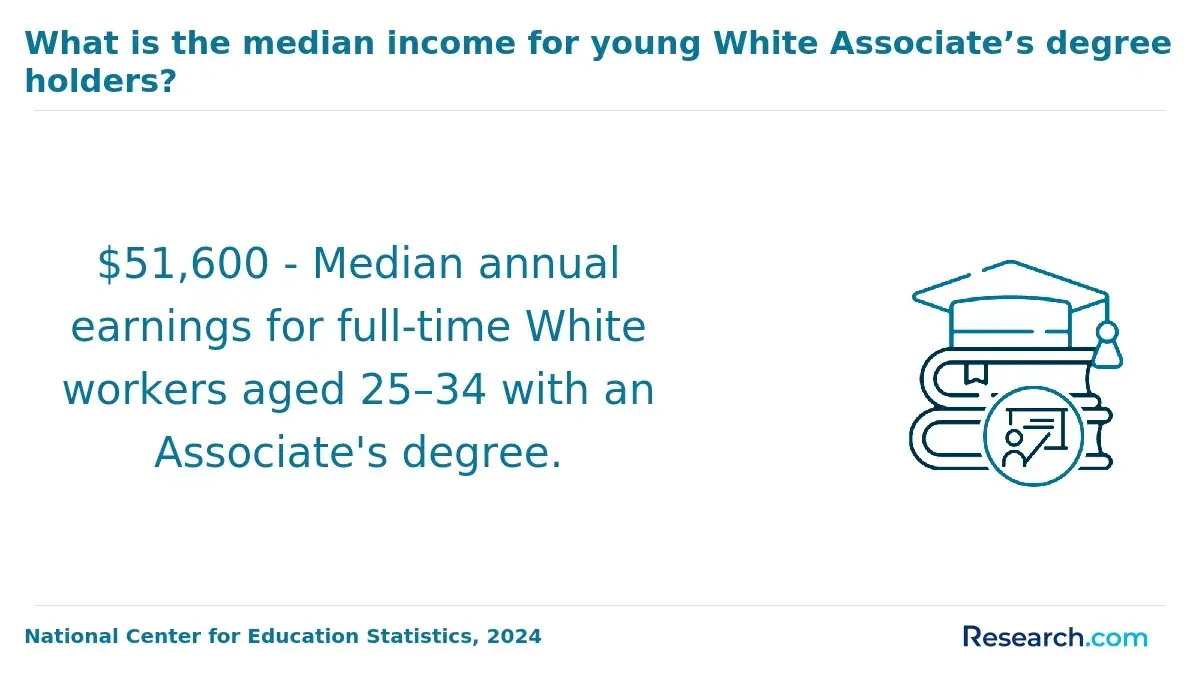
Employment prospects in biomedical sciences vary significantly by degree level, with the bachelor's degree generally offering the broadest and most reliable entry into the workforce. For instance, bachelor's graduates typically secure roles such as research assistants or clinical coordinators where a solid foundation of technical knowledge and critical thinking is essential, and employers often require this credential as a minimum. According to 2024 data from the U.S. Bureau of Labor Statistics, over 80% of recent biomedical sciences bachelor's graduates find employment within two years, with starting salaries about 30% higher than those holding only associate degrees. While associate and certificate holders enter the field faster, they face more limited pay and slower advancement due to automation risks and narrower occupational scope.
Higher degree levels open doors to specialized and leadership roles but come with longer study durations and delayed workforce entry. Master's graduates in biomedical sciences, for example, gain access to more niche positions like epidemiology or regulatory affairs, often commanding salaries 20-40% above bachelor's holders, yet the path to employment involves internship requirements and competitive timelines. Doctoral degrees, while offering the highest pay and independent research prospects, limit occupational variety and lengthen credentialing periods, reflecting a tradeoff between deep specialization and labor market flexibility. Practical career decisions, therefore, must weigh immediate earning potential against longer-term advancement goals and local employer expectations within this evolving scientific and healthcare landscape.
What Entry-Level Jobs Can You Get With a Biomedical Sciences Degree?
Entry-level biomedical sciences jobs in healthcare often hinge on degree level and practical experience, shaping employability and advancement potential. While associate degrees typically lead to technician or support roles with limited scope for independent decision-making, bachelor's degrees open pathways to clinical laboratory technologist or research assistant positions, which demand stronger foundational knowledge and sometimes certification. Employers increasingly prioritize candidates with internships or hands-on lab experience, as a 2024 report from the U.S. Bureau of Labor Statistics shows that documented practical exposure significantly improves hiring outcomes in biomedical fields.
The presence or absence of licensure such as Clinical Laboratory Improvement Amendments (CLIA) certification can substantially restrict or expand job options, especially in clinical settings where regulatory compliance is critical. Graduates with only degree credentials but no applied skills or certifications may find entry-level roles function more as stepping stones to graduate study or specialized training rather than stable career entry points. Geographic factors also influence opportunities: metropolitan biomedical hubs tend to offer remote work options and structured training programs, contrasting with less accessible markets that often demand prior technical certifications.
For students weighing biomedical sciences degree career opportunities for graduates, understanding these nuances is crucial. Those targeting quicker labor market entry might prefer associate programs combined with certifications, whereas those aiming for broader mobility should consider bachelor's pathways supplemented with internships. Additionally, exploring leadership doctoral programs may enhance long-term advancement beyond typical entry-level parameters, particularly as data analysis and regulatory compliance become increasingly gatekeeping skills.
How Do Biomedical Sciences Degree Levels Affect Career Advancement and Promotion Opportunities?
Degree level markedly shapes career progression in biomedical sciences by influencing eligibility for supervisory positions and specialized roles often unattainable without graduate credentials. According to the Bureau of Labor Statistics' 2024 outlook, those with master's degrees or higher more frequently fill leadership roles requiring advanced technical expertise or research oversight. Bachelor's degree holders tend to remain longer in entry-level or support roles, facing slower promotion trajectories, while professionals with graduate education often accelerate advancement, particularly within clinical research and biotech sectors where demand for specialized skills and certifications grows. Although work experience supports upward mobility, many employers prioritize formal credentials for mid- and upper-level positions, making additional education a strategic consideration that may temporarily delay entry into the workforce but improve long-term career prospects.
Graduate-level curricula that emphasize supervision, project management, and specialized lab techniques enhance leadership preparedness, but progression timing varies widely depending on factors like transfer-credit policies and continuing education options suited for working adults. Licensure or certification requirements tied to advanced degrees often serve as gatekeepers for management roles, reinforcing the practical necessity of further education beyond a bachelor's in many organizations. For adult learners and military-affiliated students, leveraging prior credits or certifications can reduce disruption when pursuing graduate study, though the tradeoff between immediate employment and graduated advancement potential remains a critical decision. Ultimately, career mobility in biomedical sciences reflects a complex interplay of degree level, credentials, practical skills, and employer expectations rather than a simple credential hierarchy.
One graduate recalled hesitating before enrolling in a master's program after several years in an entry-level biotech technician role. While experience offered some inroads, promotional opportunities frequently required credentials she lacked. "I saw colleagues with master's degrees getting supervisory roles I was interested in," she said, explaining how the program's emphasis on lab management and regulatory knowledge directly aligned with job postings she had been hesitant to apply for. After completing her master's, she noted a marked increase in interview callbacks and confidence pursuing leadership tasks, although she balanced progress with the time and financial strain of returning to school mid-career.
Is a Biomedical Sciences Degree Worth It Based on Salary, Employment, and ROI?
The financial and career value of a biomedical sciences degree hinges heavily on the credential level attained and regional job market dynamics. Bachelor's graduates often enter roles with moderate starting pay and limited upward mobility, facing higher risks of underemployment and turnover compared to those with advanced degrees. For working professionals weighing the time and cost of further education, the jump to a master's or doctoral program can result in significantly higher salary potential and leadership opportunities but requires careful consideration of the extended completion times, increased debt burdens, and opportunity costs involved.
In more competitive metropolitan hubs with dense biomedical industries, such as Boston or San Francisco, master's and doctoral degree holders typically experience stronger employment stability and faster career mobility, whereas rural areas may offer fewer opportunities and slower wage growth. Adult learners and transfer students must also factor in how partial credits, part-time study options, or professional certifications can reduce time-to-completion and improve return on investment. Those pursuing academic tracks should anticipate longer postdoctoral phases with slower salary gains, while industry roles in biotech or pharmaceuticals generally provide quicker loan repayment outcomes and career advancement. Prospective students searching for flexible credential options might explore alternatives like a paralegal certificate online to complement their biomedical sciences degree for added workplace versatility.
Careful evaluation of biomedical sciences degree salary comparison and employment statistics reveals the complexity of deciding whether additional graduate training is justified. Financial aid availability, local labor demand, credential requirements, and potential for advancement must all be balanced against program costs and realistic post-completion job scenarios. For many career-focused learners, incremental educational milestones combined with targeted credentials can deliver practical advantages over a singular focus on advanced degrees alone.
How Do Associate, Bachelor's, Master's, and Doctoral Biomedical Sciences Degrees Compare?
The choice between an associate, bachelor's, master's, or doctoral degree in biomedical sciences significantly shapes not only initial job eligibility but also long-term career mobility and stability. For example, associate degrees often lead to technician roles with limited upward movement and potential credit-transfer barriers that can delay progression toward a bachelor's degree. Bachelor's degrees, meanwhile, provide broader access to research and regulatory positions and tend to offer better job security and earning potential, supported by clearer pathways for transferring associate credits and meeting employer credential expectations.
Advancing to a master's degree usually targets professionals aiming for specialized roles or leadership positions, particularly in biotechnology or public health, but involves weighing higher costs and longer study periods against potential salary gains and supervisory qualification. Doctoral programs open doors to independent research, academia, and senior leadership, though their demanding time frame and lower completion rates make them a more complex investment with benefits often realized over an extended horizon. Data from the National Center for Education Statistics indicates roughly 78% of bachelor's graduates secure relevant employment within a year, underscoring stronger market preference for four-year credentials in entry-level biomedical fields.
Students must consider how degree levels align with their career strategy, balancing educational investment against realistic advancement opportunities and workforce demands. Factors like credential recognition, stackable credits, and licensure readiness also influence whether stopping at a bachelor's suffices or pursuing graduate study meaningfully enhances professional outcomes. For those weighing doctoral study, the extended commitment may pay off primarily for those targeting research autonomy or academic appointments, while master's holders often fill vital supervisory or specialized practitioner gaps within evolving biomedical sectors.
Which Industries and Employers Hire Biomedical Sciences Graduates by Degree Level?
Employment opportunities for biomedical sciences graduates differ markedly depending on degree level, reflecting distinct employer expectations and industry demands. Associate degree holders typically enter healthcare support roles such as laboratory technicians or medical assistants, where employers prioritize hands-on technical skills and immediate job readiness. In contrast, bachelor's degree graduates find broader access to research institutions, biotechnology firms, and public health agencies, with about 45% employed in research and development or clinical trial coordination according to the U.S. Bureau of Labor Statistics (2024). These positions often require some prior experience or internship exposure due to competitive hiring landscapes.
Master's degree recipients are more frequently recruited by pharmaceutical companies, regulatory bodies, and academic centers that emphasize specialized knowledge and leadership capabilities. Data from the National Center for Education Statistics (2024) highlights that master's degree holders earn a median wage roughly 20% higher than bachelor's degree holders and benefit from faster promotion rates. Doctoral graduates are sought by universities, government labs, and biotech executives for principal investigator and senior policy roles where deep expertise, publication records, and grant experience weigh heavily in hiring. Certificate-level credentials provide targeted skill development for technical niches or regulatory compliance roles without the extended commitment required for full degrees, serving as practical gateways in regulated environments focused on quality assurance or clinical trials.
Choosing whether to pursue advanced degrees hinges on trade-offs between quicker labor market entry with lower-level credentials and the long-term advantages of higher pay and leadership potential linked to graduate training. Employers in regulated and research-driven settings increasingly demand credentials aligned with technical scope, project management ability, or independent research capacity, shaping how graduates navigate advancement routes and employer screening criteria in a competitive biomedical sciences workforce.
What Skills, Credentials, and Experience Improve Biomedical Sciences Career Outcomes?
The most tangible improvements in biomedical sciences career outcomes stem from a deliberate alignment of technical skills, certifications, and hands-on experience with employer expectations at each degree level. For example, bachelor's degree holders who demonstrate proficiency in laboratory techniques and data analysis software like R or Python, combined with certifications such as Certified Biological Safety Professional (CBSP), significantly enhance their job prospects. Internships and applied work experiences remain pivotal, as over 70% of hiring managers prioritize candidates with these practical exposures, which translate academic knowledge into relevant workplace competencies. This combination affects not only initial employment access but also pathways to promotion and lateral mobility within sectors emphasizing regulatory compliance and research integrity.
Higher-degree holders must navigate additional layers of credential stacking and leadership evidence to advance, particularly through portfolio outcomes showcasing project management or published research. Licensure, critical for roles like clinical laboratory scientists, further shapes degree and certification choices, underscoring specialization's role in career trajectory decisions. Soft skills such as communication and teamwork complement technical expertise and often become gatekeepers for supervisory roles or interdisciplinary collaborations. Adult learners and military-affiliated students benefit from strategically combining prior credits and experience with new credentials, weighing these trade-offs carefully when considering advancement. For those balancing financial investment with career goals, options like an online masters under 10k can mitigate costs while opening leadership pathways within biomedical sciences career advancement skills.
Which Biomedical Sciences Degree Level Is Best for Your Career Goals?
Choosing the appropriate biomedical sciences degree level hinges on aligning education with specific occupational objectives and workforce realities. Bachelor's degrees frequently lead to technical or support roles where employment access is relatively high-approximately 78% of graduates find jobs within a year, mainly as laboratory technicians or research assistants. However, advancement often stalls without further qualifications, making this path more suited for those prioritizing immediate workforce entry over long-term mobility.
Master's degrees in biomedical sciences provide heightened specialization and improve promotion prospects, with a 15% greater chance of moving into supervisory or project leadership roles within five years compared to bachelor's holders. Yet, extended program durations and higher tuition may increase opportunity costs, particularly for working adults or military-affiliated students balancing education against income. Doctoral-level credentials open pathways to independent research, faculty positions, and leadership but involve lengthy training and delayed earnings, requiring a strategic assessment of employer credential expectations and licensure demands.
For transfer students and degree completers considering further study, attention to credit transfer and program selectivity plays a critical role in managing time to completion and student debt. The best biomedical sciences degree for career advancement depends on whether early employment, mid-level leadership, or specialized research is the priority. Incorporating pathways that offer part-time or accelerated options can mitigate barriers. Prospective learners may also explore related fields; for example, consulting best GIS programs can reveal interdisciplinary opportunities complementing biomedical sciences skill sets.
References
- Biomedical Science vs Other Degrees Comparison https://pathologylabtraining.co.uk/biomedical-sciences/degree-comparison
- Biomedical industry https://www.jobsandskills.wa.gov.au/biomedical
- 7 Careers You Didn’t Know You Could Pursue with a Biomedical Science Degree https://www.nuhs.edu/7-careers-you-didnt-know-you-could-pursue-with-a-biomedical-science-degree/
- What Can You Do With A Biomedical Science Degree https://www.nottingham.edu.my/NewsEvents/News/2024/what-can-you-do-with-a-biomedical-science-degree.aspx
- What can you do with a biomedical sciences degree? https://www.whatuni.com/advice/career-advice/jobs-with-a-biomedical-sciences-degree/80649/
- Why study biomedical science? Careers, salary and next steps | University of East London https://www.uel.ac.uk/blog/why-study-biomedical-science-careers-salary-next-steps
- 25 Careers in Biomedical Sciences - Beal University https://beal.edu/25-careers-in-biomedical-sciences/
- What Can You Do With a Biomedical Sciences Degree? | CourseCompare.ca https://www.coursecompare.ca/what-can-you-do-with-a-biomedical-sciences-degree/
Other Things You Should Know About Biomedical Sciences
Advanced degrees like master's and doctorates in biomedical sciences typically require substantial time investment and greater academic rigor, which can delay entering the workforce. However, not all specialized roles or employers prioritize these degrees equally. Prospective students should consider how the additional years of study align with their specific career goals-such as research versus clinical roles-and whether the likely advancement or salary gains justify the opportunity cost of extended education.
Yes, program design significantly influences job readiness. Bachelor's programs often provide broader foundational knowledge, while master's or doctoral programs tend to emphasize research skills and specialization. Employers in biomedical fields frequently expect hands-on lab experience and applied skills, so candidates from programs with integrated internships or strong industry connections are generally more competitive, regardless of degree level. Evaluating program features beyond just degree title can better predict employment outcomes.
Biomedical sciences programs vary widely in focus, and this impacts career flexibility. Research-intensive degrees often lead to roles in labs or academia but may limit immediate clinical application opportunities, which are typically tied to applied training programs. For students prioritizing timely employment in healthcare settings, selecting a degree path with structured clinical components or certifications is advisable. This decision shapes not only employability but also potential career trajectories and advancement within biomedical sectors.
Employers increasingly expect work experience or relevant credentials alongside the degree, with this demand intensifying at higher degree levels. For bachelor's graduates, internships and entry-level lab experience are crucial to competing in the job market. Conversely, master's and doctoral graduates face expectations for demonstrated independent research, publications, or advanced technical proficiency. New graduates need to strategically augment their academic credentials with practical experience to align with these expectations and enhance employability.