2027 Biomedical Sciences ROI by Institution Type: Public vs Private vs Nonprofit Online Programs

Co-Founder and Chief Data Scientist
Imagine a prospective biomedical sciences student weighing three seemingly similar online programs: one public, one private, and one nonprofit. Tuition fees differ dramatically, yet graduation rates and average student debt vary even more. A 2024 National Center for Education Statistics report revealed that nonprofit online programs produced a 15% higher six-year graduation rate than for-profit counterparts, highlighting the uneven quality across institution types. However, elevated tuition at some private institutions doesn't guarantee better career support or outcomes. These disparities affect career trajectory and long-term debt management, emphasizing that institutional type profoundly shapes ROI beyond sticker price.
This article breaks down critical factors influencing biomedical sciences ROI across public, private, and nonprofit online programs to guide more informed choices.
Key Things to Know About Biomedical Sciences ROI by Institution Type
- Public institutions typically offer lower tuition but have longer completion times, exposing students to prolonged opportunity costs; this tradeoff impacts ROI differently based on individual time versus debt tolerance.
- Private online Biomedical Sciences programs often boast stronger employer networks and accreditation prestige, enhancing job placement prospects but may come with higher average student debt burdens.
- Nonprofit programs frequently provide flexible pacing and robust learner support, which correlates with higher graduation rates-a 2024 study links these factors to sustained career advancement despite moderate cost premiums.
- Key Things to Know About Biomedical Sciences ROI by Institution Type Key Things to Know About Biomedical Sciences ROI by Institution Type
- What Does ROI Mean for a Biomedical Sciences Program and How Is It Measured? Understanding Biomedical Sciences Program ROI
- How Do Public, Private, and Nonprofit Online Biomedical Sciences Programs Differ in Overall Value? Value by Institution Type
- How Do Tuition Costs Affect the ROI of a Biomedical Sciences Program Across Institution Types? Tuition Costs and ROI
- How Do Graduation Rates Influence Biomedical Sciences Program ROI? Graduation Rates Impact ROI
- What Role Do Career Outcomes Play in the ROI of a Biomedical Sciences Degree? Career Outcomes and ROI
- How Does Student Debt Impact the Long-Term ROI of a Biomedical Sciences Program? Debt vs. Long-Term ROI
- How Do Flexibility and Adult Learner Support Affect Biomedical Sciences Program Value? Flexibility and Program Value
- How Do Accreditation and Institutional Reputation Influence Biomedical Sciences ROI? How Do Accreditation and Institutional Reputation Influence Biomedical Sciences ROI?
- How Does Time-to-Degree Affect the ROI of Public, Private, and Nonprofit Biomedical Sciences Programs? How Does Time-to-Degree Affect the ROI of Public, Private, and Nonprofit Biomedical Sciences Programs?
- How Can You Choose the Best Biomedical Sciences Program Based on Your ROI Goals? Choosing Programs by ROI
What Does ROI Mean for a Biomedical Sciences Program and How Is It Measured?
Return on investment for a biomedical sciences program is best understood through a nuanced comparison that extends well beyond sticker price. For example, a working professional weighing enrollment in a private online program must consider not only tuition but also likely higher debt burden and potentially longer time-to-degree compared with a public alternative. Completion rates-often higher at public institutions-directly affect how quickly students can leverage their credentials in the job market and reduce opportunity costs related to lost income during study. Measuring roi for online biomedical sciences degrees means accounting for these practical tradeoffs alongside institution reputation and how well the program's specialization aligns with current regional job demand.
This calculation shifts depending on student circumstances, with cost-conscious adult learners typically prioritizing affordability and debt sustainability, while early-career changers might value networking and support structures more heavily. Despite the appeal of lower tuition at public institutions, private and nonprofit programs sometimes offer stronger learner engagement that can translate into better long-term career satisfaction, a factor harder to quantify but crucial in workforce retention. Data from government reports highlights that biomedical sciences graduates benefit from roughly 12% higher employment rates compared to non-degree holders, yet missing graduation deadlines or accruing excessive debt can erode those gains rapidly. Prospective students should also explore accelerated options, such as online 1 year masters programs, which might better align with individual timelines and ROI expectations.
How Do Public, Private, and Nonprofit Online Biomedical Sciences Programs Differ in Overall Value?
Cost-conscious students navigating online biomedical sciences programs often face complex tradeoffs between affordability, educational quality, and career outcomes that do not align neatly with institution type. Public programs typically offer significantly lower tuition-sometimes 40-60% less than private schools, according to the National Center for Education Statistics-which reduces upfront costs but may limit individualized attention and support, potentially affecting graduation timelines and job preparedness. Private institutions often justify higher tuition with smaller cohorts and enhanced student services, translating into graduation rates roughly 10% higher on average; however, this can increase student debt, with private graduates incurring average loans around $37,500 versus $26,000 for public institution alumni. Nonprofit programs fall between these extremes by investing in career resources like employer connections and internships, leading to stronger job placement rates-70% within six months post-graduation compared to lower rates from public and private sectors-though cost and flexibility vary widely.
Accreditation layers, both regional and specialized, add another dimension influencing employer recognition and long-term return on investment, especially for students targeting research or clinical roles. Public programs often provide modular pacing beneficial for working adults balancing education with job demands, whereas private and nonprofit options may lean toward cohort models offering immersive, peer-supported experiences. For students weighing financial constraints against career aspirations, these distinctions shape not only affordability but also time-to-degree and employability. The absence of a definitive "best" choice underscores the need for personalized evaluation, factoring in debt tolerance and post-degree employment landscapes rather than relying on institutional prestige alone.
A working professional once hesitated between a public online biomedical sciences program with substantially lower tuition and a private nonprofit offering robust career services but higher debt risk. They scrutinized graduation rates and employer connections, ultimately leaning toward the nonprofit after confirming its specialized accreditation and alumni employment success, despite the higher sticker price. This decision reflected a calculated acceptance of upfront debt for perceived long-term career gain, highlighting how individual priorities around support, flexibility, and reputation can meaningfully influence program selection beyond basic cost comparisons.
How Do Tuition Costs Affect the ROI of a Biomedical Sciences Program Across Institution Types?
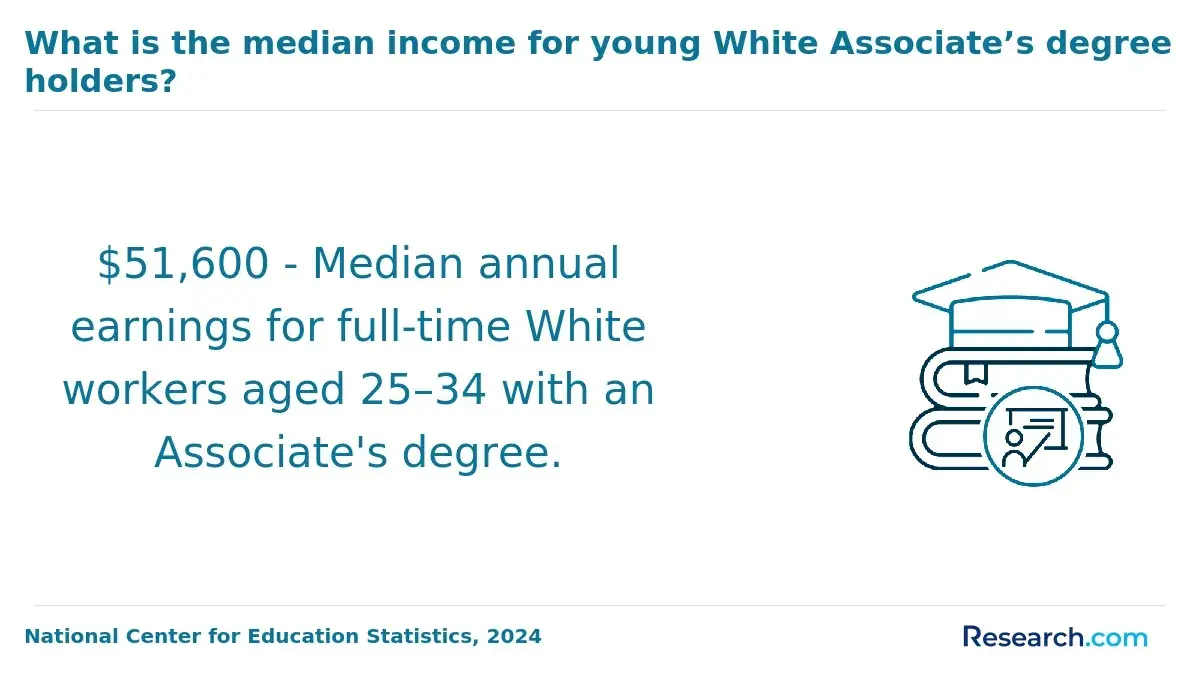
Tuition cost differentials between public, private, and nonprofit online biomedical sciences programs significantly shape their return on investment, but lower fees do not inherently ensure better value. Public programs often present lower sticker prices-typically 40-60% less than private nonprofit counterparts according to 2024 data from the National Center for Education Statistics-but benefits such as state aid and grants further reduce net expenses for in-state learners. However, these savings may be offset by longer completion times or limited career services, which can delay entry into the workforce and suppress earning potential, thereby modifying the true cost-effectiveness of the degree.
Higher tuition at private nonprofit institutions may seem prohibitive at first glance, but such programs sometimes deliver tangible returns through enhanced academic support, smaller classes, and robust employer connections. This can lead to starting salaries elevated by approximately 15%, as noted by recent Georgetown University workforce research, which may justify the larger debt burden for students targeting competitive or specialized biomedical roles. Still, borrowers at these institutions often assume greater loan amounts, compounding financial pressure that must be weighed against expected salary gains and career trajectory.
Ultimately, the interaction between tuition costs, financial aid, program quality, and student outcomes defines the nuanced economics of pursuing biomedical sciences. Cost-conscious learners prioritizing immediate affordability and minimized debt might favor public options, especially when flexibility and graduation rates align with their schedule and academic preparedness. Conversely, students aiming for accelerated advancement or niche specializations should carefully assess whether the premium paid to private nonprofit university leads to commensurate improvements in employment prospects and long-term financial benefits, recognizing that the best ROI depends on individual goals, borrowing capacity, and realistic career pathways.
How Do Graduation Rates Influence Biomedical Sciences Program ROI?
Graduation rates directly shape the return on investment for biomedical sciences programs by influencing how quickly students can enter the workforce and avoid accumulating excessive debt. Public online institutions often report lower completion rates, around 45%, compared to about 60% at private nonprofit schools, a difference that reflects not only tuition costs but also disparities in student support and academic advising. For working adults balancing multiple responsibilities, private nonprofit programs may offer enhanced career services that accelerate time-to-degree, reducing the financial burden of extended enrollment despite higher tuition fees.
Though graduation rates offer a snapshot of institutional effectiveness, they should not be the sole measure when evaluating biomedical sciences online program completion rates and ROI. Many public programs serve part-time or nontraditional students who require greater pacing flexibility, which can lengthen degree timelines and affect debt levels differently than students in nonprofit settings. Research indicates that students who finish within expected timeframes graduate with 25-30% less debt, underscoring the importance of timely completion as part of a broader cost-benefit analysis. Adult learners comparing pathways will benefit from integrating these variables with data on affordability and support when selecting programs.
Cost-conscious students should also investigate related online business degree programs accredited by reputable sources to ensure transferability and long-term career alignment, as these factors further influence overall investment returns. Choosing a program that balances graduation outcomes, persistence challenges, and educational costs will provide a more accurate assessment of value than relying on graduation rates alone.
What Role Do Career Outcomes Play in the ROI of a Biomedical Sciences Degree?
The return on investment of biomedical sciences degrees varies notably with career outcomes tied to the institution's type, affecting how graduates leverage skills and credentials in competitive healthcare and research job markets. Public online programs demonstrate a slightly higher early-career employment rate-82% versus roughly 78% for private and 80% for nonprofit programs, according to the 2024 U.S. Department of Education's College Scorecard-reflecting stronger regional employer connections and practical training alignments. These factors often translate into more consistent job placement and internship opportunities, critical for career mobility in biomedical fields where industry-recognized competencies and accreditation strongly influence hiring decisions. Conversely, while private institutions may provide niche specialization and access to selective networks, their generally higher tuition increases debt burdens, which can temper ROI gains if job outcomes or salary premiums do not proportionally compensate.
Career services quality and curricular relevance also weigh heavily on outcomes, particularly for adult learners balancing professional advancement with financial constraints. Nonprofit programs often appeal through affordability and curriculum geared toward postgraduate study or research pathways, though emerging geographic employment limitations can delay return on degree investment for some. When evaluating these options, prospective students must gauge the tradeoffs between cost, time-to-degree, and the tangible strength of professional networks, bearing in mind that employer perceptions of rigor and skill currency frequently eclipse brand alone in determining entry and advancement opportunities within biomedical workplaces.
One graduate who completed a nonprofit online biomedical sciences program shared that her primary consideration was whether the degree would translate into concrete role expansion at her healthcare job. Initially skeptical about the financial payoff, she found that internal recognition of her newly acquired skills led to added responsibilities and eligibility for promotion, validating her investment beyond simple salary metrics. She emphasized the challenge of assessing ROI purely by immediate earnings, noting instead how career services connections and credential credibility eventually created opportunities that justified the cost and study commitment.
How Does Student Debt Impact the Long-Term ROI of a Biomedical Sciences Program?
Student debt levels critically shape the long-term financial outcomes for biomedical sciences graduates, with the type of institution playing a decisive role. Public programs tend to offer lower tuition and better access to in-state rates and federal aid, resulting in median debts near $20,000 compared to roughly $35,000 at private or nonprofit online institutions. This debt disparity affects repayment obligations, often stretching monthly payments over a decade or more and impacting financial stability during formative career years. For example, graduates from private online programs might face higher loan payments without proportionate income gains, undermining their overall return on investment (ROI).
Completion rates and program quality also interact with debt to influence ROI. Public online biomedical sciences programs generally report higher graduation rates, reducing the risk of leaving with debt but no credential-an outcome that severely diminishes ROI. Students need to weigh the financial tradeoffs of more costly private programs against potential benefits such as instructional flexibility or specialized resources, balancing these against variable outcomes in job placement and salary progression. Additionally, flexible repayment options may ease short-term stress yet prolong debt servicing into mid-career, affecting long-term savings and flexibility.
Prospective learners should assess debt sustainability relative to expected career advancement and actual employability rather than institutional prestige alone. Employers prioritize practical skills and relevant experience over the enrollment institution, meaning a costly degree from an expensive private program may not guarantee higher earnings or job stability. This nuanced view of student debt impact on biomedical sciences program ROI helps informed decision-making, especially for adult learners, working professionals, or transfer students considering program costs alongside outcomes and career trajectories. For those interested in related pathways, exploring an organizational development degree may also offer valuable skills applicable within biomedical and allied health fields.
How Do Flexibility and Adult Learner Support Affect Biomedical Sciences Program Value?
Program flexibility and adult learner support critically shape the return on investment for online biomedical sciences programs, with differences across public, private, and nonprofit institutions impacting persistence and time-to-degree. Scheduling options such as asynchronous classes and part-time enrollment help working adults and career changers balance education with other responsibilities, directly influencing completion rates. For example, public and nonprofit programs that offer flexible formats tend to retain adult students at rates approximately 15% higher than those offering only rigid, synchronous schedules, according to a 2024 NCES report. However, such flexibility often comes with tradeoffs, as private programs with extensive support services may carry higher per-credit costs or longer program durations, affecting affordability and total debt burden.
Support services including structured academic advising, accessible faculty, and career guidance substantially affect student outcomes, especially for transfer or military-affiliated learners who face unique challenges. Engagement with proactive advising has been linked to a 20% increase in on-time graduation, underscoring its impact on persistence. While public institutions frequently lead on veteran accommodations and transfer credit policies, nonprofits sometimes provide more personalized mentorship and faculty access, factors correlated with higher graduate satisfaction and alignment with employer expectations. Students must weigh whether lower tuition at public schools compensates for potentially less tailored guidance or if private and nonprofit programs justify higher costs through enhanced support that shortens time-to-degree and improves workforce readiness.
How Do Accreditation and Institutional Reputation Influence Biomedical Sciences ROI?
Accreditation and institutional reputation directly shape the return on investment (ROI) for biomedical sciences graduates by influencing employer recognition, graduate school eligibility, and credit transferability. For example, a candidate from a regionally accredited online program at a nonprofit institution may face fewer licensing barriers and enjoy smoother credit transfers compared to someone from a nonaccredited or nationally accredited program, ultimately reducing time to degree and minimizing debt. According to a 2024 report by the Council for Higher Education Accreditation (CHEA), 92% of employers preferred candidates from accredited biomedical sciences programs, highlighting the tangible impact accreditation has on job prospects in healthcare and research sectors.
While prestigious public research universities often carry higher tuition costs, their established reputations can provide expanded networking opportunities and stronger research resources that some employers value, enhancing long-term career trajectories. However, institutional prestige does not guarantee superior ROI; many nonprofit programs balance academic rigor with affordability and student supports, enabling adult learners and career changers to manage debt burden and complete degrees efficiently. Importantly, hiring managers increasingly prioritize practical skills, relevant internships, and demonstrated competencies alongside institutional names, which means that program quality-reflected through graduation rates, retention, and support services-must be weighed alongside reputation when assessing ROI.
How Does Time-to-Degree Affect the ROI of Public, Private, and Nonprofit Biomedical Sciences Programs?
Differences in time-to-degree among public, private, and nonprofit online biomedical sciences programs significantly shape the return on investment (ROI), particularly by influencing tuition exposure and opportunity costs. Private and nonprofit institutions frequently offer accelerated or cohort-based tracks that can reduce completion time but often require full-time enrollment, limiting flexibility for working adults. Public programs tend to permit part-time enrollment and more flexible pacing, which may extend the degree timeline but better accommodate employment and family responsibilities. For example, a working professional balancing job demands might opt for a public online program despite slower progress, trading faster graduate entry for sustainable persistence and lower immediate financial strain.
Transfer credits also play a decisive role in modifying program length and ROI. Public institutions generally accept a broader range of transfer credits from community colleges, effectively shortening the path to degree completion and lowering tuition costs. Conversely, private and nonprofit programs often enforce stricter transfer policies but may offset this with smaller class sizes and enhanced academic support, which can increase completion rates-a critical factor in maximizing ROI. Enrollment intensity correlates with graduation timelines; data show that part-time students in public settings experience a roughly 20% lower six-year graduation rate than full-time counterparts, underscoring the complex balance between affordability, persistence, and timely credentialing within a ROI comparison by program length in public private nonprofit biomedical sciences.
Adult learners must navigate these tradeoffs while considering long-term career implications and workforce entry timing. A shorter time-to-degree reduces debt accumulation and accelerates income generation, but only if the learner can commit fully. More flexible schedules may delay labor market reentry but maintain educational continuity for those with external commitments. Prospective students should evaluate program structures in light of their personal circumstances and career goals, including exploring specialized fields like an applied artificial intelligence degree, which intersects with biomedical sciences and may demand different pacing and completion considerations.
How Can You Choose the Best Biomedical Sciences Program Based on Your ROI Goals?
Determining the best biomedical sciences program based on ROI hinges less on whether a school is public, private, or nonprofit and more on how its specific factors align with an individual's financial and career priorities. For example, public institutions generally offer lower tuition for in-state students, which can reduce upfront costs, but private or nonprofit programs often have higher graduation rates and stronger employer networks, influencing long-term value. According to recent data, private nonprofit programs may boast graduation rates up to 70%, compared with 50-60% for public online offerings, which affects time-to-degree and total expenses.
Student debt remains a critical consideration, as graduates from private biomedical sciences programs tend to carry about 30% more debt than those from public institutions, potentially eroding salary advantages. Working professionals must also weigh program flexibility, such as asynchronous coursework or part-time schedules, to maintain income while studying. Accreditation and institutional reputation, especially in research-intensive nonprofits, also shape employer perceptions, making these elements key when evaluating biomedical sciences online programs ROI comparison.
Ultimately, balancing these factors requires matching program attributes to personal circumstances like employment status, family obligations, and desired career trajectory. Cost-conscious learners exploring options similar to the best online masters in public administration should prioritize measurable outcomes-graduation likelihood, debt load, and employer recognition-over simplified rankings or institution type alone.
References
- Biomedical Research Training - Mayo Clinic Graduate School of Biomedical Sciences - Mayo Clinic College of Medicine & Science https://college.mayo.edu/academics/biomedical-research-training/
- How We Calculated the Return on Investment of a Graduate Degree - FREOPP https://freopp.org/whitepapers/how-we-calculated-the-return-on-investment-of-a-graduate-degree/
- Nonprofit vs For-Profit Universities: What's the Difference? | CSU-Global https://csuglobal.edu/blog/nonprofit-vs-profit-universities-whats-difference
- Choosing the Right Biomedical Science Program | A Comprehensive Guide by Amrak Institute https://amrak.lk/how-to-choose-the-right-biomedical-science-program/
- Seattle Public and Private K-12 and College Admissions Coach https://www.schoolingdoula.com/blog/financial-matters-understanding-college-roi
- The Long-Term Effects of Student Loans | ACE Blog https://ace.edu/blog/the-long-term-effects-of-student-loans/
- View of Evaluating University Degree Programs Regarding the Effective Use of Public and Private Funding https://www.econjournals.com/index.php/irmm/article/view/3307/pdf
- College is still worth it, even with student debt, but we can do better | Brookings https://www.brookings.edu/articles/college-is-still-worth-it-even-with-student-debt-but-we-can-do-better/
- For-profit Private vs. Non-profit Public https://talk.collegeconfidential.com/t/for-profit-private-vs-non-profit-public/1935747
- The Economics of Accreditation: Costs, Benefits, ROI - Course Accreditation https://course-accreditation.com/blog/the-economics-of-accreditation-costs-benefits-roi/
Other Things You Should Know About Biomedical Sciences
Employer recognition often leans less on the public, private, or nonprofit status of an institution and more on the program's curriculum rigor and graduate skills. However, private programs sometimes emphasize specialized training and networking opportunities that can enhance immediate employability in niche sectors. For those targeting biomedical research roles in competitive environments, program reputation and demonstrated hands-on competencies matter more than institutional type, so choosing a program offering robust lab components or industry partnerships should take priority.
Public online programs generally have larger class sizes and more standardized curricula, which can translate into heavier workloads with less personalized academic support. Private and nonprofit online programs often provide more tailored advising and flexible pacing, though sometimes with higher tuition costs. For working professionals balancing job and study, prioritizing institutions with strong learner support services can improve completion success and reduce indirect costs, ultimately enhancing net ROI.
Yes, private and nonprofit online programs frequently integrate project-based learning or collaborations with medical centers that offer practical experience, which is critical for biomedical sciences careers. Public programs, especially those with larger student bodies, might offer fewer individualized research opportunities. When career goals include lab work or advanced clinical roles, selecting a program that provides concrete experiential learning opportunities can considerably improve career-readiness and ROI.
While public programs usually have lower upfront costs, the faster time to relevant employment and higher specialization options offered by some private and nonprofit programs can justify their higher tuition. For students with clear biomedical sciences career targets that require specialized skills, investing in private or nonprofit programs with strong employer connections may yield a better ROI despite the initial expense. Cost-conscious students should weigh whether targeted career entry speed and program quality outweigh tuition savings.