2027 Biomedical Sciences Student Debt Report: Borrowing, Monthly Payments, and Repayment Risk

Co-Founder and Chief Data Scientist
The extended duration and credentialing requirements of biomedical sciences programs often shape unique borrowing behaviors among students. Unlike many other disciplines, the expectation of postgraduate training or certification amplifies total educational costs, influencing monthly payment burdens after graduation. Employment variability across research, healthcare, and industry sectors further complicates repayment prospects, as salaries and job stability differ widely within the field.
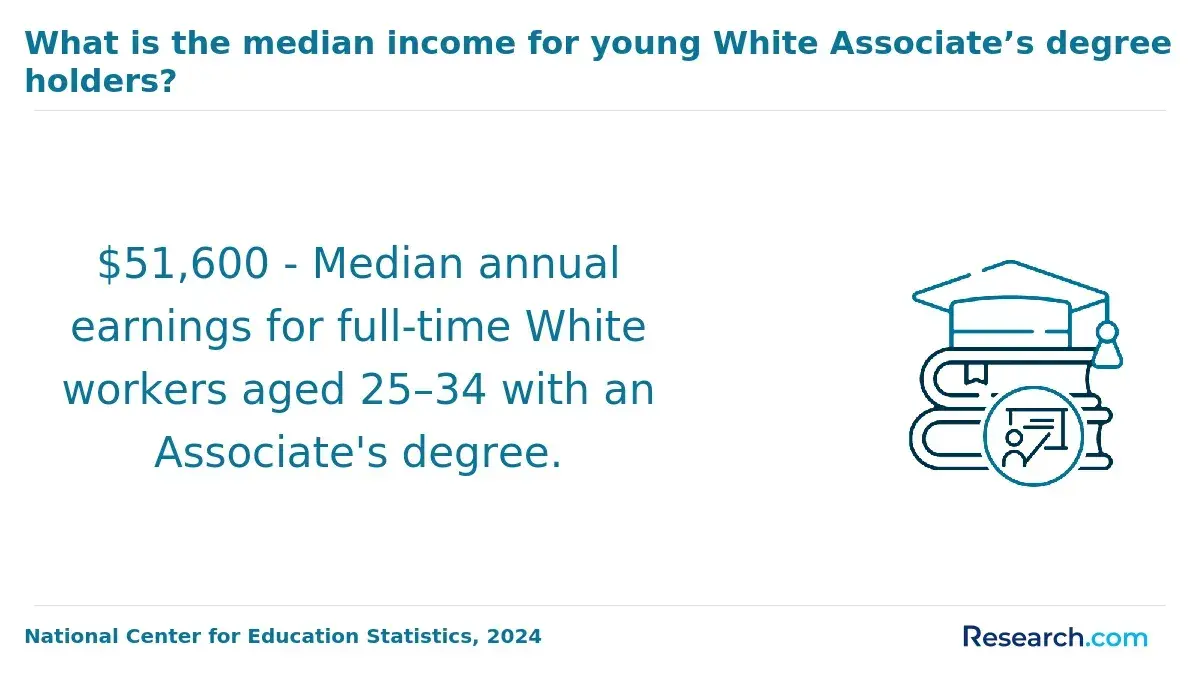
A 2024 National Center for Education Statistics report highlights a growing share of older enrollees pursuing biomedical sciences degrees, reflecting shifting workforce demands and nontraditional access routes. This demographic trend signals evolving educational pathways and repayment challenges embedded in biomedical sciences careers. This article examines borrowing patterns, monthly payment expectations, and repayment risks specifically linked to biomedical sciences degrees. It contextualizes how graduates navigate financial obligations alongside professional development within this specialized discipline.
Key Things to Know About Biomedical Sciences Student Debt
- Biomedical Sciences student debt averages show longer repayment periods mitigate monthly payment spikes but increase total interest, requiring careful timing of career entry to balance cash flow and debt costs.
- Employers increasingly value specialized lab and regulatory experience over degree pedigree, signaling graduates with practical skills can offset higher debt risks through better job stability.
- Rising tuition costs outpacing wage growth highlight a growing barrier for lower-income students, suggesting the need for earlier financial planning to avoid debt-driven delays in career advancement.
- Key Things to Know About Biomedical Sciences Student Debt Key Things to Know About Biomedical Sciences Student Debt
- How Much Student Loan Debt Do Biomedical Sciences Graduates Typically Have at Graduation? Average Studen Loan Debt
- What Factors Have the Biggest Impact on Biomedical Sciences Student Loan Debt? Student Debt Key Factors
- What Is the Average Monthly Student Loan Payment for Biomedical Sciences Graduates? Average Monthly Payment
- How Do Repayment Rates Compare Between Public and Private Institutions? Public vs. Private Institution Repayment Rates
- Do Online Biomedical Sciences Graduates Have Different Repayment Outcomes Than Campus-Based Students? Online vs. On-Campus Student Loan Repayment
- Which Industries Provide the Best Financial Return Relative to Borrowing Costs? Which Industries Provide the Best Financial Return Relative to Borrowing Costs?
- Does Student Debt Affect Which Jobs Biomedical Sciences Graduates Accept? Does Student Debt Affect Which Jobs Biomedical Sciences Graduates Accept?
- What Factors Increase Student Loan Repayment Risk for Biomedical Sciences Graduates? Loan Repayment Risk Factors
- How Can Biomedical Sciences Students Reduce Student Loan Debt While Earning Their Degree? Tips to Reduce Student Debt
- How Should Prospective Students Evaluate Borrowing Risk Before Enrolling? Evaluating Student Debt Risk
How Much Student Loan Debt Do Biomedical Sciences Graduates Typically Have at Graduation?
Graduates completing biomedical sciences programs typically report student loan debt ranging from around $25,000 to $45,000, according to 2024 data from the U.S. Department of Education and National Center for Education Statistics. This debt distribution reflects a broad spectrum, where some students manage to graduate without debt while others approach or exceed the national undergraduate average nearing $30,000.
Variations stem from multiple factors, including institutional type, geographic location, and the extent of financial aid, all of which shape the overall borrowing behavior observed among biomedical sciences completers. Given the trend of many graduates pursuing further education or professional degrees, this initial debt amount adds a foundational layer to longer-term financial obligations commonly faced in this degree field.
Differences between public and private institutions remain a primary driver of variations in biomedical sciences graduate student loan debt averages by institution. Students attending private colleges or universities often accumulate higher debt than those at public institutions, particularly when factoring in whether the student is paying in-state or out-of-state tuition rates. Furthermore, scholarship availability and grant aid significantly impact borrowing levels, as recipients of more substantial aid packages tend to graduate with lower loan balances.
Enrollment status also plays a role; full-time students usually incur higher tuition costs and living expenses over a condensed period, while part-time students may spread costs but face extended education timelines that affect cumulative debt. These debt disparities carry practical implications for graduates as they navigate repayment. Loan burdens close to or above the national average can complicate financial stability, especially given entry-level wages common to biomedical sciences-related roles.
Income-driven repayment plans may provide relief, but the initial size of debt influences borrowing sustainability and post-graduation decision-making related to career moves, further education, and personal financial goals. Prospective students should weigh these financing dynamics carefully alongside the top degrees in demand for the future to make informed choices that balance educational value with long-term affordability.
What Factors Have the Biggest Impact on Biomedical Sciences Student Loan Debt?
Student loan debt levels among biomedical sciences students reflect a complex interplay between institutional pricing, financial aid availability, program structure, and student financial decisions. Rather than a single cause, borrowing outcomes emerge from the combined effects of how institutions set tuition, the length of study, and personal economic circumstances.
Understanding these dynamics reveals why some students accumulate much larger debts than others, even within similar fields. This nuanced perspective is essential to evaluate borrowing behavior beyond surface comparisons.
- Institution Type and Tuition Pricing: Private universities and out-of-state public institutions tend to charge significantly higher tuition, directly increasing borrowing requirements for biomedical sciences students. According to the National Center for Education Statistics, average annual tuition at private nonprofit doctoral institutions was over $50,000 in 2024, compared to about $11,000 at public universities. This pricing gap places a disproportionate borrowing burden on students attending costlier institutions, particularly as financial aid often fails to fully offset the difference.
- Program Length and Enrollment Patterns: Extended doctoral or professional degree programs in biomedical sciences, often lasting 5 to 7 years, amplify debt accumulation as students continually pay tuition and living expenses over multiple years. The greater time investment is compounded when students enroll full-time without steady income, increasing loan reliance. Program format and pacing critically interact with debt levels, as longer enrollment correlates strongly with rising loan balances.
- Limited Financial Aid and Scholarship Availability: Unlike some fields with more robust grant or scholarship support, biomedical sciences graduate programs frequently offer relatively limited aid, intensifying dependence on loans. Reduced grant availability means students must compensate with borrowing, particularly when attending expensive institutions or residing in high-cost areas. This factor compounds the impact of tuition pricing and length on student debt totals.
- Living Expenses and Geographic Location: Borrowers in urban centers with elevated living costs-such as Boston or San Francisco-encounter substantial non-tuition expenses that must be covered by loans. The College Board identifies room and board costs in metropolitan areas as averaging 40% higher than suburban or rural regions, directly inflating overall debt. The interaction between location-based expenses and financial aid adequacy drives significant variation in student loan borrowing.
- Career Expectations and Debt Willingness: Many biomedical sciences students justify higher borrowing levels based on anticipated median salaries, which as of 2024 average near $94,000 according to the U.S. Bureau of Labor Statistics. However, these salaries may not always offset loans exceeding $100,000 comfortably, especially when factoring repayment terms and cost of living. This expectation shapes borrowing willingness and risk tolerance, influencing how much debt students accept during enrollment.
For prospective students considering graduate education options, examining these intertwined factors-especially institutional pricing and program duration-can clarify why biomedical sciences student loan borrowing trends by institution type show such variation. Balancing these insights with realistic career and financial planning is critical. Additionally, students exploring alternatives may benefit from research on the cheapest online master's degree in psychology to understand cross-field affordability dynamics and debt implications in related disciplines.
What Is the Average Monthly Student Loan Payment for Biomedical Sciences Graduates?
Monthly student loan payments for biomedical sciences graduates typically fall between $250 and $450, according to recent data from the U.S. Department of Education and the Federal Reserve. This range captures a broad spectrum of repayment realities shaped not only by the amounts borrowed but also by the diversity in loan types and repayment plans. Since many students pursue extended programs or advanced degrees within biomedical sciences, their principal balances often exceed those in other fields, influencing the baseline for monthly obligations.
These figures reflect practical repayment burdens rather than idealized estimates, highlighting how variations in loan size, interest rates, and repayment schedules converge to produce significant payment disparities. The size of monthly payments is strongly affected by the total debt incurred and the choice between standard and income-driven repayment plans, which adjust installments to borrowers' earnings and family size.
Graduates entering academia or research roles often face income levels below industry averages, making income-driven plans essential to managing affordability despite resulting in longer repayment periods and more interest accumulation. Conversely, those working in pharmaceutical or biotech sectors typically have higher salaries, which can lead to larger monthly payments but quicker debt payoff.
Ultimately, repayment dynamics hinge on balancing loan burden against post-graduation income, with interest compounding and repayment term length serving as additional variables that shape individual financial outcomes. One biomedical sciences graduate recalled the tension of waiting for admission decisions during rolling admissions, unsure whether to commit to a program while balancing offers and loan considerations.
The uncertainty about start dates and financial aid packages made it difficult to finalize borrowing plans early, illustrating how timing can complicate students' ability to project monthly loan payments accurately. This experience underscored that beyond raw numbers, strategic preparation and responsiveness to admissions timelines are crucial for managing debt and understanding realistic repayment commitments in the biomedical sciences field.
How Do Repayment Rates Compare Between Public and Private Institutions?
Data from the 2024 U.S. Department of Education College Scorecard shows notable differences in federal student loan repayment rates between graduates of public and private universities offering Biomedical Sciences degrees. Approximately 65% of public institution alumni remain current or have fully repaid their loans within five years, compared to around 55% for private institution graduates. Federal Reserve reports reinforce this trend by highlighting a roughly 10 percentage point lower risk of delinquency among public university graduates versus those from private schools.
These figures reflect distinct repayment dynamics rather than mere institutional classification, illustrating systemic disparities in borrowing and post-graduation financial stability. Several structural factors underlie these repayment gaps. Public universities typically have lower tuition costs, resulting in smaller average debt burdens for students, which eases repayment pressure. Additionally, graduates from public institutions often obtain employment in sectors offering income-driven repayment plans, such as government or public health roles, improving loan management opportunities.
In contrast, private institution students tend to carry higher debt loads and may face more variable earnings, partly influenced by differences in financial aid availability and career pathways. These elements intersect with institutional resources and counseling access, shaping borrower awareness and long-term repayment outcomes beyond simple school type distinctions.
Do Online Biomedical Sciences Graduates Have Different Repayment Outcomes Than Campus-Based Students?
Data from authoritative sources like the U.S. Department of Education's National Center for Education Statistics and the 2024 College Scorecard reveal that repayment rates for biomedical sciences graduates differ significantly between public and private institutions. Five-year repayment rates for public university graduates tend to cluster around 48%, while private university graduates often see rates near 58%.
These figures reflect more than institutional type alone; they are shaped by complex interactions involving student demographics, average borrowing amounts, and the modes of instruction, including both campus-based biomedical sciences student loan repayment rates and the rising presence of online biomedical sciences graduate repayment outcomes. Such divergence illustrates the varying financial pressures and repayment behaviors that graduates face, influenced heavily by institutional resource allocation and post-graduation employment success.
Key factors driving these repayment differences include tuition and cost structures, with public institutions generally offering lower sticker prices but enrolling higher proportions of financially vulnerable or nontraditional students who may borrow less yet experience slower postgraduation income growth. Private institutions frequently charge higher tuition but also often provide more extensive financial aid packages and stronger career placement networks, resulting in graduates with higher earnings and reduced debt-to-income ratios.
The combined effect of better industry connections and access to internships or clinical opportunities boosts repayment capacity, particularly for private graduates. These financing and employment disparities emphasize that repayment rates hinge not only on the amount borrowed but also on graduate earnings trajectories, employment sector stability, and institutional support mechanisms specific to biomedical sciences.
Consequently, repayment challenges for students from public programs can translate into longer-term financial stress and constrained economic mobility, underscoring the importance of evaluating repayment risk alongside program flexibility and accessibility. As biomedical sciences learners weigh options-including the cheapest online PsyD programs that share some repayment risk dynamics-understanding these repayment patterns clarifies how institutional accountability and perceived program value evolve in response to employment outcomes and debt management realities.
Which Industries Provide the Best Financial Return Relative to Borrowing Costs?
Financial return for biomedical sciences graduates varies considerably by industry, reflecting differences not only in salary levels but also in typical borrowing patterns and career advancement speed. Evaluating return on investment (ROI) requires balancing income growth potential against the debt burden incurred during education. Industries with faster salary progression or higher starting wages relative to common loan amounts generally enable graduates to manage repayments more effectively, enhancing long-term financial stability.
- Pharmaceutical Manufacturing: This sector offers some of the highest median salaries for biomedical sciences graduates, frequently exceeding $90,000 within five years. Strong industry demand and relatively quick career progression support solid repayment capacity, allowing most graduates to keep loan payments below 10% of discretionary income despite typical borrowing in the $40,000 range.
- Biotechnology R&D: Although starting salaries commonly range from $70,000 to $85,000, the growth trajectory in biotech is robust due to rapid innovation and capital infusion. Early-career positions often provide a balanced income-to-debt ratio, with increasing demand for specialized research skills that can accelerate earning potential and reduce financial stress.
- Healthcare Equipment and Supplies: This industry benefits from stable demand driven by aging populations and healthcare system expansion. Salaries are moderate but steady, and career ladders tend to be predictable, supporting manageable debt repayments. Borrowers here often face lower repayment risk compared to more volatile research-focused roles.
- Academic Research: While consistent demand exists, median salaries are generally lower-typically under $60,000 early on-extending loan repayment horizons. Students with high or multiple degrees may find this path financially challenging due to slower income growth and often grant-dependent funding models.
- Government and Nonprofit Health Agencies: These sectors typically offer lower compensation than private industry, which can strain repayment unless borrowers pursue income-driven repayment plans. Benefits and job stability somewhat offset salary gaps but tend to result in longer repayment periods, requiring careful debt management strategies.
Does Student Debt Affect Which Jobs Biomedical Sciences Graduates Accept?
High student debt burdens significantly shape job acceptance decisions among biomedical sciences graduates, often prioritizing immediate salary needs to meet monthly loan repayments. With median student loan balances commonly above $30,000, graduates face a practical imperative to select roles offering stable and comparatively higher pay, even if those positions do not align perfectly with their research interests or long-term scientific goals.
Data from the U.S. Department of Education's 2024 Graduate Earnings Report indicates nearly 60% of biomedical sciences graduates with loans prioritized higher-paying jobs over entry-level or research-focused roles, underscoring how repayment obligations directly influence early employment choices within this field. The impact of student debt extends beyond initial salary considerations, interacting with broader labor market and personal factors such as geographic mobility constraints and industry segment selection.
Graduates with heavier debt loads tend to gravitate towards health administration or clinical technician roles that offer consistent income, while those with lighter or no debt may afford to pursue lower-paying research positions that better support scientific specialization and career advancement. Additionally, debt-influenced decisions often limit flexibility to relocate for opportunities with superior growth potential, skewing employment patterns and potentially delaying progression in biomedical sciences.
Long-term career planning is thus intertwined with financial necessity, creating a complex trade-off between prudent debt management and optimal professional development. One biomedical sciences graduate described the challenge of managing this balance during a rolling admissions cycle for a competitive internship. Facing delayed feedback and uncertainty about acceptance, she hesitated to decline a well-paying technician position that would ease her loan repayment stress but offered limited scientific exposure.
Ultimately, the timing forced her into a pragmatic choice: accept the secure job to stabilize finances or risk waiting for a preferred role while accumulating debt. Her experience illustrates how the interplay of repayment pressures and the unpredictable admissions timeline can concretely shape employment decisions early in a biomedical sciences career.
What Factors Increase Student Loan Repayment Risk for Biomedical Sciences Graduates?
Student loan repayment risk among biomedical sciences graduates stems from a complex mix of factors that extend beyond simple borrowing amounts. Repayment challenges emerge as a function of both the debt load accumulated through multiple advanced degrees and the variability in post-graduation income related to employment sector and stability.
Economic conditions and sector-specific hiring practices further influence repayment capacity, highlighting the nuanced reality behind student loan repayment challenges for biomedical sciences graduates.
- High Debt from Graduate Education: Many biomedical sciences students pursue master's or doctoral-level degrees, resulting in substantial cumulative debt. According to a 2024 National Postsecondary Student Aid Study, over 60% of these graduates who advanced to graduate education carry loan balances exceeding $50,000, which demonstrates how large debt loads can lengthen repayment horizons and increase financial vulnerability.
- Income Variability by Employment Sector: Earnings differ widely across biomedical sciences roles, from lower-wage research technician positions to more remunerative clinical and industry jobs. Graduates working in research assistant roles often face disproportionate monthly loan payments relative to income, raising default and delinquency risks as their financial margins remain tight.
- Employment Stability and Underemployment: Delays in securing full-time, well-compensated employment-common during transitions between degrees or early career phases-increase repayment strain. Periods of part-time work or underemployment reduce steady cash flow needed to cover accruing interest and principal, thereby amplifying vulnerability to repayment difficulties.
- Limited Employer Loan Assistance: Many biomedical employers provide minimal or no student loan repayment benefits, forcing graduates to rely entirely on personal income for loan servicing. This absence of external support often exacerbates financial strain, especially for those balancing debt against modest starting salaries.
- Financial Literacy and Planning Gaps: Inadequate understanding of loan management strategies leaves some graduates unprepared to optimize repayment options or navigate deferment and forgiveness programs effectively, increasing the risk of missed payments and long-term financial consequences.
These intersecting factors create a landscape where repayment outcomes vary significantly based on education financing choices, employment paths, and labor market conditions, underscoring the need for strategic borrowing and informed career planning in biomedical sciences. Prospective students concerned about managing these risks may explore alternatives including online colleges that accept 2.0 GPA which can offer different cost and flexibility profiles to better align with individual circumstances and reduce debt exposure.
How Can Biomedical Sciences Students Reduce Student Loan Debt While Earning Their Degree?
Reducing student loan debt while earning a biomedical sciences degree demands proactive planning and strategic decision-making throughout the educational journey. Debt reduction hinges on financial awareness, academic efficiency, and effective use of institutional and federal resources. Students must weigh trade-offs between cost, academic rigor, and real-world training to minimize borrowing and build a financially sustainable path to graduation.
Biomedical sciences student loan debt reduction strategies include:
- Leveraging Community College and State University Pathways - Completing foundational courses at accredited community colleges or state universities before transferring can reduce tuition costs by nearly 40%, according to 2024 government data. This approach preserves academic quality while substantially lowering overall borrowing.
- Maximizing Federal Grants and STEM Scholarships - Identifying and applying for targeted federal grants and scholarships reduces reliance on loans. These need-based and merit-based awards, often underutilized due to awareness gaps, directly lower debt without repayment obligations.
- Engaging in Work-Study and Research Assistantships - Participating in work-study programs within biomedical research labs provides income and valuable lab experience simultaneously. This dual benefit offsets costs and enhances employability, reducing the net debt burden after graduation.
- Securing Part-Time Employment in Healthcare Settings - Part-time roles in university-affiliated medical centers align hands-on experience with industry standards while contributing to living expenses. Careful workload management ensures academic performance is not compromised, preventing costly delays or retakes.
- Exploring Income-Driven Repayment and Loan Forgiveness Options Early - Early understanding of repayment plans tied to healthcare professions enables better borrowing decisions. Awareness of loan forgiveness programs can influence the amount borrowed, encouraging students to limit debt to manageable levels aligned with anticipated entry-level salaries.
Students seeking a faster, lower-cost entry into healthcare may also want to research the easiest LPN programs to get into, which can offer a more affordable stepping stone into the broader medical field.
In 2024, biomedical sciences students' average borrowing frequently exceeds $50,000, underscoring the importance of optimized financial and academic planning to mitigate long-term repayment risks. Integrating these strategies enhances affordability without sacrificing educational outcomes.
How Should Prospective Students Evaluate Borrowing Risk Before Enrolling?
Evaluating borrowing risk before enrolling in a biomedical sciences degree program requires a clear understanding of how total debt compares with realistic, post-graduation earnings potential. Students must move beyond generic financial advice to assess whether the loan burden aligns with both short- and long-term financial goals.
Since the median debt for biomedical sciences graduates is roughly $30,000 according to the 2024 National Center for Education Statistics, prospective borrowers need to examine how this debt will translate into monthly repayment obligations relative to anticipated income and career stability.
- Total Cost of Attendance: Accurately analyzing tuition, fees, and living expenses over the full program duration helps map expected debt load. This foundational step ensures borrowers can gauge whether the anticipated debt aligns with institutional cost structures and personal financial limits.
- Entry-Level Salary Data: Reviewing median starting salaries in biomedical sciences, often near $50,000, provides a benchmark for estimating debt-to-income ratios, which are critical for forecasting manageable monthly payments and avoiding unsustainable repayment scenarios.
- Loan Terms and Interest Rates: Understanding the specific repayment conditions-including grace periods, interest accrual, and repayment length-enables borrowers to model realistic payment schedules and total repayment costs.
- Employment Outcomes and Job Placement Rates: Investigating recent graduate employment statistics in biomedical sciences helps assess the likelihood of timely job placement, which directly impacts the borrower's ability to service debt effectively.
- Repayment Plan Options: Comparing income-driven repayment versus standard plans gives insight into financial flexibility and risk mitigation, particularly if earnings fluctuate early in the career.
- Potential Debt Default Risks: Evaluating the probability of delayed repayment due to underemployment or career changes informs the financial safety margin borrowers should build into their borrowing decisions.
- Long-Term Financial Stability: Projecting debt impact over a decade or more allows for a strategic assessment of how initial borrowing decisions affect overall financial health and career mobility beyond graduation.
References
- The Impact of Student Debt on the Low-Wage Workforce https://workrisenetwork.org/working-knowledge/impact-student-debt-low-wage-workforce
- Student loan https://pans.tarnobrzeg.pl/student-loan
- A Doctor’s No-Nonsense Guide To Student Loans | Panacea Financial https://panaceafinancial.com/a-doctors-no-nonsense-guide-to-student-loans/
- Is Biomedical Science Degree Worth It? https://pathologylabtraining.co.uk/biomedical-sciences/degree-worth-it
- Average Student Loan Debt: Who Owes the Most? | SoFi https://www.sofi.com/learn/content/average-student-loan-debt-by-career/
- Types of Aid https://www.nymc.edu/gsbms/admissions--aid/financial-aid/types-of-aid/
- The Debt Paradox How Student Loans Simultaneously Enhance Earnings and Constrain Life Choices among College Graduates https://www.scirp.org/journal/paperinformation
- Key Figures on Cost, Student Debt, & ROI at Public Universities - APLU https://www.aplu.org/our-work/4-policy-and-advocacy/publicuvalues/key-figures-on-cost-student-debt-amp-roi-of-public-universities/
- Student loans https://www.sggw.edu.pl/en/studies/student-loans/
- How Student Loan Debt Impacts Physicians & Their Patients | www.PhysiciansWeekly.com https://www.physiciansweekly.com/post/how-student-loan-debt-impacts-physicians-their-patients
Other Things You Should Know About Biomedical Sciences
Biomedical sciences programs can range from two-year associate degrees to extended doctoral studies, and this variability directly influences total borrowing and repayment timelines. Students enrolling in longer programs should expect significantly higher debt loads, which lead to larger monthly payments and extended repayment durations. Those considering advanced degrees must weigh whether the incremental career benefits-and employer willingness to fund or subsidize further education-justify the additional borrowing and delayed financial independence.
Full-time students often incur greater immediate borrowing but finish faster, potentially entering the workforce sooner and starting repayment earlier, which can reduce overall interest accumulation. Conversely, part-time students may borrow less per semester but extend their repayment obligations and risk stagnating wage growth during prolonged schooling. Prioritizing timely graduation and aligning study load with realistic work capacity can optimize debt levels and mitigate repayment risk.
Employers in biomedical sciences-related fields often expect relevant hands-on experience or further certifications beyond the degree, which can increase indirect costs and lengthen time before stable income. Graduates facing substantial debt may struggle if their employer's compensation structures do not account for these delays. Understanding sector-specific career progression can guide students to plan repayment schedules realistically, including exploring income-driven plans aligned with typical early-career salary brackets in this discipline.
Students must balance reducing debt load with investing in high-quality research, internships, or co-op experiences that enhance employability. While minimizing borrowing lowers repayment burdens, insufficient practical experience may limit job prospects or result in lower starting salaries, exacerbating repayment strain. Prioritizing experiential learning when possible often yields a stronger return on investment, though it may require strategic borrowing and clear repayment plans to manage risk.