2027 Biomedical Sciences Degree Outlook Through 2030: Enrollment, Salary, and Hiring Projections

Co-Founder and Chief Data Scientist
Deciding whether to pursue or continue a biomedical sciences degree requires a thorough understanding of enrollment trends, graduate supply, and evolving employer expectations. For example, despite a 5% rise in program enrollment nationwide in 2024, employer demand in several regions shows uneven growth, signaling increased competition for certain roles.
Relying solely on salary projections may overlook credential inflation and specialization shifts that affect job stability. Similarly, job growth estimates could mask saturation in some subfields while highlighting emerging opportunities in others. This article analyzes biomedical sciences enrollment, salary trends, hiring forecasts, industry demand, regional variations, and workforce changes through 2030 to provide nuanced guidance for informed decision-making.
Key Things to Know About the Biomedical Sciences Degree Outlook Through 2030
- Enrollment in biomedical sciences programs grew 7% from 2023 to 2024, signaling strong interest but also increasing graduate supply that could intensify competition for mid-level research roles.
- Employer surveys reveal a rising preference for specialization in bioinformatics and molecular diagnostics, indicating that generalized degrees face hiring challenges without niche expertise.
- Automation's impact on laboratory tasks delays full workforce disruption until post-2030, advising students to weigh immediate training costs against medium-term technological shifts.
- Key Things to Know About the Biomedical Sciences Degree Outlook Through 2030 Key Things to Know About the Biomedical Sciences Degree Outlook Through 2030
- How is Biomedical Sciences Degree Enrollment Expected to Change Through 2030? Enrollment Trends Through 2030
- How Many Biomedical Sciences Graduates Will Enter the Workforce by 2030? Graduate Workforce Entry Projections
- What Are the Hiring Projections for Biomedical Sciences Graduates Through 2030? Hiring Projections Through 2030
- Which Biomedical Sciences Careers Will Experience the Most Job Growth? Fastest-Growing Career Paths
- What Is the Salary Outlook for Biomedical Sciences Graduates Through 2030? Salary Outlook Through 2030
- Which Industries Will Hire the Most Biomedical Sciences Graduates by 2030? Top Hiring Industries
- Where Will Demand for Biomedical Sciences Graduates Be Strongest? Strongest Geographic Demand
- Which Biomedical Sciences Specializations Will Be Most in Demand by 2030? Which Biomedical Sciences Specializations Will Be Most in Demand by 2030?
- How Will AI and Technology Affect Biomedical Sciences Careers Through 2030? How Will AI and Technology Affect Biomedical Sciences Careers Through 2030?
- Is a Biomedical Sciences Degree Worth Pursuing Based on 2030 Projections? Degree Value Through 2030
How is Biomedical Sciences Degree Enrollment Expected to Change Through 2030?
Enrollment trends in biomedical sciences degree programs reflect a nuanced balance between growing labor-market demand and structural constraints within higher education. While overall volume is poised for modest growth-around 2 to 3 percent annually according to recent analyses-this masks significant variation driven by institutional capacity, demographic shifts, and program delivery models. For example, hybrid and online modalities enhance accessibility for working adults and non-traditional students, a factor increasingly exploited in specialized fields like pharmacy where PharmD online programs illustrate effective scaling without diluting quality. However, rigid curricula and selective admission standards in many biomedical sciences programs limit rapid expansion, forcing prospective students to weigh the tradeoff between competitive entry and program availability.
The projected growth of biomedical sciences student enrollment through 2030 also signals evolving labor supply dynamics with ramifications for specialization and workforce saturation. Greater graduate-level interest highlights careful student positioning for research-heavy or clinical roles, reflecting employer expectations for cross-disciplinary skills and adaptability. Nonetheless, increases in enrollment do not uniformly translate to proportional workforce absorption, especially in regional markets where demographic variances influence demand for health services. Institutions and educators must therefore anticipate adjustments in class sizes, with possible intensification of admission competition, while professionals interpreting these signals should consider localized hiring projections to avoid oversupply in certain biomedical sciences fields.
How Many Biomedical Sciences Graduates Will Enter the Workforce by 2030?
The total number of biomedical sciences graduates projected by 2030 does not directly translate into available workforce positions, as multiple factors influence actual labor market entry. While degree conferrals have grown steadily-about 3% annually according to the National Center for Education Statistics-many graduates pursue further education or gain experience through internships, temporarily delaying full-time employment. Additionally, some graduates opt for careers outside traditional biomedical sectors or remain in related roles gained prior to graduation, which complicates simple headcount projections versus job market absorption.
Employment opportunities in biomedical fields are expanding at an estimated 5% annual growth rate per Bureau of Labor Statistics projections, outpacing many other STEM areas. However, this favorable growth competes with an increasing volume of candidates from overlapping disciplines and evolving employer expectations that emphasize hands-on skills and advanced certifications. Students face meaningful tradeoffs balancing further qualifications against entering a competitive and regionally variable job market, where sheer graduate volume may intensify hiring pressures and necessitate strategic positioning beyond degree completion alone.
One recent biomedical sciences graduate described navigating the job search amid rising cohort sizes and sectoral expansion as cautiously optimistic but challenging. Having completed multiple internships and a part-time research role, they found recruitment pipelines increasingly competitive, with employers demanding specific technical proficiencies and interdisciplinary experience. This student's experience highlights how rising graduate numbers generate both opportunity and uncertainty, making early career decisions and skill diversification essential strategies as the workforce landscape shifts toward 2030.
What Are the Hiring Projections for Biomedical Sciences Graduates Through 2030?
Employer demand for biomedical sciences graduates through 2030 reflects moderate growth, but opportunities are unevenly distributed and often favor candidates with advanced qualifications. The U.S. Bureau of Labor Statistics projects employment in this sector to increase by roughly 7% from 2022 to 2030, aligning with average occupational growth; however, this overall rise masks significant variation by role and geography. For instance, graduates relying solely on a bachelor's degree may face limited entry-level openings, particularly outside major biotech hubs, where competition intensifies and many employers seek graduate-level education or proven technical expertise.
Projected annual job openings between 15,000 and 20,000 stem not only from industry expansion but also replacement needs in research institutions, healthcare, and private labs. These figures underscore the importance of nuanced skill sets, as workforce analyses highlight rising employer demand for competencies in bioinformatics, computational biology, and data analytics integrated with biomedical knowledge. Graduates lacking interdisciplinary training risk falling behind, especially in regions without a concentration of biotech startups or established medical research centers where alternative biomedical career paths remain scarce.
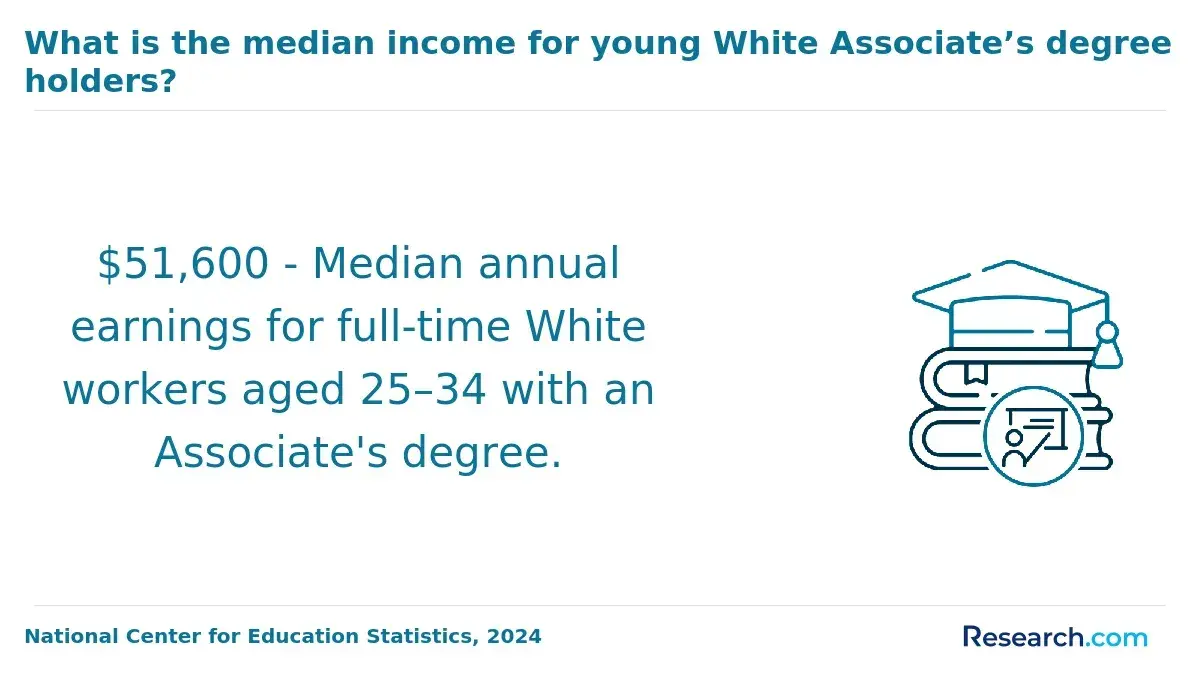
Salary trajectories mirror these employment patterns, with entry-level biomedical sciences roles offering modest pay that improves significantly alongside specialized graduate education or management experience. For a recent graduate weighing options, this means that navigating the job market effectively often requires clear regional and specialization choices, as well as strategic skill development beyond foundational coursework. Relying on national growth averages may obscure local labor market realities and the intense competition governing access to meaningful biomedical sciences positions through the next decade.
Which Biomedical Sciences Careers Will Experience the Most Job Growth?
Careers within biomedical sciences with highest job growth in the US are influenced by advances in biotechnology, healthcare analytics, and medical innovation, but the scale of opportunity varies notably by specialty. For example, epidemiologists are projected to grow faster than most roles, exceeding 20%, driven by persistent demands in infectious disease surveillance and chronic illness management, yet this field often requires graduate-level education, limiting immediate access for some degree holders. In contrast, clinical laboratory technologists offer substantial openings with about 11% growth thanks to increased diagnostic testing; these roles typically align well with bachelor's degrees and serve as practical entry points into healthcare settings for many biomedical sciences graduates.
Although biological scientists and biomedical engineers show solid growth near 9-11%, the total number of jobs and replacement needs differ, demanding careful consideration of salary trajectories and regional job markets. Biostatisticians, growing around 25%, underscore the rising value of quantitative expertise for interpreting complex data, highlighting a tradeoff where greater analytical skills may grant access to some of the most rapidly expanding and well-compensated niches. Prospective students should weigh these dynamics alongside educational costs and career goals, recognizing that many biomedical sciences careers either necessitate advanced degrees or specialized certification to fully capitalize on hiring trends. For those balancing practical constraints, exploring online MHA programs or similar options may complement their biomedical foundation while broadening managerial and administrative opportunities in healthcare environments.
What Is the Salary Outlook for Biomedical Sciences Graduates Through 2030?
Salary projections for biomedical sciences graduates through 2030 require careful interpretation beyond headline numbers, considering inflation rates, shifting labor demands, credential expectations, and evolving occupational roles. The reported 11% employment growth for medical scientists, faster than the national average, signals expanding opportunities but not uniform salary gains. Graduates must weigh how academic attainment, geographic context, and specialized skills intersect with industry trends to understand realistic earning potential. The following key factors will shape salary trajectories for professionals in biomedical sciences.
- Advanced Education Impact: Holding master's degrees or Ph.D.s increasingly correlates with higher wages and access to senior roles, especially within research-intensive environments. Employers often prize specialized training that enables leadership in complex projects and grant management.
- Sector Variability: Pharmaceutical and biotechnology firms tend to offer superior compensation compared to academia or government positions, reflecting differing budget scales and profit models. Clinical research roles also vary widely, with private-sector jobs generally paying more.
- Geographical Differences: Metro areas and biotech hubs, including cities with dense healthcare ecosystems, provide premium salary options due to competition for skilled talent and higher living costs. Conversely, graduates in rural or less-developed regions may face plateaued earnings.
- Experience and Role Specialization: Entry-level salaries often range from $45,000 to $60,000, but targeted skill acquisition-such as expertise in data analysis, regulatory affairs, or project management-can accelerate salary growth beyond mid-career thresholds around $90,000.
- Labor Market Dynamics: Growing demands across healthcare and research institutions drive hiring; however, fluctuating funding levels and technological automation may moderate wage increases in certain areas, requiring flexibility and ongoing professional development.
- Emerging Skill Requirements: Employers increasingly expect practical competencies in data science and compliance knowledge, influencing which candidates secure higher pay. Graduates lacking these proficiencies risk slower advancement and limited leadership opportunities.
A recent biomedical sciences graduate entering the workforce in a mid-sized metropolitan area shared a candid experience with initial salary negotiations. Despite a degree from a reputable program, the first job offer aligned with the lower end of the typical entry range and prompted careful consideration of cost of living and benefit packages. The graduate opted to accept the position while prioritizing skill-building opportunities to position for a more competitive salary within two to three years, reflecting a pragmatic approach to balancing immediate financial constraints against longer-term value.
Which Industries Will Hire the Most Biomedical Sciences Graduates by 2030?
Demand for biomedical sciences graduates through 2030 will be shaped by technological innovation, demographic shifts, and evolving regulatory frameworks rather than sheer volume of hiring alone. Industries with sustained growth will need professionals who combine strong scientific training with specialized technical skills and familiarity with emerging lab technologies. Candidates should approach opportunities with a clear understanding that workforce replacement, innovation-driven roles, and competition for positions requiring advanced credentials will vary significantly by sector. Strategic alignment of education with industry-specific skills will be essential for maximizing employability in a landscape influenced heavily by healthcare trends and pharmaceutical advancements.
Below are the top industries projected to generate the strongest hiring demand for biomedical sciences graduates, reflecting practical career considerations and sector-specific growth dynamics:
- Healthcare Services: Hospitals, outpatient centers, and specialized clinics will remain the largest employers due to the aging population and increased chronic disease prevalence. Entry-level roles often emphasize laboratory diagnostics, clinical research support, and patient monitoring technologies, with experience in healthcare data systems and regulatory compliance strengthening candidacy.
- Pharmaceutical and Biotechnology: These sectors focus on drug development, gene editing, and personalized medicine, requiring graduates skilled in research methodologies, regulatory affairs, and quality control. Competition for research-intensive roles will be fierce, favoring advanced degrees and internships that demonstrate hands-on expertise.
- Medical Devices and Diagnostics: Growth in wearable health tech and lab automation drives demand for talent in product testing and validation. Graduates familiar with sensor technologies, software integration, and digital health platforms position themselves well for opportunities in this expanding field.
- Academic and Government Research: Though representing fewer openings, these institutions seek candidates with advanced degrees to undertake foundational and translational research. Sustained funding volatility and credential requirements mean these roles are often less accessible to new graduates.
- Regulatory and Quality Assurance: Increasing complexity in healthcare and pharmaceutical regulations creates demand for professionals adept in compliance, documentation, and validation processes. Certifications and targeted training enhance employability, especially in organizations facing stringent oversight.
- Outpatient and Telehealth Services: The rise of outpatient testing and remote patient monitoring expands roles that blend biomedical science knowledge with digital health applications. Candidates skilled in managing diagnostic workflows and interpreting digital data are well positioned.
Prospective students aiming to optimize biomedical sciences career growth in healthcare and pharmaceuticals 2030 should consider supplementing their degrees with internships or certifications attuned to these industries. Exploring MHA online programs can also provide strategic administrative insights beneficial in navigating complex healthcare settings.
Where Will Demand for Biomedical Sciences Graduates Be Strongest?
Demand for biomedical sciences graduates is closely linked to clusters of pharmaceutical manufacturing, biotechnology firms, and medical research institutions, meaning opportunities are highly concentrated rather than evenly distributed. For instance, the BioHealth Capital Region-encompassing Maryland, Virginia, and Washington D.C.-benefits from federal research funding and dense networks of government contractors, creating a competitive but sizable labor market. Conversely, areas like California's Bay Area offer robust biotech and medical device sectors but come with higher living costs and applicant competition, requiring graduates to weigh salary potential against regional expenses and job availability. National averages can obscure these localized variations, so prospective professionals should assess both industry presence and credential expectations in target geographies to avoid mismatches between supply, demand, and living standards.
The Boston metropolitan area exemplifies emerging biomedical sciences opportunity, propelled by university research hubs and integrated health systems, which generate specialized roles demanding advanced degrees or certifications. New and growing sectors such as personalized medicine, gene editing, and biomanufacturing elevate demand for graduates who combine wet-lab expertise with regulatory and data analytic skills, narrowing the field to applicants who bring multidisciplinary fluency. Although remote and contract positions are becoming more common, most hiring remains centered on metropolitan life sciences clusters where employer density fosters sustained investment but also maintains elevated entry thresholds. Therefore, candidates must balance aspirations for innovation-driven employment against potential geographic and educational tradeoffs that affect long-term career progression and economic stability through 2030.
Which Biomedical Sciences Specializations Will Be Most in Demand by 2030?
Hiring trends in biomedical sciences specializations are increasingly shaped by technological integration, regulatory complexity, and evolving public health priorities. Fields that successfully blend data-driven methods with biological expertise are gaining decisive advantages in the job market. For students deciding between specializations, comparing expected demand, credential requirements, and adaptability to policy or technological shifts is essential. For example, a student weighing biotechnology against regulatory affairs must consider that while biotech roles rely heavily on AI and molecular techniques, regulatory experts require deep understanding of compliance frameworks and strong project management skills. The following outlines specializations with the strongest projected employer demand through 2030.
- Biotechnology And Genomics: Demand stems from advances in personalized medicine and AI applications. Professionals who combine molecular biology with computational data analysis will be favored in pharmaceutical and research sectors.
- Regulatory Affairs And Clinical Research: Growth tied to increasingly complex drug approval processes. Success in this field demands expertise in regulatory law, clinical trial oversight, and cross-functional collaboration.
- Environmental Health Sciences: Persistent global health challenges drive need for specialists assessing environmental risks and implementing mitigation strategies, particularly within government and international institutions.
- Epidemiology: Demand reflects ongoing public health surveillance needs, requiring strong statistical skills and ability to interpret large-scale population data.
- Neurobiology And Immunology: Steady growth linked to aging demographics and chronic illness research. Advanced degrees provide competitive advantage, given specialized technical and laboratory requirements.
How Will AI and Technology Affect Biomedical Sciences Careers Through 2030?
Artificial intelligence and automation are poised primarily to augment rather than fully automate biomedical sciences roles, altering daily responsibilities by shifting routine lab tasks toward higher-order analytical and interdisciplinary functions. For instance, technicians traditionally performing manual data entry or repetitive assays may face displacement, while professionals skilled in data science, machine learning, and bioinformatics will see growing demand. This redefinition favors workers who combine foundational biomedical knowledge with technical fluency in emerging technologies, creating stratification in hiring that rewards adaptability and cross-disciplinary expertise over static skillsets.
The evolving landscape suggests that students and professionals evaluating biomedical sciences career impact of artificial intelligence in the US must critically assess curricular offerings emphasizing coding, statistics, and applied AI ethics alongside traditional science courses. Employers increasingly prioritize candidates capable of integrating AI tools to enhance research productivity and clinical workflows, with salaries reflecting a premium for such proficiencies. Without this adaptation, workers risk stagnation or obsolescence in sectors like diagnostics, personalized medicine, and drug discovery, which are projected to grow but require advanced technical judgment and ethical oversight.
Academic and training pathways that embed technology fluency align better with emerging technology trends in biomedical sciences jobs through 2030, providing a competitive edge in diverse healthcare and research environments. Continuing education and certifications that extend beyond foundational degrees remain critical to maintaining relevance. Practitioners considering transitions, such as from family nurse practitioner to acute care nursing roles, might explore targeted guidance like the resource available on FNP to acnp transitions to navigate evolving professional requirements effectively.
Is a Biomedical Sciences Degree Worth Pursuing Based on 2030 Projections?
The job outlook for a biomedical sciences degree through 2030 indicates steady but not accelerated growth, with employment in related fields expected to increase around 7% to 8%, according to recent U.S. Bureau of Labor Statistics data. Prospective students should be cautious of an oversupply of graduates competing for technician or entry-level research roles, where salary entry points hover near $50,000. Graduates aiming for higher earnings typically need additional credentials or graduate education, highlighting that the biomedical sciences degree often functions more effectively as a foundation rather than a terminal qualification. For example, a student who combines interdisciplinary skills such as data analytics or engineering may better navigate the future biomedical workforce given increasing demand across healthcare and research sectors.
Future job prospects for biomedical sciences graduates depend heavily on geographic location, employer-specific requirements, and willingness to pursue lifelong specialization. The field remains competitive, with many employers valuing internships and hands-on experience over mere degree completion. Tuition and time invested should be weighed against these realities, particularly since some promising pathways require advanced degrees or certifications to access more lucrative roles. For students considering alternatives or complementary study tracks, programs like online PsyD programs accredited illustrate the diversity of credentials that can shape biomedical-related careers beyond the conventional degree.
References
- Learn more about a guide to in-demand specializations 2030 https://studyfans.com/en/blogs/789
- Career opportunities in the life sciences industry - BioVox https://biovox.eu/career-opportunities-in-the-life-sciences-industry/
- The Future of Biomedical Science Careers https://pathologylabtraining.co.uk/biomedical-sciences/future-careers
- Biomedical Science Market Size & Industry Growth 2030 https://www.futuredatastats.com/biomedical-science-market
- What does AI mean for the future of healthcare jobs? https://www.worldhealthexpo.com/insights/medical-technology/what-does-ai-mean-for-the-future-of-healthcare-jobs-
- Exploring Biomedical Science Careers https://www.ahu.edu/blog/biomedical-science-jobs
- Enrollment in biomedical degree programs rose last fall despite funding turmoil, new data show https://www.statnews.com/2026/01/15/biomedical-student-enrollment-rises-despite-research-turmoil/
- Top 10 Biomedical Science Specialisations for the Future https://amrak.lk/top-10-biomedical-science-specialisations-for-the-future/
- AI Skills for Life and Work: Labour market and skills projections https://www.gov.uk/government/publications/ai-skills-for-life-and-work-labour-market-and-skills-projections/ai-skills-for-life-and-work-labour-market-and-skills-projections
- How to Secure High-Growth Biomedical Engineering Jobs in 2026: A Practical Transition Roadmap - AscendurePro https://ascendurepro.com/biomedical-engineering-jobs/
Other Things You Should Know About Biomedical Sciences
Program reputation often correlates with stronger employer connections and better research opportunities, which can enhance hiring prospects. However, programs with rigid curricula may limit exposure to emerging fields or interdisciplinary skills that employers increasingly value. Prospective students should prioritize programs that balance respected standing with elective flexibility to tailor learning toward high-demand areas such as bioinformatics or regulatory affairs, thereby improving adaptability in a shifting job market.
Intensive coursework builds a robust knowledge foundation but can also lead to burnout, especially if programs emphasize memorization over practical application. Programs integrating hands-on lab work and problem-based learning better prepare students for workplace challenges and can make the transition to industry roles smoother. Students should realistically assess their capacity to handle demanding schedules and seek programs that emphasize experiential learning, which employers rate highly for readiness and retention.
While advanced degrees can open up higher-tier research or clinical roles, the current market increasingly values practical experience alongside credentials. Graduates entering the workforce first often develop relevant skills, industry contacts, and clearer career goals, which can improve graduate study outcomes later. For most, a staggered approach-working for a few years before pursuing advanced education-maximizes employability and funding opportunities while minimizing the risk of academic overspecialization disconnected from real-world demands.
Graduates from institutions located near biotech hubs or major research centers generally experience stronger hiring rates and higher starting salaries due to local demand and networking opportunities. Conversely, strong programs in less concentrated regions may face slower local job markets, requiring graduates to be open to relocation or remote work options. Prospective students should evaluate not just program quality but also geographic employment ecosystems to align educational investment with realistic post-graduation opportunities.