2027 Mental Health Counseling Degree Enrollment Trends by Age Group: Traditional Students vs Adult Learners

Co-Founder and Chief Data Scientist
Shifts in licensing requirements and clinical practicum demands distinctly shape enrollment in mental health counseling degree programs across age groups. Traditional students encounter tightly scheduled curricula paired with intensive onsite practicum hours, aligning with recent data showing that nearly 60% of mental health counseling graduates enter licensure-eligible roles within two years.
In contrast, adult learners often balance career transitions and family obligations, influencing their preference for part-time or hybrid formats that accommodate ongoing employment. This divergence reflects the profession's increasing demand for licensed counselors amid a 25% projected workforce growth by 2030. The age distribution signals evolving educational delivery models and a workforce adapting to diverse professional trajectories.
Key Things to Know About Mental Health Counseling Degree Enrollment Trends by Age Group
- Traditional college-age students often enroll full-time, accelerating degree completion but facing higher immediate costs and less work experience, which may limit practical readiness compared to older peers balancing employment.
- Adults enrolling later show stronger workforce integration, as employers increasingly value real-world experience alongside their mental health counseling education, influencing hiring and career advancement.
- Enrollment data from 2024 reveals a 15% rise in part-time adult learners, reflecting cost and schedule tradeoffs that extend program duration but improve access for career changers and those with familial obligations.
- Key Things to Know About Mental Health Counseling Degree Enrollment Trends by Age Group Key Things
- Which Age Groups Represent the Largest Share of Mental Health Counseling Students? Students by Age Group
- Why Do Traditional Students Choose Mental Health Counseling Degree Programs? Traditional Students
- Why Do Adult Learners Return to School for a Mental Health Counseling Degree? Adult Learners
- How Do Academic Goals Vary Between Younger and Older Mental Health Counseling Students? Academic Goals by Age Group
- How Do Financial Concerns Differ Between Traditional Students and Adult Learners? Financial Concerns by Age Group
- What Challenges Do Adult Learners and Traditional Students Face While Earning a Mental Health Counseling Degree? Student Challenges by Age Group
- How Does Age Affect Mental Health Counseling Degree Student Retention? Age and Student Retention
- Which Mental Health Counseling Specializations Are Most Popular Among Adult Learners? Top Specializations for Adult Learners
- How Does Age Affect Job Opportunities for Mental Health Counseling Graduates? Impact of Age in Job Opportunities
- What Do Current Mental Health Counseling Enrollment Trends Reveal About Future Demand? Enrollment Trends
Which Age Groups Represent the Largest Share of Mental Health Counseling Students?
Mental health counseling programs attract learners spanning different stages of life, yet enrollment tends to cluster within particular age ranges shaped by when students enter the workforce, financial capacity, and their chosen educational routes. These patterns align less with mere academic preference and more with the practical realities of career timing, economic pressures, and program flexibility.
As a result, age demographics in mental health counseling enrollment mirror broader labor market shifts and educational accessibility rather than random distribution.
- Ages 18-24: This traditional college-age group accounts for the largest share of enrollments, reflecting a direct pipeline from high school to graduate study. Many in this bracket pursue mental health counseling early to meet employer requirements for clinical hours and licensure swiftly. Their priority is often rapid workforce entry supported by well-established degree pathways that accommodate full-time study and campus resources.
- Ages 25-39: Adult learners in this segment have a growing presence, largely driven by career transitions or the pursuit of licensure to advance in behavioral health roles. Their enrollment decisions weigh program flexibility heavily, balancing education with existing job and family commitments. Increasingly, degree options cater to these pragmatic needs by emphasizing applied experience and part-time structures, which correspond to workforce demands for both practical skills and credentials.
- Ages 40 and above: Though smaller in proportion, this group's engagement remains significant, often motivated by personal growth, late-career changes, or community involvement. Programs serving this demographic must address challenges such as slower completion rates due to external responsibilities but benefit from the emotional maturity and life experience these students bring. Their participation influences program design toward online formats and modular learning.
These age-related enrollment contrasts underscore how workforce entry timing and economic factors affect who pursues mental health counseling education and when. Traditional students typically enter education immediately post-secondary schooling to accelerate licensure and employment, whereas older students integrate practical work experience with flexible learning models to accommodate complex life demands.
This dynamic intersection of educational accessibility and workforce requirements shapes the current age demographics of mental health counseling enrollment by age group. Understanding these enrollment patterns within mental health counseling provides insight into how programs evolve to meet diverse learner needs. For those considering options, it's important to evaluate how age-related factors like career stage and study flexibility impact both educational experience and employability outcomes.
Programs with adaptable structures often better serve adult learners balancing multiple responsibilities, while younger students benefit from intensive, cohort-based tracks aligned with labor market entry timelines. For comprehensive planning, prospective students may also explore allied fields, including less traditional pathways such as pharmacy school online, which similarly reflect evolving patterns of adult education across healthcare professions.
Why Do Traditional Students Choose Mental Health Counseling Degree Programs?
Traditional college-age students often select mental health counseling degree programs driven by a combination of academic interest and early career planning. These students typically recognize the degree's signaling value in the job market, where specialized credentials align with employer expectations and licensure paths. Approximately 65% of traditional students entering human services or counseling cite a strong motivation to contribute to mental wellness, a factor intertwined with their foundational education and pragmatic anticipation of workforce entry.
Enrollment decisions among these students are frequently shaped by the clear structure of programs that integrate both theoretical grounding and practical training, providing an early platform for professional identity formation. Deeper factors influencing traditional students include targeted university recruitment efforts and the effects of guidance counseling during secondary education, which often highlight mental health counseling as a career with stable demand and defined pathways. Early exposure to relevant subjects, whether through high school electives or introductory college coursework, solidifies interest and informs realistic expectations about the profession's labor market dynamics.
This informed decision-making is reflected in program selections that balance academic rigor with experiential learning opportunities, a dynamic critical for those weighing mental health counseling degree benefits for traditional students. Many programs now consider alignment with accelerated formats and early practicum placements, such as those featured among recognized fast track schools, to accommodate these students' goals for efficient progression into licensure and employment.
Why Do Adult Learners Return to School for a Mental Health Counseling Degree?
Adult learners pursuing a Mental Health Counseling degree often do so with clear objectives tied to workforce mobility and financial advancement rather than purely academic interests. Many seek to transition into counseling roles that require formal credentials, such as licensure or certification, which serve as gatekeepers for stable, higher-paying positions within healthcare and social services. The need to adapt to evolving job requirements and navigate credential inflation compels adults, typically aged 25 and older, to invest in education as a strategic move for career stability or industry change.
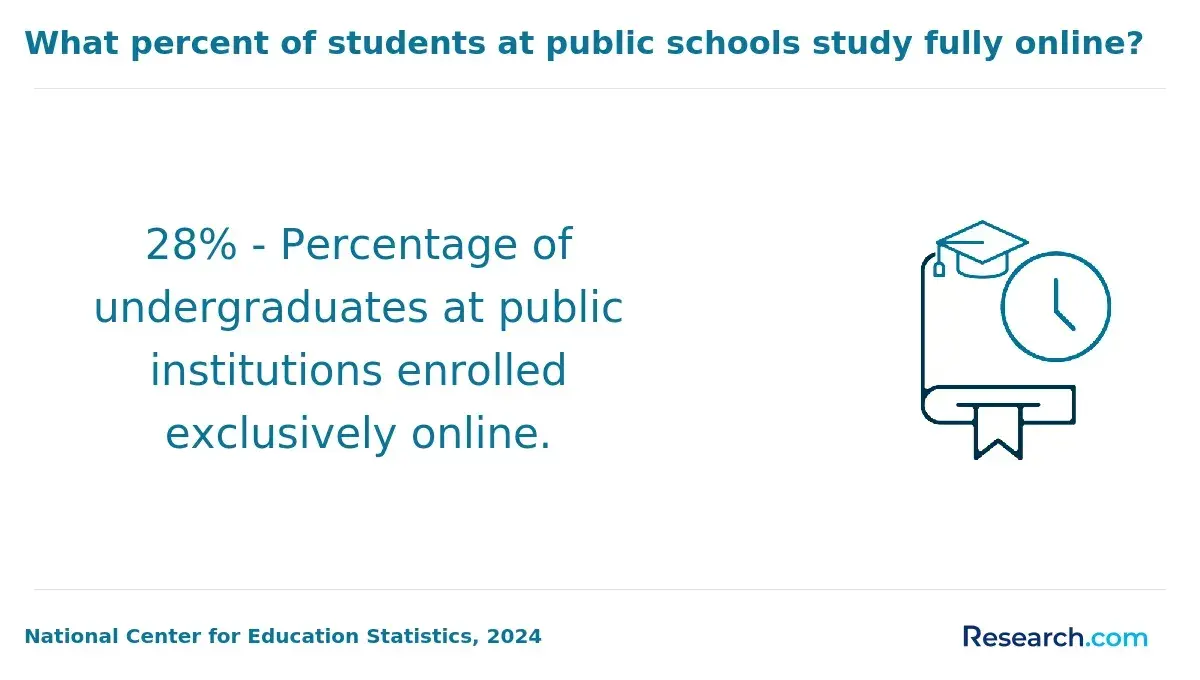
Recent data from the U.S. Department of Education highlights a 12% increase in enrollment among this age group over the past two years, reflecting real labor market pressures rather than casual educational pursuits. Additional drivers for re-enrollment include employer-sponsored tuition assistance programs and the expanding availability of flexible, often online, learning options designed to accommodate adult responsibilities like work and family. These practical considerations are critical when balancing education with other life commitments.
Furthermore, rising expectations for counselors to demonstrate competency in evidence-based practices demand ongoing skill development that programs increasingly emphasize. As licensure standards tighten and healthcare roles become more specialized, adult learners find themselves compelled to update their technical and clinical skills to maintain relevance in a competitive job market. The influx of adult students significantly influences how mental health counseling programs are structured, catalyzing growth in hybrid and fully online offerings that prioritize flexibility without compromising clinical training quality.
This shift also alters classroom dynamics, introducing a broader range of professional backgrounds and life experiences that enrich peer learning but also require faculty to tailor instruction accordingly. Understanding these patterns is essential for prospective students evaluating the accessibility and practical value of mental health counseling education in relation to their unique circumstances and workforce reentry goals.
How Do Academic Goals Vary Between Younger and Older Mental Health Counseling Students?
Younger students entering mental health counseling programs often approach their education with broad exploratory goals, emphasizing foundational theory and skills critical for initial licensure and entry-level clinical roles. Their academic focus is typically on building a comprehensive knowledge base and gaining research exposure, aligning with plans to either enter the workforce promptly or pursue advanced degrees. This cohort generally benefits from full-time study formats and structured curricula designed to prepare them for standardized credentialing processes, which many see as essential stepping stones.
According to the National Center for Education Statistics 2024 report, 44% of traditional-age students prioritize initial licensure, reflecting their intention to establish early professional credibility. In contrast, adult learners in mental health counseling programs usually bring prior work experience and competing responsibilities that shape more targeted academic objectives. Their priorities often involve acquiring specific competencies or certifications that directly enhance their current career trajectory or facilitate transitions from related fields.
Flexibility in program delivery, such as evening classes and online options, supports their need to balance employment and family obligations, enabling them to complete credentials that respond to evolving labor market demands. The same NCES data indicates 68% of these students aim for advanced certifications linked to tangible workplace outcomes, highlighting a pragmatic approach grounded in definitive professional advancement.
How Do Financial Concerns Differ Between Traditional Students and Adult Learners?
Traditional students pursuing a mental health counseling degree generally depend heavily on family support, scholarships, and federal financial aid such as Pell Grants or subsidized loans to manage tuition and living expenses. Their financial concerns tend to revolve around balancing these resources against the rising tuition cost and accruing long-term student debt, which can influence their educational and career decisions. Many traditional students can offset costs through part-time work or campus jobs, but this often requires careful scheduling to avoid impairing academic progress.
According to the National Center for Education Statistics, roughly 60% of these students consider financial aid a key factor in enrollment decisions, underscoring how structured aid helps shape their access and persistence despite financial strain related to tuition cost differences for traditional students and adult learners in mental health counseling programs. Adult learners face a distinct set of financial pressures anchored in their more complex income and family responsibilities. Returning to school often means forfeiting potential earnings by reducing work hours or navigating childcare and transportation costs, which create significant opportunity costs beyond tuition alone.
While some benefit from employer tuition reimbursement programs, these supports are neither widespread nor guaranteed, requiring adult students to weigh current financial obligations against the long-term value of educational investment. A 2024 survey from the Adult Learner Success Center found that 72% of adult learners cited financial strain as a major barrier to program completion, highlighting how debt tolerance and immediate economic demands critically influence their decision-making in mental health counseling programs.
Evaluating educational pathways also involves carefully calculating the return on investment, particularly for adult learners who prioritize programs aligned with market demand and practical outcomes. For those comparing options, including specialties like online PharmD, understanding these funding dynamics sheds light on the tradeoffs inherent in pursuing mental health counseling degrees at different life stages. Such insights offer a more nuanced lens on how financial challenges intersect with workforce participation and lifecycle economic decision-making in health-related graduate education.
What Challenges Do Adult Learners and Traditional Students Face While Earning a Mental Health Counseling Degree?
Traditional students in mental health counseling programs often encounter challenges rooted in adapting to the demands of higher education and managing relatively flexible but transitional schedules. Many in this group, typically aged 18 to 24, must establish disciplined study habits and develop resilience to academic pressures while handling new independence and social integration. Mental wellness concerns, such as anxiety and stress, frequently affect their ability to maintain consistent performance, with nearly 30% of undergraduates reporting elevated levels of these issues.
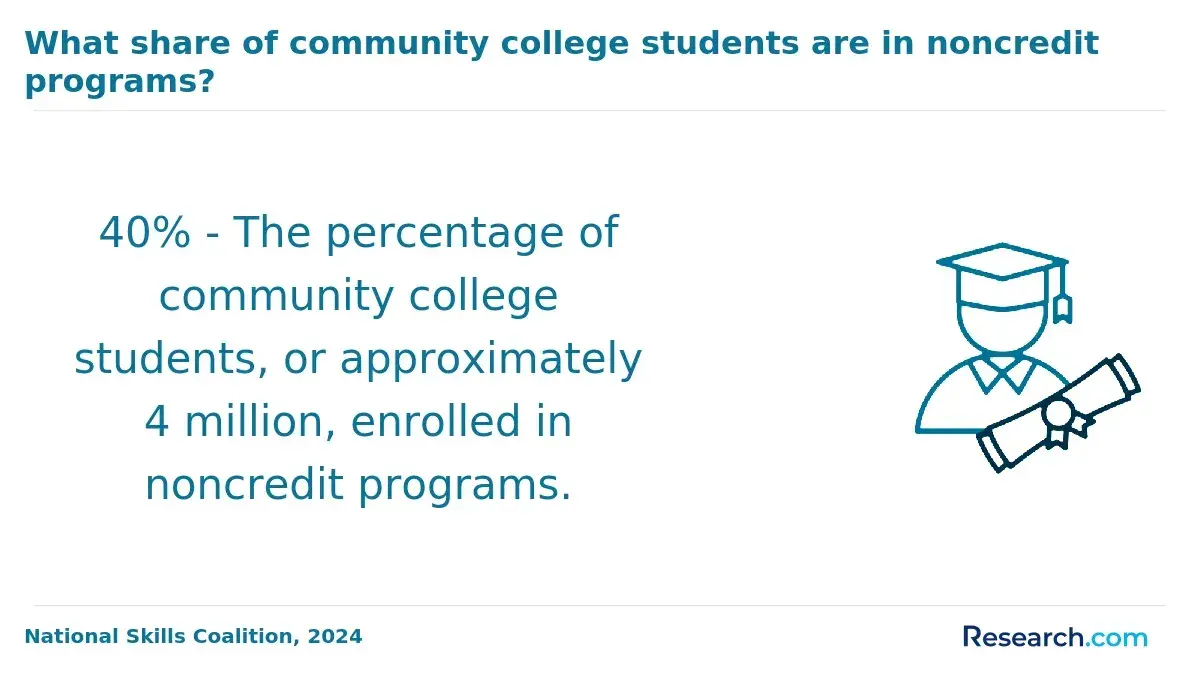
This cohort benefits from fewer external obligations but faces the critical task of balancing foundational coursework with limited prior professional experience. Adult learners pursuing mental health counseling face a complex intersection of demands, juggling employment, familial responsibilities, and educational goals concurrently. Approximately 40% of students over 25 report challenges tied to full-time jobs and caregiving roles, which constrain their availability and intensify stress related to time management.
Financial pressures weigh heavily as well, with over half funding their studies through personal savings or loans, potentially prolonging degree completion. Returning to academic environments after time away requires reacclimating to structured learning and integrating practical experiences like internships around inflexible professional schedules. These distinct realities necessitate adaptive institutional support, including flexible scheduling, hybrid course offerings, and targeted advising designed to address varied learner needs.
Programs that recognize these divergent life stages and external obligations can better facilitate degree progress and practical skill acquisition. Emphasizing flexible practicum arrangements and enhanced career support helps bridge gaps in field experience, improving alignment with employer expectations and enhancing long-term employability for both traditional and adult students. This focused responsiveness to student variability is critical amid growing demand across healthcare systems for competent mental health counseling professionals.
How Does Age Affect Mental Health Counseling Degree Student Retention?
Younger mental health counseling students often struggle with retention due to challenges in adapting to rigorous academic expectations and forming a clear professional identity early in their studies. Many in this age group encounter difficulties balancing academic obligations with emerging social pressures, which can weaken motivation and disrupt continuity. Their exploratory phase of career development frequently coincides with fluctuating commitment levels, making consistent engagement with coursework and institutional resources more elusive.
Data from the National Center for Education Statistics in 2024 shows traditional students maintain retention rates near 62%, underscoring these systemic adjustment hurdles. By contrast, adult learners in mental health counseling programs typically exhibit higher retention driven by defined vocational objectives and more mature learning strategies.
However, their persistence often contends with external constraints such as employment demands, family care, and financial responsibilities that require deliberate time management and strong institutional support to navigate successfully. These learners also proactively leverage available campus resources to balance competing obligations, which contributes to completion rates near 78%, according to recent NCES findings. Successfully addressing these time and resource pressures remains critical to sustaining engagement and minimizing dropout among mature students.
Which Mental Health Counseling Specializations Are Most Popular Among Adult Learners?
Adult learners pursuing mental health counseling degree programs tend to prioritize specializations that align directly with their existing work experience and immediate career goals rather than exploratory or broad academic interests. This pragmatic approach reflects the need to upskill efficiently while balancing professional and family obligations. A 2024 report from the National Board for Certified Counselors (NBCC) highlights that around 62% of adult learners select specializations that enhance their licensure eligibility and improve labor market outcomes.
- Clinical mental health counseling: This specialization offers adults wide-ranging licensure options and access to diverse employment settings such as healthcare facilities and private practice. Many working professionals choose it to solidify credentials that support stable, higher-paying roles aligned with their previous healthcare or counseling experiences.
- Trauma counseling: Adult learners with backgrounds or interests in crisis intervention often gravitate here, as rising demand for trauma-informed care drives job growth. Specializing in trauma provides a competitive edge for practitioners aiming to address complex client needs and expand clinical scope.
- Substance abuse counseling: Growing public health initiatives and certification pathways make this specialization attractive for those seeking rapid career transitions or advancement within behavioral health. Professionals often leverage prior human services experience when entering this in-demand field.
- Marriage and family therapy: This area appeals to adult students with experience in social services or community organizations who want a specialization targeting relational and systemic client issues, often translating into niche private practice opportunities.
- Rehabilitation counseling: Adults with backgrounds in vocational or disability services frequently select this path to integrate counseling skills with workforce reintegration, meeting employer demand for specialists supporting clients with disabilities.
- School counseling focused on adolescent mental health: Experienced educators or those pivoting into educational settings often choose this option to fill critical gaps in school-based mental health support, responding to increasing awareness of adolescent psychological needs.
This pattern of specialization choice among adult learners demonstrates a clear strategic focus on bridging existing skill sets with market needs for career advancement or transition. The emphasis is on specializations offering practical credentials that facilitate smoother workforce mobility, higher wage potential, and the ability to meet evolving employer expectations.
For more insights on related credentials and approved programs, reviewing online school psychology programs NASP approved can provide context on complementary career pathways. Such informed decision-making is critical for mature students navigating both professional development and shifting labor market demands in mental health counseling.
How Does Age Affect Job Opportunities for Mental Health Counseling Graduates?
Younger mental health counseling graduates often benefit from employer preferences favoring recent academic experience, especially for roles requiring supervised clinical hours or internships. This cohort typically gains access to structured entry-level opportunities that include onboarding pipelines aligned with their academic timelines, though they face heightened competition due to large enrollment pools. Early career positioning for these graduates hinges on the quality of internship placements and licensure progress, factors that influence hiring priorities more than age alone.
Labor data from 2024 indicates that traditional students benefit from a longer career runway, a critical aspect in workforce planning, which can impact job access during their initial post-graduation stages, reflecting clear labor market segmentation by experience and training recency in mental health counseling career opportunities by age. Conversely, older graduates leverage prior professional experience and emotional intelligence, assets highly valued in client-centered mental health roles, which often translate into stronger candidacy for community organizations and private practice settings.
While some adult learners face subtle age-related biases, many employers prioritize transferable skills and demonstrated interpersonal competencies when hiring, especially for specialized or supervisory positions. The higher job placement rate for adult learners-12% greater within the first year post-graduation-demonstrates how practical work history can offset conventional entry barriers. Aligning with trends in workforce specialization, those considering educational pathways should also evaluate interdisciplinary alternatives like the shortest online medical billing and coding certificate programs as complementary skill sets that widen employment prospects within healthcare systems.
What Do Current Mental Health Counseling Enrollment Trends Reveal About Future Demand?
Shifting enrollment patterns in mental health counseling degree programs reveal evolving student priorities and perceptions of career value. The 2024 National Center for Education Statistics report highlights a plateau or slight decline in traditional college-age student participation, contrasted by a 4.2% annual growth among adult learners. This divergence indicates an increasing number of mature students seeking career transitions or skill upgrades, often favoring programs that offer flexibility through part-time, online, or hybrid formats.
Such enrollment behavior reflects a realignment of educational pathways toward accommodating diverse life circumstances and pragmatic workforce entry points rather than conventional academic trajectories. These enrollment trends align closely with labor market signals emphasizing the demand for adaptable, experienced mental health professionals amid ongoing workforce shortages and sector growth.
The U.S. Bureau of Labor Statistics projects a 22% increase in counseling jobs by 2032, underscoring expanding industry needs driven by rising mental health service utilization and systemic healthcare integration. Consequently, program expansions and specialization development are likely to focus on practical competencies, technological fluency, and flexible delivery to match employer expectations and emerging care models. This dynamic suggests that current enrollment behavior not only forecasts future degree relevance but also shapes educational offerings responsive to shifting labor demands and professional standards.
References:
- Student Mental Health and Education https://learningpolicyinstitute.org/product/student-mental-health-education-factsheet
- Importance of Mental Health Services on College Campuses - TimelyCare https://timelycare.com/blog/mental-health-services-on-college-campuses/
- 5 Reasons Neumann's MS in Clinical Mental Health Counseling Stands Out https://learn.neumann.edu/neuperspectives/5-reasons-neumanns-ms-in-clinical-mental-health-counseling-stands-out
- Is a Clinical Mental Health Counseling Degree Right for Me? https://www.cambridgecollege.edu/blog/clinical-mental-health-counseling-degree-right-for-me
- The School Counselor and Retention, Social Promotion and Age-Appropriate Placement https://www.schoolcounselor.org/Standards-Positions/Position-Statements/ASCA-Position-Statements/The-School-Counselor-and-Retention,-Social-Promoti
- Ageism and the Counseling Profession: Causes, Consequences, and Methods for Counteraction - The Professional Counselor https://tpcjournal.nbcc.org/ageism-and-the-counseling-profession-causes-consequences-and-methods-for-counteraction-2/
- Mental Health and Post-traditional Learners https://www.higheredtoday.org/2019/04/22/mental-health-post-traditional-learners/
- Adult Education: A Pathway To Enhanced Wellbeing And Health https://londonschoolofcounselling.co.uk/adult-education-a-pathway-to-enhanced-wellbeing-and-health/
- Mental Health Support Proven to Improve Student Retention - Medicat https://medicat.com/mental-health-support-proven-to-improve-student-retention/
- Education as a Path to Purpose and Mental Health https://www.thechicagoschool.edu/insight/uncategorized/how-higher-education-can-boost-mental-health-and-career-success-starting-or-returning-to-college-in-uncertain-times/
Other Things You Should Know About Mental Health Counseling
In 2027, mental health counseling programs see a growing trend of adult learners aged 30-50 enrolling, driven by career changers and those seeking upskilling, with traditional students aged 18-24 maintaining steady enrollment levels. This shift reflects a broader interest in mental health professions among mid-career individuals.
Programs targeted at traditional students frequently have more structured pathways leading to clinical placements, which can result in smoother transitions to licensure exams. Adult learners attending part-time or online programs might face delays or difficulties securing supervised clinical hours due to scheduling conflicts or location limitations. Prospective students should prioritize programs with strong clinical support networks that accommodate their enrollment style, as inadequate practical experience can hinder both exam readiness and job qualification.
Traditional students often experience peer groups with more homogenous age and life stage, which can facilitate a shared cultural perspective but limit exposure to diverse viewpoints. Adult learners studying alongside younger students may benefit from broader perspectives that enhance empathy and cultural competence-key traits in mental health counseling-but could also face challenges in relating socially or collaborating due to differing priorities and life experiences. Choosing a program with a balanced age mix can enrich professional development, though learners must be prepared to bridge generational gaps to maximize learning benefits.
Adult learners should verify that the program includes at least 100 practicum hours and 600 internship hours, plus approved site supervision and a supervisor with a master’s degree and licensure where required. These clinical hours must align with the state licensing board’s rules before graduation.