2027 Anthropology Degree Completion Rates by Format: Online, Hybrid, and Campus Programs Compared

Co-Founder and Chief Data Scientist
Choosing how to complete an anthropology degree involves weighing practical and academic factors. A prospective student faces decisions about balancing flexibility, engagement, and support when selecting between online, hybrid, and campus formats. Each option presents distinct challenges that influence persistence and the likelihood of degree completion. Understanding these differences is essential for making an informed choice aligned with long-term goals.
Completion rates vary significantly across formats, reflecting underlying factors like student motivation, access to resources, and learning environment dynamics. Employers often consider the rigor and credibility associated with different delivery methods. This article compares online, hybrid, and campus anthropology degree completion rates, examines key influences on student success, and guides prospective students toward the format best suited to their educational and career objectives.
Key Things to Know About Anthropology Degree Completion Rates by Format
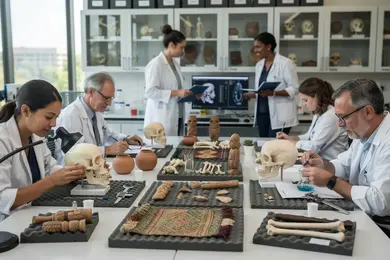
- Online anthropology degree completion rates average 55%, reflecting challenges in sustaining engagement without face-to-face mentorship, which may delay professional trajectory in fieldwork-intensive roles.
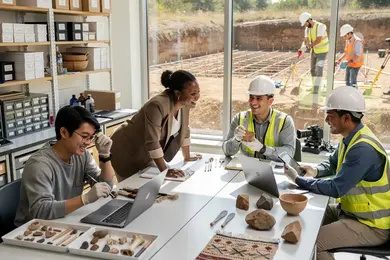
- Hybrid formats show approximately 70% completion, balancing remote flexibility with essential campus interactions that reinforce research skills critical for ethnographic accuracy.
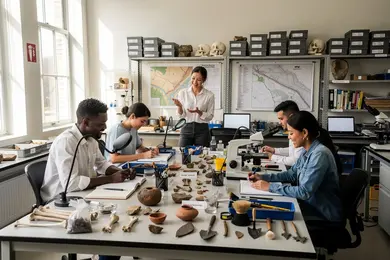
- Campus-based programs report near 80% completion, indicating that immersive environments foster sustained peer collaboration and direct access to field resources vital for mastery in anthropology careers.
- Key Things to Know About Anthropology Degree Completion Rates by Format Key Things to Know About Anthropology Degree Completion Rates by Format
- How Do Completion Rates Compare Across Online, Hybrid, and Campus Anthropology Programs? Completion Rate Comparison
- What Factors Have the Greatest Impact on Anthropology Degree Completion? Degree Completion Factors
- Which Anthropology Degree Format Is Hardest to Complete? Completion Difficulty
- How Does Each Anthropology Learning Format Affect Student Success? How Does Each Anthropology Learning Format Affect Student Success?
- How Does Enrollment Status Affect Anthropology Completion Rates? How Does Enrollment Status Affect Anthropology Completion Rates?
- Can Transfer Credits Improve Anthropology Degree Completion? Transfer Credits
- What Student Support Services Improve Anthropology Completion Rates? Student Support Services
- How Do Anthropology Completion Rates Affect Career Outcomes? Impact on Career Outcomes
- How Should Students Choose the Best Anthropology Learning Format? Choosing the Best Format
- What Are the Long-Term Pros and Cons of Each Anthropology Learning Format? Learning Format Pros & Cons
How Do Completion Rates Compare Across Online, Hybrid, and Campus Anthropology Programs?
Completion rates across online, hybrid, and campus anthropology programs often reflect the diverse characteristics of their student populations more than direct indicators of program quality. Students choosing campus programs typically benefit from structured environments and fewer external competing demands, while online learners may face distinct challenges that impact persistence. Recognizing these nuances is crucial when using completion rates as part of evaluating degree options, since they reveal more about student circumstances and engagement than instructional rigor alone. This contextual approach helps interpret anthropology degree completion rates by program format in a meaningful way.
Variation in graduation success in online, hybrid, and campus anthropology programs can largely be traced to factors such as work commitments, enrollment intensity, and access to institutional support. Campus programs generally deliver higher completion rates owing to immersive schedules and in-person resources. Hybrid formats offer moderate flexibility paired with some direct interaction, balancing the needs of working students who require adaptability without sacrificing all campus engagement. Fully online programs tend to show lower graduation success, often due to unique personal responsibilities and limited supervision, though they provide unmatched convenience. Ultimately, student motivation and time management play pivotal roles regardless of the delivery method.
Prospective students can leverage completion rate comparisons alongside their individual learning preferences, time availability, and professional demands to select the format most conducive to degree attainment. Those needing extensive flexibility may consider online options but should plan for additional self-discipline and seek programs with strong community support, such as those recommended in online certification programs. Meanwhile, individuals who thrive with face-to-face interaction and structured timelines might favor campus or hybrid paths. Aligning program format with personal circumstances and goals remains essential to improving one's likelihood of completing an anthropology degree successfully.
What Factors Have the Greatest Impact on Anthropology Degree Completion?
Successful completion of an anthropology degree depends on a nuanced balance of personal circumstances, academic preparation, and the nature of the program itself-not on motivation alone. Students who excel tend to navigate challenges by leveraging structured supports, effective time management, and consistent engagement with faculty and peers. Recognizing the multifaceted nature of completion helps prospective students set realistic expectations and build strategies suited to their individual situation. Key factors influencing degree outcomes include the following.
- Academic readiness and prior preparation: Students entering programs with strong foundational skills such as critical reading, writing, and research aptitude are more likely to persist. For example, a student transferring with college credits or a high school GPA above 3.0 often handles challenging coursework better, regardless of whether they study online or on campus. Institutions can aid success by assessing and supporting academic gaps early.
- Student engagement and faculty interaction: Close, frequent connections with instructors and classmates improve persistence by offering motivation and clarifying expectations. Campus students may benefit naturally from in-person interaction, while online students need robust virtual platforms to foster similar engagement. Consistent involvement in discussions and group projects enhances commitment to completion.
- Financial stability and time management skills: Balancing work, family, and school demands disproportionately affects online students juggling multiple responsibilities. Data from the Postsecondary National Policy Institute shows up to a 40% higher risk of noncompletion for students facing conflicting demands. Developing budgeting and scheduling skills is critical to mitigate these pressures, especially for part-time learners.
- Institutional support and advising quality: Access to proactive academic advising, onboarding processes, and resources such as career services strongly correlates with graduation rates. Campus programs often provide more holistic support, but leading online programs are increasingly bridging these gaps through virtual student services. Students benefit by actively seeking guidance and utilizing available supports.
- Program format and structure alignment: The choice between campus, hybrid, or fully online formats impacts degree completion through differences in routine, accountability, and learning environment. Hybrid models can offer a best-of-both-worlds approach but require careful scheduling to maintain consistency. Students should honestly assess which format matches their learning style and life demands.
- Self-regulation and motivation management: Persistence is heavily influenced by a student's ability to self-motivate and regulate study habits, especially in online settings where external structure is minimal. Regular goal setting, time blocking, and utilizing digital reminders enhance focus. Students prone to procrastination may struggle without additional support mechanisms.
In practical terms, a working parent pursuing an anthropology degree online might struggle without strong financial support and time management, while a high school graduate with advanced credits and daily campus interaction may face fewer barriers. The interplay of factors affecting anthropology degree completion rates shows no single guarantee, only the cumulative effect of preparedness, engagement, and support working in tandem. For students exploring options, also consider how well their chosen program integrates resources found in, for example, an online game design degree or other fields blending technology and academic rigor, which reflect evolving models of virtual learning and service.
Which Anthropology Degree Format Is Hardest to Complete?
Completion rates for anthropology degrees vary notably by program format, with fully online options consistently showing the lowest persistence figures. Data from the National Center for Education Statistics in 2024 reveals that retention and graduation rates for online undergraduates trail on-campus programs by roughly 15 to 20 percentage points. This gap largely stems from the less structured, self-directed nature of online learning, which demands strong time management and sustained motivation-factors that can be challenging for students balancing outside responsibilities without the daily campus immersion or peer interaction.
In contrast, hybrid programs tend to yield moderate completion rates, benefiting from a blend of face-to-face engagement and online flexibility. While they improve social and academic integration compared to fully online programs, their dual demands on scheduling and time management can present added strain for students juggling work or family. Traditional campus anthropology degrees demonstrate the highest completion rates, offering steady access to faculty, communal study environments, and campus resources that foster accountability and professional networking. However, these advantages may not align with every student's life context, making format choice a complex tradeoff rather than a straightforward predictor of success.
One anthropology graduate who initially pursued a fully online program found herself struggling to stay on track amid a busy work schedule and family obligations. She decided to transfer into a hybrid program mid-degree, hoping the occasional campus visits would provide needed structure. Although the in-person sessions helped reestablish academic routine and connections with faculty, she recalls how managing two separate course delivery modes often felt overwhelming. Ultimately, the increased accountability of face-to-face interactions boosted her perseverance, but only after she had confronted both the benefits and unexpected complexities of the hybrid format firsthand.
How Does Each Anthropology Learning Format Affect Student Success?
Student success in anthropology degree programs depends less on the format itself and more on how well each mode fits individual needs, including learning preferences, time availability, and outside responsibilities. For instance, a working parent juggling shifts may thrive in a hybrid setup that offers some scheduled in-person sessions for engagement but still maintains flexibility. Conversely, a student who values direct faculty interaction and a structured routine may find campus-based programs easier to persist in. Understanding these dimensions is essential before choosing a format. Below are key factors showing how different learning modes influence completion and achievement.
- Access to Faculty and Resources: Campus-based anthropology programs typically provide more immediate, direct contact with professors and access to libraries, labs, and study groups. This proximity often boosts engagement and offers timely academic support, which is crucial for students needing structure and personalized guidance.
- Flexibility versus Accountability Balance: Hybrid programs blend online convenience with in-person check-ins, helping students maintain motivation through scheduled sessions while managing other commitments. This mix suits learners who benefit from social accountability but require some scheduling flexibility.
- Isolation Challenges in Online Learning: Fully online programs can lead to feelings of disconnection and less spontaneous interaction, heightening dropout risks for those who struggle without regular peer or faculty contact. However, programs with active virtual advising and interactive platforms can alleviate these issues, aiding persistence for self-directed students.
- Impact of Structured Schedules: Fixed in-person class times on campus create routines that support consistent study habits and timely progress. Students who excel with routine generally experience higher completion rates in this format compared to the open-ended pacing online courses often allow.
- Peer Interaction and Community Building: Campus and hybrid formats facilitate stronger peer networks through face-to-face collaboration, discussion, and shared experiences. These social bonds have been linked to improved academic motivation and lower attrition rates, especially in disciplines like anthropology where discussion and contextual learning matter.
- Institutional Support Variability: The level of advising, tutoring, and technological support significantly influences success across all formats. Recent 2024 data from the National Student Clearinghouse Research Center highlights that campuses offering robust online engagement tools and proactive academic counseling have narrowed the performance gap between fully online and traditional setups.
- Alignment with Student Life Circumstances: Students balancing jobs, family, or health issues often favor online or hybrid formats due to flexibility, but must weigh this against the potential need for stronger self-discipline and proactive resource use to complete their degree.
How Does Enrollment Status Affect Anthropology Completion Rates?
Enrollment status is a critical factor shaping anthropology degree completion rates, but its effects hinge on individual circumstances rather than simply the number of courses taken. While full-time enrollment is often associated with faster graduation, this is not a universal rule; part-time students may succeed depending on their life context and support systems. Therefore, rather than focusing solely on full-time versus part-time status, prospective students should assess how enrollment interacts with their personal responsibilities, motivation, and access to resources. The following points outline the primary ways enrollment status influences anthropology degree completion.
- Time Commitment and Academic Momentum: Full-time students benefit from a concentrated schedule that fosters consistent study habits and facilitates faster degree completion. This steady engagement helps sustain momentum across semesters, making it easier to meet academic milestones.
- Balancing External Responsibilities: Part-time students often juggle employment, family, or other obligations, which can delay progress in anthropology programs. Students with demanding outside commitments should realistically assess their capacity to maintain regular coursework without risking burnout or withdrawal.
- Interaction with Faculty and Peers: Online part-time students may experience reduced social interaction and mentorship opportunities, which can weaken academic persistence. Hybrid formats offering some face-to-face engagement help build stronger academic networks, improving support and retention.
- Access to Institutional Resources: Full-time enrollment typically enables more seamless access to campus facilities, advising, and extracurricular activities, all factors linked to higher completion rates. Part-time students need to proactively seek out these supports to offset limited on-campus presence.
- Completion Rate Disparities: Data from the National Center for Education Statistics shows that full-time anthropology students graduate within the standard timeframe at rates approximately 30% higher than part-time students. Recognizing this gap helps set realistic expectations.
- Flexibility Versus Structure Tradeoffs: While part-time enrollment offers flexibility appealing to working adults, its lack of a structured framework may reduce accountability. Choosing a program with built-in milestones or cohort progression can mitigate these risks.
- Long-Term Career Impact: Completing an anthropology degree faster through full-time study can lead to earlier entry into the workforce and potential income gains. However, part-time paths can still support career advancement if balanced well with professional experience.
Those considering enrollment should also explore related options such as certificate programs that complement or accelerate their career trajectories in anthropology and associated fields.
Can Transfer Credits Improve Anthropology Degree Completion?
Transfer credits can meaningfully shorten the time needed to complete an anthropology degree, but their impact depends on how well prior coursework aligns with a program's specific requirements. Data from the National Center for Education Statistics in 2024 shows that accepting transfer credits can reduce time-to-degree by roughly 20%, a significant factor in improving graduation rates and lowering costs. However, this benefit is not uniform for all students, as applicability varies widely based on institutional policies and program structure.
For example, a student who completed several relevant courses at a community college before enrolling in an online anthropology program may find that articulation agreements allow most of those credits to count toward their degree, enabling them to skip introductory classes and focus on advanced subjects. This targeted credit recognition can reduce redundancy and accelerate progress. Conversely, a student transferring into a campus-based anthropology program might face tighter scrutiny of credit relevance, especially if previous coursework doesn't closely match the curriculum, potentially resulting in fewer accepted credits and a longer path to graduation.
Students with military training or professional education often encounter similar complexities; while some credits may transfer, others might not fulfill essential requirements, requiring careful review. Hybrid programs typically offer a more flexible environment where transfer credits can be strategically applied, balancing online convenience with face-to-face guidance, which may enhance both completion rates and academic support.
Prospective students should request an official credit evaluation before enrolling and closely compare the number of remaining credits to their anticipated course load. Simply transferring credits does not guarantee faster degree completion; the key lies in how many credits apply directly to major requirements and whether the institution's transfer policy aligns with the student's academic history.
Ultimately, transfer credits can be a valuable tool for many anthropology students to avoid repetitive coursework and graduate sooner, but successful degree completion also relies on thoughtful program selection, credit applicability, and consistent academic effort beyond credit transfer itself.
What Student Support Services Improve Anthropology Completion Rates?
The likelihood of completing an anthropology degree is strongly influenced by the type and quality of student support services available, which vary notably across online, hybrid, and campus-based programs. Tailored support that addresses specific academic and personal challenges can mitigate common obstacles to persistence. Below are key support services linked to improved degree completion rates, backed by recent 2024 data from recognized educational research bodies.
- Specialized Academic Advising: Advisors familiar with anthropology or related social sciences provide guidance aligned with discipline-specific requirements and career paths. National Center for Education Statistics data shows students with access to such specialized advising are 20% more likely to graduate within six years.
- Synchronous Tutoring Services: Real-time tutoring, especially in online formats, offers immediate academic assistance, reducing confusion and frustration that often lead to dropout. The Online Learning Consortium reports higher retention for students engaging in live support sessions.
- Integrated Career Counseling: Guidance that connects academic progress with tangible employment outcomes helps maintain motivation. Early career planning tailored to anthropology's diverse fields strengthens persistence through clearer long-term goals.
- Mentorship Programs in Hybrid Formats: Structured mentorship combining in-person contact with digital interactions fosters deeper student-faculty relationships, boosting accountability and motivation. The Council for Adult and Experiential Learning finds these students show a 15% improved completion rate.
- Access to Discipline-Specific Resources: On-campus library collections and online databases dedicated to anthropology, combined with peer study groups, reinforce learning and engagement crucial for demanding coursework.
- Psychological and Time-Management Support: Services addressing stress, particularly for first-generation and underrepresented students, correlate with greater persistence by helping students balance academic and personal demands.
- Virtual Writing and Research Centers: For online learners, tailored support in developing anthropological research skills reduces barriers to completing key assignments and theses.
One recent online anthropology graduate recalls wrestling with balancing full-time work and coursework when she questioned whether she could finish her degree. What tipped the scales was the availability of synchronous tutoring sessions late at night paired with a virtual writing center that helped her refine complex research papers. While initially hesitant to reach out, she later credited these services for reducing her isolation and boosting her confidence during critical semesters. This experience illustrates how timely, accessible academic support tailored to the rigors of anthropology study can be as vital as personal determination in securing degree completion.
How Do Anthropology Completion Rates Affect Career Outcomes?
Completing an anthropology degree substantially influences career trajectories by enhancing employability, earnings, and further academic opportunities. Data from the National Center for Education Statistics reveals that bachelor's degree holders are over 20% more likely to be employed full-time and earn higher lifetime wages compared to non-completers. While online, hybrid, and campus formats each have distinct challenges affecting completion rates, ultimately, finishing the degree drives long-term career outcomes. The following points highlight key career-related impacts tied directly to anthropology degree completion.
- Enhanced job market access and employability for graduates of campus and hybrid programs: Students who complete traditional campus or hybrid anthropology degrees often benefit from in-person learning experiences, including fieldwork and faculty mentorship, which foster practical skills and professional networks highly valued by employers. Persistence to graduation increases the likelihood of securing stable, relevant employment, particularly for those balancing academic and personal commitments.
- Increased earning potential linked to bachelor's degree attainment: Degree completion correlates strongly with higher lifetime earnings, reflecting the premium employers place on verified credentials and comprehensive anthropological knowledge. This financial advantage is observed across delivery formats but is moderated by additional factors like work experience and regional labor market conditions.
- Improved access to graduate education and specialized roles: Completion of an anthropology degree is often a prerequisite for advanced study or research positions, prerequisites that non-completers lack. Students who successfully graduate-including those who pursue an associate degree online as part of their pathway-are better positioned to continue their education and qualify for specialized career tracks.
- Challenges in demonstrating applied skills for online graduates without supplemental experiences: Online anthropology degree holders may face obstacles proving practical competencies to employers or graduate programs unless they supplement their studies with internships, applied projects, or fieldwork. Completing these components alongside online coursework improves job placement prospects despite lower online completion rates.
How Should Students Choose the Best Anthropology Learning Format?
Selecting the best anthropology degree format for student success depends heavily on individual needs and circumstances, rather than a one-size-fits-all solution. Recent 2024 data from the National Center for Education Statistics reveals that degree completion is strongly linked to the fit between a student's profile and the program format. For example, a student working full-time with family responsibilities may find an online program's flexibility essential, whereas a learner who thrives on social interaction may prefer a campus setting. Below are key factors students should evaluate to make an informed choice.
- Self-discipline and time management: Online programs demand strong organizational skills because students must independently regulate study schedules. Those struggling with procrastination often benefit from hybrid or campus formats that provide more structured environments and regular deadlines.
- Work and family commitments: Students juggling jobs or caregiving frequently prefer online or hybrid formats, which offer adaptability. Campus programs may pose challenges for such students due to fixed class times and commuting requirements.
- Desire for hands-on experience: Anthropology often involves fieldwork and ethnographic methods best supported through campus-based or hybrid formats offering practical labs and face-to-face mentorship. Purely online programs may limit these opportunities, impacting skill development.
- Technological proficiency: Comfort with digital tools is crucial in online formats; students less adept with technology face higher attrition risks. Hybrid and campus formats can mitigate this by combining digital and in-person support.
- Social engagement needs: Campus environments foster peer collaboration and direct faculty interaction, enhancing motivation and persistence for students who rely on community. Online learners must proactively seek interaction, which not all manage equally well.
- Long-term academic and career goals: Choosing a format aligned with developing practical skills aids transition to employment. Students interested in roles like forensic profiling can explore structured programs while considering guidance on how to become a profiler.
- Prior academic preparation: Students with strong foundational skills often adapt to any format, but those needing extra support may find campus or hybrid programs provide better access to tutoring and academic resources.
These considerations illustrate how choosing between online, hybrid, and campus anthropology programs is a strategic decision shaped by learners' unique profiles. The best anthropology degree format for student success maximizes alignment between program demands and personal circumstances to support degree completion and meaningful employment outcomes.
What Are the Long-Term Pros and Cons of Each Anthropology Learning Format?
Evaluating long-term benefits and challenges of anthropology degree formats reveals distinct strengths and trade-offs critical for aligning education with career goals. Campus programs provide immersive, hands-on experiences crucial for fieldwork but require substantial time and financial commitments. Online programs offer flexibility that supports working adults and remote learners but often suffer from higher attrition and limited experiential learning. Hybrid formats blend both approaches, improving engagement while demanding strong self-management. Consider these key factors when choosing the best fit:
- Quality of experiential learning: Campus students gain direct access to fieldwork and mentorship, enhancing practical skills essential in anthropology careers, while online learners face reduced hands-on opportunities. Hybrids offer periodic in-person experiences, balancing flexibility with immersion.
- Completion and retention rates: 2024 data from the National Education Research Agency show campus programs have 15% higher completion rates than online. Hybrid models improve retention by 10%, indicating a middle ground that supports diverse student needs.
- Career networking opportunities: In-person cohorts facilitate stronger professional relationships and research collaborations, benefiting campus participants most. Online formats may limit networking unless supplemented by virtual communities. Hybrid students leverage both but must actively engage.
- Flexibility for nontraditional students: Online and hybrid programs accommodate work and family commitments better than campus-only paths, enabling sustained progress without geographic constraints.
- Financial and time investments: Campus attendance often entails higher living and commuting costs; online formats reduce these but may extend time to degree without structured schedules.
- Self-discipline and time management demands: Hybrid and online learners require significant self-motivation to balance studies with other responsibilities, whereas campus students benefit from structured environments and routine.
- Employer preferences and field credibility: Employers in applied anthropology value verified field experience and collaborative projects commonly gained on campus, making this format advantageous for those targeting research-intensive roles.
References:
- Ten Things about Anthropology for K–12 Education - Anthropology News https://www.anthropology-news.org/articles/ten-things-about-anthropology-for-k-12-education/
- Day in the life of an Anthropology student https://durham-student.org/day-in-the-life-of-an-anthropology-student/
- The anthropological career in Europe: a summary of findings and recommendations https://easaonline.org/publication/the-anthropological-career-in-europe-a-summary-of-findings-and-recommendations/
- Top 20 Low-Cost Online Bachelor's in Anthropology https://www.greatvaluecolleges.net/rankings/online-bachelors-anthropology/
- Research mentorship for anthropology students https://riseglobaleducation.com/blogs/research-mentorship-for-anthropology-students
- Is Online Learning Here to Stay? Trends & Insights for 2026 https://www.calmu.edu/is-online-learning-here-to-stay-trends-insights-for-2026
- Bachelor of Arts in Anthropology Degree Program Guide https://www.ualberta.ca/en/arts/programs/undergraduate-programs/program-guides/ba-anthropology.html
- 2025 Most Affordable Online Colleges for Anthropology Degrees https://www.onlineu.com/most-affordable-colleges/anthropology-degrees
- College Pathways https://www.wlu.ca/programs/arts/undergraduate/anthropology-ba/college-pathways.html
- Online Anthropology, B.A. - Earn Your Anthropology Degree Online https://www.msudenver.edu/online/anthropology-ba/
Other Things You Should Know About Anthropology
Online anthropology programs often offer greater scheduling flexibility, which can enhance completion rates for students balancing work or family commitments. However, this flexibility may also challenge learners who struggle with self-discipline, resulting in procrastination or uneven progress. In contrast, campus programs typically follow fixed semester timelines with scheduled classes, providing structured pacing that benefits students who learn best within routine and direct oversight. Hybrid programs attempt to balance these elements, but uneven integration of online and in-person components can create scheduling conflicts that slow completion for some students.
Campus programs offer immersive experiences through fieldwork, lab access, and face-to-face collaboration, which are crucial in anthropology for skills like excavation techniques and ethnographic observation. This hands-on engagement often motivates students to persist and complete their degrees. Conversely, online programs may limit direct field opportunities, requiring students to seek local or virtual alternatives, which could delay degree progress or weaken applied competencies employers expect. Hybrid formats that incorporate experiential elements tend to support completion better but depend on how well the program integrates these practical components.
Employers in anthropology-related fields tend to value degrees from accredited programs regardless of format but often favor graduates with demonstrated practical experience. Campus programs often facilitate internships and research projects directly, which can enhance employability and motivate timely degree completion. Online or hybrid students should prioritize programs offering strong external placement or project options to mitigate this gap. For those targeting research-intensive or fieldwork-heavy careers, completing a campus or hybrid program with substantial in-person components is generally more advantageous.
Strong peer and faculty engagement significantly affects persistence in anthropology studies because of the discipline's collaborative nature. Campus programs provide richer opportunities for networking, mentorship, and immediate academic support, which correlates with higher completion rates. Online learners face challenges in developing these connections, potentially increasing isolation and attrition risk, unless the program actively fosters virtual community and interaction. Hybrid programs may offer a compromise but require careful assessment of how effectively they enable meaningful social learning experiences before enrollment.