2027 Anthropology Career Outcomes by Degree Level Report: Pay, Employment, and Advancement Patterns

Co-Founder and Chief Data Scientist
Choosing the right degree level in anthropology poses a critical challenge for students balancing financial cost, time investment, and career outcomes. A 2024 National Science Foundation report found that while doctoral anthropology holders have higher employment rates in research and academia, over 60% of bachelor's degree holders also secure relevant public-sector and private-sector roles, often with slower advancement.
This divergence highlights how degree choice shapes access to specialized roles versus broader workforce entry. Understanding these nuanced patterns is essential for adults evaluating whether to pursue undergraduate, graduate, or terminal degrees in anthropology. This article analyzes pay, employment, and advancement trends by anthropology degree level to guide informed educational decisions.
Key Things to Know About Anthropology Career Outcomes by Degree Level
- Doctoral degrees in anthropology correlate with higher advancement rates in academic and research roles, reflecting employer preference for advanced specialization despite longer time-to-degree increasing opportunity costs.
- Bachelor's-level graduates face broader job-market access but often encounter plateaued salary growth and limited leadership roles, indicating workforce demand for practical skills over theoretical knowledge at this credential.
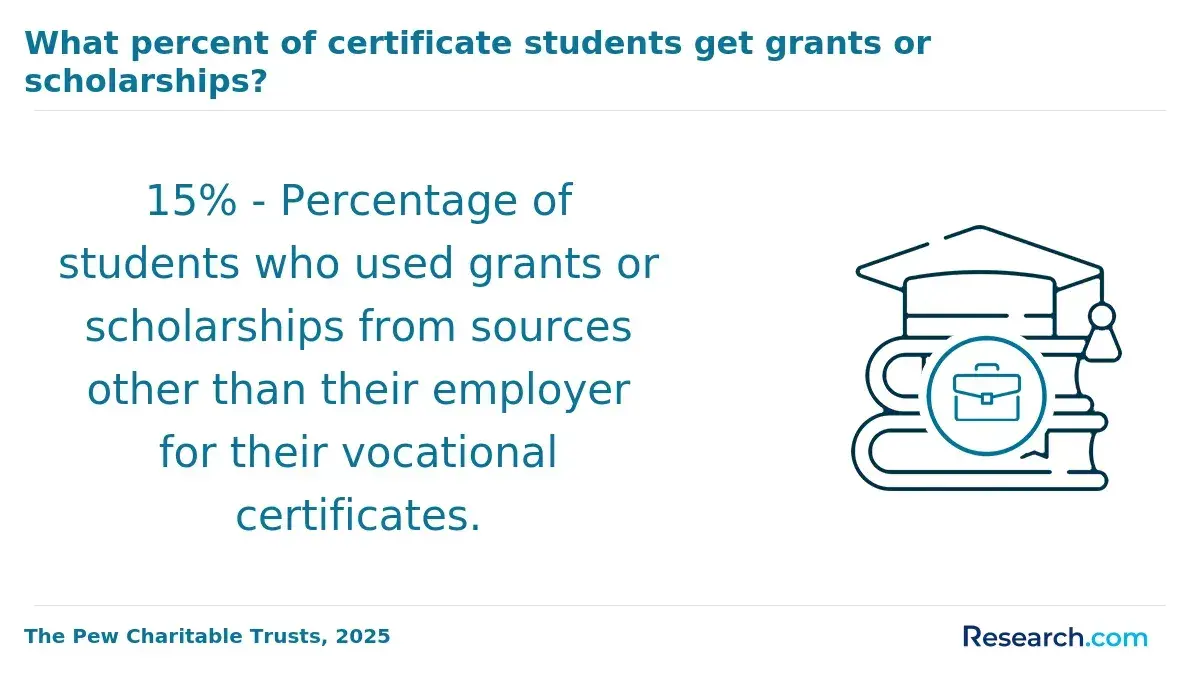
- Certificate programs offer rapid credentialing for niche skills, but labor-market datasets show limited impact on long-term employment stability, emphasizing tradeoffs between cost, speed of entry, and sustained career progression.
- Key Things to Know About Anthropology Career Outcomes by Degree Level Key Things to Know About Anthropology Career Outcomes by Degree Level
- What Career Outcomes Can Students Expect From Each Anthropology Degree Level? Career Outcomes by Degree
- How Much Do Anthropology Graduates Earn by Degree Level? Salary by Degree Level
- Which Anthropology Degree Level Offers the Strongest Employment Prospects? Best Degrees for Employment
- What Entry-Level Jobs Can You Get With a Anthropology Degree? Entry-Level Career Opportunities
- How Do Anthropology Degree Levels Affect Career Advancement and Promotion Opportunities? Career Growth by Degree
- Is a Anthropology Degree Worth It Based on Salary, Employment, and ROI? Salary, ROI, and Value
- How Do Associate, Bachelor's, Master's, and Doctoral Anthropology Degrees Compare? Comparing Degree Levels
- Which Industries and Employers Hire Anthropology Graduates by Degree Level? Which Industries and Employers Hire Anthropology Graduates by Degree Level?
- What Skills, Credentials, and Experience Improve Anthropology Career Outcomes? What Skills, Credentials, and Experience Improve Anthropology Career Outcomes?
- Which Anthropology Degree Level Is Best for Your Career Goals? Choosing the Right Degree
What Career Outcomes Can Students Expect From Each Anthropology Degree Level?
The choice of anthropology degree level profoundly shapes employability, advancement, and specialization trajectories within the field. Associate and certificate programs tend to funnel graduates into technical or support roles such as museum assistance or cultural resource management, where practical skills outweigh theoretical expertise. For example, a working adult with an associate degree may gain entry to community outreach positions but will face limited upward mobility without pursuing further education.
Data from the U.S. Bureau of Labor Statistics highlights that bachelor's degrees broaden access to professional roles, yet these often come with capped growth unless supplemented by experience or graduate credentials, making transfer planning and credit use critical for long-range career planning. Bachelor's degree holders encounter a diverse array of employment and salary trends for anthropology graduates across sectors like education, social research, and nonprofit work.
In contrast, master's degrees provide a clear edge for specialized leadership or project coordination roles, reflecting employers' growing demand for methodological rigor, fieldwork expertise, and grant-writing skills. Professionals aiming for managerial or policy-influential positions typically find that the additional time investment in graduate studies enhances upward mobility and role flexibility. Meanwhile, doctoral degrees remain essential for academic and senior government or museum leadership, offering pathways that combine research authority with policy influence despite competitive job markets and geographically variable stability.
Adult learners, military-affiliated students, and degree completers must balance the immediate employment potential of shorter programs against the longer-term advancement and leadership prospects offered by higher degrees. Employers increasingly expect hands-on internship experience alongside formal education, underscoring the importance of practical engagement across all degree levels.
For those weighing options, recognizing how credential expectations align with career goals and labor market realities is crucial. For prospective students interested in optimizing outcomes, exploring the easiest college majors with high pay can provide broader context for comparative decisions.
How Much Do Anthropology Graduates Earn by Degree Level?
Anthropology graduates' earnings vary significantly by degree level, reflecting distinct role requirements and labor market conditions within the field. While associate degrees and certificates often limit graduates to entry-level or support positions earning between $35,000 and $45,000 annually, these roles typically offer minimal career progression without further education or specialized skills.
Bachelor's degree holders can expect median salaries near $50,000 to $60,000, corresponding with broader opportunities such as research assistantships or nonprofit program work that demand analytical skills and a grasp of anthropological theory. However, salary gains must be weighed against factors like the time and cost of completing the degree and how well coursework transfers, which is especially important for working adults or military-affiliated students pursuing flexible education pathways.
Advancing to master's level commonly raises salaries into the $65,000 to $80,000 range, reflecting specialization in subfields like forensic anthropology or applied research roles that emphasize deeper subject expertise and project oversight. The doctoral degree marks another threshold, often necessary for senior academic, principal investigator, or high-level consulting positions where earnings surpass $90,000 but competition intensifies and success depends on a robust publication record and grant acquisition.
In assessing whether to pursue graduate study, candidates must consider the uneven pace of pay increases, employment stability outside academia, and the variable demand for practical versus theoretical skills in different regional job markets. These factors strongly influence how additional education translates into meaningful financial and professional returns in anthropology careers.
A recent graduate recalled initially planning to enter the workforce with a bachelor's degree but shifted to pursuing a master's after realizing local employers prioritized specialized skills and leadership experience that certificates did not provide. Comparing advertised salaries and discussions with hiring managers revealed that while a master's required extra years and financial investment, it offered access to better-funded roles with clearer advancement routes in cultural resource management. This adjustment involved reassessing personal timelines and financial risk.
Which Anthropology Degree Level Offers the Strongest Employment Prospects?
Holding a master's degree in anthropology typically provides the strongest employment prospects, as it opens access to specialized roles in research, applied fields, and policy settings that are largely inaccessible with only a bachelor's or associate credential. While associate or certificate credentials may offer faster entry into entry-level jobs such as museum support or cultural resource assistance, these positions tend to have limited stability and upward mobility.
Employers increasingly prioritize graduate-level specialization and fieldwork experience when hiring for analyst, consultant, or academic roles, reflecting a pronounced demand for relevant research skills and substantive practical training. The contrast between employment access and advancement potential is critical: bachelor's degree holders often face competitive markets with modest opportunities for promotion without graduate study or extensive experience, while doctoral graduates command the broadest occupational scope, including tenure-track positions and leadership roles.
Yet, the extended time and financial investment required for PhD training, combined with a tight academic job market, means that this path best suits those targeting high-level research or institutional leadership. According to the Integrated Postsecondary Education Data System in 2024, doctoral anthropologists see an unemployment rate near 1.8%, substantially lower than the 5-7% range for bachelor's and master's holders, underscoring the advantage of advanced credentials in stable career placement.
Prospective students must weigh the tradeoff between entering the workforce sooner with lower-level credentials and pursuing advanced degrees that facilitate mobility and specialized expertise. Transfer pathways are common for those beginning with certificates or associate degrees, enabling them to build toward master's programs that improve career readiness through internships and fieldwork. Regional labor market variations further affect demand, so decisions should consider local employer expectations and long-term aspirations rather than immediate access alone.
What Entry-Level Jobs Can You Get With a Anthropology Degree?
Entry-level anthropology jobs vary significantly depending on degree level, practical experience, and employer demands, with pathways often reflecting distinct tradeoffs in career readiness and long-term mobility. Bachelor's degree holders frequently face the need to complement academic credentials with internships or fieldwork to access research support or cultural resource roles; the U.S. Bureau of Labor Statistics (2024) notes approximately 40% of anthropology graduates begin in such positions, which require strong analytical and qualitative research skills but may offer limited upward mobility without further specialization.
In contrast, master's graduates tend to qualify for roles with more responsibility like project coordination or policy analysis, leveraging advanced methodological training that can accelerate entry into leadership tracks, while doctoral recipients typically access academic, curatorial, or senior research appointments demanding robust independent research histories and publication records. Deciding among associate, bachelor's, or graduate programs hinges on weighing immediate employability against skill depth and credential value.
Transferable competencies such as GIS proficiency or intercultural communication can enhance prospects, but some areas, including cultural resource management and healthcare anthropology, require additional certifications or licensure, extending timelines and investment. Students focused on immediate workforce entry might explore accredited shorter paths like an easiest associate's degree programs, understanding these often offer limited access to career advancement without further study.
How Do Anthropology Degree Levels Affect Career Advancement and Promotion Opportunities?
Advanced degrees in anthropology play a crucial role in shaping professional trajectories, especially when employers target leadership or specialized roles. Data from the U.S. Department of Education's IPEDS 2024 release highlights that those holding master's or doctoral degrees dominate mid- to upper-management positions in academia, cultural resource management, and government.
In contrast, bachelor's degree holders generally access entry-level roles but often face slower promotion paths without graduate credentials, particularly in environments that prioritize research output or supervisory responsibilities. For example, doctoral graduates are approximately 40% more likely than those with master's degrees to secure tenure-track positions within five years, underscoring the tangible career premium linked to advanced study and research competencies.
Employer screening often mandates graduate-level certifications or demonstrated grant-writing and methodological expertise for advancement, while some agencies and museums look for these additional qualifications when promoting into supervisory roles. Nevertheless, experienced professionals with a bachelor's degree may progress through project management and collaborative skillsets, though their advancement typically requires more time and less formal credential recognition.
Transfer students or working adults weighing further education should consider these realities: additional degrees can accelerate readiness for leadership and specialized positions but also delay workforce entry. The decision to pursue graduate study must balance immediate employment goals with long-term career mobility and organizational expectations.
One anthropology graduate reflected on this dynamic after several years in a federal cultural preservation office. Initially hesitant to commit to a master's program due to job demands, they observed that leadership candidates frequently held advanced degrees combined with grant-writing proficiency.
This realization prompted cautious optimism about returning to school, recognizing the degree's role not just in credibility but in opening doors to project oversight roles. Yet, balancing coursework with ongoing projects was a persistent challenge, causing uncertainty about timing but also motivating purposeful investment in credentials that align with employer expectations and promotion criteria.
Is a Anthropology Degree Worth It Based on Salary, Employment, and ROI?
Salary potential and career mobility for anthropology degree holders differ widely by education level, geographic region, and specialized skill sets. Bachelor's graduates often enter entry-level roles with modest wages and limited upward salary growth unless supplemented by certifications or graduate study.
For working professionals or transfer students, the opportunity cost of time and tuition for advanced degrees can be considerable, making the return on investment in anthropology graduate programs dependent on one's capacity to complete coursework without major disruptions and secure niche positions in research, museum curation, or policy roles. Graduate degrees, including master's and doctoral levels, typically afford higher median earnings and access to specialized jobs, reflecting deeper expertise and research commitments.
However, the extended time to degree completion and associated student debt create tradeoffs that must be carefully weighed against the likelihood of stable, long-term employment in fields tied to government, non-profit, or academic institutions. For those evaluating anthropology degree salary and employment outcomes, geographic demand variation and cross-disciplinary skills like GIS or data analysis increasingly influence sustainability of career paths.
Prospective students should also consider that anthropology's labor market may require supplementary credentials or parallel pursuits, such as exploring PsyD programs for clinical or applied pathways, which can offer different trajectories and compensation. Given these complexities, assessing return on investment for anthropology graduates involves balancing realistic salary expectations, sector-specific job stability, and personal circumstances affecting time-to-completion and career advancement.
How Do Associate, Bachelor's, Master's, and Doctoral Anthropology Degrees Compare?
Choosing to stop at an associate degree in anthropology often limits graduates to entry-level roles such as museum technicians or archival assistants, where practical skills overshadow theoretical expertise. Employment rates for these positions are modest, around 65-70% within a year, but upward mobility is constrained without further academic investment. Those considering transferring credits should be aware that acceptance varies significantly between institutions, which can restrict seamless progression to higher degrees and thus professional flexibility.
Bachelor's degrees broaden occupational eligibility, enabling work in social research, nonprofit sectors, and cultural resource management, with roughly 80% employment within a year, according to 2024 Bureau of Labor Statistics data. While this credential opens doors to supervisory responsibilities, advancing often hinges on pursuing graduate studies that offer stackable credits and reduce repetition. For example, a bachelor's holder entering a master's program may accelerate completion and lower costs, making the additional time investment strategically beneficial for leadership or specialized applied roles.
Master's programs provide targeted expertise and practical experience that promote roles as senior analysts or program coordinators, with employment rates surpassing 85%, reflecting stronger job stability and salary prospects. Doctoral study, though producing fewer graduates and concentrated mainly in academia or research institutions, commands about a 90% employment rate but involves longer, more costly commitments and higher attrition. Prospective doctoral candidates must weigh these demands against limited market demand and the specialized nature of research-focused careers, where licensure is rare and the payoff centers on scholarly influence rather than broad workforce versatility.
Which Industries and Employers Hire Anthropology Graduates by Degree Level?
Employment opportunities for anthropology graduates diverge sharply by degree level, reflecting varied employer demands for specialization, experience, and credentials. Associate degree holders frequently secure roles as technicians or support staff within government agencies or heritage preservation firms, where practical skills like GIS and fieldwork are crucial but advancement without further education is limited.
In contrast, bachelor's degree recipients find broader entry points across nonprofits, education, and market research, yet often encounter a plateau unless they pursue graduate credentials or certifications, as employers increasingly prioritize interdisciplinary expertise combined with specialized training for mid-level management. Master's degree holders gain access to applied roles in healthcare consulting, federal policy analysis, and international development, sectors that prize demonstrated program evaluation abilities and leadership potential.
Data from the National Center for Education Statistics indicates these graduates command higher median salaries and more managerial responsibilities compared to bachelor's degree holders. Doctoral graduates, however, remain essential for academia, federal research, and advanced project leadership, where PhD-level methodological sophistication, grant writing, and scholarly publication are prerequisites. Certificate programs offer narrower pathways focused on technical niches but may suit those aiming to enter regulated or region-specific roles quickly, though with limited upward mobility unless supplemented by further degrees.
Deciding when to stop or continue education in anthropology thus hinges on targeted employers' expectations and career goals. For example, a graduate aiming to work in federal cultural resource management might find an associate credential sufficient for entry-level work but require a master's for competitive advancement. The 2024 data from the U.S. Bureau of Labor Statistics underscores how employer preferences for graduate training intensify for leadership roles, signaling that degrees beyond the bachelor's level often serve as a practical prerequisite rather than an optional enhancement.
What Skills, Credentials, and Experience Improve Anthropology Career Outcomes?
Employers increasingly demand anthropology graduates who combine foundational skills in research methodology and cultural competency with applied technical abilities such as GIS, statistical software (SPSS, R), and digital ethnography tools. Candidates who complement their degrees with relevant certifications or licensure pathways-especially for archaeology or forensic specialties-enhance their competitiveness, reflecting the critical role of key credentials and experience for anthropology jobs in sectors like cultural resource management and public policy.
For example, a bachelor's graduate with internship experience and supplementary data analysis coursework will often access more immediate government or NGO opportunities than peers relying solely on academic degrees. Internships, apprenticeships, and hands-on placements measurably elevate employment prospects, with research showing internships correlate with a 25% higher employment rate within a year of graduation. Military or public service backgrounds further strengthen leadership capacities prized by multidisciplinary teams.
However, advanced degrees involve trade-offs: doctoral candidates may pursue academic or high-level research positions, while master's and bachelor's holders with substantial applied portfolios and leadership experiences often find faster routes to scalable roles. Adult learners, transfer students, and working professionals must weigh the balance between stacking credentials and accumulating relevant experience in order to navigate employer expectations effectively.
Given the diverse pathways, prospective students should also consider affordability and credit transfer when planning their educational journeys. Resources such as online colleges can provide flexible options that integrate prior learning with new skill acquisition. Understanding how analytic reasoning and technical proficiencies align with real job requirements is essential for making informed decisions about specialization, credential stacking, and career mobility.
Which Anthropology Degree Level Is Best for Your Career Goals?
Selecting the appropriate anthropology degree level critically shapes employment access, advancement, and long-term mobility, particularly for those balancing career goals with time and financial investment. Associate degrees offer pathways to entry-level roles in cultural resource management or museum support but typically lack the specialization or supervisory potential sought in competitive job markets.
By contrast, bachelor's degrees remain the predominant credential, with roughly 75% of graduates securing related employment within a year, supporting roles like research assistantships and field technicians; however, employers frequently expect graduate qualifications for higher-level specialist or leadership positions. Graduate degrees-master's and doctorates-greatly enhance eligibility for tenure-track academia, advanced research, and consulting roles but come with increased time commitments and educational debt, often 40-60% higher than undergraduate levels according to recent College Scorecard data.
For adult learners, transfer students, and working professionals, these tradeoffs mean carefully weighing opportunity costs against projected gains in pay and responsibility. Comparing anthropology degree salaries and employment outcomes also reveals that while master's holders have about a 30% greater likelihood of attaining supervisory roles, doctoral candidates uniquely access independent research grants and faculty appointments that may justify extended study.
In practical workforce planning, understanding these differences is crucial for those targeting specialized fields or leadership jobs in anthropology-related domains. Many prospective students should also consider credit transfer strategies and the potential need for further education beyond initial degrees. For those exploring interdisciplinary or applied career options, referencing resources like online animal science degree programs illustrates similar cost and employment patterns across related fields, informing strategic educational investment decisions.
References
- Career Options | Maynooth University https://www.maynoothuniversity.ie/anthropology/career-options-anthropology
- Anthropology. Degree — Salary, Debt & ROI | Is It Worth It? | CollegeValueRanked https://collegevalueranked.com/major/anthropology
- 15 tips for anthropology majors who are mapping their careers - College Recruiter https://www.collegerecruiter.com/blog/2025/04/17/15-tips-for-anthropology-majors-who-are-mapping-their-careers
- Anthropology Degree https://universitycompare.com/guides/subject/anthropology-degree
- Study Hall: Your low-risk launchpad into higher ed https://gostudyhall.com/blog/anthropology-skills-and-pathways/
Other Things You Should Know About Anthropology
Graduate anthropology programs often demand significant research, fieldwork, and specialization, which can lead to longer time to degree and higher educational costs. Prospective students should consider if this intensive commitment aligns with their career goals, as not all roles in anthropology require advanced degrees. Prioritizing programs that balance practical skills with research opportunities often yields better employment flexibility and can mitigate risks of over-specialization in a narrow subfield.
Doctoral programs in anthropology tend to prepare graduates for academic and high-level research positions but typically involve extended periods of lower or no income during study. By contrast, a master's degree can offer faster entry into applied roles such as cultural resource management or public anthropology, with less financial strain. Students should weigh their career aspirations against financial realities, especially since doctoral degree holders often face a more competitive academic job market and delayed earnings.
Many employers in applied anthropology fields prioritize hands-on experience, such as internships or fieldwork, over purely academic credentials. While higher degrees carry weight in research and academic circles, entry-level hires often benefit more from demonstrated applied skills and networking. Candidates should strategically seek experiential learning opportunities during their studies to enhance employability, especially if their program is theory-heavy and offers limited direct practical engagement.
Advanced degrees do not always guarantee upward mobility, as some sectors within anthropology have limited senior roles or require additional certifications beyond academic qualifications. Graduates should evaluate whether their specific degree aligns with industry demands and consider developing complementary skills like project management or grant writing to stand out. Prioritizing versatility and continuous skill development can improve promotion prospects more effectively than relying solely on degree level.