2027 Top Industries Hiring Anthropology Graduates: Demand, Pay, and Growth Trends

Co-Founder and Chief Data Scientist
Imagine a prospective anthropology student weighing options for specialization and career paths, faced with a vast array of industries seeking graduates with anthropological skills. This student must understand not only where anthropology graduates find employment but also how salaries vary and which sectors demonstrate the strongest growth. Such insights guide more strategic educational choices, helping to align academic efforts with real-world opportunities and reducing the risk of costly mismatches between skills and market demand.
Anthropology graduates entering the job market encounter complex tradeoffs between passion, income, and job stability. Knowing which industries hire the most graduates and offer competitive compensation can influence decisions about additional certifications or internships. It is also crucial to track emerging employer expectations to stay relevant in evolving fields. This article examines the industries that hire the most anthropology graduates, identifies sectors with the highest salaries and fastest growth, explores changing employer demands, and offers guidance on aligning skills with the most promising career opportunities.
Key Things to Know About the Top Industries Hiring Anthropology Graduates
- Government agencies and cultural resource management firms employ the largest share of anthropology graduates, signaling strong demand in heritage preservation and policy analysis roles.
- Data from the U.S. Bureau of Labor Statistics (2024) shows anthropology-related roles in tech and healthcare offer median salaries 15% above the field average, highlighting lucrative specialization areas.
- Recent hiring trends emphasize applied anthropology skills in user experience and AI ethics, reflecting expanding employer demand beyond traditional research positions.
- Key Things to Know About the Top Industries Hiring Anthropology Graduates Key Things to Know About the Top Industries Hiring Anthropology Graduates
- Which Industries Hire the Most Anthropology Graduates? Top Industries
- Which Industries Offer the Highest Salaries for Anthropology Graduates? Highest Salaries
- Which Industries Have the Fastest Growth for Anthropology Careers? Growth Trends
- Which Employers Commonly Recruit Anthropology Graduates? Top Employers
- Which Skills Are Most In Demand Across Anthropology Industries? In-Demand Skills
- How Do Career Paths Differ Across Industries for Anthropology Graduates? Career Paths
- How Do Industry Trends Affect Future Opportunities for Anthropology Graduates? Industry Trends
- How Can Students Prepare for High-Demand Anthropology Industries? Career Preparation
- How Do Different Anthropology Degree Programs Prepare Students for Industry Careers? How Do Different Anthropology Degree Programs Prepare Students for Industry Careers?
- Which Industry Is the Best Fit for Your Anthropology Career Goals? Which Industry Is the Best Fit for Your Anthropology Career Goals?
Which Industries Hire the Most Anthropology Graduates?
Anthropology graduates bring a versatile toolkit valuable to employers analyzing human behavior, social patterns, and cultural contexts. The 2024 data from the U.S. Bureau of Labor Statistics reveals that these professionals are spread primarily across a handful of sectors that demand their nuanced understanding of people and communities. While hiring fluctuations depend on regional economies and specialization, certain industries consistently attract the largest share of anthropology degree holders due to the unique contributions they offer. The following highlights key domains where employment demand for anthropology degree holders by industry remains notably strong.
- Government and Public Sector: Federal and state agencies hire anthropology graduates extensively to support policy development, cultural resource management, and community liaison roles. Departments such as Health and Human Services and the National Park Service rely on anthropologists to navigate complex cultural dynamics, especially when designing inclusive programs. This sector appeals due to relatively stable funding and the broad impact on public welfare.
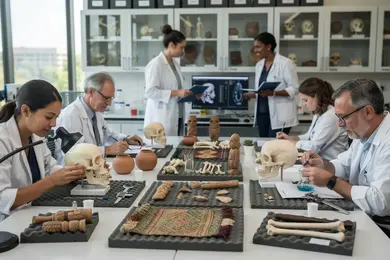
- Higher Education and Research Institutions: Universities and research centers actively recruit anthropology graduates as academic staff, program coordinators, and field researchers. Although tenure-track roles often require advanced degrees, many graduates find opportunities supporting interdisciplinary studies in social sciences and humanities, which fosters ongoing intellectual engagement.
- Healthcare and Public Health: The healthcare sector increasingly values anthropology professionals for their expertise in medical anthropology and health communication. Their insights into cultural factors influencing patient behaviors help tailor public health campaigns and policies, improving effectiveness in diverse populations. Growth potential is notable here as health equity gains prominence.
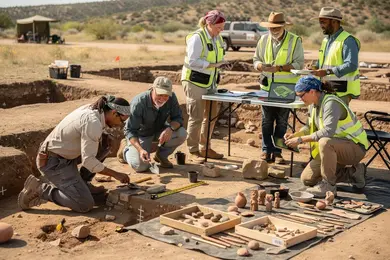
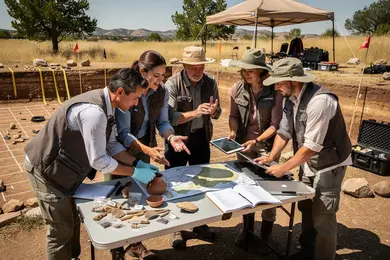
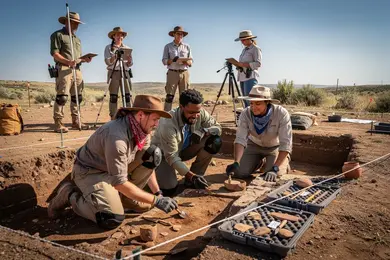
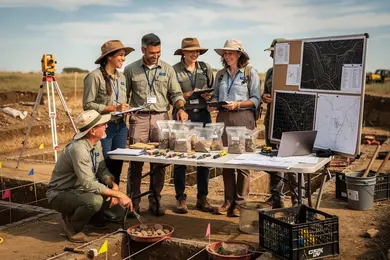
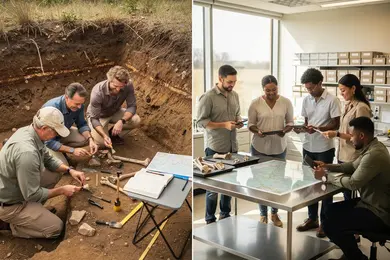
- Cultural Resource Management (CRM) Firms: CRM companies undertake archaeological fieldwork, heritage preservation, and compliance with environmental laws, creating steady demand for anthropology graduates trained in these skills. The ongoing infrastructure development and regulatory environment sustain job opportunities in this sector, which blends scientific investigation with legal and environmental considerations.
- Private Sector Research and Consulting: Market research, user experience design, and organizational culture assessments increasingly draw on anthropology graduates' qualitative analysis skills. Firms in this domain value their ability to interpret human behavior patterns, helping clients innovate and adapt strategically. This expanding niche rewards versatility and applied anthropology knowledge.
Across these sectors, government agencies and related public institutions employ approximately 35% of anthropology-related professionals as of 2024, with education and healthcare sectors accounting for an additional 40%, according to the latest reports from the American Anthropological Association. For students evaluating career paths, understanding these industry demands helps contextualize job market realities beyond academic settings. For example, someone interested in anthropology but focused on practical health intervention design might explore an accelerated psychology bachelor's degree online to complement their skills and increase market competitiveness.
Which Industries Offer the Highest Salaries for Anthropology Graduates?
Salary variations for anthropology graduates depend largely on the industry's valuation of specialized skills, institutional stability, and the complexity of applied research demands. Different sectors offer varied compensation because they weigh the importance of cultural knowledge, data analysis, and fieldwork in distinct ways, while also factoring in project scope and market competition. For example, jobs in government may pay well due to stable funding and critical heritage preservation missions, whereas private sectors such as technology prize rapid innovation requiring unique interdisciplinary expertise. Recognizing these nuances helps students and career changers align their employment expectations with industry realities.
Here are some of the highest paying industries for anthropology graduates:
- Federal Government: Federal agencies like the National Park Service and Department of Defense often offer top-tier salaries primarily because of their responsibility for preserving cultural heritage and managing large-scale social programs. Anthropology roles here range from research specialists to program managers, with average salaries between $75,000 and $95,000 and senior roles exceeding $110,000 according to the U.S. Bureau of Labor Statistics. The steady funding and benefits offset slower salary growth compared to the private sector, making government work a robust choice for those prioritizing job security alongside strong pay.
- Consulting Firms in CRM and Market Research: Firms specializing in cultural resource management and consumer insight offer lucrative opportunities for anthropology graduates who can interpret cultural dynamics in development or business environments. Entry-level salaries typically start near $60,000 but can quickly rise to over $90,000 with expertise in urban planning or corporate ethnography. The sector's demand for culturally nuanced research and flexibility in contract work drives competitive pay, reflecting the vital role of anthropology in shaping market strategies and urban policies.
- Technology Companies (UX Research): As user experience research grows more data-driven, tech companies increasingly hire anthropology graduates for their qualitative insights into human behavior. Typical salaries average around $80,000, with positions in Silicon Valley and major metropolitan areas often surpassing six figures due to intense market demand and cross-disciplinary collaboration. Success in this domain depends heavily on combining anthropological methods with quantitative skills and adaptability in fast-paced settings, underpinning the premium salaries.
- Academic and Research Institutions: While often not the highest paying, select research universities and institutes fund advanced ethnographic and social science projects that can command competitive salaries especially when tied to grant funding or specialized field research. These roles appeal to anthropologists aiming to influence academic discourse and applied policy, with compensation varying greatly based on securing external funding and institutional resources.
Choosing the right industry involves balancing salary expectations with long-term career prospects, role stability, and the evolving application of anthropological expertise. For those exploring practical pathways and alternatives, considering diverse options such as the range of construction management programs may be worthwhile for developing complementary skills that enhance earning potential beyond traditional anthropology roles.
Which Industries Have the Fastest Growth for Anthropology Careers?
Evaluating which industries are growing fastest is critical for anthropology graduates seeking stable, well-compensated work over the long term. Industry expansion signals where demand for specialized skills is rising, which can lead to more job openings and greater professional development. However, growth rates also reflect regulatory changes, technological advancements, and shifting societal needs that influence the relevance of anthropological expertise. Understanding these dynamics helps graduates prioritize sectors offering both opportunity and meaningful application of their training. Below are the key industries expected to drive future employment for anthropology professionals.
- Government and Cultural Resource Management: Federal and state agencies remain the largest employers, fueled by ongoing commitments to historic preservation and environmental regulation compliance. Jobs centered on archaeological site assessments for infrastructure projects are projected to grow about 7% through 2032, according to the U.S. Bureau of Labor Statistics. These roles depend on anthropology graduates to ensure cultural assets are protected amid development.
- Technology and User Experience Research: Increasingly, businesses in software, telecommunications, and e-commerce use ethnographic methods to design user-friendly products and enhance customer engagement. This niche within tech requires anthropologists adept in both qualitative analysis and data tools, reflecting growth driven by digital innovation and expanding consumer markets.
- Healthcare and Medical Anthropology: Rising focus on cultural competence in healthcare is sparking demand for anthropologists who can address health disparities and develop community-sensitive interventions. Non-profits and public health entities particularly value this expertise as demographic changes create more diverse patient populations.
While academic roles remain a traditional path, their slower expansion suggests that graduates with cross-disciplinary capabilities-combining anthropology with tech skills or policy knowledge-are better positioned to capture growth in applied sectors. This nuanced outlook helps balance immediate employment prospects against long-term career sustainability.
An anthropology graduate recalls feeling uncertain right after finishing their degree, torn between pursuing a limited academic track or exploring emerging industries. They accepted a contract position with a state agency focused on cultural resource management, appreciating its blend of fieldwork and policy impact. Over time, they witnessed firsthand how regulatory changes suddenly increased project demands, reaffirming the decision to prioritize government-sector roles. Although hesitant initially, this real-world experience underscored how shifting priorities in public projects provide a dependable source of anthropology-related employment and growth.
Which Employers Commonly Recruit Anthropology Graduates?
Understanding which organizations commonly hire anthropology graduates is crucial for aligning academic focus, practical experience, and career strategies with realistic job market conditions. Hiring demand for anthropology professionals fluctuates based on specialization areas, regional labor markets, and sector priorities, making targeted preparation essential. For example, a graduate interested in archaeological fieldwork might find more opportunities with cultural resource management firms in regions experiencing infrastructure growth, while someone drawn to policy work may focus on government agencies. Recent 2024 data from the U.S. Bureau of Labor Statistics and the National Center for Education Statistics highlight several employer categories that consistently recruit anthropology graduates. These include the following.
- Government agencies: Federal, state, and local government bodies often employ anthropology graduates for roles related to cultural heritage preservation, policy formulation, and community engagement. These employers value expertise in cultural competency and social science research, particularly within departments handling historical conservation and indigenous affairs.
- Academic institutions and research centers: Universities and dedicated research organizations hire anthropology graduates for teaching, field research, and contributing to multidisciplinary studies. These settings provide opportunities to engage in long-term projects that advance theoretical and applied anthropology, offering a mix of classroom and fieldwork responsibilities.
- Cultural resource management firms: CRM companies represent one of the fastest-growing employment sectors for anthropology graduates. Specialists conduct archaeological surveys, ensure compliance with legal standards, and assess environmental impacts during land development projects. This niche blends scientific rigor with regulatory knowledge in a market driven by ongoing infrastructure expansion.
- Nonprofit organizations: NGOs focusing on social justice, human rights, and international development actively recruit anthropology graduates to design and evaluate culturally nuanced programs. These roles often require ethnographic research skills essential for understanding complex community dynamics and enhancing program effectiveness globally.
- Corporate research and marketing: Businesses in marketing, user experience design, and consumer behavior increasingly seek anthropology graduates to interpret cultural trends and human behavior. Their insights help shape product development, brand positioning, and digital experience strategies, reflecting growing recognition of anthropology's contribution to competitive advantage.
Which Skills Are Most In Demand Across Anthropology Industries?
The skills that remain valuable across industries employing anthropology graduates often blend technical proficiency with interpersonal and analytical capabilities. This combination enables professionals to navigate complex environments and adapt to varied workplace demands. A fundamental reason these skills retain their worth is that they support both specialized roles-such as ethnographic research-and broader functions like communication and project coordination. For example, an anthropology graduate working in international development may apply cultural competency alongside data analysis to tailor community programs effectively. Below is a list of key skills prioritized by employers across anthropology sectors, informed by labor statistics and professional associations.
- Qualitative and Quantitative Research: Mastery of ethnographic fieldwork, survey methods, and data analysis using tools like SPSS, R, or Python is essential for extracting meaningful insights. These skills are developed through rigorous coursework and applied projects, facilitating roles in healthcare, market research, and policy analysis where evidence-based decisions are crucial.
- Cultural Competency: The ability to understand and bridge cultural differences remains a cornerstone for careers in global organizations, international development, and diversity initiatives. Anthropology students enhance this skill through immersive studies and practical engagement with diverse communities, making it indispensable for stakeholder analysis and intercultural communication.
- Communication Skills: Clear written and oral communication is vital for presenting complex findings to varied audiences, including policymakers or nonprofit stakeholders. Proficiency here comes from intensive writing assignments and presentations during studies, equipping graduates to thrive in consultancy, education, and media sectors.
- Project Management: Managing collaborative research projects and coordinating teams are transferable skills valued across government and private sectors. Anthropology programs often incorporate group-based assignments and fieldwork planning, which build organizational and leadership capabilities.
- Technological Literacy: Emerging fields like digital anthropology demand fluency with social media analytics and user-centered design. Exposure to these tools during coursework positions graduates to engage with innovation-driven roles in tech firms and user experience research.
- Applied Ethnographic Research Techniques: Specialized methods taught in anthropology programs enable graduates to conduct nuanced qualitative studies relevant to many sectors. This expertise supports tailored interventions and product development, reflecting employer demand for nuanced cultural and behavioral insights.
- Adaptive Versatility: The capacity to shift between disciplines and apply anthropology's interdisciplinary approach enables long-term career mobility. Cultivated through diverse academic and practical experiences, this flexibility aligns with employers prioritizing multifaceted problem solvers.
According to recent 2024 reports from the U.S. Bureau of Labor Statistics, skills in qualitative research, cultural competency, and communication rank among the top requisites for anthropology-related roles, signaling their continued prominence. Prospective students may also consider complementary educational paths, including a masters in human resources online, to further enhance cultural competency and ethnographic research techniques in their career portfolios.
Anthropology graduates seeking to enhance their employability should focus on mastering cultural competency and ethnographic research techniques, as these skills are highly sought after across various industries.
- Essential cultural competency skills for anthropology careers
- Applied ethnographic research techniques in anthropology sectors
How Do Career Paths Differ Across Industries for Anthropology Graduates?
Choosing the industry for an anthropology graduate is as pivotal as the degree itself, shaping not only the nature of daily work but also influencing long-term professional growth and financial rewards. Different sectors prioritize various skills and experiences, which means the trajectory of career progression can vary widely depending on where one starts. For example, academia emphasizes a structured climb often tied to research accomplishments, while private industry values innovation and project impact over formal hierarchies. Understanding these distinctions helps graduates tailor their plans to fit personal goals and market realities. The following points outline key ways career paths diverge across industries for anthropology professionals.
- Career Progression Pace: In academia and research institutions, advancement tends to be methodical and contingent on extensive qualifications like publishing and tenure, often resulting in slower but stable career growth. Government roles frequently offer clearer, stepwise promotions aligned with civil service grades, providing a predictable salary scale and incremental responsibility increases.
- Work Structure and Responsibilities: Private sectors such as market research or UX design demand flexible roles that shift with client needs and project scopes, rewarding adaptability and cross-disciplinary expertise rather than rigid job descriptions. Conversely, government and academia roles typically involve well-defined duties, offering clarity but less fluidity in day-to-day tasks.
- Salary Variability: Data from the National Science Foundation's 2024 survey indicates that anthropology graduates working in private industry report a median salary approximately 12% higher than those in academia. However, this premium often comes with less stable job security and fewer formal opportunities for continuing education support.
- Skill Integration: Industries like technology and international development prize anthropology graduates who combine traditional expertise with digital literacy and statistical methods, enhancing employability and promotion potential. This interdisciplinary demand can, however, dilute focus on pure anthropological scholarship.
- Advancement Criteria: Academia and government often rely on standardized performance metrics and formal evaluations to guide promotion decisions, favoring measurable achievements and seniority. Private sector advancement more frequently depends on subjective factors like networking, innovation, and demonstrated impact on business outcomes.
- Geographic and Market Influences: Location plays a decisive role, as certain regions offer more robust growth in sectors employing anthropology skills, particularly worldwide hubs for international development or tech innovation. Graduates should consider mobility and regional opportunities as part of their strategic planning.
- Long-Term Professional Development: Government and academic careers generally provide structured pathways for professional growth, including benefits and pension plans, appealing to those seeking stability. Conversely, private and nonprofit sectors may offer dynamic but less predictable growth, appealing to those valuing variety and rapid adaptation over guaranteed progression.
How Do Industry Trends Affect Future Opportunities for Anthropology Graduates?
Shifts in industry priorities reshape employment prospects for anthropology graduates by altering the demand and scope of applicable skills. As technological innovation and societal changes accelerate, the roles available to those with anthropology education evolve beyond traditional boundaries. Graduates must navigate a labor market where interdisciplinary expertise and adaptability increasingly define career trajectories. Recent data from the U.S. Bureau of Labor Statistics and 2024 workforce reports indicate that sectors such as healthcare, technology, and government are expected to expand their need for anthropology-informed insights. Key industry drivers influencing these changes include the following.
- Cultural Competency in Healthcare:The healthcare sector's focus on equitable patient care and health disparities generates demand for medical anthropology specialists who understand cultural behaviors affecting treatment outcomes. Anthropology graduates can leverage this trend by developing expertise in health equity initiatives and community-based research methods, positioning themselves as valuable contributors to patient-centered program design.
- Human-Centered Technology Design:The rise of user experience (UX) research and human-computer interaction blends anthropology with technology to refine product usability and market fit. With Gartner highlighting companies investing heavily in UX research in 2024, anthropology graduates with skills in ethnographic research and data interpretation find opportunities in innovative tech environments offering competitive compensation.
- Policy and Cultural Resource Management:Government agencies and nonprofits are increasingly allocating resources to cultural heritage, social policy analysis, and community development driven by legislative changes and public interest. Graduates proficient in qualitative research and regulatory frameworks can access roles involving historical preservation and social impact evaluation, though geographic and organizational factors influence salary variations.
- Cross-Disciplinary Skill Integration:Anthropology is progressively valued alongside technical and data analytics skills, reflecting a larger industry trend toward interdisciplinary collaboration. Graduates who invest in applied anthropology specializations or digital tools demonstrate greater job stability and advancement potential in diverse sectors.
One anthropology graduate recounted a pivotal moment when choosing between a traditional academic path and a UX research position at a tech startup. Initially uncertain about how anthropology fit into the digital sector, they were encouraged by emerging industry reports emphasizing UX roles' growth. By proactively learning data analysis software and ethnographic methods relevant to product teams, they secured a role that combined anthropological insight with practical tech application. This decision, fueled by an understanding of shifting industry demands, brought both professional fulfillment and financial stability, highlighting the importance of aligning skill sets with evolving market needs.
How Can Students Prepare for High-Demand Anthropology Industries?
Students seeking to prepare for high-demand anthropology industries must move beyond classroom theory to gain diverse, practical experiences that align with evolving employer expectations. Recent 2024 data from the National Center for Education Statistics and labor market analyses reveal that employers prioritize candidates who combine strong research abilities with real-world application such as internships and data analysis. For instance, anthropology graduates who interned with cultural resource management firms increased their job placement rates by over 30% compared to peers without such experience. The following strategies offer actionable approaches to enhance readiness across emerging sectors.
- Hands-on Fieldwork: Immersive field experiences through internships or cooperative programs in museums, government offices, or nonprofits allow students to apply ethnographic and archaeological methods, making them more attractive in industries focused on cultural resource management and heritage preservation.
- Technical Skills Development: Gaining proficiency with tools like GIS, SPSS, or R enhances employability, particularly in public health or urban development sectors where data-driven insights guide policy and planning.
- Interdisciplinary Coursework: Complementing anthropology with courses or certificates in areas such as environmental science or public policy fosters adaptability and broadens career opportunities, especially in fast-growing allied fields. For more on this approach, explore what can I do with an environmental science degree.
- Grant Writing Expertise: Learning to draft effective grant proposals equips students for academic or nonprofit roles where securing funding is critical, strengthening project management capabilities alongside research skills.
- Professional Networking: Active participation in associations like the American Anthropological Association connects students with mentors, job listings, and industry trends, vital for navigating competitive job markets.
- Language Proficiency: Developing relevant language skills enhances communication and engagement in international development or indigenous advocacy, expanding employment possibilities globally.
- Complementary Certification: Pursuing certificates in digital humanities or environmental policy increases versatility, ensuring resilience amid shifting industry demands and improving salary potential in interdisciplinary roles.
How Do Different Anthropology Degree Programs Prepare Students for Industry Careers?
Different anthropology degree programs prepare students for industry careers with varying emphases on theory, practice, and interdisciplinary skills. The key to career readiness lies in how effectively a program bridges academic learning with practical applications, particularly in fields like healthcare, technology, and government. National data from 2024 highlight that programs incorporating internships or cooperative education experiences significantly improve graduate employment rates and salary outcomes. For example, a student aiming for a role in urban planning might prioritize programs offering GIS and data analytics training alongside ethnographic research. Below are major factors to consider when comparing anthropology degree programs career preparation.
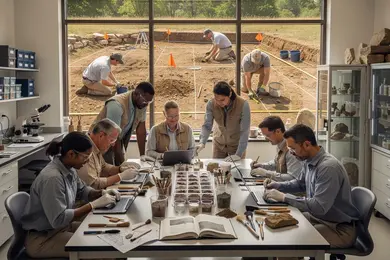
- Fieldwork and Data Skills: Programs differ in how much hands-on experience they offer in collecting and interpreting qualitative and quantitative data. Strong fieldwork components combined with analytics training are crucial for careers that demand real-world problem solving, such as environmental consulting or market research.
- Interdisciplinary Integration: Some programs blend anthropology with public policy, business, or communication to foster adaptable graduates. This broad knowledge base better equips students for cross-sector roles but may dilute specialized anthropological methods.
- Applied Focus: Programs emphasizing applied anthropology and cultural analysis prepare students to translate theory into actionable insights. This is especially valuable in industries like healthcare or tech, where understanding human behavior informs product development or policy design.
- Technology Adoption: Incorporation of digital tools, GIS mapping, and statistical software in coursework signals alignment with current industry trends. Students should assess how well programs integrate such technologies to stay competitive.
- Experiential Learning Opportunities: Internships and cooperative education experiences are strongly linked to higher employment and salary growth according to Bureau of Labor Statistics data. Programs facilitating these opportunities improve job market access.
- Career Support Services: Availability of mentoring, networking, and job placement assistance can vary widely. Programs with robust support structures help students navigate diverse industry pathways more effectively.
Anthropology students committed to hands-on experience might also consider supplementing their education with related credentials, such as a 1 year MBA, to enhance management and business skills valued in multiple industries.
Which Industry Is the Best Fit for Your Anthropology Career Goals?
The best industry fit for an anthropology career varies significantly based on a student's individual priorities such as preferred work environment, specialization interests, earning goals, lifestyle, and the type of impact they want to make. For example, one graduate focused on stable income and traditional benefits might pursue a healthcare or federal government role, where steady demand and clear advancement paths exist. In contrast, another graduate driven by community engagement and social justice could choose nonprofit or cultural heritage sectors, valuing meaningful work over top salaries. This divergence demonstrates that no single industry universally outperforms others for anthropology graduates; rather, success hinges on aligning the industry with personal and professional goals.
To make an informed choice, students should investigate employer expectations, industry growth projections, desired skills, internship availability, and career trajectories relevant to anthropology fields. Data from the U.S. Bureau of Labor Statistics 2024 report and the National Center for Education Statistics reveal that graduates increasingly weigh factors like job security, salary potential, and organizational values such as diversity and inclusion. By critically reflecting on their strengths and priorities while analyzing market demands, students can find industries that support sustainable and fulfilling careers rather than merely chasing the highest-paying or fastest-growing options. Strong outcomes emerge when personal goals and industry opportunities effectively intersect.
References:
- What Can You Do With an Anthropology Degree? 2026 Guide | Extern https://www.extern.com/post/what-can-you-do-with-an-anthropology-degree-career-guide
- Anthropology Skills | Brian A. Hoey, Ph.D. https://brianhoey.com/careers-in-anthropology/anthropology-skills/
- Career Options | Maynooth University https://www.maynoothuniversity.ie/anthropology/career-options-anthropology
- Position Listings - NAPA https://practicinganthropology.org/mentoring-career/position-listings/
- Anthropology Training and Career Preparation: Key Takeaways from Focus Groups - Anthropology News https://www.anthropology-news.org/articles/anthropology-training-and-career-preparation-key-takeaways-from-focus-groups/
- Academic Precarity in American Anthropology https://www.culanth.org/fieldsights/academic-precarity-in-american-anthropology
- Vacancies for "anthropology" | UNjobs https://unjobs.org/skills/anthropology
Other Things You Should Know About Anthropology
Some industries employing anthropology graduates, such as government or academia, offer greater job stability but often require strong specialization and advanced degrees. Conversely, private sector roles may provide faster entry and broader skill application but with higher volatility and less job security. Graduates prioritizing long-term stability should consider investing in specialized credentials, while those valuing flexibility might focus on adaptable, cross-disciplinary skills.
Consulting roles tend to involve intensive project-based work with fluctuating hours tied to client demands, often leading to higher stress and unpredictability. Nonprofit positions generally offer steadier workloads but can come with resource constraints and lower pay. Anthropology graduates must assess their tolerance for work-life balance challenges and prioritize sectors aligned with their personal sustainability and career longevity goals.
Demand and salary prospects can vary drastically by region, especially in applied anthropology fields linked to cultural resource management or international development. Graduates unwilling or unable to relocate may face limited opportunities or lower pay scales. Prioritizing geographic flexibility can substantially increase access to higher-paying and growth-oriented positions, but this often involves tradeoffs related to personal circumstances and community ties.
Rapidly growing industries may not always guarantee structured career progression, which can hinder long-term development and mentorship opportunities. Sectors with clearer hierarchies, even if growing modestly, often provide more predictable promotions and skill-building experiences. Recent graduates should weigh immediate opportunity volume against the presence of formal advancement frameworks to align their choice with career development objectives.