2027 Anthropology Job Market Report: Open Roles, Salary Bands, and Hiring Momentum

Co-Founder and Chief Data Scientist
The anthropology job market reflects complex shifts driven by evolving employer priorities and the integration of new methodologies, such as digital ethnography and bioarchaeological technologies. Open roles and salary bands serve as indicators of sector-specific workforce pressures, revealing where demand concentrates in specialized subfields and geographic hubs. Increasing credential expectations and changing skill requirements reshape hiring momentum more than sheer role availability. Regulatory adaptations and institutional funding cycles also influence these patterns, affecting how organizations balance research, applied work, and academic positions. Understanding these dynamics frames compensation and vacancy data as reflections of broader disciplinary transformations and labor market stratifications.
Notably, data from the U. S. Bureau of Labor Statistics projects stable overall employment for anthropologists through 2032, suggesting heightened competition in select niches rather than widespread expansion. Age demographics within anthropology programs indicate a diverse student population, which may signal shifts in workforce entry points and accessibility challenges impacting the field's evolution. This report examines open roles, salary ranges, and hiring trends to contextualize what these elements reveal about emerging priorities and constraints in anthropology employment.
Key Things to Know About the Anthropology Job Market
- The current availability of anthropology roles remains niche, often favoring candidates with specialized skills; this limits broad hiring but rewards targeted expertise, emphasizing strategic focus for job seekers.
- Employer demand increasingly values interdisciplinary experience alongside core anthropology training, reflecting a shift toward hybrid roles that may require additional certifications or cross-functional knowledge.
- Salary growth is moderate and closely tied to geographic and sector-specific factors, meaning extended education or relocation entails cost-benefit tradeoffs that should influence student planning and career timelines.
- Key Things to Know About the Anthropology Job Market Key Things to Know About the Anthropology Job Market
- How Strong Is the Demand for Anthropology Graduates in Today's Job Market? Demand for Graduates
- Which Anthropology Careers Have the Most Open Job Opportunities? In-Demand Careers
- What Salary Bands Are Employers Offering Across Anthropology Careers? Offered Salary Bands
- Which Industries Are Hiring the Most Anthropology Graduates? Top-Hiring Industries
- How Does Hiring Demand Vary by State, Region, and City? Hiring Demand by Location
- What Skills Are Employers Prioritizing in Anthropology Job Postings? In-Demand Skills
- Which Certifications Increase Employability and Salary Potential? High-Value Certifications
- How Do Remote and Hybrid Opportunities Affect the Anthropology Job Market? How Do Remote and Hybrid Opportunities Affect the Anthropology Job Market?
- Which Anthropology Careers Show the Strongest Long-Term Hiring Momentum? Strongest Careers
- How Can Students Use Job Market Data to Make Better Career Decisions? How Can Students Use Job Market Data to Make Better Career Decisions?
How Strong Is the Demand for Anthropology Graduates in Today's Job Market?
Recent labor market data from the U.S. Bureau of Labor Statistics reveals that demand for anthropology graduates remains modest but stable, with projected employment growth of about 5% over the next decade, aligned with the average growth rate across all occupations. This reflects a market where specialized anthropology roles are mainly concentrated within academia, research institutions, government, and cultural resource management sectors, which offer limited but steady opportunities.
LinkedIn Workforce Reports further highlight that while jobs explicitly requiring anthropology degrees are limited compared to STEM or business fields, the qualitative and cultural analysis skills inherent to anthropology are increasingly valued in adjacent industries such as user experience design, international development, and nonprofits. These cross-sector demands, however, often do not carry official anthropology job titles nor consistently require an anthropology degree, complicating straightforward assessments of labor market strength for anthropology graduates.
Key drivers affecting anthropology graduate job market trends in the United States include shifts in government funding, budget constraints, particularly in public sector roles, and a growing emphasis on interdisciplinary skills that blend anthropology with technology, policy, or business analytics. Automated data collection and digital ethnography have begun supplementing traditional methods but have not replaced the interpretive skill set anthropology provides, keeping certain niche demands intact. Regional economic variations also influence hiring momentum, with urban centers and research hubs offering relatively more opportunities, while rural areas remain more constrained.
Prospective students should note that competitive anthropology roles increasingly require graduate-level credentials and relevant practical experience. Exploring flexible programs, such as a 1 year bachelor degree online, could facilitate accelerated entry while allowing time to build cross-disciplinary competencies that align with evolving workforce needs.
Which Anthropology Careers Have the Most Open Job Opportunities?
Job opportunity distribution within anthropology careers reflects broader labor market shifts influenced by evolving industry demands, regulatory frameworks, and specialized skill requirements. The largest volume of open positions tends to cluster in sectors where applied knowledge directly intersects with legal, environmental, or forensic imperatives, rather than in purely academic or theoretical roles.
This dynamic is further shaped by workforce shortages in niche specialties and the increasing reliance on multidisciplinary competencies that combine anthropology with compliance, public health, or criminal justice. Understanding these demand drivers is critical for candidates seeking to align their specialization with real-world hiring trends in anthropology.
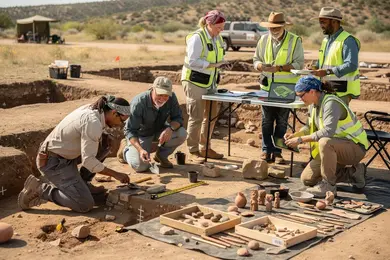
- Cultural Resource Management (CRM) Specialists: CRM roles dominate top anthropology job openings in the United States due to stringent historic preservation regulations and widespread infrastructure development. Employers prioritize expertise in archaeology, environmental assessment, and policy compliance, creating robust demand for professionals capable of navigating government contracts and private-sector land-use projects.
- Forensic Anthropologists: Although fewer in total openings compared to CRM, forensic anthropology jobs are steadily growing, driven by law enforcement agencies' need for human remains identification and medico-legal investigation support. These positions favor candidates with specialized certifications and skills in biological analysis, forensic pathology, and legal testimony preparation.
- Cultural Anthropologists in Public Health and International Development: Modest growth is seen here, as organizations require anthropological insight to inform culturally sensitive programs. The interdisciplinary nature of these roles means anthropology competes with sociology and public policy for openings, with employers valuing qualitative research, ethnographic methods, and cross-cultural communication skills.
- Academic Anthropologists: The number of tenure-track positions remains limited amid tighter higher education budgets and shifting institutional priorities. While adjunct and contract faculty roles increase, these jobs often lack long-term security and benefits, reflecting the more competitive academic labor market.
- Environmental Anthropologists: Increasing attention to sustainability and human-environment interactions fuels demand within government agencies and non-profits. Professionals with backgrounds combining anthropology, ecology, and environmental science are sought to support assessments that influence resource management and conservation strategies.
- Applied Anthropologists in Corporate Settings: Growing recognition of anthropology's role in consumer insight, user experience design, and organizational culture has led some demand within private industry. Candidates with skills in qualitative data analysis, stakeholder engagement, and interdisciplinary collaboration find opportunities here, although these remain less numerous compared to traditional anthropology careers.
According to the U.S. Bureau of Labor Statistics, employment of anthropologists and archaeologists is projected to grow 6% over the next decade, outpacing the average for all occupations. This increase mainly benefits applied fields like CRM and forensic anthropology, where regulatory and forensic demands drive hiring.
For prospective students and job seekers weighing program costs and outcomes, understanding these hiring trends can guide strategic specialization decisions and clarify the practical realities of employment trajectories within anthropology. For example, exploring an online psychology degree cost can be relevant for those intersecting anthropological expertise with behavioral or clinical fields.
What Salary Bands Are Employers Offering Across Anthropology Careers?
Salary bands in anthropology careers reflect diverse labor market realities shaped by education, sector, and experience levels. For 2024, entry-level roles such as research assistants and junior analysts typically range from $45,000 to $60,000 annually, according to data from the U.S. Bureau of Labor Statistics and LinkedIn Salary Insights. Professionals mid-career with 3 to 7 years of experience, often holding master's degrees or certificates, see compensation rise between $60,000 and $85,000, occupying roles like project coordinators or cultural resource managers.
Senior-level anthropologists, including university faculty and leadership positions, command salaries from $85,000 to over $120,000, with variation depending heavily on industry and organizational expectations. These figures illustrate a clear progression tied not just to tenure but also to the complexity of responsibilities and sector-specific demands within the field.
The variation in salary across anthropology careers is largely driven by factors such as specialization intensity, geographic location, and employer type. Niche experts—like biological anthropologists skilled in forensic methods—tend to achieve higher salary thresholds compared to those focused primarily on academic research, where direct compensation may be lower but compensated by non-monetary benefits like tenure.
Urban job markets generally offer elevated wages due to competitive demand and institutional prestige, whereas positions in smaller or public-sector organizations reflect funding limitations. Additionally, employers emphasize advanced technical skills such as GIS and digital ethnography, which can provide a wage premium in applied sectors like healthcare consulting or federal agencies, underscoring the premium placed on adaptability and data fluency beyond traditional anthropological expertise.
One anthropology graduate recounted the challenge of navigating admission timing during a rolling process: feeling uncertain after submitting an application early in the cycle, they hesitated on accepting an offer elsewhere, hoping for decisions from preferred programs.
This introduced stress and a need to strategically balance risk and opportunity, especially given the limited windows for funding and enrollment in anthropology programs. The experience underscored how pacing and decisiveness weigh heavily in educational choices, much like how strategic specialization affects long-term salary prospects once in the field.
Which Industries Are Hiring the Most Anthropology Graduates?
Demand for anthropology graduates is notably concentrated in sectors experiencing either significant digital transformation, expanding workforce needs, or persistent skill shortages. These industries leverage anthropological insights to navigate complex social dynamics, user behaviors, and cultural contexts that traditional disciplinary approaches may overlook. Hiring patterns reflect not only immediate staffing requirements but also strategic efforts to embed anthropological expertise into organizational decision-making, product development, and policy formulation.
- Government and Public Sector: This sector continues to represent the largest employer of anthropology graduates, driven by the need for cultural resource management, policy analysis, and international development work. Agencies prioritize candidates skilled in ethnographic research and cross-cultural communication to support culturally sensitive program implementation and mission-critical outreach efforts.
- Healthcare and Public Health: Healthcare organizations increasingly recruit anthropology graduates to improve health equity and enhance patient care through culturally informed approaches. The emphasis is on applying qualitative research methods to identify social determinants of health, leading to a reported 15% increase in anthropology-related positions in this sector over the past two years, according to the American Anthropological Association.
- Technology and User Experience (UX): Rapid digital innovation has heightened demand for anthropologists who can decode user behaviors and experiences through immersive fieldwork. Tech firms rely on these skills to refine product interfaces and design processes, reflecting a doubling of such roles in key innovation hubs since 2023.
- Nonprofit and International Organizations: NGOs and advocacy groups seek anthropology graduates for their expertise in human rights, environmental issues, and community engagement. These roles often require adaptability to diverse field conditions and the ability to translate nuanced social data into actionable policy or program strategies.
How Does Hiring Demand Vary by State, Region, and City?
Hiring demand for anthropology graduates varies significantly across states and broader regions, reflecting localized economic structures and the concentration of relevant industries. States like California, New York, and Texas demonstrate stronger demand due to their dense networks of universities, government agencies, and cultural resource management firms. According to recent labor market data from the U.S. Bureau of Labor Statistics and regional economic reports, these states benefit from a higher volume of research institutions and urban populations requiring expertise in applied anthropology, heritage preservation, and public policy.
Conversely, regions such as the Midwest and the South tend to host more specialized roles tied to agriculture or state government, which influences salary bands and availability. This variation requires early-career professionals to weigh regional hiring conditions carefully, as geographic location directly impacts the balance between gaining interdisciplinary skills and securing competitive wages, which aligns closely with the realities faced by those exploring how hiring demand for anthropology careers varies across US states and metropolitan regions.
At the city level, the hiring intensity and salary prospects for anthropology graduates shift in response to local industry clusters, infrastructure, and talent pipelines. Metropolitan areas with major universities and research centers—such as Boston, Chicago, and Los Angeles—show heightened employer competition driven by academic, nonprofit, and consultancy opportunities.
In contrast, smaller cities or rural locales generally offer fewer openings, often limited to cultural resource management projects or public sector roles tied to local historical commissions. Cost of living and access to skilled labor further shape this dynamic, with tech hubs and healthcare centers increasingly valuing interdisciplinary skills like data analysis and GIS mapping, which can create salary premiums. Candidates must consider these factors alongside educational options, including specialized paths like an urban planning online degree, to strategically position themselves in complex regional employment ecosystems where practical skills and geographic market understanding jointly affect long-term career trajectories.
What Skills Are Employers Prioritizing in Anthropology Job Postings?
Employer priorities for anthropology positions increasingly reflect shifts driven by technological integration, automation, and the expanding application of anthropological insight across diverse sectors. These evolving demands highlight the importance of both foundational disciplinary knowledge and applied, transferable skills that cater to more data-intensive and interdisciplinary environments. As the labor market adapts, candidates who can bridge theoretical expertise with digital proficiency and collaborative capacity gain a notable advantage.
According to the National Center for O*NET Occupational Information, critical thinking and data-related skills appear in more than 70% of active anthropology job ads, underscoring their growing value.
- Advanced Qualitative and Quantitative Analysis: The convergence of qualitative methods with quantitative data analysis responds to the complexity of contemporary projects that require mixed-methods approaches. Employers seek anthropologists who can integrate ethnographic insights with statistical evidence to generate robust, actionable conclusions, thus enhancing their relevance in both academic and applied settings.
- Technological Proficiency in GIS and Statistical Software: Mastery of Geographic Information Systems and statistical packages like SPSS or R reflects the rise of data-driven research in anthropology. These skills enable candidates to analyze spatial and numerical data effectively, a capability increasingly linked to funding opportunities and cross-sector collaborations.
- Communication Skills Tailored for Diverse Audiences: The ability to translate complex anthropological concepts into accessible narratives is critical as employers prioritize outreach beyond specialist communities. Effective oral and written communication supports stakeholder engagement, policy influence, and knowledge dissemination.
- Interdisciplinary Collaboration: Anthropology's expanding role in public health, urban planning, and cultural resource management demands professionals who can work seamlessly across disciplinary boundaries. Collaborative capacity signals adaptability and the aptitude to contribute to multifaceted teams addressing real-world challenges.
- Project Management and Grant Writing: Employers increasingly expect mid- and senior-level candidates to navigate organizational workflows, budgets, and funding mechanisms. Proficiency here indicates readiness to deliver within institutional constraints, distinguishing candidates equipped to lead and sustain complex research initiatives.
Which Certifications Increase Employability and Salary Potential?
Certifications in the anthropology field act as important markers of specialized expertise, technical competence, and professional readiness. They serve as strategic assets that complement academic credentials by validating skills that employers find essential but often difficult to confirm through formal education alone. Such certifications enhance a candidate's appeal by signaling alignment with current industry needs, practical knowledge, and ethical standards—thereby raising prospects in competitive hiring processes.
- Forensic Anthropology Certification: Credentials from bodies like the American Board of Forensic Anthropology demonstrate advanced proficiency in human osteology and forensic procedures. This specialization addresses recognized skill shortages in legal and governmental sectors, with certified professionals frequently earning median salaries 15-20% above peers and improving their competitiveness for roles requiring courtroom or investigative expertise.
- Cultural Resource Management (CRM) Certification: Endorsed by organizations such as the Register of Professional Archaeologists, CRM accreditation is critical for careers tied to heritage conservation and regulatory compliance. It signals practical familiarity with federal historic preservation laws and environmental protocols, boosting hiring chances by about 10%, particularly in regions with active infrastructure development.
- Geographic Information Systems (GIS) Certification: Proficiency in GIS tools tailored to archaeological and anthropological applications is increasingly indispensable in spatial data analysis and site mapping. Employers reward this hybrid technical skillset with roughly a 12% salary premium, reflecting the growing integration of digital technologies across anthropology disciplines.
These certifications reflect more than skill mastery; they communicate a commitment to ongoing professional development valued by employers seeking candidates prepared for nuanced, often interdisciplinary demands. However, candidates should weigh the upfront investments in time and cost against realistic salary increments and career stage benefits, as returns tend to favor those with some field experience rather than immediate postgraduates.
One recent anthropology graduate shared that during the rolling admissions cycle, they hesitated before applying for a forensic anthropology certification due to application fees and preparation time. Faced with a narrow window to meet credential deadlines aligned with a federal agency opening, the graduate strategically delayed their application by a few months to gain additional field hours recommended by mentors.
Although this introduced uncertainty amid competitive hiring timelines, it ultimately paid off by making their profile more robust and aligning their credential with job market openings, highlighting how timing and situational judgment affect certification value beyond simple possession.
How Do Remote and Hybrid Opportunities Affect the Anthropology Job Market?
Remote and hybrid work opportunities are reshaping the anthropology job market by expanding geographic hiring reach beyond conventional cultural hubs. According to 2024 labor market analyses, including LinkedIn Workforce Reports, many employers now source candidates nationally, increasing competition but also broadening access for early-career anthropologists limited by relocation or high living costs.
These roles predominantly appear in sectors such as cultural resource management, nonprofit research, and digital ethnography, where data analysis and report writing support effective remote workflows. Conversely, fieldwork-intensive and lab-based positions continue to favor onsite presence, highlighting an evolving labor market stratification within anthropology that parallels broader workforce trends.
These work models influence salary structures and skill expectations, with regional pay differentials persisting amidst attempts at nationwide salary normalization. Employers increasingly demand digital literacy and strong remote communication ability, alongside flexibility for hybrid roles requiring intermittent field visits. Such shifts accentuate the tension between geographic wage variation and a more fluid talent pool, affecting long-term job market dynamics and labor distribution.
As anthropology careers adapt, professionals must navigate this nuanced landscape by balancing technical competencies with interpersonal skills. Those evaluating educational paths might also consider related flexible degree options, such as an online MBA less than $10000, to enhance managerial capacities in diverse organizational contexts. These ongoing transformations reflect the critical impact of remote and hybrid work trends in the US anthropology job market on employability and career trajectories.
Which Anthropology Careers Show the Strongest Long-Term Hiring Momentum?
Long-term hiring momentum in anthropology careers is driven by structural shifts in industries rather than short-term job fluctuations, reflecting enduring economic and technological trends shaping workforce demand. This momentum highlights areas where evolving regulatory frameworks, scientific advancements, and cross-sector collaborations create sustainable employment.
Rather than fleeting changes in market needs, these roles persist due to foundational shifts in how governments, healthcare systems, and legal institutions integrate anthropological expertise.
- Cultural Resource Management (CRM) Specialists: CRM roles sustain strong momentum because historic preservation laws and infrastructure development projects create continuous federal and state compliance requirements. This regulatory environment, combined with ongoing construction and urban planning, secures stable hiring demands for skilled professionals who can navigate these frameworks.
- Forensic Anthropologists: With growing investment in forensic science and criminal investigations, forensic anthropology positions benefit from technological advances and increased law enforcement budgets. These roles require specialized graduate education and offer long-term demand due to the essential role they play in medico-legal contexts.
- Public Health Anthropologists: As public health systems increasingly recognize social determinants of health, demand for anthropologists to design culturally informed interventions expands. Collaborations with governmental agencies and NGOs sustain these roles amid global health challenges and epidemiological research funding.
Data from the U.S. Bureau of Labor Statistics 2024 projections indicate a 6% growth in anthropologist and archeologist roles between 2022 and 2032, slightly surpassing average social science growth. This steady expansion underlines the relevance of anthropology careers shaped by long-term job growth trends in anthropology careers rather than cyclical employment spikes.
The growing emphasis on applied anthropology in these sectors means prospective students and early-career professionals should consider how interdisciplinary skills and advanced degrees impact employability and salary potential. While these roles offer stable outlooks, navigating education pathways requires aligning practical outcomes with workforce needs, such as exploring relevant programs like criminal justice associate programs online that intersect with forensic fields.
How Can Students Use Job Market Data to Make Better Career Decisions?
Students evaluating anthropology careers can use current job market data such as labor reports, hiring platforms, and 2024 salary databases to identify which specializations exhibit robust demand and competitive compensation. These sources reveal variations by subfield, geography, and sector—academic, government, or private research—offering a nuanced picture of where opportunities cluster.
By examining hiring momentum and vacancy trends, students can prioritize niches with stable or growing funding, recognize regions with active recruitment, and understand how experience levels affect earning potential. This targeted use of data helps align educational investments with realistic employment outcomes rather than abstract aspirations.
Interpreting this data requires balancing immediate market signals with long-term career considerations like job stability, geographic mobility, and skill relevance. Overreliance on short-term hiring spikes risks pursuing saturated or volatile niches, whereas integrating labor data with personal interests and transferable competencies supports sustainable pathways. Effective decision-making combines market insight with strategic skill development—such as data analysis or grant writing—that employers value across anthropology-related sectors.
Ultimately, translating job market trends into actionable career plans demands both critical evaluation of labor indicators and alignment with individual goals within the evolving workforce landscape.
References
- How can anthropology departments prepare students for their careers? - The Global Anthropology Project (GAP) https://globalanthropology.org/news/how-can-anthropology-departments-prepare-students-for-their-careers/
- What Can You Do With an Anthropology Degree? 2026 Guide | Extern https://www.extern.com/post/what-can-you-do-with-an-anthropology-degree-career-guide
- Future Skills Centre • Centre des Compétences futures https://fsc-ccf.ca/projects/hybrid-work-models/
- 15 tips for anthropology majors who are mapping their careers - College Recruiter https://www.collegerecruiter.com/blog/2025/04/17/15-tips-for-anthropology-majors-who-are-mapping-their-careers
- The anthropological career in Europe: a summary of findings and recommendations https://easaonline.org/publication/the-anthropological-career-in-europe-a-summary-of-findings-and-recommendations/
- The Transformative Impact of Remote Work: How Online Jobs are Empowering Workers in Emerging Markets https://nextbillion.net/transformative-impact-remote-work-online-jobs-empowering-workers-emerging-markets/
- Careers in Anthropology - AABA https://bioanth.org/careers-in-anthropology/
Other Things You Should Know About Anthropology
Employers increasingly favor candidates with applied skills that address specific industry needs over purely theoretical training. While a broad academic foundation is valuable, those who tailor their education toward data analysis, GIS, or cultural resource management tend to access more consistent job openings and better salary bands. Prioritizing specialization aligned with market demands can improve employability, but it often requires balancing academic interests with practical skill acquisition.
Salary bands in anthropology vary widely based on employer type, geographic location, and sector, with nonprofits and academic roles typically offering lower compensation compared to private or government sectors. Candidates should prepare to negotiate within the constraints of budget-limited organizations, emphasizing relevant skills and experience that justify higher pay. Understanding this variance helps set pragmatic expectations and highlights when to prioritize benefits or job stability over immediate salary increases.
Hiring momentum in anthropology fluctuates with funding cycles, project availability, and seasonal recruitment, meaning job seekers must remain flexible in their search timelines. Targeting roles during peak hiring periods while maintaining active networking and skills development during slower phases can optimize placement chances. Candidates should not rush into low-fit positions during downtime; instead, they should invest in gaining credentials or experience that align with anticipated market surges.
The structure of graduate programs significantly impacts employment prospects, especially when they integrate internships, applied research, or partnerships with employers. Programs emphasizing interdisciplinary collaboration and practical experience yield stronger job placement and salary outcomes. Prospective students should prioritize programs offering clear pathways to applied roles, as purely research-focused degrees may limit immediate job market readiness and salary growth.