2027 Anthropology Tuition Inflation Report: How Fast Are Program Costs Rising?

Co-Founder and Chief Data Scientist
Anthropology programs face unique pressures that influence tuition growth beyond general higher-education trends. The discipline increasingly demands intensive fieldwork, specialized laboratory equipment, and sustained faculty expertise in areas like cultural preservation and forensic analysis. In 2024, data from the American Anthropological Association highlights rising costs tied to expanding digital infrastructure for ethnographic research and remote collaboration.
These operational investments diverge from other humanities programs, requiring institutions to allocate more resources to maintain competitive, rigorous training. Enrollment shifts toward non-traditional and graduate students also affect cost structures, reflecting evolving workforce needs in anthropology-related roles. This report explores how these factors collectively drive tuition inflation in anthropology education over time.
Key Things to Know About Anthropology Tuition Inflation
- Anthropology tuition rose 5.8% annually from 2020-2024, outpacing inflation and forcing students to weigh increased education costs versus expected academic and fieldwork opportunities.
- Employers in cultural resource management increasingly expect practical experience over formal credentials, challenging graduates to justify rising tuition with applicable skills, not just academic achievement.
- Rising fees extend program completion times for part-time students, highlighting timing and access tradeoffs that may impact field season participation and long-term career planning.
- Key Things to Know About Anthropology Tuition Inflation Key Things to Know About Anthropology Tuition Inflation
- How Much Has Anthropology Tuition Increased Over the Past Decade? How Much Has Anthropology Tuition Increased Over the Past Decade?
- How Does Anthropology Tuition Inflation Compare to Overall Inflation? How Does Anthropology Tuition Inflation Compare to Overall Inflation?
- Which Types of Schools Have Experienced the Fastest Anthropology Tuition Growth? Tuition Growth by School Type
- What Factors Are Driving Rising Costs in Anthropology Degree Programs? Tuition Cost Drivers
- How Does Anthropology Tuition Growth Vary by State and Region? Tuition Growth by State
- Are Online Anthropology Programs Becoming More Affordable Than Campus-Based Programs? Online Program Affordability
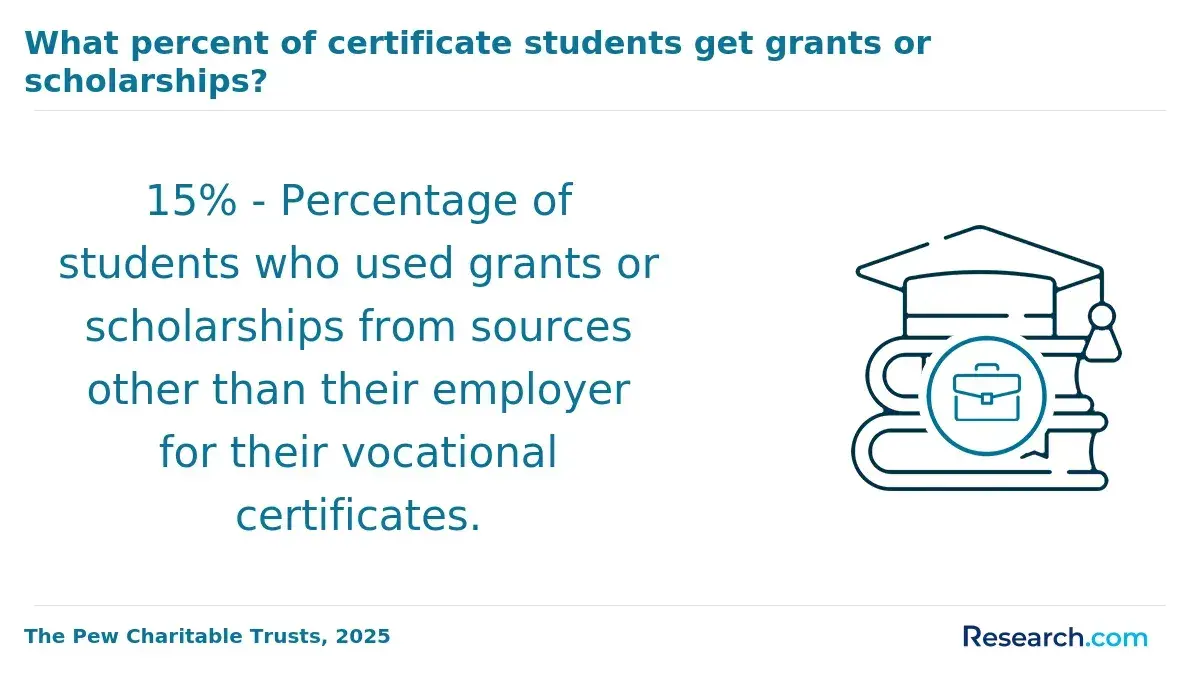
- How Have Financial Aid and Scholarships Changed as Anthropology Tuition Has Increased? Impact on Financial Aid and Scholarships
- How Does Rising Anthropology Tuition Affect Student Debt After Graduation? Impact on Student Debt
- Do Higher-Cost Anthropology Programs Deliver Better Career Outcomes or Earnings? Impact on Career Outcomes
- What Do Current Tuition Trends Suggest About the Future Cost of a Anthropology Degree? What Do Current Tuition Trends Suggest About the Future Cost of a Anthropology Degree?
How Much Has Anthropology Tuition Increased Over the Past Decade?
Over the last ten years, tuition for anthropology degree programs at public four-year institutions has increased by roughly 40% to 50% when adjusted for inflation, according to recent data from the National Center for Education Statistics and other 2024 analyses. Private colleges tend to show even larger hikes, often surpassing 60% growth in nominal terms. These decade-long trends in anthropology program cost increases in American universities outpace many other fields, reflecting broader patterns in higher education. As tuition rises substantially, students face a growing financial barrier that shapes access and decision-making related to pursuing anthropology specifically, compared to programs with clearer direct career returns.
Multiple forces drive these tuition inflation rates in the United States over the last ten years, including diminished state appropriations for public universities, which shifts more funding burdens onto students. Institutions have also increased spending on administrative staff, upgraded campus facilities, and enhanced technology infrastructure, further amplifying costs. Unlike some fields with standardized professional outcomes, anthropology's research-focused and interdisciplinary nature affects its pricing dynamics and justifications for cost spikes, complicating affordability assessments for prospective students. Enrollment shifts and competition for faculty also pressure budgets, contributing to tuition growth that frequently outstrips financial aid availability.
These rising costs have significant implications for students' long-term investment in anthropology education. Federal and state grants may not keep pace with tuition inflation, increasing reliance on loans and potentially deterring low-income or nontraditional applicants. Career prospects in anthropology-related roles often do not mirror the tuition surge, given relatively moderate wage growth in research, cultural resource management, or public policy positions. Prospective students should therefore critically evaluate the value proposition of anthropology degrees within the context of affordability and career alignment, comparing them to best majors in college to make informed educational choices.
How Does Anthropology Tuition Inflation Compare to Overall Inflation?
Tuition inflation for anthropology degree programs has notably outpaced general consumer price inflation over the last decade, with annual increases averaging around 3.5% according to the National Center for Education Statistics. This rate exceeds the broader Consumer Price Index growth of roughly 2.1% reported by the U.S. Bureau of Labor Statistics during the same period, highlighting a persistent trend where anthropology tuition rises faster than overall economic inflation. Comparatively, tuition inflation across all undergraduate disciplines hovers slightly lower at about 3.2%, suggesting that rising costs in anthropology programs reflect unique educational demands rather than general inflationary pressures or national tuition trends alone.
The widening gap between anthropology tuition inflation and overall inflation stems from structural shifts within the higher education funding model, including diminished state support and expanded institutional spending on administrative costs, technology upgrades, and student support services. These cost drivers reflect an evolving education landscape where anthropology programs must invest in specialized research facilities, fieldwork opportunities, and interdisciplinary faculty expertise, all contributing to operational expenses that outstrip typical market inflation. Moreover, regulatory changes and competitive pressures encourage institutions to enhance campus infrastructure and access resources, often shifting more financial responsibility onto students as public subsidies contract.
For students and families, the rising tuition costs in anthropology relative to national inflation underscore intensified affordability challenges and often lead to higher borrowing levels, which can influence educational choices and long-term financial outcomes. This inflation gap also affects how prospective learners evaluate the practical value and return on investment of anthropology degrees amid growing concerns about student debt and career alignment. Those navigating these pressures may consider exploring different delivery options or programs, such as those offered by an lMFT school online, where cost efficiency and flexible formats can somewhat mitigate the impact of rising specialization-related tuition expenses.
Which Types of Schools Have Experienced the Fastest Anthropology Tuition Growth?
Tuition growth rates in anthropology degree programs differ markedly across institutional categories, influenced by funding frameworks, enrollment dynamics, and delivery formats. Recognizing these distinctions is vital for assessing cost trends and determining the relative value of anthropology education. The divergent financial models and operational priorities of various schools shape how aggressively tuition is adjusted, impacting affordability and program accessibility for students. Recent data from the National Center for Education Statistics 2024 highlight these disparities and their underlying causes.
- Private For-Profit Institutions: These colleges have seen some of the fastest tuition increases, averaging nearly 7% annually in recent years. Their reliance on tuition as a primary revenue source, coupled with marketing strategies targeting nontraditional and adult learners, drives higher pricing. However, volatile enrollment and pressure to compete with nonprofit providers contribute to unpredictable cost patterns.
- Public Universities (State Flagships): Often supported by state funding, these universities have experienced more measured tuition growth, typically between 3-4% per year. While public subsidies help moderate sticker prices, diminishing state appropriations have shifted more financial burden to students, prompting incremental tuition hikes amidst attempts to maintain program quality and research capacity.
- Private Nonprofit Universities: Tuition increases here fluctuate based on endowment strength and institutional prestige. Many programs balance competitive pricing with resource-intensive faculty-led research and specialized anthropology tracks, which add operating costs. Consequently, tuition growth is variable but generally steadier than for-profit counterparts.
- Community Colleges and Regional Institutions: Offering associate-level anthropology coursework, these schools have kept tuition largely flat or marginally rising. Their mission to provide affordable, accessible education results in constrained price increases, supported by local or state funding and cost-containment strategies, though program scope and flexibility can be more limited.
- Online Universities and Hybrid Programs: These providers are increasingly prominent for adult learners but show mixed tuition growth trends. They leverage scalable digital delivery models to control expenses, yet investments in technology platforms and student support services sometimes lead to moderate fee escalations, reflecting a balance between accessibility and quality.
What Factors Are Driving Rising Costs in Anthropology Degree Programs?
Rising costs in anthropology degree programs reflect a complex interplay of structural and economic factors rather than isolated causes. These increases are deeply tied to broader shifts in higher education financing, institutional priorities, and market dynamics. Anthropology's particular demands-such as specialized faculty expertise and resource-intensive experiential learning-exacerbate the financial pressures. According to the 2024 National Center for Education Statistics, undergraduate tuition has risen close to 5% annually over the past decade, with anthropology programs' costs typically surpassing the average given the discipline's reliance on fieldwork and advanced research facilities. This constellation of influences underlines that tuition growth emerges from systemic cost structures rather than simple institutional pricing decisions.
A primary driver behind tuition escalation is the decline in state appropriations for public institutions, forcing schools to compensate by increasingly depending on tuition revenue. Concurrently, faculty compensation-especially for professors with field-specific expertise and research prowess-continues to rise, reflecting both competitive market demands and the need to maintain cutting-edge academic standards. Administrative layers, including compliance with stricter research ethics and data privacy rules, have also expanded, adding indirect costs to the programs. Investments in digital infrastructure and new learning technologies, crucial for modern anthropology curricula integrating interdisciplinary and digital methods, further elevate expenses. Collectively, these cost components illustrate how institutional funding retrenchment, labor market realities, and technological investments drive persistent cost pressures on anthropology degrees across various higher education settings.
One anthropology graduate recalled hesitating during the rolling admissions cycle due to uncertainty about funding timelines and program affordability. They initially delayed submitting their final application while gathering detailed cost information, worried about the unpredictability of tuition hikes and potential financial aid changes. As the admission window narrowed, this student experienced pressure balancing the urgency to commit with the need for thorough financial planning, illustrating how the opaque timing and incremental cost increases complicate decision-making for prospective anthropology students navigating increasingly expensive and administratively complex programs.
How Does Anthropology Tuition Growth Vary by State and Region?
Anthropology tuition cost increases by state and region reflect a complex interplay of economic factors, institutional structures, and state-level policy decisions. Tuition growth rates vary widely due to differences in public funding availability, the balance between public and private institutions, and local cost-of-living pressures. States with extensive public university systems that face reduced state appropriations often shift operational costs to students, accelerating tuition inflation. Conversely, regions with more stable or higher government support manage slower growth. This variation illustrates how financial pressures and institutional pricing strategies combine with broader economic conditions to create uneven tuition trends across the country.
Key drivers behind regional trends in anthropology program tuition inflation include state appropriations for higher education, which have declined or stagnated in many areas, particularly affecting flagship public research universities known for large anthropology departments. The concentration of well-funded private colleges in the South and the prevalence of research-intensive public institutions in the Northeast and West also shape tuition trajectories. Additionally, regional labor market demand influences institutional strategies; areas with stronger anthropology-related employment opportunities sometimes see more robust tuition increases as programs invest in faculty and resources to meet demand. Cost-of-living differentials further exacerbate these disparities, with states like California and New York experiencing upward tuition pressure linked to higher operational expenses.
These disparities in tuition growth affect student mobility and the affordability calculus for those pursuing anthropology degrees, often prompting students to balance sticker prices against expected labor market returns. Regions with rapid tuition inflation do not always see corresponding wage gains in anthropology careers, diminishing return on investment. Meanwhile, areas with moderate tuition growth paired with stable or expanding job prospects may offer more pragmatic educational value. Prospective students evaluating program costs should therefore consider both regional tuition growth dynamics and local workforce conditions. For students comparing education costs more broadly, options like the best online MBA under 30k exemplify how targeted programs can provide cost-efficient alternatives, reinforcing the importance of strategic planning amid rising tuition.
Are Online Anthropology Programs Becoming More Affordable Than Campus-Based Programs?
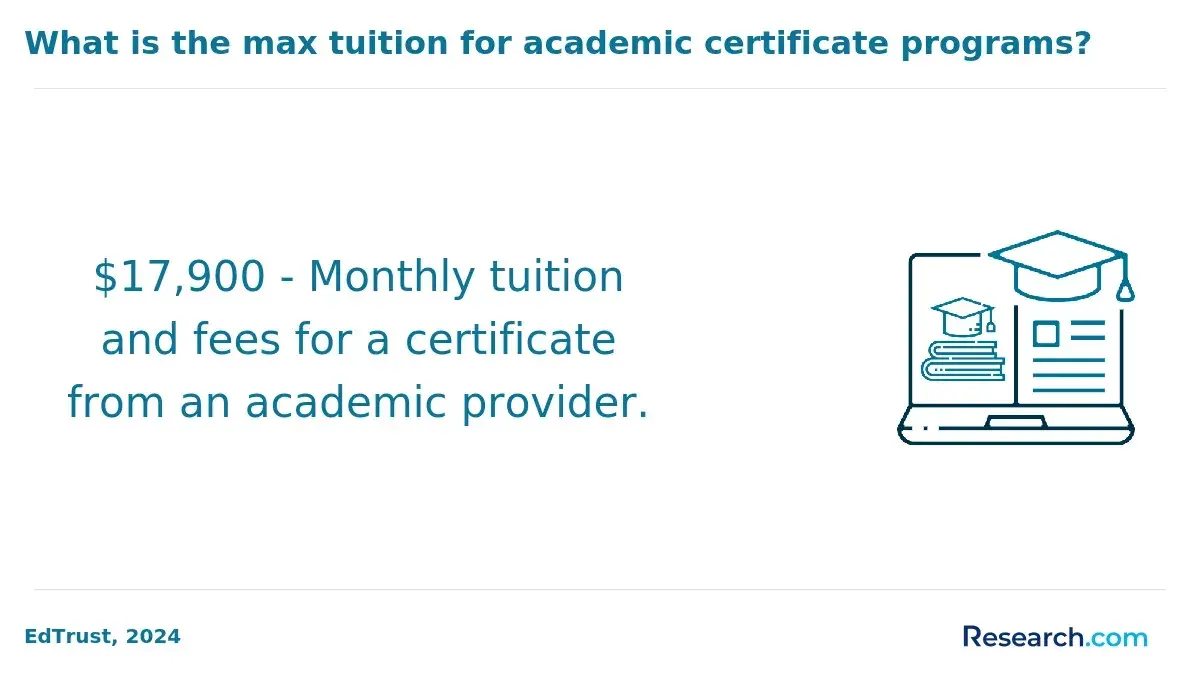
Tuition costs for online anthropology programs tend to be significantly lower than those for traditional campus-based degrees, reflecting a broader shift in how institutions allocate resources across delivery formats. Data from the National Center for Education Statistics and the Education Data Initiative in 2024 show that online anthropology courses often cost 20-30% less per credit hour than their on-campus equivalents at public universities. This difference in pricing models is not merely promotional; it arises from distinct institutional strategies where online programs leverage economies of scale differently and adopt separate fee structures that emphasize accessibility and flexibility over physical presence. Still, affordability here is a function of deeper cost considerations rather than a simple discount on tuition.
The primary factors behind these pricing disparities include the reduced need for physical infrastructure and campus amenities in fully online offerings. While saving on expenses like classroom maintenance, utilities, and facility management, institutions must invest heavily in digital learning platforms, instructional design tailored to virtual pedagogy, and robust student support services that address the remote context. Moreover, faculty in online programs may spend more time adapting content for asynchronous or hybrid delivery, influencing staffing costs differently than traditional models. Thus, although online anthropology degrees avoid many on-site expenditures, they incur significant technology and personnel costs that shape their tuition frameworks. These structural differences imply that price gaps are endemic to each delivery format's economic model rather than being temporary or promotional pricing effects.
One graduate shared that during their application for an online anthropology master's, they hesitated due to the rolling admissions timeline and uncertainty over financial aid packages. The student initially considered campus-based programs but found waiting for offers and funding decisions stressful, sometimes causing delays in finalizing plans. Eventually, the relative affordability and more predictable cost structure of the online program influenced their decision, alleviating concerns about accumulating debt amid unclear timelines. This experience highlights how affordability intertwines with program accessibility and administrative timing, contributing to practical decision-making beyond headline tuition discounts.
How Have Financial Aid and Scholarships Changed as Anthropology Tuition Has Increased?
As tuition for Anthropology programs has steadily increased, financial aid and scholarship offerings have shifted in complexity and focus but have rarely kept pace with rising costs. Institutional aid has trended toward more strategic targeting, privileging high-achieving students or those in specialized research areas, which narrows access for the average applicant facing escalating fees. Need-based aid has seen nominal dollar growth, yet stricter eligibility criteria and budget pressures restrict broader accessibility, leaving many students just outside qualifying thresholds with reduced support. Federal programs like Pell Grants have not consistently matched inflation, compelling a growing number of Anthropology students to supplement funding through private loans or work-study, which can prolong time to degree completion and heighten financial strain.
These evolving aid patterns reflect multiple factors. Heightened competition among institutions incentivizes merit-based scholarships aimed at attracting top candidates, often at the expense of wider-based need aid. Government funding constraints and policy shifts have limited the expansion of direct support, while universities employ tuition discounting selectively, balancing revenue against financial aid budgets. Scholarship offerings tied to diversity and underrepresentation have expanded but remain insufficient relative to enrollment growth and tuition increases. Graduate Anthropology programs face additional variability since fellowship availability depends heavily on external grants and departmental resources rather than institutional guarantees, amplifying financial unpredictability for advanced students.
The combined effect of these trends is a net affordability gap that widens for many Anthropology students despite nominal aid growth. The disparity between rising sticker prices and slower aid inflation drives greater reliance on loans and out-of-pocket payments, influencing students' educational choices and long-term financial health. This dynamic stresses the importance of evaluating net cost after aid rather than base tuition and highlights how funding patterns directly affect access, completion timelines, and post-graduate economic outcomes in Anthropology fields.
How Does Rising Anthropology Tuition Affect Student Debt After Graduation?
Rising anthropology tuition significantly elevates student borrowing levels, compelling many undergraduates and adult learners to take on larger loans to cover the escalating costs. This increased reliance on debt financing directly correlates with tuition inflation, often translating to graduates completing their programs with accumulated loan balances 20-30% higher than those of previous cohorts. The average student loan debt for anthropology graduates in the US reflects this trend, aggravating financial pressures upon entering a labor market where starting wages tend to be moderate. As tuition costs climb, even students who initially planned limited borrowing frequently find themselves extending debt horizons, which compounds repayment demands after graduation.
Several factors contribute to these outcomes. The growing gap between tuition rates and available financial aid intensifies borrowing needs, with private institutions typically charging more than public colleges, widening debt disparities. Interest accumulation during prolonged study or part-time enrollment further inflates total debt, disproportionately affecting adult learners balancing education with other financial obligations. Post-graduation income variability across anthropology-related careers compounds these challenges; many entry-level roles lack robust salary growth, limiting immediate repayment capacity. Considering the median speech pathologist salary as an example of allied health fields highlights the competitive pressure graduates face in balancing earnings against steep loan commitments.
Heightened debt burdens increase repayment stress, often pushing borrowers toward income-driven repayment plans or loan forgiveness programs that extend repayment timelines and total interest paid. Rising tuition costs can also influence program selection and perceptions of degree value, as borrowers weigh potential debt against realistic earnings. These dynamics underscore the necessity for prospective anthropology students to critically assess affordability and long-term financial outcomes alongside educational ambitions to navigate the complex interplay of tuition inflation, debt management, and career prospects effectively.
Do Higher-Cost Anthropology Programs Deliver Better Career Outcomes or Earnings?
Higher-cost anthropology programs do not consistently guarantee better career outcomes or higher earnings. While some institutions with elevated tuition show a modest advantage in starting salaries-averaging 6-12% above the median-this edge often diminishes within five years in the workforce. This highlights that tuition fees alone are an unreliable proxy for long-term return on investment or career trajectory in anthropology. The regional anthropology degree earnings comparison further confirms that graduates' wages tend to cluster closely despite differences in program cost, reflecting a labor market where practical skills and experience often outweigh institutional expense.
Several factors beyond price critically shape employment outcomes in anthropology. Institutional prestige may open doors, but employer networks, internship pipelines, and access to specialized subfield training meaningfully influence job prospects. Geographic location and alumni connections also play pivotal roles in leveraging opportunities. Employers consistently prioritize hands-on experience, interdisciplinary research skills, and applied knowledge over mere program cost. These elements underscore that program quality and resource availability can be more consequential than tuition in determining career success for anthropology graduates.
Prospective students should evaluate anthropology programs by considering career-relevant components such as mentorship, networking, and experiential learning opportunities relative to cost. Given the potential for greater debt burdens associated with higher tuition, a careful assessment of education ROI is essential. For those analyzing comparative educational paths, resources focusing on affordability and outcomes, like the best online colleges for forensic science, may offer broader insights into balancing program expenses with practical career benefits in related fields.
What Do Current Tuition Trends Suggest About the Future Cost of a Anthropology Degree?
Current tuition trends for anthropology degree programs reflect persistent increases outpacing inflation, signaling a sustained upward trajectory in costs. According to data from the National Center for Education Statistics in 2024, public four-year institutions saw average tuition and fees rise by approximately 3.8% year-over-year, exceeding general consumer price growth. This pattern is consistent with historical tuition escalation that adjusts for inflation but still results in growing financial burdens for students pursuing anthropology. Such trends suggest that future anthropology degree costs will likely continue to climb beyond general economic inflation, reinforcing long-term affordability challenges.
Several underlying factors drive this continued increase. Anthropology programs depend significantly on tuition revenue since external research funding is more limited compared to STEM fields, putting financial pressure on institutions to raise costs. Additionally, growing administrative expenses and investments in online learning technologies contribute to higher fees, as universities expand digital and hybrid delivery options to meet adult learner demand. Although distance education may offer flexible pathways, it sometimes carries increased per-credit fees or tech surcharges, sustaining upward tuition momentum despite evolving enrollment patterns.
These trends suggest prospective anthropology students should anticipate rising education costs coupled with complex financing considerations, including increased borrowing. Understanding how institutional funding constraints, enhanced service models, and market demand interact can help students critically evaluate program selection and affordability. Tuition projections based on current data reliably forewarn that anthropology degrees will require careful financial planning, balancing educational value against escalating price pressures in the broader context of higher education economics.
References
- Academic Precarity in American Anthropology https://www.culanth.org/fieldsights/academic-precarity-in-american-anthropology
- Yes, Aid Fuels Tuition Inflation | Cato at Liberty Blog https://www.cato.org/blog/yes-aid-fuels-tuition-inflation
- Do Student Loans Drive Up College Tuition? https://www.richmondfed.org/publications/research/economic_brief/2022/eb_22-32
- Tuition and Fee Charges Versus Inflation at Public and Private Four-Year Colleges (1987 to 2025) https://educationalpolicy.org/epigraph-260505/
- 2025 Most Affordable Online Colleges for Anthropology Degrees https://www.onlineu.com/most-affordable-colleges/anthropology-degrees
- Effects of Student Loan Debt on Economy [2026]: Data Analysis https://educationdata.org/student-loan-debt-economic-impact
- College Tuition Inflation: The Rising Price Of Education | Bankrate https://www.bankrate.com/loans/student-loans/college-tuition-inflation/
- Fact check/Does research show that federal student aid increases tuition https://ballotpedia.org/Fact_check/Does_research_show_that_federal_student_aid_increases_tuition
- Study Anthropology Abroad: Top Universities, Costs, Scope https://www.aeccglobal.com/study-abroad/courses/anthropology
- How Much Has College Tuition Outpaced Inflation? | SoFi https://www.sofi.com/learn/content/college-tuition-inflation/
Other Things You Should Know About Anthropology
Longer anthropology programs usually mean higher cumulative tuition costs but may offer deeper specialization and research opportunities. Conversely, accelerated degrees reduce total tuition exposure but might compress workload, limiting in-depth exploration or networking. Prospective students should balance the benefits of comprehensive study against financial strain and assess if shorter programs align with their career goals without compromising essential competencies.
Rising tuition disproportionately affects students lacking substantial financial reserves or family support, often underrepresented groups, creating barriers to entry or increasing reliance on loans. This dynamic can narrow diversity within anthropology programs and skew the talent pool toward those with greater economic means. Institutions and policymakers should consider financial structuring that protects access without eroding program quality, as inclusion is crucial for the discipline's vitality.
Higher tuition may correlate with institutional prestige, but in anthropology, reputation does not always guarantee superior practical training or employability. Students should critically evaluate what aspects of reputation translate into tangible benefits, such as employer networks or unique field opportunities. In many cases, selecting a cost-efficient program that offers strong applied experiences can yield better career outcomes than paying a premium solely for name recognition.