2027 Anthropology Skills Gap Analysis: What Employers Want vs What Degree Programs Teach

Co-Founder and Chief Data Scientist
A recent anthropology graduate begins job hunting only to find that the skills emphasized in their degree program differ from those sought by employers. Despite strong theoretical knowledge, they struggle to demonstrate practical abilities like data analysis, grant writing, or interdisciplinary collaboration.
This mismatch creates uncertainty about how to make their academic background relevant in a competitive job market. Prospective students considering anthropology programs face similar challenges in predicting which skills will be most valuable after graduation.
Without clear insight into employer demands, program choices risk emphasizing academic depth at the expense of workforce readiness. This article analyzes gaps between what anthropology degree programs teach and what employers expect, offering guidance to bridge that divide and enhance career prospects.
Key Things to Know About Anthropology Skills Gap
- Employer demand for anthropology graduates often exceeds typical curricula by emphasizing data analysis and digital ethnography skills; this gap means graduates may struggle in applied research roles without targeted skill-building.
- A 2024 survey found 62% of anthropology employers prioritize proficiency in GIS and coding, suggesting students must acquire these technical competencies outside traditional coursework to enhance employability.
- Students improving career readiness benefit most from internships and collaborative fieldwork, which bridge academic theory and practical application, directly addressing workforce expectations before graduation.
- Key Things to Know About Anthropology Skills Gap Key Things to Know
- What Skills Do Employers Expect From Anthropology Graduates? Employer Expectations
- What Do Anthropology Degree Programs Typically Teach? Program Curriculum
- Where Is the Biggest Skills Gap Between Anthropology Programs and Employers? Biggest Skills Gap
- Which Technical Skills Are Most Important for Anthropology Careers? Technical Skills
- Which Workplace Skills Matter Beyond Technical Knowledge? Workplace Skills
- How Do Internships and Real-World Experience Improve Career Readiness? Career Experience
- How Can Students Close the Anthropology Skills Gap Before Graduating? Closing Skills Gap
- How Is the Anthropology Job Market Changing Employer Skill Requirements? Changing Skill Requirements
- How Do Different Anthropology Programs Compare in Career Preparation? Career Preparation
- How Should Students Choose a Anthropology Program That Builds Career-Ready Skills? Choosing a Program
What Skills Do Employers Expect From Anthropology Graduates?
Employers hiring anthropology graduates in 2024 are emphasizing a combination of both technical expertise and workplace competencies that surpass traditional academic boundaries. According to the latest LinkedIn Workforce Report and World Economic Forum analyses, critical thinking and data interpretation remain top priorities, reflecting a shift towards evidence-driven decision-making roles.
Demand for technical skills like proficiency in statistical software and digital tools coexists with expectations for effective communication and adaptability in collaborative, interdisciplinary settings. Anthropology graduates typically need to bridge qualitative insights with quantitative data to remain competitive, highlighting the evolving landscape of essential anthropology skills employers seek.
Below are several key competencies that frequently surface in labor market analyses and employer feedback as fundamental for anthropology graduates entering the workforce:
- Data Analysis Proficiency: Employers expect graduates to skillfully navigate both qualitative and quantitative research methodologies. Mastery of statistical programs like SPSS, R, or Python fosters the ability to analyze complex cultural and social datasets, essential for roles requiring evidence-based recommendations.
- Digital Literacy: Familiarity with data visualization platforms such as Tableau or Power BI is increasingly sought after, enabling anthropologists to translate findings into interactive formats. This skill supports clearer stakeholder communication and enhances the practical impact of research in industries like environmental consulting or public health.
- Communication and Interpersonal Skills: The capacity to explain nuanced cultural dynamics to varied audiences is critical. Anthropology graduates refine this through community engagement projects, which build adaptability and bolster effectiveness in policy advocacy or corporate social responsibility programs.
- Ethical Sensitivity and Cultural Competence: Employers value graduates who approach projects with a strong ethical framework and an awareness of diversity and inclusion challenges. This perspective is vital in both nonprofit sectors and corporate environments that prioritize social equity.
- Project Management Abilities: Experience in managing research timelines, coordinating tasks, and contributing to grant writing enhances employability. These competencies demonstrate readiness to handle complex, multi-stakeholder initiatives that characterize many anthropology-related roles.
- Spatial Analysis Skills: Expertise with Geographic Information Systems (GIS) is increasingly recognized, particularly for applied work in urban planning or environmental health. GIS proficiency allows graduates to integrate spatial data effectively into broader analytical frameworks.
- Critical Thinking and Problem-Solving: Employers consistently seek graduates who can synthesize diverse data and cultural insights to devise innovative solutions to real-world problems. These skills reflect the core intellectual training in anthropology and are honed through interdisciplinary coursework and fieldwork.
To align academic preparation with employer demands, students should actively pursue strategies that extend beyond coursework, including internships and collaborative projects. For those interested in further specialization or leadership roles, exploring programs like the cheapest online doctorate in educational leadership can offer pathways to deepen professional skills in education and organizational contexts.
What Do Anthropology Degree Programs Typically Teach?
Anthropology degree programs equip students with a foundational understanding of human behavior and cultural expression, blending theoretical inquiry with practical research methods. This education typically leans heavily on core anthropology curriculum topics that frame human diversity through cultural, linguistic, archaeological, and biological lenses.
Yet, beyond broad disciplinary knowledge, these programs emphasize critical thinking and the interpretation of human contexts, which can be pivotal for roles in academia, museum curation, or heritage management. A 2024 report from the American Anthropological Association found that while nearly 70% of programs offer extensive coursework in traditional anthropological theory, less than one-third incorporate applied technical skills, a gap that can influence graduates' career flexibility.
The following competencies reflect what most anthropology degree programs prioritize:
- Cultural Theory and Ethnography: Students delve into frameworks explaining social norms, rituals, and identity formation, gaining methodological tools for ethnographic fieldwork. This area prepares graduates to analyze complex social systems and is essential for careers demanding cultural literacy and qualitative research.
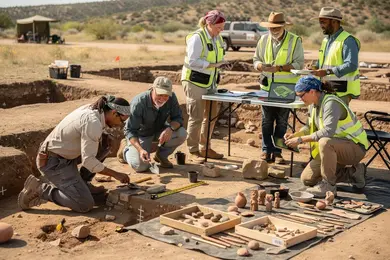
- Archaeological Methods: Instruction covers excavation techniques, artifact analysis, and historical interpretation. Understanding material culture equips students with skills relevant for work in cultural resource management and heritage preservation sectors.
- Linguistic Anthropology: Focus is placed on the relationship between language and society, exploring language evolution, usage, and social impact. This competency supports careers involving communication analysis or preserving endangered languages.
- Biological Anthropology: Programs teach human evolution, primatology, and forensic techniques to link biological data with cultural phenomena. This knowledge serves roles in forensics, healthcare research, and evolutionary studies.
- Research Design and Qualitative Analysis: Students learn to construct study frameworks, engage in ethnographic interviewing, and interpret qualitative data critically. This is a core skill set for academic research and user-centered fields alike.
- Interdisciplinary Application: Many curricula integrate cross-disciplinary methods, encouraging fluency in related fields like sociology, geography, or data science. However, a 2024 survey from the National Center for Education Statistics indicates that fewer than 30% of anthropology graduates receive formal training in tools such as GIS or project management, which are increasingly valued in policy-making and heritage management.
- Ethical Engagement: Emphasis on ethical considerations and cultural sensitivity underpins all program components, ensuring graduates navigate human subjects research responsibly and foster respectful community interactions in professional settings.
For students seeking pathways that combine anthropology with advanced leadership skills, exploring specialized options such as an online PhD in leadership could augment their educational trajectory with complementary competencies.
Where Is the Biggest Skills Gap Between Anthropology Programs and Employers?
Anthropology degrees generally provide strong theoretical grounding, yet notable discrepancies remain between what graduates learn and what employers expect. Recent 2024 data from the National Association of Colleges and Employers shows under 40% of anthropology programs integrate training in key digital and analytical tools widely demanded in the workforce.
This gap surfaces most clearly where cultural insight intersects with quantitative and technical skills, creating a barrier for graduates aiming to apply anthropological perspectives in data-driven environments.
The following areas illustrate where these disparities most frequently occur:
- Technical Data Proficiency: Many programs emphasize qualitative methods but fall short in building skills in statistical software, coding languages like Python or R, and Geographic Information Systems (GIS). This limits graduates' immediate usefulness in sectors such as public health and market research that rely on spatial and numerical analysis. Students should seek internships or coursework offering hands-on experience with these tools to remain competitive.
- Professional Communication: Employers expect anthropology graduates to clearly convey research results to diverse, often non-academic audiences. However, curricula tend to focus on academic writing and theory over crafting accessible reports and presentations. Developing grant writing and client-facing communication skills through workshops or real-world projects can help bridge this gap.
- Business and Project Management: Practical skills like project coordination and budgeting are increasingly crucial as anthropology work moves into applied fields. Many programs overlook this, leaving graduates underprepared for roles requiring cross-disciplinary collaboration and efficient resource management. Engagement in collaborative research projects or taking certificate courses in project management can build needed experience.
- Integration of Quantitative and Qualitative Approaches: There remains a divide in combining traditional ethnographic insight with advanced data analytics. Addressing complex societal problems today demands fluency in both, yet most training isolates these skill sets. Proactively pursuing multidisciplinary studies or applied labs that blend these methods helps graduates respond more effectively to evolving employer needs.
One recent anthropology graduate encountered this skills gap firsthand during a job search at a public health research institute. Although strong in cultural analysis, they hesitated when asked about experience with statistical software and spatial data in the interview.
Recognizing this weakness, they quickly enrolled in an intensive coding bootcamp and volunteered on data-driven projects to build relevant skills. This proactive pivot eased the transition into a role that required both anthropological insight and technical competence, underscoring the importance of supplementing traditional anthropology education with applied digital and managerial skills.
Which Technical Skills Are Most Important for Anthropology Careers?
Technical skills represent the essential bridge between academic knowledge and practical application within anthropology careers. As workplace technologies shift and interdisciplinary demands deepen, the relevant competencies evolve, requiring students and graduates to remain agile and continually update their expertise.
According to 2024 data from the National Center for Education Statistics and the American Anthropological Association, employer emphasis on specific technical skills reflects this dynamic landscape, favoring those who can integrate traditional anthropology with modern analytical tools. Understanding these priorities helps students position themselves competitively and adapt to diverse professional environments.
Below are key technical skills that consistently enhance employability and long-term success in this field:
- Geographic Information Systems (GIS): GIS proficiency enables anthropologists to perform spatial analysis crucial for cultural and historical research. Students typically gain this skill through specialized coursework and lab projects, supporting roles in archaeology, environmental anthropology, and urban studies by facilitating data visualization and geographic modeling.
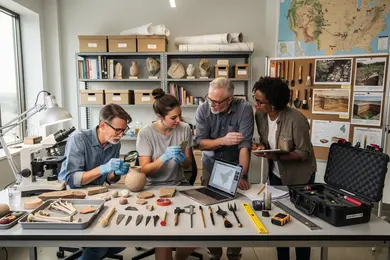
- Statistical Analysis Software: Mastery of programs like SPSS, R, and Python is increasingly required for quantitative research and large dataset management. These tools empower graduates to translate complex data into meaningful patterns, a capability valued in both academic and applied sectors for policy advising and field research.
- Qualitative Data Analysis Tools: Software such as NVivo assists in organizing and coding ethnographic data, making field notes and interviews more accessible for interpretation. Exposure to these platforms during training enhances efficiency and rigor in qualitative study methodologies.
- Database Management Skills: Competence with SQL and relational databases supports the curation of extensive cultural and archaeological records. Proficiency here is vital for positions handling archive maintenance, museum collections, or research repositories, emphasizing disciplined data organization.
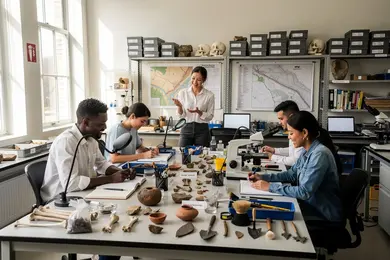
- 3D Modeling and Photogrammetry: These emerging techniques allow for detailed digital reconstruction of artifacts and sites, crucial in specialties like archaeology and bioarchaeology. Practical experience often comes from targeted workshops or collaborative research projects, adding a valuable dimension to preservation and analysis work.
- Computational Methods: The ability to implement programming and algorithmic approaches broadens opportunities for interdisciplinary projects, particularly where simulations or predictive modeling are involved. Students who develop these skills can engage in more innovative and tech-driven research.
- Applied Research Methodologies: While less technical and more methodological, hands-on experience designing and conducting studies remains fundamental. Employers note a gap in real-world exposure, urging programs to integrate practical tool usage with research frameworks to prepare graduates effectively.
About 68% of employers in anthropology-related fields in 2024 reported prioritizing candidates with strong data analysis and technical competencies, illustrating the shift from purely theoretical expertise toward a balanced, technology-enhanced skill set.
Which Workplace Skills Matter Beyond Technical Knowledge?
Success in anthropology careers increasingly hinges on a blend of professional skills alongside technical expertise. Employers consistently highlight a persistent gap between academic preparation and the practical demands of interdisciplinary, organizational environments.
Recent data from the National Center for Educational Statistics and the American Anthropological Association confirm that durable skills such as communication, adaptability, and critical thinking are now essential, with over 70% of surveyed employers prioritizing these competencies over technical methods alone. To align with real-world expectations, anthropology students must proactively develop these professional capabilities during their studies through targeted coursework and experiential learning opportunities.
Below are key workplace skills that matter most beyond technical knowledge in anthropology careers:
- Effective Communication: The ability to translate complex cultural concepts into clear, actionable insights is critical. Anthropology programs can foster this through writing intensive assignments and presentations linked to fieldwork, enhancing clarity and influence in stakeholder interactions.
- Critical Thinking Application: Beyond theoretical critique, employers expect graduates to apply multi-scalar analysis to solve practical business or policy problems. Engaging in case studies or internships that bridge theory and applied contexts strengthens this capability.
- Cross-Cultural Competency: Navigating cultural nuances within diverse workplaces requires emotional intelligence and sensitivity. Coursework involving global ethnographies combined with community-based projects equips students to respectfully engage varied perspectives.
- Adaptability and Resilience: Anthropological work often demands flexibility amid shifting project scopes or organizational changes. Developing resilience through experiential challenges, such as remote collaboration or digital data visualization, better prepares graduates for dynamic environments.
- Collaboration and Teamwork: Interdisciplinary cooperation is frequently cited as a key to employability. Group projects and participatory research experiences help students practice negotiation, conflict resolution, and shared leadership.
- Project Management Skills: Employers value the ability to coordinate schedules, resources, and deliverables. Integrating project-based assignments and internships enables hands-on practice managing real-world timelines and stakeholder expectations.
- Digital Literacy: Utilizing software for data analysis and visualization has become fundamental in many anthropology roles. Incorporating training in relevant digital tools expands career options and supports remote or hybrid work models.
To further enhance workforce readiness, combining anthropology studies with practical skills development is crucial. Students interested in accelerating career flexibility may also consider supplementary programs, such as the fastest business degree online, to build complementary competencies in management and communication.
Integrating these professional skills bridges the prevailing gap around which conversations about the importance of professional skills for anthropology graduates revolve. This balanced skill set improves immediate employability and supports sustainable career trajectories where traditional anthropological methods alone may fall short.
How Do Internships and Real-World Experience Improve Career Readiness?
Classroom instruction often emphasizes theoretical foundations and cultural analysis but falls short of fully preparing anthropology students for professional environments where practical skills and adaptability are crucial. Real-world experience through internships or practicums bridges this gap by allowing students to apply academic concepts in settings that demand problem-solving, project management, and effective communication.
For example, a student conducting ethnographic research within a nonprofit organization gains insight into managing stakeholder expectations and navigating organizational workflows-competencies rarely developed through coursework alone.
According to a 2024 report from the National Center for Education Statistics, anthropology graduates who completed at least one internship showed a 27% higher employment rate within six months post-graduation compared to those without such experiences, highlighting the tangible impact of applied learning on job market readiness.
Experiential learning opportunities enable students to hone technical skills such as data analysis with digital tools while also cultivating professional communication styles and understanding workplace norms. Networking with mentors and colleagues during these placements often provides guidance that influences career paths and decisions beyond what academic advising can offer.
However, access to internships can vary significantly depending on geographic location, institutional support, and industry connections, which may affect the quality and diversity of experiences available to students. These disparities underline the importance of integrating structured experiential components into anthropology programs and encouraging proactive engagement with applied projects to ensure equitable skill development.
To derive the greatest benefit, prospective anthropology students should seek internships early in their academic journey, actively participate in on-the-job projects, and thoughtfully reflect on how these experiences align with their professional goals. Building relationships in the field and linking workplace challenges back to academic learning fosters critical judgment and confidence.
Nonetheless, internships are most effective when combined with solid academic performance, continuous skill enhancement, and deliberate career planning, creating a comprehensive approach to workforce readiness that balances theoretical knowledge with practical expertise.
How Can Students Close the Anthropology Skills Gap Before Graduating?
Students don't have to wait until graduation to build skills that matter to employers in anthropology-related fields. Early integration of workplace competencies with academic learning enhances readiness for competitive job markets.
Actively pursuing real-world experiences alongside coursework enables students to acquire practical skills employers demand, such as analytical thinking, communication, and project management. This approach helps bridge the gap between theoretical knowledge and applied expertise, increasing employability and easing the transition into professional environments.
Below are key strategies to close the anthropology skills gap before earning a degree:
- Internships and Fieldwork: Internships provide hands-on experience essential for applying anthropological concepts to real-life challenges. Engaging in fieldwork allows students to develop critical observation and data-gathering skills while demonstrating adaptability—qualities highly valued by employers. According to the 2024 NACE Job Outlook, 78% of employers prioritize internship experience over academic grades when assessing candidate readiness.
- Undergraduate Research: Participation in mentored research projects sharpens problem-solving abilities and familiarity with analytical tools. Students gain insight into designing studies and interpreting data, preparing them for roles in cultural resource management or policy analysis. Recent Council on Undergraduate Research findings highlight improved employment prospects for those involved in research.
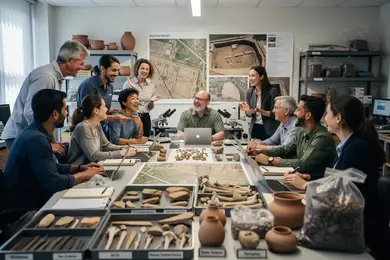
- Project-Based Learning: Collaborative projects foster teamwork and communication skills vital for interpreting and presenting anthropological findings. Structured group work encourages interdisciplinary thinking and leadership, aligning with employer expectations for professionals who can convey complex ideas clearly and effectively.
- Technical Certifications: Acquiring certifications in GIS, qualitative data analysis, or digital ethnography demonstrates technical proficiency and commitment to professional development. The American Anthropological Association reports that such credentials can distinguish graduates in the job market, signaling readiness for specialized roles.
- Balancing Workload: Thoughtful integration of experiential activities with academic demands ensures skill development without overwhelming students. Prioritizing quality over quantity of experiences prevents inequities and supports sustained engagement, which is crucial to mastering competencies and avoiding burnout.
- Networking and Professional Engagement: Joining anthropology clubs, attending conferences, or engaging with professional organizations helps students connect with mentors and potential employers. These relationships provide insight into industry trends and open doors to unique opportunities beyond classroom learning.
One anthropology graduate recalled feeling uncertain during her final year about how to differentiate herself in a competitive job market. She hesitated at first but chose to balance her thesis work with a GIS certification and a summer internship at a local cultural heritage nonprofit.
This combination of field experience and technical skills gave her the confidence to communicate effectively in interviews and adapt quickly to workplace demands. Reflecting afterward, she recognized that actively choosing varied, practical engagements-even when her schedule felt tight-was key to closing the skills gap and securing her first professional position.
How Is the Anthropology Job Market Changing Employer Skill Requirements?
Technological innovation, automation, and globalization are reshaping the skills employers expect from anthropology graduates, particularly as roles increasingly intersect with data-driven industries and digital platforms. The rise of artificial intelligence and digital ethnography means that expertise in traditional fieldwork alone is no longer sufficient. Workers must also be fluent in data literacy and technologically enhanced research methods.
According to labor market data from Lightcast and the U.S. Bureau of Labor Statistics, demand for roles combining anthropological insight with technical skills like GIS and qualitative analytics is expanding rapidly, a trend echoed in LinkedIn's 2024 employment reports highlighting digital storytelling and policy analysis as growing employer priorities. This shift underscores the significance of anthropology job market skill trends that emphasize cross-functional expertise and adaptability.
The evolving employer expectations now incorporate both technical competencies and professional skills, including interdisciplinary collaboration and effective communication across diverse organizational contexts. The World Economic Forum highlights adaptability and ongoing skill acquisition as critical, signaling that recent graduates and career changers without practical experience or exposure to applied tools risk falling behind.
Bridging the gap between academic theory and practical application requires continuous learning and real-world engagement beyond coursework. Students should strategically integrate internships, applied projects, and certifications into their education while cultivating professional networks and communication abilities to enhance workforce readiness effectively.
Preparation for this dynamic landscape means combining foundational anthropology coursework with targeted skill-building initiatives. For example, individuals aiming to enter user experience research or international development should consider supplementing their degree with workshops in data management or digital research methods.
Pursuing relevant certifications and participating in internships can provide the hybrid skill sets employers seek. Those exploring interdisciplinary options may also benefit from comparing alternatives like an electrical engineering degree online admissions for different career outcomes, depending on their long-term goals within the evolving labor market.
How Do Different Anthropology Programs Compare in Career Preparation?
Career preparation in anthropology degree programs hinges on more than just the degree title; how effectively a program integrates practical training with theory shapes graduate outcomes.
Programs often vary widely in their ability to develop workforce-ready skills, and this disparity matters significantly for students aiming to enter applied or technical roles. For example, a student seeking employment in cultural resource management may find a program lacking fieldwork experience less helpful than one emphasizing ethnographic methods and GIS.
The following factors highlight what students should compare when assessing anthropology curricula versus employer expectations:
- Curriculum Integration: Programs differ in balancing theoretical foundations with applied skills like data analysis, GIS, or ethnographic research. Employer surveys show a strong preference for graduates who have hands-on experience alongside conceptual knowledge. When comparing curricula, consider whether practical skill development is embedded or merely optional.
- Experiential Learning Opportunities: Internships, collaborative research projects, and fieldwork significantly increase job placement success by exposing students to real-world settings. Programs with limited faculty expertise or resources may offer fewer such opportunities, which can affect immediate job readiness and versatility across anthropology's diverse sectors.
- Interdisciplinary Connections: Programs linking anthropology with disciplines such as public health or data science enhance graduate marketability. This reflects labor market demands for adaptability beyond traditional anthropological knowledge, making students more competitive for various roles including those in introvert jobs that pay well.
- Outcome Transparency: Prospective students should examine published graduate employment rates and sector alignment. According to the National Center for Education Statistics (2024), programs that transparently report outcomes and focus on skills aligned with employer needs show significantly higher placement rates, underscoring the value of data-driven program selection.
Evaluating anthropology degree program career readiness requires weighing these factors in relation to individual career goals, learning styles, and readiness to pursue experiential opportunities beyond academics.
How Should Students Choose a Anthropology Program That Builds Career-Ready Skills?
Choosing between online, hybrid, or campus anthropology programs involves weighing long-term outcomes tied to each format's unique strengths and challenges. The most recent 2024 studies from the National Center for Education Statistics and workforce analytics emphasize practical skills and applied experiences as key predictors of workforce readiness. Each format offers different pathways to develop these skills, influencing career trajectories and completion success.
Below are important factors to consider when selecting the learning format that best fits your goals and circumstances:
- Skill Application Opportunities: Campus programs often provide hands-on fieldwork and face-to-face internships critical for applied skills, while hybrid models mix these with online flexibility. Fully online students may need to seek external experiences but benefit from digital literacy and self-directed learning strengths.
- Networking Potential: In-person formats foster richer peer and faculty connections, crucial for cultural sector careers. Hybrid formats offer moderate networking, while fully online settings require deliberate efforts to build professional relationships remotely.
- Completion Rates: Statistics show campus programs generally have higher graduation rates due to structured environments, but disciplined learners may succeed equally well online or in hybrid settings.
- Access to Resources: Campus students access on-site labs, GIS software, and qualitative research tools directly, enhancing technical skill mastery. Online learners rely on virtual labs and software licenses, which may limit immersive experience.
- Flexibility and Life Balance: Online and hybrid programs better suit working adults or caregivers by allowing schedule adaptability. Campus formats demand fixed attendance but can accelerate social integration and cultural immersion.
- Employer Recognition: Employers increasingly value demonstrated competencies over delivery format. However, programs with embedded real-world projects, commonly found in campus or hybrid formats, consistently show higher graduate employability scores.
- Long-Term Career Impact: For careers emphasizing field experience or public policy, campus or hybrid graduates often report smoother transitions. Online format graduates excel in digital roles requiring analytical and remote collaboration skills, reflecting the evolving labor market demands.
References
- How to conduct a skills gap analysis: a step-by-step guide https://www.predictiveindex.com/blog/how-to-conduct-a-skills-gap-analysis/
- How Can Anthropologists Navigate Careers in Emerging Technologies? - The Global Anthropology Project (GAP) https://globalanthropology.org/news/how-can-anthropologists-navigate-careers-in-emerging-technologies/
- Bridging the education-employment gap: Why soft skills matter - Development Beyond Learning https://developmentbeyondlearning.com/bridging-the-education-employment-gap-why-soft-skills-matter/
- Think like an anthropologist to get the best out of your digital workplace https://digitalworkplacegroup.com/think-like-an-anthropologist-to-get-the-best-out-of-your-digital-workplace/
- How to Perform a Skills Gap Analysis: A Human-First Guide https://blog.livinghr.com/skills-gap-analysis
- How To Use A Skills Gap Analysis | University of Phoenix https://www.phoenix.edu/workforce-solutions/workforce-resources/posts/skills-development/how-to-use-a-skills-gap-analysis-in-the-workplace.html
- Anthropology https://www.albany.edu/anthropology/programs/ba-anthropology
- Skills Gap Analysis: The Definitive Guide for Modern Enterprises https://www.skills-base.com/skills-gap-analysis-explained
Other Things You Should Know About Anthropology Skills Gap
Anthropology degree programs often emphasize broad theoretical frameworks and critical thinking over specialized vocational skills. While this fosters analytical depth, it can leave graduates less prepared for roles requiring immediate applied expertise, such as cultural resource management or data analysis. Students seeking quicker workforce entry should prioritize programs that balance theory with hands-on training or supplementary skill-building opportunities.
Choosing between a focused or broad curriculum depends on career goals. Narrowly tailored programs often enhance mastery of job-relevant competencies but risk limiting adaptability across diverse anthropology-related roles. Broader curricula promote flexible thinking and interdisciplinary insight but may require additional self-directed skill development. For most students, a blended approach-with broad foundations and targeted electives-maximizes both employability and long-term career mobility.
Programs heavy on academic reading, writing, and theory can constrain time available for internships or technical training, which are crucial for employer preferences. Balancing rigorous scholarship with experiential learning is challenging but essential; overcommitment to one often comes at the expense of the other. Students should assess if a program's structure realistically allows engagement with applied projects or fieldwork alongside coursework to ensure workforce readiness.
Graduates facing technical skill gaps should proactively pursue certifications, workshops, or short courses in key applied areas such as GIS or statistical software after graduation. This approach compensates for program shortcomings and shows initiative to employers. Prioritizing continuous skill development post-degree is critical because relying solely on theoretical knowledge limits competitiveness in many anthropology-related job markets.