2027 Anthropology Affordability by State: Where Students Pay the Most and Least

Co-Founder and Chief Data Scientist
Choosing between a state university with $5,000 annual in-state tuition and a prestigious out-of-state program charging over $20,000 poses a stark financial dilemma for anthropology students. The real challenge lies beyond tuition: costly living expenses often offset savings from lower sticker prices. A 2024 study by the National Center for Education Statistics found that for many students, living costs now represent more than 60% of their total budget, shifting affordability calculations significantly. This inflation in non-tuition expenses forces students to reconsider out-of-state enrollments despite program prestige or specialization.
This article examines state-by-state variations in anthropology affordability to highlight where students face the greatest financial burden and where education remains more accessible.
Key Things to Know About Anthropology Affordability by State
- States with lower in-state tuition often feature higher living costs, reducing net affordability for anthropology students, indicating a need to weigh total attendance expenses rather than tuition alone.
- Out-of-state tuition premiums deter mobility; however, employer demand in regions with robust cultural institutions favors graduates from local programs, impacting workforce integration and opportunity.
- Online anthropology options sometimes present smaller tuition variance but often lack local fieldwork components, delaying skill acquisition critical for timely career entry and affecting long-term employability.
- Key Things to Know About Anthropology Affordability by State Key Things to Know About Anthropology Affordability by State
- Which States Have the Most Affordable Anthropology Degree Programs? Most Affordable State Programs
- Which States Have the Highest Anthropology Degree Costs? Highest State Tuition Costs
- How Much Does a Anthropology Degree Cost by State? Degree Costs by State
- Why Does Anthropology Affordability Vary So Much Between States? State Affordability Variations
- How Do In-State and Out-of-State Tuition Rates Affect Anthropology Affordability? In-State vs. Out-of-State Rates
- How Does the Cost of Living Impact Overall Anthropology Affordability by State? Living Costs and Affordability
- Which States Offer the Best Value for a Anthropology Degree? Best Value State Degrees
- What Financial Aid and Scholarship Opportunities Can Reduce Anthropology Costs? What Financial Aid and Scholarship Opportunities Can Reduce Anthropology Costs?
- Are Online Anthropology Degree Programs More Affordable Than On-Campus Options? Are Online Anthropology Degree Programs More Affordable Than On-Campus Options?
- Is a Anthropology Degree Worth the Cost Based on Career Outcomes and ROI? Degree ROI and Outcomes
Which States Have the Most Affordable Anthropology Degree Programs?
States that consistently offer some of the most affordable anthropology degree programs do so not merely because of low sticker prices but due to a combination of robust public higher education funding, favorable residency policies, and manageable regional living costs. For instance, Wyoming's per-student funding approach reduces pressure on tuition rates even as institutional expenses rise, creating a tangible advantage for in-state students who might pay up to 60% less than their out-of-state counterparts. This dynamic shapes enrollment decisions, especially for budget-conscious learners weighing the tradeoffs between relocating to states with inexpensive tuition and navigating higher living expenses elsewhere. For many prospective anthropology students, these distinctions directly influence the feasibility of degree completion and the net financial investment required.
These affordable in-state anthropology tuition rates by state underscore the practical impact of localized policy and economic factors on accessibility. States like Mississippi and New Mexico leverage lower costs of living alongside targeted financial aid and scholarships, such as grant programs supporting low- and middle-income families, to keep overall attendance costs lower beyond tuition alone. Conversely, regions with high living costs and limited public funding often push total expenses beyond many students' reach, complicating long-term educational planning.
Additionally, increasing online program offerings in states such as New Mexico and Wyoming provide flexible alternatives that can reduce or eliminate relocation costs, a meaningful factor for students balancing employment or family responsibilities. These elements collectively frame the strategic considerations students must weigh when comparing anthropology programs across state lines, including recently growing interest in cheap online MSW programs as analogous accessible pathways in social sciences education.
Which States Have the Highest Anthropology Degree Costs?
States with major metropolitan areas and dense concentrations of research institutions tend to impose the highest costs on anthropology students, as the interplay between reduced public funding and elevated regional living expenses drives prices upward. For example, data from the National Center for Education Statistics and the College Board's 2024 tuition report show that in-state tuition in California often hits $16,000 annually, but when paired with housing and transportation costs typical of cities like Los Angeles or San Francisco, total expenses can surpass $40,000 per year. This disparity is compounded by residency policies, where out-of-state students face two-to-three times higher tuition, making relocation or online alternatives essential considerations for cost-conscious learners. Decision-making in this context involves balancing the prestige and resource availability of top-tier programs against the substantial financial burden and potential long-term debt incurred.
The clustering of esteemed public and private universities in states like Massachusetts and New York further distorts affordability, as their academic intensity and research infrastructure demand higher tuition regardless of student origin. This dynamic forces prospective students to weigh the immediate financial impact against the program's ability to enhance employability in competitive anthropology job markets, which can vary considerably by region and sector. Furthermore, tuition inflation outpacing state funding aggravates these trends, pushing more costs onto individual students and potentially restricting access for those without significant financial aid. In practical terms, this means students must critically evaluate whether the benefits of studying in a high-cost state outweigh alternative pathways, including in-state institutions with lower expenditures or hybrid and online programs that mitigate living expenses.
One anthropology student from the Midwest carefully analyzed several programs after discovering that out-of-state tuition in New York was nearly triple their home state's rates. Although intrigued by the reputation of certain East Coast universities, the student hesitated due to the difficulty of covering not only tuition but also steep housing and commuting costs in an expensive urban setting. Exploring online alternatives and applying for state-specific scholarships eased some concern, yet the student remained cautious about incurring debt without clear evidence that the higher-cost options would yield sufficient career advantages to justify the investment. This pragmatic approach reflects the real-world challenges many face when navigating state-based disparities in anthropology degree affordability.
How Much Does a Anthropology Degree Cost by State?
State-level tuition disparities for anthropology degrees reflect a complex intersection of public funding, residency policies, and regional economic conditions, which directly shape student budgeting and academic planning. For instance, public four-year institutions in states like Wyoming may charge as little as $6,000 annually for in-state students, while states with higher living expenses and concentrated private universities, such as Massachusetts, can push in-state tuition beyond $13,000. This gap carries practical consequences: a student from the Midwest weighing a degree in anthropology might prioritize local public options to minimize debt, whereas out-of-state applicants face surcharges often two to three times greater, which may prompt decisions about relocation, financial aid applications, or seeking online alternatives to avoid prohibitive costs.
These cost differences also influence post-graduation outcomes by affecting a student's debt load and capacity to engage in unpaid fieldwork or internships crucial for anthropology careers. States with stronger public investment can provide more affordable pathways, yet may offer fewer direct research opportunities or industry connections compared to pricier urban programs. Consequently, students must balance tuition costs against potential long-term returns, factoring in whether their budget permits the extra expenses associated with high-demand programs or if a more affordable state-based institution offers sufficient network access and experiential learning. According to 2024 data from the National Center for Education Statistics, the variability in tuition demonstrates that navigating state policies and cost-of-living realities is essential for realistic Anthropology degree planning.
Why Does Anthropology Affordability Vary So Much Between States?
State funding disparities remain the central factor driving regional differences in anthropology degree cost differences by state. States like Wyoming and New Mexico allocate significantly higher per-student appropriations to public universities, which tends to lower in-state tuition and ease financial burdens on enrolled students. Conversely, states with smaller higher education budgets often compensate by raising tuition, pushing costs beyond what many residents can afford without substantial aid or out-of-state enrollment. This tension between funding and tuition is further complicated by the uneven presence of private versus public institutions; private anthropology programs generally carry steeper sticker prices but may offer merit-based aid, influencing how students evaluate tradeoffs between cost and financial support.
Local economic conditions also shape affordability by impacting institutional overhead and student living expenses. High-cost states like California can drive overall expenses up, despite relatively generous financial aid, while lower-cost regions present more economically accessible options even when tuition is comparable. Financial aid programs strongly affect net price, but their availability often depends on state policies and population trends, constraining support in states facing budget shortfalls or slower growth. These variables steer enrollment behavior, with more price-sensitive students sometimes selecting out-of-state or online alternatives, including the best online CACREP counseling programs for related fields, when in-state costs are prohibitive-highlighting the need for nuanced, location-specific planning in long-term educational decisions involving anthropology.
How Do In-State and Out-of-State Tuition Rates Affect Anthropology Affordability?
Residency-based tuition differentials heavily influence the practical affordability of anthropology degrees, often guiding students' institutional and geographic choices more than program reputation or curriculum differences. For example, attending a public university in one's home state can cut annual costs by more than half compared to paying out-of-state rates, which average around $27,000 per year at public four-year schools versus roughly $10,500 for in-state attendees, according to 2024 National Center for Education Statistics data. This sizable gap complicates relocating for specialized programs since out-of-state tuition premiums rarely coincide with proportional increases in financial aid or scholarship opportunities, thereby extending the time required to recoup educational investments through employment. Regional reciprocity agreements may alleviate some cross-border cost burdens but are unevenly accessible and often limited in scope, prompting many students to weigh whether residency reclassification efforts or online program options genuinely offset these price disparities.
Online anthropology programs demonstrate varied tuition structures, with some institutions offering in-state rates to all enrollees but many preserving geographic distinctions that affect total expenses and access to state-specific grants. Students must also navigate residency qualification rules that can exclude non-traditional or recently relocated individuals from reduced tuition rates, adding administrative complexity and uncertainty to their financial planning. Since private colleges generally apply uniform tuition regardless of residency, the absence of residency discounts shifts the affordability calculus toward in-state public institutions for budget-conscious learners seeking lower debt burdens and clearer cost expectations tied directly to state funding priorities and policy frameworks.
One anthropology student who relocated to a neighboring state for a specialized forensic program initially assumed residency status would reduce tuition the following year, but found the university's strict 12-month physical presence requirement and proof of financial independence complicated eligibility. Consequently, they paid full out-of-state rates during critical semesters, leading to unanticipated loan increases and a reassessment of the value derived from crossing state lines versus enrolling online or near home. This experience underscored how nuanced residency rules and limited reciprocity can sharply affect affordability and forced a more cautious approach to balancing program fit with financial realities.
How Does the Cost of Living Impact Overall Anthropology Affordability by State?
Cost-of-living disparities significantly shape the financial realities behind earning an anthropology degree across states, often outweighing tuition comparisons alone. For instance, a student in California may face tuition only slightly higher than a Midwestern counterpart but contend with housing rents two to three times greater, driving up total expenses well beyond simple tuition costs. These regional living expenses and anthropology education costs in the United States compel students to weigh trade-offs such as choosing between expensive urban campuses with abundant resources and lower-cost rural programs that might require longer commutes or limit networking opportunities.
Transportation and utilities also factor heavily into the cost equation. In sprawling metropolitan areas with limited public transit, students incur increased car ownership and maintenance costs, a burden absent in more compact or transit-rich states. Food and healthcare expenses, elevated in many urban centers, add further layers to monthly budgeting. These nuanced cost-of-living factors influence not only enrollment decisions but also financial aid needs and student debt exposure, encouraging some learners to pursue online coursework or part-time study to mitigate expenses. Budget-conscious students increasingly examine total living costs alongside program quality, highlighting the practical relevance of resources like the top MBA online rankings for comparable cost-sensitive educational choices.
Ultimately, such affordability nuances underscore how students must look beyond sticker tuition to understand the comprehensive financial demands tied to anthropology degrees. Housing costs alone can distort direct tuition savings, while local economic conditions and inflation patterns influence ongoing expense pressures throughout degree completion. Families and students prioritizing disciplined financial planning benefit from integrating these regional cost variations into their decision-making process, aligning educational goals with sustainable long-term financial outcomes.
Which States Offer the Best Value for a Anthropology Degree?
Evaluating the value of an anthropology degree by state requires balancing tuition costs, residency policies, and local economic factors rather than simply selecting the cheapest option. For instance, Florida's public universities offer in-state tuition around $6,300 annually, which, combined with moderate living expenses and above-average four-year graduation rates near 50%, provides a realistic path to degree completion with manageable debt. However, students must also consider the availability of need-based aid and the likelihood of graduating on time, as drawn-out programs in higher-cost states can erode financial advantages even where sticker prices appear low.
In contrast, Texas commands higher in-state tuition, close to $10,000 per year, but compensates through extensive financial aid programs and a growing regional demand for anthropologists within government and cultural management sectors. This tradeoff highlights how employment prospects post-graduation and state investment in higher education influence the return on investment, making higher upfront costs viable in economically robust settings. Conversely, North Carolina combines slightly higher tuition rates-about $9,000 annually-with strong graduation outcomes exceeding 55% and research-intensive institutions, offering an environment conducive not only to degree attainment but also to deeper academic engagement and networking opportunities.
Students weighing where to enroll should recognize that affordability includes more than tuition and living costs; it is also a function of graduation efficiency, financial aid access, and regional job markets. States like California and New York may have prestigious programs but often burden students with higher debt and longer completion times, weakening overall value. Meanwhile, smaller states with lower costs may lack the infrastructure or labor market to support anthropology graduates effectively. Thus, prospective anthropology students benefit from assessing financial aid frameworks, institutional quality, and local employment landscapes alongside cost metrics to optimize educational and career outcomes.
What Financial Aid and Scholarship Opportunities Can Reduce Anthropology Costs?
Affordability of an Anthropology degree is deeply shaped by the interplay of federal aid, state funding, institutional scholarships, and employer tuition benefits, each presenting distinct tradeoffs tied to residency, eligibility, and enrollment status. Federal Pell Grants, for example, cover up to $7,395 annually for eligible students, but require strict income thresholds and timely renewal applications, which means that part-time students or those balancing work commitments may face gaps in coverage. State reciprocity agreements can reduce out-of-state tuition by 25-50%, yet these benefits depend on residency verification and vary significantly by region, often compelling students from non-participating states to absorb full sticker prices or relocate.
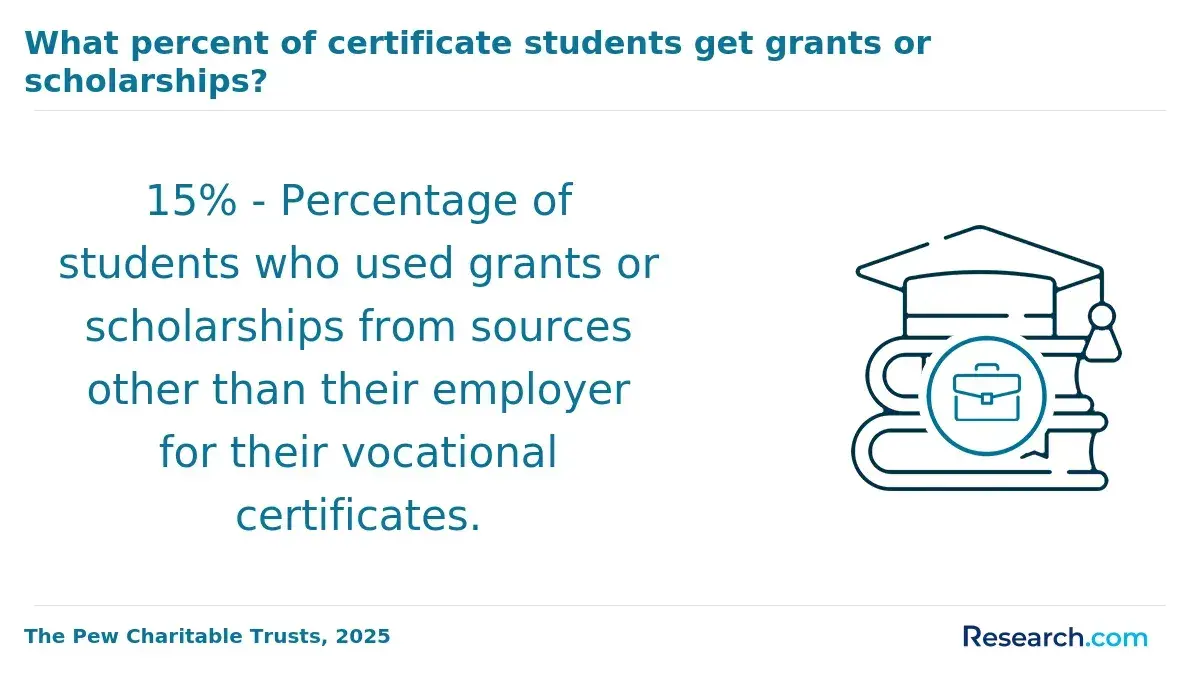
Institutional scholarships provide another layer of aid, frequently anchored to merit criteria like GPA or standardized test scores, which limits access for many applicants despite substantial nominal awards. Students must carefully assess scholarship renewal policies and whether aid can be combined with other grants without triggering reductions, as stacking restrictions can reduce total assistance. Meanwhile, employer tuition assistance is an emerging but uneven resource, mostly accessible to students employed in cultural resource management or education sectors and often tied to specific work-study tradeoffs. According to the National Center for Education Statistics (2024), nearly 30% of undergraduate Anthropology students receive federal grant aid, illustrating the critical but partial role these programs play in offsetting variable tuition costs across institutions and states.
Are Online Anthropology Degree Programs More Affordable Than On-Campus Options?
The notion that online anthropology degree programs are unequivocally more affordable than on-campus options oversimplifies the financial realities students face. Tuition discounts for fully online social science degrees, including anthropology, vary widely by state and institution, with some programs offering 15% to 25% lower rates, but others imposing out-of-state fees comparable to campus tuition. For instance, a student living in a high-cost state pursuing an online degree out-of-state may encounter limited tuition savings due to residency restrictions, while also incurring additional costs for technology and proctored exams that campus-based students often avoid.
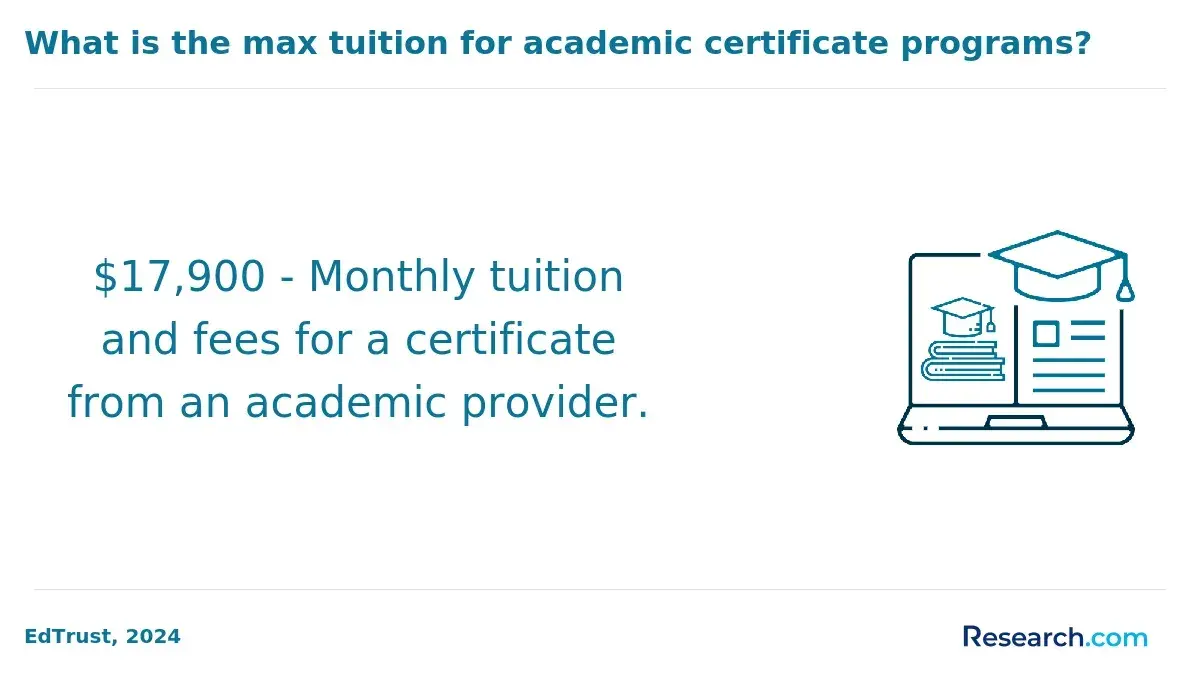
Cost comparison of online vs on-campus anthropology degrees by state reveals significant disparities rooted in residency policies, fee structures, and available financial aid. Online students frequently receive less institutional grant aid, tightening the affordability gap despite campus fee reductions and eliminated housing expenses. The tradeoff includes considerations beyond tuition: online learners gain scheduling flexibility enabling continued employment, which offsets opportunity costs, whereas in-person study can enhance employer-valued networking, research experience, and access to campus resources. Prospective students weighing where and how to earn their anthropology degree should carefully analyze these nuanced factors, including program-specific pricing and personal circumstances.
Budget-conscious anthropology students uncertain about program value might explore options like best competency-based colleges that blend affordability with practical pacing and recognized outcomes. Aligning program offerings with financial aid availability, state policies, and career goals remains critical to making an informed investment in any anthropology degree, whether online or on-campus.
Is a Anthropology Degree Worth the Cost Based on Career Outcomes and ROI?
Evaluating whether an anthropology degree is worth the cost requires recognizing significant disparities in affordability and career outcomes across states. While median starting salaries for anthropology graduates typically range from $45,000 to $55,000 annually, the real financial value depends heavily on factors like in-state tuition rates and local job markets. For example, students in high-tuition states such as California or New York often face greater debt burdens that may offset better research or academic prospects. Conversely, more affordable states like Florida or Texas offer lower-cost paths but with limited local employment opportunities, forcing greater geographic mobility or acceptance of lower wages, which impacts the overall return on investment by state.
Students should analyze ROI beyond tuition alone, incorporating opportunity costs, debt load, program completion rates, and alignment with career goals. Graduation rates for anthropology programs vary between 50% and 70%, meaning additional time or dropped credits can increase costs. Furthermore, given the predicted modest 5% employment growth in social sciences, graduates often benefit from pursuing advanced degrees or entering specialized fields such as cultural resource management to enhance employability and earning potential.
Ultimately, the decision to pursue anthropology must weigh non-monetary benefits like critical thinking and cultural insight against the slower salary growth and regional wage disparities. Prospective students, especially budget-conscious learners and families, should carefully evaluate program quality, financial aid packages, and local job demand to ensure their educational investment aligns with realistic career and financial goals in anthropology.
Students weighing other humanities-adjacent paths, particularly those with a military background, may also want to explore military friendly online Spanish degree programs, which offer accessible, flexible options with their own regional and career considerations.
References
- 50+ Scholarships & Grants for Study Abroad in 2025 | Go Overseas https://www.gooverseas.com/blog/study-abroad-scholarships-grants
- College Affordability Still Out of Reach for Students with Lowest Incomes, Students of Color https://www.ihep.org/college-affordability-still-out-of-reach-for-students-with-lowest-incomes-students-of-color/
- Cost of Living Increase & Adjustment (COLA): Impacts & Tips https://unitedwaynca.org/cost-of-living-increase/
- Average Cost of College [2025]: Yearly Tuition + Expenses https://educationdata.org/average-cost-of-college
- Importance of Cost of Living | Goldwater Institute https://www.goldwaterinstitute.org/cost-of-living/
- Top 20 Low-Cost Online Bachelor's in Anthropology https://www.greatvaluecolleges.net/rankings/online-bachelors-anthropology/
- States of Affordability: A series on where and why US households struggle to make ends meet | Brookings https://www.brookings.edu/articles/states-of-affordability-a-series-on-where-and-why-us-households-struggle-to-make-ends-meet/
- Study Anthropology Abroad: Top Universities, Costs, Scope https://www.aeccglobal.com/study-abroad/courses/anthropology
- The College Affordability Gap: Insights and Impact on Families https://encoura.org/resources/wake-up-call/the-college-affordability-gap-insights-and-impact-on-families
- 165 Best Anthropology courses In the USA 2026 https://www.hotcoursesabroad.com/study/training-degrees/us-usa/anthropology-courses/loc/211/cgory/l1-3/sin/ct/programs.html
Other Things You Should Know About Anthropology
States with lower funding for anthropology often have fewer specialized faculty and limited access to research facilities, which can reduce the depth and diversity of coursework available. Although tuition may be more affordable in these states, students might face a tradeoff in educational resources and networking opportunities, potentially affecting their preparedness for competitive job markets. Prioritizing programs in states with balanced funding ensures a more robust academic experience alongside manageable costs.
Yes, because a state's tuition affordability alone does not guarantee return on investment if local anthropological job opportunities are scarce or highly competitive. States with higher tuition costs but stronger job markets or government and nonprofit anthropology roles might ultimately provide better career outcomes. Prospective students should weigh affordability against employment prospects to avoid relocating for work or facing limited local options post-graduation.
Programs in more affordable states may often be smaller with higher faculty loads, which can mean less individualized attention but potentially more hands-on mentoring if faculty prioritize undergraduate involvement. Conversely, larger programs in costlier states might offer a wider selection of subfields and research labs but may have less personalized instruction. Students should assess whether program scale aligns with their learning preferences and whether a lower-cost program provides adequate faculty engagement for their goals.
States with lower tuition might rely on tighter course schedules or fewer electives, leading to more intense, accelerated workloads that can impact work-life balance, especially for students managing jobs or family responsibilities. Conversely, higher-cost programs may spread requirements out more, allowing for a paced learning experience but at greater expense. Budget-conscious students should consider how curriculum structure interacts with their personal capacity to manage workload alongside financial constraints.