2027 Marriage & Family Counseling ROI by Institution Type: Public vs Private vs Nonprofit Online Programs

Co-Founder and Chief Data Scientist
Imagine a prospective marriage & family counseling student weighing three online programs that look nearly identical in curriculum but show stark differences in graduation rates and post-degree debt. Recent 2024 data reveals public institutions boast a 68% on-time graduation rate in social science fields, compared to 53% at private institutions, signaling a potential delay that compounds costs and delays workforce entry. Meanwhile, nonprofit programs often offer institutional support unseen elsewhere but may not mitigate debt as effectively as public options.
These disparities matter for long-term career prospects and financial health, shaping the practicality of each choice. This article will analyze public, private, and nonprofit online programs' ROI to guide more nuanced, outcome-focused decisions in marriage & family counseling education.
Key Things to Know About Marriage & Family Counseling ROI by Institution Type
- Public institutions typically offer lower total costs but may have longer completion times, increasing indirect expenses and potentially delaying workforce entry-this tradeoff disproportionately affects cost-sensitive, working adult students.
- Private programs often deliver stronger alumni networking and employer recognition, enhancing career advancement opportunities, yet this premium reputation can come with significantly higher debt burdens that affect long-term financial flexibility.
- Nonprofit online programs emphasize learner support and flexible pacing; however, variable accreditation standards and completion rates can influence eligibility for licensure and credential portability, directly impacting practical employment outcomes.
- Key Things to Know About Marriage & Family Counseling ROI by Institution Type Key Things to Know About Marriage & Family Counseling ROI by Institution Type
- What Does ROI Mean for a Marriage & Family Counseling Program and How Is It Measured? Understanding Marriage & Family Counseling Program ROI
- How Do Public, Private, and Nonprofit Online Marriage & Family Counseling Programs Differ in Overall Value? Value by Institution Type
- How Do Tuition Costs Affect the ROI of a Marriage & Family Counseling Program Across Institution Types? Tuition Costs and ROI
- How Do Graduation Rates Influence Marriage & Family Counseling Program ROI? Graduation Rates Impact ROI
- What Role Do Career Outcomes Play in the ROI of a Marriage & Family Counseling Degree? Career Outcomes and ROI
- How Does Student Debt Impact the Long-Term ROI of a Marriage & Family Counseling Program? Debt vs. Long-Term ROI
- How Do Flexibility and Adult Learner Support Affect Marriage & Family Counseling Program Value? Flexibility and Program Value
- How Do Accreditation and Institutional Reputation Influence Marriage & Family Counseling ROI? How Do Accreditation and Institutional Reputation Influence Marriage & Family Counseling ROI?
- How Does Time-to-Degree Affect the ROI of Public, Private, and Nonprofit Marriage & Family Counseling Programs? How Does Time-to-Degree Affect the ROI of Public, Private, and Nonprofit Marriage & Family Counseling Programs?
- How Can You Choose the Best Marriage & Family Counseling Program Based on Your ROI Goals? Choosing Programs by ROI
What Does ROI Mean for a Marriage & Family Counseling Program and How Is It Measured?
Return on investment for a marriage & family counseling program must be assessed through a multi-dimensional lens that weighs not only tuition and fees but also student debt, graduation rates, and time-to-degree. For example, a public institution offering a lower sticker price may result in faster completion and less debt, yet a private nonprofit might provide a curriculum better aligned with licensure requirements and stronger clinical practicum opportunities, influencing career readiness and long-term earnings differently. A recent analysis from the National Center for Education Statistics shows that programs with higher completion rates enhance ROI by minimizing extended enrollment costs and debt accumulation, underscoring why raw cost alone rarely captures true educational value.
Students' individual circumstances further complicate ROI calculations. A working professional may prioritize program flexibility to reduce opportunity costs, while a career changer might emphasize the institution's reputation and alumni network to access competitive job markets. Comparing programs therefore requires more than looking at fees; it demands attention to outcomes such as employment rates and average debt at graduation, along with qualitative factors like program fit and support services. Prospective students seeking the best balance can also benefit from resources detailing the cost of medical coding and billing certification, which offer relevant cost frameworks in allied health areas that parallel marriage & family counseling educational expenses.
In practice, a lower-cost public program may yield quicker entry into the workforce but might lack extensive learner support, potentially affecting long-term career advancement. Meanwhile, a nonprofit setting could lessen debt burdens and provide tailored guidance but may not have the widespread alumni connections found in certain private programs, impacting job placement opportunities. Measuring educational value and career outcomes in marriage & family counseling therefore requires a nuanced approach that incorporates both quantitative metrics and qualitative insights to effectively guide cost-conscious adult learners and transfer students toward informed decisions that align with their professional goals and financial realities.
How Do Public, Private, and Nonprofit Online Marriage & Family Counseling Programs Differ in Overall Value?
The value of public, private, and nonprofit online marriage & family counseling programs hinges on distinct tradeoffs affecting debt, completion, and career readiness rather than straightforward cost comparisons. Public programs usually present lower tuition leading to smaller average graduate debt-about 15% less than private institutions according to 2024 National Center for Education Statistics data-but often come with larger class sizes and less tailored support, which may challenge working adults juggling education with other responsibilities. Private programs, though pricier, typically invest in personalized career counseling and maintain stronger employer ties, factors that can enhance employment prospects and salary growth over time, reflecting a clear but sometimes costly ROI strategy. Nonprofit offerings can blend moderate costs with specialized accreditation and balanced support, which many employers value when considering licensure eligibility and practical training rigor, making them a pragmatic middle ground in both price and perceived quality.
Choosing among these options requires weighing immediate affordability against potential long-term gains. For example, a student aiming to minimize debt might favor a public university but must consider whether limited individualized advising could slow progress or weaken job readiness. Conversely, those prioritizing career services and professional networks may accept higher fees at private or nonprofit schools, betting on smoother licensing pathways and stronger employer recognition. Institutional reputation also plays a subtle but meaningful role; some employers show preference for regionally accredited nonprofit and private programs, though well-established public institutions with solid state backing can compete effectively within specific sectors or regions. Ultimately, aligning institutional characteristics with personal financial constraints and career goals is critical when assessing the tangible value of these distinct educational avenues.
One prospective student, weighing options after researching tuition, support resources, and accreditation status, felt torn between a cost-efficient public program and a more expensive private nonprofit with strong employer connections. Hesitant about accruing significant debt for prestige, the student scrutinized graduation rates and feedback on career advising, ultimately selecting a nonprofit program that presented a reasonable tuition combined with robust licensure preparation and flexible scheduling. This choice reflected a careful balance between avoiding excess financial burden and securing credentials aligned with targeted employment outcomes, illustrating how nuanced decisions beyond sticker price influence the practical ROI of marriage & family counseling education paths.
How Do Tuition Costs Affect the ROI of a Marriage & Family Counseling Program Across Institution Types?
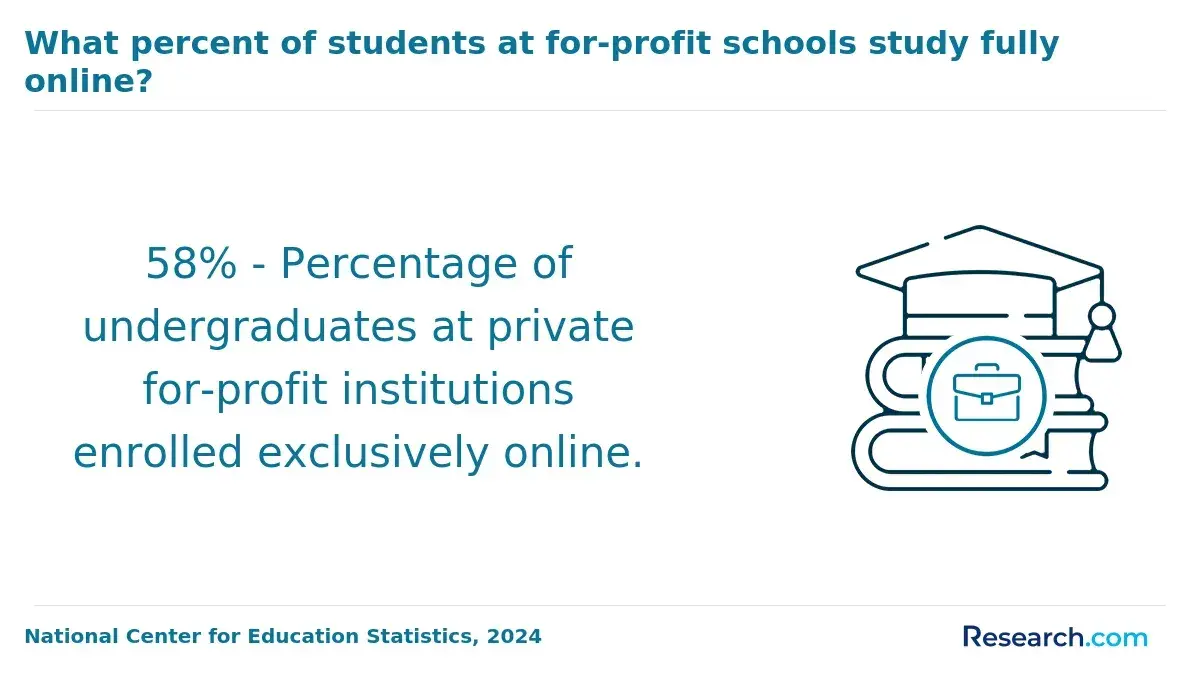
The variation in tuition costs between public, private, and nonprofit online marriage & family counseling programs significantly influences return on investment, though lower prices do not inherently guarantee better value. Public programs often have substantially reduced tuition-sometimes 40-60% less than private alternatives-as reported by the National Center for Education Statistics in 2024, which can mean less student debt and faster financial recovery for many learners. However, this upfront affordability may come with tradeoffs in individualized support and smaller cohorts, potentially affecting completion rates and prolonging time to degree, which in turn raises total cost and delays career benefits.
Conversely, private nonprofit programs typically carry higher tuition but tend to deliver higher graduation rates and more flexible scheduling, according to a 2024 survey by the Education Research Institute. These factors can accelerate time to credential and enhance access to career services and employer networks, potentially justifying the higher price for students prioritizing quick completion and professional advancement. Yet, the increased debt burden from these programs might not always yield proportional salary gains, as labor market outcomes vary by region and employer demand, leaving cost-conscious students to weigh whether the additional expense aligns with their career goals and financial tolerance.
Ultimately, making an informed choice requires balancing tuition against program quality, support resources, flexibility, and local employment conditions. For example, a working adult seeking minimal debt might favor a well-supported public program with in-state tuition advantages, while a career changer valuing networking and expedited graduation could find greater ROI in a pricier private nonprofit option. Understanding these nuanced tradeoffs ensures students can select programs that best fit their individual financial circumstances and long-term employment prospects.
How Do Graduation Rates Influence Marriage & Family Counseling Program ROI?
Graduation rates significantly affect the return on investment in marriage & family counseling programs by shaping the duration and total cost of education. Public institutions often show median six-year graduation rates near 66%, compared to about 77% at private nonprofits and roughly 60% for nonprofit online programs, according to the National Center for Education Statistics (2024). While higher completion rates typically translate to quicker credential attainment and reduced tuition accumulation, private nonprofits may offset these gains with steeper tuition and fees despite stronger academic support. For working adults, balancing flexibility with persistence challenges is crucial, as extended time-to-degree can inflate debt and delay workforce entry, undermining overall educational value.
Students comparing the effect of graduation rates on online marriage & family counseling program outcomes must weigh institutional differences beyond raw statistics. Online formats often cater to nontraditional learners who juggle family and work, requiring robust student services to reduce attrition, but these are not uniformly available. Graduation rates provide a useful benchmark of institutional effectiveness, though they do not guarantee employment success, which also depends on licensure and supervised experience. Prospective learners should also consider factors like debt-to-income ratios and realistic timelines to fully understand how completion outcomes influence long-term ROI in this specialized field.
Given the complex tradeoffs, cost-conscious adults looking to enter marriage & family counseling should view graduation data as one piece of a larger decision matrix. Investments in programs with higher graduation rates can yield faster career readiness, but affordability and support services remain key to persistence. Those interested in the job outlook for medical billing and coding and related healthcare fields should similarly approach educational pathways with a nuanced evaluation of practical outcomes and institutional offerings.
What Role Do Career Outcomes Play in the ROI of a Marriage & Family Counseling Degree?
Career outcomes significantly shape the ROI of marriage & family counseling degrees by influencing both immediate employment prospects and longer-term professional growth. Public institutions typically report about 7% higher graduate employment rates than private and nonprofit programs, reflecting deeper industry ties and regional labor market integration that can accelerate job placement. However, private programs may provide more targeted specializations and flexible pacing, which can appeal to working adults, though this often comes at a higher tuition cost and variable job outcomes. Nonprofit online programs usually offer a balance between affordability and relevant curricula, but their impact on networking and practicum access varies, which can affect licensure paths and career mobility.
This variance in employment success must be weighed alongside tuition expense and potential student debt, as financial burdens can diminish the longer-term value of any degree. For example, graduates from regionally accredited programs see licensure rates around 63% within five years, a critical milestone for sustainable counseling careers that differs by program type and can influence earning potential and job security. Considering employer preferences for applied skills and real-world experience also matters; programs with stronger internship supports or clinical placements provide advantages beyond the diploma. When cost and time-to-degree are factored in, candidates need to assess whether educational quality and career services justify the investment relative to their professional goals.
One graduate from a nonprofit online marriage & family counseling program shared that before enrolling, they hesitated about the degree's practical value, especially given the financial commitment. Post-graduation, their employer acknowledged the credential during internal promotion reviews, leading to an expanded role involving supervisory responsibilities. While initial salary increases were modest, the graduate valued how the program's career services and alumni network facilitated connections that eventually opened doors to specialized clinical work. Their experience highlighted that ROI extends beyond immediate earnings to encompass professional recognition, skill application, and sustained career traction over time.
How Does Student Debt Impact the Long-Term ROI of a Marriage & Family Counseling Program?
Borrowing decisions in marriage & family counseling programs significantly influence long-term ROI, especially when weighing public, private, and nonprofit online institutions. Graduates facing debt upwards of $70,000 from private nonprofit programs often encounter repayment burdens that erode early-career earnings, given the field's modest median starting salaries. For example, a working adult choosing a private institution with high tuition may gain specialized skills but could experience strained financial flexibility due to heavier loan payments compared to a peer graduating from a public program with substantially lower debt. These differences underscore how variations in program costs and completion timelines affect both immediate financial stability and future earning potential.
When comparing the impact of graduate debt levels on career earnings in marriage & family counseling, it is critical to evaluate debt in relation to program quality, graduation rates, and career support rather than simply lowest borrowing. Public programs tend to offer better debt-to-income ratios through lower tuition and state aid, but they might not always provide the niche expertise or networking advantages some private or nonprofit programs emphasize. Prospective students, particularly career changers and adult learners, should consider how borrowing aligns with realistic salary trajectories and advancement opportunities within counseling professions, balancing cost and educational value carefully. Additionally, understanding the role of accreditation and institutional resources is essential for managing long-term outcomes effectively. For those comparing broader education pathways, insights can also be gained by examining other related fields, such as an online bachelor's in kinesiology, where program cost and debt also shape career options.
How Do Flexibility and Adult Learner Support Affect Marriage & Family Counseling Program Value?
Flexible scheduling and comprehensive learner support significantly impact the return on investment for marriage & family counseling programs, especially when comparing public, private, and nonprofit online options. Programs offering asynchronous coursework and part-time enrollment address the complexities of working adults' lives, improving persistence; a 2024 report from the National Center for Education Statistics notes adults in flexible online graduate programs graduate at a 30% higher rate than those restricted to synchronous formats. However, balancing these scheduling benefits with institutional support services-from advising to faculty accessibility-is crucial in shaping time-to-degree and educational costs.
Public institutions leverage their scale to provide extensive transfer-friendly policies and robust academic and career advising, which correlate with higher completion rates and mitigate opportunity costs associated with prolonged enrollment. Conversely, private programs often deliver more personalized attention and smaller cohorts, which may benefit those needing close faculty interaction but tend to come with steeper tuition and associated debt. Nonprofit programs frequently specialize in accommodations for military and working adults while integrating career services that enhance employability, though scalability and cost variations may limit their accessibility for some students. These tradeoffs necessitate careful evaluation of whether broader institutional supports or targeted services align better with individual financial constraints and professional goals.
Ultimately, adult learners must weigh how each institution's model impacts not only affordability but also persistence, program completion, and post-graduate employment prospects in counseling fields. While public schools may maximize value through lower tuition and expansive support infrastructure, private and nonprofit programs can justify higher costs by delivering enhanced faculty engagement and career resources that drive long-term workforce outcomes. The decision hinges on aligning personal scheduling needs and financial capacity with the practical realities of educational quality and labor market demands within the marriage & family counseling profession.
How Do Accreditation and Institutional Reputation Influence Marriage & Family Counseling ROI?
Accreditation status and institutional reputation directly shape the practical and financial return on investment for a Marriage & Family Counseling program, influencing licensure pathways, credit transferability, and employer recognition. For example, graduates of regionally accredited programs are 30% more likely to pass licensing exams on their first attempt compared to those from national or unaccredited programs, a critical factor that shortens time to practice and reduces the cost of retaking exams or pursuing additional credentials. While prestigious private universities may offer networking advantages, these often come at a premium cost, whereas public institutions provide more affordable tuition and resources that can minimize student debt without substantially compromising outcomes.
Employers increasingly prioritize demonstrable competencies and program accreditation over institutional brand alone, making the specific accreditation of a Marriage & Family Counseling program a more decisive factor in hiring than broader reputation. Nonprofit online programs with specialized accreditation often represent a balance between cost effectiveness and targeted quality, serving students who require flexibility and affordability without sacrificing eligibility for licensure or graduate study. Ultimately, cost-conscious students must weigh how accreditation status interacts with tuition costs, institutional support, and career services to forecast realistic ROI and avoid unrecognized programs that may limit job prospects or require extra investment post-graduation.
How Does Time-to-Degree Affect the ROI of Public, Private, and Nonprofit Marriage & Family Counseling Programs?
The time-to-degree directly shapes the return on investment for marriage & family counseling programs across public, private, and nonprofit online institutions by influencing tuition exposure, opportunity costs, and career trajectory. Public institutions often allow part-time enrollment with extended completion times beyond six years, which can accommodate working adults but also prolong tuition payments and delay labor market entry. By contrast, private programs use accelerated or cohort models to cut completion to two or three years, appealing to career changers aiming for rapid workforce entry; however, higher tuition rates combined with fast pacing may elevate debt loads and increase dropout risk, undermining long-term value. Nonprofit programs strike a balance with moderate durations of three to four years, transfer credit acceptance, and flexible pacing, often supporting higher graduation rates that help minimize financial risk and boost persistence.
These distinctions illustrate a clear tradeoff between speed and affordability, which critically impacts the comparative return on investment for public private nonprofit counseling programs. For a working professional balancing family and job constraints, a nonprofit institution's moderate timeline with credit transfers might optimize both cost and completion likelihood, whereas a career changer without outside responsibilities might justify the higher debt for accelerated private options. Flexible pacing and transfer policies influence not only how quickly students finish but also the quality of their educational experience and job readiness. This nuanced decision-making is akin to choosing among allied healthcare roles-like opting to become a certified professional coder-where timing, credential cost, and employment outcomes must be carefully weighed to maximize long-term career and financial benefits.
Ultimately, selecting a marriage & family counseling program requires evaluating how time-to-degree affects direct costs, debt accumulation, and career timing within the context of individual life circumstances. Programs' flexibility regarding part-time enrollment, transfer credits, and pacing can improve persistence and completion rates, which are vital for realizing the intended educational and financial returns. Recognizing these operational tradeoffs helps students make informed choices aligned with their economic realities and professional goals, rather than assuming a universal quick-completion advantage across all institutional types.
How Can You Choose the Best Marriage & Family Counseling Program Based on Your ROI Goals?
The best return on investment in marriage & family counseling programs hinges less on institution type and more on aligning program features with individual financial and career goals. Public institutions often offer lower tuition for in-state students, helping cost-conscious learners limit debt, yet nonprofit programs tend to deliver better financial aid and lower debt-to-income ratios, according to the Education Data Initiative's 2024 dataset. Graduation rates can also influence ROI; public universities frequently have higher completion rates, reducing prolonged expenses and opportunity costs for students balancing work and family obligations.
Career outcomes depend heavily on factors beyond price: accreditation, employer reputation, and the availability of personalized mentoring all impact employability. Private and nonprofit programs might justify higher tuition through stronger professional networks and support services, while public programs emphasize affordability and recognized accreditation standards. For working adults, time-to-degree matters-accelerated or flexible schedules that preserve income can increase ROI despite higher upfront costs, an important consideration for students comparing marriage & family counseling online program returns across sectors. Those weighing these variables alongside evolving workforce demands will benefit from detailed data, including from sources like fast online medical billing and coding certification programs, which illustrate how speed and flexibility translate into ROI in related fields.
References
- The MFT Difference: Why Marriage and Family Therapy Works https://www.icftcolumbus.com/blog/the-mft-difference-why-marriage-and-family-therapy-works/
- Graduate Achievement Data - La Salle University https://www.lasalle.edu/marriage-and-family-therapy-m-a/graduate-achievement-data/
- MA in Marriage/Family Therapy (Marriage/Family Therapy/PCC) https://www.umassglobal.edu/academic-programs/marriage-family-therapy-and-professional-clinical-counseling
- Understanding the ROI of Corporate Counseling Programs - Manochikitsa Online Counseling & Therapy https://manochikitsa.com/understanding-the-roi-of-corporate-counseling-programs/
- How to Measure ROI on Digital Therapeutic Tools https://www.widetherapy.com/post/how-to-measure-roi-on-digital-therapeutic-tools
- Marriage and Family Therapy vs. Clinical Mental Health Counseling | Lebanon Valley College https://www.lvc.edu/news/marriage-and-family-therapy-vs-clinical-mental-health-counseling/
- The Economics of Accreditation: Costs, Benefits, ROI - Course Accreditation https://course-accreditation.com/blog/the-economics-of-accreditation-costs-benefits-roi/
- How to Choose the Right Marriage Counselor for Your Relationship https://www.abhmaryland.com/how-to-choose-the-right-marriage-counselor-for-your-relationship/
- What Types of Marriage Counseling Are Most Effective for Lasting Relationships — Pivotal Counseling, LLC https://www.pivotalcounseling.com/blog/effective-marriage-counseling-types
- Accreditation - CACREP https://www.cacrep.org/accreditation/
Other Things You Should Know About Marriage & Family Counseling
Public institutions often enroll larger cohorts offering economies of scale, which can translate into lower tuition but may also mean less personalized attention. Private and nonprofit programs tend to have smaller cohorts that foster closer faculty interaction, potentially enhancing learning outcomes but often at higher costs. Prospective students prioritizing individualized mentorship and networking should weigh private or nonprofit options despite higher prices, while those focused on minimizing expense might lean toward public programs but should be mindful that larger cohorts can dilute practical skill development crucial in counseling careers.
Private and nonprofit programs frequently offer specialized tracks or electives tailored to emerging areas within marriage & family counseling, like trauma-informed approaches or multicultural competence. Public programs may emphasize core, standardized curricula aligned with licensure requirements but offer fewer niche focuses. For students aiming to differentiate themselves in competitive job markets or specialized settings, investing in private or nonprofit programs with tailored training can improve ROI. Conversely, those targeting licensure-centric roles or public sector employment might find public programs more efficient with adequate preparation.
Transfer students face unique challenges with credit acceptance variability and curriculum alignment. Public institutions generally have more structured articulation agreements with other state colleges, simplifying credit transfer and preserving time-to-degree, which positively affects ROI. Private and nonprofit programs often have stricter policies or less transparent transfer pathways, risking credit loss and extended study duration. Those with transfer credits should prioritize public institutions where faster degree completion limits additional tuition costs and delayed workforce entry.
Employers in healthcare and social services may show marked preference for graduates from well-known public universities due to perceived rigor and licensure support, enhancing job prospects and salary potential. However, nonprofits often cultivate strong community-based partnerships that can facilitate internships and direct job placement, especially in specialized counseling niches. Private institutions might offer robust alumni networks but often at a higher cost. Students should prioritize the institution type that aligns with their target employment sector-public for broad institutional recognition and nonprofit for localized or specialized connections-to maximize ROI through improved career entry points.