2027 How Employers Are Changing Hiring Criteria for Marriage & Family Counseling Graduates in the AI Era

Co-Founder and Chief Data Scientist
A recent graduate in marriage & family counseling prepares to enter a job market transformed by artificial intelligence. Having completed the necessary degree, this candidate soon realizes that traditional credentials alone may not suffice. According to a 2024 report by the U. S. Bureau of Labor Statistics, over 60% of employers now emphasize skills in technology adaptation and AI literacy alongside core professional knowledge, signaling a shift in hiring priorities across sectors including counseling services.
This evolving landscape demands that marriage & family counseling graduates develop competencies beyond clinical expertise. Employers increasingly seek candidates who can integrate AI tools ethically and effectively in client management and therapy. This article explores how hiring criteria are changing for these graduates, highlighting the rising value of AI literacy, transferable skills, and practical strategies for staying competitive in the AI-driven workforce.
Key Things to Know About the Changing Hiring Criteria for Marriage & Family Counseling Graduates in the AI Era
- Employers increasingly integrate AI-driven tools in client assessment, demanding graduates who can interpret algorithmic insights without overreliance, ensuring nuanced, human-centered therapeutic decisions.
- AI literacy now complements core counseling skills; 62% of agencies in 2024 require competency in digital client data analysis, reshaping curricula to emphasize technology alongside empathy and ethics.
- Transferable skills like data privacy understanding and adaptive communication enhance employability, as evolving AI regulations and hybrid therapy models favor candidates with interdisciplinary expertise.
- Key Things to Know About the Changing Hiring Criteria for Marriage & Family Counseling Graduates in the AI Era Key Things to Know About the Changing Hiring Criteria for Marriage & Family Counseling Graduates in the AI Era
- How Is AI Changing What Employers Look for in Marriage & Family Counseling Graduates? How Is AI Changing What Employers Look for in Marriage & Family Counseling Graduates?
- Which AI Skills Are Employers Expecting Marriage & Family Counseling Graduates to Have? AI Skills
- Which Human Skills Are Employers Looking for in Marriage & Family Counseling Graduates? Human Skills
- How Are AI Tools Changing Daily Work in Marriage & Family Counseling Careers? AI Workplace Tools
- How Are Employers Evaluating Marriage & Family Counseling Candidates Beyond Academic Credentials? Hiring Criteria
- How Are Marriage & Family Counseling Degree Programs Adapting to AI? AI Curriculum
- Which Industries Are Changing Hiring Expectations Most for Marriage & Family Counseling Graduates? AI and Industry Expectations
- How Is AI Changing Career Growth for Marriage & Family Counseling Professionals? AI and Career Growth
- How Should Marriage & Family Counseling Students Prepare for AI-Driven Hiring? Career Preparation
- How Should Students Choose a Marriage & Family Counseling Program for the AI Era? How Should Students Choose a Marriage & Family Counseling Program for the AI Era?
How Is AI Changing What Employers Look for in Marriage & Family Counseling Graduates?
Employers increasingly value marriage & family counseling graduates who can collaborate effectively with AI-driven tools rather than merely execute established technical tasks. A 2024 report from the World Economic Forum indicates that over 60% of healthcare and social service organizations implement AI to enhance client assessments and personalized treatment plans. This shift means candidates must demonstrate proficiency not just in counseling fundamentals but also in interpreting AI-generated data while preserving empathy and nuanced human communication. For instance, a counselor who can integrate insights from AI-powered diagnostic tools while addressing client concerns with emotional intelligence is far more likely to meet employer expectations than one reliant solely on traditional approaches.
Changes in hiring priorities for marriage & family counseling graduates reflect a broader emphasis on digital literacy, ethical discernment, and adaptability. Studies from the American Counseling Association reveal that 72% of employers now prefer applicants who have hands-on experience with AI-enabled platforms that track treatment progress. Beyond technical skills, organizations emphasize judgment around confidentiality, bias, and consent issues raised by AI integration-a consideration noted by the National Board for Certified Counselors.
This evolving landscape demands a continuous learning mindset, fostering interdisciplinary capabilities such as familiarity with data science concepts and digital communication. Graduates seeking to remain competitive might explore programs like the cheapest online healthcare administration degree that support technical and ethical skill growth alongside clinical preparation.
Which AI Skills Are Employers Expecting Marriage & Family Counseling Graduates to Have?
Employers in the marriage & family counseling field are no longer focused solely on traditional therapeutic skills. As AI technologies reshape clinical and administrative practices, graduates must demonstrate practical competencies that allow them to leverage these tools effectively. Integration of AI into counseling is becoming a standard expectation, not an optional enhancement, reflecting broader workforce demands documented in recent studies by the U.S. Bureau of Labor Statistics and industry reports. These demands reflect a shift toward data-informed decision-making and personalized care, making AI skills a differentiating factor in hiring and career progression. Below are the AI skills employers increasingly expect from marriage & family counseling graduates.
- Data Analysis Proficiency: Counselors are expected to interpret client data generated by apps and wearable devices, turning raw information into actionable therapeutic insights. Being able to use statistical tools to identify trends helps personalize treatment, and students can build this skill through coursework in statistics or data science applied to social work.
- AI-Driven Client Management: Familiarity with client management systems powered by AI streamlines scheduling, progress tracking, and follow-up care. Employers value counselors who can navigate these platforms intuitively and customize features to optimize client engagement and confidentiality protocols.
- Digital Therapeutic Integration: Incorporating AI-enhanced therapeutic tools, such as virtual reality or chatbots, requires counselors to critically evaluate technology's clinical efficacy. Exposure to interdisciplinary projects or internships involving emerging digital health solutions cultivates this ability.
- Basic Coding and Machine Learning Understanding: Knowledge of foundational coding or machine learning concepts enables counselors to collaborate with tech teams developing mental health solutions that are tailored to diverse populations. Practical experience with coding bootcamps or collaborative research projects enhances this skill.
- Ethical AI Literacy: Navigating AI ethics and maintaining client confidentiality amidst automated systems is crucial. Graduates of marriage and family counseling degree online or on-campus must understand data privacy laws and the limits of AI decision-making to protect client interests-competence often developed through specialized ethics training and policy studies.
Which Human Skills Are Employers Looking for in Marriage & Family Counseling Graduates?
Artificial intelligence now automates many routine and data-driven processes in mental health services, allowing technology to handle tasks such as preliminary diagnostics and information gathering. This shift increases the value of distinctively human abilities that AI cannot replicate-those that require emotional nuance, ethical discernment, and adaptive thinking. As employers adjust their hiring standards, the emphasis is placed on skills that complement technology rather than compete with it. These uniquely human capabilities enable counselors to engage deeply with clients and manage the complexity of family dynamics in ways AI tools cannot. The following list highlights five key human skills gaining importance for marriage & family counseling graduates in 2024 workforce trends.
- Emotional Intelligence: The ability to perceive, understand, and respond to clients' feelings remains central to effective counseling. While AI may analyze speech patterns or facial expressions, genuine empathy and emotional attunement require human presence. Students can enhance this skill through supervised practice and reflective exercises focusing on emotional awareness.
- Cultural Sensitivity and Adaptability: Navigating diverse family systems demands awareness of cultural values and flexible intervention strategies. Employers value graduates who tailor approaches based on clients' unique backgrounds. Exposure to varied populations during training and coursework on multicultural counseling bolsters this competency.
- Complex Communication Skills: Conveying nuanced understanding through verbal and nonverbal cues aids building trust and therapeutic relationships. AI can assist with information processing but cannot replicate authentic conversational dynamics. Role-playing scenarios and active listening workshops strengthen these abilities.
- Collaborative Teamwork: Effective interdisciplinary cooperation with healthcare providers and social workers ensures holistic client support. The 2024 Workforce Innovation and Opportunity Act report stresses conflict resolution and system navigation as critical. Developing these skills may involve internships in integrated care settings and training in organizational behavior.
- Resilience and Lifelong Learning: Rapid technological evolution requires counselors to persist through ongoing change while continuously updating knowledge. This mindset enables professionals to integrate new evidence-based practices alongside emerging AI tools. Graduate students can cultivate resilience through mentorship and by embracing reflective learning models.
A recent graduate recounted an early career experience involving a family grappling with multiple stressors, including economic hardship and intergenerational trauma. Despite access to AI-supported assessment tools, the graduate found that the clients' shifting emotions and unspoken tensions required a careful, intuitive approach. Initially uncertain about balancing technology and personal connection, the counselor relied heavily on empathy and cultural insight to tailor sessions effectively. Over time, this synthesis of human skill and tech assistance enabled breakthroughs that purely automated methods could not achieve, reinforcing the enduring importance of these competencies in practice.
How Are AI Tools Changing Daily Work in Marriage & Family Counseling Careers?
AI technologies are reshaping daily tasks for marriage & family counseling professionals by automating many routine and administrative responsibilities. Recent data from the National Institute of Mental Health in 2024 reveals that approximately 40% of counseling practices have implemented AI platforms to assist with client evaluations, progress monitoring, and individualized treatment planning. For example, a counselor might use an AI tool to analyze session notes and client communication patterns, enabling faster identification of emerging emotional issues and more precise intervention recommendations. This integration allows therapists to allocate more time toward nuanced clinical work while reducing time spent on paperwork and scheduling.
As AI manages repetitive tasks such as appointment coordination and documentation through virtual assistants, practitioners are expected to shift their focus toward higher-order functions like interpreting AI insights within the ethical and relational context of therapy. According to the American Counseling Association's 2024 workforce study, employers increasingly seek candidates who demonstrate technological literacy combined with sound clinical judgment and an understanding of data privacy concerns. This evolving landscape emphasizes collaboration with AI rather than replacement, requiring clinicians to critique AI outputs critically, apply creativity in treatment approaches, and uphold ethical standards in digital environments.
This transition reflects broader workplace trends noted by the Bureau of Labor Statistics, which highlight growing demand for telehealth proficiency augmented by AI. Counselors now face a dual responsibility: mastering emerging technologies that streamline workflow and enhancing interpersonal skills to deepen client engagement. As a result, marriage & family counseling roles are becoming more complex, blending technical adaptability with empathetic human insight to optimize therapeutic outcomes in an AI-integrated practice setting.
How Are Employers Evaluating Marriage & Family Counseling Candidates Beyond Academic Credentials?
Employers filling marriage & family counseling roles increasingly prioritize candidates' practical skills and real-world experience, recognizing that academic credentials alone do not fully capture a candidate's potential in the AI-enhanced work environment. According to a 2024 report from the National Association of Colleges and Employers, nearly 68% of employers weigh adaptability, communication skills, and demonstrated problem-solving ability more heavily than GPA or degree prestige. For instance, a recent hire at a community mental health center succeeded partly because their portfolio included teletherapy case simulations and an internship involving digital diagnostic tools, showcasing effective interpersonal and AI-integrated client communication skills beyond classroom performance.
The emphasis on adaptability extends to technological proficiency, where familiarity with AI-driven applications and teletherapy platforms is now often a requirement. The American Counseling Association's 2024 survey indicates that 72% of employers seek candidates comfortable with ongoing technical training and digital interventions. This preference reflects a broader trend where evidence of continuous learning and teamwork in dynamic settings matters. Internships, certifications, and projects that highlight such competencies serve as practical assurances that candidates can navigate evolving client needs and ethical considerations, enhancing their employability amid growing technological integration.
This shift toward holistic candidate evaluation also acknowledges the importance of emotional intelligence, cultural competence, and ethical judgment in diverse therapeutic contexts. The U.S. Bureau of Labor Statistics underscores that such soft skills, paired with technological savvy, are key predictors of success in marriage & family counseling roles. Graduates who integrate these abilities with hands-on experience often improve their career prospects in a competitive field adapting to AI innovations. Those interested in expanding their qualifications might explore structured professional development pathways, including options like PharmD online programs or related advanced studies that blend clinical expertise with tech literacy.
How Are Marriage & Family Counseling Degree Programs Adapting to AI?
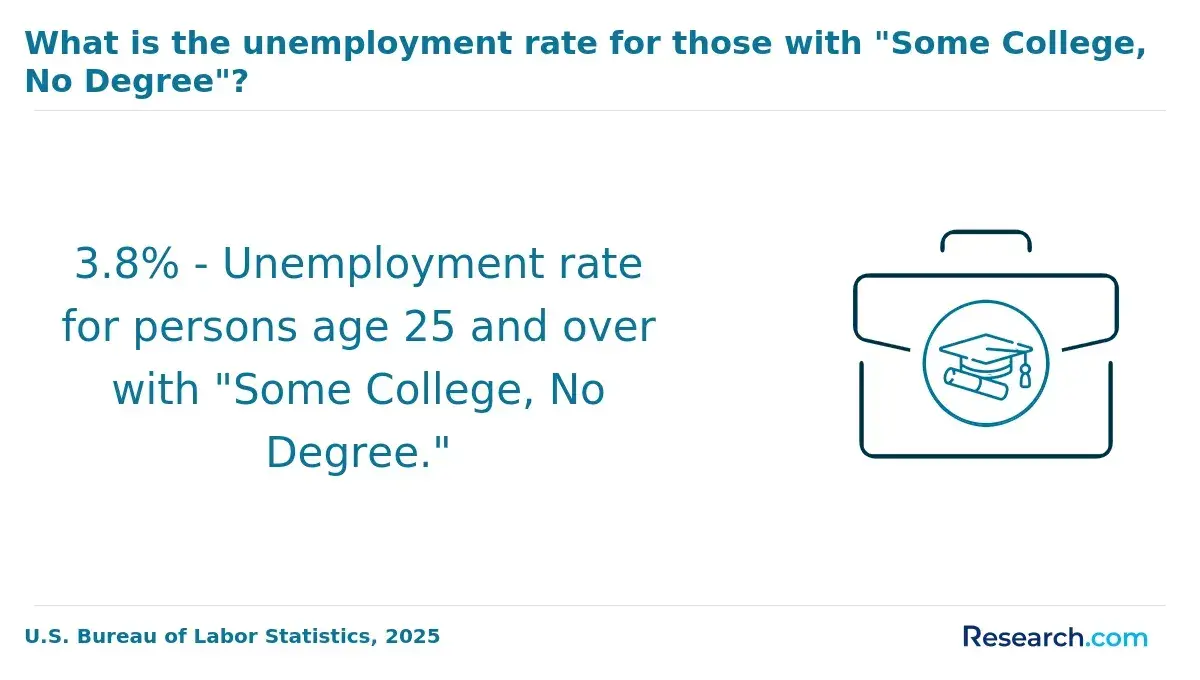
Marriage & family counseling degree programs are increasingly integrating AI concepts and tools without sacrificing foundational clinical skills. According to a 2024 report from the National Center for Education Statistics, nearly 38% of counseling programs now include training on AI-assisted diagnostics, data analytics, or telehealth platforms enhanced by AI. This blend ensures students not only grasp traditional therapeutic techniques but also acquire fluency in emerging technologies like electronic health records and virtual client engagement methods. For example, a counseling student might learn to interpret AI-generated assessment data while maintaining a focus on empathetic client communication, balancing technological efficiency with the human connection central to therapy.
Curriculum updates extend beyond technology basics, emphasizing ethical use of AI and critical evaluation of AI outputs within therapeutic contexts. Programs often incorporate interdisciplinary coursework and partner with health organizations to provide hands-on experiences that mirror evolving workplace realities. Lifelong learning models and hybrid courses address the challenge of covering AI competencies without compromising clinical training hours. This approach acknowledges that mastering AI tools is not static but requires ongoing adaptation, a necessity for graduates entering settings where teletherapy and integrated care models are becoming standard.
Employers signal growing preference for candidates who demonstrate both proficiency with AI tools and a nuanced understanding of data privacy, confidentiality, and AI's impact on family dynamics. This dual focus reflects the complex role of AI in counseling practice: it is a resource that can enhance but cannot replace human judgment and ethical responsibility. Graduates who engage deeply with these interdisciplinary skills position themselves to meet the demands of an AI-influenced therapeutic landscape while preserving the core relational competencies essential to effective marriage & family counseling.
Which Industries Are Changing Hiring Expectations Most for Marriage & Family Counseling Graduates?
The integration of artificial intelligence across industries is uneven, influencing employer demands for marriage & family counseling graduates differently depending on the sector's technology adoption rates and client service models. Some fields adopt AI rapidly to optimize diagnostic accuracy or outreach strategies, while others remain more reliant on traditional interpersonal skills.
For example, a recent graduate comparing job openings in healthcare and education might find healthcare employers prioritize proficiency with AI-driven behavioral health tools, whereas education sectors emphasize collaboration with analytics platforms that assess student wellness. Recognizing these nuanced expectations can help graduates tailor their skill development for specific career paths. Below are five key industries markedly shifting hiring criteria for marriage & family counseling professionals due to AI advancements.
- Healthcare: This sector is leading AI adoption by using advanced applications to personalize therapy and monitor patient progress remotely. Employers now seek counselors comfortable integrating behavioral health software that synthesizes clinical data to enhance treatment precision, reflecting findings by the U.S. Bureau of Labor Statistics and the National Center for Biotechnology Information (2024).
- Social Services: Agencies increasingly deploy AI to analyze complex case histories and forecast client needs. Counselors are expected to interpret AI-generated reports, understand data privacy issues, and recognize algorithmic biases, as highlighted by a 2024 Deloitte workforce study, necessitating a blend of clinical expertise and technical literacy.
- Education: Schools utilize AI-powered learning analytics to identify students vulnerable to mental health challenges. Hiring managers prioritize professionals skilled in digital literacy who can ethically engage with AI systems to customize interventions, supported by data from the National Center for Education Statistics (2024).
- Corporate Wellness: Employee assistance programs now leverage AI to monitor workplace well-being and deliver virtual counseling at scale. This drives demand for counselors who combine traditional skills with the ability to navigate technology platforms, expanding the scope of corporate mental health support.
- Government Programs: Public agencies overseeing family support are adopting AI tools to improve case management efficiency and risk assessment. Counselors must adapt to using these platforms while maintaining ethical standards, reflecting broader trends in workforce modernization recorded in federal technology adoption reports from 2024.
One recent marriage & family counseling graduate found the decision-making process challenging when weighing offers between a hospital system and a public school district. The hospital emphasized candidates with experience in behavioral health apps and electronic patient tracking, while the school district sought professionals adept at interpreting learning analytics. The graduate reflected, "I realized that to thrive in healthcare, I needed to boost my tech fluency around AI tools, but education required a strong focus on ethical considerations in student data use." This realization prompted a deliberate choice to pursue additional certification in digital privacy, helping bridge gaps between the two fields and offering greater career flexibility. The graduate's experience underscores how industry-specific AI integration is shaping the competencies employers expect from new professionals in marriage & family counseling.
How Is AI Changing Career Growth for Marriage & Family Counseling Professionals?
The pace of AI integration varies significantly across industries, resulting in divergent employer expectations for marriage & family counseling graduates. Sectors with rapid digital transformation often require candidates to demonstrate strong competencies in both clinical skills and technology fluency. Conversely, more traditional fields may place greater emphasis on foundational therapeutic abilities while slowly incorporating AI tools. This uneven adoption creates a layered hiring landscape, with some industries raising the bar on AI proficiency and ethical awareness more quickly than others. Below are key industries where hiring expectations for marriage & family counseling professionals are evolving most markedly.
- Healthcare Systems: Large healthcare organizations increasingly deploy AI-driven diagnostic tools and data analytics to personalize treatment plans. Employers prioritize candidates with skills in digital literacy and the ability to interpret complex datasets alongside therapeutic expertise, reflecting findings from the U.S. Bureau of Labor Statistics on accelerating AI use in counseling roles.
- Telehealth Services: The expansion of remote counseling via virtual platforms demands proficiency in managing AI-enabled client interaction tools, like chatbots and virtual assistants. Counselors need to balance technological efficiency with human empathy, adapting to new ethical guidelines for teletherapy.
- Educational Institutions: Schools and universities are incorporating AI to enhance mental health services, expecting counselors to utilize technology for early behavioral assessment and intervention. Familiarity with AI-driven program evaluation enhances graduates' appeal in these settings.
- Private Practice Firms: Smaller practices selectively implement AI tools for scheduling, client progress tracking, and treatment customization. Counselors demonstrating adaptability to integrate AI can offer more efficient, tailored services, gaining a competitive advantage in a crowded marketplace.
- Nonprofit Organizations: Agencies focused on community mental health are adopting AI to broaden outreach and improve service delivery metrics. Graduates must show capability in leveraging technology to support diverse populations while maintaining cultural competence and ethical standards.
Adapting to shifting requirements across these industries is essential for marriage & family counseling career development in the AI era. Artificial intelligence impact on career advancement for marriage & family counseling professionals is evident in the growing emphasis on hybrid skill sets combining therapeutic knowledge with tech-savviness. Early-career professionals and students should seek training programs that blend clinical techniques with AI fluency to remain competitive.
For those exploring parallel healthcare fields impacted by AI, understanding how digital literacy complements counseling is critical. For example, if you are curious about medical professions' evolving criteria, resources like how do you become a pharmacist offer insights into technology-driven workforce shifts beyond counseling.
How Should Marriage & Family Counseling Students Prepare for AI-Driven Hiring?
Preparing for AI-driven hiring demands more than simply earning a marriage & family counseling degree; it requires cultivating a mix of technical proficiency, AI fluency, and uniquely human skills. As over half of organizations now use AI tools to evaluate competencies beyond traditional credentials, graduates must demonstrate attributes that AI struggles to replicate, including empathy and cultural sensitivity. Success in the job market increasingly hinges on integrating these interpersonal strengths with knowledge of AI-driven platforms and ethical data practices. For students aiming to navigate this landscape effectively, the following strategies are essential.
- Pursue AI Literacy: Developing familiarity with AI applications in behavioral health enables students to interpret data insights and leverage teletherapy technologies. Early exposure can come through elective courses or workshops focused on digital tools in counseling.
- Enhance Emotional Intelligence: Although AI assesses certain soft skills, authentic emotional insight remains a human advantage. Students should engage in training and practicum experiences that deepen empathy and cultural competence to meet complex client needs.
- Gain Practical Technology Experience: Hands-on use of virtual counseling platforms and client management software builds readiness for workplaces integrating these systems. Internship selections offering such exposure are particularly valuable.
- Adopt Ethical AI Practices: Awareness of data privacy and ethical considerations surrounding AI informs trustworthy client interactions. Proactively learning these frameworks ensures alignment with evolving professional standards.
- Participate in Research or Internships Involving AI: Active involvement in projects that incorporate AI signals adaptability and a forward-thinking mindset to employers. This hybrid skill set supports competitiveness, allowing graduates to both navigate AI screening and collaborate alongside technology effectively.
Marriage & family counseling students who integrate these approaches respond better to employer demands articulated in the latest workforce projections, including the U.S. Bureau of Labor Statistics emphasis on digital literacy and AI tool competency. For those seeking additional specialized training, options exist to become a drug counselor online, which can complement core counseling skills with focused expertise in addiction and behavioral health.
Understanding how marriage and family counseling students can prepare for AI-driven hiring involves blending empathy and ethics with technology fluency to thrive in an AI-enabled job market.
How Should Students Choose a Marriage & Family Counseling Program for the AI Era?
Choosing a marriage & family counseling program today demands more than assessing reputation or tuition; it requires analyzing how well a curriculum equips students for AI-driven workplace realities. Employers increasingly seek graduates skilled in leveraging AI tools for client care and data management, making technological fluency alongside clinical expertise essential. For example, a recent graduate with hands-on experience in AI-enhanced telehealth platforms may find a significant advantage in a competitive job market. Recent data from the 2024 National Center for Education Statistics show a rise in programs integrating AI competencies, underscoring the need for prospective students to prioritize this in their selection process. Key factors to consider include:
- Technology Integration: Evaluate programs that embed AI concepts such as digital therapeutic tools and telehealth protocols into their curriculum, ensuring students are prepared for evolving clinical environments.
- Interdisciplinary Curriculum: Look for programs combining counseling theory with psychology, computer science, and ethics to foster adaptable professionals capable of navigating complex AI-related challenges.
- Hands-On Experience: Seek opportunities for internships or practicums where AI tools are in active use; real-world application solidifies skills that employers value.
- Data Literacy Training: Prioritize education in interpreting client data and ethical data management, as these capabilities are increasingly prerequisites for effective practice.
- Cultural Competence and Empathy: Ensure a balanced curriculum that emphasizes human insight alongside AI, preserving personalized care vital for client trust and therapeutic success.
References
- The AI Skills Employers Are Looking for in 2026 https://www.calmu.edu/the-ai-skills-employers-are-looking-for-in-2026
- How to Hire Marriage and Family Therapists: Step-by-Step Gu… https://www.workstream.us/hire/healthcare-marriage-and-family-therapist.html
- How Will AI Affect Marriage and family therapists? Exposure: 5/10 https://chatgpt.ca/blog/ai-job-exposure/marriage-and-family-therapists
- How to Become a Marriage and Family Therapist https://onlinecounselingprograms.com/mental-health-careers/how-to-become-marriage-and-family-therapist/
- The Future of Couples Therapy: How AI Changes Everything | Empathi https://empathi.com/blog/future-of-couples-therapy-ai/
- Employers Value AI Skills More Than Teamwork and Time Management - Bluesky Thinking https://bluesky-thinking.com/employers-value-ai-skills-more-than-teamwork-and-time-management/
- The top skills to hire for in the age of AI https://nz.employer.seek.com/hiring-advice/article/top-skills-to-hire-for-in-the-age-of-ai
- Marriage and Family Therapist: Will AI Replace It? https://wontreplace.com/careers/marriage-family-therapist
- Marriage and Family Therapy (MFT) Masters Degree Programs https://www.pacificoaks.edu/marriage-and-family-therapy-programs/
- AI and career counseling, advice, information and guidance and Generative AI https://aipioneers.org/ai-and-career-counseling-advice-and-guidance/
Other Things You Should Know About Marriage & Family Counseling
While employers still prioritize solid clinical experience in marriage & family counseling, practical AI fluency is increasingly influencing candidate evaluation. Graduates who can demonstrate adeptness with AI-driven client management or assessment tools tend to advance further in hiring, but this rarely outweighs the need for proven therapeutic skills. Candidates should prioritize developing hands-on clinical experience alongside selective AI tool competencies relevant to counseling workflows to remain competitive without sacrificing core counseling effectiveness.
Yes, many employers are placing greater value on graduates who combine marriage & family counseling expertise with training in data analytics, informatics, or digital health communication. This trend reflects a preference for counselors who can interpret AI-generated insights and engage effectively in hybrid care models. However, interdisciplinary knowledge should complement, not replace, deep therapeutic competencies, so graduates should prioritize programs that integrate these skills without diluting foundational counseling training.
Emerging evidence suggests organizations are extending onboarding periods to acclimate new marriage & family counseling hires to AI-enhanced workflows and documentation systems. This can temporarily reduce caseloads, but also prolong time to full productivity. Graduates should anticipate a learning curve around AI tools that may delay independent practice, making it advisable to seek employers who provide structured mentorship rather than assuming immediate workload parity.
Employers recognize AI's role in streamlining administrative tasks but remain cautious about overemphasizing efficiency at the expense of relational depth. Hiring criteria increasingly reflect a need for counselors to use AI tools judiciously without compromising client trust and rapport. Graduates should focus on demonstrating their ability to integrate AI assistance while maintaining nuanced, empathetic client engagement-an attribute AI cannot replicate-reinforcing that technology is a complement, not a replacement, in therapeutic relationships.