2027 Marriage & Family Counseling Salary Trends Report: Are Wages Keeping Up With Tuition and Inflation?

Co-Founder and Chief Data Scientist
A prospective marriage & family counseling student weighs the rising costs of graduate tuition against potential salary outcomes after graduation. With tuition fees climbing steadily and inflation affecting living expenses, understanding whether wages can keep pace is crucial. This scenario highlights a growing concern: the financial return on this advanced degree is not guaranteed simply by earning it. Prospective students and recent graduates face a complex decision that involves more than just comparing starting salaries to education costs.
Salary growth, education expenses, and inflation often move at different rates, complicating straightforward assessments of a degree's value. A focus on long-term earning potential and purchasing power provides a clearer picture than salary figures alone. This article explores marriage & family counseling salary trends alongside tuition inflation and overall affordability to reveal the true financial return on investment. It also examines the key factors that influence the long-term economic benefits of pursuing this career path.
Key Things to Know About Marriage & Family Counseling Salary Trends
- Marriage & family counseling graduate salaries have risen 4.5% annually through 2024, yet tuition inflation outpaces wage growth, reducing early-career net returns for recent graduates significantly.
- Specializations in clinical or trauma-informed care correlate with higher earnings, suggesting focused expertise is critical to surpass average salary ceilings amid market saturation.
- Long-term salary growth heavily depends on licensure acquisition and geographic region, highlighting that initial low wages can increase substantially with credentials and strategic relocation.
- Key Things to Know About Marriage & Family Counseling Salary Trends Key Things to Know About Marriage & Family Counseling Salary Trends
- What Is the Current Salary Outlook for Marriage & Family Counseling Graduates? Salary Outlook
- Are Marriage & Family Counseling Salaries Keeping Up With Inflation? Inflation Impact
- How Do Tuition Costs Compare With Marriage & Family Counseling Salary Growth? Tuition vs Salary
- Does a Marriage & Family Counseling Degree Deliver a Positive Return on Investment? Degree ROI
- Which Industries Offer the Highest Salaries for Marriage & Family Counseling Graduates? Which Industries Offer the Highest Salaries for Marriage & Family Counseling Graduates?
- Which States and Cities Offer the Highest Pay for Marriage & Family Counseling Professionals? Which States and Cities Offer the Highest Pay for Marriage & Family Counseling Professionals?
- How Do Marriage & Family Counseling Salaries Grow Throughout a Career? Career Growth
- How Do Marriage & Family Counseling Salaries Compare With Similar Degrees? Salary Comparison
- How Is Employer Demand Affecting Marriage & Family Counseling Salary Trends? Employer Demand
- How Can Students Maximize Their Lifetime Earnings With a Marriage & Family Counseling Degree? Maximizing Earnings
What Is the Current Salary Outlook for Marriage & Family Counseling Graduates?
The current salary outlook for marriage and family counseling graduates reflects steady but modest wage growth, shaped by factors such as geographic location, experience level, and workplace setting. According to the U.S. Bureau of Labor Statistics in early 2024, marriage and family therapists earn a median annual wage near $56,000, with entry-level pay closer to $44,000 and seasoned professionals, particularly those with licenses and specialized credentials, potentially earning over $90,000. These variations underscore why two graduates holding the same degree may see significantly different salary outcomes; for instance, a counselor working in a metropolitan healthcare system typically commands higher pay than one starting in a rural community clinic. This scenario illustrates how choosing the work environment and pursuing licensure can substantially influence earning potential beyond the initial salary figures.
Interpreting the salary outlook for marriage and family counseling graduates requires considering long-term career progression amid growing job demand. The BLS projects a robust 17% increase in employment from 2022 to 2032, indicating strong opportunities for advancement and salary growth over time. However, it's important for prospective students to weigh starting wages against the financial burdens of tuition, certification requirements, and living expenses. While financial constraints can dampen early career earnings, strategic positioning within higher-paying sectors or regions, combined with accumulated experience, often leads to improved compensation over the course of a professional life.
Those evaluating the value of a marriage and family counseling degree should also factor in external supports, such as state loan forgiveness programs, which can mitigate educational debt in high-need fields. Furthermore, the relationship between costs and returns can shift depending on ongoing economic conditions, including inflation and healthcare funding changes. For individuals researching educational pathways that balance flexibility and affordability, exploring options like best online RN to BSN programs may offer insights into similarly flexible routes in healthcare education, illustrating the broader context of career planning within growing allied health professions.
Are Marriage & Family Counseling Salaries Keeping Up With Inflation?
Nominal wage increases for marriage and family counseling professionals often appear encouraging, yet when adjusted for inflation, the real purchasing power paints a different story. For example, data from the U.S. Bureau of Labor Statistics projections for 2024 show median wages rose about 3.5% from 2022 to 2023, while inflation as measured by the Consumer Price Index increased approximately 4.6%. This means a counselor earning $50,000 in 2022 would need a salary closer to $52,300 in 2023 just to maintain the same standard of living. Without this adjustment, any salary bump falls short, effectively diminishing the real value of earnings despite the headline increase.
These dynamics are crucial for those assessing whether marriage and family counseling salary trends 2024 will support both current living costs and the long-term financial burden of educational debt. Many graduates and students face loan repayments even as tuition rises faster than inflation, making real wage stagnation a significant concern. Wage growth also varies by geography and workplace; counselors in urban private practices might see incremental gains, whereas public sector counselors in rural areas often confront wage freezes or minimal raises. Prospective students should explore financing options and carefully weigh the tradeoffs, potentially researching the best online schools for medical billing and coding as alternative pathways or supplemental income strategies.
How Do Tuition Costs Compare With Marriage & Family Counseling Salary Growth?
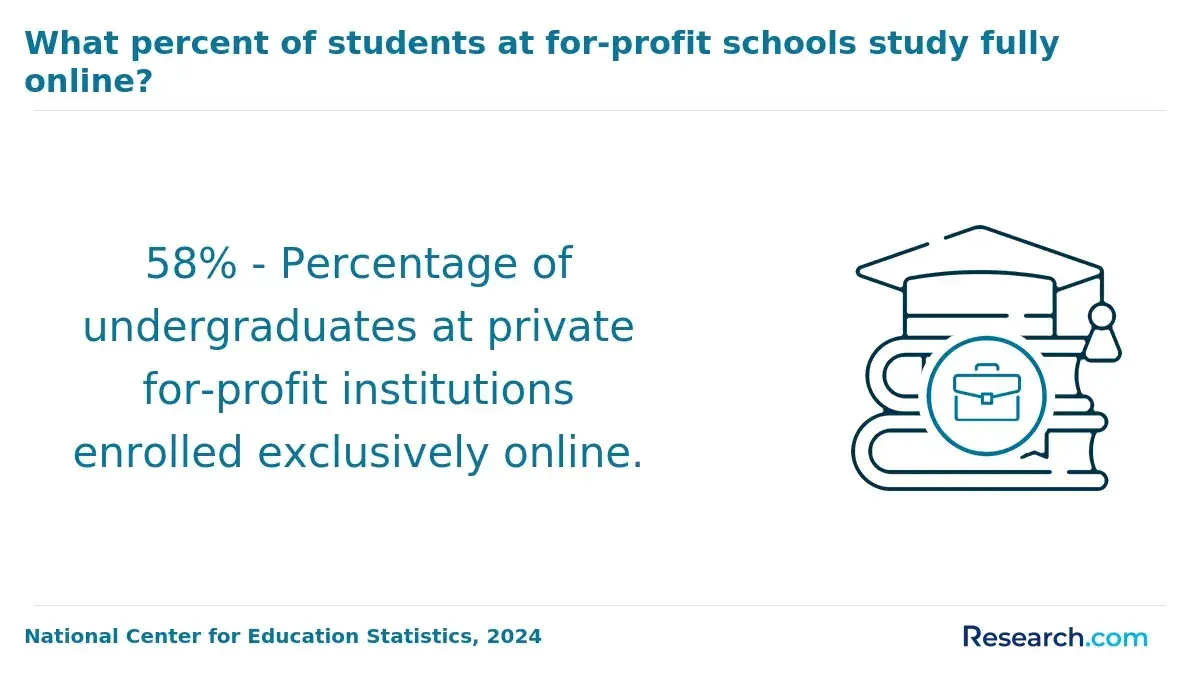
Evaluating the financial viability of a marriage & family counseling degree requires weighing tuition inflation against salary gains, rather than examining these figures in isolation. Recent data from the National Center for Education Statistics and the U.S. Bureau of Labor Statistics indicate that while average tuition fees for master's programs in this field have climbed about 4.5% annually, median early-career salaries for graduates have risen only around 2.3% per year. For instance, tuition now ranges roughly between $15,000 and $35,000 per year, whereas early-career salaries hover near $45,000, increasing to approximately $60,000 at mid-career. This discrepancy means the cost of education escalates faster than earnings, potentially eroding the long-term return on investment and complicating financial planning for prospective students.
Consider two students planning graduate study: one secures scholarships and plans to work part-time, mitigating borrowing needs, while the other relies heavily on student loans amid steady tuition hikes. The latter faces longer repayment timelines and shrinking real wage gains, which could delay financial stability despite salary growth. External factors such as regional salary variations, licensure requirements, or shifts to private practice also influence how tuition relates to earnings, making the financial outlook highly individualized. Therefore, simply knowing early salary figures or tuition costs doesn't provide a complete picture-the relative pace of these changes and personal circumstances must guide each student's decision.
A marriage & family counseling graduate recalls hesitating before enrolling when faced with rising tuition amid unclear salary prospects. While the tuition increase was palpable, the gradual salary improvements gave some reassurance but didn't offset the debt burden fully. They chose a public university with lower costs and prioritized securing additional certifications post-graduation to enhance earning potential. This approach required balancing immediate financial strain with longer-term professional gains, illustrating how nuanced and personal the relationship between education expenses and salary growth can be in this field.
Does a Marriage & Family Counseling Degree Deliver a Positive Return on Investment?
Return on investment (ROI) in higher education centers on weighing the total costs of completing a marriage & family counseling degree against the career earnings and advancement opportunities it generates over time. This calculation must go beyond entry-level salaries, which for licensed marriage and family therapists in 2024 typically range between $50,000 and $70,000 annually, according to data from the U.S. Bureau of Labor Statistics. For example, a graduate who accumulates $40,000 in student debt for tuition may initially find that loan repayments consume a significant portion of their early income, delaying financial gains. However, if that therapist pursues licensure, specializes in growing areas, or builds a private practice, potential income growth and career stability can improve the overall ROI across a working lifetime.
Factors such as geographical location, work setting, and professional specialization heavily influence whether the investment in this degree pays off. While tuition costs have risen steadily, outpacing inflation and wage growth in counseling fields, the profession offers notable job longevity and personal fulfillment that aren't captured by salary alone. Counseling roles embedded in multidisciplinary health teams or private practices generally command higher salaries, contributing to better financial outcomes. Ultimately, ROI varies widely by individual circumstances, requiring a realistic assessment of expected debt, work environment, and long-term career plans rather than reliance on average salary figures alone.
Which Industries Offer the Highest Salaries for Marriage & Family Counseling Graduates?
Marriage & family counseling graduates seeking the strongest earning potential must carefully weigh industry trends and sector-specific demands. The highest paying industries often blend counseling skills with other professional areas such as healthcare, education, and social services. Data from the U.S. Bureau of Labor Statistics shows that Marriage & Family Counseling-related occupations in healthcare settings and private practice yield median wages significantly above the national average. Understanding the tradeoffs-such as job stability versus entrepreneurial risk-is crucial for those navigating early career decisions.
Below are the top US industries with best salaries for Marriage & Family Counseling graduates, along with key factors influencing compensation within each sector:
- Healthcare and Hospitals: This sector typically offers the highest salaries due to larger organizational budgets and integration of counseling into multidisciplinary treatment plans. Roles often include working in inpatient psychiatric units, outpatient mental health clinics, and behavioral health centers. Advanced credentials and experience in specialized therapeutic techniques can further boost earning potential.
- Private Practice Counseling: Counselors who establish their own practice generally have flexible earning potential, with income depending on client base size and location. Those operating in affluent urban areas and offering niche therapy services-such as trauma-informed care or couples therapy-can achieve salaries comparable to healthcare institutions, albeit with variable income and business management responsibilities.
- Educational Institutions: Positions within universities and private schools combine steady pay with benefits, appealing to those balancing student debt and inflation pressures. These roles often involve counseling services for students, faculty, and staff, with advanced degrees or licensure preferred to command higher wages.
- Government and Non-Profit Organizations: While salaries tend to be lower than private sector roles, these employers frequently provide robust benefits and loan forgiveness programs. Marriage & family counselors in these sectors may focus on community outreach, crisis intervention, or social assistance programs.
- Behavioral Health Specialty Clinics: These clinics focus exclusively on mental health and substance abuse treatment, often offering salaries above general outpatient care settings. Specialized certifications and experience in evidence-based practices like cognitive-behavioral therapy enhance employability and pay.
- Telehealth Services: Growing demand for remote counseling has expanded opportunities with competitive compensation, especially for licensed counselors adept with digital platforms and flexible scheduling. This sector appeals to those seeking geographic independence.
- Corporate Employee Assistance Programs (EAPs): Companies increasingly invest in mental health support for employees, creating roles that combine counseling with human resources. Counselors with skills in workplace mediation and stress management certification often earn above average wages in this niche.
Given these distinctions, prospective students and recent graduates must consider both salary trajectories and job stability when choosing sectors. For instance, a counselor working in private practice in a high-cost city might out-earn a government counselor but faces income variability and business overhead. In contrast, those interested in consistent benefits may lean toward educational or government roles. Aligning salary expectations with personal priorities is key to a sustainable career.
Students exploring accelerated pathways might also investigate hybrid ABSN programs to complement their counseling skill sets with healthcare credentials, enhancing their employment options. Keeping abreast of the highest paying industries for marriage & family counseling graduates will help in making informed, strategic career choices while balancing economic realities.
Which States and Cities Offer the Highest Pay for Marriage & Family Counseling Professionals?
Earnings for marriage & family counseling professionals vary notably across the United States, influenced strongly by regional economic conditions, healthcare infrastructure, and demand for mental health services. High salaries often correlate with metropolitan areas that host extensive healthcare networks and higher living costs, creating a complex tradeoff between pay and expenses. For example, a counselor earning $85,000 in San Francisco might face significantly reduced real income due to housing and living costs compared to a counterpart making $60,000 in a lower-cost Midwestern city. Prospective students and recent graduates should evaluate these financial dynamics alongside local job market strength when planning their careers.
The following locations consistently offer some of the highest pay for marriage & family counseling professionals, shaped by healthcare funding, urban demand, and regional cost factors:
- California: Leading with mean annual wages over $79,000, California's robust healthcare sector and dense population support top compensation. However, elevated living costs, particularly in housing, substantially diminish take-home pay, necessitating careful budget considerations for those relocating.
- Massachusetts: Annual averages near $75,000 reflect strong demand driven by comprehensive mental health services and academic institutions specializing in counseling. The greater Boston area stands out for opportunities but comes with similarly high expenses and competitive markets.
- New York: New York State, especially the New York City metro, offers salaries often exceeding $85,000 due to diverse healthcare systems and private practice opportunities. Yet, candidates must weigh these figures against some of the nation's highest living costs and potential stressors linked to urban environments.
- San Francisco Bay Area: This metro region boasts some of the highest earnings nationally, reflecting concentrated demand and integrated health programs. The area's premium compensation is tempered by steep housing prices, influencing the net economic benefit for professionals.
- Greater Boston: Concentrated mental health services and university-affiliated clinics drive income upward here. However, job seekers face higher competition and cost of living, making financial planning essential.
- Chicago Metro: Offering more moderate salaries between $55,000 and $65,000, Chicago provides a broad healthcare employer base and relatively lower living costs compared to coastal metros. It appeals to those balancing solid pay with affordable urban living.
- Midwestern/Southern States: States in these regions often report average wages from $50,000 to $60,000. While salaries are lower, the cost of living is generally more manageable, making these areas viable for professionals prioritizing financial stability over top-tier earnings.
How Do Marriage & Family Counseling Salaries Grow Throughout a Career?
Marriage & family counseling salaries tend to rise gradually as professionals gain experience, but this growth often varies depending on factors like location, specialization, and work setting. Data from the 2024 U.S. Bureau of Labor Statistics shows entry-level therapists typically earn between $50,000 and $60,000 annually. Mid-career practitioners, with around five to ten years of experience, commonly see their earnings increase to roughly $65,000 to $75,000. At this stage, pursuing specialized certifications, taking on supervisory roles, or establishing private practice can significantly influence income, leading some to surpass $80,000 in more competitive markets.
Beyond a decade in the field, salary growth usually slows but remains positive, with seasoned counselors earning between $80,000 and $95,000 or more, particularly if they hold leadership roles or own practices. Yet, long-term wage gains often lag behind inflation and rising education costs, which currently exceed 4% annually, raising questions about the overall return on investment. For example, two graduates with identical credentials may end up on very different paths: one choosing public agency employment with steady but modest pay increases, and another building a private client base that yields higher earnings but requires upfront investment and business skills. Such decisions, along with geographic mobility and continuous professional development, play crucial roles in shaping career earnings.
One marriage & family counseling graduate reflected on her journey, recalling early hesitation about the financial viability of her degree given graduate school debt. Initially working in a non-profit agency with limited salary growth, she was relieved to later obtain certification in trauma-informed therapy and open a private practice. This shift brought steady client growth, allowing her income to rise above local averages, validating her decision to invest in additional credentials despite the initial financial strain. Her experience highlights the importance of strategic career moves and ongoing skill enhancement in achieving meaningful salary progression.
How Do Marriage & Family Counseling Salaries Compare With Similar Degrees?
Examining marriage & family counseling salary compared to related degrees reveals a nuanced financial outlook. While median annual wages for marriage & family counselors generally range between $55,000 and $60,000, similar fields often show slight variations rooted in licensure, specialization, and work environment. For prospective students, understanding these differences is critical in weighing the long-term value of the degree against rising tuition and inflation. Below are key comparisons illustrating how marriage & family counseling earnings align with adjacent mental health professions.
- Mental Health Counseling: Median salaries are close to $58,000, very similar to marriage & family counseling. Both careers focus on therapeutic support but mental health counselors may have broader scopes affecting salary stability, particularly in community clinics and hospital settings.
- School Counseling: Median income around $60,000 typically exceeds marriage & family counseling slightly. School counselors work in educational environments with somewhat standardized pay scales and additional benefits, which may appeal to those prioritizing consistent public sector roles.
- Clinical Psychology: Clinical psychology graduates usually earn mid-$60,000s to low $70,000s. Licensing requirements and specialized clinical roles in hospitals or private practice drive this higher earning potential, though training duration and costs are also greater.
- Social Work (LCSW): Licensed clinical social workers commonly see median wages near $65,000 with a diverse job market. Opportunities in healthcare, social services, and management roles contribute to enhanced salary prospects compared to marriage & family counseling.
For example, a marriage & family counseling graduate deciding between private practice and a school district role must consider that while private practice in affluent areas can yield competitive compensation, public sector jobs often offer greater income stability. With tuition costs rising, exploring options such as the fastest FNP program online might be a strategic alternative for those prioritizing quicker workforce entry or diversified healthcare roles. Balancing financial outlook for marriage and family counselors versus similar fields requires assessing these trade-offs beyond median salaries alone.
How Is Employer Demand Affecting Marriage & Family Counseling Salary Trends?
Employer demand plays a pivotal role in shaping salary trends for marriage & family counseling professionals, but its impact is neither uniform nor guaranteed. Rising demand, as reported by the U.S. Bureau of Labor Statistics in 2024 projecting 20% growth over the next decade, intensifies competition among organizations seeking qualified counselors. For example, a clinic in a metropolitan area with increased caseloads may offer higher starting salaries to attract entry-level counselors quickly. However, this pressure does not always translate to sustained wage growth, especially for mid- and late-career counselors, where budget constraints in mental health and nonprofit sectors often limit raises despite ongoing demand.
The complex nature of employer demand reflects geographic disparities and employer capacity, major factors influencing counseling wages. Urban counselors generally receive better compensation compared to rural peers with equivalent credentials, highlighting how location can affect salary outcomes even within strong demand regions. Additionally, economic conditions and organizational priorities significantly moderate how increased hiring activity influences pay, with some employers balancing high vacancy rates with tight funding. The mixed evidence from national analyses shows that while employer demand partly drives marriage and family counseling salary growth trends, other forces like specialization, experience, and inflation also weigh heavily on long-term earnings.
Prospective students must weigh these tradeoffs carefully given that salary gains may lag behind tuition inflation and cost-of-living increases. For those considering parallel health fields, exploring the best online RN programs for non nurses may provide alternative career paths with different demand and compensation dynamics. Understanding employer demand's nuanced effects on counseling wages can help graduates and career changers make informed decisions about the investment and potential returns of earning a marriage & family counseling degree.
How Can Students Maximize Their Lifetime Earnings With a Marriage & Family Counseling Degree?
Maximizing lifetime earnings with a marriage & family counseling degree requires deliberate choices beyond simply completing coursework. Recent data from the U.S. Bureau of Labor Statistics (2024) shows that specialization, licensure, and geographic location decisively influence salary outcomes. For example, a counselor focusing on trauma therapy in a metropolitan area with high demand can significantly out-earn generalists working in rural settings. Strategic engagement with evolving modalities like teletherapy further expands revenue opportunities. The following strategies distill key pathways for consistent income growth.
- Specialized Practice Areas: Focusing on high-demand niches such as trauma or substance abuse therapy increases market value. Students can pursue relevant electives or certifications during their program to position themselves for better-paying roles.
- Advanced Licensure: Obtaining credentials like Licensed Marriage and Family Therapist (LMFT) unlocks access to private practice and healthcare settings where compensation is typically higher. Early planning for licensure requirements increases readiness.
- Geographic Selection: Practicing in urban or high-demand states correlates with above-average salaries. Students should research state-level demand to align job searches accordingly.
- Continuous Education: Staying updated on therapeutic innovations and best practices through workshops or advanced degrees maintains competitiveness and justifies higher fees.
- Teletherapy Integration: Leveraging technology to offer virtual services broadens client reach and diversifies income streams. Developing comfort with telehealth platforms during training is advantageous.
- Professional Networking: Active involvement in counseling associations often leads to leadership or consulting roles that command premium pay. Building connections early can create future opportunities.
- Experience Diversification: Combining roles in private practice, corporate employee assistance programs, or healthcare settings balances income stability with growth potential. Graduates should seek diverse internships or part-time roles.
References
- Why get an MFT degree? | edX https://www.edx.org/resources/is-a-masters-in-mft-worth-it
- MFT Salary | Master of Arts in Marriage and Family Therapy https://www.tuw.edu/health/salary-opportunities-master-arts-marriage-family-therapy/
- Marriage and Family Therapist Salary and Jobs for MFT Careers https://teach.com/online-ed/psychology-degrees/online-masters-in-marriage-and-family-therapy/career-outlook/
- Psychology and Marriage Family Therapy B.A. / M.S. https://manhattan.edu/academics/programs/psychology-marriage-family-therapy-ba-ms
- Occupation Profile https://nccareers.org/occupation-profile/211013/1284
- Marriage and Family Therapists: Salary, career path, job outlook, education and more - RaiseMe https://www.raise.me/careers/community-and-social-service/marriage-and-family-therapists/
- Career Outlook for Marriage and Family Therapists https://therapistdevelopmentcenter.com/blog/career-outlook-for-marriage-and-family-therapists
- How Much Does Marriage Counseling Cost? https://www.growingself.com/how-much-does-marriage-counseling-cost/
- Is an MFT Degree Worth It? https://onlinecounselingprograms.com/online-counseling-degrees/online-mft-masters-programs/mft-degree-worth-it/
- Marriage and Family Therapist (MFT) - Salary, How to Become, Job Description & Best Schools https://www.onlinedegree.com/careers/behavioral-science/marriage-family-therapist-mft/
Other Things You Should Know About Marriage & Family Counseling
Extensive clinical hours are a cornerstone of marriage & family counseling programs, but they often delay graduates from entering the workforce full time. This can result in a temporary income gap immediately after graduation. Employers may expect licensed candidates to have substantial hands-on experience, so students who can complete clinical requirements efficiently and gain licensure faster typically access higher starting salaries sooner. Prioritizing programs with integrated, well-structured practicum components may help reduce this lag and improve early earning potential.
The workload for licensed counselors can be intense, with many balancing high client loads and unpredictable hours. While some choose part-time positions, which offer greater work-life balance, this often restricts annual income growth despite steady per-session pay. Those seeking significant salary increases must weigh the stress of full-time or overtime commitments against personal well-being. A practical approach is to target employers or settings known for sustainable caseloads and incremental pay raises rather than solely chasing higher hourly rates.
Not all programs deliver equal value in terms of licensing support, clinical placement quality, and employer networks, all crucial to salary trajectory. Candidates should prioritize accredited programs with strong clinical partnerships that facilitate licensure and early job placement. Investing more upfront in such programs can accelerate licensure and access to higher-paying jobs, offsetting higher tuition. Conversely, low-cost programs without robust support may delay credentialing and prolong periods of low income post-graduation.
States differ significantly in supervised hours and exam criteria for licensure, directly influencing how quickly graduates can begin earning licensed counselor wages. Those planning career mobility must consider that returning to school or accumulating extra supervised hours can delay full earning capacity. Prioritizing licensure in states with less burdensome requirements may expedite higher salaries, but at the cost of fewer professional opportunities. Strategic planning around state requirements is essential to align earning goals with realistic timeframes for credential completion.