2027 Marriage & Family Counseling Degree Enrollment Trends by Age Group: Traditional Students vs Adult Learners

Co-Founder and Chief Data Scientist
The interplay of licensure mandates and clinical practicum requirements shapes enrollment dynamics in marriage & family counseling degree programs, distinguishing traditional students from adult learners. Licensing boards often impose extensive supervised hours, a hurdle that adult learners frequently balance alongside employment and family obligations, potentially slowing their program progression.
Conversely, traditional students, typically entering programs immediately after undergraduate studies, may navigate these practicum demands with fewer external constraints. Workforce projections show a 22% growth rate for marriage & family therapists through 2030, intensifying competition and prompting diverse enrollment patterns. These age-related disparities reflect evolving workforce needs and suggest shifting educational accessibility within the profession.
Key Things to Know About Marriage & Family Counseling Degree Enrollment Trends by Age Group
- Students aged 25-34 dominate marriage & family counseling enrollment, reflecting career pivot trends; this age group balances practical experience with education, enhancing workforce readiness but facing higher opportunity costs.
- Employers increasingly value applicants with direct adult learner experience, as these students often bring diverse interpersonal skills not common in traditional 18-24 cohorts, shifting hiring preferences toward mature candidates.
- Older adult learners encounter access tradeoffs, including greater financial pressure and part-time study patterns, lengthening program completion time compared to younger peers despite similar academic outcomes.
- Key Things to Know About Marriage & Family Counseling Degree Enrollment Trends by Age Group Key Things to Know About Marriage & Family Counseling Degree Enrollment Trends by Age Group
- Which Age Groups Represent the Largest Share of Marriage & Family Counseling Students? Students by Age Group
- Why Do Traditional Students Choose Marriage & Family Counseling Degree Programs? Traditional Students
- Why Do Adult Learners Return to School for a Marriage & Family Counseling Degree? Adult Learners
- How Do Academic Goals Vary Between Younger and Older Marriage & Family Counseling Students? Academic Goals by Age Group
- How Do Financial Concerns Differ Between Traditional Students and Adult Learners? Financial Concerns by Age Group
- What Challenges Do Adult Learners and Traditional Students Face While Earning a Marriage & Family Counseling Degree? Student Challenges by Age Group
- How Does Age Affect Marriage & Family Counseling Degree Student Retention? Age and Student Retention
- Which Marriage & Family Counseling Specializations Are Most Popular Among Adult Learners? Top Specializations for Adult Learners
- How Does Age Affect Job Opportunities for Marriage & Family Counseling Graduates? Impact of Age in Job Opportunities
- What Do Current Marriage & Family Counseling Enrollment Trends Reveal About Future Demand? Future Demand
Which Age Groups Represent the Largest Share of Marriage & Family Counseling Students?
Marriage & family counseling programs draw students from varied life phases, yet enrollment predominantly clusters within particular age brackets shaped by workforce entry patterns, financial capacity, and program accessibility. These age distributions mirror larger systemic dynamics in higher education and labor markets rather than mere academic preference. Recognizing how career timing and educational pathways influence these enrollment trends is crucial for evaluating program suitability and long-term professional outcomes.
- Ages 30 and above: This group forms the largest segment due to their pursuit of career transitions, professional reskilling, or delayed entry into counseling fields. Many adult learners balance education with work and familial responsibilities, encouraging demand for flexible schedules like part-time or online formats. Their maturity and real-world experience are attractive to employers, though these factors often extend program durations.
- Ages 18-24: Representing traditional college-age enrollees, these students typically enter marriage & family counseling programs shortly after undergrad studies. They benefit from fewer external obligations, enabling full-time study geared toward licensure and clinical skill acquisition. This group's enrollment aligns closely with straightforward academic progression and early-entry workforce goals within counseling.
- Ages 25-29: Serving as a transitional demographic, these students often embark on specialization after initial degrees or shift fields in early career stages. Their enrollment share is smaller, reflecting a period of experimentation or refinement in career direction before settling into longer-term paths. Financial and personal commitments influencing their choices vary widely.
Marriage & family counseling programs increasingly mirror broader higher education enrollment trends captured by the National Center for Education Statistics, where adult learners constitute a significant, adaptive portion of the student body. This shift underscores evolving practical demands-employers expect counseling candidates to combine formal credentials with interpersonal, life-stage insights. Additionally, prospective students frequently weigh program flexibility against completion time and financial implications, crucial considerations often overlooked in traditional academic narratives.
For individuals assessing educational options, consulting resources focused on accessibility and cost-efficiency, such as listings of the cheapest online nursing programs, can offer comparative perspectives relevant to managing educational expenses alongside career goals.
Why Do Traditional Students Choose Marriage & Family Counseling Degree Programs?
Traditional students often choose marriage & family counseling degree programs based on a combination of academic interests and strategic early career planning. These programs signal clear professional pathways within mental health services that appeal to students seeking a defined scope of practice and licensure outcomes. Early exposure to counseling concepts through elective or introductory courses frequently solidifies the decision to pursue such degrees, as students align their education with a field promising personal fulfillment and structured career development. According to a 2024 report by the National Center for Education Statistics, 42% of recent high school graduates pursuing counseling degrees emphasize a strong motivation to assist families and communities, revealing a socially driven dimension to their academic choices rooted in meaningful engagement rather than vague interest.
Beyond individual motivation, university recruitment efforts and high school guidance counseling shape enrollment patterns by highlighting marriage & family counseling as a viable and stable career option within healthcare systems experiencing growth. Students who encounter these programs early, whether through targeted outreach or curricular exposure, often receive clearer expectations about licensure requirements and job placement rates, influencing their commitment to the field. This pathway responsiveness, coupled with growing market demand, supports a concentration of traditional-age students who prioritize face-to-face mentorship, hands-on clinical training, and structured internships aligned with workforce entry. Such focused early academic decision-making underscores the tangible benefits of pursuing marriage & family counseling degrees for college students, guiding them toward practical credentials in a competitive labor market. Institutions also respond to this dynamic by adapting program structures that balance foundational coursework with experiential learning, optimizing the education-to-career transition for this demographic.
Why Do Adult Learners Return to School for a Marriage & Family Counseling Degree?
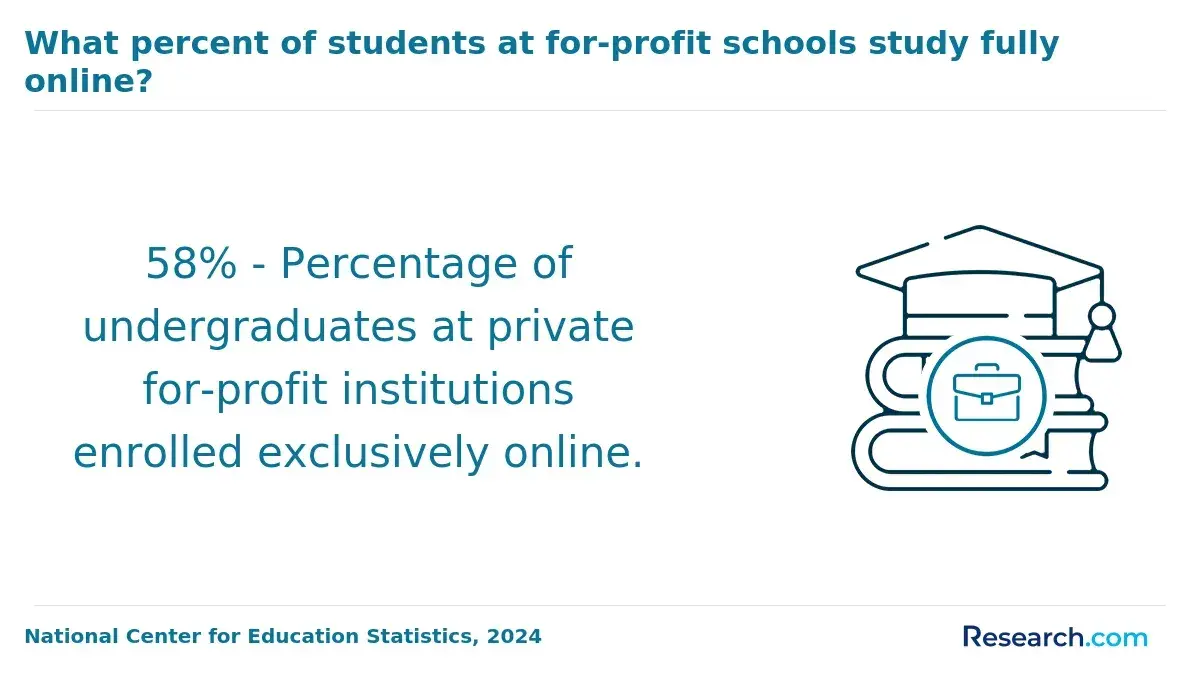
Adult learners returning to school for a marriage & family counseling degree often do so driven by the necessity to shift or advance their careers within an evolving mental health landscape. Unlike traditional students, they typically seek this credential to meet licensure mandates or to access specialized roles that require formal certification and demonstrated competencies. Wage progression and job mobility are central concerns, as many aim to leverage the degree for roles that offer greater professional stability or increased earning potential after years of experience in related fields. National data from the National Center for Education Statistics in 2024 reflects that nearly half of graduate students over 25 pursue counseling-related degrees precisely to enhance their credentials in a competitive labor market.
Additional factors shaping adult learners' decisions include employer-supported tuition assistance and the growing availability of flexible program formats, such as part-time or online study options, which accommodate complex schedules. Changing industry requirements also compel many to return, as ongoing regulatory updates and the need for supervised clinical hours make recertification or new licensure necessary. These learners frequently balance prior professional expertise with a need to refresh clinical skills and ethical knowledge to remain competitive. The accessibility of programs tailored to adult learners helps address economic and time constraints but also highlights the premium placed on practical, outcome-focused education by both students and employers.
How Do Academic Goals Vary Between Younger and Older Marriage & Family Counseling Students?
Younger students pursuing a marriage & family counseling degree generally approach their education with the intent to build a broad foundation of clinical skills and theoretical knowledge that prepares them for immediate entry-level roles or advanced study. Their academic goals often revolve around completing accelerated or immersive programs that facilitate a swift transition into the workforce, where they can accumulate practical experience. This demographic typically prioritizes comprehensive clinical training and values programs offering clear pathways to initial licensure and certification. A 2024 report from the National Center for Education Statistics highlights that around 60% of traditional students aged 18 to 24 emphasize these elements to secure early employment in mental health settings.
In contrast, adult learners tend to engage with marriage & family counseling programs as a strategic step aligned with specific career milestones such as licensure renewal, professional specialization, or role changes within their existing fields. Their educational objectives are tightly connected to flexible scheduling and curriculum formats that accommodate ongoing work and family obligations, often pursuing hybrid or online courses. Many seek credentials that upgrade their qualifications or support transitions into supervisory or specialized clinical positions. According to a recent American Counseling Association survey, 72% of these adult learners enroll with intentions linked directly to workplace advancement or career pivoting, reflecting a practical and outcome-driven approach to education later in life.
One adult learner recalled juggling full-time employment and family care while applying to marriage & family counseling programs through rolling admissions. Hesitant at first due to uncertainty about program start dates and balancing prerequisites, they waited weeks for clear communication before committing. When the admission notification finally arrived, it provided a crucial sense of relief and allowed for careful planning of both finances and work leave, underscoring how timing and clarity during the admissions phase can significantly affect decisions for students managing multiple life responsibilities.
How Do Financial Concerns Differ Between Traditional Students and Adult Learners?
Traditional students pursuing a marriage & family counseling degree typically depend heavily on financial aid, scholarships, and family support to cover tuition and related expenses. Their financial concerns center on managing immediate education costs while balancing the prospect of long-term debt repayment, as many rely on student loans during early adulthood. A 2024 National Center for Education Statistics report notes that approximately 74% of full-time undergraduates use some form of financial aid, highlighting this dependence. These younger learners often face fewer competing financial obligations beyond education-related costs, allowing their decision-making to focus on tuition affordability and future debt tolerance rather than broader household income constraints.
In contrast, financial challenges for adult learners pursuing marriage & family counseling degrees often involve balancing education expenses with existing family responsibilities, including mortgages, childcare, and everyday household costs. Many adult students seek to minimize financial disruption by leveraging employer tuition assistance or pursuing flexible payment plans, as reported by the American Council on Education. However, a significant opportunity cost emerges through reduced work hours or lost wages-48% of adult learners identify income loss as a primary barrier to their studies, more than double the rate for traditional students-reflecting the tension between full-time employment and program demands. These factors lead adult learners to prioritize programs that accommodate their complex financial and time constraints, balancing immediate affordability with long-term economic stability.
These differing financial dynamics influence enrollment patterns and program selection, with adult learners often favoring flexible or accelerated formats to mitigate income loss and total cost. Traditional students may more readily accept longer program durations and loan accumulation, anticipating a longer timeframe to repay debt post-graduation. Understanding these distinctions helps clarify why program accessibility and support services tailored for adult learners differ markedly from those designed for younger cohorts. For individuals comparing educational pathways, including those considering alternative formats such as an ASN program online, analyzing financial behavior and opportunity costs is essential for aligning educational investments with realistic career outcomes and lifecycle financial planning.
What Challenges Do Adult Learners and Traditional Students Face While Earning a Marriage & Family Counseling Degree?
Traditional students pursuing a marriage & family counseling degree often must quickly develop effective time management skills while adjusting to the demands of structured academic environments. Many within this cohort, typically aged 18 to 24, encounter difficulty balancing coursework with extracurricular activities and entry-level jobs, with 42% identifying time constraints as a primary barrier according to the National Center for Education Statistics (2024). Financial pressures also compound these challenges, as younger students frequently rely on limited part-time employment or loans, affecting both academic performance and the pace of degree completion. Their need to master theoretical frameworks and maintain consistent study habits occurs alongside adapting to new social and institutional expectations.
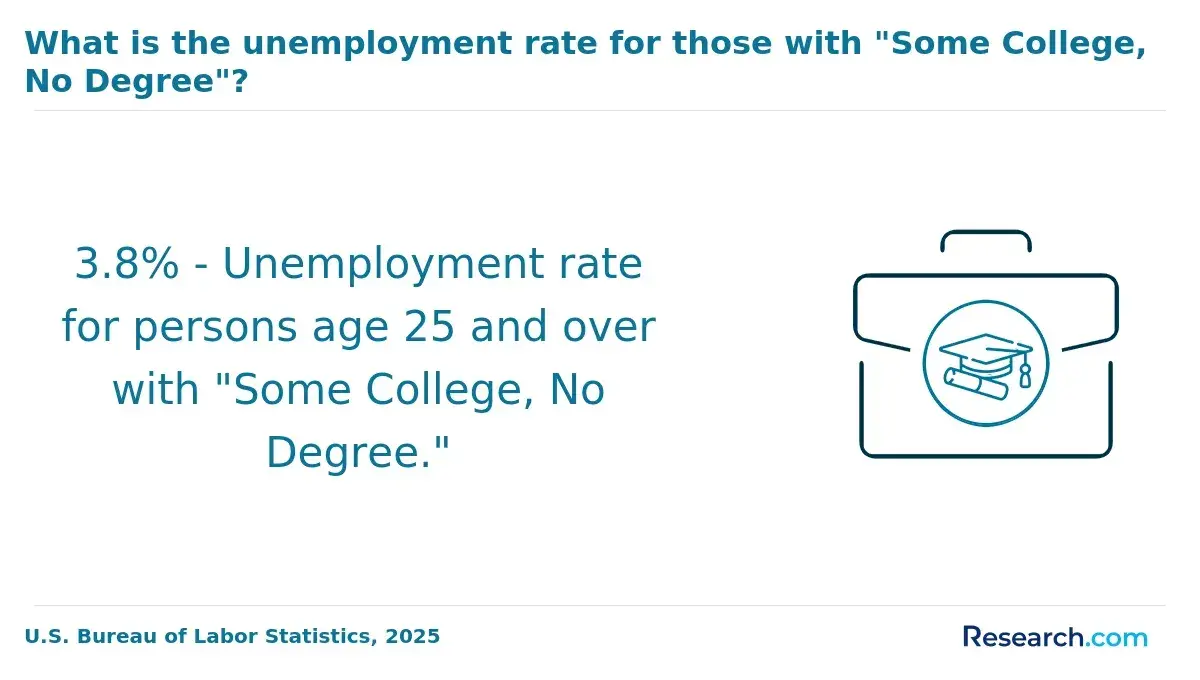
Adult learners, generally aged 25 and older, navigate a distinct set of pressures shaped by simultaneous personal and professional responsibilities. Their educational journey requires balancing full-time employment, caregiving duties, and family obligations, which often complicates scheduling for classes and clinical practicums. The Society for Human Resource Management (2024) reports that 58% of adult learners find coordinating educational commitments with work the most significant hurdle. Additionally, many must overcome technological barriers and reacclimate to academic settings after time away, which can heighten feelings of social isolation when contrasted with younger peers. These factors influence not only course progression but also integration into academic culture and peer networks.
Recognizing these divergent challenges, many institutions have adapted by offering flexible course delivery methods and tailored advising to support varied life circumstances. This differentiation in support seeks to minimize attrition and facilitate degree completion by addressing the lifecycle-specific needs of both traditional and adult students. Effective institutional responses thus hinge on balancing accessibility with rigor while considering how external obligations shape learners' time and resource availability in marriage & family counseling programs.
How Does Age Affect Marriage & Family Counseling Degree Student Retention?
Retention among younger students in marriage & family counseling programs often hinges on their ability to transition into the rigors of higher education, where academic expectations and self-motivation can fluctuate significantly. Many in this group encounter challenges tied to unclear professional goals or lack of immediate financial pressure, which can reduce urgency and persistence in their studies. Limited life experience may also contribute to difficulties in managing the demands of coursework alongside social and extracurricular distractions. According to the National Center for Education Statistics in 2024, retention rates for traditional students hover around 60%, reflecting the complex balance between engagement and exploration typical at this stage.
Older students in marriage & family counseling programs generally show stronger retention driven by defined career purposes and a pragmatic approach to educational commitments. However, their persistence is frequently offset by external pressures such as full-time employment, caregiving duties, and financial constraints that demand flexibility from institutions. These learners often require adaptable scheduling options and support mechanisms tailored to balancing education with life responsibilities, which can profoundly affect degree completion outcomes. The NCES data highlight a higher retention rate nearing 70% among adult learners, underscoring how motivation and real-world experience contribute to sustained enrollment but do not fully mitigate logistical barriers.
One graduate recalled the tension during the admissions cycle, noting hesitation before committing due to the program's rolling deadlines and the need to secure stable childcare and adjust work schedules. The delay in application arose not from waning interest but from carefully weighing timing against personal responsibilities. Once enrolled, this student found the pragmatic mindset developed outside academia vital for navigating program demands, yet the initial admissions uncertainty underscored how life stage intricately shapes when and how a marriage & family counseling degree pursuit becomes feasible.
Which Marriage & Family Counseling Specializations Are Most Popular Among Adult Learners?
Adult learners pursuing marriage & family counseling degrees typically prioritize specializations that align with immediate employability gains and practical skill enhancement, often reflecting their existing work experience or career pivot goals. Their focus tends to be on areas that enable smoother transitions into in-demand roles or offer a more direct path to salary advancement. Programs catering to adult learner marriage and family counseling specialization trends must address the real-world time constraints and professional development needs typical of this demographic.
- Clinical mental health counseling: This specialization attracts about 42% of adult enrollees due to its versatile applicability across healthcare, private practice, and community services. Adult students with prior clinical or social service backgrounds see it as a way to broaden therapeutic competencies and optimize career mobility.
- Trauma-informed counseling: Increasingly popular, this focus prepares learners for positions requiring expertise in PTSD, crisis intervention, and abuse recovery. It appeals to those aiming to update skills or transition into social services or healthcare roles with a specialization that commands employer demand.
- Couples and family therapy: While enrollment is somewhat lower, adult learners motivated by professional or personal experience choose this track to deepen relational skills. However, the longer clinical practicum requirements make it less feasible for those balancing work and family.
- Substance abuse counseling: Reflecting workforce shifts, this specialization draws adults seeking niche expertise related to addiction treatment, often building on prior healthcare or social work experience.
- Geriatric counseling: Growing interest here corresponds to demographic changes and demand for elder care, appealing to learners targeting specialized treatment or community programs working with aging populations.
These specialization choices demonstrate how adult learners strategically select pathways that maximize employability and accommodate their scheduling realities, consistent with broader adult learner marriage and family counseling specialization trends. For some, obtaining credentials such as a CPC certification complements their counseling expertise, enhancing cross-disciplinary career options.
How Does Age Affect Job Opportunities for Marriage & Family Counseling Graduates?
Marriage & family counseling graduates who are younger often gain access to job opportunities through structured internship pipelines and networking avenues that accompany traditional college enrollment. These entry-level roles typically surface within six months of graduation, supported by employer familiarity with recent academic credentials and exposure to current therapeutic practices. According to data from the 2024 National Center for Education Statistics, nearly 60% of graduates under 30 secure such positions relatively quickly. This cohort benefits from early-career hiring patterns that prioritize licensure readiness and flexibility in clinical placements, aligning with typical enrollment trends seen in traditional pathways for marriage & family counseling students.
In contrast, older graduates encounter a distinct set of employment dynamics shaped by prior professional experience and the need to translate transferable skills into counseling contexts. While this group may face longer job search periods due to implicit biases around technological proficiency or salary expectations, many leverage broader emotional maturity and adaptability valued by employers. Their career transition goals often necessitate strategic positioning to highlight relevance beyond academic milestones, which influences access to certain roles. For prospective students weighing program accessibility, including those exploring an online substance abuse counseling degree, understanding these nuanced labor market segments is critical for aligning expectations with real-world outcomes and opportunities.
What Do Current Marriage & Family Counseling Enrollment Trends Reveal About Future Demand?
Shifts in enrollment within marriage & family counseling degree programs reveal evolving perceptions of the field's career value and accessibility. Increasing participation by adult learners alongside traditional students demonstrates a broadening interest that transcends age-based demographics, reflecting more diverse motivations and life circumstances influencing program choice. This pattern signals that the discipline is perceived as relevant beyond initial career entry, accommodating mid-career transitions and part-time study needs. Data from the National Center for Education Statistics in 2024 underscores this diversification, showing notable growth in adult learner enrollment motivated by flexible and online program formats.
These enrollment dynamics are closely linked to broader labor market signals, including a projected 17% employment growth in marriage and family therapy through 2030 identified by the U.S. Bureau of Labor Statistics. Employers increasingly seek candidates with practical experience, favoring programs that offer flexibility for working professionals to gain relevant skills alongside employment. This can be one of the best degrees for single moms. This convergence of workforce demand, industry expansion, and evolving educational delivery models suggests future program growth will likely emphasize specialization, applied learning, and adaptable scheduling to meet workforce shortages and technological changes in mental health service delivery.
References:
- MFT Master's in Latinx Marriage & Family Studies | MFT Degree in CA https://www.pacificoaks.edu/academic-programs/ma-marriage-family-therapy-latinx-family-studies/
- Going Back to School as an Adult: a Step-by-Step Guide https://insights.ehl.edu/going-back-to-school-as-an-adult
- Benefits of Earning an Online MFT Degree | TUW https://www.tuw.edu/school-news/online-mft-degree-benefits/
- Best Advice for Going Back to School as an Adult https://www.straighterline.com/blog/degreecompletion-best-advice-for-adults-going-back-to-college
- 11 Reasons to Consider Returning to College as an Adult https://www.georgefox.edu/bruin-blog/posts/2021/02/adp-11-reasons/index.html
- Traditional vs. Adult Learner Advising: Key Differences and Best Practices - ReUp Education https://reupeducation.com/resources/traditional-vs-adult-learner-advising-key-differences-and-best-practices/
- Best Online Master's In Marriage & Family Counseling 2025 https://www.psychology.org/rankings/best-masters-programs-in-family-counseling/
- Traditional Vs. Non-Traditional Students in Higher Education https://moderncampus.com/blog/traditional-vs-non-traditional-students-in-higher-education.html
- Master of Arts in Counseling, Marriage, Couple, and Family Counseling - Adler Graduate School https://www.alfredadler.edu/program/master-of-arts-in-counseling-marriage-couples-and-family-counseling/
- The Share of Young Adults Who Received Mental Health Treatment Jumped 45% from 2019 to 2022, the Largest Increase Among Any Age Group | KFF https://www.kff.org/mental-health/the-share-of-young-adults-who-received-mental-health-treatment-jumped-45-from-2019-to-2022-the-largest-increase-among-any-age-group/
Other Things You Should Know About Marriage & Family Counseling
Adult learners often require more flexible program formats, such as part-time, evening, or online classes, to balance education with work and family obligations. Traditional students typically benefit from full-time, campus-based instruction that fosters peer interaction and immersion. Since many marriage & family counseling programs emphasize supervised clinical experiences, adult learners might face challenges securing local practicum placements that align with flexible schedules, potentially prolonging degree completion. Therefore, prospective students should prioritize programs offering adaptable practicum arrangements and hybrid learning to align with their life circumstances.
In 2027, age impacts internship success as traditional students often benefit from flexibility and adaptability, enhancing their employability. Adult learners bring diverse, mature perspectives but may face challenges balancing responsibilities. Universities address this by offering tailored support to improve outcomes for both groups.
Yes, adult learners often invest education later in life with clear career outcomes in mind, so choosing marriage & family counseling programs aligned explicitly with state licensure requirements is critical. Traditional students may explore broader academic interests initially, but adult learners usually need direct pathways to credentialing to justify time and financial commitments. Prioritizing CAATE-accredited or regionally accredited programs with explicit licensure preparation can avoid costly delays or additional coursework after graduation. Adult learners should rigorously verify how a program supports licensure steps as a condition for enrollment.
Traditional students often tolerate or prefer faster-paced schedules that fit into a consecutive 4-5 year plan with dense course loads. In contrast, adult learners tend to favor slower pacing to accommodate external responsibilities, which can extend completion timelines. However, slower pacing may increase risks of losing momentum or facing changing program requirements over time. Programs designed with consistent curriculum updates and ongoing academic advising can mitigate these pitfalls. Prospective adult learners should assess whether a program's pacing flexibility is supported by structured progress monitoring to improve completion odds.