2027 Animation Careers: Guide to Career Path, Options & Salary

Co-Founder and Chief Data Scientist
If you are trying to decide whether animation is a smart career move, the real question is not just “Is it creative?” It is whether you are ready for a portfolio-based profession that blends art, software, storytelling, feedback, and production deadlines. Animation can lead to work in film, television, games, advertising, education, mobile media, and digital products, but success usually depends on much more than talent alone.
This updated guide explains what animators actually do, which skills matter most, how to get started, when a degree or certificate is worth the cost, what the job market looks like, and which adjacent fields can expand your options. It is designed to help students, career changers, and working creatives make a practical decision about their next step.
Quick Answer: Is Animation a Good Career?
Animation can be a strong career choice if you enjoy visual storytelling, technical problem-solving, and collaborative creative work. It is a weaker fit if you want a highly predictable schedule, dislike revisions, or do not want to keep learning new tools. Most employers care about your demo reel or portfolio, your ability to use industry software, and your capacity to deliver polished work under deadline.
For many people, animation is best viewed as a flexible creative career foundation. It can lead directly to animation roles, or it can open doors to game design, motion graphics, visual effects, UX, graphic design, advertising, and digital content creation.
What Animation Careers Really Involve
Animation is the craft of creating the illusion of movement through drawings, models, digital assets, timing, and editing. Depending on the role, animators may design characters, animate scenes, build storyboards, rig models, create motion graphics, or help produce visual effects. The work is creative, but it is also structured, collaborative, and highly production-focused.
Day-to-day tasks often include reviewing briefs, interpreting notes from directors or clients, checking continuity, fixing technical issues, organizing files, and revising scenes until they fit the project’s style and timeline. In other words, animation is not just about making things move. It is about making them move in a way that supports story, brand, gameplay, or learning goals.
| Animation area | Typical work | Best suited for |
| 2D animation | Frame-based movement, character acting, layouts, and storyboards | People who like drawing, timing, and expressive performance |
| 3D animation | Animating models, rigs, cameras, and environments | People who enjoy software, spatial thinking, and realistic motion |
| Motion graphics | Animated text, transitions, icons, explainers, and branded visuals | Design-minded creators interested in marketing and media |
| Visual effects | Compositing, simulation, creatures, environments, and shot enhancement | Technical artists who like realism and post-production |
| Game animation | Interactive character movement, gameplay actions, and real-time assets | Animators interested in engines, interactivity, and player experience |
Why Animation Can Be a Worthwhile Career Path
Animation offers more than one route into the creative economy. A single skill set can support entertainment, education, healthcare, product marketing, simulation, and digital communication. That range matters because it gives animators multiple ways to stay employed even when one industry slows down.
The field can also provide room for growth. Early-career work often focuses on production support or execution, while more advanced roles involve creative direction, team leadership, and specialization. For example, art directors earn over $90,000 annually, and many professionals value the chance to shape the visual identity of an entire project rather than only producing individual shots.
Animation Career Outlook and Job Market
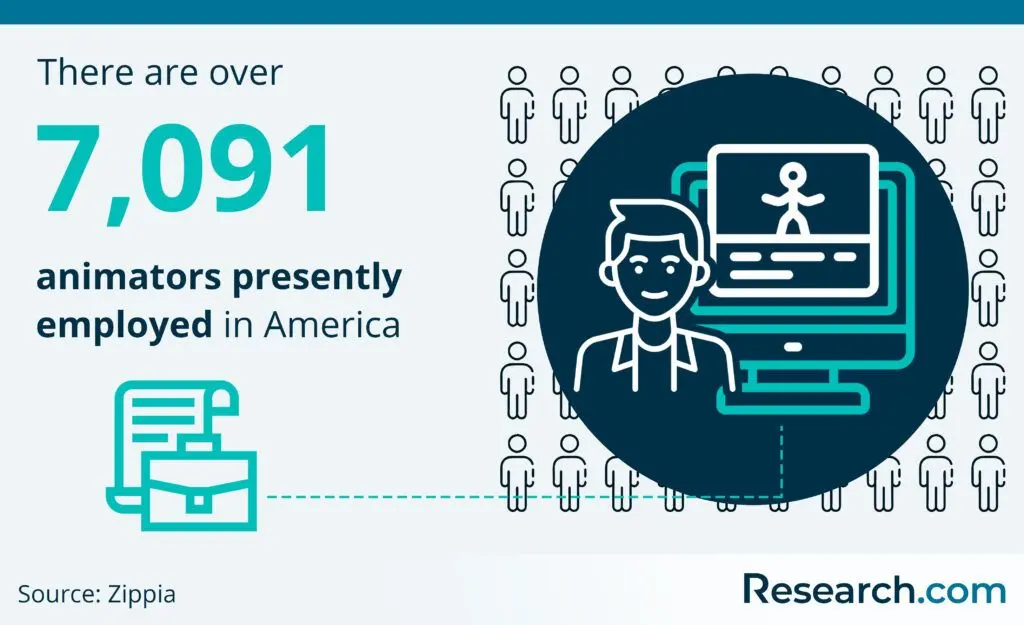
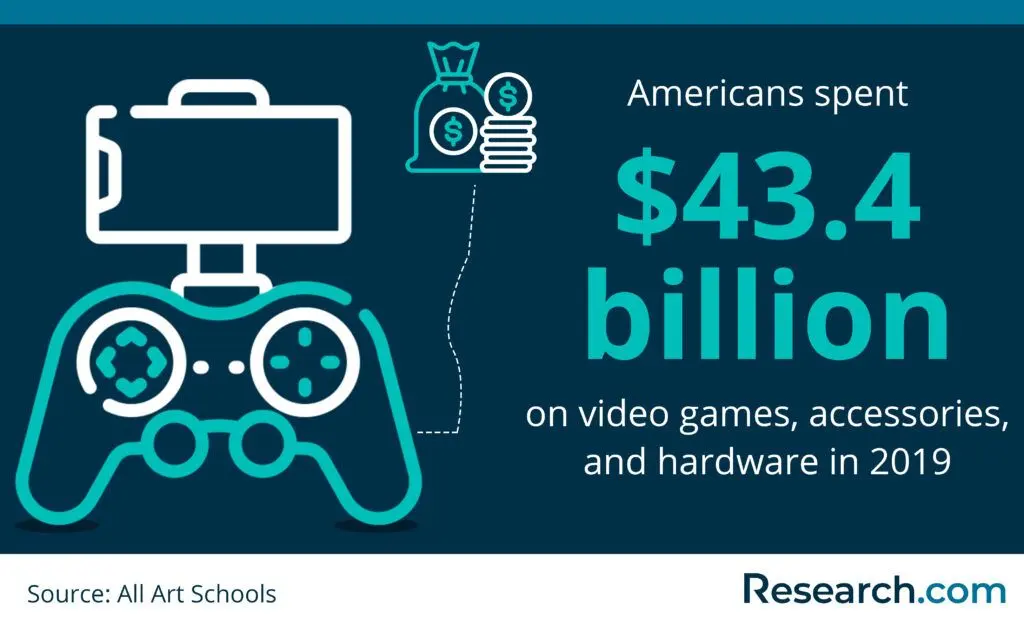
Demand for animation skills is influenced by streaming media, video games, advertising, mobile content, visual effects, and the need for high-quality digital experiences across industries. The U.S. Bureau of Labor Statistics expects a 4% increase in multimedia artist and animator careers. That outlook is useful, but it does not guarantee easy hiring. Competition, location, specialization, and portfolio quality still matter a great deal.
Salary and openings vary widely by role. A stronger portfolio, more in-demand software skills, and experience in active production environments can improve your chances, but no outcome is guaranteed.
| Animation-related role | Starting salary | Job openings | Common hiring locations |
| 3D Artist | $58,856 | 4,871 | Los Angeles, CA; New York, NY; San Francisco, CA |
| Production Assistant | $37,799 | 37,632 | New York, NY; Los Angeles, CA; Chicago, IL |
| 3D Modeler | $49,253 | 2,029 | New York, NY; San Francisco, CA; Houston, TX |
| Storyboard Artist | $66,000 | 6,413 | Los Angeles, CA; New York, NY; San Francisco, CA |
| Animator | $58,619 | 434 | New York, NY; Los Angeles, CA; San Francisco, CA |
What Animators Need to Succeed
Employers usually look for two things at once: artistic quality and production reliability. A strong animator can create appealing visuals, understand timing and motion, and work within a pipeline that includes directors, writers, editors, riggers, designers, and producers.
Core Creative and Technical Skills
- Drawing and visual judgment: Even in highly digital roles, animators benefit from understanding composition, color, perspective, lighting, posing, and visual clarity.
- Software proficiency: Animation work depends on tools for 2D animation, 3D modeling, rigging, rendering, compositing, and editing. Knowing how the software supports the workflow is just as important as knowing the interface.
- Understanding movement: Convincing animation depends on anatomy, weight, balance, timing, and the physics of motion. As Angela Lepito’s study “Where Animation and Science Meet,” published in Integrative and Comparative Biology, shows, real-world science helps animators create believable motion before exaggerating it for expressive effect.
- Math and problem-solving: Some animation workflows, especially more technical ones, rely on trigonometry, algebra, and calculus concepts to create precise motion and effects.
Professional Skills That Matter Just as Much
- Communication: Animators have to interpret briefs, ask the right questions, and respond clearly to revision notes.
- Teamwork: Most projects involve many contributors, so animation work must fit into a larger creative pipeline.
- Time management: Deadlines are part of the job, especially in studios, agencies, and game production environments.
- Leadership: As careers grow, animators often need to justify creative choices, guide other artists, and manage priorities. Structured leadership development can help prepare for that shift.
How to Start an Animation Career
The usual path into animation combines education, practice, portfolio development, and real project work. Many employers prefer a bachelor’s degree or higher for competitive roles, but credentials alone are not enough. Hiring decisions often come down to whether your reel proves you can do the work.
An associate degree can be useful for exploring the field, building foundational skills, or saving money before transferring into a four-year program. It may also help students qualify for support roles or prepare for a more specialized next step.
A Practical Step-by-Step Path
- Pick a direction. Choose between 2D animation, 3D animation, motion graphics, game animation, visual effects, storyboarding, or modeling.
- Build the fundamentals. Study drawing, perspective, anatomy, movement, composition, lighting, and visual storytelling.
- Learn the right tools. Practice the software used in your target area, and create finished projects instead of only following tutorials.
- Assemble a portfolio or demo reel. Put your strongest work first and tailor the reel to the job you want.
- Get outside feedback. Instructors, working animators, and portfolio reviewers can help you identify weak spots faster.
- Apply strategically. Look at internships, assistant roles, freelance work, studios, agencies, and game companies.
- Keep learning. Animation tools and workflows change quickly, so skill development is ongoing.
What You Can Do With Associate-Level Training
Shorter programs and associate-level study can help students build basic software competence, test their interest in the field, and prepare for transfer into a longer degree. They are usually most useful when the goal is to reduce cost or move into a broader program later.
Production Assistant
Production assistants help creative teams stay organized. Their work may include answering phones, coordinating schedules, handling files, checking logistics, and supporting film, television, radio, or digital media production.
Median salary: $37,799
Web Developer
Web developers build and maintain websites and digital platforms. For animators, this can be a useful adjacent path if you are interested in visual communication, interactive experiences, or online content delivery.
Median salary: $61,706
What a Bachelor’s Degree Can Add
A bachelor’s program usually gives students more time to develop technical depth, visual voice, and portfolio-ready projects. It may also include internships, collaborative productions, and electives that help students specialize.
Video Game Designer
Video game designers create games for consoles, computers, and other platforms. Some animation programs include game-focused concentrations, but students whose main goal is games should also compare a dedicated degree in video game design.
Median salary: $67,300
Multimedia Artist or Animator
Multimedia artists and animators produce images, motion, and effects for film, television, games, mobile platforms, and digital media. Bachelor’s programs in this area often include art fundamentals, writing, design, and production courses.
Median salary: $58,619
Can a Certificate Lead to an Animation Job?
A certificate can help you gain a specific skill or learn a new workflow, but it usually works best as a supplement, not a replacement, for a strong portfolio. Certificates are most helpful when they are tied to a tool, technique, or production process that employers actually use.
You can find certificate options through universities, private training providers, software companies, and online community colleges. Before enrolling, check whether the program includes instructor critique, portfolio projects, and software relevant to your target jobs.
| Path | Best for | Main advantage | Important caution |
| Certificate | People who need a focused skill update or software credential | Shorter and more targeted than a degree | Usually not enough on its own without portfolio evidence |
| Bachelor’s degree | Students who want structured training and broad portfolio development | Matches common employer expectations for many roles | Can require a major time and financial commitment |
| Master’s degree | Animators seeking specialization, teaching, or leadership growth | Can deepen research, direction, or advanced production skills | May not help much if work samples are weak |
| Self-directed learning | Highly disciplined learners building niche skills | Flexible and often lower cost | Requires strong feedback and self-management |
How Animators Advance Professionally
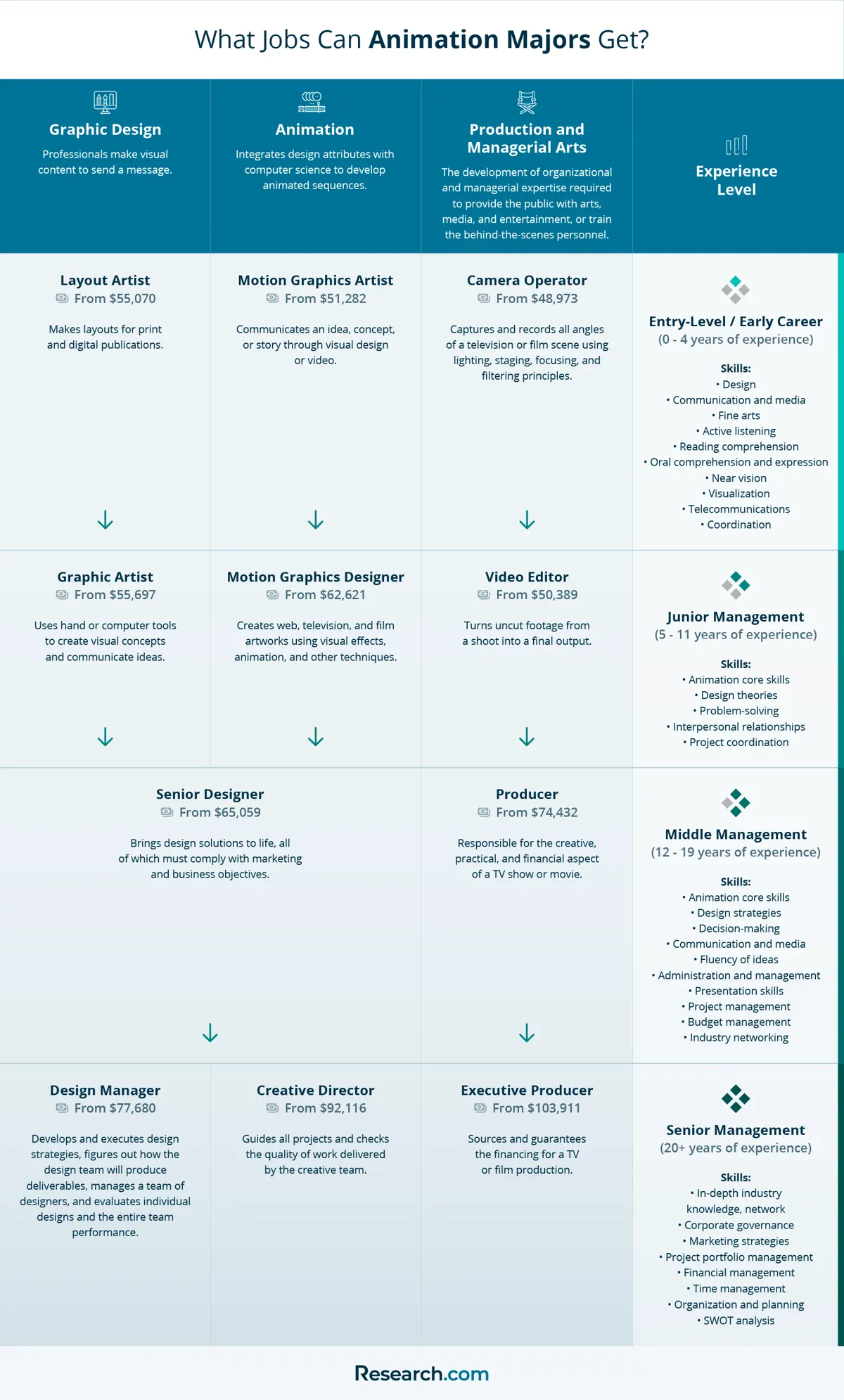
Career growth in animation usually comes from stronger work samples, a clearer specialty, dependable delivery, and the ability to lead others. A junior animator may move into senior animator, lead animator, animation director, art director, technical artist, producer, or creative director roles. Some professionals deepen one specialty; others move into management.
Animation-focused master’s degree programs can help when they support a concrete goal such as advanced portfolio development, teaching preparation, or creative leadership. Specialization areas often include 3D character animation, stop-motion, visual effects, interactive media, and experimental work.
What a Master’s Degree Can Be Good For
A master’s degree is not required for every animation role, but it can be useful for animators who want more advanced studio practice, critique, specialization, or preparation for teaching and leadership.
Animation Producer or Director
Animation producers and directors handle scheduling, budgets, priorities, and creative oversight. These roles usually require several years of professional experience and the ability to manage both people and production demands.
Median salary: $83,419
Stop-Motion Animator
Stop-motion animators create movement with physical objects such as puppets, clay, props, and rigs. This path is a strong fit for people who enjoy tactile production and detailed frame-by-frame planning.
Median salary: $83,529
Which Certification Makes the Most Sense?
The best certification depends on the software and workflow you want to use. Two recognized options are Adobe Animate and Final Cut Pro X. A certificate can document a skill set, but employers still want to see finished work that proves you can apply it in real production conditions.
How Animation Skills Transfer Into Graphic Design
Graphic design is one of the most practical related fields for animators because many of the same visual principles still apply. If you understand hierarchy, composition, typography, color, layout, and storytelling, you already have a strong starting point for design work. Motion skills can make you especially useful in branding, social media, digital ads, product explainers, and marketing campaigns.
This path makes the most sense for animators who enjoy visual communication beyond character performance or cinematic production. To compare role expectations and advancement options, review Research.com’s guide to graphic designer career paths.
Ethical Issues Animators Should Understand
Animation has real influence. It shapes how audiences see people, places, cultures, products, and ideas. Because animation often stylizes reality, professional judgment matters at every stage of production.
- Intellectual property: Use original work, licensed assets, or material you are allowed to adapt. Copying designs or media without permission can create legal and professional problems.
- Cultural representation: Animated characters and stories can either reinforce stereotypes or challenge them. Responsible creators research carefully and seek feedback when working outside their own experience.
- Environmental impact: Rendering and storage can consume substantial computing resources, so efficient workflows and responsible asset management matter.
- Authentic storytelling: Topics like trauma, disability, identity, and history require care, research, and informed feedback.
- Disclosure and manipulation: As digital tools improve, animators should be thoughtful about work that could mislead audiences or imitate real people without consent.
How Game Development Training Can Help Animators
Game development education can make animators more versatile because it introduces interactive storytelling, real-time rendering, player-focused design, and engine-based workflows. Those skills are especially valuable in game studios, simulation, immersive media, and training applications.
This path is a strong fit for animators who want to work with gameplay teams or create assets for interactive platforms. Students can compare curricula from game design schools online to see how animation is often paired with design and programming.
Why Diversity and Representation Matter in Animation
Diversity is not just a hiring issue. It affects the quality of the stories being told and the audiences those stories reach. When animation teams include different perspectives, they are more likely to create characters and worlds that feel authentic rather than flattened into clichés.
- More accurate stories: Animation can reflect many identities, family structures, languages, and lived experiences.
- Better creative decisions: Diverse teams are more likely to spot blind spots and challenge weak assumptions.
- Stronger audience trust: Viewers notice when stories feel thoughtful and respectful.
- Wider access to the profession: Cost can shape who enters the field, so affordability matters. Students comparing lower-cost options may review the cheapest online college bachelor degree options as part of a larger budget strategy.
- Greater social impact: Animation can normalize inclusion and challenge harmful stereotypes when it is handled responsibly.
Is an Advanced Degree Useful for Animators?
An advanced degree can be worthwhile when it serves a specific purpose, such as improving a portfolio, preparing for teaching, or developing a focused specialty. It is less helpful if you enroll without a clear outcome in mind or expect the credential alone to create opportunities.
Programs such as MFA programs online may support deeper critique, stronger creative direction, and more advanced studio practice. Before committing, compare the faculty, student work, internship access, alumni outcomes, and total cost.
How Creative Writing Can Improve Animation Work
Animation is stronger when the story is clear. Writing skills help animators understand pacing, character motivation, emotional beats, and scene structure. Even artists who do not write scripts benefit from knowing how story choices affect timing, movement, and audience response.
Creative writing is especially useful for storyboard artists, directors, independent animators, and anyone developing original shorts or series concepts. Students who want to build narrative skills may compare cheap BA creative writing programs as one way to strengthen story development alongside visual production.
How Digital Marketing Can Increase an Animator’s Visibility
Because animation hiring is heavily portfolio-driven, visibility can matter. Digital marketing skills help animators present their work clearly, reach the right employers or clients, and build a professional presence across portfolio sites, social channels, freelance platforms, and industry communities.
Useful habits include creating a focused demo reel, explaining your role in each project, tracking which posts or pieces attract attention, and tailoring content to the kind of work you want next. Animators looking to strengthen this side of their career may consider programs such as the fastest online master's in social media marketing.
Why Communication Skills Matter in Animation Careers
Clear communication keeps animation projects moving. Animators need to understand creative direction, explain design choices, ask clarifying questions, document revisions, and present work in progress without confusion. Poor communication can lead to rework, delay, or misaligned expectations.
This becomes even more important for people who want to move into lead, producer, director, or client-facing roles. Those who want formal training may compare online communications fast track programs to strengthen presentation, collaboration, and messaging skills.
Challenges Animators Face in a Changing Creative Market
Animation is rewarding, but it is not easy. Tools change quickly, competition is broad, deadlines can be intense, and freelance work may be uneven. Feedback is often subjective, which can make revision cycles especially demanding.
Common pressure points include staying current with software, preventing burnout, balancing artistic goals with client expectations, and standing out in a crowded portfolio market. Related skills can help. For example, animators who improve story structure through accelerated online creative writing degree programs may be better prepared for concept, storyboard, and narrative-heavy roles.
| Common mistake | Why it hurts | Better approach |
| Choosing a school based only on software names | Tools change, but fundamentals and critique matter longer term | Prioritize portfolio development, production practice, and feedback |
| Including too much average work in a demo reel | Hiring managers may stop watching before the strongest pieces appear | Lead with your best material and keep the reel focused |
| Skipping accreditation and transfer research | Credits may not transfer and the credential may have less value | Check institutional accreditation and transfer policies first |
| Assuming a certificate will secure employment | Hiring usually depends on work samples and experience | Use certificates to support a specific skill gap and build projects |
| Looking only at entertainment studios | You may miss jobs in education, healthcare, marketing, UX, and corporate media | Search broadly across industries that use motion and visual explanation |
Career Options Outside Traditional Animation Jobs
Animation training can translate into many related careers, especially where motion, visual communication, or digital production is important. If a studio animator role does not fit your personality or long-term goals, it may still be possible to use the same creative foundation elsewhere.
For animators who are drawn to branding, layout, and digital communication, an online graphic design degree can offer a broader foundation. It may be a better match if you want to work in advertising, publishing, marketing, technology, or product design.
VFX Artist
VFX artists create digital effects that make impossible scenes feel believable. This path suits animators who enjoy compositing, realism, simulation, and technical post-production work.
Computer Network Architect
Computer network architects design data communication systems. This is not a typical animation role, but it can appeal to students who discover they prefer infrastructure, systems, or technical problem-solving over visual production.
How to Decide Whether Animation Is the Right Path for You
Animation is a good fit if you like revising work, solving visual problems, learning software, and collaborating with other creatives. It is probably not the right choice if you want fast results, dislike technical troubleshooting, or prefer to work with little critique.
Before you enroll in a program or commit to the field, ask a few direct questions: Does the curriculum match the type of animation you want to make? Will you leave with a portfolio or demo reel you can actually use? Do instructors have relevant industry experience? Is there meaningful critique and project-based learning? Are the costs manageable? If the program is online, will it still provide enough feedback and production support?
| Question to ask | Why it matters |
| What type of animation do I want to make? | 2D, 3D, VFX, motion graphics, and game animation each require different skills and portfolios |
| Will this program help me build a demo reel? | Employers usually care more about finished work than a course list |
| What software and workflows are included? | Your training should reflect the tools used in your target field |
| How much critique will I receive? | Feedback is essential for improving timing, polish, and storytelling |
| What will the full cost be? | Tuition is only part of the expense; equipment, software, and time also matter |
| What do graduates actually do after finishing? | Outcome data can help you judge whether the program supports your goals |
Current Trends Shaping Animation Careers in 2027 and Beyond
Animation careers are changing as new tools, platforms, and industries reshape how visual content is produced and consumed. The most useful professionals are the ones who can combine strong fundamentals with adaptable workflows.
- Virtual reality and augmented reality: VR and AR create demand for animators who can design immersive characters, interfaces, and environments.
- Artificial intelligence in production: AI tools may support repetitive tasks, but they do not replace judgment, style, or storytelling ability.
- Short-form and personalized content: Brands and media companies increasingly need animation for explainers, social media, and targeted campaigns.
- Cross-disciplinary production: Animation overlaps more often with UX, healthcare, architecture, and simulation. Students interested in product experiences may explore a UX design degree online.
- Efficient production practices: Teams are paying more attention to storage, rendering cost, and digital workflow efficiency.
- More thoughtful representation: Global audiences expect more careful, informed storytelling.
How Specialized Online Training Can Strengthen an Animation Career
Specialized online training can be a smart option when you want to sharpen one area without committing to a full degree. It works best when the course is project-based, includes critique, and leaves you with pieces you can add to your portfolio.
Training in game animation, motion graphics, compositing, modeling, real-time engines, or interactive design can broaden your job options. Animators interested in game-focused production can compare options in Research.com’s guide to gaming schools online.
Common Questions About Animation Careers
Is a certificate enough to get hired?
A certificate may help you learn a tool or prove a specific skill, but most employers still want a portfolio that shows strong finished work. Certificates are most useful when they are tied to a clear career goal.
Do animators need a degree?
Not always, but many employers prefer formal training for competitive roles. A degree can help with structure, critique, internships, and portfolio development, while self-taught artists need to be especially disciplined about building strong work samples.
What matters most when applying?
Your demo reel or portfolio usually matters more than the name of your school. Employers want proof that you can make the type of animation they need.
Can animation lead to other careers?
Yes. Many animators move into graphic design, UX, visual effects, game design, marketing, product visualization, or content strategy.
Animation as a Way to Make Ideas Easier to See
Modern animation is more than entertainment. It is a communication tool used to teach, persuade, explain, and immerse audiences in visual experiences that static images often cannot match. Today’s animators work with advanced software, multidisciplinary teams, and production pipelines that reward both artistic judgment and technical skill.
The strongest candidates are usually the ones who combine creativity with consistency. They know how to take feedback, solve problems, and keep improving. That combination is what turns animation from a hobby into a durable career path.
Key Insights
- Animation is a portfolio-first career. Training helps, but hiring decisions are usually driven by the quality and relevance of your finished work.
- The field is broader than film and TV. Animation skills are used in games, advertising, education, digital media, product design, and visual effects.
- Different paths fit different goals. Certificates can build specific skills, bachelor’s degrees provide broader preparation, and master’s degrees can support specialization or leadership.
- Technical skill alone is not enough. Animators also need story sense, communication, teamwork, revision tolerance, and time management.
- The job market varies by role and location. Openings, salaries, and demand differ across specializations such as 3D Artist, Storyboard Artist, Production Assistant, and Animator.
- Related fields can improve stability. Graphic design, game development, UX, digital marketing, and VFX can expand your career options without abandoning your creative background.
- Accreditation, cost, and portfolio outcomes matter. Before enrolling in any program, check whether it supports real career goals instead of assuming a credential alone will be enough.
- Ethics and representation are part of the job. Animation influences how people and cultures are portrayed, so responsible decision-making matters at every stage.
References:
- College Grad. (n.d.). Special Effects Artists and Animators. College Grad.
- Edarabia. (n.d.). What can you do with an Animation Degree? Edarabia.
- Moran, A. (n.d.). How to Become an Animator. Career Addict.
- Pulse College. (n.d.). Career in Animation? Here’s What You Need to Know. Pulse College.
Other Things You Should Know About Animation Careers
Advanced career options in animation include roles like Animation Director, Previsualization Artist, and Technical Director. These positions often require significant experience and expertise in animation software, storytelling, and leadership abilities. They involve overseeing creative teams, ensuring artistic consistency, and driving the overall vision of animation projects.
In 2027, aspiring animators typically pursue a bachelor's degree in animation or a related field. Programs often include courses in 3D modeling, character design, and visual effects. Some institutions also offer internship opportunities, providing practical experience as part of the curriculum.
In 2027, typical starting salaries for new animators range from $40,000 to $55,000 annually, depending on location and the company. Larger studios tend to offer higher compensation packages compared to freelance or smaller firms, reflecting the industry's competitive nature.
In 2027, opportunities in the animation industry are expanding through interactive and immersive technology like augmented reality (AR) and virtual reality (VR). Rising demand for personalized content and global streaming platforms also creates niche markets, offering animators diverse roles and augmented earning potential.
Most entry-level roles expect proficiency in Adobe Animate, After Effects, Blender, Maya, or Toon Boom Harmony. Studios also value basic rigging, compositing, and file-management skills, plus a working portfolio showing 2D or 3D projects and clean animation timing, usually from a degree, certificate, or equivalent practice.