2027 School Psychology Master's Degree vs Graduate Certificate: Which Is Better?

Co-Founder and Chief Data Scientist
Choosing between a school psychology master's degree and a graduate certificate can be challenging—each offers distinct advantages in cost, duration, and career impact. For example, master's degree holders earn a median annual salary approximately 20% higher than those with only a graduate certificate, according to recent Bureau of Labor Statistics data from 2024.
Yet, graduate certificates require less time and lower upfront investment. Admission criteria also vary significantly, affecting accessibility. Employer recognition and licensure opportunities differ as well, directly influencing career prospects.
This article examines these factors in detail to help prospective students make an informed choice based on clear, data-driven comparisons.
Key Things to Know About Which Is Better: A School Psychology Master's Degree or a School Psychology Graduate Certificate
- A master's degree in school psychology typically costs three to five times more than a graduate certificate, reflecting broader coursework and practicum requirements.
- Graduate certificates may be completed within one year, whereas master's programs usually require two to three years, impacting how quickly one can enter or advance in the field.
- Employers tend to recognize master's degrees as the standard for licensure and higher salaries; certificates often serve as supplementary credentials with limited standalone career utility.
What Is the Difference Between a School Psychology Master's Degree and a School Psychology Graduate Certificate?
A school psychology master's degree is a comprehensive graduate program requiring 30 to 60 credit hours that covers core psychological theories, assessment methods, intervention strategies, research, and field practicum.
Its academic objectives include preparing students for certification, licensure, and entry-level professional roles, as well as providing prerequisites for doctoral study. In contrast, a school psychology graduate certificate typically involves 12 to 18 credit hours focusing on specialized topics within the field, usually without practical training or foundational coursework.
Certificates serve professionals seeking targeted expertise or skill refreshment without committing to a full degree.
- Credit Hours: Master's degrees demand extensive coursework; certificates offer a condensed, focused curriculum.
- Curriculum Scope: Master's programs develop well-rounded practitioners through broad training; certificates emphasize specific skills or knowledge areas.
- Academic Objectives: Master's degrees prepare students for licensure and professional practice, while certificates primarily enhance existing skills or credentials.
- Duration and Time Commitment: Master's degrees span two to three years full-time; certificates often take less than one year.
- Common Misconceptions: Certificates are not simply shortened master's degrees—they differ in academic standing and licensure eligibility.
- Stackability: Many institutions allow certificate credits to be applied toward a master's, offering a flexible educational pathway but complicating direct comparisons.
- Intended Audiences: Master's degrees attract recent undergraduates and career changers seeking full qualification; certificates appeal to working professionals seeking specialization.
- Institutional Purposes: Master's degrees serve as foundational credentials; certificates function mainly as professional development or academic enhancements.
This comparison informs decisions about school psychology credential career and salary comparisons by evaluating cost, time-to-completion, admission criteria, employer recognition, and career utility.
For those weighing their next step—whether recent graduates, working professionals upgrading skills, career changers seeking a faster path, or certificate holders considering a master's—understanding these distinctions is critical to making an informed choice.
Those exploring options might also benefit from examining related programs such as affordable online nursing programs for broader educational planning strategies.
What Are the Typical Admission Requirements for a School Psychology Master's Program Compared to a School Psychology Graduate Certificate?
Admission requirements for a school psychology master's program are generally more rigorous than those for a graduate certificate, reflecting the deeper academic and professional preparation needed.
Master's programs typically seek candidates with a solid foundational background in psychology or education, and the typical admission requirements for school psychology master's programs often include these elements:
- Undergraduate GPA: Most master's programs expect a minimum undergraduate GPA around 3.0 on a 4.0 scale to demonstrate academic competence.
- Prerequisite Coursework: Applicants must usually complete prerequisites in psychology, statistics, and sometimes child development or educational foundations, highlighting the comprehensive scope of the program.
- Standardized Test Scores: While some programs require GRE scores, this is becoming less common; when required, verbal reasoning and quantitative sections are emphasized.
- Letters of Recommendation: Typically, two or three letters from professors or professionals who can attest to the applicant's academic abilities and suitability for the field are needed.
- Personal Statement: A detailed statement outlining career goals, relevant experience, and motivation is often essential to the master's application.
In contrast, graduate certificate admission criteria for school psychology are usually more flexible—designed to accommodate working professionals and those building their credentials. These certificates often require only a bachelor's degree without strict GPA restrictions, and prerequisite coursework may be minimal or waived.
Many certificate programs do not require GRE scores, and letters of recommendation or personal statements are often less demanding or optional.
- GPA Requirements: Certificates allow more candidates to apply by often having no strict minimum GPA.
- Prerequisites: Coursework prerequisites may be minimal or waived to focus on skill development.
- Standardized Tests: Many certificate programs do not require GRE or equivalent exams.
- Letters and Statements: These materials may be requested but usually with less rigor.
This difference in admission barriers matters significantly for those who do not yet meet master's standards. Graduate certificates act as an academic on-ramp, providing foundational coursework, enhancing resumes, and strengthening applications for future master's enrollment.
For career changers or professionals seeking targeted skills without a full master's commitment, certificates offer valuable flexibility and accessibility.
For those comparing pathways, examining outcomes like employer recognition, salary impact, and career utility can provide clarity beyond prestige bias. Many working professionals pursue options like masters in healthcare management to expand credentials; similarly, choosing between a school psychology graduate certificate and a master's degree should align with individual career goals.
What Is the Minimum GPA Requirement for a School Psychology Master's Program?
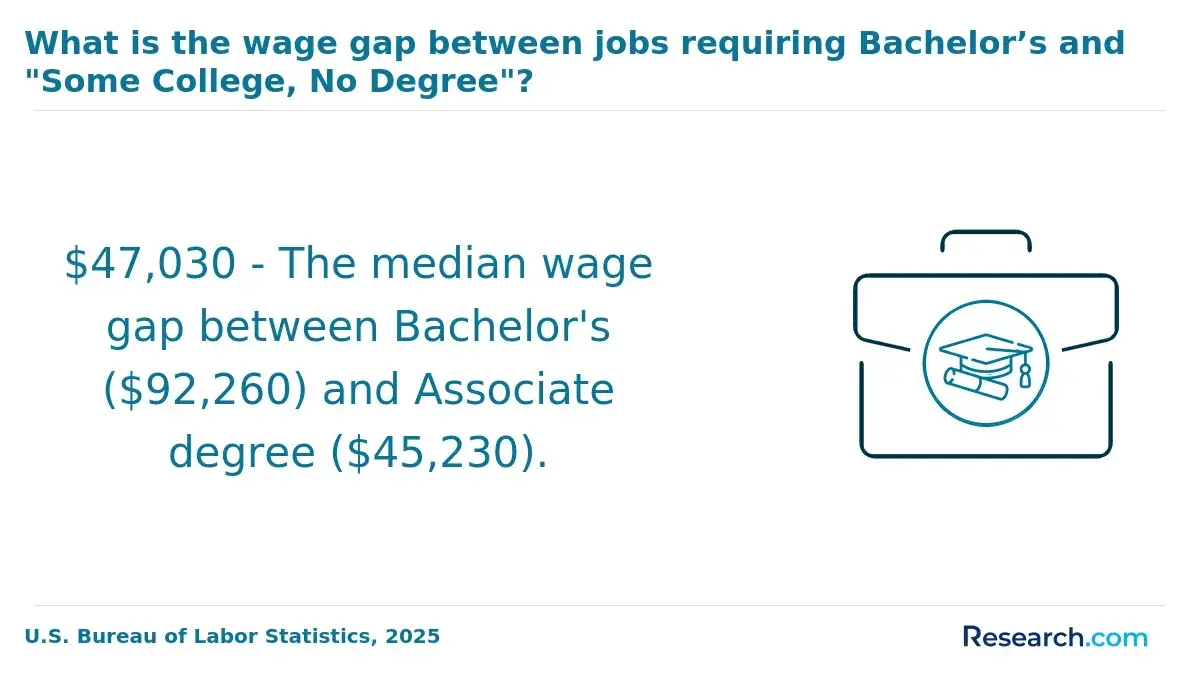
Accredited school psychology master's programs generally set minimum GPA requirements between 2.75 and 3.5 on a 4.0 scale, though these vary widely depending on the institution's selectivity.
Competitive programs tend to require at least a 3.0 GPA, with many successful applicants presenting averages closer to 3.5 or higher, reflecting their strong academic backgrounds alongside relevant experience and, when applicable, high GRE scores.
In contrast, open-enrollment or professionally oriented programs may accept students with GPAs near 2.75, often offering additional support to help students develop practical skills.
- Competitive Programs: These programs prioritize academic excellence and typically admit students with higher GPAs, viewing the minimum as a strict baseline.
- Open-Enrollment and Professional Programs: These schools emphasize accessibility and hands-on training, with more flexible GPA criteria.
- Provisional Admission: Some institutions offer conditional acceptance to applicants slightly below minimum GPA thresholds, requiring successful completion of early coursework or prerequisite classes under close supervision.
- GPA as a Floor, Not a Target: Meeting minimum GPA requirements doesn't guarantee admission; exceeding them strengthens applications and better aligns candidates with admitted cohorts.
One professional who completed a school psychology master's reflected on the process: "My GPA was just below some program minimums, but I was fortunate to find a school offering provisional admission. The initial semesters felt intense, with constant check-ins and extra assignments, but it pushed me to improve. I learned that perseverance and leveraging support made a crucial difference beyond the numbers alone."
How Long Does It Take to Complete a School Psychology Master's Degree Versus a School Psychology Graduate Certificate?
Completion time varies notably between a school psychology master's degree and a graduate certificate, especially when considering full-time, part-time, and accelerated paths. Typically, a school psychology master's degree requires two to three years of full-time study, with part-time options extending up to four or five years.
Accelerated programs are uncommon due to extensive clinical training and internship demands. In contrast, a graduate certificate focuses on rapid skill acquisition and can usually be finished within six to twelve months full-time, or a bit longer part-time, offering a more compressed timeline.
- Curriculum Demands: Master's programs involve a comprehensive curriculum covering theory, research methods, assessment, and intervention strategies. They customarily include thesis or capstone projects, comprehensive exams, and supervised fieldwork—all contributing to a longer duration. Graduate certificates prioritize targeted competencies without requiring thesis work or comprehensive exams, which allows for quicker completion.
- Professional Priorities: Many working professionals weigh the time investment against their career urgency. Those seeking to enter the field promptly or upgrade specific skills might opt for the certificate, while candidates pursuing licensure or advanced roles often accept the longer school psychology master's degree timeline.
- Life Balancing: Individuals managing employment, family, or limited finances must realistically gauge the time they can dedicate to studying. Graduate certificates present an accessible pathway when schedules are tight, whereas master's degrees demand sustained commitment and frequently necessitate financial aid planning.
- Duration Insights: Data from institutions and research by the Council of Graduate Schools confirm these time-to-completion ranges. Choosing between the credentials depends heavily on personal circumstances and career goals, making a realistic assessment essential.
For those exploring educational options in this field, understanding these realistic timelines framed by program structure is vital. To explore related accelerated options, consider reviewing the best online biology degree programs, which similarly balance time and rigor.
How Much Does a School Psychology Master's Degree Cost Compared to a School Psychology Graduate Certificate?
The cost of a school psychology master's degree is considerably higher than that of a graduate certificate, reflecting differences in program length, clinical training, and academic requirements. When comparing these pathways, students should consider not only tuition but also financial aid opportunities, time commitments, and long-term career outcomes.
Cost Ranges: Tuition expenses for a school psychology master's degree vary widely by school type. Public in-state programs usually fall between $20,000 and $40,000, whereas out-of-state public options can be nearly double, ranging from $35,000 to $70,000. Private institutions tend to demand the highest fees, often exceeding $50,000 and sometimes rising above $90,000. In contrast, graduate certificates generally carry a significantly lower price tag—public programs commonly cost between $5,000 and $15,000, and private certificates typically range from $10,000 to $25,000 due to shorter completion times and fewer credit requirements.
Cost Drivers: The substantial price gap for the master's degree is influenced by its higher credit load—usually 60 credits or more—a longer duration of two to three years, and greater institutional costs related to faculty expertise, clinical supervision, and student support services. Certificates are generally 12 to 18 credits and place less demand on university resources, which keeps their expenses lower.
Financial Aid: Master's candidates often gain access to assistantships, fellowships, and employer tuition reimbursement programs, which can significantly offset their tuition. Certificate students, however, generally encounter fewer funding opportunities and may depend more on their own resources or limited scholarships.
Hidden Costs: Earning a master's degree usually entails full-time study, meaning students forgo income and delay career progress. These opportunity costs can overshadow direct tuition savings available through a certificate program, even with the master's higher sticker price.
Return on Investment: It's vital to assess net cost—accounting for scholarships, aid, and lost wages—rather than focusing only on tuition figures. Many no-cost online calculators incorporate these factors, helping candidates make data-driven choices about which credential best fits their career goals and financial situation.
One professional who completed a school psychology master's degree shared that balancing coursework, clinical practice, and financial concerns was daunting but rewarding.
She noted, "While the cost and time commitment were significant, the assistantship I secured made a huge difference. The hands-on training and faculty support were invaluable and ultimately led to better job prospects."
Her experience underscores how financial aid and program quality can shape outcomes beyond just the price tag.
How Does Earning a School Psychology Master's Degree Affect Salary Compared to a School Psychology Graduate Certificate?
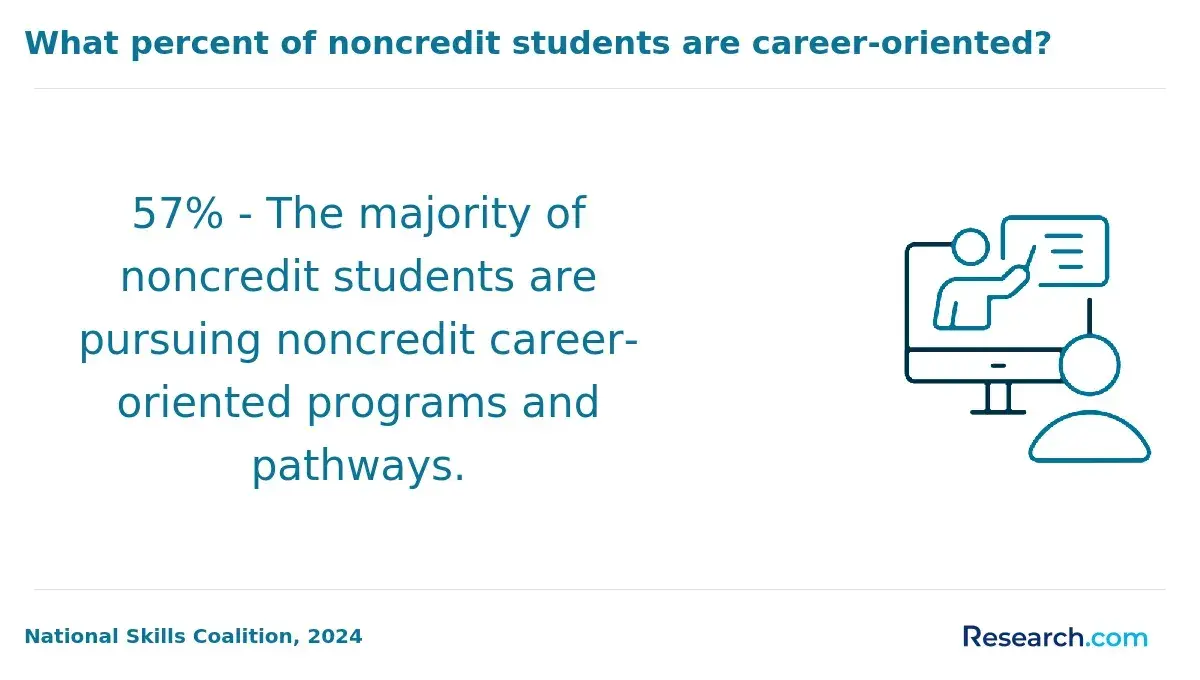
Data from the Bureau of Labor Statistics and Georgetown University highlight a clear earnings advantage for professionals holding a master's degree in school psychology compared to those with a graduate certificate.
Median wages for master's degree holders are generally 15% to 30% higher, especially in public school districts and clinical roles where comprehensive training and licensure are essential.
- Salary Premium: The master's degree correlates with elevated pay-particularly in traditional educational settings and specialized clinical jobs where advanced credentials are highly valued.
- Industry Variance: Roles such as educational assessment coordinators or district consultants often command salaries toward the upper end of the master's degree scale, reflecting deeper skill sets.
- Certificate Advantages: Some certificates focused on behavioral intervention or neuropsychological assessment can rival master's earnings in private practices or charter schools where niche expertise is prized.
- Senior Roles: Leadership and supervisory positions within school psychology are typically limited to those with master's degrees, providing access to higher salary tiers inaccessible to most certificate holders.
- Return on Investment: Despite costing more and requiring longer study periods—often two years full-time versus one or less for certificates—the master's degree's salary lift and broader career options often justify this investment over time.
- Time Considerations: Graduate certificates offer quicker workforce entry but may necessitate completing a master's later to unlock top salaries and administrative roles.
As of 2024, employment trends show growing demand for school psychologists with master's credentials in public school systems, reinforcing the wage premium associated with advanced qualifications.
Which School Psychology Career Paths Favor a Master's Degree Over a Graduate Certificate?
Certain school psychology career tracks clearly require a master's degree over a graduate certificate—especially when licensure, employer preferences, or the complexity of professional responsibilities comes into play.
Leadership roles directing school psychological services or managing special education programs typically expect the breadth of knowledge and advanced skills that a master's curriculum provides, often making this degree a baseline qualification.
- Licensing Requirements: Many states and districts mandate a master's degree for legal and independent practice as a school psychologist, limiting opportunities for certificate holders in licensed positions.
- Research and Evaluation Roles: Positions involving educational research or collaboration with university programs demand the rigorous theoretical training found in master's programs, which certificates generally do not offer.
- Specialization and Promotion: Advancing to specialized areas like neuropsychology or behavioral intervention often requires a master's degree, which districts use as a formal criterion for promotion and salary increases.
- Employer Preferences: Employers frequently list a master's degree as a minimum requirement, viewing it as evidence of scholarly rigor and professional commitment that enhances hiring competitiveness.
According to the Bureau of Labor Statistics, employment for school psychologists with a master's degree is projected to grow by 8%, underscoring strong demand for this level of preparation. Prospective students targeting licensed or leadership positions should consider master's programs essential for meeting state licensure and career advancement requirements.
Which School Psychology Career Paths Favor a Graduate Certificate Over a Master's Degree?
Certain career contexts in school psychology favor a graduate certificate over a master's degree—especially where employers prioritize demonstrated technical skills and applied competency rather than a broad academic background.
Specialized assessment roles, for example, value rapid certification in evidence-based evaluation methods, allowing professionals to prove proficiency without the extended time commitment of a full degree.
This dynamic applies within the domain of school psychology graduate certificate career opportunities, where focused qualifications can open doors more quickly in specialized settings.
Working professionals holding a bachelor's or master's degree in related fields—such as education, counseling, or psychology—often maximize their return on investment by pursuing a graduate certificate to close specific competency gaps.
These targeted programs offer skill upgrades valued in areas like behavioral intervention or data-driven student support, making them a cost-effective alternative to full degree programs.
School psychologists working in environments that emphasize practical service delivery—public school districts or community agencies, for example—may encounter employer preferences for certifications in school-based mental health or response-to-intervention (RTI) frameworks.
Here, a graduate certificate can sometimes substitute for a master's degree, signaling up-to-date applied knowledge crucial for immediate job performance.
Career changers who already have relevant academic preparation often find certificates provide a faster pathway to entry-level roles, aligning with job market insights from platforms like Lightcast and LinkedIn Workforce Insights. These data highlight positions where employers treat graduate certificates as equivalent or preferred credentials.
Employer surveys identify roles in highly specialized or interdisciplinary school psychology functions—such as program evaluation or academic coaching—where a graduate certificate demonstrates commitment and practical skills without the broader theoretical emphasis of master's programs. For those focused on rapid, skill-specific advancement, this credential often offers superior value.
Key contexts where a graduate certificate delivers superior value include:
- Technical Specialization: Roles demanding mastery of evidence-based assessment or intervention techniques.
- Cost Efficiency: Professionals seeking targeted skill upgrades without the expense of another full degree.
- Employer Preference: Settings that prioritize certificates in school-based mental health or RTI over academic breadth.
- Accelerated Entry: Career changers needing faster qualification for entry-level positions.
- Interdisciplinary Roles: Positions like academic coaching where applied expertise outweighs broad theoretical knowledge.
Choosing between a master's degree and a graduate certificate involves weighing factors such as time-to-completion, cost, and specific career goals—making certificates particularly attractive for those focused on immediate, practical impact.
For more insights on educational pathways and career outcomes, consider exploring related fields such as bioinformatics major jobs, where similar credential considerations apply.
Is a School Psychology Graduate Certificate Stackable Toward a Master's Degree?
Whether a graduate certificate stackable toward a school psychology master's degree is possible depends largely on institutional policy rather than a universal standard.
Many accredited universities allow students to transfer credits earned through a graduate certificate in school psychology into a related master's program, enabling a gradual buildup toward the full degree while reducing initial academic and financial risk.
- Institutional Policy: Specific rules about credit transfer from school psychology certificate to master's program are outlined by each university, often in academic catalogs or program handbooks.
- Grade and Time Requirements: Successful stacking typically requires a minimum grade—often a B or higher—and certificate coursework must usually be completed within a set timeframe, commonly five to seven years.
- Program Alignment: Certificates must generally come from the same institution or one with formal transfer agreements, with coursework matching the content and credit demands of the master's curriculum.
- Academic and Financial Considerations: For students undecided about pursuing a full master's, beginning with a graduate certificate offers a controlled way to engage academically and financially before committing fully.
- Verification: Prospective students should verify stackability directly with graduate admissions, since institutions vary widely and may set specific limits or conditions.
Students considering this pathway can benefit by understanding how stackable credentials work and carefully confirming transfer eligibility. For those exploring related careers, learning what does an athletic director do may provide additional insights into educational career outcomes beyond school psychology.
How Do Employers in the School Psychology Field Perceive a Master's Degree Versus a Graduate Certificate?
Employers differentiate notably between candidates holding a master's degree and those with a graduate certificate in school psychology—yet their preferences depend heavily on industry and job function. In regulated sectors like education and clinical environments, a master's degree remains the established standard, signaling thorough training and compliance with licensing requirements.
Conversely, sectors such as consulting and educational technology often value graduate certificates for their focus and efficiency, appreciating that certificates represent current skills without the extended commitment of a full degree.
Institutional prestige plays a crucial role in how credentials are viewed. A graduate certificate from a reputable, accredited program can sometimes carry more weight than a master's degree from an unknown or less respected school, emphasizing that the program's quality influences employer trust as much as the credential itself.
- Industry Variation: Education and clinical organizations generally lean toward master's degrees, while tech and consulting firms frequently accept or prefer certificates for their specialized relevance.
- Reputation Impact: Credentials from highly ranked institutions tend to outperform lesser-known degrees regardless of the credential type.
- Role Requirements: Positions requiring licensure commonly insist on a master's, while research or data-focused jobs may consider certificates adequate.
- Employer Expectations: Hiring managers use credentials as indicators of candidate readiness—knowing sector norms helps applicants set practical career goals.
Can a School Psychology Graduate Certificate Help Someone Transition Into the Field From a Different Background?
For professionals shifting into school psychology from unrelated careers, a focused graduate certificate offers a quicker and more affordable credential alternative to a full master's degree. Workforce development research shows these programs increasingly cater to career changers by delivering condensed coursework that builds essential knowledge efficiently.
Targeted Learning: Certificate programs concentrate on practical skills and core concepts, enabling learners to gain relevant expertise without the broader scope required in master's programs.
Accelerated Completion: Many certificates can be finished in less than a year, allowing career changers to enter the job market faster than through traditional graduate degrees.
Stackable Credentials: These certificates often transfer credit toward a master's degree, providing flexibility for those who may want to pursue advanced qualifications later without repeating content.
Applied Experience: Curricula frequently emphasize creating portfolios, participating in projects, or volunteer opportunities, which help students demonstrate practical competencies to employers.
However, certificates generally lack the comprehensive depth and professional recognition required for senior or specialist school psychology roles. Career changers aiming for long-term advancement or licensure usually need a master's degree.
The certificate functions best as an initial step, ideally combined with visible, hands-on experience to improve employability and support career transition.
What Graduates Say About Which Is Better: A School Psychology Master's Degree or a School Psychology Graduate Certificate
- Azai: "Choosing between a School Psychology master's degree and a graduate certificate was initially daunting, but the time-to-completion was a game changer for me. The certificate allowed me to gain essential skills much faster - perfect for someone balancing work and family commitments. However, I noticed that employers often favor the master's degree when it comes to salary impact and long-term career growth."
- Russell: "From a professional standpoint, admission requirements really set the master's and certificate programs apart. The master's degree had a more rigorous entry process, which I appreciated because it ensured a highly prepared cohort. Still, the graduate certificate's lower cost made it a viable option for many, though I did find that some employers don't recognize it as strongly when considering candidates for higher-level positions."
- Christian: "I went with a master's degree in School Psychology because of the broader career utility it offers. The graduate certificate seemed tempting due to the shorter timeframe and reduced expense, but I wanted something that would open more doors in the field. In retrospect, the overall investment in the master's program felt worth it - especially knowing how much it boosted my salary potential and established my professional credibility."
Other Things You Should Know About School Psychology Degrees
Online school psychology master's programs generally offer a more comprehensive curriculum that covers foundational theories, assessment techniques, and intervention strategies required for professional practice. Graduate certificates tend to be more focused and shorter but may not carry the same weight with employers or licensing boards. Both formats can be accredited, but master's degrees typically hold greater recognition in the job market and for those seeking licensure as certified school psychologists.
Accreditation is crucial in school psychology because it ensures the program meets standards necessary for certification and employment. A master's program accredited by the National Association of School Psychologists (NASP) or another recognized body better supports state certification and prepares students for licensure. Graduate certificates often do not have the same level of accreditation, which can limit opportunities for career advancement or higher salaries.
A master's degree in school psychology may offer superior academic progression opportunities, often being a prerequisite for doctoral programs. Graduate certificates, while beneficial for specific skills enhancement, generally don't pave the way for further academic degrees as robustly as master's programs.
The master's degree is ideal for individuals seeking comprehensive training, licensure as school psychologists, or a pathway to doctoral studies. Conversely, a graduate certificate suits working professionals desiring targeted skill enhancement or educators seeking to expand knowledge without committing to a full degree. Career changers who want quicker entry into specific job roles may also find certificates useful, although they may face limitations in salary and advancement.
References
- 2025's Best Online Graduate Certificate Programs in Psychology https://www.onlinemastersdegrees.org/graduate-certificate-programs/psychology/
- How To Become A School Psychologist | Psychology.org https://www.psychology.org/careers/school-psychologist/
- MS and 6th Year Certificate - School Psychology https://www.hartford.edu/academics/schools-colleges/arts-sciences/academics/departments-and-centers/psychology/ms-and-6th-Year-certificate-school-psychology.aspx
- Transitioning from Practitioner to Graduate Educator in School Psychology https://www.sssp-research.org/transitioning-from-practitioner/
- School Psychology Master’s & Certificate of Advanced Study | SUNY Plattsburgh https://www.plattsburgh.edu/programs/school-psychology-masters.html
- Faculty of Graduate and Postdoctoral Studies | University of Manitoba - School Psychology (MA) https://umanitoba.ca/graduate-studies/admissions/programs-of-study/school-psychology-ma
- School Psychologist, M.S.Ed. - Brooklyn College https://www.brooklyn.edu/academics/programs/school-psychologist-msed/
- How Much Can I Earn With a Master’s in School Psychology? https://www.bestmastersinpsychology.com/faq/how-much-can-i-earn-with-a-masters-in-school-psychology/
- School Psychology Master's/CAGS Program | Georgian Court University | Lakewood, New Jersey https://georgian.edu/academics/graduate-programs/school-psychology/
- Alternative Careers for Social Workers: From MSW to Doctor of Psychology https://www.scuhs.edu/psyd-article/alternative-careers-for-social-workers-from-msw-to-doctor-of-psychology/