
2027 Online vs On-Campus School Psychology Degree Programs: Pros & Cons

Co-Founder and Chief Data Scientist
The popularity of online school psychology degree programs continues to rise, reflecting broader trends in digital learning. According to the National Center for Education Statistics, over 40% of graduate students enrolled in at least one distance education course in recent years. As aspiring school psychologists evaluate their education options, understanding the distinct advantages and challenges of online versus on-campus programs is essential. This article examines key factors such as flexibility, cost, learning experience, and career outcomes to guide prospective students in making informed decisions aligned with their professional goals and lifestyle needs.
Key Benefits of Online vs On-Campus School Psychology Degrees
- Graduates of an online school psychology program can qualify for roles such as school psychologist, behavioral consultant, or special education coordinator, supporting students’ academic and mental-health development and contributing to social good by promoting inclusive, supportive learning environments.
- With this degree, school psychologists in the U.S. make a median annual salary of about $92,444.
- Pursuing the degree online offers flexibility to balance work or family responsibilities, making it more accessible without relocating or pausing your career.
Are Online vs. On-Campus School Psychology Programs Structured the Same Way?
Online and on-campus school psychology degree programs share core accreditation standards and graduation requirements but differ notably in how coursework is delivered and how students engage with the material and each other. These differences shape the overall student experience and can influence which format best suits individual learning styles and schedules.
Below is a comparison of key structural elements in online versus on-campus school psychology programs.
- Course Delivery: On-campus programs emphasize face-to-face lectures, seminars, and group work that encourage real-time interaction with faculty and peers. Online programs primarily use digital platforms with a mix of live (synchronous) sessions and self-paced (asynchronous) modules, allowing students to participate from any location with internet access.
- Class Schedules: On-campus students follow fixed schedules requiring physical attendance at specific times during the week. In contrast, online programs offer greater flexibility, letting students access recordings and assignments at their convenience, though some live sessions may still require scheduled attendance.
- Interaction and Collaboration: In-person programs foster spontaneous discussions and group activities through daily campus life, strengthening peer relationships. Online students connect through video calls, discussion boards, and messaging apps, building professional networks virtually but needing comfort with digital communication tools.
- Fieldwork and Practicum: Both formats mandate in-person fieldwork or internships in school settings. On-campus students often work with partner schools nearby, while online students arrange placements locally, ensuring practical experience meets certification standards.
- Program Length and Structure: Both formats typically span about three years, including coursework and internship phases, with similar credit requirements and progression milestones, maintaining consistent academic rigor across delivery modes.
Are Admission Requirements the Same for Online vs On-Campus School Psychology Degree Programs?
Colleges and universities generally uphold consistent academic standards for both online and on-campus school psychology programs to ensure graduates are equally prepared for professional practice. However, they may differ in how they assess an applicant's readiness for the demands specific to online learning.
Below is a comparison outlining key similarities and differences in admission requirements for these two types of programs.
- Academic Qualifications: Both online and on-campus school psychology programs typically require a bachelor's degree with a minimum GPA around 2.75 to 3.0. Neither format usually distinguishes between applicants based on delivery method, and all require transcripts that verify completion of relevant coursework, reflecting common on-campus school psychology degree prerequisites.
- Application Materials: Applicants submit official transcripts, letters of recommendation, personal statements, and sometimes standardized test scores for both formats. Online programs often place added emphasis on essays or interviews that evaluate a candidate's ability to work independently and manage the flexibility inherent in distance learning.
- Work Experience: Prior work or volunteer experience related to education or psychology is valued but not uniformly required by either program type. Online programs may additionally inquire about an applicant's familiarity with remote education environments and self-directed learning skills.
- Technical Readiness: A unique consideration for online school psychology online program admission requirements is demonstrating comfort with digital platforms and self-motivation. Programs may assess this through supplemental essays or remote interviews, a step less common with on-campus applicants.
- Residency or Location Requirements: While on-campus students are expected to attend classes in person, online students may still face state residency mandates or need to complete fieldwork locally, ensuring compliance with state credentialing rules.
- Practicum and Fieldwork: Both program types require in-person practicums and internships. Online students typically arrange their own local placements, unlike on-campus students who often benefit from pre-established relationships with nearby schools.
Understanding these requirements can help candidates prepare effectively, whether pursuing campus-based or distance options. For professionals exploring career advancement, it's useful to compare these admission standards alongside opportunities such as the highest paying 6 month certifications that complement a school psychology background.
Do Online School Psychology Students Receive the Same Academic Support as On-Campus Students?
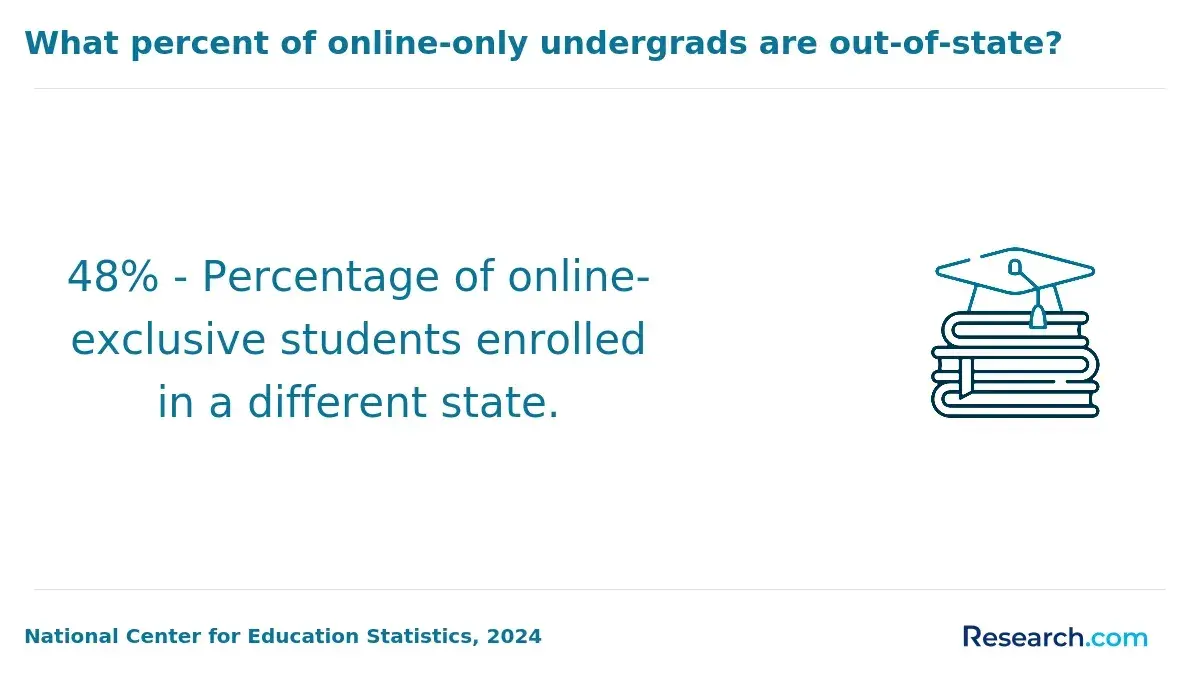
Universities have significantly expanded their academic support systems to ensure that online school psychology students have access to resources and assistance comparable to their on-campus peers. These enhancements aim to balance flexibility with the maintenance of rigorous academic standards.
Below is a comparison of the main academic support services typically available in both learning formats.
- Tutoring Services: Both online and on-campus students can access tutoring through virtual sessions, online writing centers, or scheduled in-person meetings. Online platforms offer flexible booking options, which benefit students managing work or family commitments.
- Career Counseling: Career services such as resume workshops, interview prep, and job placement are accessible to all students. Online students participate via video calls and webinars, while on-campus students attend face-to-face workshops and career fairs.
- Library Access: Extensive digital libraries provide equal access to academic journals, e-books, and research databases for online and on-campus students. On-campus students also benefit from physical study spaces and in-person research assistance.
- Faculty Interaction: Online students connect with faculty through email, discussion boards, or scheduled video meetings, offering flexibility but less immediacy. On-campus students enjoy spontaneous access during office hours or before and after classes.
- Peer Networking and Community: Online programs use forums, group projects, and virtual cohorts to build community, though some students report stronger connections in traditional classroom discussions and face-to-face activities.
Program length for a school psychology degree can vary significantly depending on whether a student enrolls in an online or on-campus program, their individual pace, and course scheduling flexibility. These factors combine to shape the typical timeline needed to complete the degree.
Here is a comparison of average completion times for online versus on-campus school psychology programs, highlighting how flexibility and structure influence graduation speed.
- Online school psychology degree: Online programs generally offer greater flexibility, allowing students to progress at their own pace. Full-time students often complete their master's degree in around 2 years, while part-time learners may take 3 years or more depending on course load and scheduling. Many programs use asynchronous formats, making it easier to balance work and life commitments, though this flexibility can extend the overall time to degree completion.
- On-campus school psychology degree: These programs typically follow a structured, cohort-based schedule with less flexibility. A full-time master's or specialist degree usually takes between 2 and 3 years, while select specialist programs can extend to 4 years, especially for working professionals. Required in-person practicums and internships, plus fixed course sequencing, often limit the ability to accelerate or delay graduation in on-campus settings.
Tuition, fees, and overall expenses for online and on-campus school psychology programs vary significantly, impacting the total cost students face. While online programs often advertise lower price tags, several factors including living costs and technology fees contribute to the final amount paid.
Understanding the cost comparison of online vs on-campus school psychology degrees requires looking at these components in detail; here is a breakdown of the main cost factors:
- Tuition and Fees: Online school psychology programs generally offer lower tuition rates or standardized costs regardless of residency, making the average tuition for online school psychology programs typically higher than on-campus in-state rates but more affordable for out-of-state students. For example, average online master's tuition can be around $27,326 annually, while some on-campus programs might charge less, though private or out-of-state tuition often exceeds this.
- Living Expenses: Students in online formats save significantly on room, board, and transportation since they can stay at home, which can translate to thousands of dollars in yearly savings. This makes online programs particularly attractive for those balancing family or work, reducing overall education costs beyond just tuition.
- Technology Costs: Despite savings on housing, online learners incur expenses for reliable internet, computers, and university technology fees that support virtual platforms. These costs are generally less than the savings on living expenses but are an important part of budgeting for an online degree.
- Financial Aid Availability: Both online and on-campus students have access to federal aid, scholarships, and assistantships, although the type and flexibility of aid can vary by institution. Some online programs provide unique scholarship opportunities or flexible assistantships that accommodate remote learners.
- Program Duration and Flexibility: Online programs often allow part-time study or accelerated paths that can reduce indirect costs like lost wages or delayed workforce entry. This scheduling flexibility can make online degrees more economically manageable for working professionals.
- Employer Perception and Career Outcomes: Employers increasingly recognize online degrees from accredited programs as equivalent to traditional ones, implying no significant salary or job market disadvantage for online graduates when the credentials and accreditations meet standards.
For students exploring the most affordable options in psychology, considering an easy bachelors degree might provide additional pathways into related fields. Balancing tuition costs, living expenses, and program flexibility is essential when comparing total expenses and deciding between online and on-campus school psychology degrees.
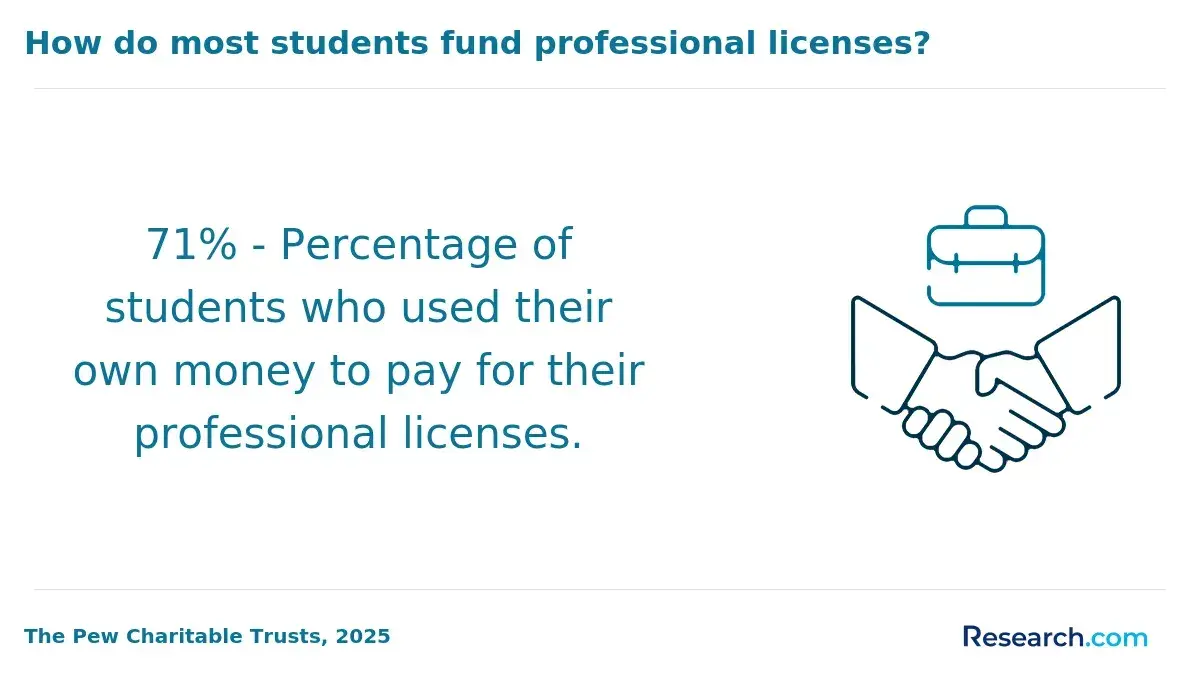
Both online and on-campus students pursuing a school psychology degree may qualify for financial aid, though eligibility and accessibility often vary depending on program format and institutional policies. Understanding these differences can help students maximize their funding opportunities for either learning mode.
Below is a comparison of the main financial aid options available to both online and on-campus school psychology students, focusing on eligibility nuances and access considerations.
- Federal Financial Aid: Students in accredited programs can complete the FAFSA to access federal loans and work-study programs. Online students must confirm their program is Title IV-eligible, as some online programs, particularly non-traditional or for-profit ones, may not qualify as readily as on-campus options.
- State Grants and Aid: State aid often depends on residency and program location. On-campus students at in-state public universities usually have better access to state grants and tuition discounts, though some states extend aid to residents enrolled in approved online programs based locally.
- Scholarships and Grants: Both online and on-campus students can apply for scholarships from professional organizations and foundations. However, certain university scholarships and graduate assistantships that include tuition waivers or stipends are more common for on-campus students due to in-person work obligations. Those exploring scholarships for on-campus school psychology students may find additional localized awards. Annual scholarship amounts typically range from $1,000 to $15,000.
- Employer Tuition Reimbursement: This option applies equally to online and on-campus students working in educational or mental health settings. Online programs often provide greater scheduling flexibility, making it easier for working professionals to balance employment and coursework.
- Private Student Loans: Available to all students, private loans cover costs beyond federal aid and require good credit and program accreditation. Students should prioritize exhausting federal and institutional aid before considering private loans.
Students considering online school psychology programs should also evaluate cost efficiencies and explore resources like the cheapest online associate degrees to help manage expenses effectively.
Accreditation, faculty qualifications, and curriculum standards are fundamental to the credibility of both online and on-campus school psychology programs. The National Association of School Psychologists (NASP) accredits programs that meet stringent requirements for coursework quality, faculty expertise, and practical training, whether delivered online or in person. This accreditation confirms that programs offer comprehensive instruction alongside supervised field experiences essential for state licensure and national certification.
Faculty members in accredited online programs must meet the same professional standards as their on-campus peers, ensuring consistency in educational quality. Consequently, graduates from NASP-accredited online programs access the same certification and licensing opportunities as those from traditional campus settings.
Employer, academic, and licensing body perceptions of online versus on-campus school psychology degrees have evolved considerably as virtual education has advanced. Recent evidence indicates that NASP accreditation is the primary factor influencing credibility, with format playing a secondary role. Approximately 74% of practicing school psychologists hold specialist-level credentials obtained through a mix of online, hybrid, and traditional programs, highlighting growing acceptance of virtual pathways.
Online programs also offer significant advantages in cost, scheduling flexibility, and accessibility, appealing to students balancing multiple commitments. Innovations in virtual learning, including interactive simulations and remote supervision, along with collaborations for practicum placements, continue to strengthen the standing of online programs as legitimate and effective routes to licensure and career success.
Employer perceptions of online versus on-campus school psychology degrees have evolved significantly in recent years. While skepticism once prevailed, current research indicates that most hiring managers now value the academic quality of both formats equally when degrees come from accredited, reputable institutions. Surveys show that 76% of employers report improved perception of candidates holding an online bachelor's degree, and 92% say they would consider hiring someone with an online credential.
Factors such as university reputation and program accreditation weigh more heavily in hiring decisions than the delivery format itself. Additionally, employers increasingly focus on candidates' demonstrated skills and adaptability during interviews, reflecting a shift from traditional emphasis on where or how the degree was earned.
Changing workplace norms, particularly the rise of remote and hybrid work models, have also influenced employer attitudes toward online education. Employers appreciate that online learners often develop self-discipline, technological proficiency, and flexibility-qualities highly valued in today's dynamic work environments.
Although on-campus programs may offer more direct networking and hands-on practicums, the enhanced academic support and affordability of online programs make them attractive options for many students. Employers now prioritize competencies and real-world application of psychological principles over the mode of education, blurring the distinction between online and on-campus graduates. This trend underscores a more holistic assessment of candidates that goes beyond the degree format.
Salary comparisons between online and on-campus school psychology program graduates are increasingly shaped by factors such as location, employer recognition, and experience rather than the educational format alone. While the average salary for online school psychology degree graduates is often questioned, recent data shows these earnings are largely comparable to those of traditional on-campus graduates. The following points outline the key factors influencing salary outcomes for graduates from both pathways.
Key factors affecting earnings include:
- Geographic Location: Salaries for school psychologists vary notably by state and city, with places like California and Colorado offering substantially higher wages than other areas. These regional differences have a far greater impact on income than whether the degree was earned online or on-campus.
- Employer Perception: Most employers now view accredited online school psychology degrees as equal in value to on-campus credentials. Compensation decisions rarely hinge on delivery mode, provided the program meets professional standards.
- Experience and Specialization: Professional experience, advanced degrees such as Ed.S. or Psy.D., and specific areas of expertise tend to drive salary differences more than the program format. Online and on-campus graduates with similar qualifications generally earn the same.
- Program Accreditation and Reputation: Accreditation by recognized bodies like NASP substantially affects job prospects and salary potential. Graduates from reputable programs, whether online or in person, benefit equally from employer trust.
- Cost and Flexibility of Education: Online programs often provide lower tuition and flexible scheduling, which can support students working while studying. This affordability and flexibility may improve long-term financial outcomes, though it doesn't usually influence starting salaries.
- Salary Data for Virtual vs. Traditional Roles: Virtual school psychologists earn an average salary around $92,813, closely aligning with national averages for the profession. This supports broad acceptance of remote roles and suggests parity in pay regardless of work setting.
Graduates seeking a balanced approach to education and earnings might explore the shortest doctorate degree options, which can offer efficient paths to credentialing without compromising salary potential.
Choosing between online and on-campus school psychology programs depends largely on your individual learning preferences, lifestyle constraints, and long-term professional goals. Understanding how each format aligns with these factors can help you make the best decision for your educational journey.
Below are some key considerations to help you decide which program format is the best fit for your needs:
- Learning Style: If you learn best through direct interaction and face-to-face instruction, an on-campus program might suit you better by offering real-time discussions. Conversely, online programs typically rely on virtual sessions, which work well if you are comfortable with independent study and technology-based learning.
- Flexibility Needs: Online school psychology degrees offer greater scheduling flexibility, allowing you to balance coursework with work or family commitments. On-campus programs usually require fixed attendance times, which can be challenging if you need a more adaptable schedule.
- Budget: Tuition for online programs can range broadly, sometimes from $13,000 to $40,000, often saving you money on commuting and housing. However, on-campus study may provide more financial aid options and access to resources that could justify additional expenses.
- Networking Opportunities: In-person programs facilitate easier networking through direct contact with faculty and peers, which is important for mentorship and career building. While online students may need to take extra steps to establish connections, virtual platforms can still be effective networking tools.
- Access to Campus Resources: On-campus students benefit from physical libraries, labs, and study spaces, as well as campus events that can enhance learning. Although online programs offer virtual support, certain practicum placements or resources may require some in-person participation.
When you compare online vs on-campus school psychology degrees in California or explore the best online school psychology programs in Texas, these factors will remain central to your choice. Additionally, understanding career outcomes and salary potentials can be helpful since some pathways lead to good paying trade jobs and professional opportunities post-graduation.
Here's What Graduates of Online vs On-Campus School Psychology Programs Have to Say About Their Degree
- Asher: "Completing my school psychology degree entirely online was a game-changer for balancing my family life and education. The flexibility allowed me to study at my own pace without sacrificing quality, and the program's strong focus on real-world applications helped me secure a position at a school district immediately after graduation. I've grown so much professionally, and I'm passionate about applying evidence-based strategies to support diverse student populations effectively."
- Syara: "Attending an on-campus school psychology program gave me invaluable hands-on experience and deep connections with faculty and peers. The immersive environment fostered strong collaboration skills and allowed me to participate in research projects that enhanced my understanding of child development and mental health. Starting my career with this foundation has given me confidence and stability, and I am continually inspired to make a positive impact on students' lives."
- Rynor: "Opting for a hybrid school psychology program was the ideal choice for me because it combined personalized in-person training with the convenience of online learning. This format helped me strengthen my clinical assessment skills while managing my job simultaneously. I've appreciated how the program prepared me to navigate both educational and psychological challenges, positioning me for leadership roles in school systems and growing my professional network considerably."
Other Things You Should Know About Online & On-Campus School Psychology Degree Programs
Yes, online School Psychology degree programs in 2027 face challenges, including limited in-person interaction, which can hinder networking opportunities. Students may also experience difficulties in acquiring hands-on assessment skills. Moreover, maintaining self-discipline without the structured environment of a physical classroom can be tough for some learners.
Yes, transferring credits between online and on-campus school psychology programs in 2026 is generally possible, but it depends on the institution's policies. Most schools require approval to ensure the courses align with their curriculum standards, so it's crucial to consult academic advisors early.
- How Employers View Online Degrees and Distance Learning Programs https://londongatecollege.com/how-employers-view-online-degrees-and-distance-learning-programs/
- Online degree costs vs traditional degrees: which is more affordable? https://collegeonline.io/blogs/online-degree-costs-vs-traditional-degrees
- Guide To Online School Psychology Programs https://www.accreditedschoolsonline.org/psychology/masters/school-psychology/
- 10 Pros and Cons of Enrolling in an Online Master's Degree in Psychology Program https://www.counselingpsychology.org/pros-cons-masters-psychology/
- Grad School: Should I Get a Traditional or Online I/O Master's/Ph.D.? - NeoAcademic https://neoacademic.com/2012/05/09/grad-school-online-or-brick-and-mortar-io/
- On-Campus School Psychology Program https://www.fhsu.edu/psych/school-psychology/on%20campus%20school%20psych/on-campus-school-psychology
- Online Degree vs On-Campus Degrees https://www.online.drexel.edu/news/online-degree-vs-traditional-degree.aspx
- The Surprising Cost of Online Education: Why 83% of Online Degrees Aren’t More Affordable https://www.nexford.edu/insights/the-surprising-cost-of-online-education-why-83-of-online-degrees-arent-more-affordable
- MS in Psychology online? Programs employers recognize? | Student Doctor Network https://forums.studentdoctor.net/threads/ms-in-psychology-online-programs-employers-recognize.817994/
- On-Campus vs. Online Graduate Programs: Picking the Best Fit https://www.baker.edu/about/get-to-know-us/blog/on-campus-vs-online-graduate-programs/


