2027 How to Compare School Psychology Degree Programs Effectively

Co-Founder and Chief Data Scientist
Choosing the right school psychology degree program can overwhelm prospective students, especially when programs vary widely in curriculum focus, practicum opportunities, and accreditation status. For example, a 2023 survey found that 32% of graduates struggled to secure internships aligned with their career objectives, impacting their readiness for licensure. This gap often results from insufficient program transparency and unclear distinctions between specialist-level and doctoral-level tracks. Navigating these complexities is essential given the growing demand for qualified school psychologists nationwide. This article clarifies key factors to compare, helping readers select programs that best fit their professional goals, experience, budget, and scheduling needs.
Key Benefits of Comparing School Psychology Degree Programs Effectively
- Accreditation ensures program credibility and eligibility for state licensure, with 85% of employers preferring candidates from APA-accredited school psychology programs.
- Evaluate curriculum relevance and specialization options to match career goals, focusing on evidence-based practices and exposure to diverse student populations.
- Consider program cost relative to career outcomes; graduates often see a 20% salary increase within five years in states with high demand for school psychologists.
What Types of Accreditation Should a School Psychology Degree Program Have?
Accreditation helps prospective students compare the quality, credibility, and long-term value of different school psychology degree programs by ensuring they meet established educational standards. About 85% of school psychologists graduate from accredited institutions, improving their professional recognition and readiness for licensure.
Below are key types of accreditation to consider when evaluating a school psychology program:
- Regional Accreditation: This is the most recognized institutional accreditation in the U.S., verifying that the entire college or university maintains high academic and administrative standards. It influences credit transferability and eligibility for federal financial aid, which is essential for budgeting your education.
- Specialized Accreditation: The National Association of School Psychologists (NASP) provides program approval confirming that curricula and training meet professional standards required for practice and licensure readiness. This specialized endorsement supports career preparedness in the best accredited school psychology degrees for licensure.
- State Board Approval: State education or psychology boards may approve programs to ensure they meet local licensure criteria. It is important to verify this accreditation if you plan to practice in a specific state to ensure your degree aligns with that state's requirements.
For those balancing work or considering career changes, attending an accredited program offers assurance that their educational investment leads to recognized credentials, professional mobility, and access to essential supervised internships.
Students seeking flexible and affordable options might explore the most affordable online MBA programs as models for balancing cost and accreditation quality when comparing degree programs in other fields.
What Specializations Are Offered in School Psychology Degree Programs?
Specializations offered within school psychology degree programs allow prospective students to align their academic focus with specific career goals and workforce demands. For instance, there is a projected 8% growth in employment for professionals skilled in behavioral interventions through 2031, reflecting increased attention to mental health in schools.
These program tracks and focus areas provide key skills that enhance graduate outcomes. Common specializations include:
- Behavioral Interventions: Focuses on managing student behavior and fostering positive school climates through evidence-based strategies. Students develop abilities to design individualized behavioral plans that support diverse learners and improve school environments.
- Neuropsychology: Emphasizes understanding brain-behavior relationships and conducting cognitive assessments. This specialization prepares students to evaluate neurological factors affecting learning and informs interventions tailored to individual needs.
- Counseling: Builds skills in individual and group therapy techniques aimed at diverse student populations. Graduates are equipped to address emotional, social, and mental health challenges within educational settings.
- Assessment and Evaluation: Centers on administering and interpreting psychological tests to measure student learning and development. Expertise in this area supports data-driven decisions that improve academic outcomes.
- Early Childhood Development: Targets developmental milestones and intervention strategies for young children. This specialization prepares practitioners to support early learning and address developmental concerns before school entry.
Exploring these specializations provides insight into how school psychology program tracks and focus areas shape career opportunities. Students seeking affordable and flexible options may also consider resources such as the cheapest online engineering degree listings to compare program costs and delivery modes when mapping their educational path.
How Can You Compare Courses Across School Psychology Degree Programs?
Comparing courses across school psychology degree programs is essential for prospective students to evaluate program rigor, skill development, and alignment with career goals. Programs with strong curricula report up to a 90% course completion rate, reflecting effective engagement and preparation.
To navigate school psychology course content comparison effectively, consider these practical strategies:
- Curriculum Depth: Analyze required and elective courses to ensure coverage of critical areas such as assessment, counseling, and research methods. This reveals the program's comprehensiveness and specialization options.
- Course Sequencing and Workload: Review credit hours and prerequisites to understand pacing and intensity. Knowing this helps determine if the program suits your schedule and learning style.
- Skill Applicability: Identify practical components like internships, practicums, or hands-on labs emphasizing real-world skills essential for school psychologists. These experiences are crucial for licensure and career readiness.
- Faculty Expertise: Examine faculty credentials and research interests, which reflect the quality of instruction and current professional relevance.
- Licensure Alignment: Confirm courses meet state or national standards to ensure eligibility for certification and employment after graduation.
Those interested in related fields such as library science may find additional insights by exploring the library science degree online options available, broadening their educational perspectives.
Flexible scheduling can significantly influence a student's ability to succeed in school psychology degree programs by accommodating diverse personal and professional demands. Considering different program formats helps identify options that better fit your lifestyle and commitments. Important scheduling types include:
- Full-Time Daytime: Traditional daytime classes require a consistent on-campus presence, ideal for students who can dedicate regular hours to their studies. This format supports immersive learning but may limit flexibility for those with other responsibilities.
- Part-Time Study: Designed for students balancing work, family, or other obligations, part-time options allow for a slower course load. This flexibility enables steady progress without overwhelming schedules.
- Online and Hybrid: Fully online programs offer asynchronous learning, letting students access coursework anytime from any location, which is helpful for those distant from campus or needing greater time control. Hybrid formats blend online content with in-person sessions, providing both flexibility and direct interaction.
- Evening and Weekend: Classes scheduled outside typical business hours accommodate working professionals who need hands-on training through practicums or internships. These options reduce conflicts with daytime employment and support practical experience integration.
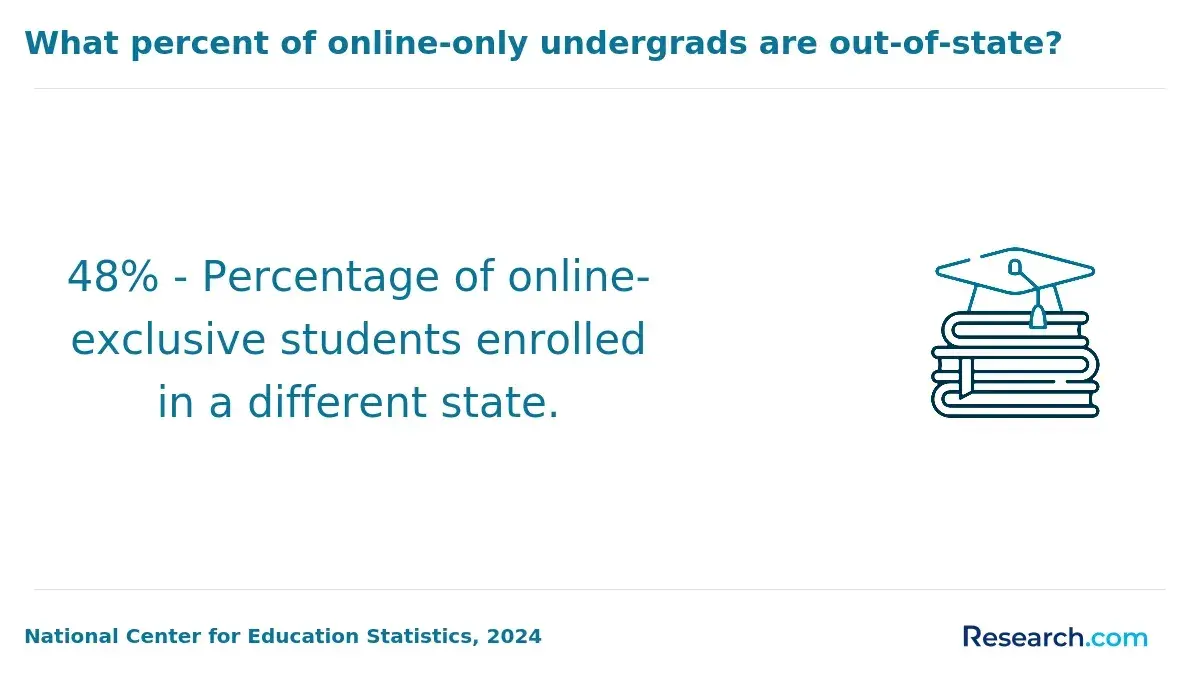
Choosing between online and campus-based school psychology degrees significantly affects a student's learning experience, flexibility, and career preparation. Data from the National Center for Education Statistics show that online program enrollments have grown by 21% in the last five years, highlighting a shift toward more adaptable education formats.
The following comparison explores key aspects of each delivery method.
Online Programs
- Flexibility: Online formats enable students to study around work or personal commitments, reducing travel time and making education accessible regardless of location.
- Limited Networking: These programs often lack real-time, face-to-face interaction with peers and instructors, potentially hindering relationship-building and mentorship.
- Self-Directed Learning: Students must manage their time and motivation independently, which can benefit some but challenge others.
- Career Adaptability: The flexibility helps working professionals continue career growth while completing their degree.
Campus-Based Programs
- Hands-On Experience: In-person coursework, labs, and practicums provide direct exposure to applied skills essential for school psychology practice.
- Stronger Networking: Students benefit from immediate feedback and closer connections with faculty and peers, enhancing professional relationships.
- Less Flexibility: Commuting or relocating and fixed schedules can challenge those balancing other responsibilities.
- Immersive Environment: The structure fosters focused learning and may improve retention through active participation.
GPA expectations play a significant role in evaluating school psychology degree programs as they reflect the academic rigor and competitiveness of admissions. Comparing these requirements can help applicants gauge which programs align best with their academic profile.
Key factors to consider include:
- Range of Expectations: GPA minimums vary widely, commonly falling between 2.5 and 3.5 on a 4.0 scale. Some programs enforce strict cutoffs, while others adopt more lenient or flexible thresholds depending on overall applicant quality.
- Holistic Admissions: Many programs weigh additional elements like relevant experience, personal statements, and recommendation letters alongside GPA. This approach allows candidates with slightly lower GPAs to compete if their broader application demonstrates strengths.
- Subject-Specific GPA: Certain programs emphasize performance in upper-division or psychology-related courses over the cumulative GPA. This focus highlights specialized knowledge and readiness for advanced study in school psychology.
- Flexibility for Borderline Applicants: Some institutions explicitly provide leeway for applicants near GPA cutoffs, considering contextual factors or additional qualifications. This can benefit students from diverse academic or professional backgrounds.
Tuition costs vary widely across school psychology degree programs, making comparison crucial for students aiming to manage their financial investment effectively. With the average graduate student debt surpassing $50,000 in 2023, understanding the full financial commitment is more important than ever.
Several key factors should be considered when evaluating programs, including:
- Total Program Cost: This encompasses all mandatory expenses, such as tuition, fees, and technology charges, providing a clearer picture beyond the base tuition rate.
- Cost Per Credit: Comparing the price per credit hour relative to program length helps identify the true cost, especially since some programs require more credits or additional practica.
- Fees and Additional Expenses: Beyond tuition, mandatory fees can differ significantly between institutions and may include lab fees, materials, or internship supervision costs.
- Financial Aid Availability: Scholarships, grants, and employer tuition reimbursement can substantially reduce out-of-pocket expenses, so exploring these options is essential.
- Long-Term Value: Evaluating career outcomes, such as licensure success rates and employment opportunities, is important to balance upfront costs with potential future earnings and advancement.
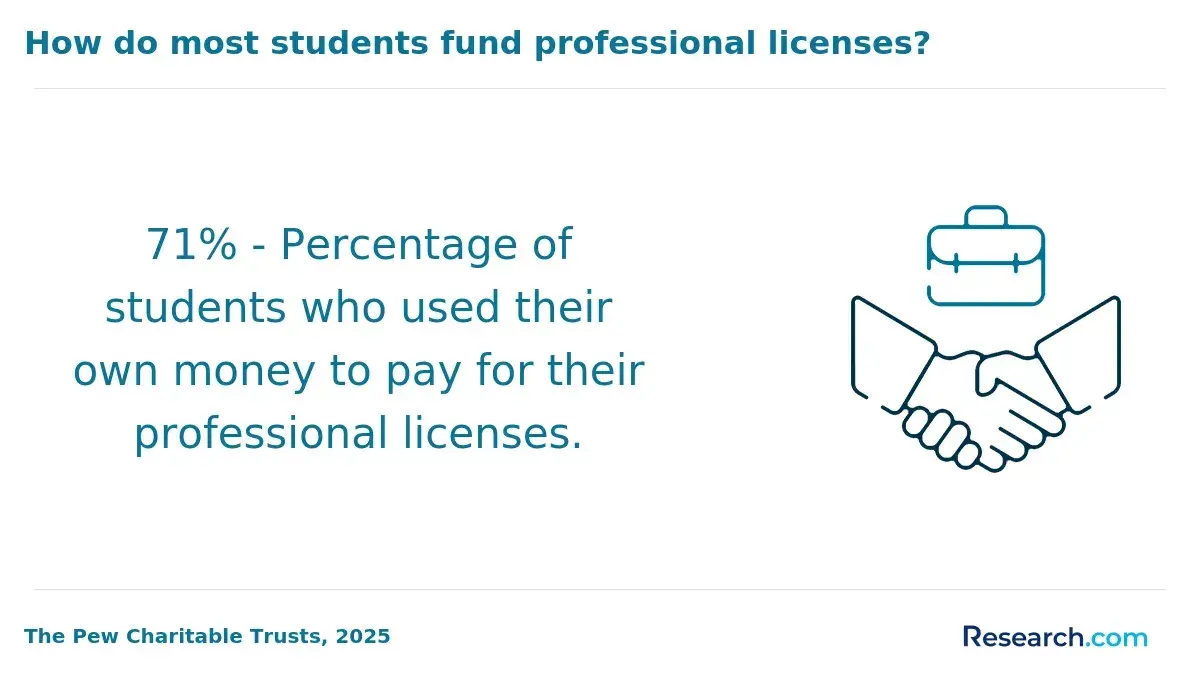
Aligning a school psychology degree with licensure requirements is essential for students entering a regulated profession or considering a career shift. Nearly 80% of U.S. professions demand licensing or certification to safeguard public welfare and uphold industry standards.
Below are key elements to evaluate when comparing degree programs:
- Curriculum Alignment: Ensure the program covers essential competencies mandated by state licensure boards, providing the knowledge and skills required for professional practice.
- Accreditation Status: Programs accredited by recognized entities like NASP or APA usually meet rigorous quality standards, improving licensure portability and acceptance across states.
- State-Specific Criteria: Different states have unique licensure requirements; selecting a program that aligns with your target state's rules helps avoid gaps in eligibility.
- Supervised Experience: Many states require practical training through internships or practicum; programs offering qualified supervised experiences better prepare students for licensure.
- Exam Eligibility: Graduates should be eligible to take national or state licensing exams relevant to school psychology to progress toward full certification.
Career placement rates are a crucial consideration when evaluating school psychology degree programs, as they reflect how effectively programs prepare students for employment. Approximately 85% of graduates from accredited school psychology programs find relevant employment within six months of completing their degrees.
Here are key factors to assess when comparing programs with the highest career placement rates:
- Employer Partnerships: Programs with strong connections to local and regional employers often provide students with increased job opportunities. These partnerships can facilitate job fairs, networking events, and direct hiring pipelines, which are essential for career placement.
- Internship Pipelines: Quality internship experiences are vital for gaining practical skills and frequently lead to job offers. Prospective students should look for programs that have established internship agreements with schools or agencies that prioritize hiring graduates.
- Alumni Outcomes: Successful programs showcase positive alumni career trajectories through testimonials and employment data. Tracking alumni placement rates and professional growth offers insight into how well a program supports long-term career success, especially among top ranked school psychology graduate programs for job placement.
- Program Support Services: Comprehensive career services, including resume workshops, interview preparation, and job search assistance, significantly enhance graduates' transition to the workforce. Programs that invest in these resources tend to have stronger placement outcomes.
Students aiming to maximize their chances of immediate employment should also consider flexible and accelerated degree options, such as an accelerated bachelors degree, to align education with career ambitions efficiently.
Post-graduation salary outcomes are an essential metric for comparing school psychology degree program graduates, as they provide insight into potential financial returns and career viability. Salaries range broadly, with entry-level professionals earning between $55,000 and $70,000 annually, while the median annual wage for school psychologists was approximately $80,900 as of May 2023.
The following factors contribute to these differences:
- Role: Salaries vary depending on whether graduates work as private practitioners, in public school districts, or within health services, with private practice often offering higher pay.
- Industry: Employment in hospitals or private clinics tends to result in higher earnings compared to roles strictly within public education settings.
- Location: Geographic differences matter; states with higher living costs such as California and New York generally provide elevated salary scales for school psychologists.
- Experience Level: Professionals with advanced certifications and several years of practice usually command better compensation and greater access to leadership or specialized positions.
When evaluating the average earnings of school psychology graduates by program, these variables should be considered to align expectations with realistic outcomes.
Prospective students aiming for budget-friendly degree options may explore the cheapest online college programs that also accommodate financial aid. Such decisions help support long-term career goals and financial stability.
What Graduates Say About Comparing School Psychology Degree Programs Effectively
- Ulric: "Before pursuing a school psychology degree, I was torn between various graduate programs, mainly weighing costs and outcomes. The affordability of this program, with an average attendance cost well below many competitors, made it an easy choice. Completing the degree truly propelled my career forward, allowing me to support students with diverse needs confidently and effectively."
- Scout: "Choosing a school psychology degree program was a reflective decision for me as I compared the return on investment from different fields. Cost was a significant concern; the moderate tuition fees made this path more accessible without sacrificing quality. Since graduating, I've applied what I learned to real-world challenges in educational settings, seeing a direct impact on student wellbeing."
- Xyra: "As a professional, I evaluated my options thoroughly before committing to a school psychology degree, placing a lot of emphasis on the cost relative to potential career benefits. The reasonable cost of the program helped me pursue my passion without financial strain. This degree has since enhanced my expertise and positioned me as a valued specialist in multidisciplinary school teams."
Other Things You Should Know About School Psychology Degrees
Program retention and graduation rates provide insight into student satisfaction and program effectiveness. High rates often indicate strong support services, quality instruction, and successful student outcomes, aiding prospective students in identifying programs where they are more likely to thrive and complete their degrees on time.
Supervised internship requirements vary by state and program, but many school psychology degrees require a 1,200-hour internship, often completed during the final year. Compare whether the internship is embedded in the curriculum, aligned with National Association of School Psychologists standards, and approved for your state credentialing board.
- How To Become A School Psychologist | Psychology.org https://www.psychology.org/careers/school-psychologist/
- Selecting a Graduate Program https://www.nasponline.org/about-school-psychology/selecting-a-graduate-program
- Massachusetts School Psychologists Association https://mspa.wildapricot.org/FAQs-about-School-Psychologists-in-MA
- A Guide to On-Campus Vs. Online Forensic Psychology Programs https://www.thechicagoschool.edu/insight/career-development/online-m-a-forensic-psychology-programs-guide/
- School Psychologist Salary Guide 2026 - PsychologyJobs.com https://psychologyjobs.com/school-psychologist-salary/
- Psychology Accreditation: What you need to know https://www.onlinepsychologydegrees.com/articles/accreditation/
- How to Get into Psychology Grad School | All Psychology Schools https://www.allpsychologyschools.com/psychology-grad-school-admissions/
- Compare Online School Psychology Degree Programs https://www.counselingpsychology.org/psychology/degrees/school-psychology/
- School Psychologist License Guide | ProCare Therapy https://www.procaretherapy.com/blog/what-is-a-school-psychologist-license/
- School Psychology, MSEd https://www.pace.edu/program/school-psychology-msed