2027 Is School Psychology a Hard Major? What Students Should Know

Co-Founder and Chief Data Scientist
School psychology is often viewed as a demanding major due to its combination of rigorous coursework and practical training, but perceptions of difficulty vary widely. According to the National Association of School Psychologists, the field expects a 16% job growth rate over the next decade, reflecting increasing demand.
This article explores the course rigor, workload expectations, essential skills, and individual factors influencing whether school psychology feels challenging. Understanding these elements will help students assess the commitment required and prepare adequately for success in this specialized and impactful discipline.
Key Benefits of School Psychology as a Major
- School psychology offers practical skills in assessment and intervention, benefiting career changers seeking meaningful roles in education and mental health.
- It supports full-time workers returning to school by integrating flexible learning with professional growth opportunities, easing transitions into specialized academic environments.
- Traditional undergraduates gain confidence managing challenging coursework through evidence-based techniques, with 85% reporting improved problem-solving and student support capabilities.
Where Does School Psychology Rank Among the Hardest College Majors?
School psychology is generally ranked as a moderately challenging major in national difficulty surveys, which typically assess factors like workload intensity, technical and analytical skill requirements, and the number of practicum or fieldwork hours.
Unlike highly demanding majors such as engineering or physics, which involve intensive lab work and advanced math or science courses, school psychology combines theoretical study with substantial applied field experience.
For instance, many programs require students to complete extensive practicum hours in educational settings, emphasizing hands-on learning alongside research.
According to College Factual, leading school psychology programs often graduate small cohorts, reflecting a focus on personalized training rather than sheer volume of coursework or extreme overall workload.
Perceived difficulty in school psychology can vary significantly depending on the institution and individual student background. Those with strengths in interpersonal skills and applied psychology may find the field more approachable compared to more quantitative or lab-heavy majors.
In comparison, majors like engineering and physical sciences tend to be rated as more rigorous, while psychology or education majors are often considered somewhat less intense. School psychology stands between these, due to its blend of clinical practice, research, and fieldwork requirements.
Ultimately, the challenge of this major is subjective and closely linked to a student's preparation, aptitude in research and statistics, and career objectives.
What Factors Make School Psychology a Hard Major?
Several academic and skill-related demands make school psychology a challenging major for many students. These hurdles require dedication, intellectual growth, and continuous development of professional competencies.
Key factors contributing to the major's difficulty related to school psychology workload demands include:
- Academic Rigor: Degree programs typically require 60 graduate credits for specialist-level training and up to 90 credits for doctoral studies. Coursework covers complex topics like psychological theory, human development, and intervention strategies.
- Time Commitment: Specialist programs generally span at least three years, with doctoral programs lasting five to six years. In addition to classroom hours, students must complete a 600-hour practicum and a 1,200-hour internship, alongside passing national certification exams such as the Praxis School Psychologist exam.
- Technical and Analytical Complexity: Students must master research methods, quantitative analysis, and critical thinking. The curriculum integrates ethics, diversity, and evidence-based practices, demanding intellectual and emotional maturity for real-world psychological assessments and interventions.
- Field-Specific Demands: Effective collaboration with educators, parents, and students is critical, alongside adapting to dynamic school environments. This requires flexibility and strong interpersonal skills that increase the overall workload and stress.
Those exploring options should consider programs carefully; some may offer accelerated pathways similar to a fast track college degree to help manage the intensity of these challenges while progressing efficiently.
Who Is a Good Fit for a School Psychology Major?
Understanding who should study school psychology is vital because the major demands a unique blend of interpersonal and analytical skills. Students aligned with the major's requirements are better equipped to manage its rigorous coursework and real-world challenges.
Key traits that fit well with school psychology major requirements include:
- Excellent Communication Skills: Students who excel in both oral and written communication thrive as they interact with diverse groups like students, families, and educators. This skill supports collaborative problem-solving and advocacy efforts.
- Adaptability and Resilience: The major involves unpredictable situations that require flexibility and calm under pressure, helping students handle stress and changing educational needs effectively.
- Commitment to Diversity and Social Justice: Those who value equity and are motivated to champion underrepresented groups find this major fulfilling and aligned with their passion for meaningful change.
- Critical Thinking and Data-Driven Decision Making: Analytical students who enjoy interpreting assessments and planning interventions succeed by leveraging strong reasoning and evidence-based strategies.
- Professionalism and Ethical Awareness: The field demands adherence to high ethical standards, benefiting students who are sensitive to legal and moral responsibilities in educational settings.
The combination of these traits helps students navigate the complexities of the coursework and stressors associated with the school psychology major.
For those considering this path, exploring open enrollment online college courses can provide accessible ways to build relevant skills and knowledge.
Many students find school psychology demanding due to its extensive coursework and diverse skill requirements. However, applying effective strategies can help manage these challenges and improve overall success.
- Break Down Study Sessions: Dividing complex topics into smaller, focused intervals enhances understanding and long-term retention, using techniques like spaced repetition and active recall.
- Organize Your Time: Utilizing planners or digital calendars to schedule coursework, practicum, and personal tasks reduces stress and promotes consistent progress.
- Build Essential Skills Early: Gaining proficiency in areas such as statistical methods and psychological assessment lays a strong foundation for advanced courses and hands-on experiences.
- Leverage Academic Supports: Engaging with tutors, study groups, and faculty during office hours can clarify expectations and guide development based on recognized professional standards.
- Prioritize Self-Care: Maintaining a balanced lifestyle and a reliable support network is vital to prevent burnout during the program's rigorous demands.
When asked about her experience, a graduate who majored in school psychology shared that she initially struggled with balancing heavy reading loads and practical assignments. She found that intentionally scheduling shorter, more frequent study intervals helped her stay engaged without feeling overwhelmed.
"I realized that sticking to a weekly planner was a game changer-it kept me accountable without burning out," she explained. Additionally, connecting regularly with peers for study sessions provided both academic insight and emotional support.
Reflecting on her journey, she emphasized that embracing a flexible yet structured approach and seeking help early made the workload feel more achievable. "It wasn't easy, but the strategies I developed helped me navigate the program more confidently than I expected."
Admissions to school psychology programs are indeed competitive, primarily due to limited enrollment caps and a high volume of applicants. Many programs accept only 8 to 10 students from pools of 50 to 80 candidates, leading to admission rates as low as 1-10%.
The selective nature reflects the field's specialized demands, requiring applicants to have strong academic credentials and practical experience. Growing interest in psychology careers continues to raise application numbers, intensifying the competition.
Selectivity varies by institution, but most programs require a minimum undergraduate GPA of about 3.25 to 3.4, with admitted students often exceeding this range. Essential prerequisite courses include psychology statistics and research methods, and relevant prior experience strengthens an application.
While some programs have dropped GRE requirements, competitive candidates remain those demonstrating clear dedication and solid academic backgrounds. Increasing demand for these programs suggests that selectivity will remain high or even grow.
A professional who majored in school psychology shared that the application process felt like navigating a "rigorous filter." He recalled spending months gathering meaningful fieldwork experience, carefully selecting recommenders, and refining his personal statement to highlight his commitment.
"It wasn't just about grades," he noted, "but demonstrating genuine passion and readiness for the challenges ahead." Though the process was "intense and sometimes daunting," his persistence paid off, reinforcing how competitive admissions truly are and the importance of preparation beyond academics.
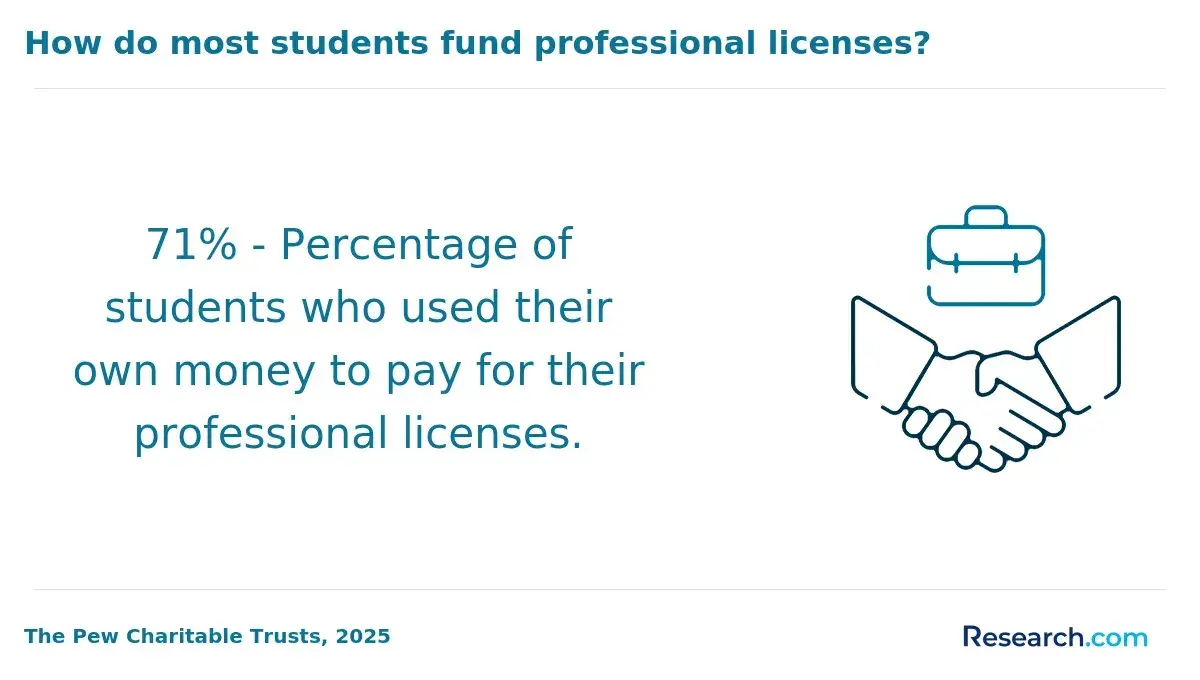
Is an online school psychology degree more difficult to complete than an on-campus program? The level of challenge varies based on individual learning preferences and discipline, rather than inherent differences in curriculum or academic expectations.
Students often weigh the differences between online and on-campus school psychology programs by considering factors like workload, support, and study environment. Here are some main points of comparison:
- Workload and Pacing: Online courses often demand more self-discipline due to frequent assignments and less rigid schedules, though some students appreciate working at their own pace, especially for complex subjects like statistics or assessment methods.
- Interaction and Support: On-campus students benefit from immediate contact with professors and peers, which can aid understanding and motivation. Online learners rely on virtual tools such as email, forums, or scheduled video meetings, which may affect their sense of connection and support.
- Academic Expectations: Both formats generally require completion of core coursework, practicum experiences, and typically around 120 credits for bachelor's or 60 credits for graduate degrees in school psychology, ensuring comparable rigor across delivery modes.
- Learning Environment: Flexibility is a key advantage of online programs, allowing students to balance studies with work or family obligations, but this convenience requires strong time management skills to keep up with coursework.
Ultimately, the ability to succeed depends largely on personal motivation and organization. For more insight into related options, you can explore the most affordable doctoral programs that include flexible online study pathways.
Accelerated school psychology programs are generally more demanding than traditional formats due to their condensed timelines and intensified pacing, which require students to manage significantly higher content density in shorter periods.
The increased workload intensity shapes a distinct student experience, requiring advanced organizational skills and sustained focus.
Below is a comparison of accelerated school psychology programs vs traditional tracks, highlighting key differences in workload and learning dynamics:
- Course Pacing and Content Density: Accelerated programs compress the entire curriculum into 12-24 months, whereas traditional formats spread material over 24-36 months, resulting in more frequent and dense coursework in accelerated tracks.
- Workload Management: Online accelerated school psychology degree workload demands continuous study without typical academic breaks, favoring self-disciplined learners comfortable with rapid progression.
- Academic Expectations and Skill Demands: Both formats cover identical theoretical frameworks and competencies, but accelerated formats prioritize practical application under tight schedules, requiring advanced time management and resilience.
- Learning Retention and Stress Levels: Students in accelerated programs report higher stress due to compressed timelines and limited recovery periods, while traditional students benefit from pacing that supports deeper exploration and periodic breaks.
- Flexibility and Scheduling: Traditional programs offer more flexible scheduling with semester breaks, contrasting with accelerated programs' year-round enrollment necessitating constant engagement and minimal downtime.
For those considering such pathways, programs like 1 year phd programs online illustrate how accelerated formats reduce time-to-degree while intensifying workload, making the choice highly dependent on individual learning styles and life circumstances.
Students can manage a part-time job while majoring in school psychology, but success depends on course intensity, weekly workload, schedule flexibility, and individual study habits. Given that programs often require full-time enrollment with extensive coursework and practicum hours, balancing work and study can be challenging.
Evening classes and daytime internships limit availability for employment during typical hours. Realistically, many students find part-time work feasible, particularly when managing lighter credit loads or during less demanding periods of the program.
Students who juggle employment and school psychology studies often rely on strong time management and prioritize flexible jobs, such as campus roles, that accommodate their academic commitments. They tend to select credit loads that allow space for both obligations and utilize academic support services to enhance efficiency.
The discipline's demanding practicum, technical assignments, lab work, and project deadlines require consistent focus, which can strain those with rigid schedules or heavier workloads.
Consequently, students with prior experience in balancing tasks and well-developed organizational skills generally find it easier to navigate these demands than others facing intense course cycles or peak academic pressures.
Career paths for school psychology graduates vary widely in difficulty, responsibility, and required skill sets. While some roles maintain the analytical and clinical rigor of the degree, others focus more on practical application or narrower scopes, making them less demanding in different ways.
- School Psychologist: These professionals conduct psychological assessments, develop intervention plans, and support K-12 students' mental health. This role demands expertise in special education law, individualized education programs (IEPs), and behavioral analysis, making it as rigorous as the school psychology degree itself.
- Licensed Specialist in School Psychology (LSSP): Graduates who pursue LSSP licensure take on expanded diagnostic and treatment roles within schools. The state-specific standards and continuing education requirements make this credential as demanding as the degree.
- Behavioral Health Specialist: Focused on classroom behavior management, these specialists implement interventions alongside teachers and administrators. The role is generally less demanding than the degree, emphasizing practical skills rather than in-depth research or complex case conceptualization.
- Educational Diagnostician: These professionals identify learning disabilities and developmental delays through testing. While requiring strong psychometric knowledge and detail orientation, the narrower scope typically results in a moderately less demanding workload than full-service school psychology positions.
- Mental Health Counselor or Therapist in Clinical Settings: Some graduates work in outpatient clinics or private practice, providing therapy outside schools. Depending on client complexity and caseload, these roles can match or exceed the degree's difficulty but operate under different regulatory frameworks.
School psychologist salary by state and location varies significantly, with top-paying regions like California, Colorado, and the District of Columbia offering higher wages that reflect the role's demands.
For those evaluating whether the career payoff justifies the academic effort, understanding the highest paying school psychologist jobs and career paths is essential.
Many students find value in exploring affordable online schools for working students to balance education with career advancement effectively.
There is no direct link between the difficulty of a school psychology major and higher salaries. While the field demands advanced education and specialized skills, earning more is largely influenced by market needs and professional credentials rather than the major's academic challenge.
The rigorous training equips graduates with essential competencies in assessment and intervention, valued by employers. However, salary levels mainly reflect the demand for qualified practitioners in educational and mental health environments, not the academic difficulty itself.
Several factors shape the earnings of school psychology graduates. Geographic location plays a significant role, with higher wages in states like California and New York where mean salaries can exceed $106,000.
Salaries also vary by job role and experience-for instance, entry-level positions average about $60,880, while seasoned professionals at the 75th percentile earn $108,210 or more.
Additionally, professionals working in universities or private practice tend to earn more than those in public school settings. Industry demand, driven by rising awareness of student mental health, continues to boost opportunities and wages in the field.
What Graduates Say About School Psychology as Their Major
- Nikita: "Pursuing school psychology was challenging but incredibly rewarding. The coursework demanded a deep understanding of both educational theory and psychological principles, which wasn't easy, especially balancing fieldwork. Despite the nearly $20,000 average annual cost, the hands-on learning and meaningful career impact made every penny worth it."
- Jesse: "I found school psychology to be a tough major due to its rigorous requirements and the need to integrate research with practical applications. The cost of attendance felt steep at times, but knowing that this degree opened doors to a fulfilling career in supporting children's mental health made the investment worthwhile. Reflecting on my journey, the hardest parts led to the biggest personal growth."
- Caroline: "As someone who approached school psychology with a professional mindset, I recognized early on that it was a demanding major both academically and financially, with tuition and related expenses adding up quickly. However, mastering complex assessment techniques and intervention strategies has been pivotal in my career, justifying the effort and cost involved. The experience was tough but ultimately invaluable."
Other Things You Should Know About School Psychology Degrees
To succeed in a School Psychology major, students need strong analytical skills, effective communication abilities for collaborating with educators and families, and a solid understanding of behavioral assessment techniques. Developing problem-solving skills is crucial to address diverse educational challenges effectively.
Exams in school psychology often test not only factual knowledge but also the ability to apply psychological concepts to real-life school scenarios.
Assessments include case analyses, psychological testing, and sometimes simulated counseling sessions, which require critical thinking and practical skills beyond memorization.
Prerequisite courses for a School Psychology major typically include introductory psychology, statistics, and educational psychology. Completing these courses before entering the major's core classes is crucial, as they provide foundational knowledge necessary for more advanced topics and practical training in the field.
School Psychology majors encounter challenges such as balancing intensive coursework with field experiences. They must master theoretical concepts while gaining practical skills through internships or practica, requiring strong time management skills to succeed in both classroom and practical settings.
- How to Become a School Psychologist | ProCare Therapy https://www.procaretherapy.com/blog/how-to-become-a-school-psychologist/
- What Can You Do With A Psychology Degree? | Psychology.org https://www.psychology.org/resources/alternative-careers-for-psychology-majors/
- A Career That Makes a Difference https://www.nasponline.org/about-school-psychology/a-career-that-makes-a-difference
- The Easiest & Hardest College Majors https://poetsandquantsforundergrads.com/news/the-easiest-hardest-college-majors/
- Ed.S. Goals and Objectives | School Psychology at UNC https://www.unco.edu/cebs/school-psychology/current-students/goals-objectives.aspx
- Study Tips for Psychology Students https://www.onlinepsychologydegrees.com/articles/study-tips/
- Choosing the “right” grad school path for psychology majors https://yara-mekawi.medium.com/choosing-the-right-grad-school-path-for-psychology-majors-5c8ae3b5ffef