2027 Best Online School Psychology Degree Programs at Nonprofit Universities

Co-Founder and Chief Data Scientist
Choosing an online school psychology degree requires more than finding a nonprofit university with online classes: most school psychologist roles require graduate study, supervised fieldwork, and state-specific credentialing. The U.S. Bureau of Labor Statistics reported a $86,930 median annual wage for school psychologists in May 2024.
This guide helps prospective students compare degree levels, online formats, costs, accreditation, and career fit so they can identify programs that support their intended path without overlooking clinical and licensure requirements.
Key Things You Should Know
- A bachelor's degree can build psychology and education foundations, but independent school psychologist roles generally require an education specialist degree, master's-level specialist preparation, or doctorate plus state credentialing.
- Prioritize institutional accreditation, NASP approval or APA accreditation when applicable, and written confirmation that online coursework, practica, and internships meet requirements in the state where you intend to work.
- The May 2024 median annual wage for U.S. school psychologists was $86,930, but program value depends on total borrowing, required in-person training, licensure eligibility, and local job opportunities - not nonprofit status alone.
What Makes an Online School Psychology Degree Program at a Nonprofit University Different?
The comparison below clarifies which degree level commonly fits each goal. Actual requirements vary by state education agency and employer, so readers should treat this as a planning guide rather than a licensing determination.
| Degree level | Typical purpose | Common online fit | Important limitation |
| Associate degree | Introductory coursework or transfer preparation | Often fully online | Does not prepare graduates for school psychologist licensure |
| Bachelor's degree | Foundation for graduate study; related entry-level support roles | Frequently online or hybrid | Usually insufficient for independent school psychologist roles |
| Master's or EdS program | Professional preparation in school psychology | Often hybrid because of fieldwork | Must be evaluated against state credential rules |
| Doctoral degree | Advanced practice, research, leadership, or psychologist licensure pathways | Usually hybrid rather than fully online | Longer timeline and extensive supervised training |
Public nonprofit universities may offer lower in-state tuition, while private nonprofit universities may provide the same tuition to online students regardless of residence and may use smaller cohorts. Neither model is automatically preferable. The strongest choice is the one whose curriculum, field placement process, total cost, and credential pathway match the student's location and career objective.
How Can Students Verify Accreditation for an Online School Psychology Degree at a Nonprofit University?
Students should verify two different forms of quality assurance: institutional accreditation and programmatic approval or accreditation. Institutional accreditation confirms that the university meets broad academic and administrative standards. Programmatic review is more closely tied to professional preparation and may be especially important for students pursuing school-based practice.
For school psychology, students should ask whether the program is approved by the National Association of School Psychologists (NASP), accredited by the American Psychological Association (APA) where applicable, or designed to meet the educational standards for their state credential. NASP approval can be particularly relevant for specialist-level preparation and the Nationally Certified School Psychologist pathway; APA accreditation is commonly associated with doctoral psychology education. Requirements are not interchangeable.
Use this verification sequence before submitting an application. It reduces the risk of investing in a program that is accredited institutionally but does not meet professional requirements.
- Confirm the university's institutional accreditation through the accreditor named on the school's official website and the U.S. Department of Education database.
- Locate the exact degree and campus or online track, then verify whether it holds NASP approval, APA accreditation, or other stated professional recognition.
- Read your state education agency's school psychologist credential requirements, including degree level, supervised experience, examinations, and any coursework rules.
- Request written confirmation from the program that its curriculum and placement model are intended to meet requirements in your state.
- Ask whether graduates have faced restrictions in states outside the university's home state, especially if you expect to relocate.
A common mistake is assuming that a university's accreditation automatically makes every degree licensure-qualifying. Another red flag is vague language such as "prepares students for certification" without identifying the credential, state, supervised hours, and program approval status. Save the school's written response and compare it with your state's published rules.
How Rigorous Are Online School Psychology Degree Programs at Nonprofit Universities?
Rigorous online school psychology programs use the same core disciplinary content expected in campus-based preparation: developmental psychology, learning theory, psychoeducational assessment, ethics, consultation, behavior intervention, research methods, multicultural practice, and school law or policy. Online delivery changes how instruction is accessed; it should not remove competency-based assessment or supervised practice.
For a bachelor's degree, rigor commonly appears through research papers, statistics, case analysis, discussion-based learning, and applied projects. For an EdS, master's, or doctoral pathway, expect more intensive assessment practice, live skills evaluation, practicum, internship, and faculty supervision. Programs that claim to prepare students for school psychologist licensure while requiring no local fieldwork deserve close scrutiny.
The following features help applicants distinguish a truly flexible program from one that merely places lectures online.
| Feature | What strong programs typically provide | Why it matters |
| Assessment training | Instruction and supervised practice using appropriate psychoeducational measures | Assessment competence is central to school psychology practice |
| Live learning | Skills demonstrations, virtual meetings, or supervised consultation exercises | Faculty can evaluate communication and professional judgment |
| Practicum and internship | Structured placements, qualified supervisors, and documented evaluations | School-based experience cannot be replaced entirely by online modules |
| Research and data use | Statistics, research literacy, and intervention decision-making | Practitioners use student and school data ethically |
| Cohort support | Regular faculty contact and peer collaboration | Helps students manage demanding applied coursework |
Students considering a bachelor's pathway may also compare related science preparation, such as an online bachelor's degree in biology, if their long-term interest includes neuroscience, developmental research, or health-related graduate study. It remains important to confirm prerequisites for the specific graduate school psychology programs under consideration.
How Much Does an Online School Psychology Degree Cost at a Nonprofit University?
The cost of an online school psychology degree depends on residency, degree level, credits required, technology fees, books, assessment materials, travel, and field-placement expenses. Tuition is only one part of the budget. A lower per-credit rate can be less valuable if students must extend enrollment, pay substantial fees, or arrange expensive travel for required residencies.
For broad context, College Board reported average published tuition and fees of $11,610 for in-state students at public four-year institutions and $43,350 at private nonprofit four-year institutions for 2024-25. These figures are not online school psychology program prices and do not reflect grant aid, but they illustrate why applicants should compare net cost and residency policies rather than institutional category alone.
Use the following cost categories to build a program-by-program estimate. Ask each university for a written total based on your anticipated transfer credits and enrollment pace.
| Cost category | What to confirm | Potential decision impact |
| Tuition | Per-credit rate, total credits, and online or out-of-state rate | Determines the largest direct academic expense |
| Mandatory fees | Technology, distance-learning, graduation, lab, and student-service fees | Can materially increase advertised tuition |
| Fieldwork expenses | Background checks, liability coverage, testing materials, travel, and parking | Especially relevant in specialist and doctoral programs |
| Residencies | Required campus visits, lodging, and transportation | Limits the practical meaning of "fully online" |
| Opportunity cost | Reduced work hours during practica or internships | May affect affordability more than tuition alone |
Students comparing healthcare graduate pathways alongside education careers can use a separate guide to cheapest DNP programs online as a reminder that advanced professional programs often include discipline-specific clinical costs. Costs and credential rules differ substantially between nursing and school psychology, so direct price comparisons should be limited to total-budget planning rather than career equivalence.
Do not choose solely by sticker price. Compare the estimated total cost of attendance, expected time to completion, required unpaid or reduced-paid fieldwork, and whether the credential can be used where you intend to work.
What Financial Aid Is Available for an Online School Psychology Degree at a Nonprofit University?
Eligible students at accredited nonprofit universities may use federal financial aid, including Direct Loans and, for qualifying undergraduate students, Pell Grants. Graduate students generally rely on Direct Unsubsidized Loans, Graduate PLUS Loans, scholarships, employer assistance, savings, and payment plans. Aid eligibility, annual limits, and satisfactory academic progress rules apply.
Complete the Free Application for Federal Student Aid early, then compare each institution's aid offer using net cost rather than the size of an individual scholarship. A school psychology program with a smaller scholarship can still cost less overall if it has lower tuition, fewer required credits, or fewer travel-intensive residencies.
Potential funding sources are worth pursuing in a deliberate order because borrowed funds can carry long-term repayment consequences.
- Federal grants and scholarships should be reviewed first because qualifying awards may reduce borrowing.
- Federal Direct Loans can be appropriate for remaining educational costs, but students should understand interest, fees, and repayment obligations before accepting them.
- University, department, and alumni scholarships may support academic achievement, service commitments, or students in high-need fields.
- School districts and employers may offer tuition assistance or grow-your-own educator programs, sometimes with work commitments.
- State workforce grants, service scholarships, and professional association awards may be available depending on residence and career plans.
Borrow only after examining the program's required fieldwork calendar. A student who plans to work full time may need savings or a reduced course load during intensive placements. Readers exploring financial planning across health professions can also review how much does online nursing school cost; its budgeting framework is useful, although nursing aid and clinical requirements are not the same as those in school psychology.
How Flexible Are Online School Psychology Degree Programs at Nonprofit Universities?
Online school psychology programs range from mostly asynchronous bachelor's degrees to hybrid specialist and doctoral programs with scheduled live sessions, local practica, internships, and occasional campus residencies. Flexibility should be measured by the entire program calendar, not by whether lectures are streamed or recorded.
Asynchronous courses suit students who need control over weekly study times, but they still have deadlines, group projects, exams, and instructor-response expectations. Synchronous sessions can provide real-time case consultation and skills practice but may conflict with work schedules or time zones. Fieldwork is usually the least flexible component because schools operate on set schedules and supervisors must be available.
Before enrolling, obtain a sample course sequence and determine which format fits your responsibilities.
| Format | Best fit | Trade-off to assess |
| Mostly asynchronous | Working students with variable schedules | May still require daytime field placements later in the program |
| Scheduled online classes | Students who value routine and live faculty interaction | Fixed meeting times may reduce scheduling freedom |
| Hybrid with residencies | Students able to travel periodically for intensive training | Travel cost and time must be budgeted |
| Part-time sequence | Students balancing employment or caregiving | Longer completion time can increase total fees and delay advancement |
| Accelerated sequence | Students with substantial available time and strong academic readiness | Compressed terms can be difficult during fieldwork |
Students seeking maximum pacing autonomy for general education or transfer coursework may investigate the cheapest self-paced online college options. Self-paced study is usually a poor match for supervised school psychology practica, where competency evaluation and school-site schedules are required.
What Student Support Services Do Nonprofit Universities Provide for Online School Psychology Degree Students?
Online students need support that extends beyond technical help. Strong nonprofit universities provide academic advising, online library access, writing and tutoring support, disability services, counseling referral resources, career services, and financial aid guidance. For school psychology students, field-placement coordination and faculty mentorship can be especially consequential.
Support quality varies widely, so applicants should ask for specifics rather than relying on general promises. A university may have excellent online advising while offering limited help locating practicum sites in another state. Conversely, a program with a dedicated placement coordinator may be a better fit for students who cannot use an existing relationship with a local district.
The most useful questions focus on support when the program becomes applied and time-sensitive.
- Who approves practicum and internship sites, and how early must students begin the placement process?
- Does the university secure placements, provide leads, or expect students to arrange every site independently?
- How are supervisors selected, trained, and evaluated?
- Can online students access psychology databases, assessment resources, tutoring, and disability accommodations remotely?
- What is the typical response process if a placement ends early or a student needs academic intervention?
For students entering from nursing or considering an undergraduate completion degree before graduate study, information on easiest online RN to BSN programs may help illustrate how transfer evaluations and online student support differ across professional disciplines. An RN-to-BSN pathway does not replace school psychology preparation, but it can be relevant to career changers comparing their options.
Do Online School Psychology Degree Programs at Nonprofit Universities Prepare Graduates for In-Demand Careers?
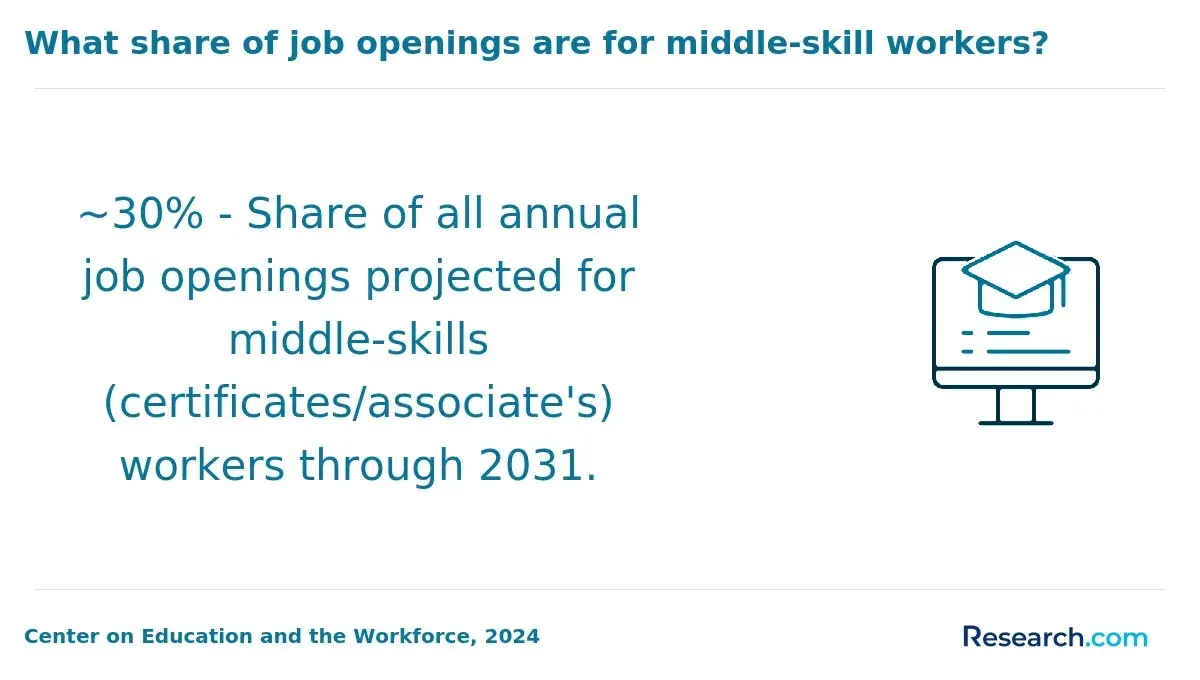
An online degree can prepare graduates for in-demand education and behavioral health work when the program includes the credential, supervised experiences, and competencies required for the target role. The clearest direct career pathway is school psychologist, but bachelor's graduates may also pursue roles such as behavioral technician, youth program coordinator, case management assistant, research assistant, or school support staff, depending on employer requirements.
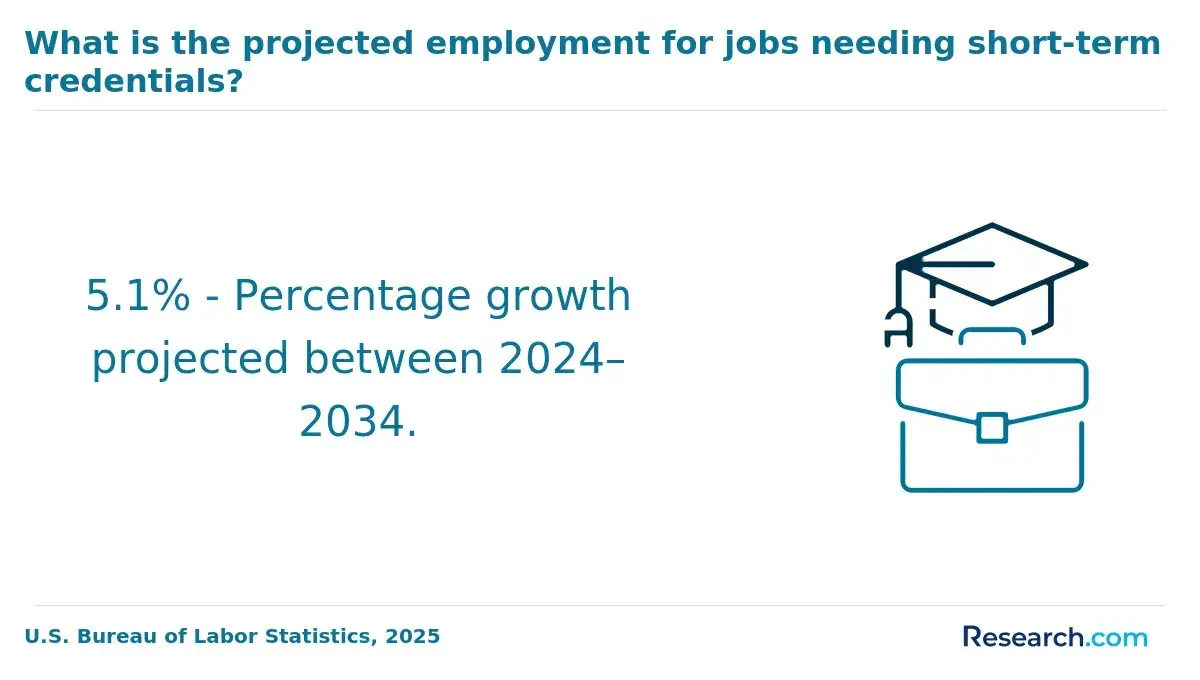
The U.S. Bureau of Labor Statistics projects 1% employment growth for school psychologists from 2023 to 2033. This modest national projection should not be interpreted as a lack of opportunity in every community: hiring can vary with district budgets, retirements, student-service needs, geographic shortages, and state credential rules. Review local district vacancy pages and state workforce information before committing to a program.
School psychologists commonly assess learning and behavioral needs, consult with educators and families, help design interventions, interpret data, support crisis response, and promote equitable school systems. Useful skills include ethical decision-making, cultural responsiveness, report writing, consultation, data interpretation, communication, and the ability to work across school teams.
Career readiness is stronger when a program can show how its curriculum connects to actual practice. Ask for graduate outcomes where available, but interpret them carefully: employment rates may use different definitions, cohort sizes, reporting periods, and geographic populations. No school can guarantee a job, salary, school placement, or state credential.
Can an Online School Psychology Degree From a Nonprofit University Prepare Students for Graduate School?
Yes. An online bachelor's degree from an institutionally accredited nonprofit university can prepare students for graduate school if it includes the prerequisites, academic performance, research exposure, and recommendations required by the target program. It is particularly suitable for students who need flexibility while completing foundational psychology, statistics, development, and education coursework.
However, graduate admission is program-specific. Some school psychology EdS, master's, and doctoral programs require particular psychology credits, a statistics course, a minimum GPA, personal statements, professional references, interviews, or evidence of experience with children and adolescents. Test-score policies also vary. Students should compare prerequisites before selecting undergraduate electives or transferring credits.
A strong graduate-school preparation plan should include the following actions.
- Make a short list of intended graduate school psychology programs and record every prerequisite before choosing an undergraduate degree plan.
- Take statistics, research methods, developmental psychology, abnormal psychology, learning or educational psychology, and relevant education coursework when available.
- Seek supervised experience in schools, youth programs, tutoring, special education, behavioral services, or research settings.
- Build relationships with faculty who can evaluate academic work, professional conduct, and readiness for advanced study.
- Confirm whether online laboratory, research, or practicum courses satisfy the admissions expectations of each target program.
Students should not assume that an accelerated bachelor's degree is automatically the best preparation. Acceleration can reduce time and cost, but a traditional pace may leave more room for research, volunteering, and higher grades - factors that can matter in competitive graduate admissions.
How Should Students Compare the Best Online School Psychology Degree Programs at Nonprofit Universities?
The best online school psychology degree is not a single universal program. For a future school psychologist, the best value is usually an accredited or professionally approved specialist or doctoral pathway that is eligible for the student's state credential, provides reliable fieldwork support, and fits the student's budget and availability. For a student exploring the field, a transfer-friendly online bachelor's degree with strong psychology and research coursework may be the more appropriate first investment.
Use a consistent comparison method so that a polished website or low advertised tuition does not outweigh essential eligibility details. The table identifies the highest-priority factors to compare across a final shortlist.
| Comparison factor | What to collect | How to use it |
| Career alignment | Degree level, curriculum, and intended credential | Eliminate programs that do not support the target role |
| Accreditation and approval | Institutional accreditor, NASP status, APA status where relevant, and state alignment | Prioritize verifiable professional eligibility over marketing language |
| Total cost | Tuition, fees, travel, materials, and likely fieldwork-related income changes | Compare realistic budgets rather than per-credit tuition alone |
| Field placement | Hours, site rules, supervisor requirements, placement assistance, and schedule | Determine whether the program is feasible in your community and work situation |
| Flexibility | Live sessions, deadlines, residencies, course sequence, and part-time options | Choose a format you can sustain through practicum and internship |
| Outcomes and support | Retention, graduation information, licensure guidance, advising, and career services | Use outcomes as context while asking how they are measured |
Build a shortlist of three to five programs, request each program's current curriculum and cost sheet, and schedule conversations with admissions and field-placement staff. Then compare written answers - not verbal assurances - about your state, transfer credits, required campus visits, and placement responsibilities.
Common mistakes include confusing a general psychology degree with school psychologist preparation, assuming nonprofit status proves quality, overlooking daytime internship requirements, and choosing the lowest tuition without calculating total costs. A careful comparison protects both your academic options and your financial decision.
Other Things You Should Know About School Psychology
Usually no. A bachelor's degree can provide relevant preparation, but school psychologist positions generally require advanced professional education, supervised experience, and a state credential. Check the rules of the state where you plan to practice.
Online coursework can be legitimate, but professional school psychology programs commonly require in-person practicum, internship, assessment practice, or residencies. Verify exactly which requirements are online and which must be completed at approved sites.
It depends on the state and career goal. Many school psychologist pathways use an EdS or specialist-level program that includes extensive supervised preparation. A standalone master's may not meet credential requirements, so compare the specific degree plan with state rules.
Many students can work during early online coursework, especially in part-time programs. Practicum and internship periods may require daytime availability in schools, so students should obtain the fieldwork schedule before relying on full-time employment income.
References
- How To Become A School Psychologist | Psychology.org https://www.psychology.org/careers/school-psychologist/
- Financial Aid for Psychology Students https://www.onlinepsychologydegrees.com/financial-aid/
- Inside Online Master's Programs in School Psychology https://www.onlinemastersdegrees.org/best-programs/psychology/school-psychology/
- How To Become A School Psychologist | Psychology Degrees And Careers https://www.learnhowtobecome.org/psychologist/school-psychologist/
- Specialist in School Psychology (SSP) https://www.etamu.edu/programs/school-psychology-ssp/