2027 Best Online School Psychology Doctorate Programs for Career Advancement Beyond a Master's Degree

Co-Founder and Chief Data Scientist
Moving beyond a master's degree in school psychology is a high-stakes decision because the doctorate can open leadership, research, faculty, supervisory, and advanced practice roles-but only when it matches your career goal. The U. S. Bureau of Labor Statistics reports a May 2024 median wage of $84,940 for school psychologists, while doctoral-level paths can vary widely by employer, state, and license.
This guide helps working professionals compare online and hybrid doctorate options, understand ROI, avoid costly mistakes, and choose a program that supports real career advancement.
Key Things You Should Know
- A doctorate is most valuable when your target role requires or strongly prefers it, such as university faculty, district-level psychological services leadership, research, advanced clinical supervision, or licensed psychologist roles in states that require doctoral preparation.
- Online school psychology doctorates are usually not fully online in practice; strong programs typically combine online coursework with supervised practicum, internship, residency, dissertation, capstone, or applied research requirements that must meet state and employer expectations.
- Use salary data carefully: BLS May 2024 data places the median wage for school psychologists at $84,940, but doctorate-related advancement depends more on role type, district pay scales, licensure, leadership responsibility, and geographic labor markets than on the credential alone.
Which Online School Psychology Doctorate Programs Best Support Career Advancement Beyond a Master's Degree?
The best online school psychology doctorate program for career advancement is not simply the fastest or most prestigious option. It is the program that fits your intended role, is recognized by your state or employer, supports supervised field experiences, and builds evidence-based assessment, intervention, consultation, research, and leadership skills beyond the master's level.
For professionals who want to remain in school systems, accreditation and state alignment matter more than marketing language. Start by checking whether the school's pathway connects with recognized preparation standards and compare it with school psychology programs online accredited by NASP if your goal involves school-based credentialing or district employment.
The table below summarizes the major doctoral formats that master's-prepared school psychology professionals commonly compare. Use it to match degree type with career goal before you compare tuition, speed, or admissions requirements.
| Program type | Best fit after a master's degree | Career advancement value | Main limitation to verify |
| Online or hybrid EdD in school psychology, educational psychology, or educational leadership | Practitioners aiming for district leadership, program administration, consultation, or applied systems change | Strong for leadership roles where applied research, policy implementation, and organizational improvement are valued | May not meet psychologist licensure requirements unless specifically designed for that pathway |
| Online or hybrid PhD in school psychology or educational psychology | Professionals interested in research, faculty roles, assessment science, or policy analysis | Strong for academic, research, evaluation, and doctoral-level specialist roles | Often requires substantial research output, dissertation work, and sometimes in-person residency |
| PsyD in school psychology or related professional psychology field | Practitioners who want advanced clinical, assessment, supervision, or licensed psychologist preparation | Strong when the target career values doctoral clinical practice and supervised experience | Licensure rules vary by state, and APA or state-recognized accreditation may be critical |
| Post-master's doctoral completion pathway | School psychologists with a specialist-level credential, EdS, or extensive graduate coursework | Can reduce duplicated coursework and focus on advanced research, leadership, or specialization | Transfer credit is school-specific and may not shorten fieldwork or dissertation requirements |
The strongest programs usually share several practical features. These are especially important for working professionals who cannot pause employment for a traditional full-time campus doctorate.
- State-aligned fieldwork planning: The program should help you confirm where practicum, internship, supervision, and licensure-related experiences can be completed.
- Faculty with current school psychology expertise: Look for faculty who publish, practice, consult, or lead in areas such as assessment, MTSS, behavioral intervention, crisis response, or school mental health.
- Clear post-master's credit review: A strong program explains which prior graduate courses may count, which must be repeated, and which doctoral competencies are non-negotiable.
- Career-relevant doctoral project design: Dissertation, capstone, or applied research should connect to your target role, such as district evaluation, intervention effectiveness, equity in assessment, or mental health service delivery.
A major red flag is any program that advertises career advancement without explaining licensure alignment, internship expectations, accreditation status, or graduate outcomes. Another mistake is choosing a doctorate that repeats your existing master's specialization instead of adding leadership, research, supervision, or advanced practice capacity.
Which Career Paths Become More Accessible With an Online School Psychology Doctorate?
An online school psychology doctorate can make certain roles more accessible, but it does not replace experience, licensure, or district-specific promotion requirements. The clearest value appears when the doctorate helps you move from individual service delivery into advanced practice, leadership, research, training, or systems-level decision-making.
The table below shows how career options often differ for master's-level and doctoral-level professionals. Requirements vary by state, school district, higher education institution, and licensing board, so use this as a decision map rather than a universal rule.
| Career path | Typical master's-level access | How a doctorate may improve access | Doctorate value |
| School psychologist in K-12 settings | Commonly accessible with an EdS, specialist credential, or state-approved graduate preparation | May support higher salary lanes, advanced assessment roles, supervision, or district leadership | Useful but often optional |
| Lead school psychologist or coordinator | Possible with experience and strong district record | Can strengthen credibility in supervision, program evaluation, consultation, and policy implementation | Often valuable |
| District director of psychological services or student support services | May be possible with administrative credentials and experience | Can support leadership over evaluation systems, crisis response, mental health initiatives, and compliance | Strong when paired with leadership experience |
| University faculty or doctoral trainer | Limited, especially for tenure-track roles | Often expected for teaching, advising, research, and program leadership in higher education | Frequently required or strongly preferred |
| Researcher, evaluator, or policy analyst | Possible in some applied roles | Builds research design, data analysis, grant, and publication skills | Strong for research-focused careers |
| Licensed psychologist in school, clinic, or private practice contexts | Usually limited without doctoral-level psychology preparation | May be required depending on state board rules, supervised hours, internship, and accreditation | Potentially required |
Day-to-day responsibilities also change as professionals advance. A master's-level school psychologist may spend much of the week conducting evaluations, consulting with teachers, supporting IEP teams, and delivering interventions. A doctoral-level professional may still do those tasks, but higher-level roles often add supervision, program design, crisis leadership, assessment policy, grant work, staff training, research, and cross-department coordination.
Professionals should be cautious about assuming that a doctorate automatically creates a new job category. In many districts, advancement also depends on budget, union contracts, administrative certification, years of service, and whether the district has a formal lead psychologist or coordinator structure.
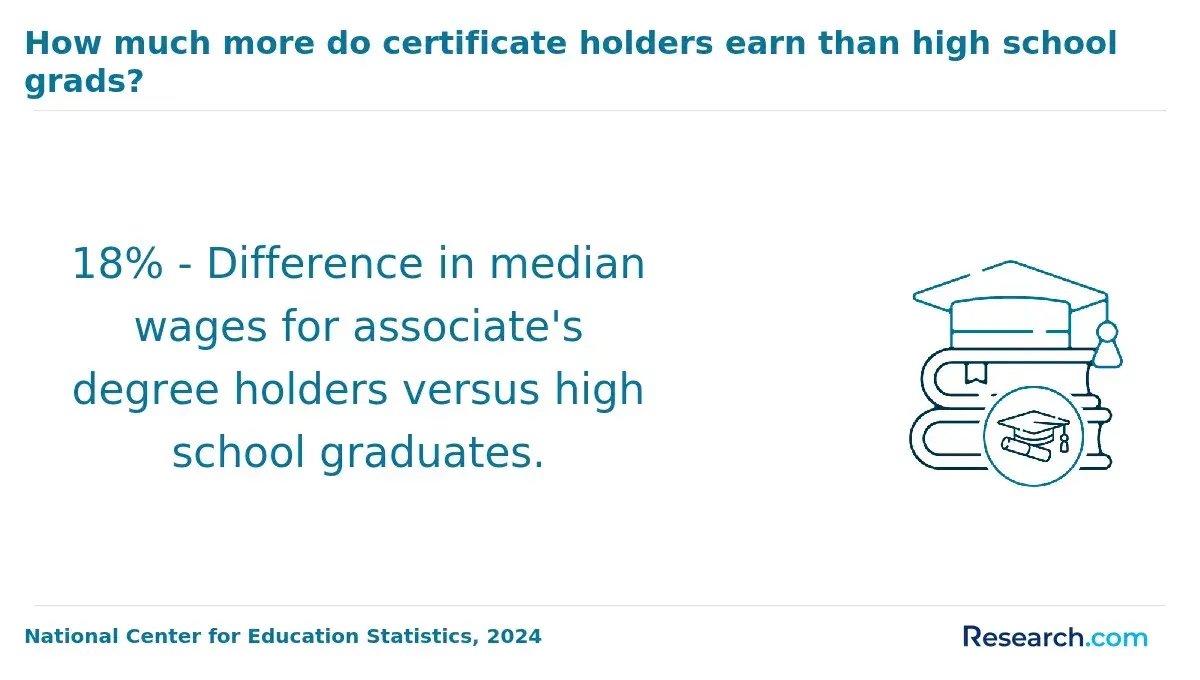
How Does an Online School Psychology Doctorate Increase Earning Potential After a Master's Degree?
An online school psychology doctorate can increase earning potential when it helps you qualify for higher salary lanes, leadership stipends, administrative roles, faculty positions, consulting work, or licensed psychologist roles. The degree itself does not guarantee a raise, so the best way to evaluate earnings is to compare your current pay scale with the specific roles you intend to pursue.
BLS May 2024 wage data provides a useful baseline: the median annual wage for school psychologists was $84,940. For a master's-prepared professional already near the top of a district pay scale, the doctorate may produce modest direct salary growth unless it unlocks a doctoral lane, supervisory title, or leadership position.
The table below explains common ways earnings may change after doctoral study. It focuses on mechanisms rather than promises, because pay depends heavily on employer policy and local labor markets.
| Earnings pathway | How the doctorate may help | What to verify before enrolling |
| District salary lane movement | Some districts pay more for doctoral credits or completed doctoral degrees | Whether your contract recognizes the degree and how much the lane change is worth annually |
| Lead or coordinator role | Doctoral training may strengthen eligibility for supervision, program evaluation, and advanced consultation | Whether such positions exist and how often they open |
| Administrative leadership | Applied doctoral study can support systems leadership, data-informed planning, and policy implementation | Whether an administrator license, principal credential, or central-office experience is also required |
| University teaching or faculty work | A doctorate is often expected for full-time faculty and doctoral training roles | Whether the program builds research, publication, teaching, and advising experience |
| Independent or clinical practice | A qualifying doctorate may support psychologist licensure in some career paths | State board requirements, supervised hours, internship rules, and accreditation expectations |
Professionals should calculate realistic salary growth in three steps before committing. This keeps the decision grounded in employer rules rather than broad national averages.
- Ask your current employer for the exact salary impact of doctoral credits, degree completion, or a leadership title.
- Identify three target jobs and review whether they require, prefer, or merely accept a doctorate.
- Compare the expected annual pay difference with tuition, fees, books, travel, residency costs, reduced work hours, and loan interest.
A common mistake is using national salary data as if it predicts personal ROI. National data can show market context, but your outcome depends on whether the doctorate changes your eligibility for a specific position or pay scale.
Doctoral study can help school psychology professionals move into leadership because it develops skills that go beyond case-level service delivery. Advanced programs often emphasize systems change, research interpretation, supervision, ethical decision-making, data-based problem solving, and organizational leadership-competencies that districts need when mental health, special education compliance, and intervention systems become more complex.
The leadership value is strongest when doctoral coursework and fieldwork connect directly to real school system challenges. For example, a doctoral project evaluating a districtwide MTSS model may be more career-relevant for a future coordinator than a theoretical dissertation disconnected from practice.
Professionals aiming for leadership should look for programs that build the following competencies. These skills are often more important to employers than the online format itself.
- Program evaluation: Ability to measure whether interventions, assessment processes, and mental health initiatives are working.
- Supervision and consultation: Preparation to mentor school psychologists, consult with administrators, and guide multidisciplinary teams.
- Legal and ethical leadership: Advanced understanding of special education law, disability evaluation, confidentiality, equity, and ethical assessment practices.
- Data-informed decision-making: Capacity to interpret district data, identify service gaps, and recommend resource allocation.
- Crisis and prevention systems: Leadership in threat assessment, suicide prevention, trauma-informed practices, and post-crisis support.
AI and education technology are also changing leadership expectations. District leaders increasingly need professionals who can evaluate digital assessment tools, student data systems, intervention platforms, and AI-assisted workflows without compromising ethics, privacy, or validity. A strong doctorate should help you ask better questions about technology rather than simply adopt new tools.
The doctorate may not be enough by itself for central-office leadership. Some roles require administrative licensure, principal experience, or budget management experience, so professionals should confirm these requirements before assuming doctoral education is the only missing credential.
The strongest specialization depends on whether you want to advance as a practitioner, administrator, researcher, professor, consultant, or systems leader. A specialization should add something your master's degree did not already provide; otherwise, you risk paying doctoral tuition for overlapping training.
The table below connects common school psychology doctorate specializations with career advancement potential. It can help you identify which concentration best supports your next role.
| Specialization | Best career fit | Why it may support advancement |
| School mental health and trauma-informed practice | District mental health leadership, crisis response, advanced consultation | Schools continue to need coordinated mental health supports, prevention systems, and referral pathways |
| Assessment, neuropsychology, or learning disabilities | Advanced evaluator, consultant, supervisor, private assessment practice where allowed | Builds deeper expertise in complex evaluations and differential diagnosis |
| MTSS, behavior, and intervention science | Systems-level intervention coordinator, behavior specialist, district consultant | Connects psychological services to measurable academic, behavioral, and social-emotional outcomes |
| Educational leadership or policy | Director, coordinator, central-office administrator, program manager | Strengthens skills in change management, compliance, budgeting, and organizational decision-making |
| Research methods and program evaluation | Faculty, researcher, grant-funded project leader, policy analyst | Supports publication, evaluation design, data interpretation, and evidence-based decision-making |
| Equity, bilingual assessment, and culturally responsive practice | Assessment leadership, district equity initiatives, consultation in diverse communities | Helps address disproportionality, language factors, and fairness in evaluation and intervention |
Some professionals discover that a doctorate is not the only route to advancement. If your real goal is curriculum technology, adult learning, educator training, or digital learning design rather than school psychology leadership, comparing alternatives such as the best online instructional design master's programs may be a smarter and lower-cost path.
Choose a specialization by working backward from job postings. If target roles repeatedly mention program evaluation, supervision, policy, or mental health systems, select a doctoral pathway that produces evidence of those competencies through internships, publications, capstones, or applied projects.
Employers generally value an online school psychology doctorate when the program is accredited or institutionally recognized, the candidate's fieldwork is credible, and the degree clearly improves job performance. Most employers care less about whether lectures were online and more about whether the graduate can supervise, lead, evaluate programs, conduct ethical assessments, and solve complex student support problems.
Online education is now widely accepted in many professional fields, but school psychology remains practice-based. That means employers may look closely at practicum quality, internship supervision, residency requirements, and whether your doctoral work involved real school settings.
When evaluating how employers may view a doctorate, focus on the evidence you can show. These signals can make the credential more persuasive during promotion or hiring conversations.
- Recognized institutional accreditation: The university should hold appropriate institutional accreditation, and the program should align with relevant professional expectations for your target role.
- Supervised applied experience: Employers value fieldwork that demonstrates assessment, intervention, consultation, supervision, and ethical decision-making.
- Career-connected doctoral research: A dissertation or capstone tied to district improvement, mental health systems, equity, or intervention outcomes can become a promotion asset.
- Leadership portfolio: Training materials, evaluation reports, presentations, publications, and policy work can show practical impact beyond the degree title.
The BLS projects employment for psychologists overall to grow 6% from 2024 to 2034. That outlook suggests steady demand for psychological expertise, but it does not mean every school psychology doctoral graduate will find a leadership role immediately; local budgets, shortages, and organizational structures still matter.
A red flag is a program that cannot explain how online students complete supervised experiences in their state. Another warning sign is vague career language such as "qualifies graduates for advanced roles" without naming licensure limits, placement settings, employer partners, or graduate outcomes.
Advancing from a master's degree to an online school psychology doctorate commonly takes several years because doctoral education includes advanced coursework, research, supervised practice, comprehensive exams, and a dissertation or applied project. The exact timeline depends on prior graduate credits, enrollment pace, fieldwork requirements, and whether the program is an EdD, PhD, PsyD, or post-master's completion pathway.
Some working professionals search for accelerated options, including 1 year EdD programs online, but school psychology doctorates should be evaluated carefully because licensure-aligned training, supervised experience, and doctoral research often cannot be compressed without affecting fit for advanced roles.
The table below gives a practical timeline comparison for master's-prepared applicants. Individual programs may differ, so confirm the plan of study in writing before enrolling.
| Pathway | Typical time consideration | Best for | Timeline risk |
| Part-time online or hybrid EdD | Often structured for working professionals over multiple years | Leadership, applied research, district improvement, administration-adjacent roles | Capstone or dissertation delays if the project is not scoped early |
| Post-master's PhD | Can be longer because of research apprenticeship, dissertation, and faculty expectations | Faculty, research, policy, and advanced scholarly careers | Publication, assistantship, and dissertation demands may conflict with full-time work |
| PsyD or licensure-focused doctorate | May require intensive supervised clinical or school-based training | Advanced practice or psychologist licensure pathways where applicable | Internship placement and state licensure requirements can extend completion |
| Accelerated professional doctorate | May reduce time through year-round courses or transferred credits | Experienced professionals with a clearly aligned leadership goal | May not fit school psychology credentialing or licensure needs if too generalized |
Before choosing a pace, consider the workload you can sustain while maintaining professional quality. Doctoral study usually requires deeper reading, writing, data analysis, and project development than a master's program, and full-time employment can stretch the completion timeline.
Professionals can reduce delay by taking a structured approach before enrollment. These steps are especially useful for applicants who already have graduate credits.
- Request a formal transfer-credit review instead of relying on informal admissions estimates.
- Ask which courses must be completed at the doctoral institution regardless of prior coursework.
- Confirm whether practicum or internship requirements can be completed near your workplace.
- Identify a dissertation or capstone topic that fits your current professional setting.
- Ask for the average time to completion for part-time students, not only the advertised fastest timeline.
The ROI of an online school psychology doctorate depends on whether the degree changes your earning capacity, promotion access, licensure eligibility, professional autonomy, or long-term career flexibility. A doctorate may be worth it for professionals targeting leadership, faculty, research, supervision, or licensed psychologist roles, but it may have limited financial ROI for someone who wants to remain in the same school psychologist position with no doctoral salary lane.
Cost should include more than tuition. Graduate students can borrow up to $20,500 per academic year through federal Direct Unsubsidized Loans, with Graduate PLUS Loans potentially covering remaining eligible costs. That borrowing structure can make enrollment possible, but it also means interest and total debt should be part of the ROI calculation before you commit.
The table below shows the main ROI factors to compare. It is designed to help you decide whether the doctorate is a strategic investment or an expensive credential with limited career leverage.
| ROI factor | Positive signal | Negative signal |
| Employer pay policy | Your district or agency offers a doctoral salary lane, stipend, or leadership differential | Your employer does not increase pay for doctoral completion |
| Target role requirements | Job postings require or strongly prefer a doctorate | Target roles value experience or administrative licensure more than doctoral study |
| Program cost and debt | Total borrowing is manageable relative to expected career benefit | Debt would require major salary growth that is unlikely in your market |
| Time commitment | You can study part time without reducing income or professional performance | The workload may force unpaid leave, delayed promotion, or burnout |
| Credential alignment | The degree aligns with licensure, accreditation, and employer expectations | The program is convenient but not recognized for your intended advancement path |
| Career flexibility | The doctorate supports multiple paths such as leadership, faculty, consulting, or research | The specialization is narrow and duplicates your master's-level preparation |
A practical ROI calculation should include direct and indirect costs. Direct costs include tuition, fees, technology, books, travel, and residency expenses. Indirect costs include reduced work hours, delayed earning growth, family time, stress, and the possibility that dissertation completion takes longer than planned.
Staying at the master's or specialist level may be the better decision if your state credential already supports your desired school role, your employer does not reward doctorates, or a lower-cost certificate would meet the same objective. The doctorate makes the most sense when it is tied to a specific role that has a clear credential advantage.
The professionals who benefit most from an online school psychology doctorate are those with a defined advancement target and a strong reason the doctorate is the right credential. The degree is less useful for people who simply feel "stuck" but have not identified a role, employer requirement, or specialization that requires doctoral preparation.
The following groups are often the strongest fit. Each has a career goal where doctoral study can add identifiable value beyond a master's degree.
- Experienced school psychologists seeking district leadership: A doctorate can support supervision, program evaluation, systems planning, and advanced consultation.
- Practitioners aiming for faculty or trainer roles: Universities and graduate programs often expect doctoral preparation for full-time teaching, research, and advising.
- Professionals interested in research or policy: Doctoral training can build skills in study design, statistics, grants, publication, and evaluation.
- Specialists pursuing advanced assessment or mental health expertise: A doctorate may deepen competence in complex cases, supervision, and multidisciplinary collaboration.
- Professionals pursuing psychologist licensure where applicable: Some career paths require doctoral-level psychology preparation, but state board rules must be checked carefully.
Some professionals should be cautious or consider alternatives. These situations do not mean a doctorate is never worthwhile, but they raise the risk of weak ROI.
- You do not have a target role: Enrolling before defining the outcome can lead to unnecessary debt and a poorly matched specialization.
- Your employer does not reward the credential: If salary lanes and promotions do not change, the financial return may be limited.
- You need administrative licensure instead: Some leadership roles require principal or administrator credentials more than a doctorate.
- You want faster skill development: A certificate, endorsement, supervised training program, or second credential may meet the goal more efficiently.
- You cannot sustain the workload: Doctoral study while working full time requires consistent writing, research, fieldwork, and long-term project management.
The best candidates can explain in one sentence why the doctorate matters: for example, "I need doctoral-level research training to move into university teaching," or "I need applied leadership preparation to become a district psychological services coordinator." If that sentence is unclear, pause before applying.
How Should Professionals Choose an Online School Psychology Doctorate for Career Advancement?
Choosing an online school psychology doctorate for career advancement should begin with the job you want, not the degree title. A strong program should connect your master's preparation to a specific next step, whether that is district leadership, advanced practice, research, faculty work, consultation, or licensure-aligned doctoral training.
Some professionals prefer applied doctoral formats with capstones or practice-based projects rather than traditional dissertations. If that describes your goals, compare options such as online EdD programs no dissertation, but confirm that the project model is respected by your target employers and appropriate for school psychology advancement.
Use the following steps to compare programs in a disciplined way. This process helps prevent common mistakes such as choosing based only on speed, tuition, or brand recognition.
- Define your target role and collect job postings that show whether a doctorate is required, preferred, or optional.
- Verify state credentialing, licensure, internship, and supervised-experience rules for the state where you plan to work.
- Confirm institutional accreditation and any program-level recognition relevant to school psychology, psychology licensure, or educator credentialing.
- Ask for a written post-master's degree plan showing transferable credits, required credits, fieldwork, residency, exams, and final project expectations.
- Compare total cost, including fees, travel, technology, residency, books, and potential income reduction.
- Review faculty expertise and identify whether at least one faculty member works in your intended specialization.
- Ask about graduate outcomes, employer partnerships, internship placement support, dissertation completion support, and average time to completion for working adults.
- Evaluate whether the final project can produce a portfolio artifact useful for promotion, consulting, publication, or leadership interviews.
When speaking with admissions teams, ask direct questions. Strong programs should answer clearly rather than relying on broad claims.
- Will this doctorate meet requirements for my intended state credential, license, or role?
- How many students enter with a master's or specialist degree, and how are their credits evaluated?
- Where do online students complete practicum, internship, residency, or applied research requirements?
- What career outcomes do graduates report, and how many move into leadership, faculty, research, or advanced practice roles?
- What support is available if my dissertation, capstone, or internship is delayed?
The smartest choice is the program that creates the shortest credible path to your target role without sacrificing accreditation, fieldwork quality, employer recognition, or financial stability. If a program cannot show that connection, keep comparing.
Other Things You Should Know About School Psychology
Some coursework may be fully online, but most credible school psychology doctorates include in-person or site-based components such as practicum, internship, residency, supervision, assessment training, or applied research. Always confirm the exact format before applying.
No. An EdS or specialist-level credential is commonly used for school-based practice, while a doctorate is a higher academic credential that may support leadership, research, faculty, supervision, or licensure-related goals depending on the program and state.
Many online and hybrid programs are designed for working professionals, but full-time work can still make doctoral writing, research, and fieldwork difficult. Ask programs how many hours students typically spend each week and whether internship requirements conflict with employment.
Not always. Many states allow school psychologists to practice in schools with specialist-level preparation and state certification. However, using the broader title "psychologist" outside school settings may require doctoral-level licensure, depending on state law.
- Best Online School Psychology Programs 2025 | Psychology.org https://www.psychology.org/rankings/best-online-school-psychology-programs/
- National Association of School Psychologists (NASP) https://www.eastern.edu/academics/colleges-seminary/college-education-and-behavioral-sciences/programs-offered/graduate-19
- Texas Association of School Psychologists https://www.txasp.org/training-programs
- Grad School: Should I Get a Ph.D. or Master's in I/O Psychology? - NeoAcademic https://neoacademic.com/2011/06/14/grad-school-should-i-get-a-ph-d-or-masters-in-io-psychology/
- How Much Does a PhD Cost https://aituedu.org/how-much-does-a-phd-cost/
- Master’s in Psychology - Is it Worth it? https://onlinecounselingprograms.com/online-counseling-degrees/online-masters-in-psychology/reasons-get-masters-in-psychology/
- Inside Online Master’s Programs in School Psychology https://www.onlinemastersdegrees.org/best-programs/psychology/school-psychology/
- How to Pay for a Ph.D in 2026 - ELFI https://www.elfi.com/how-to-pay-for-a-ph-d/